A Comprehensive Review of Meta and Facebook Platform Updates: 2022 Ecosystem Evolution and Advertising Strategies

The final quarter of 2022 marked a period of intensive transformation for Meta Platforms, encompassing widespread ecosystem adjustments across Facebook, Instagram, and its expanding virtual reality initiatives. As digital marketers and advertisers transitioned into 2023, the platform strategy increasingly pivoted toward automated ad management, streamlined cross-platform functionalities, and reinforced content-moderation safeguards. Throughout 2022, Meta deployed significant overviews of advertising best practices, introduced native scheduling within the Instagram mobile application, expanded automation suite capabilities via Advantage+, and continuously adjusted to emerging regulatory demands, including Apple’s AppTracking Transparency (ATT) framework.
Ecosystem Evolution: Strategic Shifts Across Facebook and Instagram
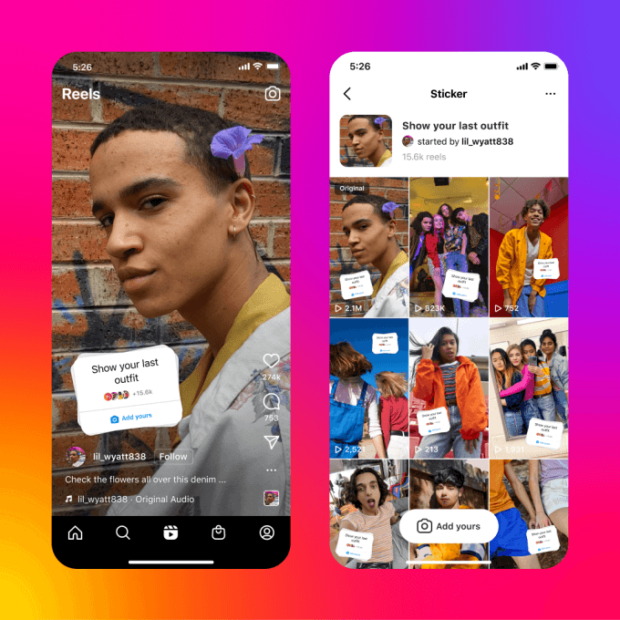
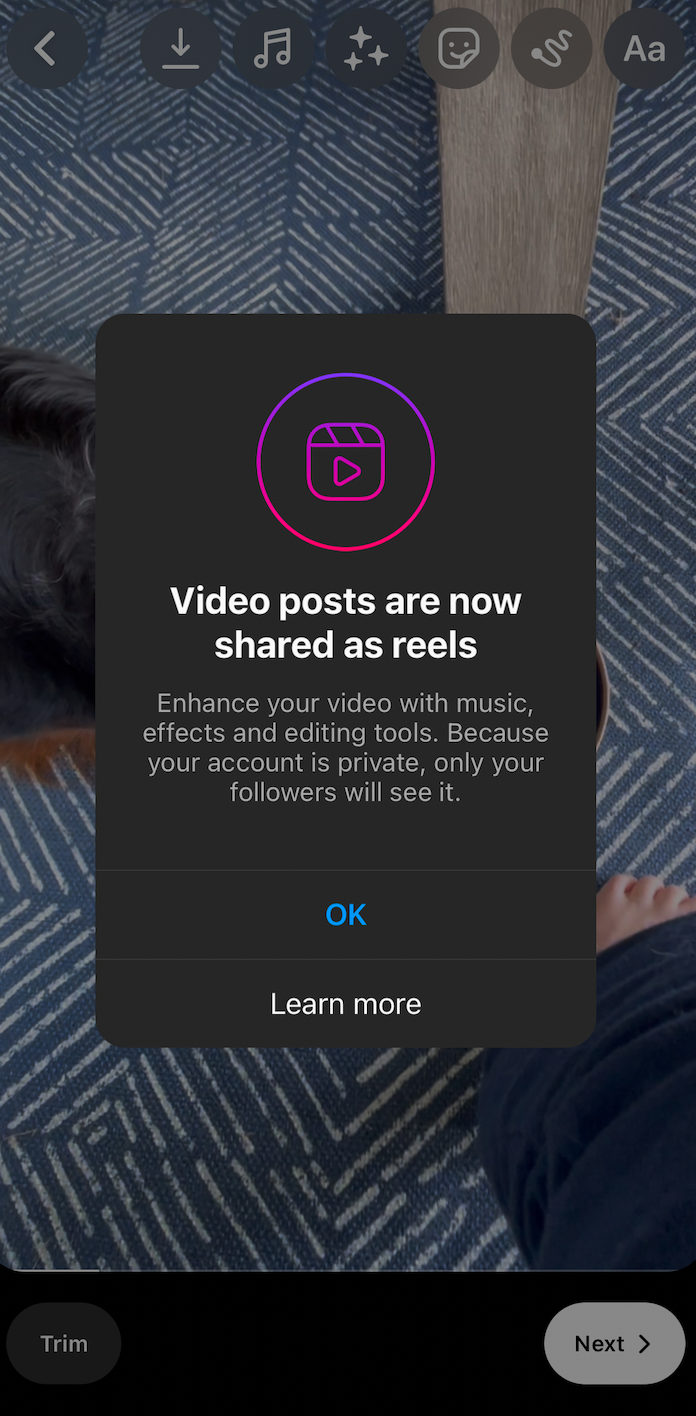
The trajectory of Meta’s product development throughout the year was characterized by a distinct prioritization of short-form video content, commerce infrastructure, and privacy compliance. The rapid ascendancy of Reels across both Facebook and Instagram served as the primary catalyst for user engagement and algorithmic delivery adjustments. By integrating Reels more deeply into user feeds, introducing native cross-posting capabilities, and extending maximum video lengths to 90 seconds, Meta sought to capture audience attention in alignment with prevailing consumer consumption habits.
Concurrently, the platform navigated complex compliance milestones. In November 2022, Meta secured Media Rating Council (MRC) accreditation for content-level brand safety on Facebook, independently validating its Partner and Content Monetization Policies for Instant Articles and In-Stream video placements. This accreditation reflected a multi-year investment in technological controls and inventory filters designed to reassure enterprise-level brands regarding content adjacencies.
Advertising Infrastructure and the Automation Imperative
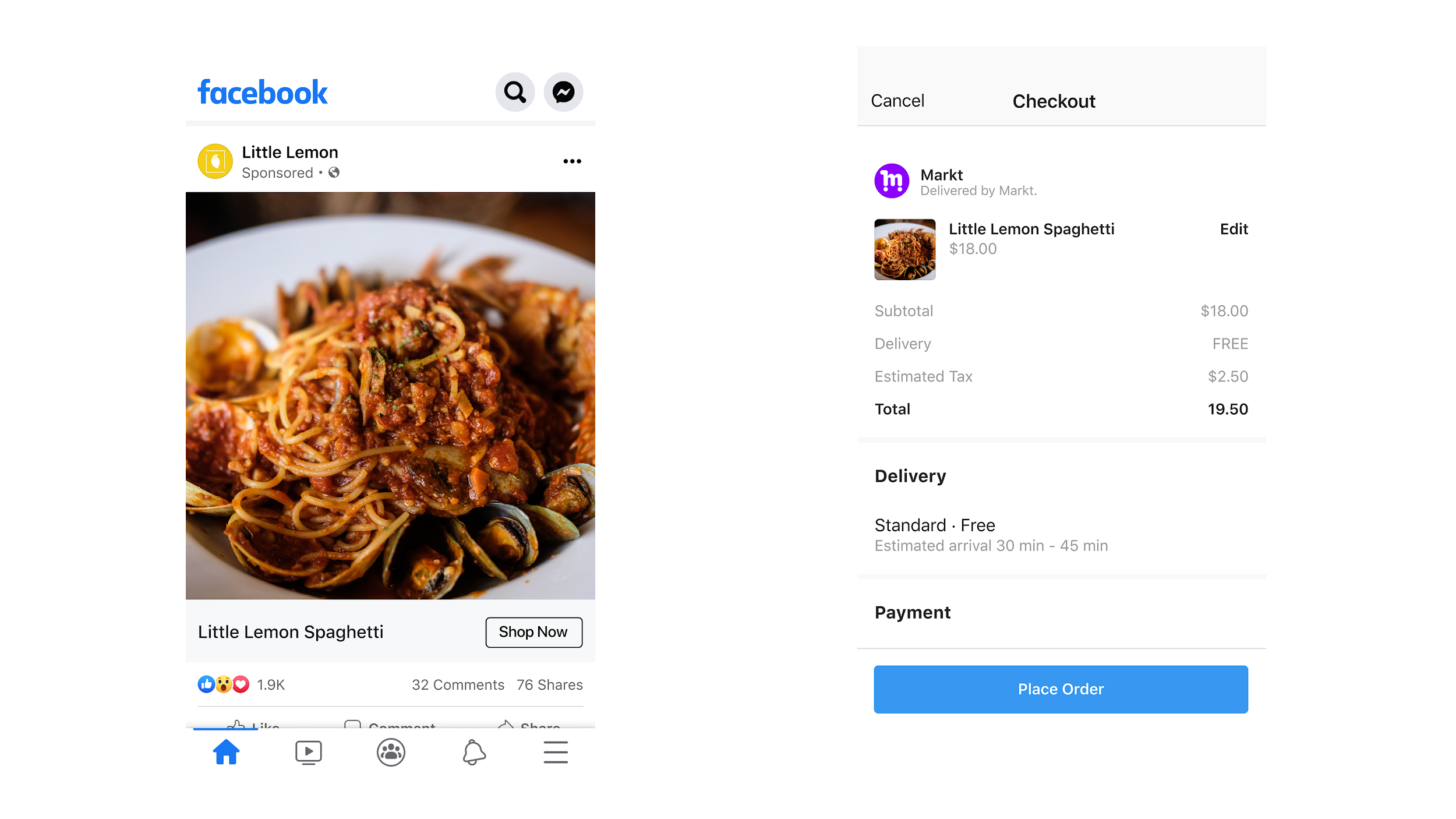
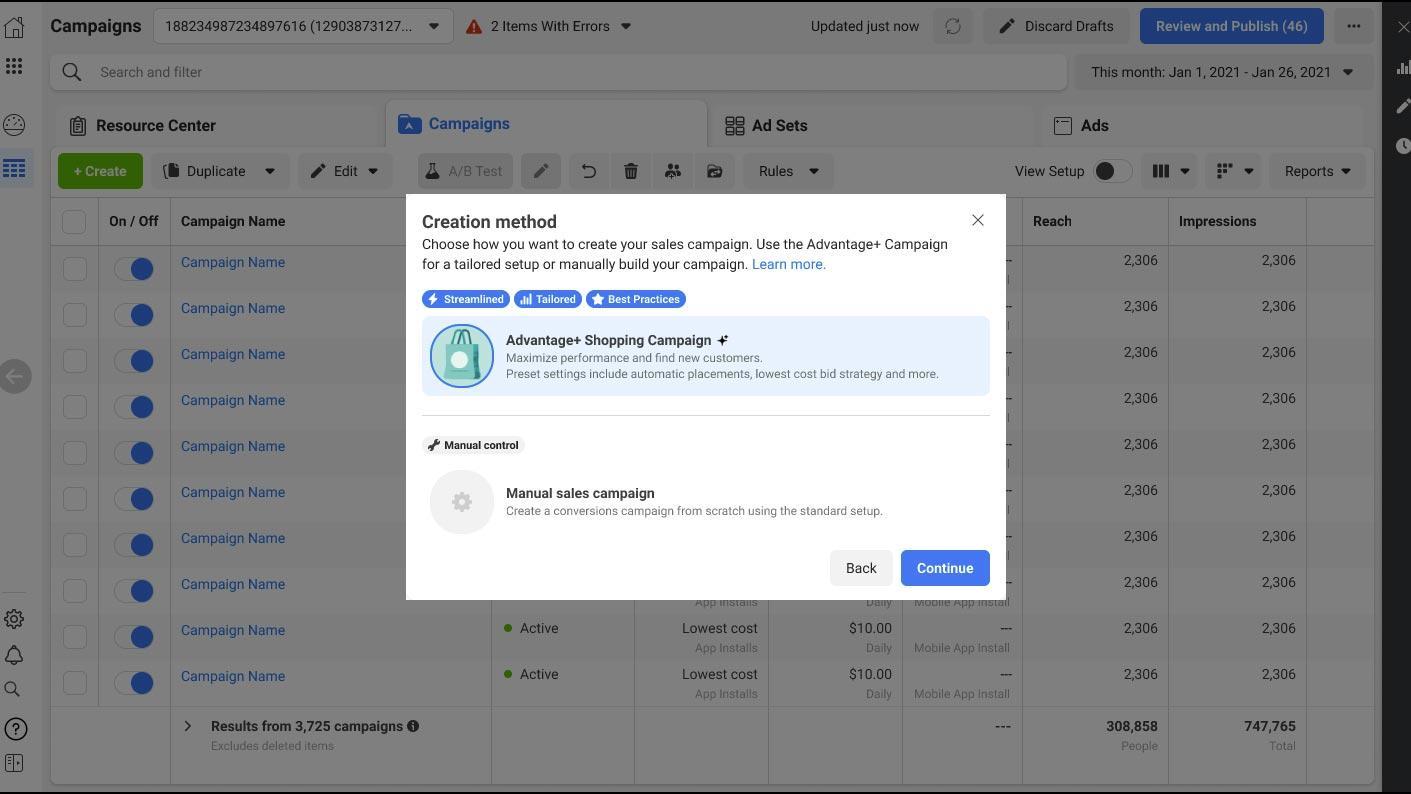
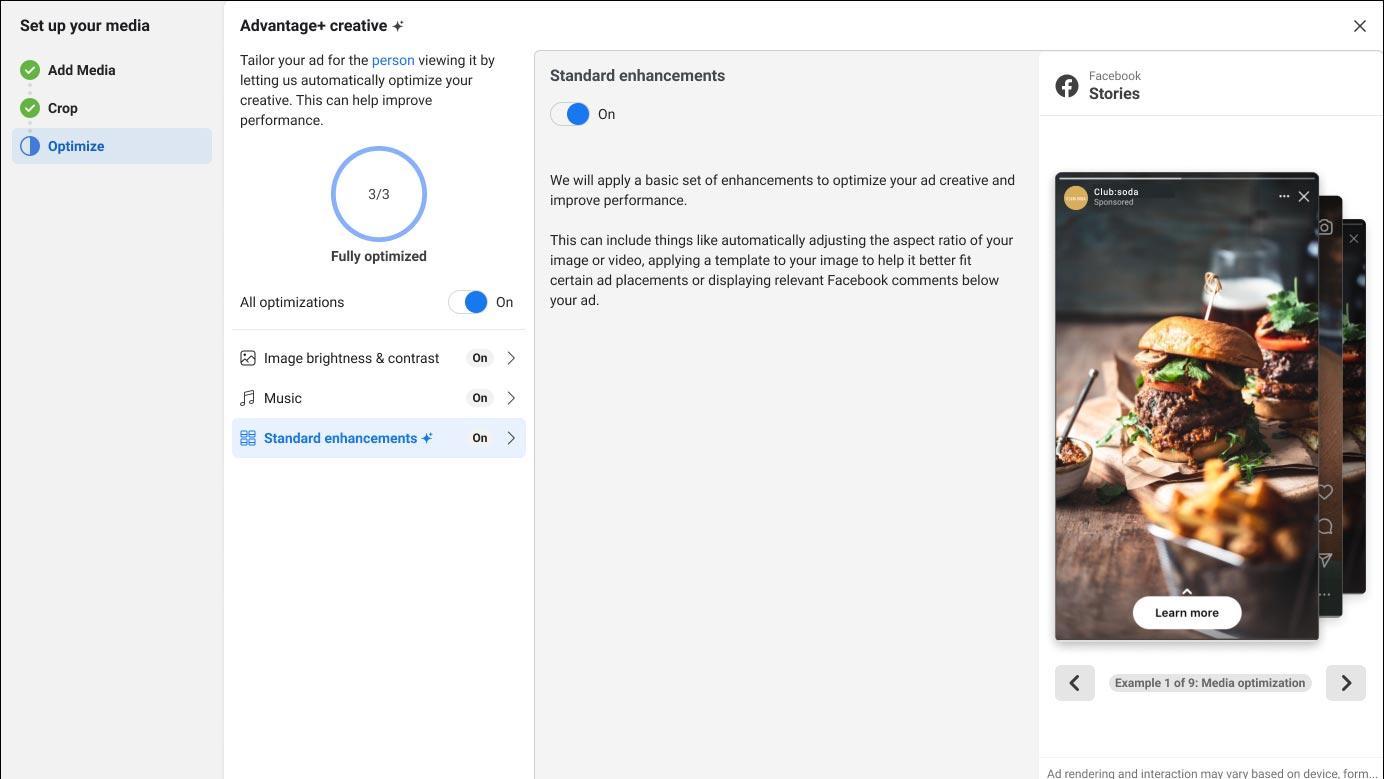
Meta’s advertising ecosystem experienced a structural consolidation under the Advantage+ suite, heavily emphasizing machine learning to optimize ad delivery, audience creation, and creative personalization. The introduction of Advantage+ Shopping campaigns in August 2022 automated the traditionally manual creative testing process, allowing advertisers to dynamically generate and test up to 150 creative variations concurrently. Internal data released by Meta indicated notable efficiency gains, with early A/B tests demonstrating lower cost-per-purchase metrics compared to standard manual configurations.
Simultaneously, the platform implemented stricter regulatory parameters regarding ad targeting for younger demographics. Advertisers targeting users under the age of 18 experienced significant restrictions, losing the ability to leverage detailed behavioral interests or cross-app activity data, limiting targeting parameters strictly to age, gender, and location. This policy shift underscored Meta’s ongoing alignment with global child safety standards and growing legislative scrutiny over algorithmic profiling of minors.
Content Creation, Scheduling, and Monetization Milestones
To retain top-tier content creators and foster robust on-platform economies, Meta systematically introduced expanded monetization and workflow management tools throughout 2022.
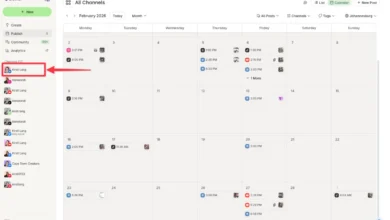
- Native Instagram Scheduling: Bridging a long-standing functional gap between desktop management tools and the mobile environment, Instagram rolled out native content scheduling directly within the mobile application for Business and Creator accounts. Users gained the ability to schedule photos, carousels, and Reels up to 75 days in advance without relying on third-party software.
- In-Feed Music Integration: Expanding auditory expression beyond Stories and Reels, Instagram introduced the capability to attach up to 90 seconds of licensed music directly to static in-feed photo posts, offering brands new avenues for audience engagement.
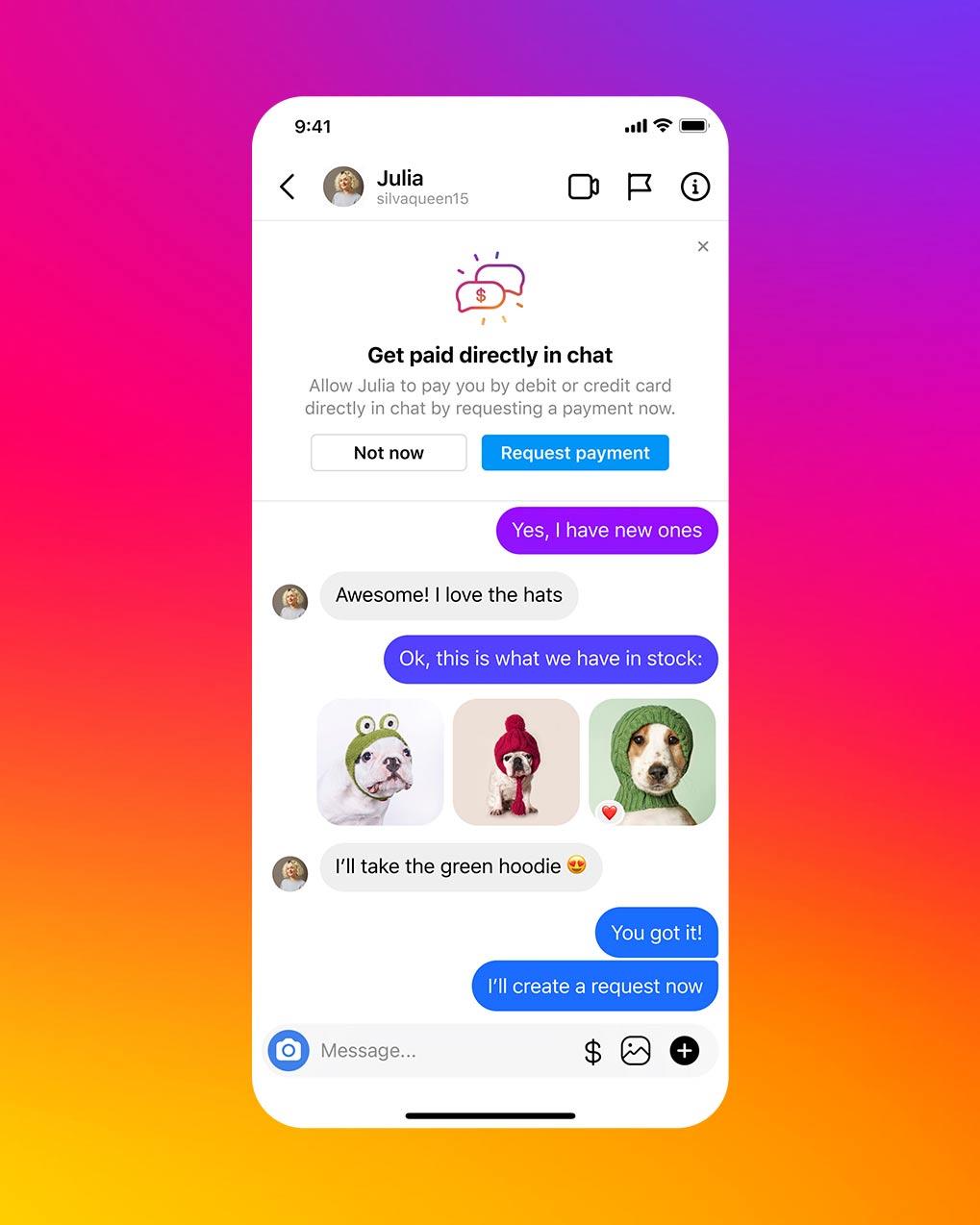
- Creator Subscriptions and P2P Commerce: Subscription models initially pioneered on Facebook were extended to Instagram in early 2022, enabling selected creators to charge recurring monthly fees in exchange for exclusive content and community perks. Additionally, the introduction of payments directly within Instagram Direct Messages (DMs) permitted eligible professional accounts to invoice, accept payments, and finalize transactions natively through chat interfaces.
- Intellectual Property Protections: Addressing widespread concerns regarding copyright infringement, Meta launched the IP Reporting API and enhanced its Brand Rights Protection framework. These technological countermeasures provided original content creators and brand rights holders with streamlined reporting mechanisms to detect and remove counterfeit listings and unauthorized material across Facebook and Instagram.
Implications for Marketers and Digital Strategists
The cumulative updates introduced by Meta reflect an overarching strategic imperative: the transition from manual, hyper-targeted campaign construction to algorithmic, machine-learning-driven optimization. While this evolution reduces administrative friction for campaign managers, it simultaneously requires marketers to adapt to diminished deterministic data visibility—a direct consequence of both regulatory interventions like the ATT framework and Meta’s internal privacy enhancements.

Furthermore, the integration of messaging APIs, automated shopping campaigns, and native content workflows signals a cohesive push toward social commerce. Brands operating within the Meta ecosystem must increasingly align their organic and paid strategies with automated delivery models, prioritizing high-converting creative assets, robust conversational commerce channels (such as WhatsApp and Messenger integrations), and community-centric engagement frameworks through Facebook Groups. As Meta continues to allocate substantial capital toward the metaverse and immersive technologies, the foundation established in 2022 sets a clear precedent for an automated, highly integrated digital marketing landscape.