Strategic Social Media Management: The Indispensable Edge for Startup Success


Navigating the challenging landscape of startup entrepreneurship inherently demands an intense focus on product development, market validation, and operational efficiencies. For many founders, this leaves precious little bandwidth for the consistent, resource-intensive task of crafting compelling content and maintaining a vibrant social media presence. Yet, in an increasingly digital-first world, social media stands as an unparalleled, often free, marketing channel capable of delivering immense reach and direct customer engagement without the prohibitive costs associated with traditional advertising. The advent of sophisticated automation tools has, however, transformed social media management from a daunting chore into a feasible strategic imperative, even for the leanest startup teams. By combining a targeted approach to platform selection and content creation with intelligent automation, social media can become the foundational pillar for establishing brand presence, cultivating trust, and attracting a loyal customer base. This comprehensive guide delves into the nuances of effective social media management tailored specifically for early-stage businesses, providing actionable insights for navigating this critical domain.
The Strategic Imperative of Social Media for Emerging Businesses
Social media management for startups transcends mere content posting; it is a meticulously orchestrated process designed to strategically leverage digital platforms for promoting a nascent business. This encompasses not only content creation and timely publication but also a broader spectrum of activities crucial for a robust social media marketing strategy, including performance analytics, community engagement, and rapid response to customer inquiries. For new ventures, the objective is particularly acute: to forge brand awareness from a nascent stage, establish credibility with an unfamiliar audience, and convert initial interest into tangible sales—all within the constraints of a limited budget. This contrasts sharply with established brands that might occasionally tolerate inconsistent posting or delayed responses. Startups, by necessity, must exhibit unwavering consistency and responsiveness to cut through the noise and build foundational trust.
The Genesis of Digital Trust: Why Social Media is Non-Negotiable

In the absence of established brand recognition, startups face the formidable task of convincing potential customers to invest their time, attention, and ultimately, their money. Social media offers a uniquely potent and cost-effective avenue to achieve this, enabling businesses to rapidly expand their reach and cultivate credibility.
-
Low-Cost Trust Building in a Skeptical Market: An active and professional social media presence acts as a powerful signal of legitimacy and reliability. In an era where consumers are increasingly wary of new brands, a consistent digital footprint reassures audiences that a business is genuine and engaged. A 2023 study by Edelman found that 59% of consumers are more likely to trust a brand if it has an active and engaging social media presence. Furthermore, data from Sprout Social’s #BrandsGetReal survey underscores this, revealing that 65% of consumers feel a stronger connection to brands that maintain a robust social media presence. This connection is not superficial; social platforms provide an ideal medium for sharing authentic information, behind-the-scenes stories, and the human element behind a business. For instance, brands like Every Voice Co. leverage real-life narratives, such as a founder sharing interactions with her non-verbal son, to imbue their inclusive communication tools with profound authenticity and foster immediate trust. This storytelling approach builds emotional bridges that traditional advertising often struggles to create.
-
Direct Feedback Loops for Product Iteration and Positioning: Social media platforms facilitate an unparalleled direct line of communication between startups and their target audience. Comments, direct messages (DMs), and interactive polls offer invaluable, real-time feedback that can critically inform product development and refine market positioning. Complaints highlight pain points, questions reveal areas of confusion or unmet needs, and feature requests provide a roadmap for future enhancements. This agile feedback mechanism is a goldmine for startups aiming for rapid product-market fit. Brands like Oak & Willow exemplify this by actively soliciting customer experiences through dedicated social media posts, demonstrating a commitment to customer-centric development and fostering a sense of community around their products. This proactive engagement not only improves offerings but also strengthens customer loyalty.
-
Enhanced Brand Visibility and Reach: Traditional marketing channels often require significant upfront investment, placing them out of reach for many early-stage businesses. Social media, conversely, allows startups to organically reach vast audiences with minimal financial outlay. Algorithms, while complex, reward engaging content, enabling viral reach that can put a new brand in front of millions overnight. This democratizes marketing, giving innovative startups a fighting chance against established giants. According to Statista, the number of social media users worldwide is projected to reach 4.9 billion by 2025, underscoring the sheer scale of potential audience engagement available.
Common Missteps and Their Detrimental Impact

While the allure of social media is undeniable, many startups stumble by approaching it without a cohesive strategy, leading to wasted resources and missed opportunities. Recognizing and avoiding these common pitfalls is paramount.
-
The "Be Everywhere" Fallacy: The temptation to establish a presence on every conceivable social media platform, driven by the desire for maximum reach, is a frequent trap. However, attempting to juggle numerous platforms simultaneously without adequate resources often leads to superficial engagement, infrequent posting, and neglected customer inquiries. While cross-posting tools exist, they cannot compensate for the lack of platform-specific content optimization, genuine interaction, and timely responsiveness. The consequence is a diluted brand presence across many channels, rather than a strong, impactful presence on a select few. This ultimately drains time and effort without yielding meaningful returns.
-
Absence of Strategy or a Content Calendar: Unlike established brands that can afford intermittent posting due to existing brand equity, emerging businesses require unwavering consistency to maintain visibility and algorithm favorability. Many startups plunge into social media without a defined content strategy or a structured calendar, resulting in erratic publishing schedules. This sporadic activity prevents brands from staying top-of-mind, hinders algorithm performance, and makes it challenging to build an engaged community. Without a clear plan, content creation becomes reactive and often lacks thematic coherence, failing to resonate deeply with the target audience.
-
Neglecting Performance Measurement: A significant number of startups simply broadcast content into the digital ether, hoping for the best, without any mechanism for tracking performance or measuring results. This oversight stems from either a perceived lack of time or an unfamiliarity with analytics tools. Consequently, these businesses operate blind, unable to discern which content formats, topics, or platforms yield the most engagement or drive desired business outcomes. Without data-driven insights, strategy refinement becomes impossible, leading to continuous investment in ineffective approaches. A 2022 HubSpot report indicated that 61% of marketers find measuring ROI their biggest challenge, yet for startups, this measurement is crucial for resource allocation.
-
Underutilization of Social Media Management Tools: Many new businesses, constrained by tight budgets, opt for manual social media management, relying solely on native platform features for publishing and scheduling. While seemingly cost-effective, this approach is remarkably inefficient. Manual scheduling consumes a disproportionate amount of time, diverting founders from core business activities. Moreover, it impedes the visualization of a consistent content cadence, making it difficult to identify gaps or overloads in the publishing schedule. Modern social media management tools are specifically designed to address these pain points, offering visual content calendars, bulk scheduling capabilities, and automation features that ensure consistent content delivery without constant manual intervention. Platforms like Sprout Social offer tiered plans, with their Essentials plan specifically catering to startups, providing robust publishing tools at an accessible price point, starting from $79/month. This investment frees up invaluable time and streamlines workflow, offering a clear return on investment.

Building a Resilient Social Media Strategy for Your Startup
For startups and lean operations, every expenditure of time and resources must be strategically justified. A well-crafted social media strategy is not a luxury but a necessity, serving as the blueprint for optimizing management workflows and ensuring tangible business impact.
-
Define Goals Aligned with Business Outcomes: Every social media endeavor for a startup must be directly tethered to measurable business objectives. Whether the aim is lead generation, brand awareness, customer acquisition, or community building, each social media goal should directly contribute to the company’s bottom line. These overarching goals will then dictate the subsequent strategic choices and tactical executions. Examples include increasing website traffic by 20% from social media within six months, generating 50 qualified leads per month through LinkedIn, or achieving a 15% increase in brand mentions within a quarter.
-
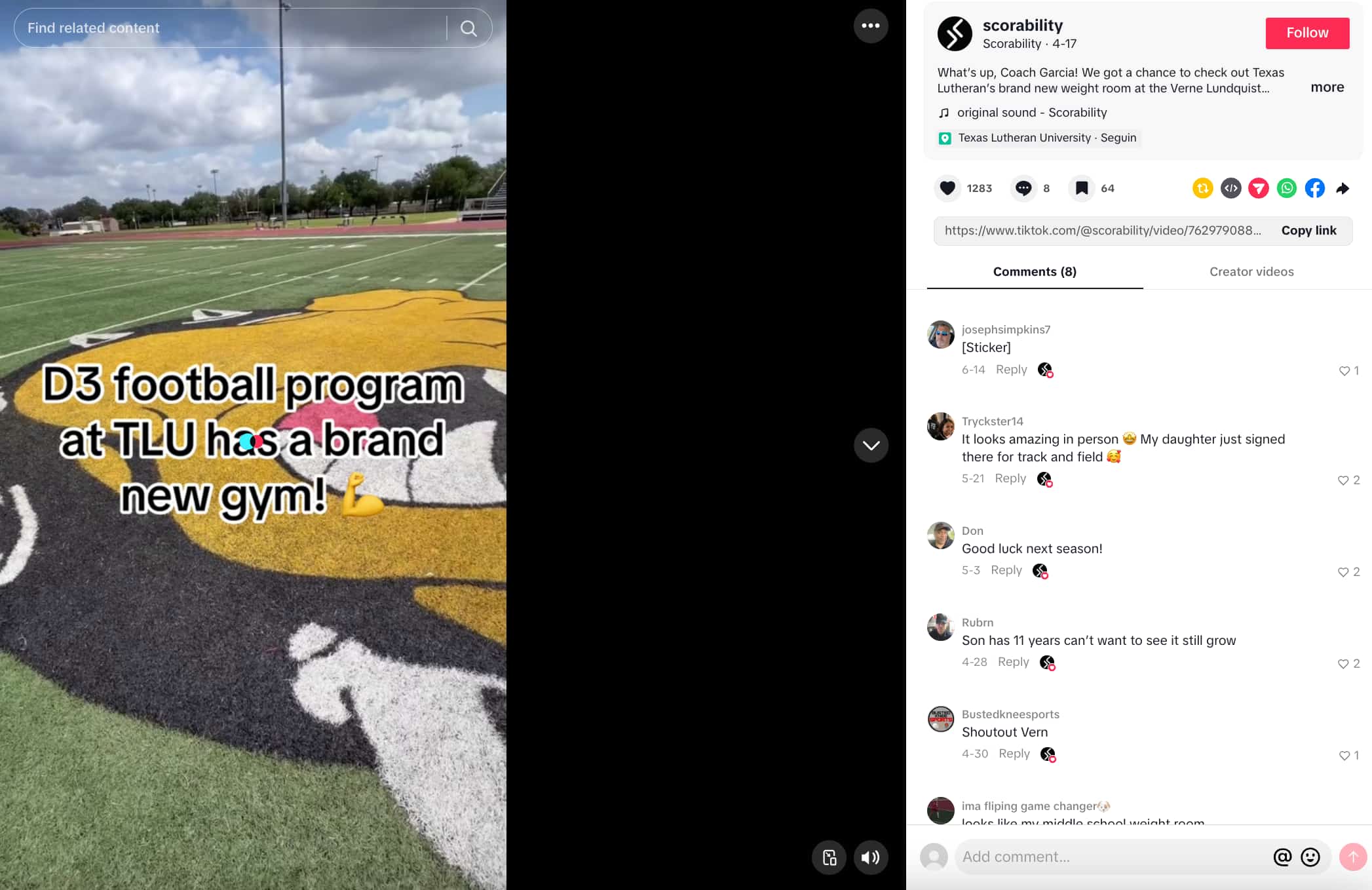
Strategic Platform Selection: Go Where Your Audience Lives: Intelligent social media management for startups is about precision, not ubiquity. It involves identifying and prioritizing a select few platforms where the target audience is most active and receptive. For instance, if a startup targets Gen Z, platforms like TikTok are indispensable. Sprout Social’s 2026 Social Media Content Strategy Report highlights that 72% of Gen Z social media users are on TikTok. This makes platforms like TikTok ideal for brands like Scorability, which connects student-athletes with college coaches, leveraging short-form video to engage a college-aged demographic effectively. Conversely, a B2B startup might find LinkedIn to be its primary battleground for thought leadership and professional networking.
-
Cultivate a Distinct Brand Voice from the Outset: Before even crafting the first post, startups must define their brand’s personality and communication style. Is the brand voice witty and informal, professional and authoritative, bold and inspirational, or perhaps empathetic and supportive? This established brand voice will serve as a consistent guide for all marketing messages, social media captions, and customer interactions, ensuring coherence and reinforcing brand identity across all touchpoints. Consistency in voice helps in building a recognizable and relatable brand persona.
-
Establish Core Content Pillars: What types of content will consistently populate the social media feed? This question is answered by defining 3-5 content pillars that align directly with the brand’s goals and target audience interests. For example, if the goal is brand awareness and community building, pillars could include:
- Educational Content: Tutorials, industry insights, how-to guides.
- Behind-the-Scenes: Founder stories, team culture, product development journey.
- User-Generated Content (UGC): Showcasing customer success stories or testimonials.
- Interactive Content: Polls, Q&As, challenges to foster engagement.
- Inspirational/Motivational Content: Aligning with broader values of the target audience.
Crucially, content pillars should be adapted for each platform, acknowledging that users expect different experiences. LinkedIn thrives on thought leadership, while TikTok excels with humorous skits and short, engaging videos.
-
Determine Platform-Specific Posting Cadence: The optimal frequency of posting varies significantly across platforms. Some, like X (formerly Twitter), benefit from multiple daily posts to maintain visibility in a fast-moving feed, while others, like LinkedIn, can overwhelm audiences with excessive daily updates. A data-informed approach is vital. While specific optimal times and frequencies can fluctuate, a general guideline helps establish a baseline:
- Instagram: 3-5 Reels/feed posts per week, supplemented by 2-4 daily Stories.
- Facebook: 3-5 posts per week, prioritizing community-driven content.
- LinkedIn: 2-5 posts per week, ideally with several hours between posts to avoid saturation.
- X (Twitter): 1-2 posts per day, requiring consistent real-time engagement.
- TikTok: 2-5 videos per week, demanding continuous, high-energy content.
- YouTube: 1 long-form video + 1-3 Shorts per week, emphasizing depth and value.
These are starting points; continuous data analysis of audience behavior and content performance will enable fine-tuning. Tools like Sprout Social’s Essentials plan offer "optimal send times" based on platform data, removing the guesswork and maximizing initial engagement, which is crucial for algorithm visibility.
-
Develop a Streamlined Content Calendar: Once content pillars and posting cadences are defined, organizing these elements into a content calendar is the next logical step. A social media calendar serves as a visual roadmap, enabling startups to plan content ideas, track publishing schedules, and ensure consistent execution. It doesn’t need to be overly complex initially, focusing on essential details such as:
- Date and Time of Post
- Target Platform(s)
- Content Type (e.g., image, video, text, Reel)
- Draft Caption/Text
- Associated Visuals/Media
- Relevant Hashtags
- Call-to-Action (CTA)
A visual calendar, like that offered by Sprout Social’s Essentials plan, allows for a comprehensive monthly overview, facilitating bulk content creation through a process known as "content batching." This involves dedicating specific time blocks to produce multiple pieces of content for the week or month ahead, significantly enhancing efficiency and maintaining publishing consistency.
Leveraging Technology for Uncomplicated Social Media Management
The notion that social media management is inherently time-consuming and complex is largely outdated, thanks to the evolution of specialized tools. For startups, these platforms are not just conveniences; they are strategic assets that democratize effective digital marketing. Social media management tools for startups centralize scheduling, publishing, analytics, and engagement across multiple platforms into a single, intuitive dashboard. This dramatically reduces the manual workload, mitigates the risk of inconsistent posting, and provides actionable insights for strategy refinement.
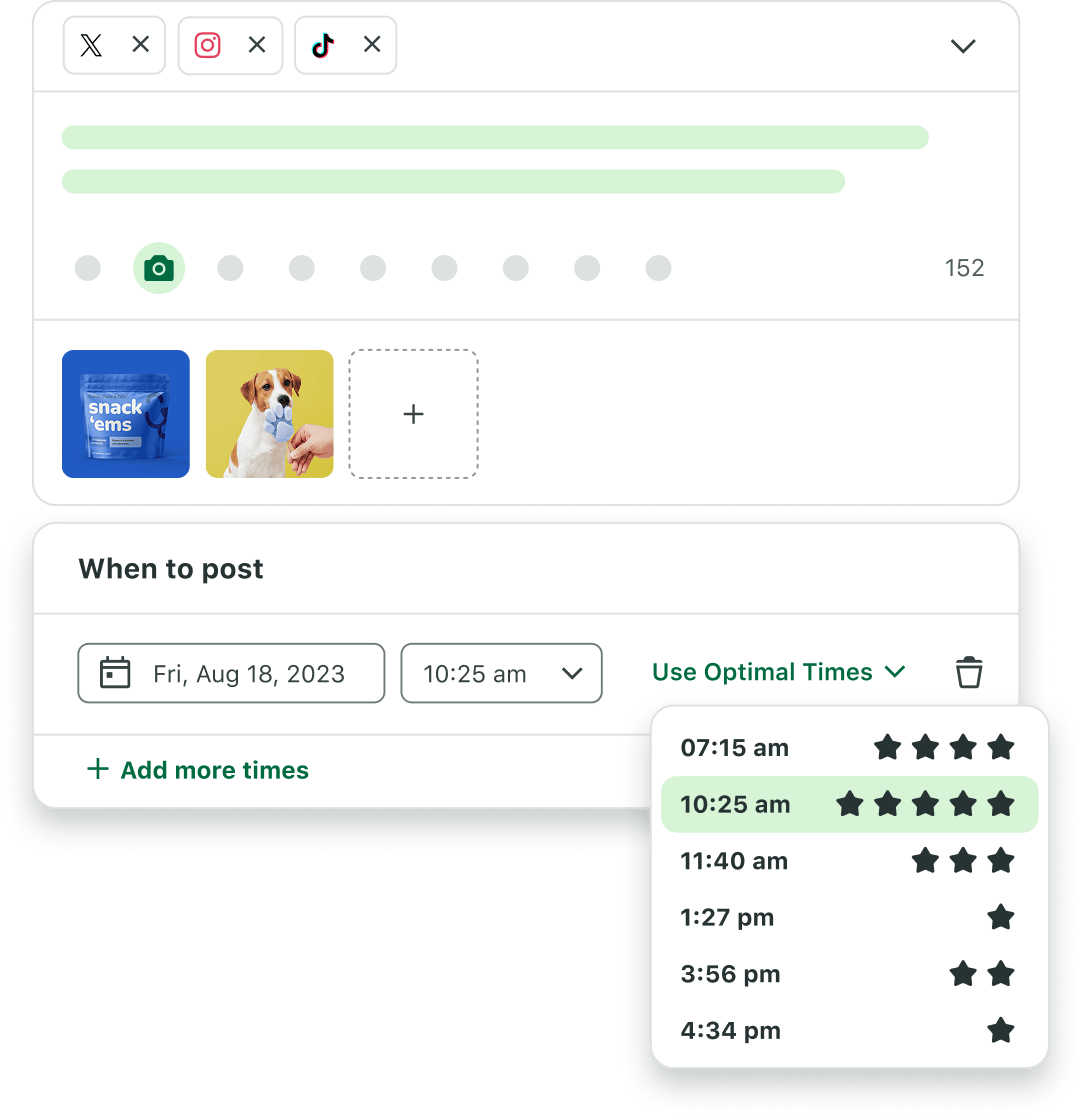
Beyond mere scheduling, these tools offer features like unified inboxes for managing all incoming messages and comments, competitive analysis, and audience demographic insights. For a startup, this means:
- Time Savings: Automation of publishing frees up founders and small teams to focus on core business development.
- Consistency: Pre-scheduled content ensures a steady flow of updates, keeping the brand visible and engaged.
- Data-Driven Decisions: Integrated analytics provide clear metrics on what’s working and what’s not, allowing for agile strategy adjustments.
- Scalability: As the startup grows, these tools can scale with increased content volume and team members without requiring a complete overhaul of the marketing infrastructure.
Broader Implications and the Future Outlook
For startups, mastering social media management extends beyond just marketing; it’s about survival and growth in a hyper-competitive ecosystem. A well-executed social media strategy can accelerate brand recognition, build a loyal customer base from scratch, and provide invaluable market intelligence, all while minimizing financial risk. In an economic landscape where venture capital often prioritizes demonstrated market traction, a robust digital presence can be a critical differentiator. The ability to quickly iterate on products based on direct customer feedback, to adapt marketing messages to evolving trends, and to foster a genuine community around a brand are capabilities that social media uniquely empowers.
As social media platforms continue to evolve, integrating new technologies like AI for content generation and deeper analytics, the imperative for startups to strategically engage will only intensify. The future of startup marketing is inextricably linked to digital agility and a profound understanding of how to harness the power of social connections. By keeping social media management simple, focused, and supported by the right technological tools, startups can transform a potential bottleneck into their most powerful growth engine. The initial investment in understanding and implementing a sound social media strategy, often facilitated by accessible tools like Sprout Social’s Essentials plan, is not just a marketing expense; it’s an investment in the very foundation and future trajectory of the business.