A Comprehensive Guide to Navigating Meta Ads Manager and Launching Successful Facebook Advertising Campaigns

Entering the digital advertising ecosystem for the first time can be a daunting endeavor for modern business owners, marketing professionals, and independent creators alike. When navigating complex dashboard interfaces such as Meta Ads Manager for the initial time, the sheer volume of configuration options, technical metrics, and structural layers frequently causes hesitation. However, mastering the foundational architecture of digital advertising on Meta’s infrastructure—which encompasses both Facebook and Instagram—remains one of the most effective strategies for scaling brand awareness, driving targeted web traffic, and generating measurable revenue conversions.

With more than three billion monthly active users traversing the platform globally, Meta provides an unparalleled digital marketplace. Unlike traditional marketing channels or unassisted organic social media posting, paid advertising solutions grant organizations granular control over who views their content, when it appears, and how budgets are allocated. To achieve sustainable success, advertisers must transition away from overwhelming user interfaces and focus on a systematic, step-by-step framework that aligns creative assets with definitive business objectives.
The Evolution and Strategic Necessity of Meta Advertising
Digital advertising infrastructure has undergone significant transformations over the past decade. Historically, organic social media reach served as the primary mechanism for audience engagement. However, shifts in content algorithms across major social networks have increasingly restricted organic visibility, leaving page administrators with limited control over who ultimately views their published updates. This algorithmic shift necessitated the development of sophisticated paid advertising platforms, transforming social networks into pay-to-play ecosystems where targeted reach must be financially secured.
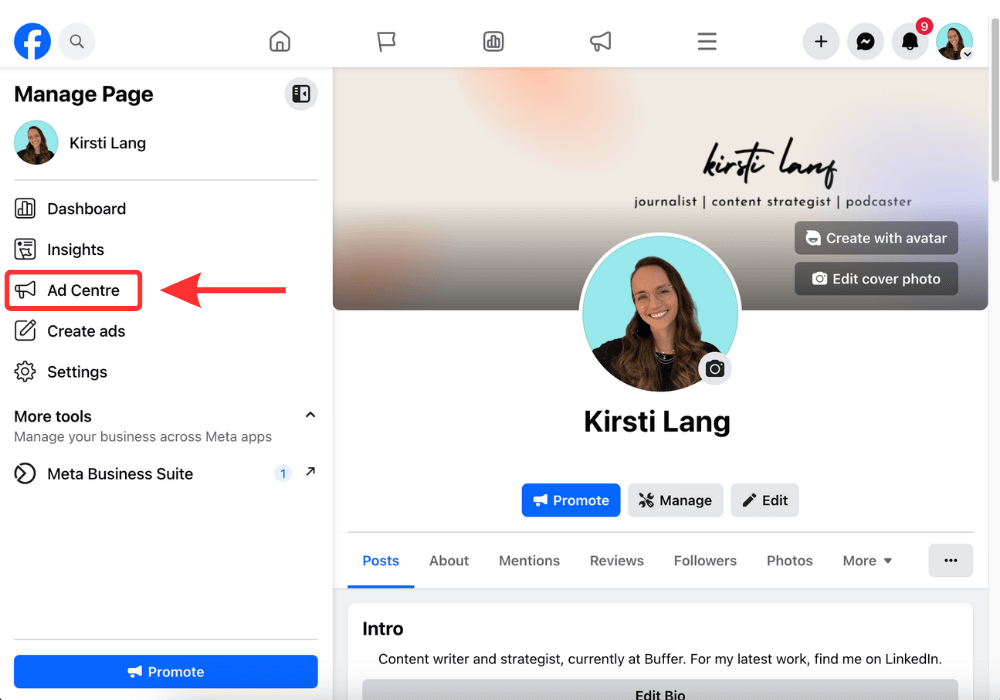
Meta responded to this market evolution by centralizing its campaign management tools within Ads Manager and the Meta Business Suite. These tools were designed to bridge the gap between casual page management and enterprise-grade media buying. By consolidating access across Facebook, Instagram, Messenger, and the broader Meta Audience Network, the company established a unified environment where advertisers can deploy synchronized multi-platform campaigns from a single dashboard.
Furthermore, the introduction of artificial intelligence and automated optimization systems—collectively branded under the Meta Advantage suite—has fundamentally altered campaign execution. Rather than requiring manual tuning for every demographic variable, modern advertisers can leverage machine learning algorithms that analyze real-time user behavior, dynamically distributing budgets and matching ad creatives to consumers most likely to complete a designated conversion action.
Anatomy of a Meta Advertising Campaign
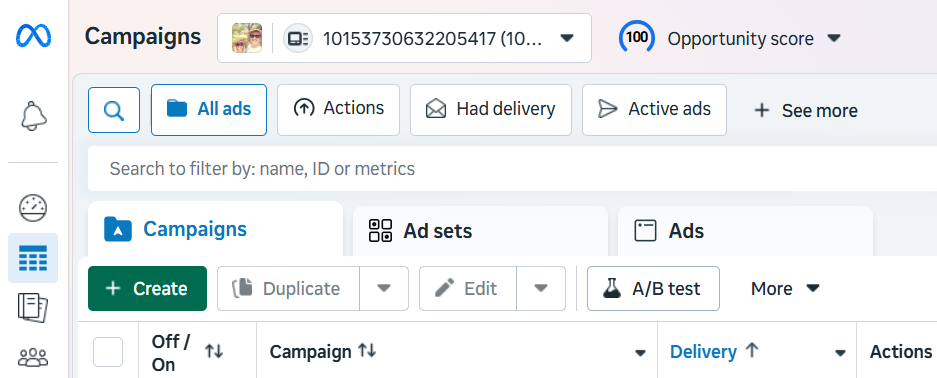
Executing a successful campaign within Meta Ads Manager requires an understanding of its three-tiered structural hierarchy: campaigns, ad sets, and individual ads. Each layer serves a specific administrative function in governing how an advertisement is delivered, budgeted, and presented to the target consumer.
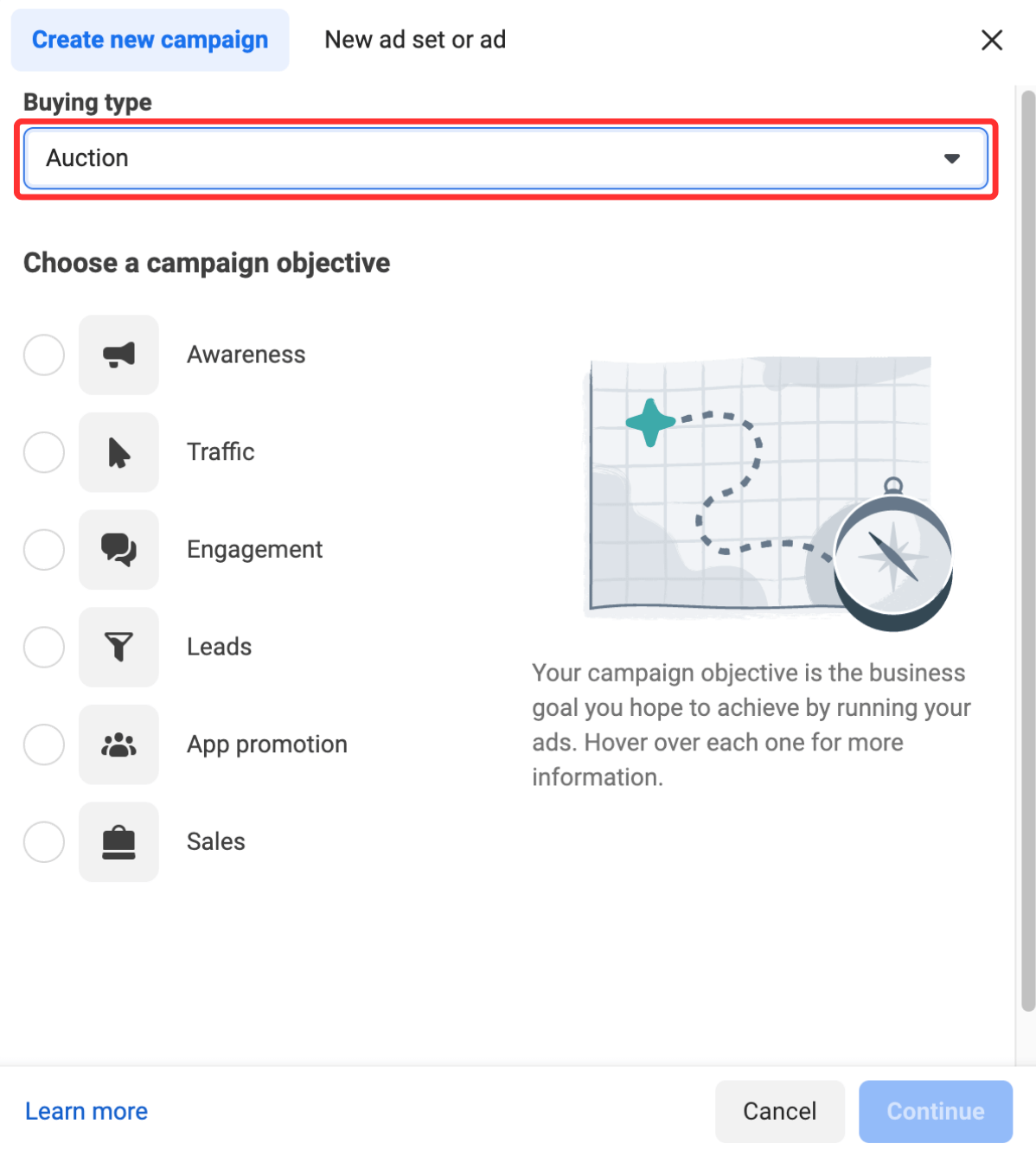
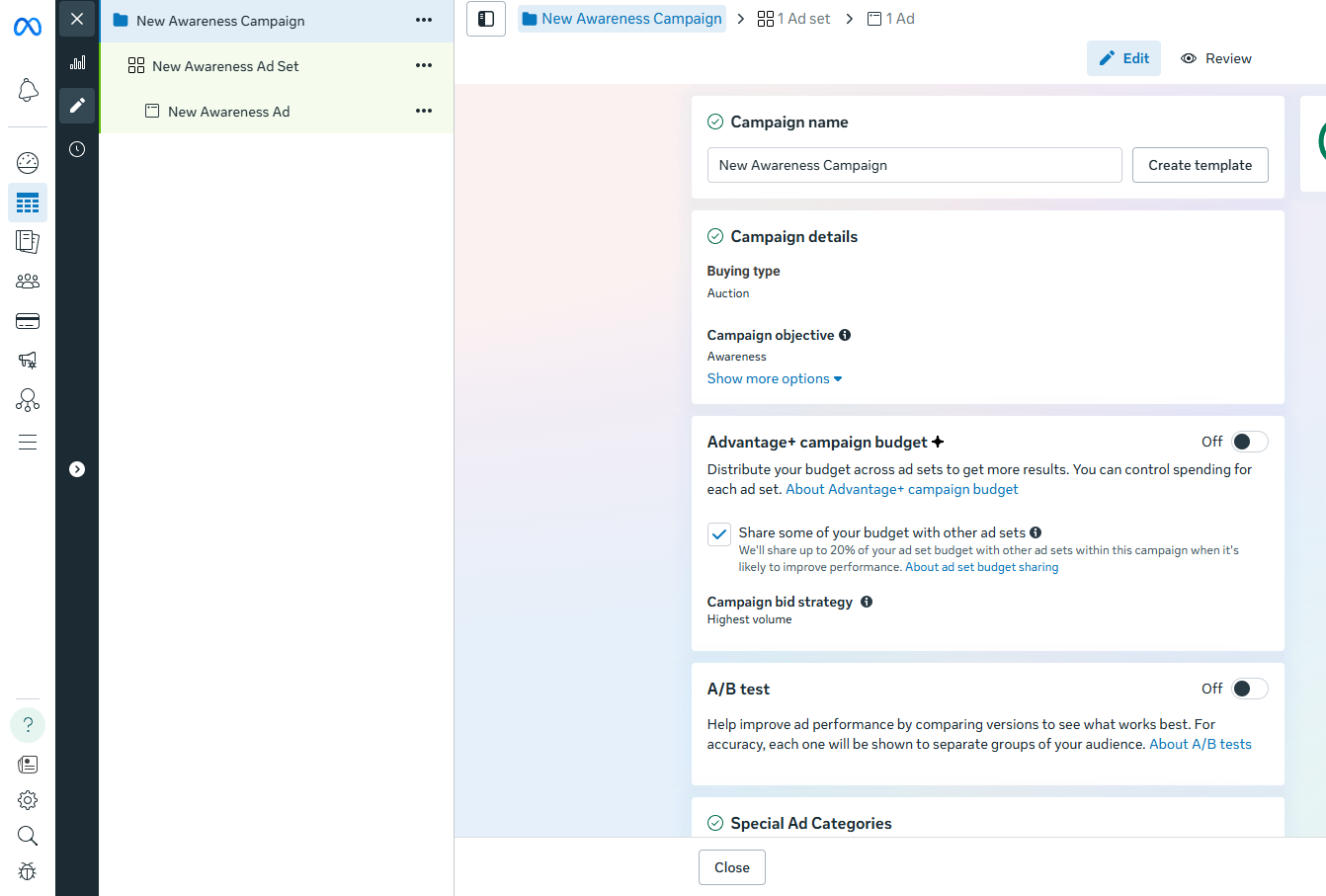
The Campaign Layer: This serves as the foundational root of your advertising effort. At this level, advertisers establish the overarching campaign objective—such as driving website traffic, generating leads, or increasing brand awareness—alongside the buying type (Auction versus Reservation) and special ad category declarations.
The Ad Set Layer: Operating beneath the campaign, the ad set dictates the tactical parameters of delivery. Advertisers define their daily or lifetime budgets, schedule active run dates, select target audience demographics and behavioral parameters, and determine ad placements across Meta’s ecosystem. Multiple ad sets can exist within a single campaign to test varying audiences or budgetary allocations.
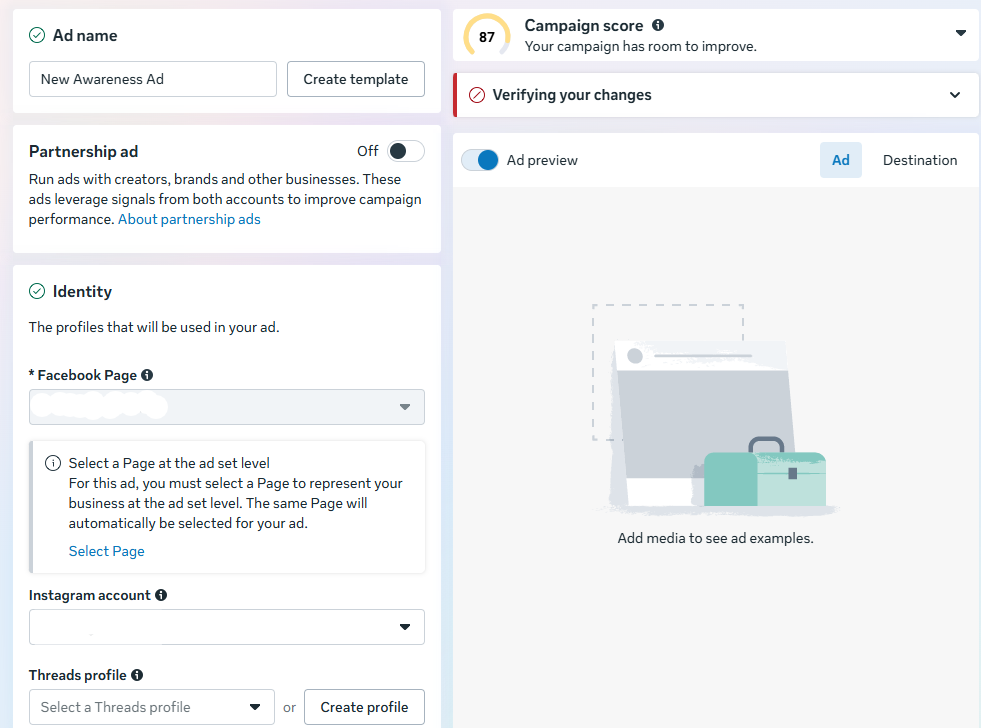
The Ad Layer: This represents the consumer-facing creative component. Within this layer, marketers upload visual media (images, videos, carousels), draft primary text and headlines, select destinations (such as landing pages, messaging apps, or Instant Experiences), and incorporate appropriate calls-to-action.
Pre-Launch Requirements and Account Setup
Before initiating a campaign within Meta Ads Manager, organizations must fulfill several foundational administrative and technical prerequisites. Attempting to run advertisements without these elements established typically results in deployment delays or policy violations.
First, a verified Facebook Business Page is mandatory. Meta’s advertising infrastructure requires all campaigns to be anchored to an authentic organizational or creator profile. If managing advertising on behalf of external entities, appropriate administrative roles—such as Editor or Advertiser permissions—must be granted by the primary page owner.
Second, a verified payment method must be linked to the ad account. Meta operates on a billing threshold model, invoicing advertisers periodically based on incurred spend or reaching specific financial milestones.
Third, technical integration via the Meta Pixel and the Conversions API is strongly recommended for campaigns focused on web conversions. This lightweight code snippet, embedded within a website’s backend, tracks user interactions and post-click behavior, enabling precise attribution modeling and the creation of custom remarketing audiences. Finally, establishing a Meta Business Manager account is essential for enterprises managing multiple ad accounts, assets, or collaborative team permissions.
Step-by-Step Campaign Execution Framework
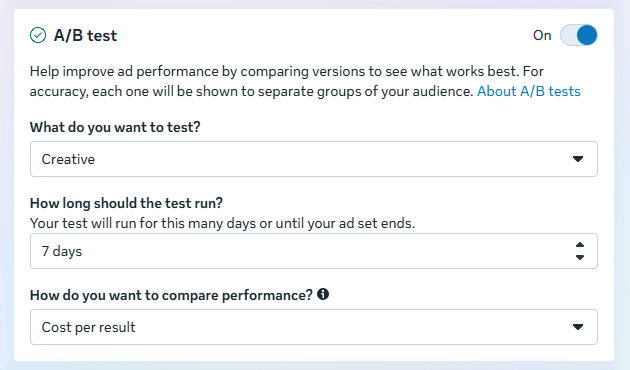
Launching a campaign requires navigating the Ads Manager interface through a precise sequence of operational phases.
-
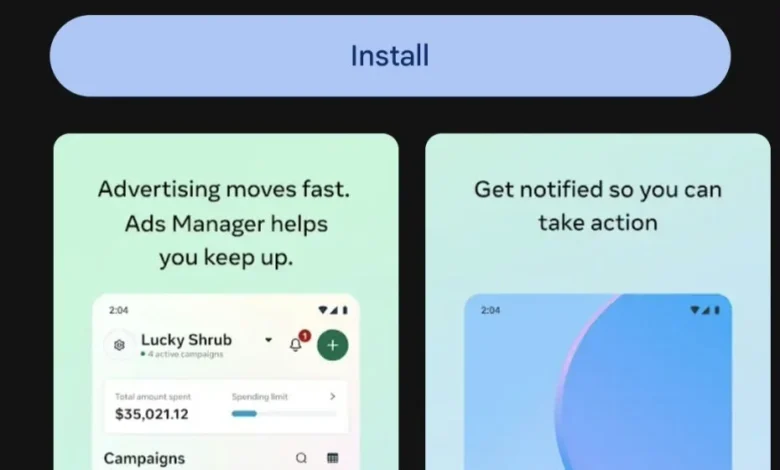
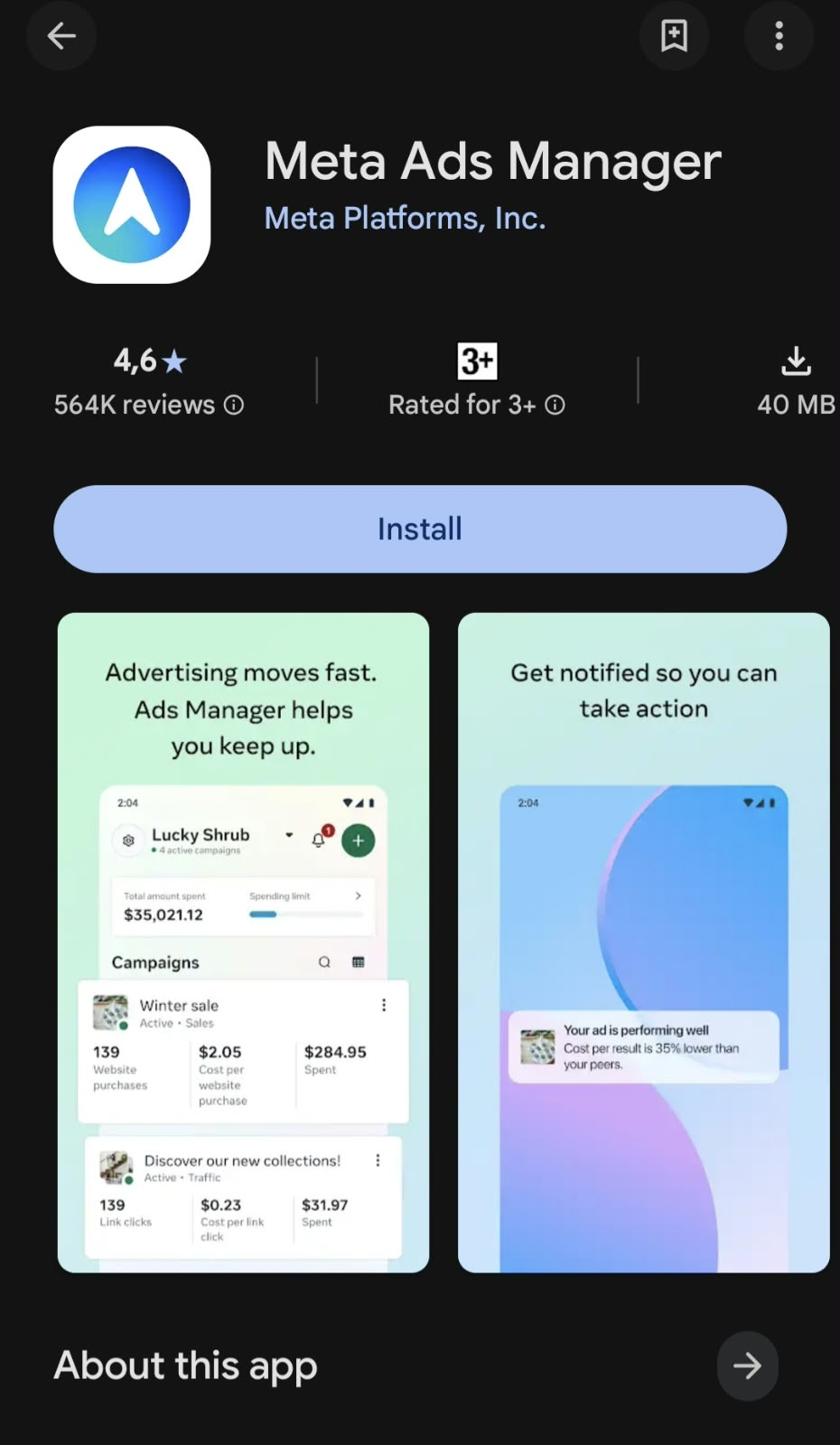
Accessing Ads Manager: Navigate directly to Meta Ads Manager via desktop or utilize the dedicated mobile application available for iOS and Android devices. Ensure the correct ad account is selected from the upper-left navigation menu if managing multiple portfolios.
-
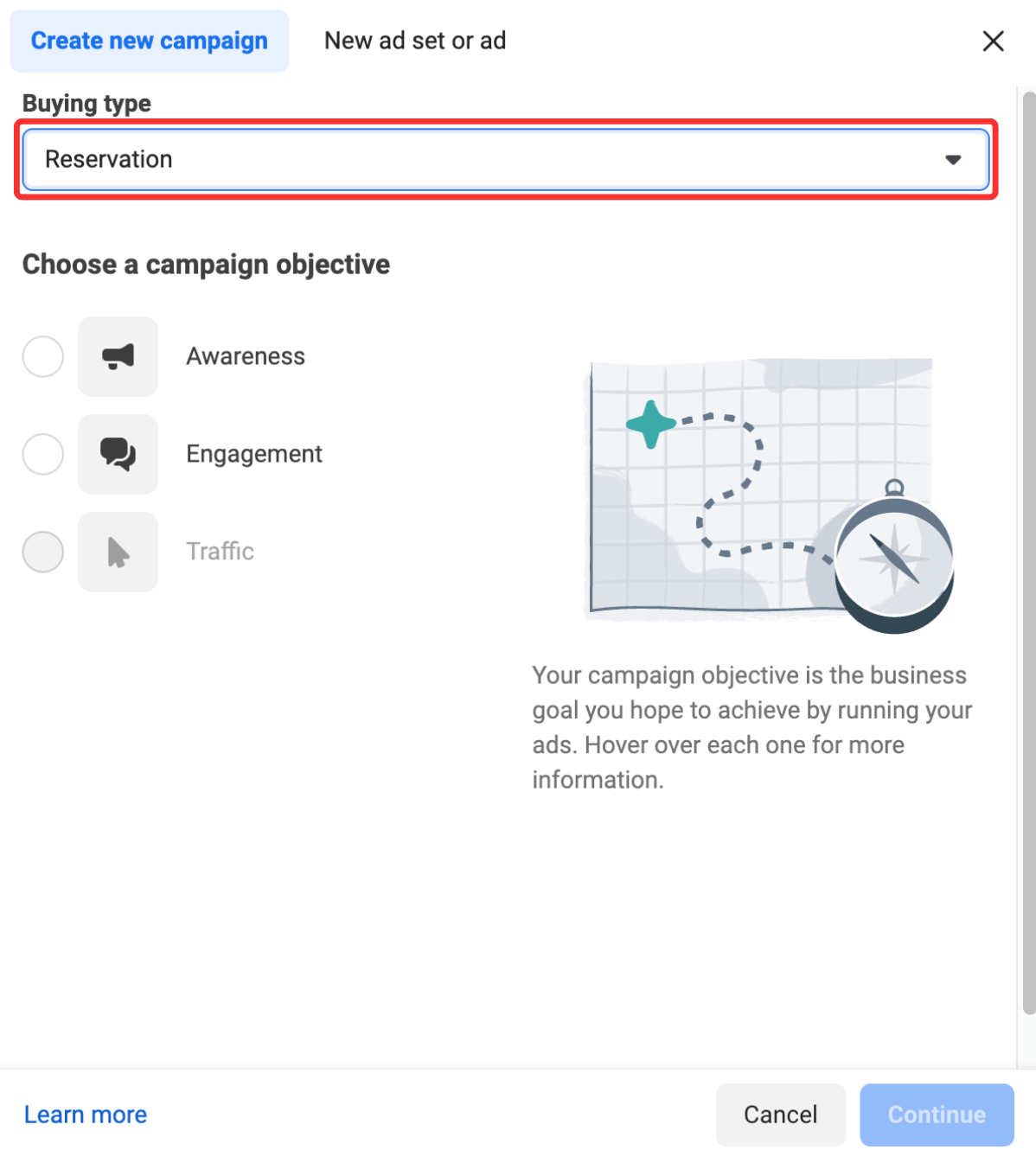
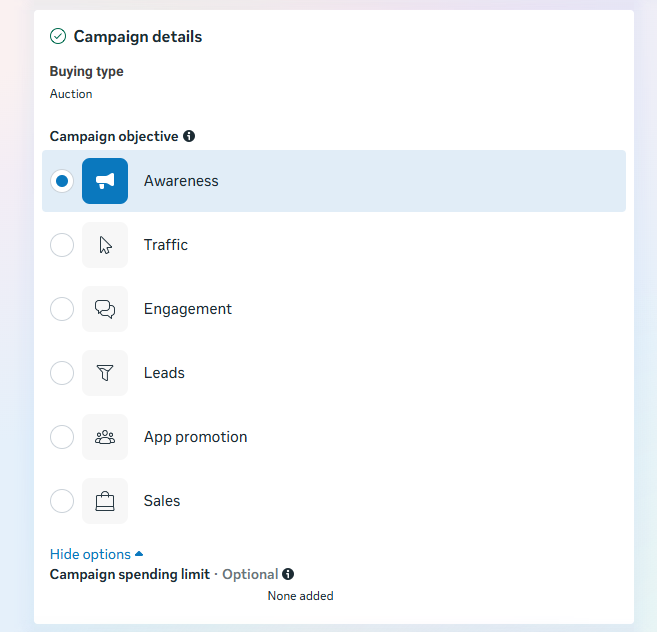
Selecting Buying Types: Choose between the Auction buying system—which offers maximum flexibility and competitive bidding—or the Reservation buying system, which allows for predictable delivery and fixed frequency controls primarily suited for large-scale awareness initiatives.
-
Defining Campaign Objectives: Align your digital advertising goals with one of Meta’s six core objectives: Awareness, Traffic, Engagement, Leads, App Promotion, or Sales. This selection instructs the platform’s algorithm on how to optimize delivery and bid strategies.
-
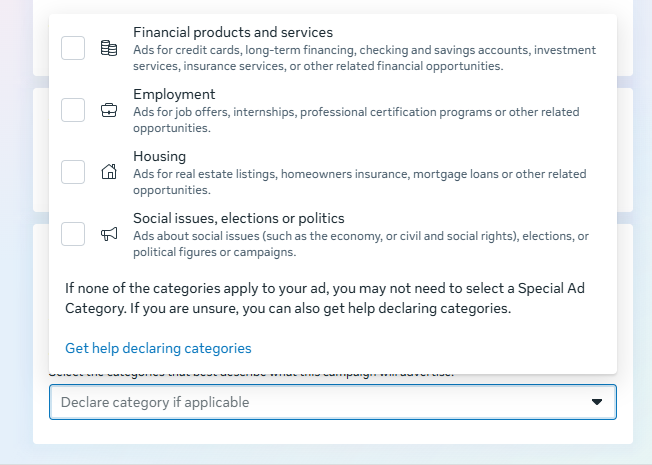
Special Ad Categories: Declare whether your campaign falls into regulated sectors such as credit, employment, housing, or social issues, elections, and politics. Compliance with regional advertising standards is strictly enforced at this stage.
-
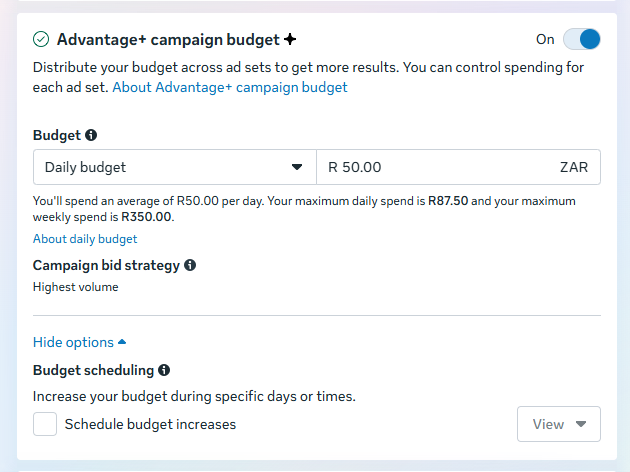
Budget and Schedule Optimization: Determine whether to deploy an Advantage+ campaign budget to distribute funds dynamically across ad sets, or manage budgets manually at the ad set level. Establish daily or lifetime spending limits.
-
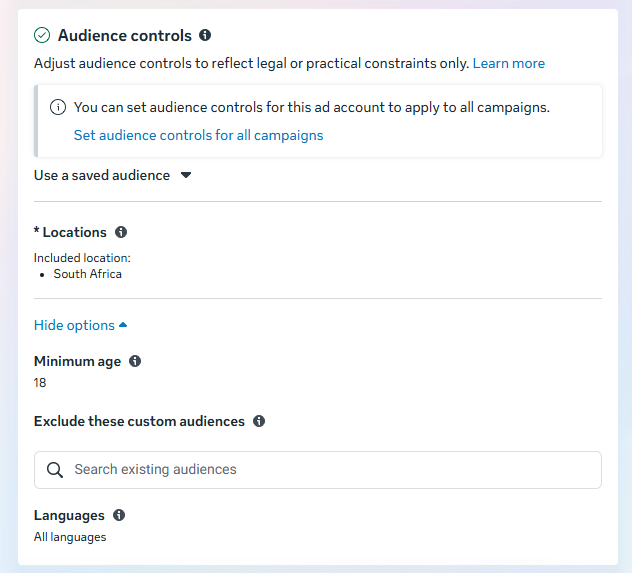
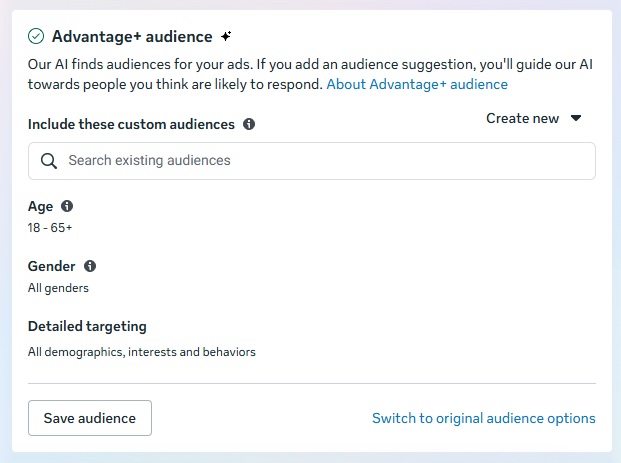
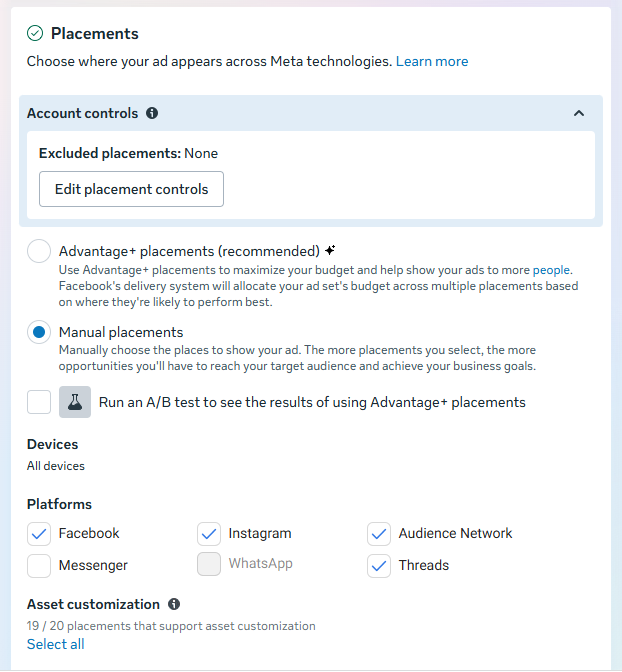
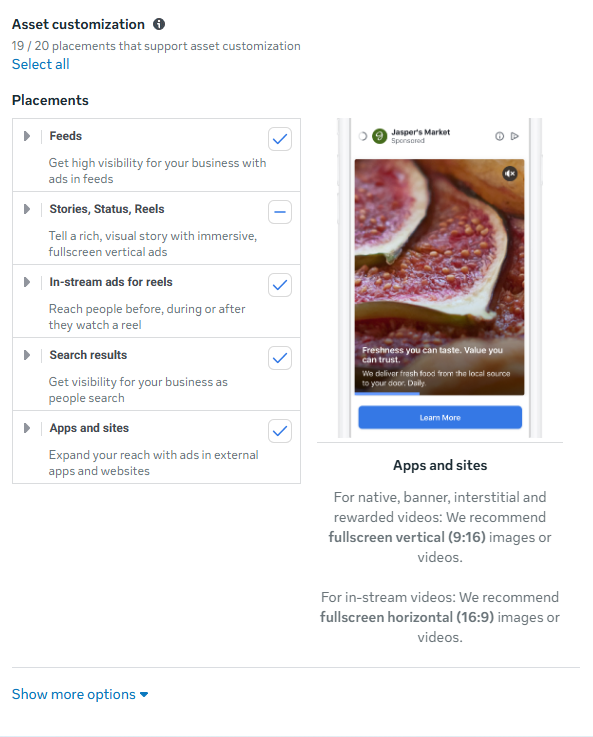
Audience Targeting and Placements: Define your target demographic using location, age, and language controls. Leverage Meta Advantage+ audience tools to allow artificial intelligence to identify high-converting user segments, or configure manual placements to restrict ads to specific feeds, stories, reels, or messaging inboxes.
-
Creative Development and Destination Selection: Upload high-resolution media adhering to official Meta specifications. Draft compelling copywriting, insert tracking parameters (such as UTM codes) for analytics attribution, and designate a conversion destination.
-
Review and Publication: Submit the campaign for review. Meta typically completes its automated and manual compliance checks within 24 hours, notifying administrators via email once the advertisements are actively delivering impressions.
Financial Benchmarks and Cost Implications
The financial investment required to run Meta advertisements varies significantly based on industry vertical, audience competitiveness, and geographic targeting. Meta enforces a minimal financial barrier to entry, permitting daily budgets as low as $1 per ad set. However, economic viability depends on broader marketplace benchmarks.
Across diverse commercial sectors, average Cost Per Click (CPC) metrics fluctuate. For instance, apparel and retail sectors frequently experience highly competitive yet economical acquisition costs, often averaging between $0.45 and $0.70 per click. Conversely, high-value B2B services, legal counseling, finance, and insurance sectors often command higher average CPC figures, ranging from $2.50 to exceeding $3.75 per click due to lower consumer transaction frequency and higher customer lifetime value.
Industry analysts caution against underfunding initial campaigns. Budgets constrained to nominal daily spends—such as $5 per day—frequently fail to generate sufficient statistical data during Meta’s initial learning phase. Consequently, campaigns require adequate financial runway and a testing period of three to seven days before administrators implement sweeping optimizations or budgetary reallocations.
Strategic Implications and Best Practices
Successful digital advertising on Meta relies on continuous empirical analysis rather than static deployment. Advertisers are encouraged to utilize A/B split testing tools to evaluate variations in visual creatives, ad copy, and audience segmentation side-by-side.
Furthermore, media buyers must recognize the psychological threshold of digital consumers. Products or services requiring extensive technical explanation or prolonged consideration cycles may underperform on social advertising channels that reward immediate comprehension and visual engagement. By anchoring advertising initiatives within a broader, multi-channel marketing strategy—supplemented by consistent organic publishing and rigorous performance analytics—organizations can transform Meta Ads Manager from an overwhelming interface into a powerful driver of sustainable commercial growth.