Top AI Image Generators for Content Creation and Brand Strategy

The rapid evolution of artificial intelligence in visual media has transformed the creative workflows of digital marketers, independent creators, and design professionals alike. Once viewed primarily as novelties or controversial substitutes for traditional stock photography, modern generative AI tools have matured into sophisticated utilities capable of producing nuanced illustrations, hyper-realistic product flats, and complex typography designs. However, as the marketplace swells with competing models and platforms, a persistent challenge remains for creators: identifying which generative engine best aligns with specific practical requirements.
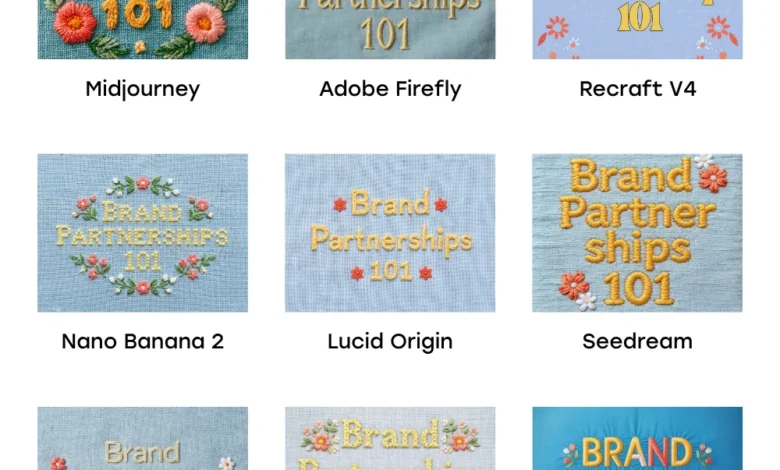
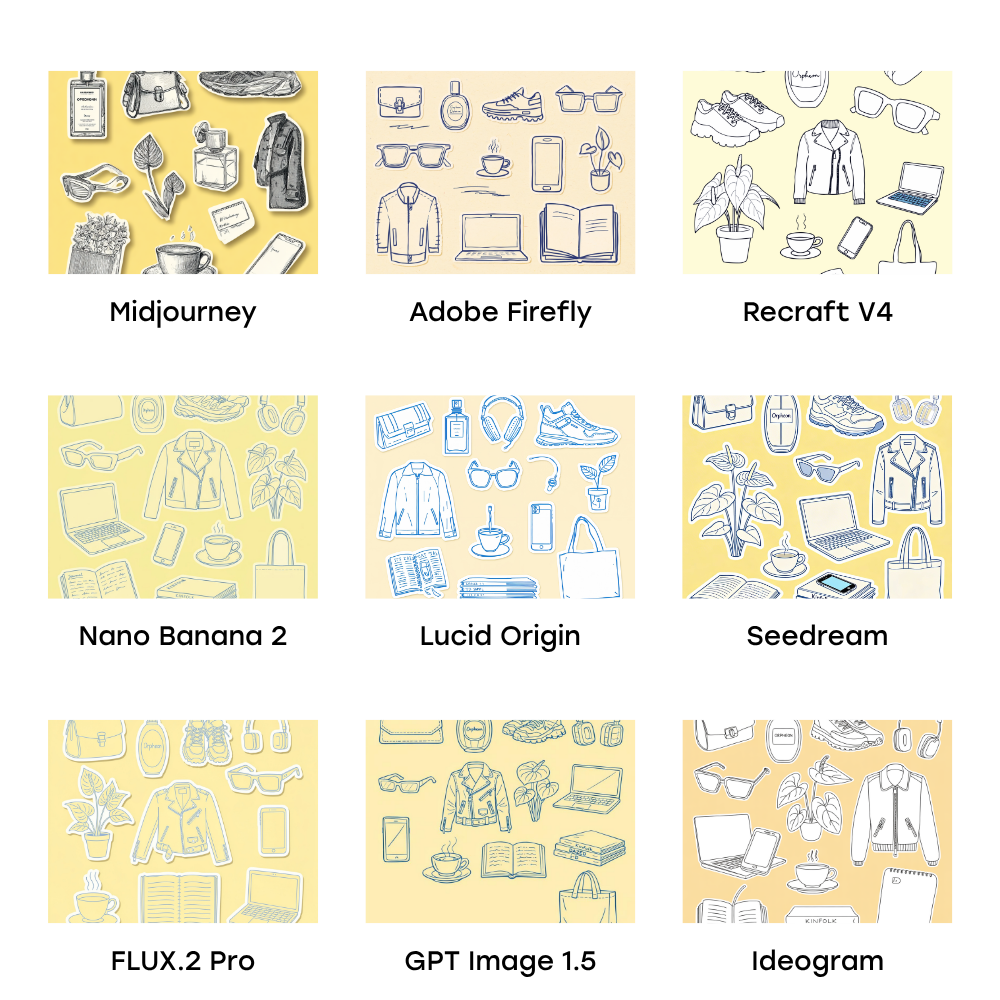
To determine the most effective solutions for contemporary content creation, a rigorous comparative analysis was conducted across eight of the leading AI image generation models available in the current technology landscape. Testing focused on three distinct visual use cases standard to modern social media strategy: an intricate illustration sticker sheet, a styled e-commerce product flat lay, and an embedded typographic graphic. The empirical findings reveal that while foundational models have achieved remarkable visual fidelity, significant variance persists in text rendering, object accuracy, and prompt adherence.
Understanding the Mechanics of Generative AI Prompt Engineering
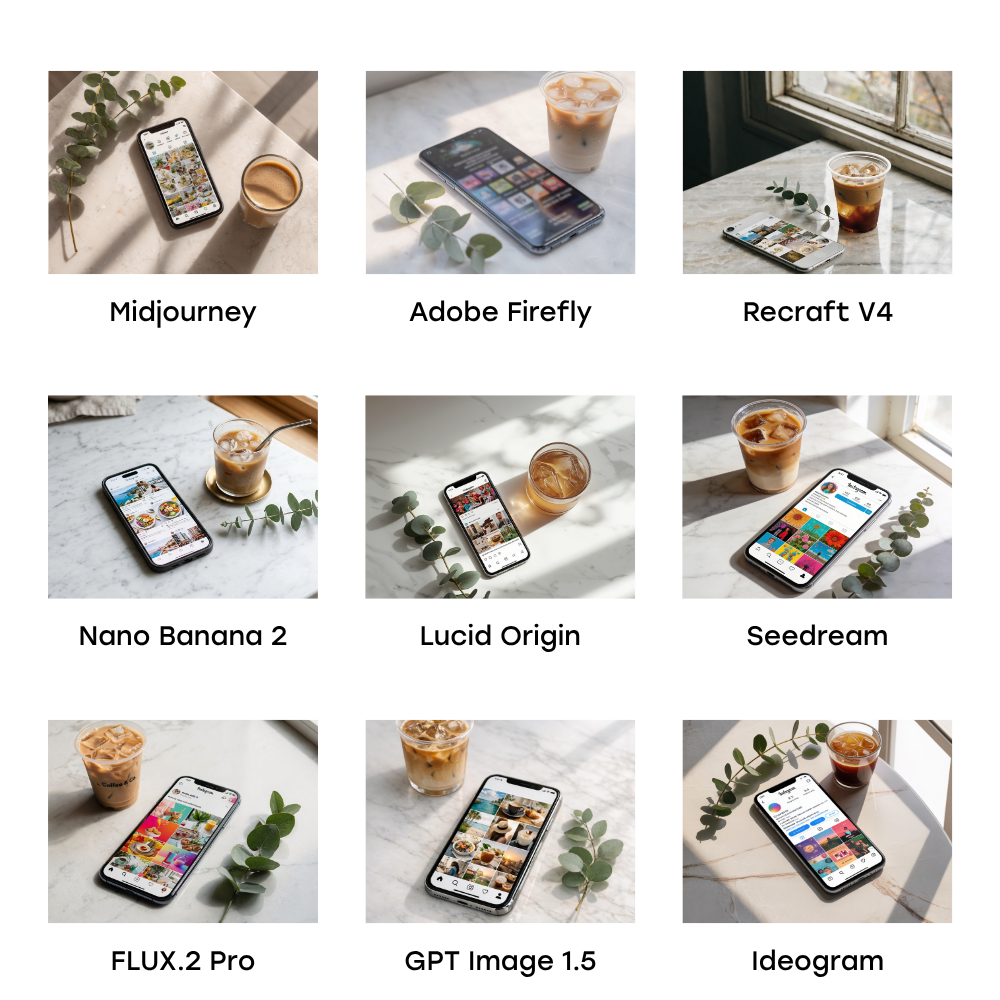
The proliferation of high-performing AI image models has shifted the primary technological bottleneck from the capabilities of the tool itself to the precision of the user’s input. Industry research from creator ecosystems and professional design guides underscores that successful outcomes rely heavily on systematic prompt architecture. Modern models demonstrate superior performance when subjects are prioritized over stylistic descriptions. Establishing the core content—such as a specific object in a designated setting—before applying modifiers like camera lens specifications, lighting conditions, or artistic mediums prevents models from producing generalized or structurally vague outputs.
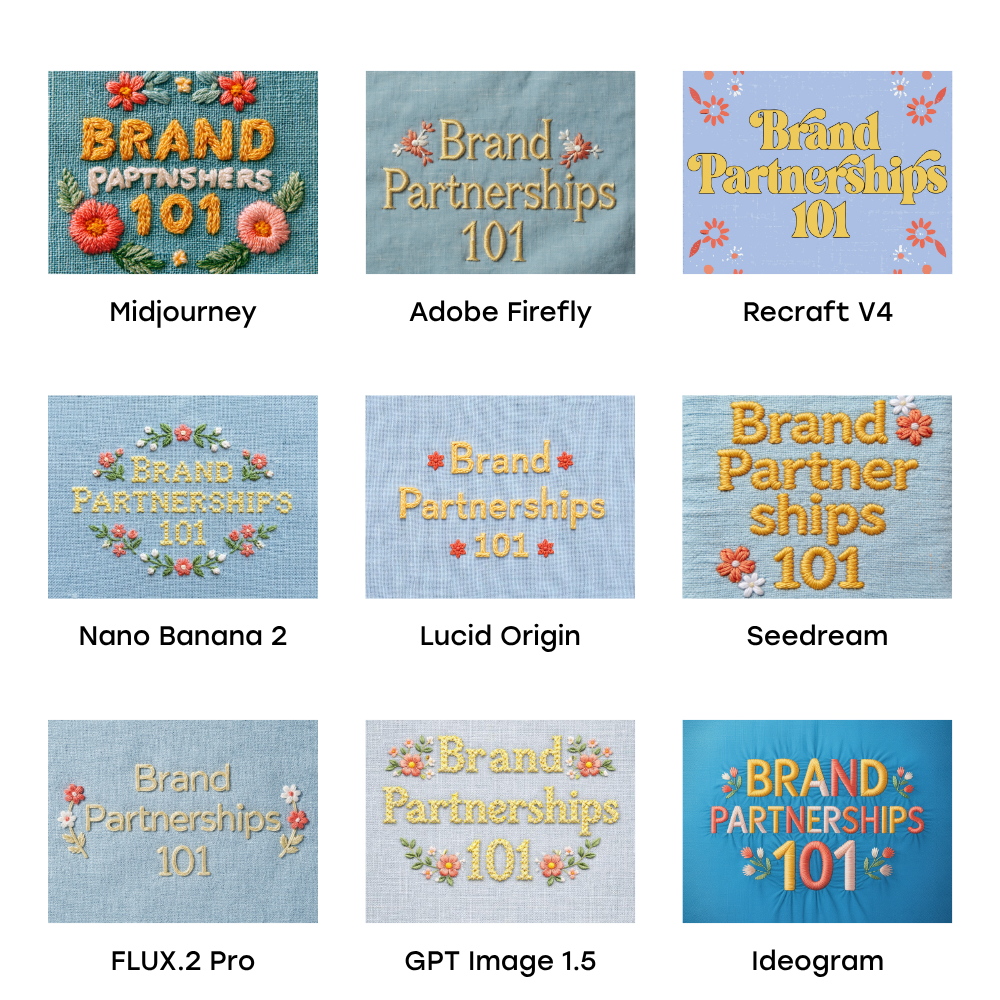
Furthermore, technical specificity significantly outweighs subjective descriptors. Vague adjectives like "high quality" or "stunning" offer minimal directional value to diffusion or autoregressive models. Instead, utilizing photographic terminology—such as shallow depth of field, three-quarter overhead angles, or specific aperture settings—enables more convincing photorealistic renders. Similarly, anchoring illustration styles with technical nomenclature like ink hatching, gestural linework, or gouache blocks ensures the model adheres to a precise aesthetic framework rather than defaulting to generic interpretations.

Comparative Evaluation of Leading AI Image Models

The market for generative imagery encompasses a diverse array of foundational models accessed through various platforms and integrated software suites. Each model demonstrated distinct operational strengths and limitations during standardized testing.

Nano Banana 2, developed by Google, emerged as the most consistent overall performer across the diverse test parameters. The model demonstrated an exceptional capacity for rendering specific, real-world objects and proprietary branding elements with high fidelity. In illustration tests, it accurately interpreted complex layout parameters and maintained proportional consistency, making it an optimal choice for creators requiring precise object representation.

Seedream, developed by ByteDance and integrated within platforms such as CapCut Pro, distinguished itself through reliable text generation and spatial placement. While certain photorealistic renders exhibited structural weaknesses in device rendering, Seedream excelled in spelling accuracy and label reproduction, satisfying a critical requirement for text-heavy digital assets.

Recraft V4 Pro targeted a specialized user base of professional designers and digital creators. Featuring extensive style libraries, color palette assignment capabilities, and superior handling of hexadecimal color codes, Recraft offers granular control over brand-aligned assets. Although isolated structural anomalies appeared in complex environmental renders, its vector capabilities and conversational refinement interface provide substantial utility for brand asset development.

Midjourney maintained its standing as an industry leader for artistic richness and mood-driven visual generation. While its capacity to handle extensive lists of distinct objects remains limited compared to dedicated text-parsing models, its output possesses a distinct aesthetic depth. However, Midjourney continues to struggle with complex spelling tasks, rendering it less suitable for graphic layouts requiring precise typographic integration.

Adobe Firefly 5 prioritized commercial safety and seamless workflow integration within software suites such as Photoshop and Illustrator. Firefly’s training architecture inherently restricts the generation of certain protected trademarked brand names and copyrighted marks, aligning with rigorous corporate compliance standards. The model produced compelling textual textures and organic illustrations, though strict adherence to trademark parameters occasionally resulted in prompt rejections.

Ideogram 3.0 and GPT Image 1.5 offered varying degrees of utility for text precision and conversational convenience. While Ideogram positioned itself as a text-forward generator, localized testing revealed stylistic interpretations that occasionally diverged from traditional artistic mediums. GPT Image 1.5, accessible within the OpenAI ecosystem and via third-party platforms like Leonardo.ai, provided a reliable baseline for users embedded in conversational AI workflows, though it encountered difficulties managing expansive negative space and multi-object layouts.

Lucid Origin rounded out the evaluation cohort, delivering rapid generation times and a distinct three-dimensional rendering quality, though it exhibited variable prompt adherence when managing intricate multi-element instructions.

Economic Considerations and Commercial Licensing Frameworks

As organizations increasingly adopt generative AI to scale digital marketing efforts, economic and legal considerations dictate platform selection. Most prominent generative platforms operate on a freemium model, offering restricted credit allocations that frequently render user-generated content publicly accessible. Subscription tiers, ranging from basic creator plans to enterprise licenses, are generally required to ensure privacy, commercial usage rights, and enhanced generation speeds.

Crucially, industry analysts emphasize the legal distinction between commercial usage rights and traditional copyright ownership. Current legal precedent, notably established by intellectual property authorities in major jurisdictions, dictates that the mere act of prompt engineering does not confer authorship status upon the user. Consequently, organizations relying heavily on AI-generated assets face potential vulnerabilities regarding exclusive intellectual property protection. While generative tools remain exceptionally effective for rapid prototyping, social media content, and mood-board conceptualization, foundational brand assets often necessitate human-authored original design work to secure comprehensive legal defense.

Future Outlook for Generative Visual Technologies

The continued convergence of multimodal architectures, improved reasoning capabilities, and enhanced text-rendering algorithms indicates that the performance gap between human designers and automated systems will continue to narrow. As foundational models evolve from simple diffusion-based noise reduction toward advanced autoregressive and reasoning-driven synthesis, the necessity for hyper-specific prompt structuring may gradually diminish in favor of intuitive, conversational refinement. For digital creators and corporate marketing departments alike, mastering the capabilities and limitations of these diverse tools remains an essential competency in an increasingly visual digital economy.