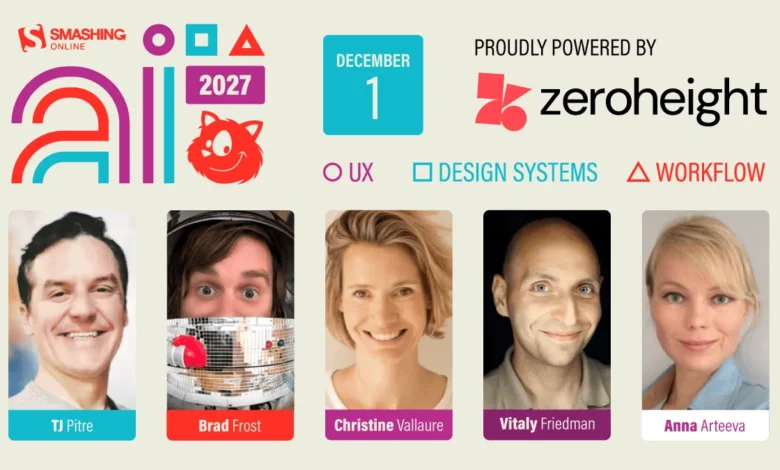
The event comes at a critical juncture in the maturation of AI tools. Since the explosion of large language models in late 2022, the design industry has grappled with the rapid proliferation of automated tools, many of which lack integration with established design systems. The AI 2027 Conference seeks to bridge this gap by focusing on how teams can effectively incorporate AI into their daily operations without compromising the structural integrity or accessibility of their digital products.
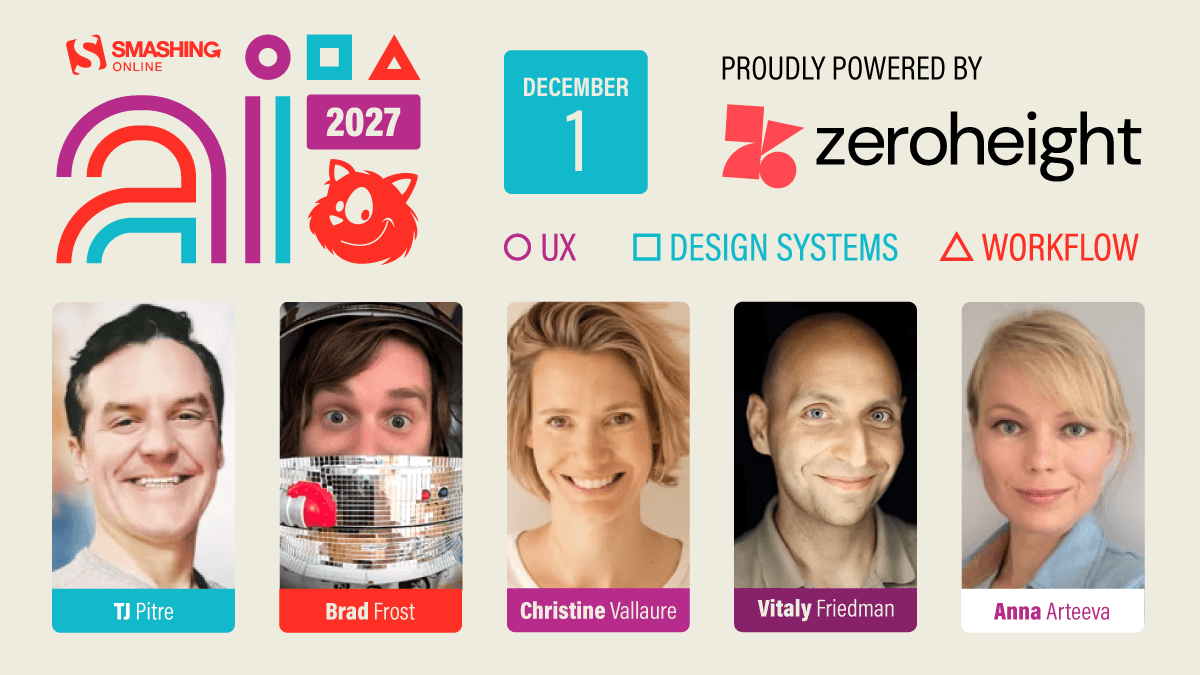
Chronology and Event Objectives
The conference schedule is meticulously designed to offer a logical progression from high-level AI design philosophy to granular technical execution. The proceedings begin with an examination of the state of AI-driven experience design as of 2027, setting the stage for discussions on how prototyping functionality has evolved. Following these foundational sessions, the agenda pivots to the practical realities of maintenance and documentation, specifically addressing the growing friction between human-written design system documentation and the requirements of machine-readable agents.
The afternoon sessions delve into the technical infrastructure of the future, including the integration of Figma with Model Context Protocol (MCP) servers and the exploration of alternative workflows for managing design systems in an era of automated code generation. The day concludes with a moderated breakout session, designed to facilitate direct peer-to-peer knowledge exchange, allowing attendees to address specific workflow bottlenecks they have encountered in their respective organizations.
The Shift Toward Agentic Workflows
A central theme of the 2027 conference is the transition from simple AI-assisted generation to autonomous agentic workflows. Industry data suggests that while early AI adoption in design was limited to image generation and basic copywriting, the current focus has shifted toward "agentic coding." This involves the use of AI agents capable of navigating complex design systems, interpreting documentation, and executing code changes within a repository.
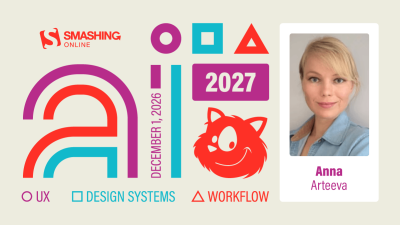
Anna Arteeva, a product design leader and instructor specializing in agentic coding, highlights a growing trend: the necessity for designers to develop "technical fluency." The industry is moving away from the "one-shot" prototyping model, where AI produces a static output, toward a dynamic, iterative process. In this new paradigm, designers must understand how to provide structured context to AI agents, ensuring that the code generated is consistent with the team’s design tokens and existing architectural patterns.
Bridging the Design-Engineering Divide
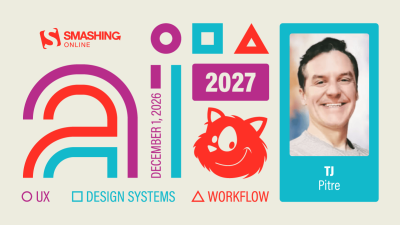
The integration of AI into design systems has historically been plagued by a disconnect between design tools (such as Figma) and the production codebase. The 2027 conference features speakers like TJ Pitre, Product Architect for AI and Design Systems at Figma, who will discuss how teams can use modern tooling to bridge this gap. The central challenge lies in "structured context"—providing AI with the necessary background information about a project’s design system so that it can make informed decisions during the development process.
This effort is mirrored by the participation of zeroheight, a company focused on centralizing design system documentation. A key session, presented by Luke Murphy, will explore why traditional design system documentation often fails to reach its intended audience—both human and machine. As coding agents become more prevalent, the quality of documentation becomes a technical requirement rather than just a best practice. If an AI agent cannot interpret the documentation, it cannot effectively implement the design system, leading to code drift and inconsistencies.
Industry Context and Strategic Implications
The rise of AI in design represents the most significant shift in creative and engineering labor since the transition to responsive web design in the early 2010s. Market research from 2025 and 2026 indicates that firms that successfully integrate AI into their design systems see a marked increase in velocity—not necessarily because AI replaces designers, but because it automates the translation of design tokens into production-ready code.
However, the proliferation of AI has also introduced new risks. "The problem isn’t the lack of tools," notes Vitaly Friedman, host of the conference. "The problem is the lack of a standardized approach to using them." Many teams currently operate in silos, with individual designers experimenting with different AI models without a cohesive strategy. This lack of standardization leads to security vulnerabilities, fragmented user experiences, and "AI debt," where code generated by various models becomes increasingly difficult to maintain.
The AI 2027 Conference aims to provide a framework for mitigating these risks by emphasizing:
- AI-Ready Design Systems: Establishing systems that are explicitly designed to be read and interpreted by AI, including the use of standardized tokens and machine-readable documentation.
- Tool Interoperability: Ensuring that AI tools can communicate with existing stacks, such as Figma, React, and other front-end frameworks.
- Human-in-the-Loop Governance: Implementing workflows where AI handles the heavy lifting of repetitive tasks, while designers and engineers maintain final editorial and architectural control.
Expert Perspectives and Practical Takeaways
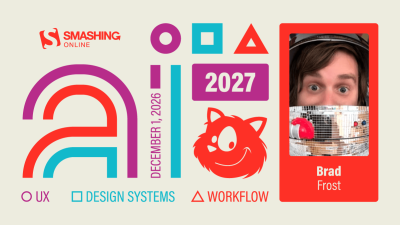
The speaker lineup for the conference represents a cross-section of leaders who have been at the forefront of the design-systems movement. Brad Frost, author of Atomic Design, brings years of experience in helping organizations scale their design operations. His involvement underscores the importance of methodology in an age of automation. "AI is a tool, not a strategy," is a recurring sentiment among the experts slated to present.
The focus on "showing, not telling" is a deliberate choice by the organizers. By forcing speakers to demonstrate their actual tools and setups—including the minor, often overlooked configurations that define success—the conference provides a realistic window into how professional teams are navigating the current AI landscape. This approach recognizes that the primary barrier to adoption is no longer a lack of interest, but a lack of procedural knowledge.
Future-Proofing the Design Profession
As we look toward the remainder of 2027 and beyond, the implications for the workforce are profound. The role of the "pure" UI designer is evolving into something more akin to a "Design Architect," someone who defines the constraints and logic of a system that AI can then expand upon. This requires a deeper understanding of front-end engineering, data structures, and system design.
The AI 2027 Conference acts as a vital resource for professionals looking to future-proof their careers. By fostering an environment of open critique and practical demonstration, the event provides a counter-narrative to the hype-driven discourse that has dominated the AI space. The focus remains steadfastly on the "how"—how to manage code, how to document systems for machines, and how to maintain the quality of the final user experience.
For those in the industry, the event is more than a technical seminar; it is a collaborative effort to define the standards of a new era. With the inclusion of breakout rooms, attendees are encouraged to bring their specific, "real-world" problems to the table, ensuring that the conference remains rooted in the actual challenges faced by designers and engineers on a daily basis.
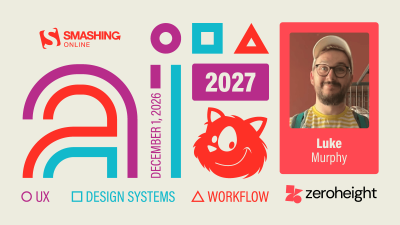
Registration for the AI 2027 Conference is currently open, and the organizers have emphasized that the event is intended for those seeking to move beyond superficial adoption. By providing a platform for experts to share their hard-won lessons, SmashingConf is helping to cultivate a community of practice that is essential for the sustainable growth of AI-integrated design systems. As the industry continues to evolve, conferences such as this will likely become the primary venues for the standardization and maturation of these critical new workflows.