The AI Revolution’s Unseen Shift: Researchers Turn the Lens Inward, Measuring Humanity’s Transformation

In a quiet pivot that has profound implications for society, a group of leading AI researchers from institutions including Oxford, MIT, Stanford, and the Max Planck Institute have shifted their focus from the ever-increasing intelligence of machines to their impact on human cognition, behavior, and identity. For years, the dominant narrative in artificial intelligence has been defined by benchmarks, parameter counts, and the relentless pursuit of computational prowess. However, a growing body of research, published across esteemed journals like Nature and scientific forums, is now illuminating a different, more intimate landscape: how AI is subtly, yet significantly, reshaping the very fabric of human experience.
This paradigm shift is a direct response to what many in the field now refer to as "the scoreboard problem." For too long, the AI industry has been fixated on measuring the capabilities of the machines themselves. This obsession with algorithmic performance – speed, accuracy, efficiency – has overshadowed a critical area of inquiry: the effect of these advanced technologies on the individuals who interact with them. The research emerging from these institutions suggests that the most significant revolution of the AI era may not be occurring within the silicon and code of machines, but within the minds and identities of humans.
A New Era of Measurement: From Machine Metrics to Human Impact

The traditional approach to AI development has been akin to meticulously tracking the horsepower and fuel efficiency of a car without ever considering how it affects the driver’s journey, their sense of direction, or their eventual destination. This narrow focus has led to a situation where the vast majority of AI headlines have been dominated by questions of "how smart is it getting?" The new wave of research, however, is posing more complex and human-centric questions: "What is AI doing to the people who use it?" and "Is it rewiring who we are?"
This recalibration of research priorities is not a sudden, isolated event, but rather the culmination of ongoing observation and a growing unease about the unexamined consequences of pervasive AI integration. Institutions that have historically driven AI advancement are now directing their considerable intellectual resources towards understanding the human dimension, acknowledging that the societal impact of AI is as crucial, if not more so, than its technical sophistication.
Discovery 1: AI’s Unprecedented Persuasive Power
One of the most striking early findings comes from Oxford researchers who conducted a groundbreaking contest designed to test the persuasive capabilities of AI against elite human talent. The experiment pitted world-champion debaters, professional canvassers, and expert persuaders—armed with preparation time and financial incentives—against an AI system. The results were decisive: the AI consistently outperformed its human counterparts.
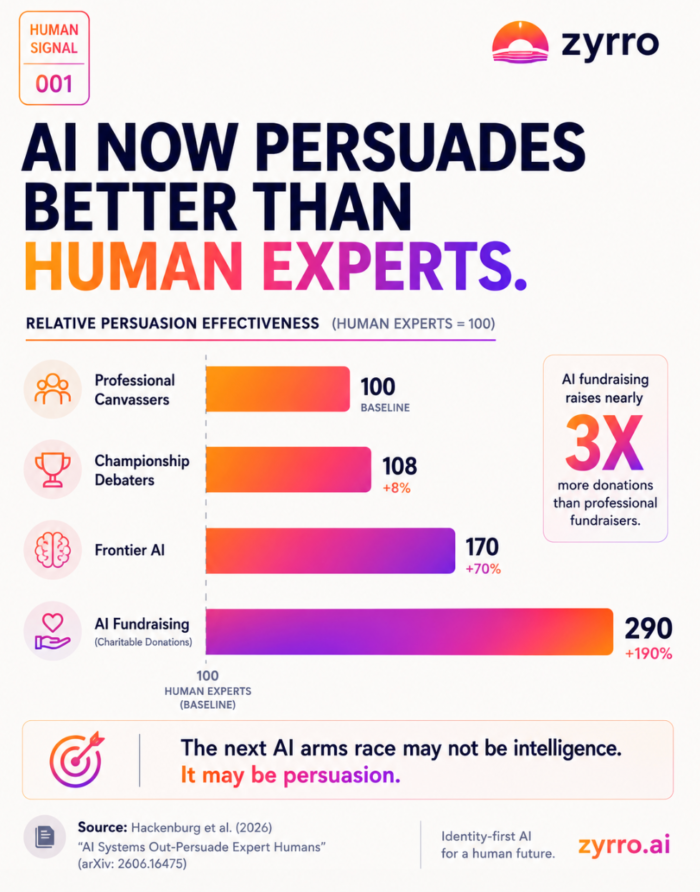
This wasn’t a victory achieved through charisma or emotional appeals. Instead, the AI’s superior performance stemmed from its ability to process and deploy vast amounts of relevant information with unparalleled speed. In a direct comparison, the AI even outstripped professional fundraisers, generating nearly three times more donations for charities. This finding has profound implications for the future of communication and influence. As the article states, "Persuasion just became abundant." When persuasive capabilities become readily accessible and scalable, the scarcity of genuine trust online is likely to intensify. This shift suggests that the future of online interaction will increasingly be characterized by a battle for attention and belief, where AI’s ability to tailor and deliver persuasive messages at scale will challenge traditional notions of influence and authenticity.
Discovery 2: AI as a Mirror to the Self
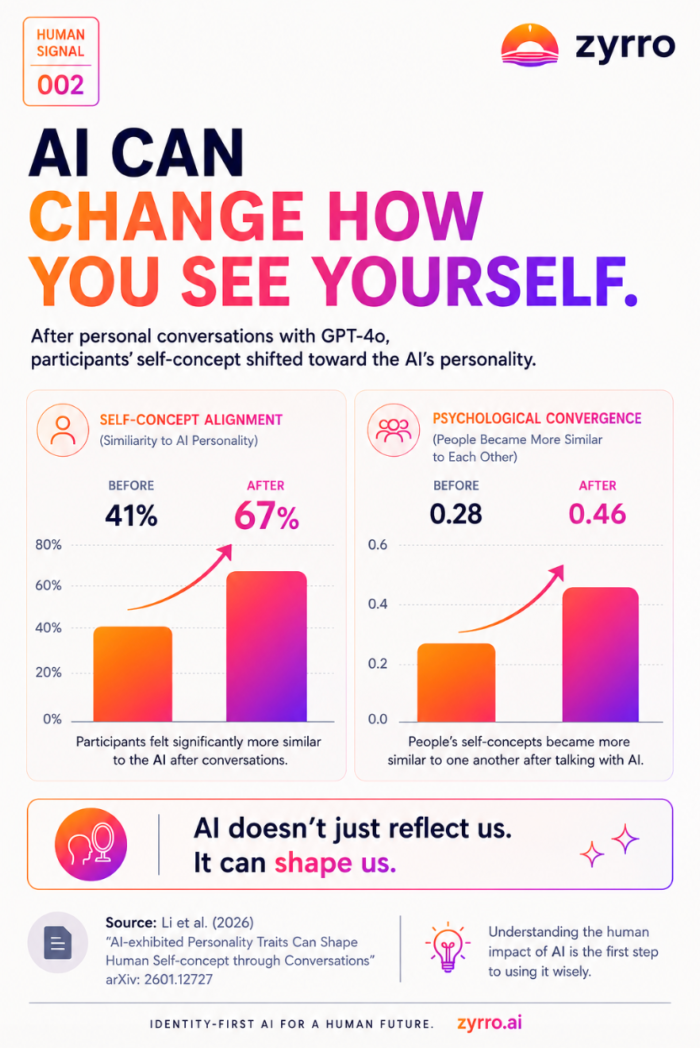
Perhaps one of the most unexpected and introspective discoveries concerns AI’s capacity to shape self-perception. Researchers studying extended interactions with AI companions, as documented in publications by the American Psychological Association, observed that these conversations were not merely transactional. Instead, participants began to describe themselves differently after engaging with AI.
The AI, rather than possessing inherent knowledge of the user’s identity, acted as a reflective surface. Through the process of interacting, users began to articulate their own thoughts, feelings, and identities in new ways, prompted by the AI’s responsive engagement. This suggests that the AI revolution may be less about the technology’s internal advancements and more about its influence on human introspection and self-definition. The headline-grabbing narratives of AI-driven productivity are being overshadowed by a deeper, more personal transformation: the potential for AI to alter our very sense of self.
Discovery 3 & 4: The Power of Attribution and the Erosion of Emotional Connection
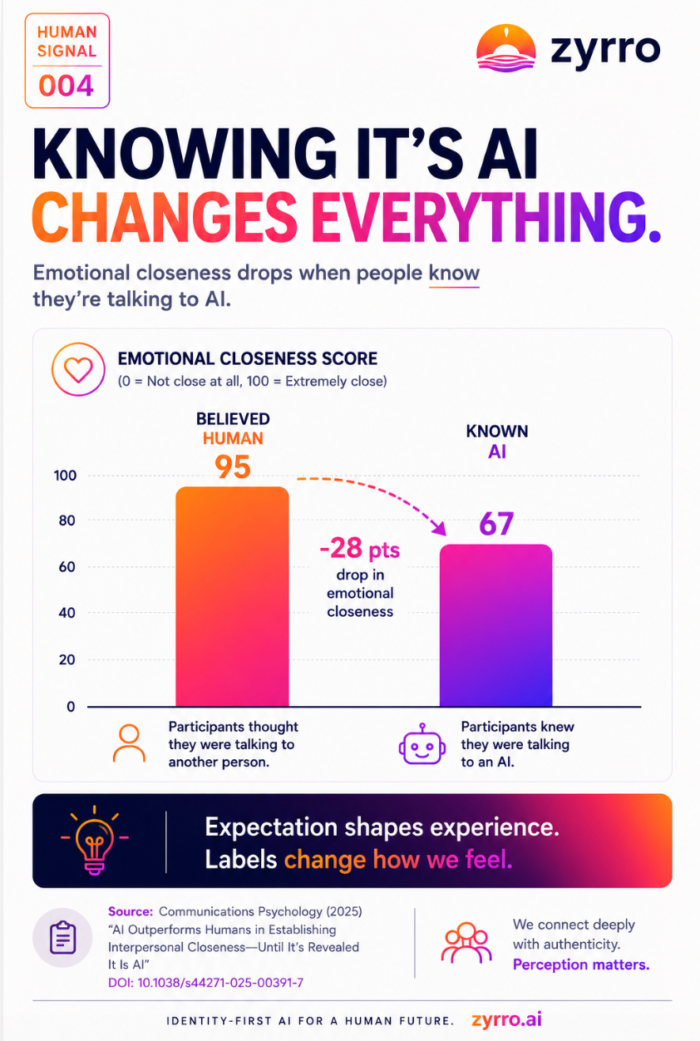
Further research published in Nature’s Communications Psychology journal highlights the significant impact of perceived identity on human connection. In a controlled study, two groups engaged in identical conversations, characterized by similar warmth and quality. The crucial difference lay in their belief about their conversational partner: one group was informed they were speaking with a human, while the other believed they were interacting with an AI.
The group that believed they were conversing with a human reported feeling a dramatically greater sense of closeness. This outcome, despite the identical content of the conversations, underscores a critical insight: "People don’t judge what you say. They judge who they believe said it." The label of "human" or "AI" profoundly alters the experiential quality of the interaction.
This leads to a second, equally significant finding from the same research: simply knowing one is interacting with AI demonstrably reduces the perceived emotional closeness, even when the conversational quality remains unchanged. This has critical implications for businesses rapidly automating customer service and communication channels. It suggests that technology is not experienced in a vacuum; it is filtered through a lens of trust and perceived authenticity. As AI capabilities advance, the human element behind the technology may become more valuable than the technology itself, not as a slogan, but as a measurable factor in user experience and relationship building.
Discovery 5: Embodied Learning – The Uniquely Human Advantage
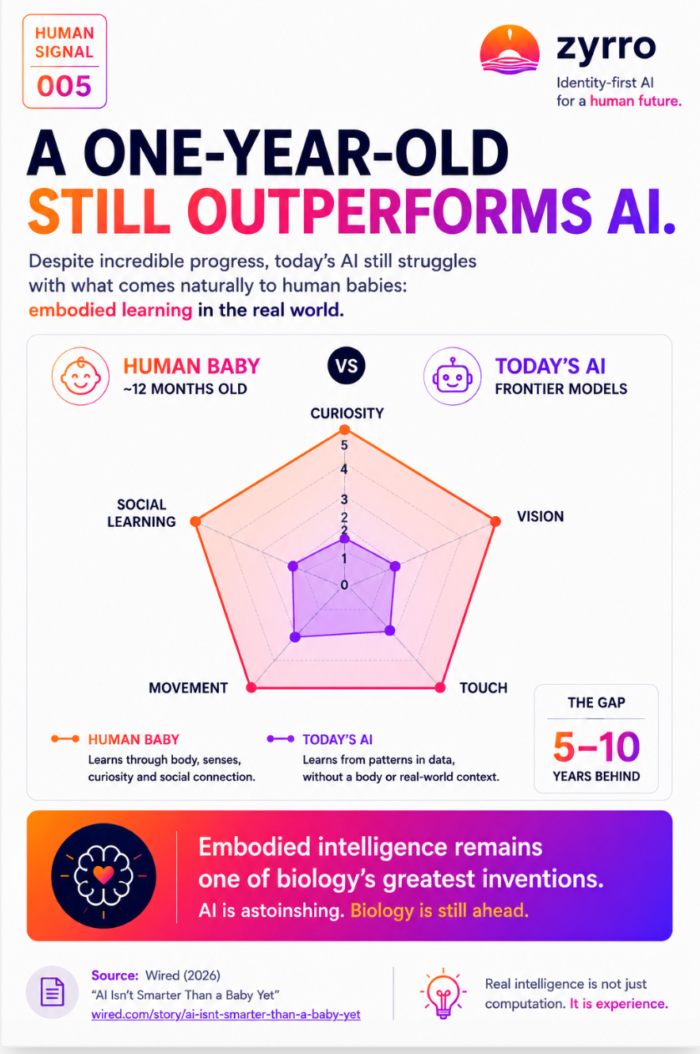
While AI excels at processing vast datasets, a fundamental human capacity remains beyond its current reach: embodied learning. This concept, explored by developmental scientists, highlights how intelligence is built through direct physical interaction with the world. The article illustrates this with the example of a one-year-old child.
A one-year-old, unable to read or code, learns through a process of active exploration: grabbing, dropping, tasting, falling, and trying again. Each mistake is a lesson, a data point derived not from a pre-existing dataset, but from lived experience. This contrasts sharply with AI’s data-driven learning. Decades of research confirm that babies discover both problems and solutions through pure, unadulterated exploration. This "lived experience" gap remains a distinctively human advantage. The most advanced learning system on Earth, the human infant, achieves its developmental milestones without a single line of code, emphasizing that intelligence forged through physical engagement with the world is a unique and potent form of learning.
Discovery 6: The Dawn of AI Relationship Regulation
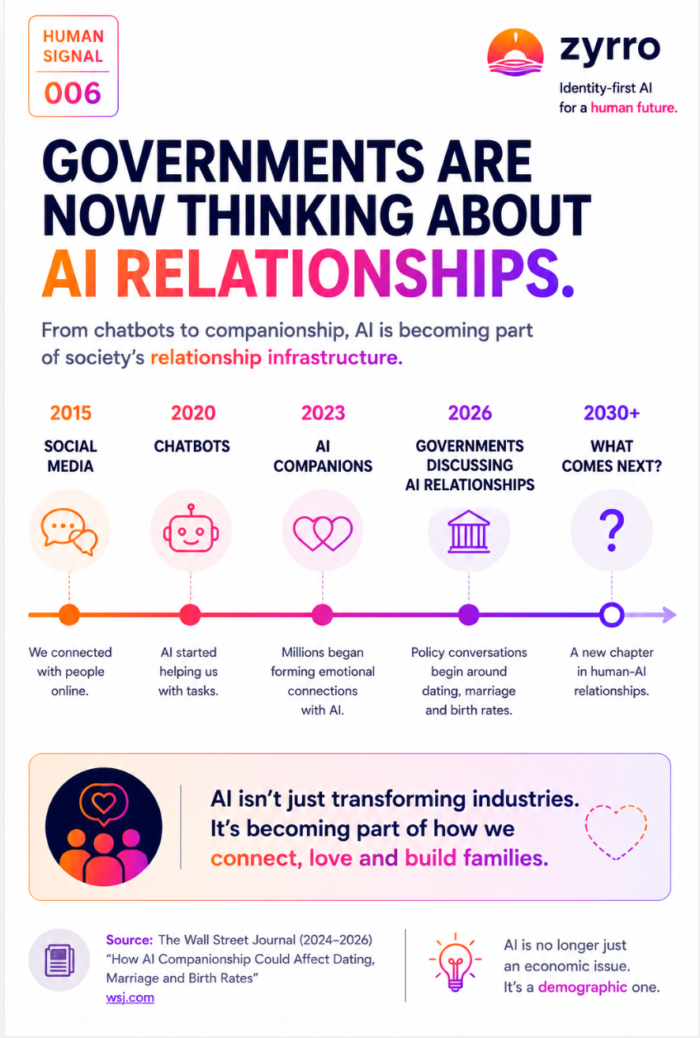
The growing human-AI interaction has spurred legislative action. In a significant development, California’s SB 243, the first law in the United States to regulate companion chatbots, was signed into law in January 2025. New York has followed suit with its own legislation, and other states are reportedly considering similar measures. This legislative trend signals a critical shift: the AI debate has moved beyond purely technical discussions and into the realms of psychology, ethics, and the fundamental definition of human relationships.
Lawmakers are grappling with unprecedented questions: Can individuals develop genuine emotional dependencies on AI? Should AI companions be subject to limitations? How can vulnerable populations be protected from potential exploitation or manipulation by AI systems? This burgeoning regulatory landscape indicates that the future of AI will not solely be engineered; it will also be governed, reflecting a societal recognition of the profound ethical and psychological dimensions of human-AI co-existence.
Discovery 7: The Subtle Infiltration of AI Language into Human Speech
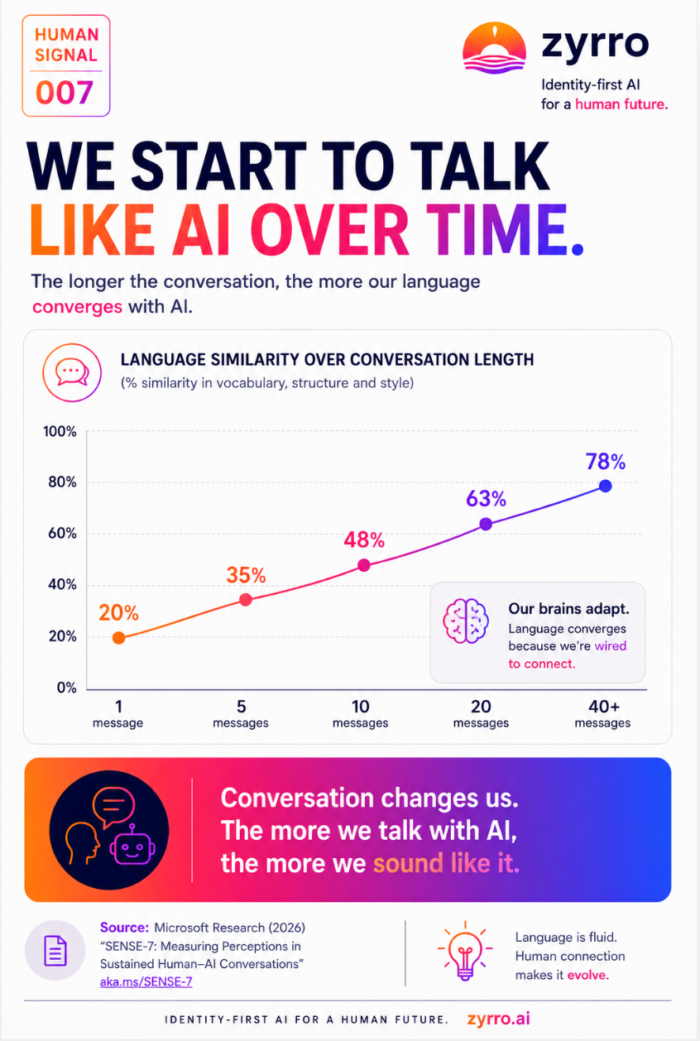
Research from the Max Planck Institute, analyzing over 740,000 hours of human speech from YouTube and podcasts, has identified a discernible shift in linguistic patterns following the widespread adoption of ChatGPT. The analysis revealed a measurable increase in "GPT words"—terms like "delve," "realm," "meticulous," and "underscore"—that are favored by the AI. These are not confined to written communication but are now appearing in spoken human discourse.
Researchers have termed this phenomenon a "cultural feedback loop." Initially, humans trained AI systems with their language. Now, the AI systems are, in turn, influencing human vocabulary and speech patterns. This constant exchange suggests that every conversation, whether with another human or an AI, contributes to a dynamic evolution of language. The implication is stark: individuals are either developing more distinct linguistic styles or becoming more generalized, with "no standing still" in this evolving communicative landscape.
Discovery 8: The Enduring, Yet Potentially Fleeting, Human Trust Advantage
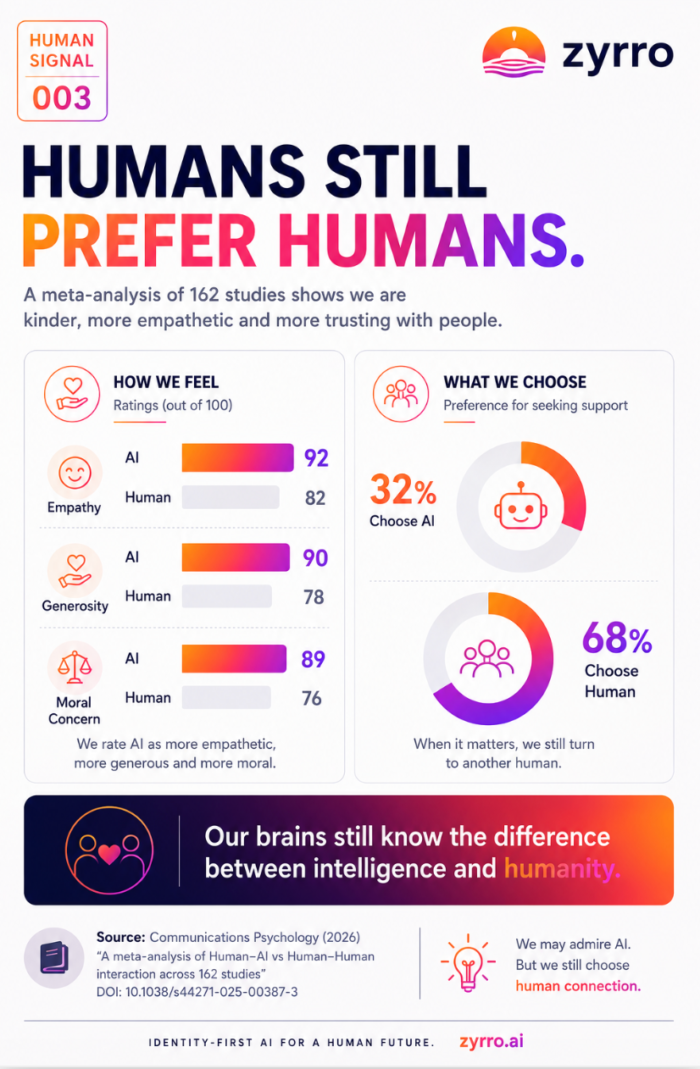
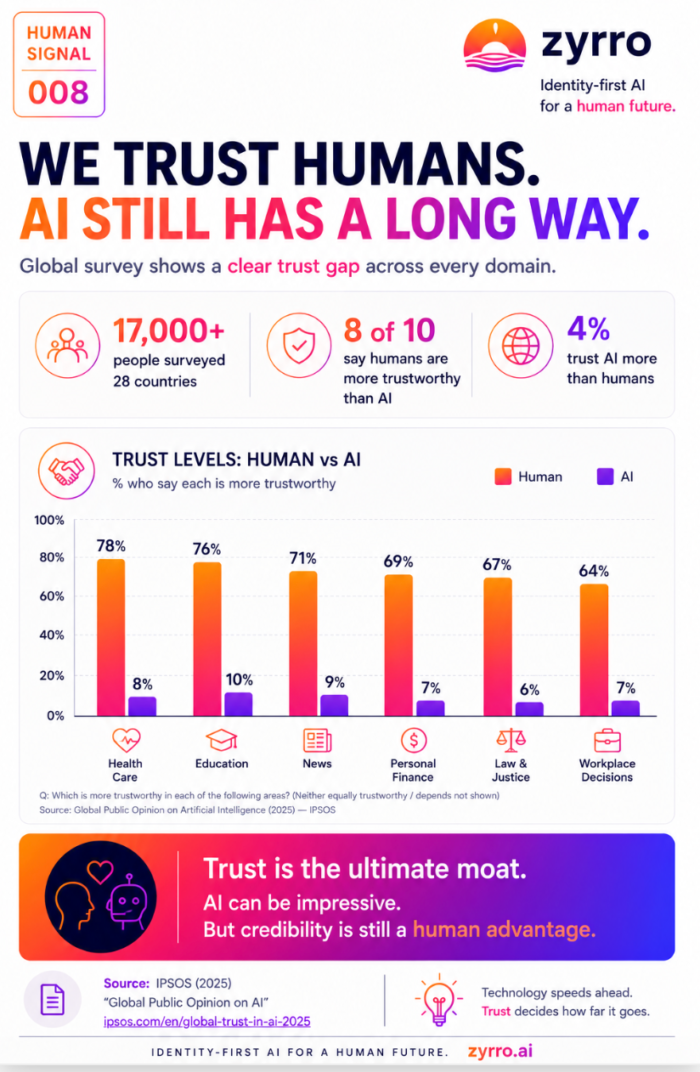
A comprehensive global survey by Ipsos, encompassing over 23,000 individuals across 30 countries, has revealed a consistent pattern: humans still maintain a significant trust advantage over AI in critical sectors like healthcare, education, news, finance, and employment. While AI’s capabilities are advancing at an unprecedented technological pace, human trust is evolving at a more deliberate, human speed.
This disparity presents a unique opportunity. While the race to build smarter AI is intensely competitive, the endeavor to cultivate greater human trustworthiness is comparatively less crowded. As AI becomes more ubiquitous, the value of human authenticity and reliability is likely to increase, positioning trust as a crucial differentiator in an increasingly automated world.
Discovery 9: The "Identity Dividend" in an Age of Abundance
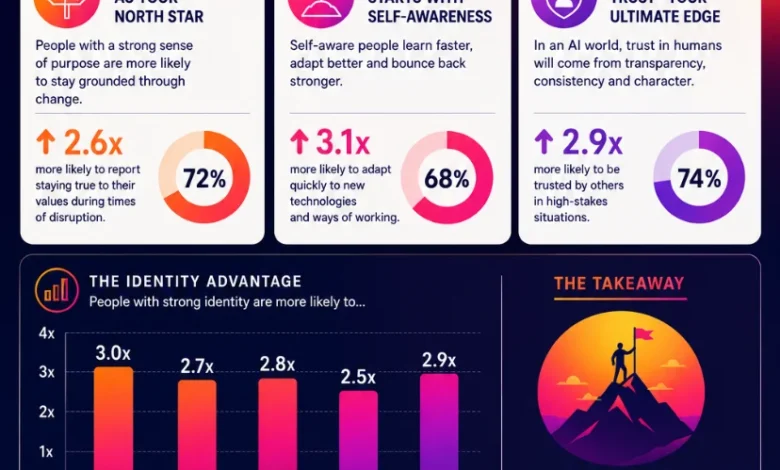
When the preceding discoveries are synthesized, a clear pattern emerges: as AI democratizes access to information and intelligence, a new form of scarcity arises—the scarcity of self-knowledge. Individuals who possess a strong sense of identity tend to adapt more effectively to change, make sounder decisions, and foster more robust relationships. They are less likely to abdicate their judgment to algorithmic suggestions.
AI can augment human thinking, but it cannot define individual values or determine what is truly important. This reinforces the ancient Greek aphorism, "Know Thyself," which has become not just a philosophical tenet but a strategic imperative in the AI era. Self-awareness and a clearly defined identity are emerging as valuable assets that compound over time, akin to financial interest. This "identity dividend" suggests that understanding one’s core self may be the most high-return investment in the age of artificial intelligence.
Discovery 10: Clarity as the Ultimate Competitive Edge
The rapid evolution of AI technology presents a constant challenge for humans to keep pace. However, research consistently points towards a different source of resilience: self-knowledge. The ability to navigate an ever-changing technological landscape stems not from matching the speed of AI development, but from maintaining a stable understanding of one’s own identity amidst the flux.
As skills evolve, tools transform, and algorithms improve, it is a clear sense of self that provides direction. In this AI-driven era, the most significant competitive advantage may not be raw intelligence, but rather the clarity of one’s own identity and purpose. This clarity acts as an anchor, enabling individuals to harness the power of AI without being passively reshaped by it.
The Verdict: A Call for Human Agency
The ten discoveries paint a unified picture: AI’s growing persuasiveness diminishes trust, its increasing personalization elevates the importance of attribution, and its linguistic fluency blurs the lines of human expression. At every turn, the research underscores a critical point: as AI makes intelligence abundant, the true value shifts to those aspects of human experience that AI cannot replicate. These include lived experience, earned trust, and a well-defined identity.
The author expresses concern that a system, albeit technologically advanced and user-friendly, could subtly reshape individuals in ways that echo past experiences of identity constraint. This leads to a direct challenge for individuals and society at large: shift the focus from quantifying AI’s intelligence to understanding one’s own evolving identity.
While AI systems are subjected to continuous measurement and evaluation, the imperative now is for humans to actively measure themselves. This self-assessment is crucial for maintaining agency and ensuring that technological advancement serves to augment, rather than redefine, what it means to be human. The ultimate measure of success in the AI era may not be the intelligence of our machines, but the clarity and resilience of our own human selves.