
Navigating the AI Era: TechCrunch Disrupt 2026 Returns to San Francisco with Expanded Focus on Sustainable Startup Growth

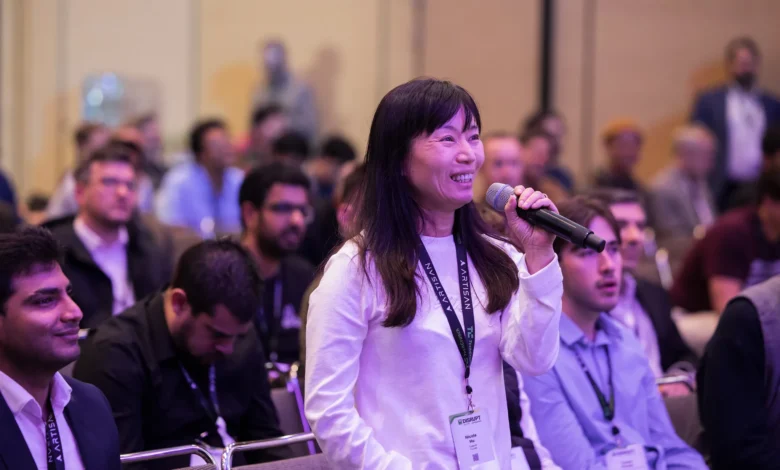
TechCrunch Disrupt 2026 is returning to Moscone West in San Francisco from October 13 to 15, bringing together thousands of founders, investors, engineers, and technology leaders. For over two decades, this premier summit has served as a crucible for early-stage innovation, funding announcements, and high-stakes networking. As the technology ecosystem grapples with the operational realities of artificial intelligence, this year’s conference is deliberately centered around a singular, pressing mandate: how to build an enduring enterprise in the AI era.
Rather than focusing purely on speculative technical forecasting, the 2026 programming targets the practical mechanics of scaling companies, securing capital, and pivoting business models amidst rapid macroeconomic shifts. With more than 200 expert-led sessions spread across six editorially curated stages, the conference aims to provide actionable strategies that founders can implement immediately upon returning to their offices.
The Evolution and Context of TechCrunch Disrupt
Established more than twenty years ago, TechCrunch Disrupt has evolved from a nascent Silicon Valley pitching ground into a global institution for the venture capital and startup communities. Historically alternating between major technology hubs such as San Francisco and New York, the conference has witnessed the rise and fall of several technological waves, including the mobile revolution, the SaaS boom, and the current generative AI paradigm.
The 2026 event takes place against a complex economic backdrop characterized by cautious venture capital deployment, a selective funding environment, and ongoing labor market adjustments within the tech sector. Organizers have tailored this year’s agenda to address these headwinds directly, moving past the initial hype cycle of artificial intelligence to examine monetization, regulatory compliance, enterprise integration, and long-term sustainability.
According to community feedback gathered by event organizers, founders are increasingly seeking concrete operational roadmaps rather than broad industry predictions. Consequently, the curated sessions at Moscone West are structured to address specific operational bottlenecks—ranging from early-stage product-market fit and pre-seed fundraising to cross-border expansion and talent acquisition.
Tailored Tracks for Every Stage of the Founding Journey

Recognizing that startups face vastly different challenges depending on their maturity, TechCrunch Disrupt 2026 has structured its programming into distinct functional tracks designed to optimize attendee ROI.
For pre-seed and idea-stage entrepreneurs, the priority lies in thesis validation and initial angel networking. Attendees in this cohort are encouraged to concentrate on the Builders Stage, observe Startup Battlefield semifinalist pitches, and engage with industry-specific roundtables in the Expo Hall. These forums offer early-stage operators a chance to test their assumptions against seasoned investors and peers navigating similar developmental phases.
Startups operating at the early revenue stage or actively engaged in fundraising face a different set of imperatives. For these founders, time management and capital access are paramount. Disrupt addresses this by providing dedicated investor-matchmaking tools embedded within the official conference application, alongside access to the Deal Flow Café. This dedicated space facilitates high-concentration, one-on-one meetings between founders seeking capital and institutional investors looking for vetted deal flow. Past iterations of these matchmaking initiatives have yielded significant results; previous attendees have reported substantial oversubscription rates following on-stage exposure and dozens of back-to-back investor meetings stemming from spontaneous booth interactions.
For mature companies focused on scaling, hiring, and strategic partnerships, the emphasis shifts toward market visibility and talent acquisition. Disrupt’s extensive slate of Side Events provides tailored environments for industry-specific networking, enabling scaling startups to forge strategic alliances, recruit specialized engineering talent, and deepen relationships with prospective enterprise clients outside the formal conference halls.
The Startup Battlefield: The Industry’s Premier Pitch Competition
At the core of TechCrunch Disrupt is the Startup Battlefield, widely recognized as one of the most competitive and prestigious pitch platforms in the technology sector. The competition culminates on the main stage with the announcement of the winner, who receives a $100,000 equity-free prize alongside immense media attention and venture capital interest.
The selection process for the 200 competing startups involves rigorous evaluation and prep work designed to refine business models and presentation strategies. Beyond the winner, the true value of the Battlefield extends to the broader cohort of participants and observers. Startups chosen to pitch gain direct exposure to top-tier venture capitalists, frequently resulting in post-event funding rounds and strategic partnerships. Audience members benefit by observing the strategic positioning of emerging technologies, identifying market gaps, and networking with founding teams across the Moscone Center floor.
While applications for the 2026 San Francisco competition concluded following the August 20 cohort selection, TechCrunch continues to expand the Battlefield footprint internationally. Recent and upcoming expansions into markets such as Sydney and Tokyo underscore the global reach of the franchise, offering international founders alternative pathways to the Silicon Valley investor ecosystem ahead of the 2027 application cycle.

Economic Implications and Strategic Financial Incentives
Hosting a major technology conference during a period of macroeconomic recalibration requires a deliberate approach to accessibility and community support. Acknowledging the financial pressures faced by early-stage bootstrapping teams and individuals affected by recent industry layoffs, event organizers have introduced targeted pricing structures for Disrupt 2026.
Founders purchasing a standard ticket can utilize promotional discounts enabling them to bring a co-founder or team member at a 50% reduction. Furthermore, to address ongoing labor market contractions within the technology sector, organizers have allocated a limited volume of heavily discounted Expo+ passes specifically for laid-off professionals seeking re-entry into the startup ecosystem. This initiative aims to connect displaced engineering, product, and operational talent with hiring startups currently exhibiting on the expo floor.
Analysis of Event ROI and Best Practices for Attendees
For early-stage companies operating on tight runways, attending large-scale technology conferences requires careful cost-benefit analysis. Industry analysts note that the primary value of events like Disrupt is not passive consumption of stage content, but active pipeline generation and calendar curation.
To maximize return on investment, experienced founders recommend establishing meeting schedules weeks in advance utilizing the conference’s digital networking portal. By pre-booking conversations with target investors, prospective clients, and media representatives, attendees can insulate themselves against the unpredictability of floor traffic. Additionally, refining elevator pitches and aligning conference attendance with specific corporate milestones—such as a product launch or a seed-round opening—transforms the three-day event from a general networking trip into a targeted business development sprint.
As the tech industry converges on Moscone West this October, TechCrunch Disrupt 2026 remains a barometer for the health, resilience, and strategic direction of the global startup economy. Whether navigating the complexities of AI integration or securing bridge capital in a tightening market, the summit offers a centralized forum for the leaders defining the next decade of technological enterprise.
Related posts: