The Algorithmic Identity Crisis: How Social Media Platforms Monetize Your Predictability and Stifle Personal Evolution

Last quarter, a single major technology entity generated fifty-five billion dollars in advertising revenue by leveraging the granular data of its user base, translating to approximately seven thousand dollars in revenue every second, around the clock. This staggering figure underscores a fundamental reality of the modern digital economy: the user is not the consumer of these platforms, but rather the product being packaged, categorized, and sold. To maintain this business model, algorithmic systems are engineered to construct comprehensive profiles of users—tracking preferences, click-through rates, and purchasing habits—to ensure that the digital experience remains predictable. When a user acts in a consistent, repeatable manner, they become a high-value commodity for advertisers, who pay a premium to access that specific, well-defined demographic.
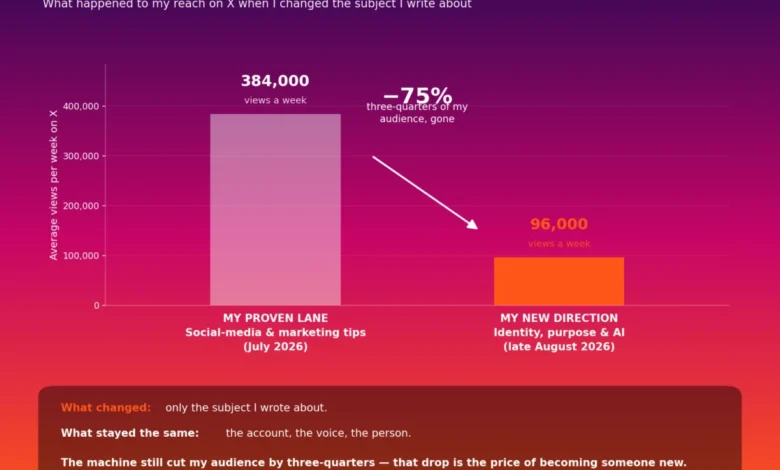
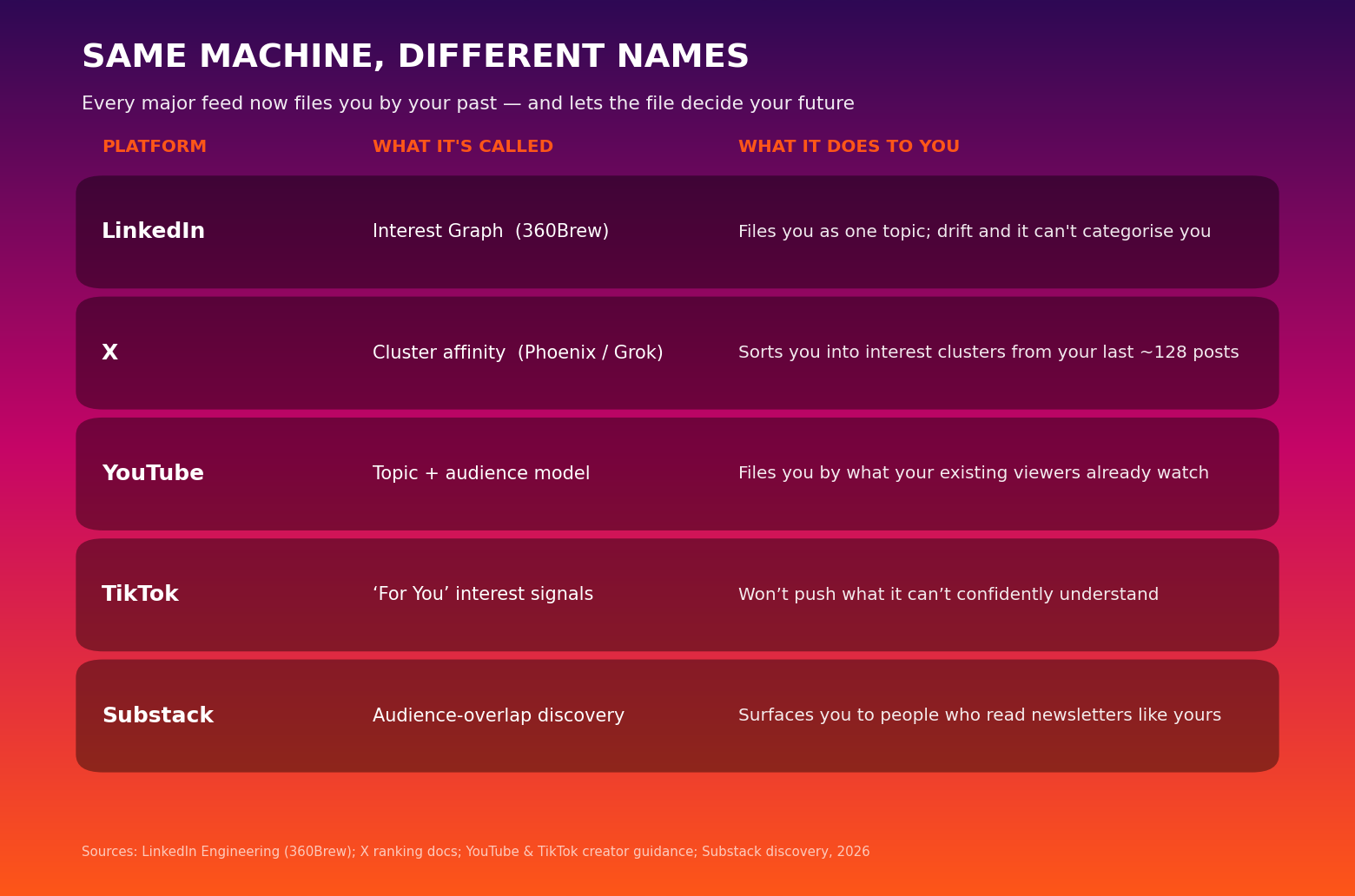
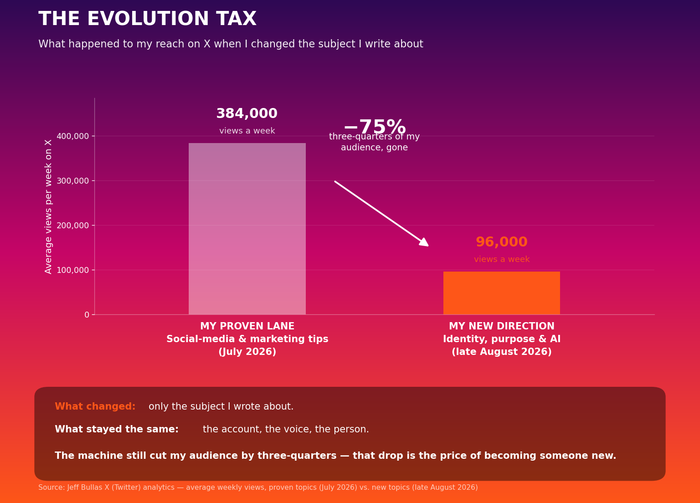
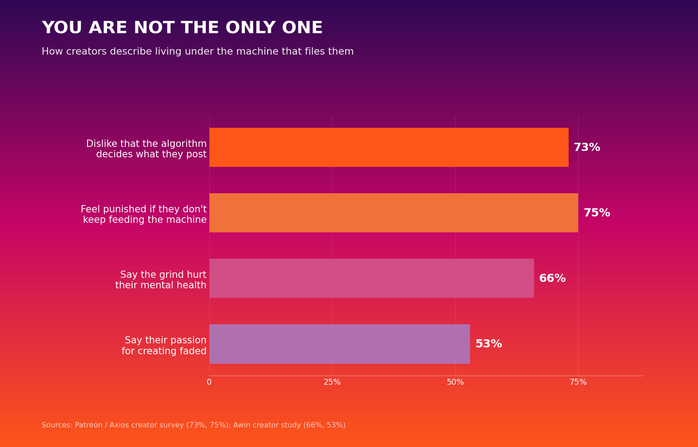
The implications of this system extend far beyond simple targeted marketing. These same algorithmic profiles dictate the content that populates user feeds, creating a feedback loop that prioritizes predictability over creative growth. Because the primary goal of the platform is to keep users engaged for as long as possible to maximize ad exposure, the algorithm rewards content that conforms to established behavioral patterns. Consequently, creators who attempt to evolve their craft or explore new topics often find their reach throttled. When a creator deviates from their historical output, the machine, unable to categorize the "new" version of the creator into a profitable container, systematically reduces their visibility. This leads to a phenomenon where creative genius is effectively buried in a "black box" of reduced engagement, often leaving creators confused and penalized for their professional development.

A Chronology of Platform Monetization
The evolution of these systems can be traced back to the early 2010s, when the "interest graph" became the standard for content discovery. By 2015, major platforms had shifted away from chronological feeds to sophisticated, machine-learning-driven ranking systems. By 2020, as the creator economy matured into a quarter-trillion-dollar industry, the friction between human growth and machine logic became undeniable.
Recent data from 2026 indicates a sharp uptick in these restrictive practices. For instance, creators who have attempted to pivot their content strategy—moving from established niches to experimental or transformative work—frequently report immediate drops in impressions. One documented case involved a creator who, after posting a video about a new direction, saw engagement collapse, only for a video on their old, abandoned topic to perform exceptionally well. This illustrates how the machine, in its pursuit of efficiency, essentially dictates the professional boundaries of the creator. Another instance involves creators who, after sharing personal experiences like medical emergencies, found their future reach permanently limited to that specific, narrow category, essentially trapping them within their own past success.
The Economics of the Unpaid Workforce
The financial disparity between platform owners and the creators who populate them is stark. Current market analysis reveals that for every thousand views, a platform may pay a creator between five and fifteen dollars, while simultaneously charging advertisers significantly more for the same exposure. This gap, combined with the fact that platforms often retain between 20% and 45% of total earnings, has led researchers to categorize the current creator economy as a form of "unpaid labor." Creators provide the raw material that powers the search and discovery engines, yet they retain limited ownership over the distribution of their own work.
The rise of generative AI has added a further layer of complexity to this ecosystem. Major search engines have begun integrating AI-driven answers directly into search result pages, effectively eliminating the need for users to click through to original websites. Reports from late 2026 suggest that for roughly 25% of all searches, the answer is provided within the interface itself. Publishers who spent decades optimizing content for search visibility now face traffic declines ranging from 20% to 90%. By keeping the user on the platform, these companies have effectively cut off the "referral" model that once sustained the digital publishing industry, essentially consuming the creator’s output while denying them the downstream benefits of traffic.
Fact-Based Analysis of Algorithmic Identity
The concept of "algorithmic identity," a term coined in academic circles over a decade ago, posits that the self represented on social media is an external construct designed for corporate utility. This identity is not a reflection of the individual, but a functional category used to facilitate commerce. When a creator evolves, they disrupt the data set. The machine, programmed for prediction, interprets this evolution as an error, leading to a "tax" on visibility.
This is not a matter of human malice or a conspiratorial plot orchestrated by platform engineers. It is an inherent outcome of an incentive structure that prioritizes the bottom line. Predictability is profitable; growth is an anomaly that threatens the efficiency of the advertising stack. Because the systems operate as "black boxes," there is no mechanism for a creator to negotiate or explain their transition. They are simply moved to a lower tier of algorithmic priority.
Implications for the Future of Digital Expression
The broader impact of this system is a homogenization of content. If creators are consistently punished for straying from their established niches, the incentive to innovate vanishes. This leads to a digital landscape characterized by repetition rather than discovery. However, recent trends suggest a shifting landscape. Newer algorithmic iterations are beginning to place slightly more weight on individual post performance rather than historical channel averages. While the penalty for shifting content remains, it is statistically shrinking, suggesting a slight window of opportunity for creators who are willing to navigate the volatility of the current environment.
Strategic Adjustments for Creators
For those seeking to maintain autonomy in an algorithmic age, industry experts suggest a shift in strategy. The focus should move away from the pursuit of "vanity metrics"—such as broad, low-engagement reach—toward the cultivation of high-intent, smaller communities. A small, loyal audience that engages deeply with content sends a stronger signal to the machine than a large, passive audience that scrolls past without interaction.
Effective strategies for navigating this environment include:
- Audience Ownership: Building independent channels, such as newsletters or self-hosted platforms, where the creator maintains a direct relationship with their audience, unmediated by algorithmic ranking.
- Diversification: Reducing dependency on any single platform by distributing content across multiple mediums, thereby mitigating the risk of a single "black box" change.
- Intentional Pacing: Introducing new content themes gradually, allowing the algorithm to adjust its mapping of the creator’s profile over time rather than attempting a sudden, disruptive pivot.
- Data Literacy: Analyzing engagement depth—such as completion rates and comment quality—rather than relying solely on reach metrics, which are often unreliable indicators of actual influence.
Conclusion: The Need for Human-Centric Design
The current digital infrastructure was designed for a specific objective: to commoditize human behavior. However, there is nothing inevitable about this architecture. A system could be designed to reward curiosity, support growth, and treat the user as a person rather than an inventory item. As the creator economy continues to struggle with the limitations of the "platform-first" model, the demand for more equitable, transparent, and user-centric alternatives is likely to grow.
Ultimately, the individual remains the author of their own development. While the digital environment may penalize change, the cost of remaining stagnant within a pre-defined container is far greater. By recognizing that the "algorithmic identity" is a product to be sold rather than a destiny to be followed, creators can begin the process of reclaiming their narrative. The container was built to categorize who you were; the human spirit is designed to outgrow it. Moving forward, the most successful creators will likely be those who treat the machine as a tool to be managed, rather than a master to be served, choosing to evolve in the open, regardless of the temporary cost to their reach.