The Ultimate Guide to Substack Notes Schedulers: Comparing Native Tools and Third-Party Platforms

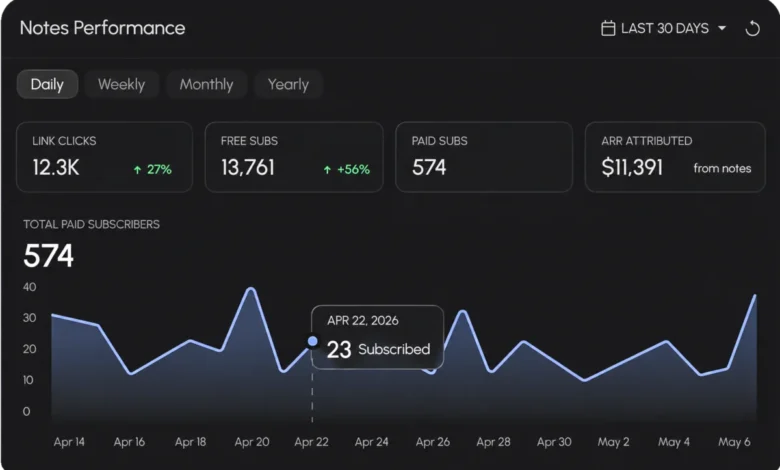
For years, the universal answer to whether creators could schedule Substack Notes was a definitive no. Writers relying on Substack’s micro-blogging feature for audience engagement and subscriber acquisition were forced to publish content manually in real time. That limitation officially ended with major platform updates, introducing native scheduling capabilities and opening the door for a robust ecosystem of third-party tools designed to streamline the workflow of modern digital publishers.

Today, creators are no longer restricted to manual posting. However, the abundance of choices—ranging from Substack’s built-in tools to sophisticated multi-platform social media managers—presents a new challenge: determining which scheduling infrastructure best aligns with a creator’s publishing strategy, platform diversification goals, and operational budget.
Chronology and Background of Substack Notes Scheduling
Substack introduced Notes in early 2023 as a feature intended to foster community interaction, mimic social media feeds, and drive traffic back to long-form newsletters. While the feature gained rapid adoption, the lack of asynchronous publishing tools remained a persistent pain point for professional writers and publication teams striving for consistent audience touchpoints.
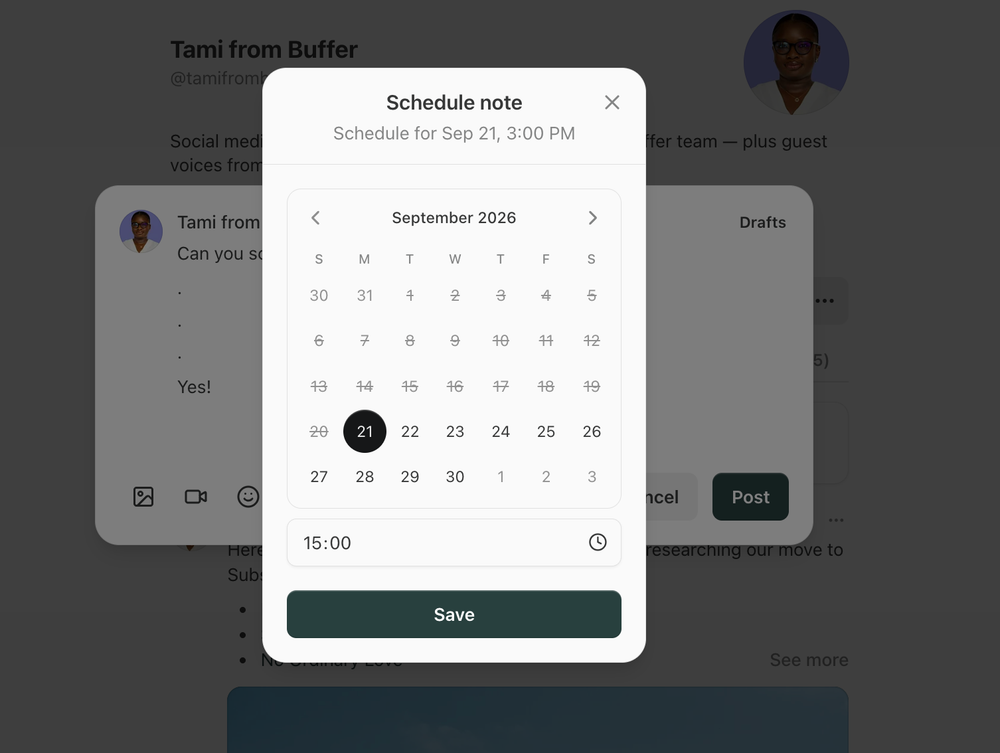
The landscape shifted significantly in spring 2026, when Substack rolled out native scheduling capabilities across both web and mobile environments, allowing users to queue content up to three months in advance. Recognizing the broader trend of cross-platform syndication, major third-party software developers quickly integrated Substack APIs into their own workflows throughout the summer and autumn of 2026. This integration allowed creators to manage Substack Notes alongside traditional social channels like X (formerly Twitter), LinkedIn, Threads, and Bluesky.
The Core Dilemma: Native Versus Third-Party Tools
When evaluating how to schedule Substack Notes, creators generally fall into two categories: single-platform purists and multi-channel syndicators. Understanding the operational differences between native solutions and external software is crucial for optimizing time and maximizing audience reach.
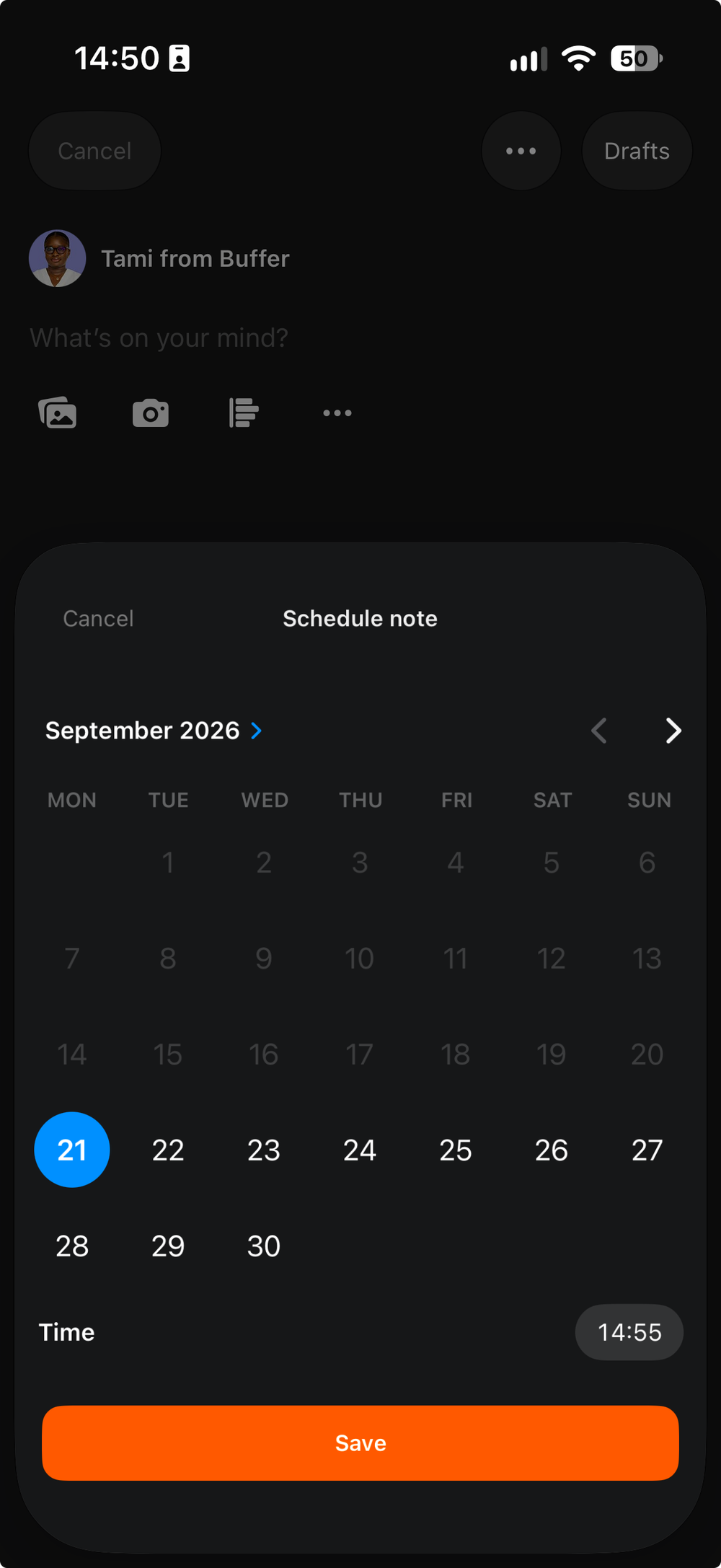
Substack’s native scheduler is entirely free and operates directly on the platform’s servers. Scheduled Notes remain securely housed within drafts until publication, enabling continuous editing up until the go-live moment. For authors publishing two to three text-based updates per week who maintain no active presence on other social networks, the native scheduler is a frictionless, cost-effective choice.
However, the native system has clear operational constraints. It lacks bulk-scheduling queues, calendar overviews, analytics tracking specific to subscriber conversion, and multi-platform crossposting capabilities. For professional creators managing high-volume content operations, manually copying and pasting identical thoughts across Threads, LinkedIn, and Substack Notes creates an unnecessary administrative bottleneck. This efficiency gap has driven demand for specialized third-party software.
Comprehensive Overview of Substack Notes Schedulers
An analysis of the market reveals six primary tools utilized by Substack creators, each tailored to specific publishing needs.
1. Buffer
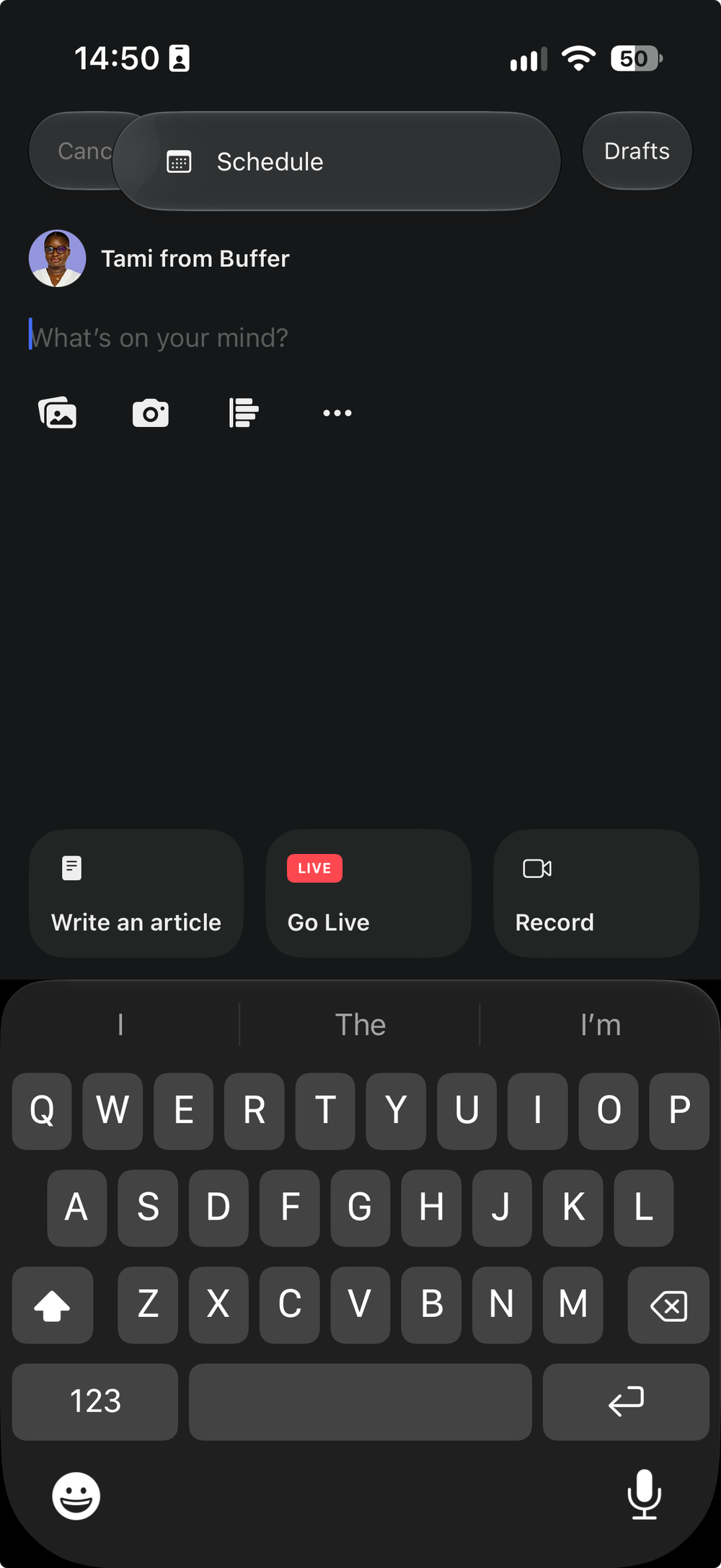
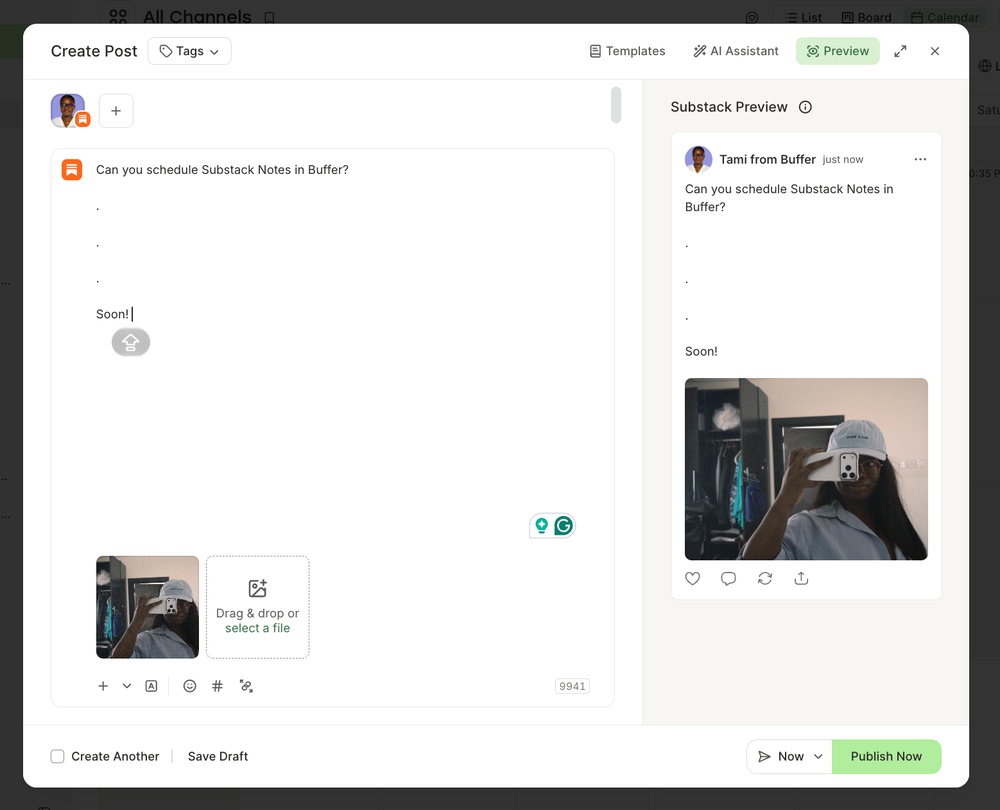
Best suited for creators focused on crossposting, Buffer integrated Substack Notes following high user demand. The platform connects Substack alongside more than ten social channels into a unified calendar. Operating via a direct API connection, Buffer offers a forever-free plan supporting up to three channels, with paid tiers starting at $6 per channel per month. Its intuitive interface and robust analytics make it a top choice for maintaining consistency across multiple networks.

2. Substack Native Scheduler
As the best option for casual, single-platform writers, Substack’s built-in scheduler requires no external subscriptions or complex setups. It allows users to schedule posts months in advance directly from the web composer or mobile application menus. While limited by its lack of analytics and absence of cross-platform syndication, it delivers reliable, zero-cost service for foundational publishing needs.
3. WriteStack
Designed specifically for Substack-exclusive writers seeking deep research and analytics integration, WriteStack functions as a specialized Chromium-based browser extension. Founded by independent developer Orel Zilberman, the platform leverages Buffer’s API infrastructure to offer advanced creator-focused metrics. Although it lacks a free tier beyond a seven-day trial—with subscriptions starting at $23.99 per month—it provides granular insights into audience engagement and subscriber acquisition patterns.
4. Typefully
Targeted heavily toward writers whose primary audience resides on X, Typefully incorporates Substack Notes into a writing-first composer that also supports LinkedIn, Threads, Bluesky, and Mastodon. While offering a limited free plan and paid tiers starting at $99 annually, Typefully presents a minor drawback for multimedia creators: it currently lacks native video support within Substack Notes, making alternative tools necessary for video-heavy strategies.
5. Narrareach
Narrareach approaches scheduling through an AI-driven lens, allowing creators to paste long-form articles and automatically convert them into bite-sized Notes and social posts. Utilizing a Chrome extension to interface with Substack’s scheduler, Narrareach offers a limited free tier covering five Notes per month, with paid options starting at $19 monthly. Creators must verify compatibility, as the tool’s automated publishing applies only to specific content types.
6. StackSweller
For writers seeking a minimalist, cloud-based queue without extraneous analytics or multi-platform dashboards, StackSweller provides a flat-rate service priced at $25 per month. Operating via stored session cookies, it functions strictly as a dedicated Notes queue. Because it remains in beta development and relies on manual cookie authentication that may occasionally require refreshing, it appeals primarily to tech-savvy users prioritizing simple, dedicated automation.
Publishing Mechanics and Technical Considerations
When selecting a scheduling tool, analytical evaluation of the underlying publishing architecture is just as important as user interface design. Software tools generally connect to Substack through one of three methods:
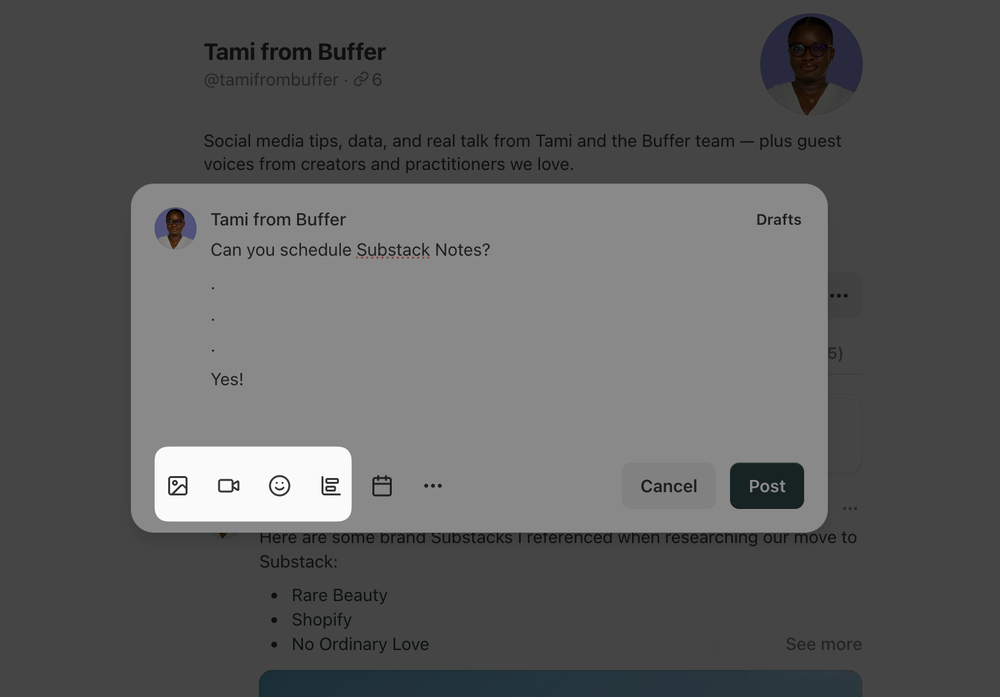
- Direct API Integration: Tools like Buffer and Typefully utilize official application programming interfaces provided by Substack, ensuring secure, reliable, and authorized data transmission.
- Browser Extensions: Extensions used by tools like WriteStack and Narrareach automate actions within a local browser environment, requiring the user’s browser or computer to interact with Substack’s web interface.
- Session Cookie Storage: Services like StackSweller store user session credentials to execute commands via cloud servers, which can occasionally require re-authentication if security tokens expire.
Security experts and experienced digital publishers consistently recommend reviewing a third-party tool’s authentication protocols and privacy policies before granting external access to proprietary publication accounts.
Fact-Based Analysis of Implications for Creators
The proliferation of scheduling infrastructure for micro-publishing formats reflects the professionalization of independent writing. As newsletters increasingly function as media businesses rather than personal blogs, operational efficiency directly impacts financial viability.
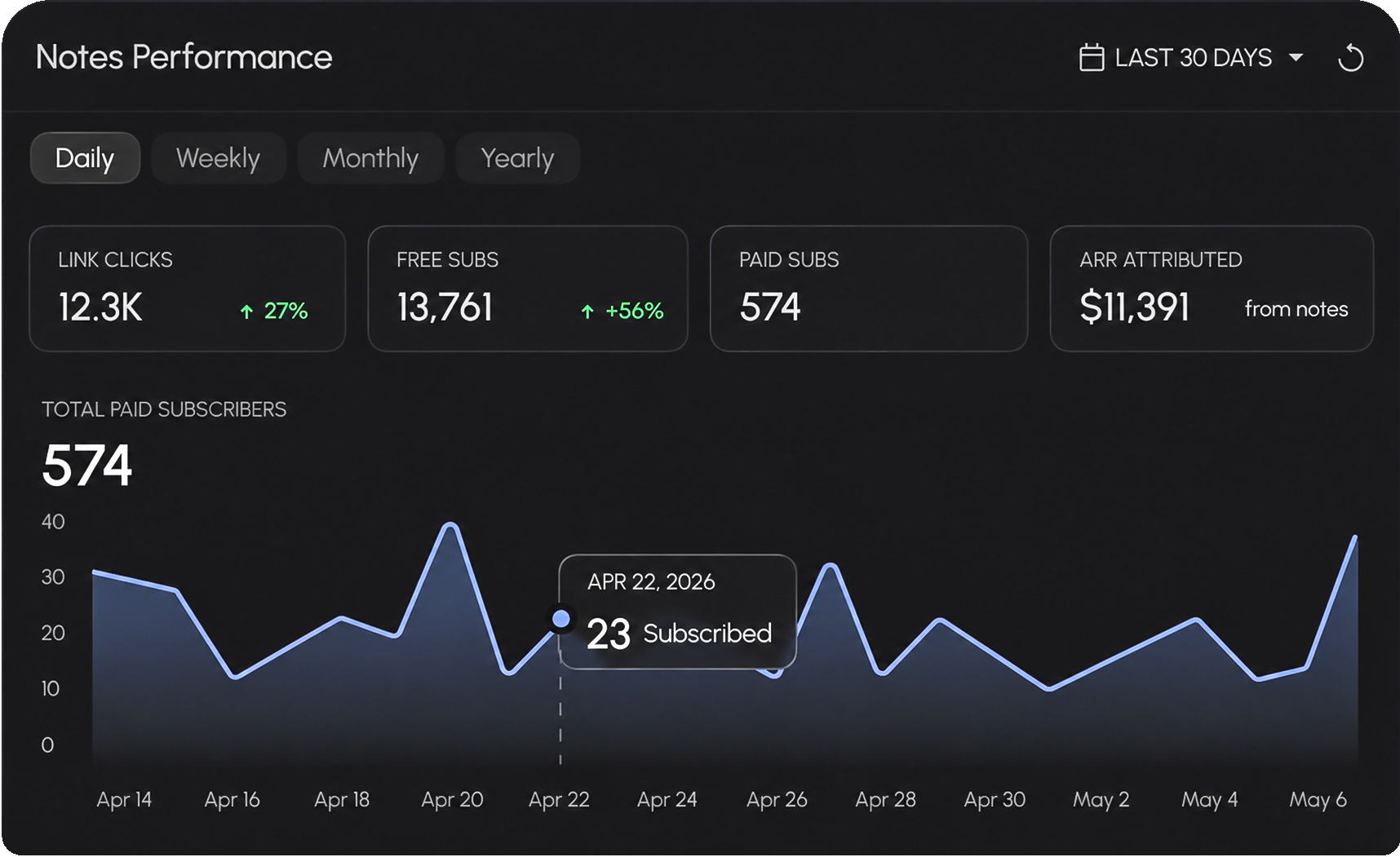
The ability to schedule and crosspost Notes reduces the friction of audience acquisition. Data from digital publishing analysts indicates that consistent, multi-channel distribution significantly accelerates subscriber growth compared to single-platform isolation. However, creators must balance automation with authenticity; programmatic distribution can sometimes lead to homogenized content loops if not paired with genuine community interaction.
Strategic Selection Framework
Choosing the right scheduler ultimately depends on two core operational metrics: active publishing volume and channel diversification.
Publishers maintaining a presence exclusively on Substack with a low weekly output are advised to utilize the platform’s native scheduler. Conversely, authors seeking to build broad funnels across professional networks like LinkedIn or community spaces like Bluesky and Threads will find substantial return on investment through dedicated multi-channel tools. By standardizing the publishing workflow, creators can redirect valuable time toward core journalistic research and high-value writing, ensuring long-term sustainability in an increasingly competitive digital media environment.
Related posts: