The Ultimate Guide to Facebook Ad Sizes and Design Specifications for Digital Marketers


The digital advertising landscape demands meticulous attention to technical detail, particularly as social media platforms continually update their graphic requirements. For social media managers, marketing agencies, and corporate brand custodians, uploading an improperly formatted asset is a frequent operational hurdle. While an incorrect aspect ratio or substandard resolution appears to be an honest oversight, the ultimate cost manifests in diminished campaign performance, wasted ad spend, and depressed return on investment (ROI). Because Meta frequently revises its design guidelines, maintaining compliance across various ad placements remains a complex logistical challenge. Understanding and implementing the precise specifications for Facebook advertisements is no longer optional; it is a fundamental prerequisite for successful digital outreach.
The evolution of digital marketing has transformed social media platforms from simple networking websites into sophisticated programmatic ecosystems. Historically, digital ads relied on standardized banner dimensions adapted from traditional web formats. However, the proliferation of mobile-first consumption has necessitated a complete overhaul of creative parameters. Meta, encompassing Facebook, Instagram, Messenger, and the Audience Network, utilizes a vast array of distinct placements—ranging from traditional news feeds and right columns to ephemeral stories and immersive instant experiences. Each placement enforces unique technical constraints designed to optimize user experience and engagement. Consequently, marketing professionals must navigate a labyrinth of pixel dimensions, aspect ratios, file size caps, and character limits to ensure their creative assets render correctly across all devices.

A comprehensive analysis of current Facebook ad specifications reveals distinct categories tailored to specific campaign objectives, whether the goal is brand awareness, lead generation, or direct e-commerce conversions.
Facebook In-Feed Ads
In-feed advertisements represent the cornerstone of most Facebook marketing strategies, seamlessly integrating promotional content directly into a user’s organic news stream. These ads accommodate static images, dynamic videos, and animated GIFs, functioning effectively across both desktop and mobile environments.
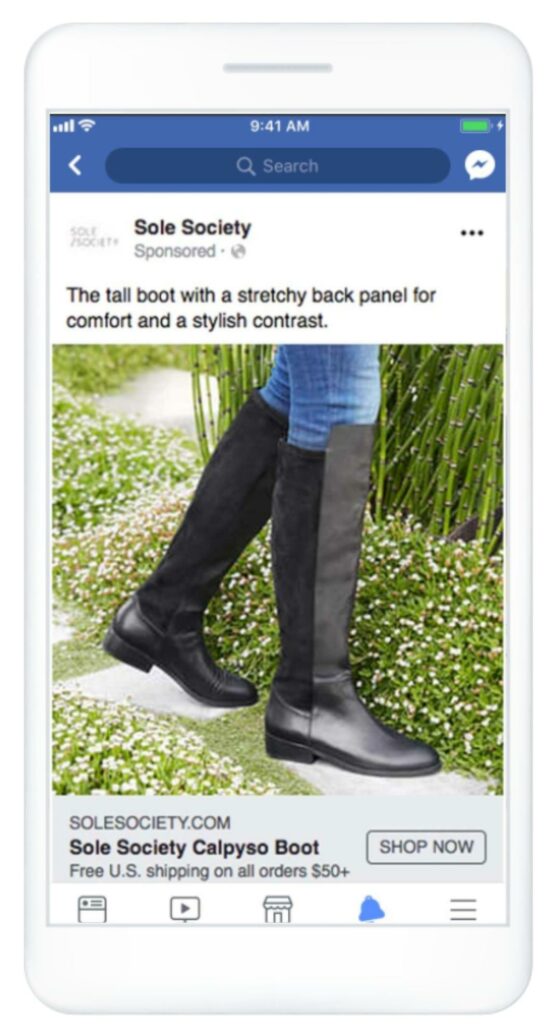
For static image placements, Meta recommends uploading files in JPG or PNG formats with a maximum file size of 30 MB. While the absolute minimum dimension is 600 by 600 pixels, marketers are strongly advised to utilize a resolution of at least 1080 by 1080 pixels to guarantee crisp rendering on high-density retina displays. The accepted aspect ratio ranges from 1.91:1 to a square 1:1 format. To optimize readability and engagement, text overlaid directly onto the image should be kept to a strict minimum. Editorial recommendations for accompanying text suggest keeping primary text concise at approximately 125 characters, while headlines and descriptions are best optimized at 27 characters.
When deploying video assets within the news feed, advertisers can utilize MP4, MOV, or GIF file formats with a maximum file capacity of 4 GB. Permitted aspect ratios include a square 1:1 configuration for both desktop and mobile, or a vertical 4:5 ratio designated exclusively for mobile users. Videos must maintain a minimum resolution of 1080 by 1080 pixels, while running anywhere from a single second up to a maximum duration of 241 minutes.
Facebook In-Stream Video Ads
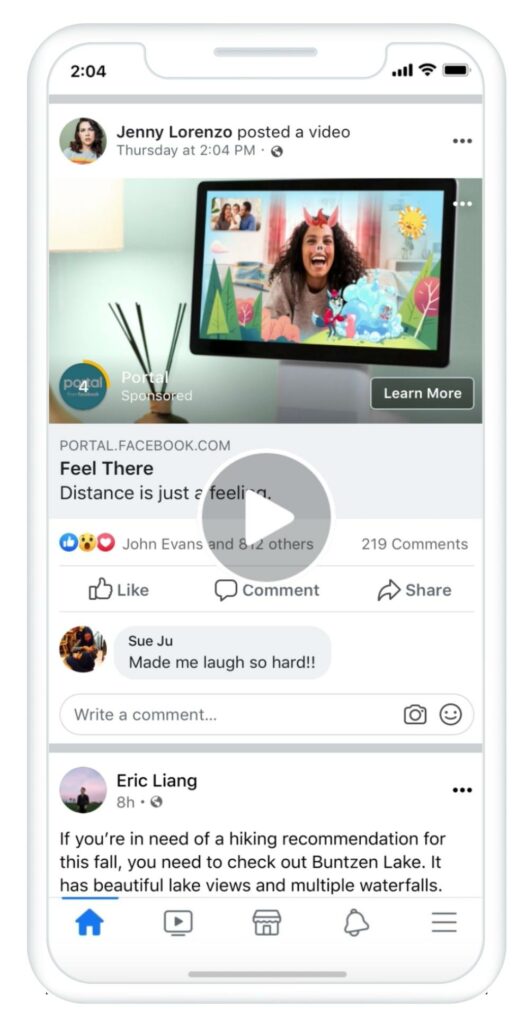
Designed explicitly to capture and retain the attention of high-intent prospects, in-stream video ads target mobile users by inserting promotional content directly into existing video streams. These ads operate in two primary formats: single videos and carousel placements that appear during live streaming sessions, specifically triggering after a user has engaged with a Facebook Live broadcast for at least 60 seconds.
The supporting design specifications mandate that companion static imagery adhere to JPG or PNG formats, constrained by a 30 MB file size limit and a minimum dimension of 600 by 600 pixels. A resolution of 1080 by 1080 pixels or higher is required, maintaining an aspect ratio of 1.91:1 or 1:1 with an accepted tolerance threshold of three percent. Text recommendations advise a 125-character limit for primary text and 40 characters for headlines, with a strict advisory against embedding text directly into the graphic files. Video components must be formatted as MP4, MOV, or GIFs, capped at 4 GB, utilizing a 16:9 or 1:1 aspect ratio, and spanning durations between five seconds and ten minutes.
Facebook In-Feed Carousel Ads
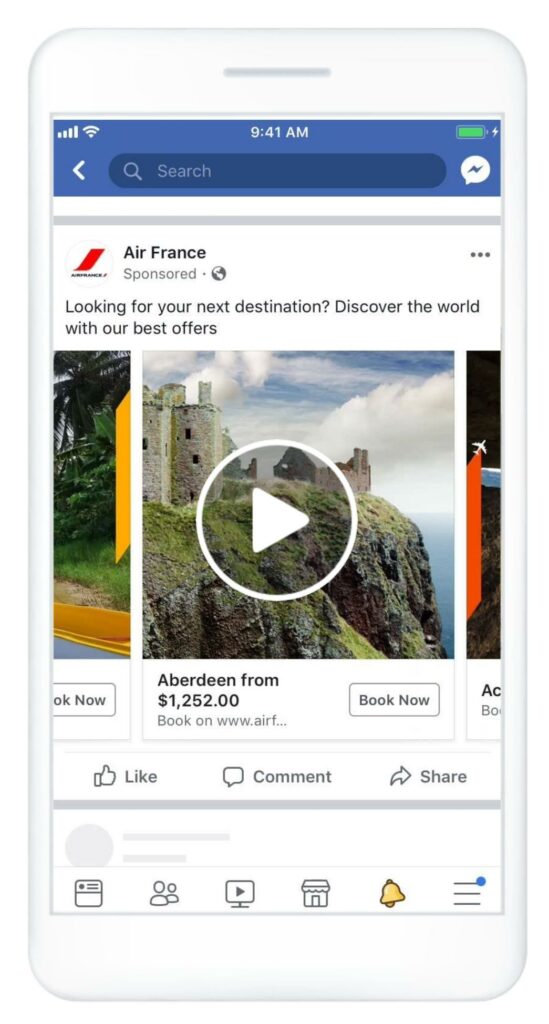
For brands seeking to showcase multiple products or articulate a sequential narrative within a single advertisement, carousel ads provide an ideal interactive framework. This format allows advertisers to sequence between two and 10 distinct image or video cards, each linked to a specific landing page or product category.
Carousel specifications require square 1:1 aspect ratios across all cards. Static images must be provided in JPG or PNG format, capped at 30 MB, with a minimum size of 600 by 600 pixels. Video cards must utilize MP4, MOV, or GIF files up to 4 GB, with minimum dimensions of 120 by 120 pixels and run times scaling up to 241 minutes. Text parameters for carousels are tightly constrained: primary text should remain under 125 characters, headlines are optimized at 32 characters, and descriptions should not exceed 18 characters. Furthermore, a valid landing page URL is mandatory for every card integrated into the sequence.
Facebook Collection Ads

E-commerce enterprises looking to drive frictionless mobile shopping experiences frequently leverage collection ads. This format features a primary hero video or large image positioned directly above a grid of smaller, complementary product images sourced from a product catalog. When a user interacts with the ad, it launches a fast-loading, full-screen Facebook Instant Experience without requiring the user to leave the application.
Collection ads require 1:1 aspect ratios for their primary visual assets, supporting JPG and PNG images up to 30 MB, alongside videos up to 4 GB at a minimum resolution of 1080 by 1080 pixels. The integration of a Facebook Instant Experience landing page is compulsory. Copywriting parameters suggest a 125-character limit for primary text and 40 characters for the headline, ensuring clear and immediate value propositions for prospective buyers.
Facebook Instant Articles Ads

Targeting mobile consumers who consume digital publishing content on the platform, Instant Articles ads deliver native, fast-loading promotional units within long-form publisher content. These units support both static imagery and dynamic video assets configured to a 1:1 aspect ratio for images and 16:9 for videos, maintaining a baseline resolution of 1080 by 1080 pixels. Text recommendations mirror standard best practices: 125 characters for primary text and 40 characters for headlines, paired with maximum file weight limits of 30 MB for images and 4 GB for video files.
Facebook Marketplace Ads
Functioning similarly to classified advertising networks, Facebook Marketplace enables local and national retailers to place targeted ads before active buyers searching for specific goods, ranging from apparel to real estate. Marketplace ads accept both static images and video files. Images must adhere to a 1:1 aspect ratio, utilize JPG or PNG formats, and boast a minimum resolution of 1080 by 1080 pixels under a 30 MB file ceiling. Video assets permit MP4, MOV, or GIF formats up to 4 GB, maintaining square dimensions and matching the standard duration limit of 241 minutes. Text allowances include 125 characters for primary text, 40 characters for headlines, and 30 characters for descriptions.

Facebook Right Column Ads
Exclusively served to desktop users viewing the platform via web browsers, right column ads represent a legacy placement that continues to hold value for specific desktop-centric campaigns. Due to their spatial positioning, these ads display in a landscape orientation. Technical specifications require a minimum width of 254 pixels and a minimum height of 133 pixels, with recommended resolutions scaling to 1080 by 1080 pixels at a 1:1 ratio. File size caps remain identical to other placements at 30 MB for images and 4 GB for videos, while text is restricted to a 40-character headline.
Facebook Stories and Messenger Stories Ads
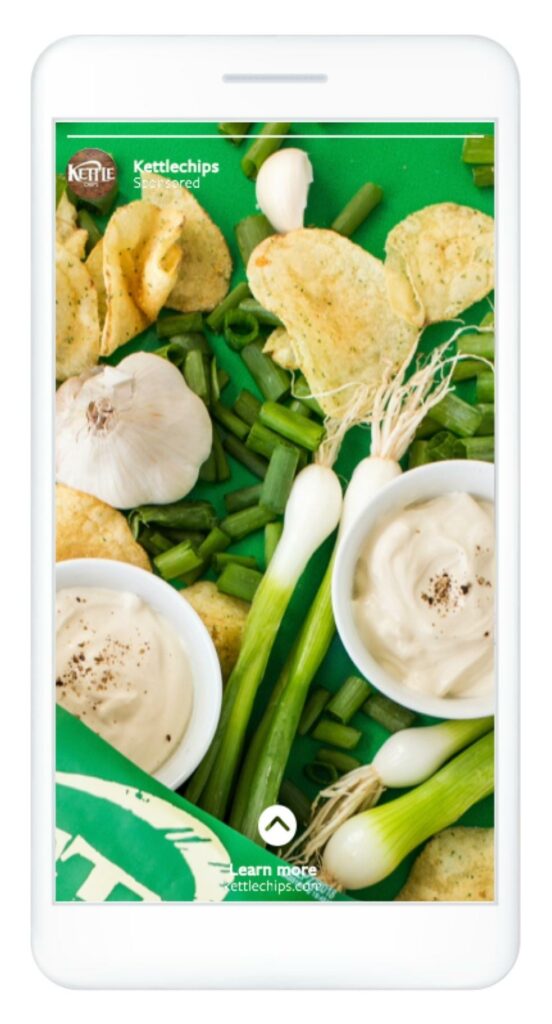
Ephemeral content formats—spanning Facebook Stories, Instagram Stories, and Messenger Stories—deliver full-screen, vertical experiences that disappear after 24 hours. These immersive units demand a strict 9:16 aspect ratio.
For Stories images, files must be formatted as JPG or PNG, weighing under 30 MB, with a minimum width of 500 pixels and a recommended resolution of 1080 by 1080 pixels or higher. A critical design rule for Stories involves maintaining a safe zone: creators must leave approximately 14 percent—or roughly 250 pixels—at both the top and bottom of the frame completely free of crucial text, logos, or call-to-action buttons to prevent user interface elements from obstructing the message. Video files must use MP4, MOV, or GIF formats up to 4 GB, maintaining the vertical 9:16 ratio and supporting run times up to 241 minutes on Facebook, while Messenger video stories are capped at two minutes.
Facebook Audience Network Ads
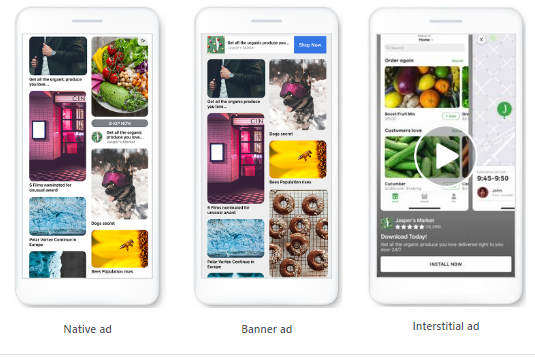
The Audience Network extends advertising campaigns beyond the proprietary confines of Meta’s native apps by placing ads across vetted third-party mobile applications and external websites. This network supports native, banner, interstitial, and rewarded video formats. Static images must adhere to a 9:16 or standard banner ratio with minimum dimensions of 398 by 208 pixels, while video placements support 1:1 and 4:5 ratios up to 4 GB. Advertisers utilizing the Audience Network retain robust administrative controls through Meta Business Manager, enabling brands to curate exclusion lists and block specific content categories to protect brand safety before campaigns go live.
Implications for Campaign Optimization and Strategic ROI
Choosing the correct ad dimensions and respecting platform specifications directly impacts algorithmic delivery and user engagement metrics. Meta’s advertising auction heavily penalizes creative assets that fail to render properly or trigger layout shifts, resulting in elevated cost-per-click (CPC) metrics and diminished delivery efficiency. By aligning visual assets with the precise technical requirements of each placement—whether distributing immersive vertical videos across Stories or deploying high-conversion carousel cards within the core news feed—marketers protect their ad budgets and maximize return on ad spend.
As digital advertising platforms evolve, maintaining rigorous quality control over creative assets remains a vital operational competency. Utilizing centralized social media management platforms, such as Hootsuite, allows modern marketing teams to orchestrate omnichannel campaigns, verify asset dimensions, schedule multi-format deployments, and analyze performance metrics from a unified operational dashboard. Ensuring strict adherence to technical design specs guarantees that brand messaging is communicated without distortion, fostering higher engagement rates and securing sustainable competitive advantages in an increasingly crowded digital marketplace.