The Essential Guide to Social Media Archiving for Regulated Organizations and Government Agencies


In an era where digital communication serves as the primary bridge between institutions and the public, social media has evolved from a simple engagement tool into a critical repository of official record. For government agencies, financial institutions, healthcare providers, and educational organizations, social media interactions are no longer just posts—they are legally binding communications subject to rigorous retention requirements. As regulatory bodies increase their scrutiny of digital footprints, organizations are finding that relying on the ephemeral nature of social platforms is a recipe for legal and operational disaster.

The Legal Landscape of Digital Preservation
The regulatory environment surrounding digital communications has undergone a significant transformation. At the federal level in the United States, the Freedom of Information Act (FOIA) and various state-level open records laws dictate that any content posted by a government agency on social media—including comments from the public—is a public record. This status necessitates that agencies treat these digital spaces with the same archival rigor as paper filings or official meeting minutes.
Beyond the public sector, the financial industry operates under strict oversight from the Securities and Exchange Commission (SEC) and the Financial Industry Regulatory Authority (FINRA). SEC Rule 17a-4 and FINRA Rules 3110 and 2210 mandate that all business-related electronic communications must be captured, preserved, and made accessible for a period of at least three to six years. Failure to comply with these rules can result in catastrophic financial penalties. For example, recent years have seen a surge in "off-channel communication" enforcement, where the SEC has levied hundreds of millions of dollars in fines against major financial firms for failing to preserve records on platforms like WhatsApp and private messaging apps.

In the healthcare sector, the Health Insurance Portability and Accountability Act (HIPAA) creates a complex intersection between public engagement and patient privacy. Organizations must archive interactions that contain protected health information (PHI) while simultaneously managing the risk of data exposure. Similarly, the Family Educational Rights and Privacy Act (FERPA) requires educational institutions to treat any social media mention of a student’s academic performance or personal status as part of that student’s protected educational record.
Why Manual Methods Are Failing Modern Organizations
For years, many organizations relied on manual methods—such as taking screenshots or performing periodic manual exports—to meet their compliance obligations. These methods are increasingly viewed as insufficient by legal and regulatory auditors.
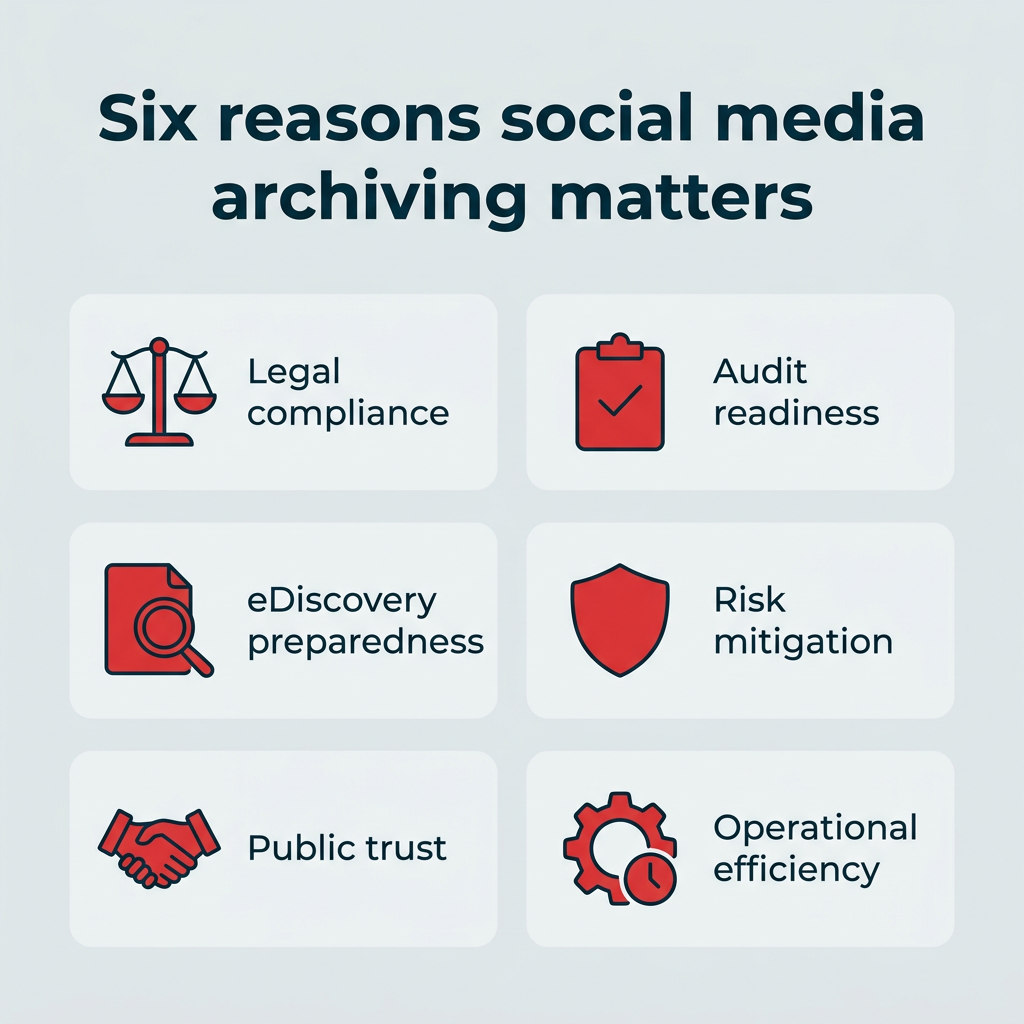
The primary flaw in manual archiving is the absence of metadata. A static screenshot is a visual representation, not a data record; it lacks the underlying technical information such as unique user IDs, precise timestamps, device origin, and edit history. Furthermore, manual methods fail to capture content that is deleted, hidden, or edited in the time between an organization’s manual checks. In a fast-paced social media environment, a comment containing potential legal risk or offensive content might be posted and deleted within minutes, leaving no trace in a manual archive.
Automated, purpose-built archiving solutions mitigate these risks by establishing a real-time, tamper-proof audit trail. These systems connect directly to social media platform APIs to ingest every post, comment, direct message, and edit the moment it occurs. Because these records include full metadata, they are considered legally defensible in court proceedings, whereas a screenshot can be easily challenged as potentially doctored or incomplete.
A Five-Step Framework for Compliant Archiving
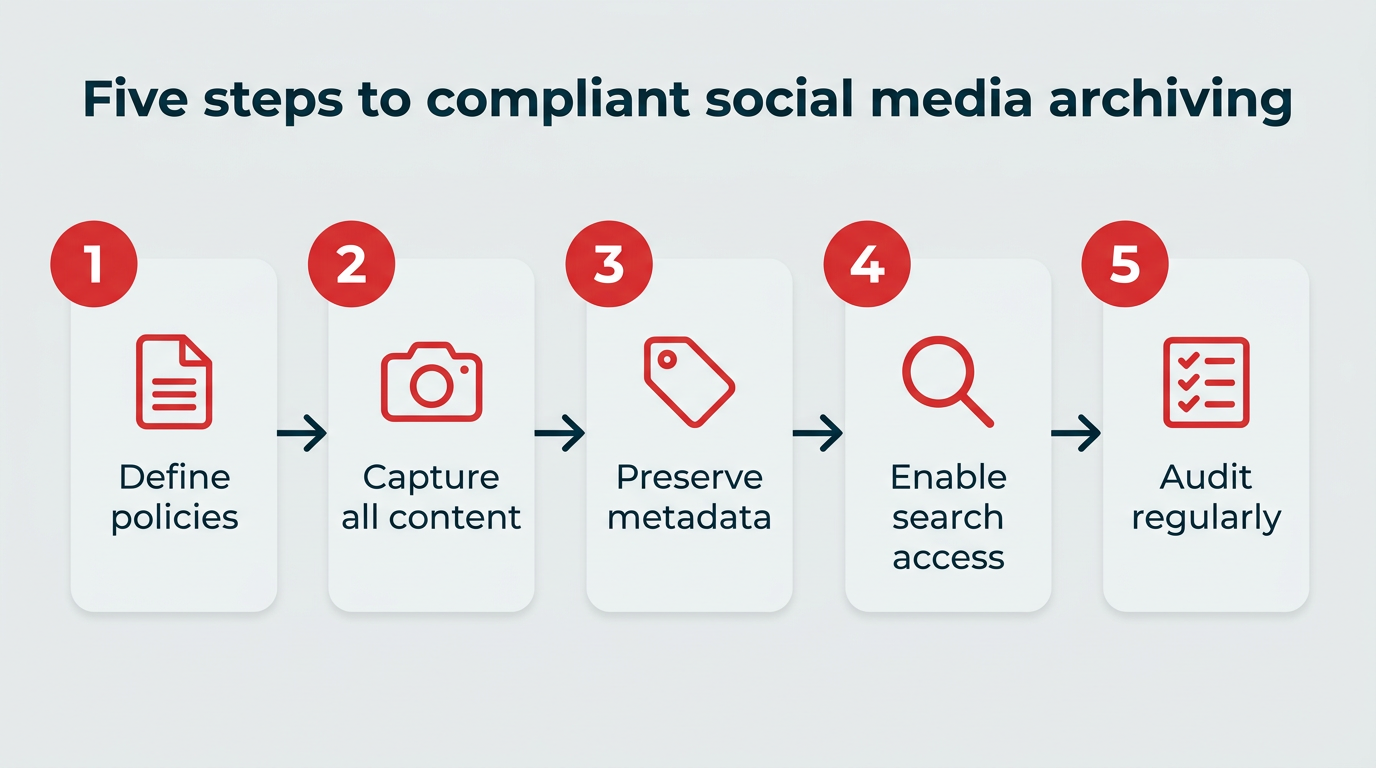
To move from a state of vulnerability to one of compliance, organizations should adopt a systematic five-step workflow:
- Policy Foundation: Every organization must establish a comprehensive social media governance plan. This plan should clearly outline which departments are authorized to manage accounts, the criteria for public commentary, and the specific retention schedules mandated by local and industry regulations.
- Automated Capture: Organizations should implement a centralized, API-integrated archiving tool. This ensures that every piece of content—including images, video, and deleted posts—is stored automatically. The system must operate independently of the social media platform itself.
- Metadata Enrichment: Ensure that the archiving solution preserves essential contextual metadata. This includes the author’s handle, the exact time of publication, geolocation data where applicable, and the full history of edits or deletions performed on the content.
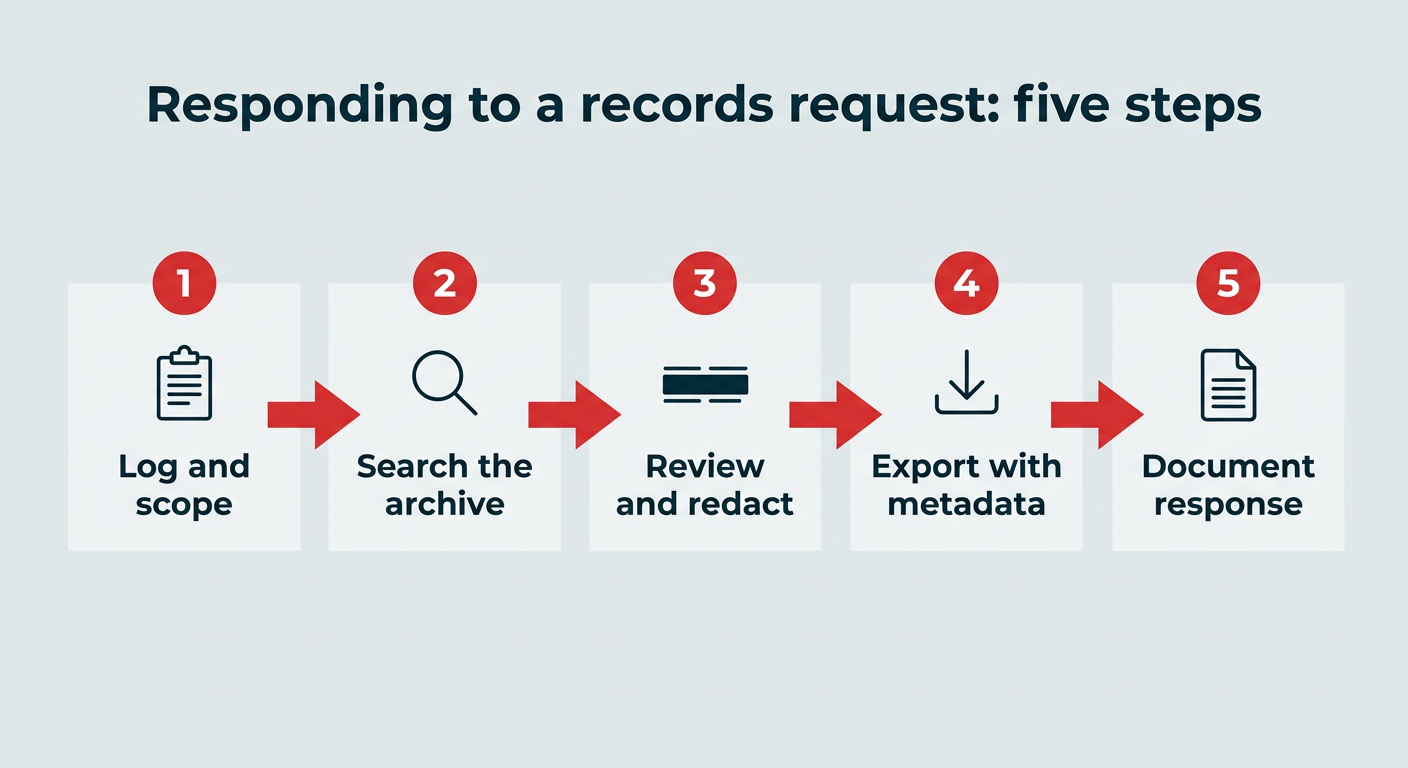
- Searchability and Accessibility: An archive is only valuable if it can be searched and retrieved during an audit or a FOIA request. Modern solutions allow for keyword-based searching, tag application, and the ability to export data into electronic records management systems (eRDMS).
- Regular Auditing: The digital landscape changes rapidly. Organizations should perform quarterly audits of their archiving procedures to ensure that new accounts are being captured and that the chosen software remains compliant with the latest platform API changes and regional laws.
The Rising Cost of Non-Compliance
The financial and reputational costs of failing to archive social media are substantial. In addition to potential multi-million dollar fines from federal regulators, organizations face the risk of losing First Amendment challenges. For government agencies, the inability to produce a complete record of a thread—including comments that were hidden or deleted—can lead to accusations of censorship or illegal management of a public forum.
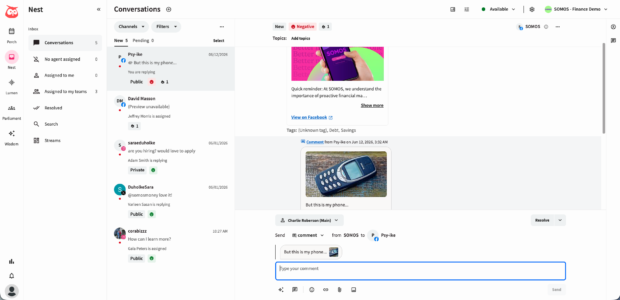
The surge in FOIA appeals, which increased by 59% in fiscal year 2025, underscores the necessity of rapid response capabilities. When an agency cannot produce a requested record, it is often forced into a cycle of manual searching, which is both time-consuming and prone to human error. A robust, searchable archive turns a days-long, stressful retrieval process into a task that can be completed in minutes.
The Role of Technology in Future-Proofing Compliance
As social media continues to fragment into new formats—from short-form video to ephemeral stories—the challenge of archiving becomes more complex. For this reason, organizations are increasingly turning to vendors that offer FedRAMP-authorized solutions. The Federal Risk and Authorization Management Program (FedRAMP) provides a standardized approach to security assessment, which is increasingly being used as the benchmark for security and reliability even outside of federal government circles.
Platforms such as Hootsuite, when paired with specialized compliance layers like Brolly or Proofpoint, provide a comprehensive suite of tools to manage these complexities. By centralizing governance, organizations can provide different departments with the autonomy to engage with their communities while ensuring that every interaction remains within the bounds of legal and institutional requirements.
Conclusion: Trust as a Byproduct of Transparency
Ultimately, social media archiving is not merely an administrative burden; it is a critical component of public trust. When an organization can transparently demonstrate that it is maintaining a complete and accurate record of its public interactions, it fosters a higher level of accountability.

In the modern digital age, the "delete" button is a myth for regulated entities. Whether it is a comment on a municipal post, a business communication on a professional network, or a student-related interaction, every digital touchpoint must be preserved. Organizations that prioritize the implementation of automated, metadata-rich archiving solutions will find themselves well-positioned to navigate the increasing complexity of legal discovery, audit requests, and the ever-evolving standards of digital transparency. By investing in the right infrastructure today, institutions can avoid the legal, financial, and reputational pitfalls that await those who treat their digital records as temporary.
Related posts: