The Ultimate Guide to Social Commerce: How Brands Are Selling Directly on Social Media in 2022


Global ecommerce sales are projected to reach $5.5 trillion worldwide, underscoring the rapidly expanding digital marketplace. While traditional online storefronts hosted on platforms like Shopify and WooCommerce continue to drive massive transaction volumes, consumer behavior has evolved to favor frictionless shopping experiences. Among these emerging trends, selling directly on social media—known broadly as social commerce—has transformed digital networks from mere channels of product discovery into fully realized point-of-sale environments.
As major technology firms continue to roll out integrated payment gateways and storefront features, digital marketing analysts report a fundamental shift in how brands approach customer acquisition. This comprehensive overview examines the mechanics of social commerce, differentiates it from traditional ecommerce and social selling, highlights the primary platforms leading the charge, and provides strategic insights for businesses seeking to capitalize on this multi-trillion-dollar digital evolution.

Defining Social Commerce: A Paradigm Shift in Digital Retail
Social commerce is formally defined as the process of buying and selling products and services entirely within a social media platform. Unlike conventional digital retail—where users discover an item on a social network and are subsequently redirected to an external website to complete a transaction—social commerce enables end-to-end purchasing. Consumers can view, select, pay for, and confirm orders without ever leaving the application interface.
This model bridges the gap between passive browsing and active purchasing. For example, a user scrolling through an Instagram feed may view a targeted advertisement for apparel, click a "Shop Now" overlay, add the item to an in-app cart, and execute a secure checkout instantly. Similarly, viral product promotions on TikTok allow users to purchase featured goods via integrated checkout modules before returning seamlessly to their video feeds.

To fully understand the modern digital landscape, industry experts emphasize the distinction between related terms:
- Ecommerce: The overarching industry term encompassing all commercial transactions conducted via the internet, including dedicated web stores, mobile applications, and online marketplaces.
- Social Selling: A relationship-building strategy where sales professionals use social media networks to interact directly with prospects, nurture leads, and build trust, rather than executing immediate in-app transactions.
- Social Commerce: The transactional subset of digital retail where the entire checkout process occurs natively inside a social media app.
The Business Case: Five Drivers of Social Commerce Adoption
Market researchers attribute the rapid adoption of social commerce to several distinct consumer preferences and technological advantages. Business owners evaluating whether to establish a social storefront often consider five core benefits.

First, social commerce inherently enhances shopping interactivity. Unlike static web pages, social platforms foster community engagement. Consumers can instantly read peer reviews, comment on specific product attributes, tag friends for opinions, and interact directly with brand representatives via direct messaging. This dynamic mirrors the social aspect of physical shopping malls within a digital ecosystem.
Second, demographic trends strongly favor social-first retail. According to data compiled by Statista, approximately 62% of U.S. consumers aged 18 to 34—spanning younger Millennials and Generation Z—have completed a purchase directly influenced by branded social media posts or influencer content. Retailers targeting these demographics find that meeting consumers on their preferred platforms yields higher conversion rates.
Third, social commerce significantly reduces purchasing friction. In a traditional ecommerce funnel, a consumer must transition through multiple stages: viewing an ad, navigating to an external URL, loading a product page, populating a shopping cart, entering billing details, and completing checkout. Each step introduces potential drop-off points and increases cart abandonment rates. Social commerce compresses this journey into a streamlined, few-tap process.
Fourth, social storefronts function as built-in, real-time focus groups. Because brands maintain immediate channels of communication with buyers, product developers can gauge sentiment, test prototype concepts, and gather inventory feedback through comments, direct messages, and polling features without commissioning expensive formal market research.
Fifth, advanced data analytics enable hyper-targeted advertising. Social media platforms capture granular user data regarding interests, browsing habits, and engagement histories. This infrastructure allows merchants to place ready-to-buy products directly in front of audiences with a verified propensity to purchase, optimizing return on ad spend.
The Leading Ecosystems: Where Social Commerce Thrives

Several major social media networks have established robust infrastructure to support native transactions, though regional availability and feature sets vary.
Facebook Shops
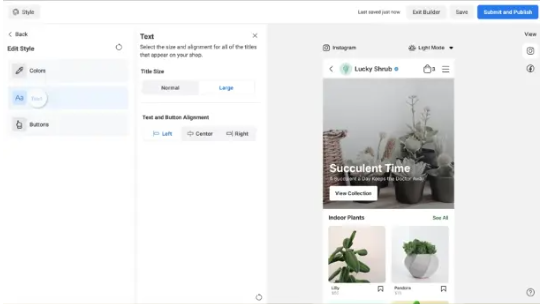
Facebook remains a foundational pillar for social commerce via its Facebook Shops feature. Businesses can establish free, highly customizable storefronts that integrate seamlessly with Facebook Business Pages. Merchants can import existing product catalogs from major ecommerce platforms via automated synchronization or manual spreadsheet uploads. Customers can complete transactions via in-app checkout, navigate to external websites, or initiate direct inquiries through Facebook Messenger. Furthermore, brands frequently deploy AI-powered customer service chatbots—such as Heyday by Hootsuite—to manage high volumes of routine inquiries regarding order status and shipping details.
Instagram Shopping
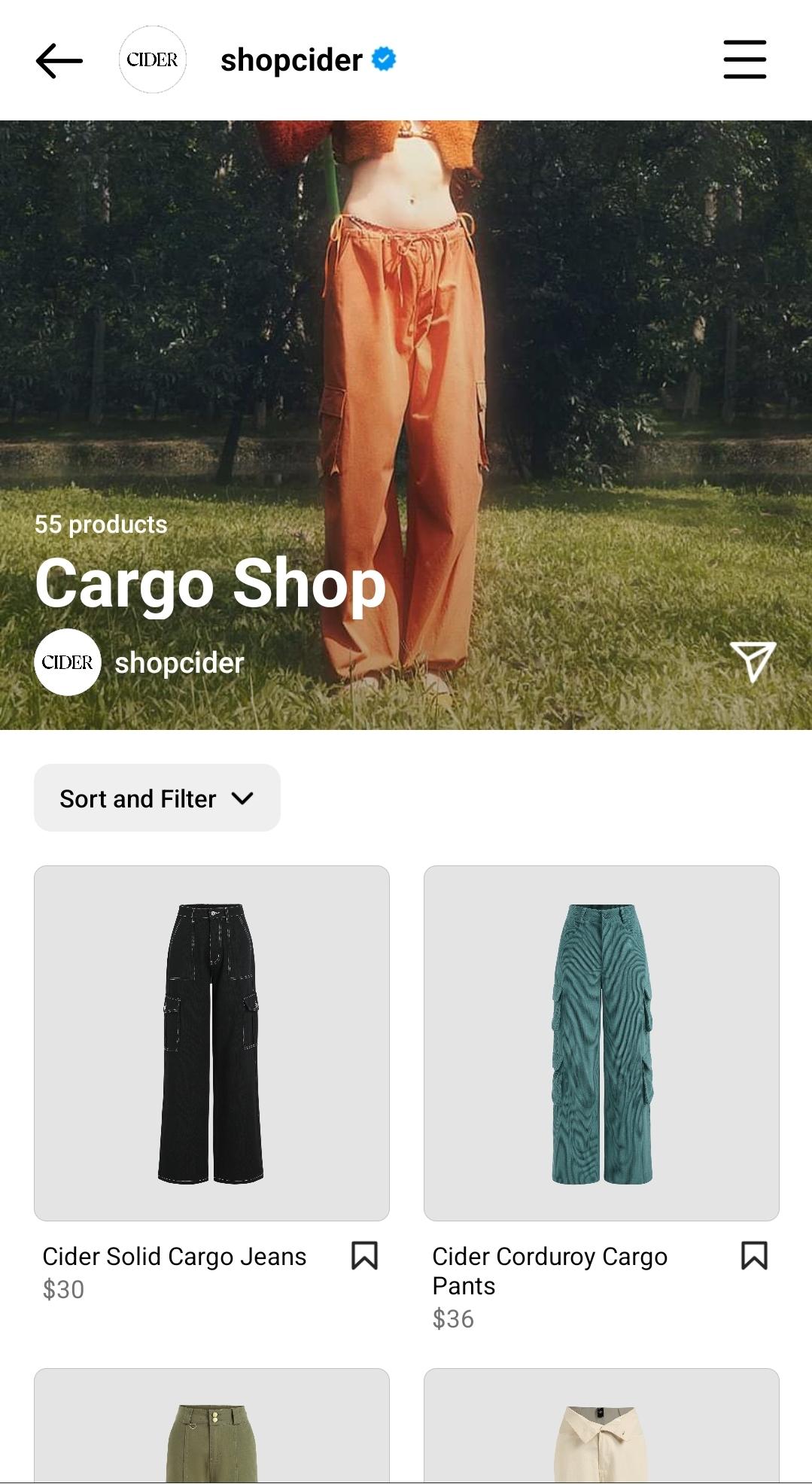
As a Meta-owned platform, Instagram offers deep integration with Facebook business profiles. Instagram Shops enable brands to tag specific products within organic photos, Stories, Reels, and video posts. Users can access dedicated product detail pages featuring pricing, descriptions, and media before completing purchases natively. Recent platform updates have further streamlined the buyer journey by enabling transactions directly within Instagram Direct Messages (DMs).
Pinterest
As a visual search engine, Pinterest pioneered product tagging through its Pin ecosystem. While Pinterest initially functioned primarily as a referral traffic driver, U.S. users can now utilize dedicated "Buy" buttons on Product Pins to complete purchases in-app. Although international users may still experience redirection to external web stores, the platform’s user base exhibits high commercial intent, with industry reports indicating that 89% of active pinners use the platform specifically to inform purchasing decisions.
TikTok
The cultural phenomenon surrounding the hashtag #TikTokMadeMeBuyIt—which has accumulated billions of views globally—highlights TikTok’s immense influence on consumer spending. TikTok Shop provides merchants with native selling tools through shoppable video content, live-stream shopping events, and dedicated in-app product showcases. While platform rollouts vary by geographic market, TikTok remains a critical channel for viral product discovery and impulse purchasing.
Strategic Best Practices for Maximizing Social Commerce Revenue

Deploying a social storefront is only the first step toward building a profitable revenue stream. Industry analysts recommend several best practices to optimize performance and protect profit margins.
Active Social Listening
Brands must monitor audience sentiment across all connected social channels. Utilizing dedicated social listening tools allows businesses to track customer feedback, identify emerging complaints, and stay informed on broader industry shifts in real time.
Authentic Engagement
Social commerce requires genuine interpersonal communication. Beyond broadcasting promotional catalogs, brands must provide value, answer technical questions, and share entertaining, humanized content that builds brand loyalty and trust.

Proactive Collection of Social Proof
Consumer trust is heavily reliant on peer validation. Studies from research firms like Power Reviews indicate that the vast majority of online shoppers consult reviews prior to making a purchase. Brands should implement automated post-purchase email sequences asking for feedback, incentivize user-generated content, and feature positive testimonials prominently within their social feeds and live broadcasts.
Leveraging Omnichannel Management Tools
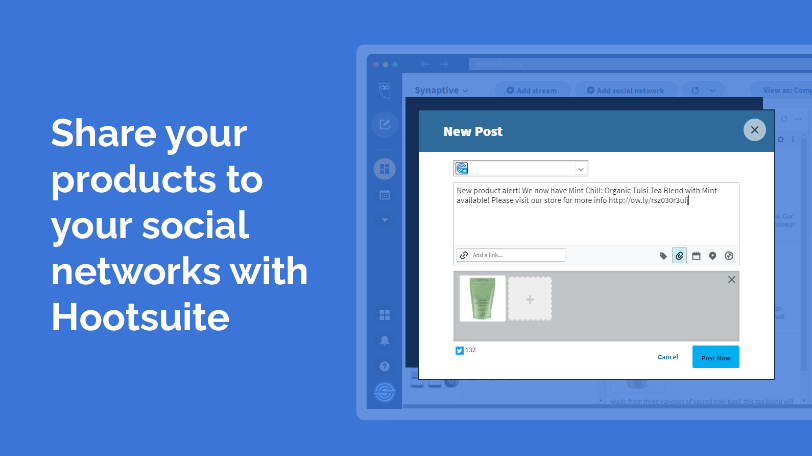
To maintain operational efficiency, businesses often utilize centralized management platforms such as Hootsuite. Features like the Shopview app enable merchants to cross-post products from external online stores (such as Shopify, WooCommerce, and BigCommerce) directly to social media timelines, bridging traditional ecommerce infrastructure with social engagement.
Automating Customer Service with Conversational AI
Maintaining responsiveness is critical to preventing cart abandonment. Integrating conversational AI solutions—such as Heyday—allows businesses to automate up to 80% of routine customer service interactions, including order tracking, pricing inquiries, and stock notifications. By delegating repetitive inquiries to AI agents, support teams can focus on resolving complex customer issues while driving continuous sales conversions around the clock.
Implications and Outlook
The maturation of social commerce signals a broader convergence of entertainment, communication, and digital retail. As artificial intelligence, augmented reality try-on features, and secure mobile payment systems continue to advance, the boundaries between social media engagement and transactional retail will likely blur further. For businesses large and small, adapting to this ecosystem is no longer an experimental marketing tactic, but a fundamental component of a modern, resilient commercial strategy.