Navigating the High-Stakes World of Social Media Strategy in the Healthcare Industry

The integration of social media into modern healthcare has evolved from a simple marketing convenience into a critical infrastructure for patient communication, public health education, and professional recruitment. However, unlike the retail or hospitality sectors, the healthcare industry operates within a rigid framework of federal, regional, and ethical regulations. For hospitals, pharmaceutical companies, and private clinics, a single post is not merely a content decision; it is a legal and reputational maneuver that requires a balance between community engagement and strict adherence to data privacy laws.

The fundamental challenge for healthcare organizations lies in the tension between the "humanizing" potential of social media and the "risk-averse" requirements of medicine. While the industry is increasingly turning to digital platforms to build brand trust and combat the rapid spread of medical misinformation, the consequences of a misstep are severe. Regulatory bodies, including the U.S. Department of Health and Human Services (HHS) and the Federal Trade Commission (FTC), maintain rigorous oversight, and the potential for multi-million dollar penalties for HIPAA violations makes compliance the cornerstone of any effective digital strategy.
The Evolution of the Digital Provider-Patient Relationship
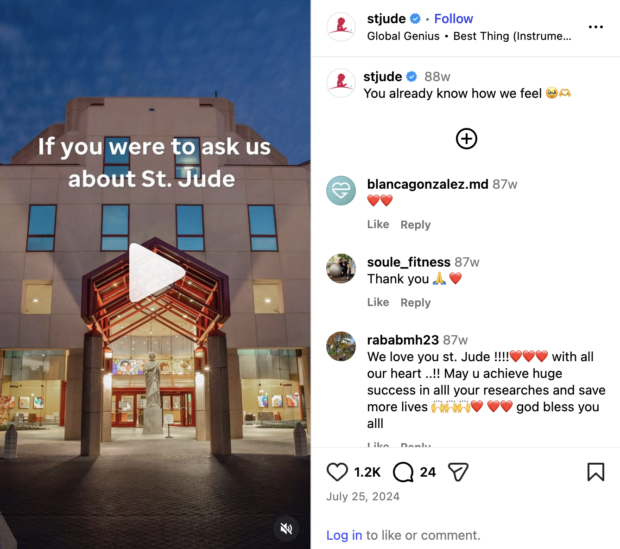
In the past decade, the patient journey has shifted significantly toward online discovery. Research suggests that a substantial portion of the population now turns to social platforms to research providers and verify medical information before scheduling an appointment. For healthcare systems, this has necessitated a shift in brand identity. No longer viewed simply as clinical facilities, hospitals are increasingly adopting the role of "thought leaders" and community hubs.
Brand recognition in healthcare serves a unique purpose: it functions as a signal of credibility. When a hospital shares a testimonial or a "behind-the-scenes" look at its surgical team, it is not merely engaging in vanity metrics. It is actively lowering the barrier of anxiety for potential patients. This trust-building is essential for maintaining patient loyalty in an era where digital health information is abundant, yet often unreliable.
The Regulatory Landscape and Compliance Frameworks
Compliance is the primary barrier to entry for healthcare social media. The Health Insurance Portability and Accountability Act (HIPAA) remains the most significant regulatory hurdle. Any communication that inadvertently reveals Protected Health Information (PHI)—ranging from a patient’s name or photo to subtle details that could lead to identification—is a direct violation of federal law. Historically, the Office for Civil Rights (OCR) has been active in enforcement, with settlements in 152 cases totaling over $144.9 million. These cases serve as a sobering reminder that even well-intentioned posts, such as celebrating a patient’s recovery without explicit, written, and revocable consent, can trigger catastrophic financial and legal repercussions.
Beyond privacy, healthcare organizations must contend with the FDA and FTC. The FDA governs how medical products and prescription drugs are marketed, mandating that any claims regarding efficacy be backed by "fair balance"—a principle requiring that the risks and side effects of a product are presented with equal prominence to its benefits. Meanwhile, the FTC monitors truth-in-advertising, ensuring that vague claims like "clinically proven" are supported by verifiable, peer-reviewed data. As state-level regulations like Washington’s "My Health My Data Act" continue to emerge, the legal landscape is becoming increasingly fragmented, requiring organizations to maintain a constant state of regulatory vigilance.
Data-Driven Strategies: Monitoring and Crisis Management
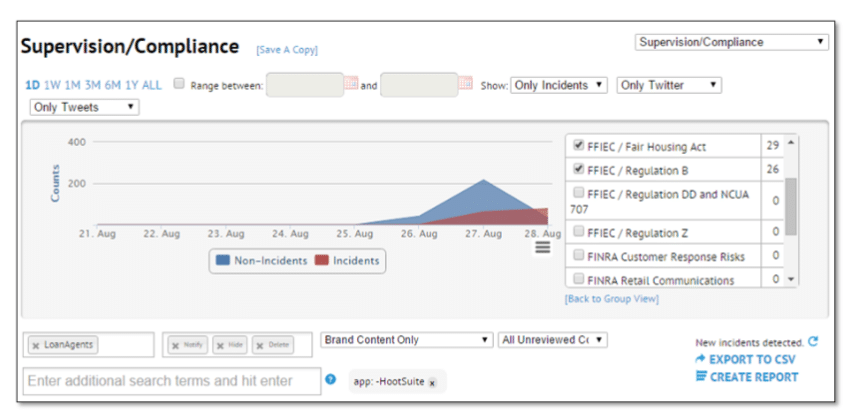
As the digital ecosystem grows, social listening has become an essential tool for risk management. By monitoring online conversations, health systems can detect emerging public health trends, identify outbreaks, or catch misinformation before it gains traction. This proactive approach is vital; in many cases, patients encounter inaccurate medical advice on social platforms long before they reach a clinician.

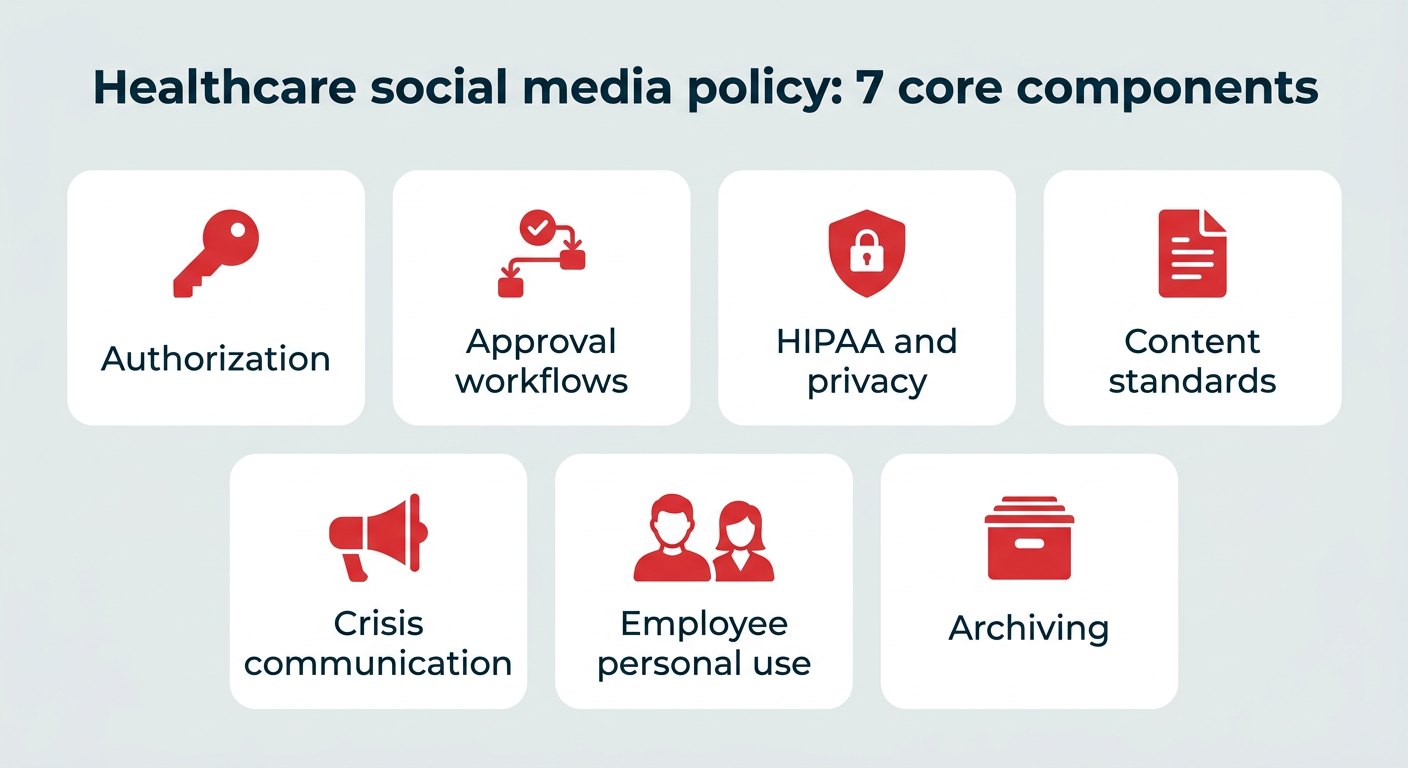
Effective organizations use these listening tools to provide a "credible voice" in the feed. When misinformation circulates, silence can be interpreted as endorsement. By establishing a clear, documented social media policy that outlines the protocol for handling negative reviews or public health crises, organizations can pivot from reactive damage control to proactive reputation management.
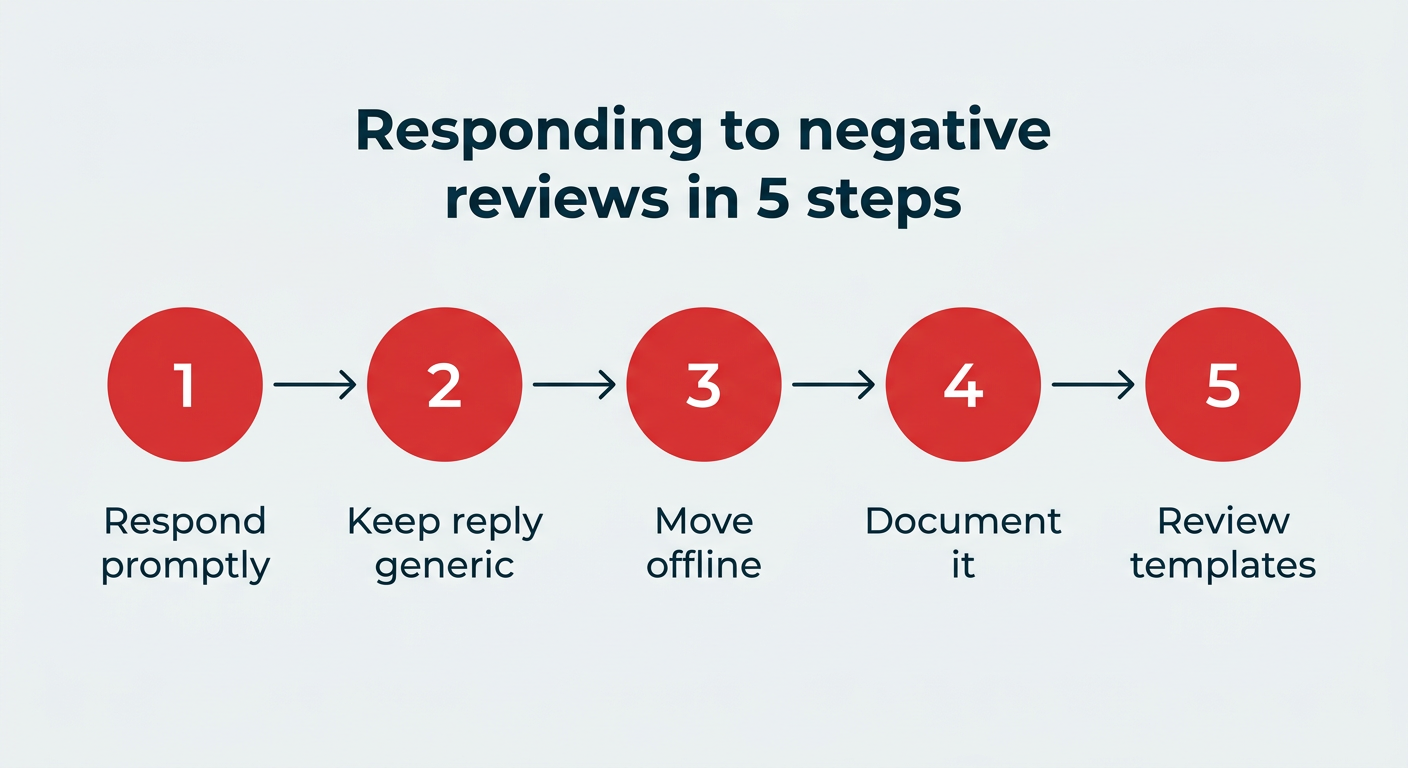
For instance, when responding to a negative review, the golden rule of healthcare social media remains: never confirm the existence of a patient relationship. A generic, professional response that invites the user to move the conversation to a private, secure, and offline channel is the standard best practice. This avoids the risk of accidental PHI disclosure while demonstrating to the public that the organization values patient feedback.
The Role of AI in Scaling Clinical Content
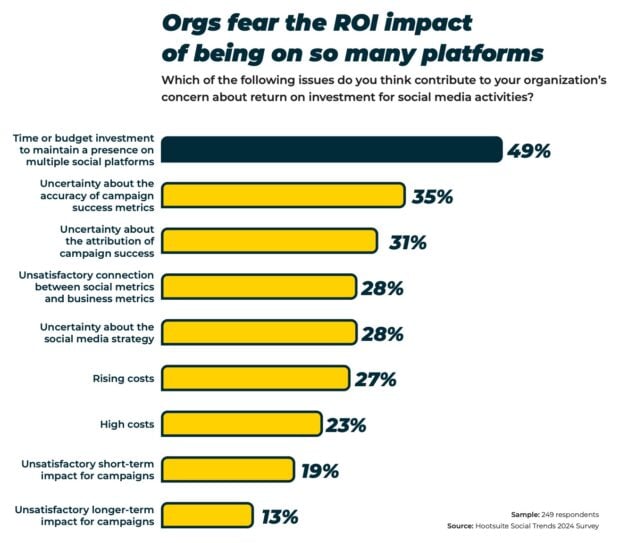
Artificial Intelligence (AI) is transforming the way healthcare teams create and manage content. According to industry reports, many organizations are planning to significantly increase their use of AI for patient service and content drafting. However, the adoption of AI is tempered by a clear divide in trust. While younger demographics are more comfortable with AI-generated health content, older populations remain skeptical.
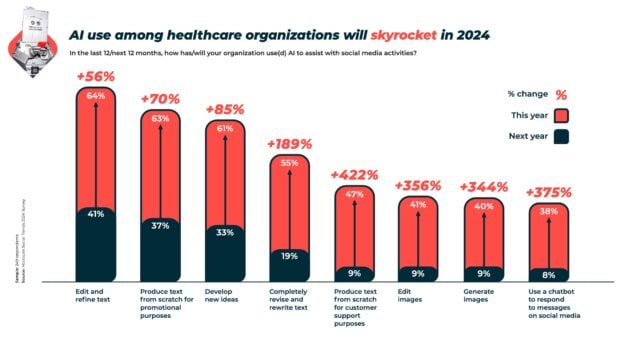
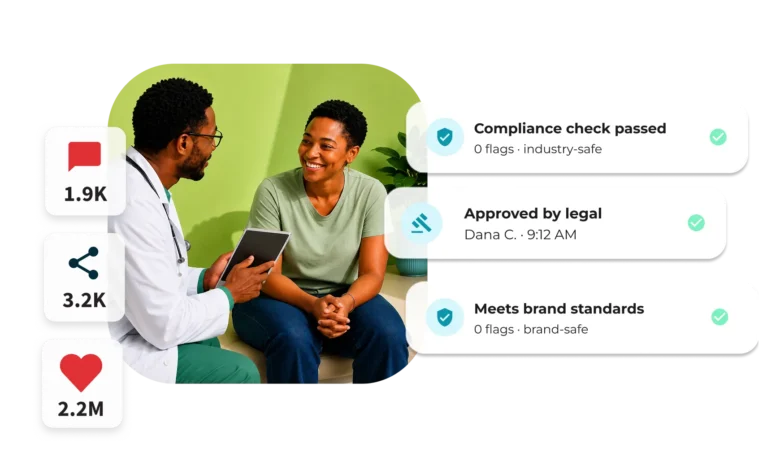
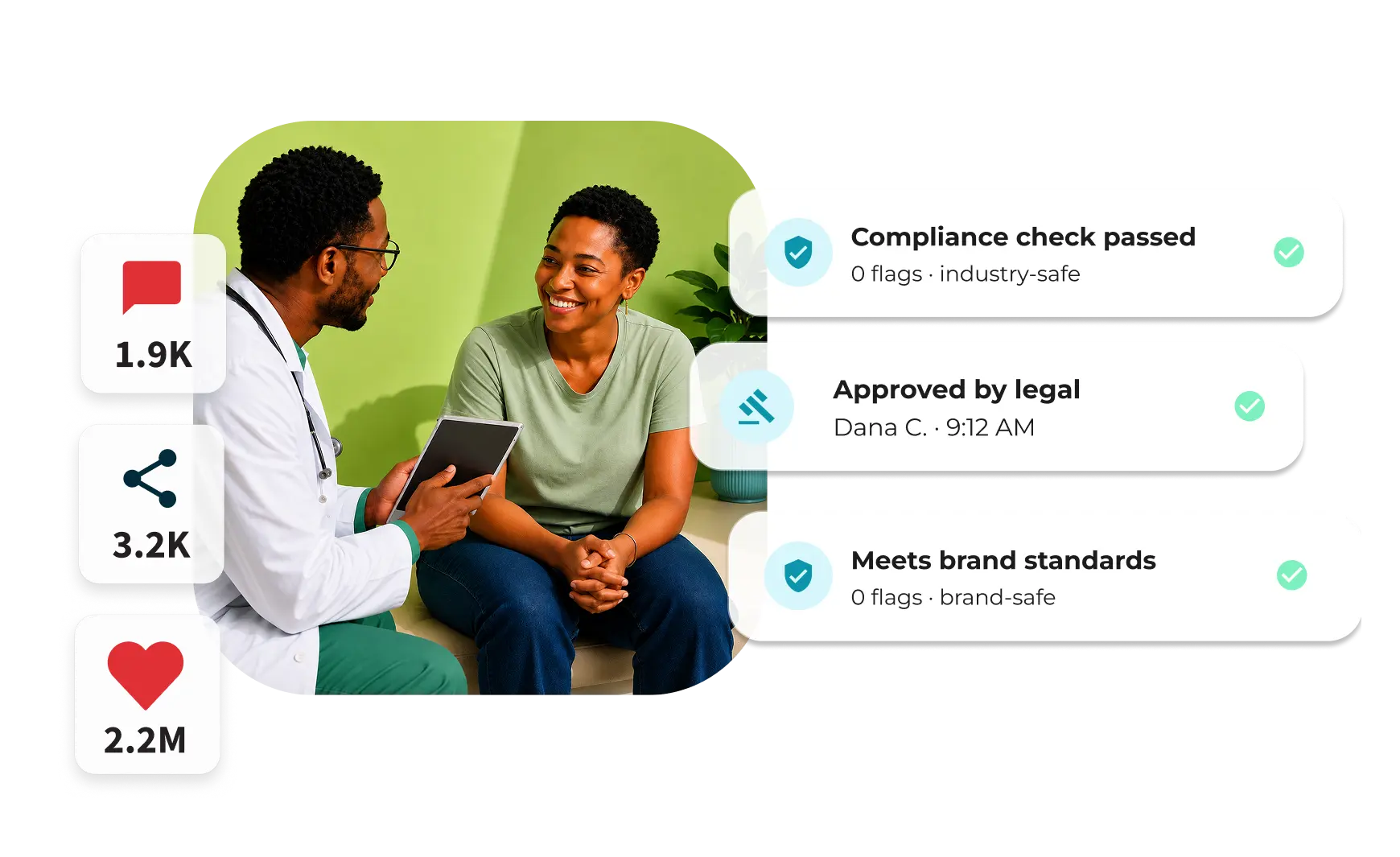
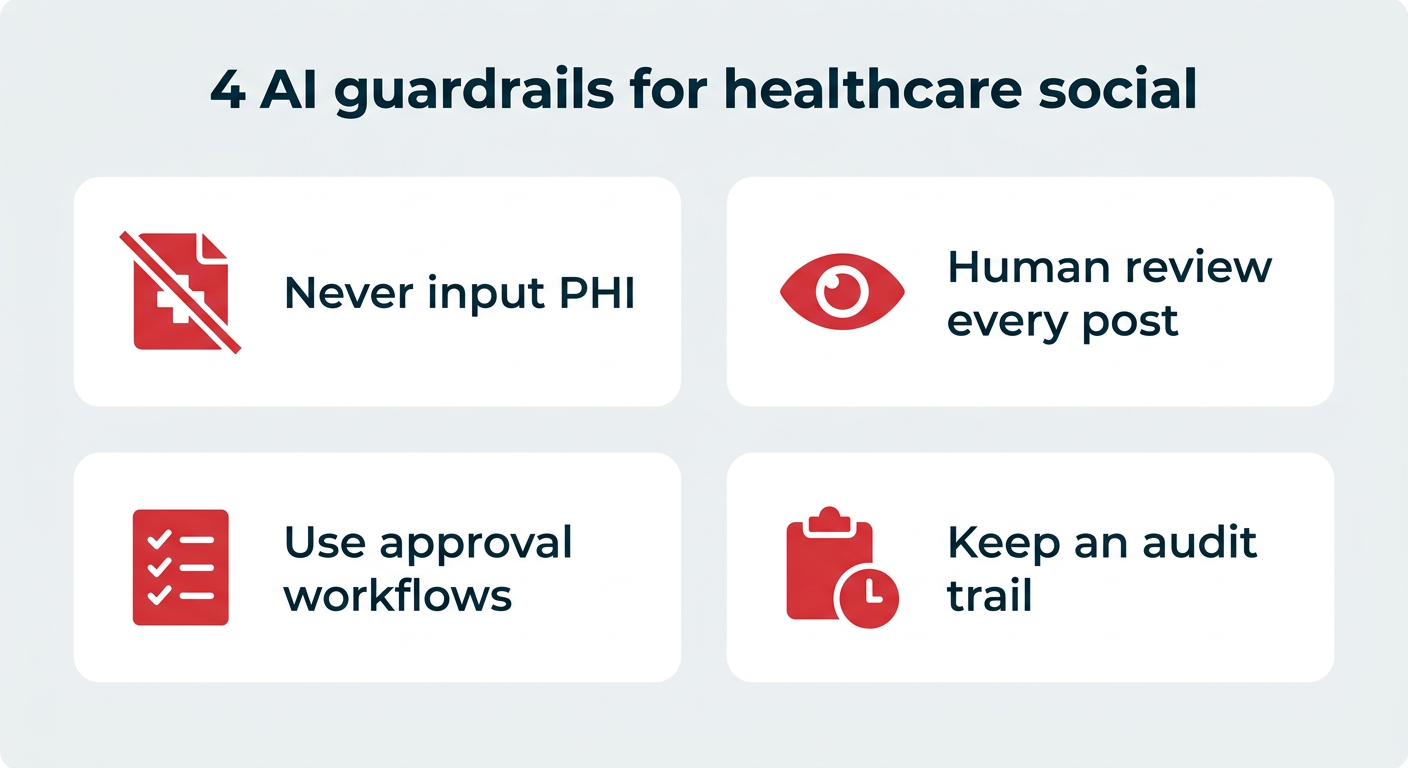
To bridge this gap, organizations are adopting a "Human-in-the-Loop" (HITL) model. AI tools are utilized to draft initial content, but every post is subjected to a mandatory clinical and compliance review. This ensures that the speed and efficiency gains offered by automation do not come at the cost of medical accuracy or regulatory compliance. Systems that integrate content creation with automated approval workflows allow for a high volume of output without sacrificing the rigorous oversight required in a clinical environment.
Measuring Success Beyond Vanity Metrics
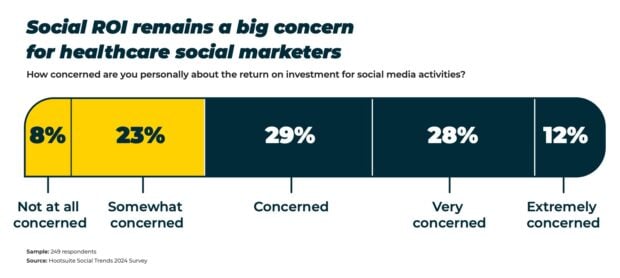
A persistent point of friction for healthcare marketers is the measurement of Return on Investment (ROI). Many organizations still focus on follower counts and engagement rates—metrics that, while useful for gauging reach, fail to capture the clinical and business impact of social media. To achieve a more accurate picture, industry leaders are shifting toward tracking specific KPIs:
- Conversion Rate: The number of website visits originating from social channels that result in appointment bookings.
- Referral Traffic: The volume of traffic directed to educational resources or patient portals.
- Recruitment Pipeline: The number of qualified applicants for nursing or physician roles who engaged with employer branding content.
- Sentiment Share: Comparing the organization’s positive sentiment against competitors within the same region.
Implications for the Future
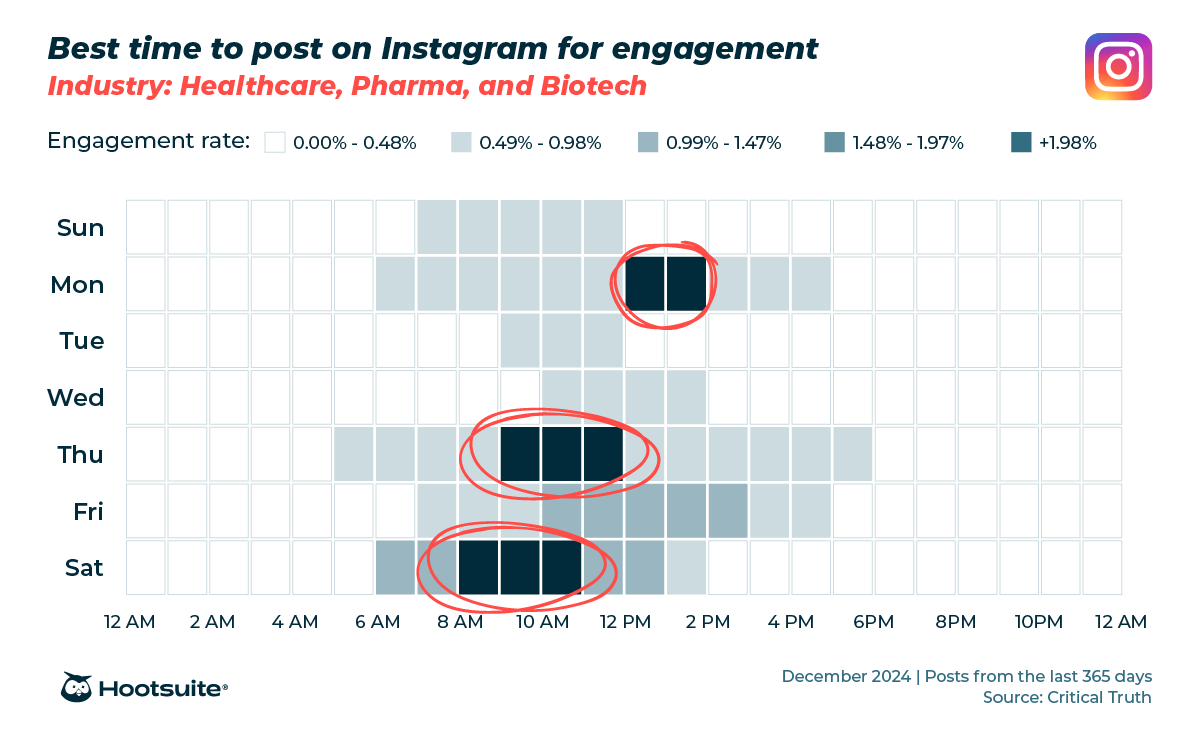
The future of healthcare social media is not about being everywhere at once; it is about strategic presence. As the cost of managing multiple platforms rises, many health systems are consolidating their efforts, focusing on the channels that yield the highest return in terms of patient engagement and recruitment. For some, this means a heavy emphasis on LinkedIn for professional thought leadership and recruitment, while others prioritize Instagram and YouTube for patient-facing education and humanizing the clinical staff.
Ultimately, the goal of any healthcare social media strategy is to mirror the standard of care provided in the clinic. Whether the organization is a local private practice or a multinational pharmaceutical entity, the guiding principles remain the same: privacy, accuracy, and professional integrity. As the industry continues to navigate the complexities of a digital-first world, those who succeed will be the ones who treat their social media presence with the same level of care and regulatory discipline as they do their patients. By fostering a culture of compliance and leveraging data-driven insights, healthcare organizations can turn the risks of social media into a powerful, permanent asset for public health and organizational growth.