The Era of Content Saturation: Why Brands Must Shift from Volume to Resonance

The digital landscape is currently navigating a period of unprecedented content saturation, a phenomenon characterized by a significant disconnect between the volume of material produced by brands and the finite capacity of audiences to consume it. With over 5.5 billion social media users worldwide spending an average of two hours and 20 minutes daily on various networks, the sheer density of information has reached a critical tipping point. This shift is not merely a logistical challenge for marketing departments; it is a fundamental transformation in the economics of digital attention. As human attention spans have contracted—dropping from an average of 2.5 minutes in 2004 to approximately 47 seconds in 2023—the traditional strategy of increasing output to capture market share has become increasingly counterproductive.
The Current State of Content Overload
Data from the 2025 Content Benchmarks Report indicates that brands now publish an average of 9.5 posts per day across various networks. In high-velocity sectors, such as media and retail, this figure can quadruple, creating a cycle of constant, rapid-fire updates. This relentless production schedule is driven by the fear of algorithmic obscurity, as platforms prioritize content based on interest-based signals rather than direct connections. Consequently, social media professionals are reporting record levels of burnout, while consumers are increasingly retreating from platforms that feel overly commercialized or cluttered.
The influx of AI-generated content—often derisively referred to as "AI slop"—has exacerbated this environment. Between December 2025 and August 2026, social listening tools recorded over 10.8 million mentions of the term, signaling a growing consumer backlash against low-quality, automated posts. The scale of this dissatisfaction is further evidenced by the rapid adoption of reporting tools on professional networks like LinkedIn, where over one million users flagged content as "AI slop" within the first month of such a feature’s introduction. This trend poses a significant threat to brand safety, as companies must now expend additional resources to monitor their feeds for misinformation while attempting to maintain a unique brand voice.

A Chronology of Digital Fragmentation
The evolution of social media over the last decade has followed a trajectory from connection-based networks to interest-based, algorithmic feeds. The period between 2020 and 2026 serves as a case study in this volatility.
In 2021 and 2022, the rise of ephemeral and authentic-focused platforms, such as BeReal, briefly suggested a shift toward less polished, real-time engagement. However, the subsequent acquisition and decline of these platforms demonstrated the industry’s inability to sustain interest outside of the dominant, algorithmically-driven ecosystems. By 2024, the landscape had fractured further, with the emergence of alternatives like Threads, Bluesky, and Mastodon. This fragmentation has forced brands to manage disparate audiences across multiple platforms, each requiring different content formats and community management strategies. The result has been a dilution of brand narratives, as teams struggle to maintain consistent messaging across a fragmented digital footprint.
Strategic Pivots: The Case for Quality Over Quantity
Amidst this saturation, some organizations have successfully countered the trend by shifting their focus toward insight-led storytelling. A notable example is BMC, which utilized social intelligence data to identify that their audience was less responsive to promotional assets and more engaged with deep-dive, thought-leadership content. By analyzing engagement metrics, BMC discovered that their followers favored content that addressed specific industry challenges and provided a clear, humanized perspective.
This realization prompted a strategic reset: the launch of "The BMC Briefing," a monthly newsletter that consolidated product education and industry commentary into a single, cohesive editorial experience. This transition moved the organization away from the "daily post" mandate toward a more intentional cadence. The outcome was a marked increase in audience loyalty and a reduction in the internal pressure to produce high-volume, low-impact content.
The Imperative for Originality and Resonance
To survive in an increasingly crowded digital marketplace, brands must adopt a strategy rooted in original thought. According to the Q3 2026 Pulse Survey, one-third of consumers identify the originality of a brand’s content as the primary factor in determining their brand preference, ranking it just behind product quality.
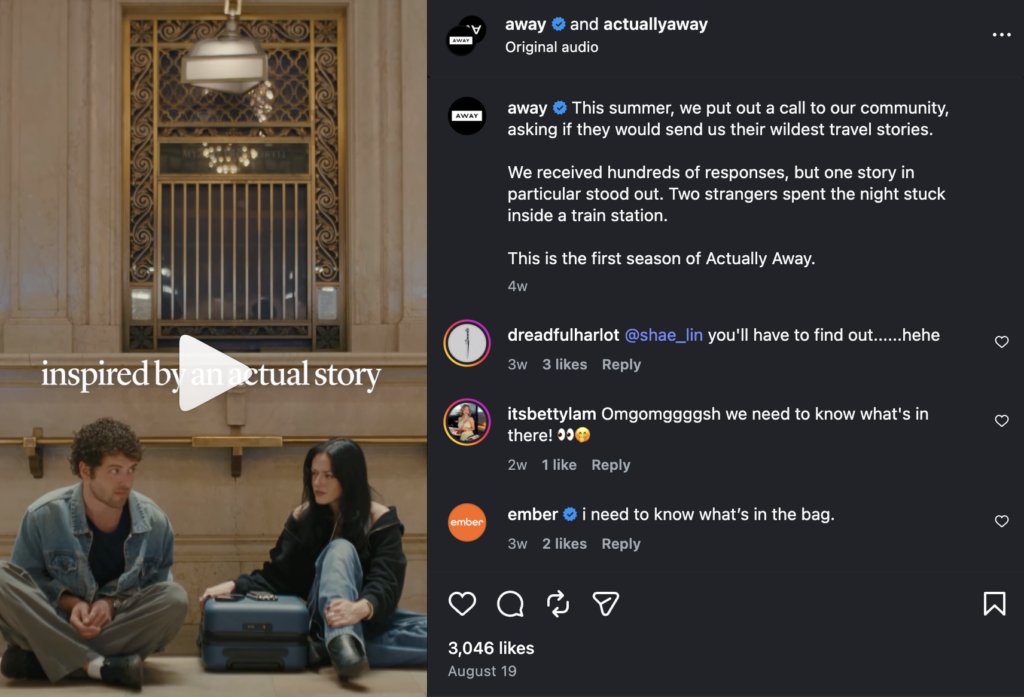
Brands like Away and Nuuly have successfully implemented this by investing in original series—often described as "microdramas"—which offer entertainment value while subtly integrating their products. This approach serves as a form of "edutainment," providing consumers with a reason to pause their scrolling, rather than contributing to the noise of standard promotional feeds.
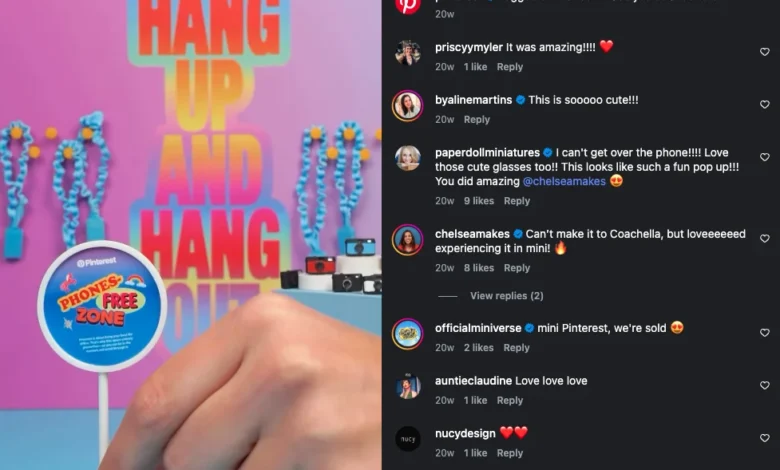
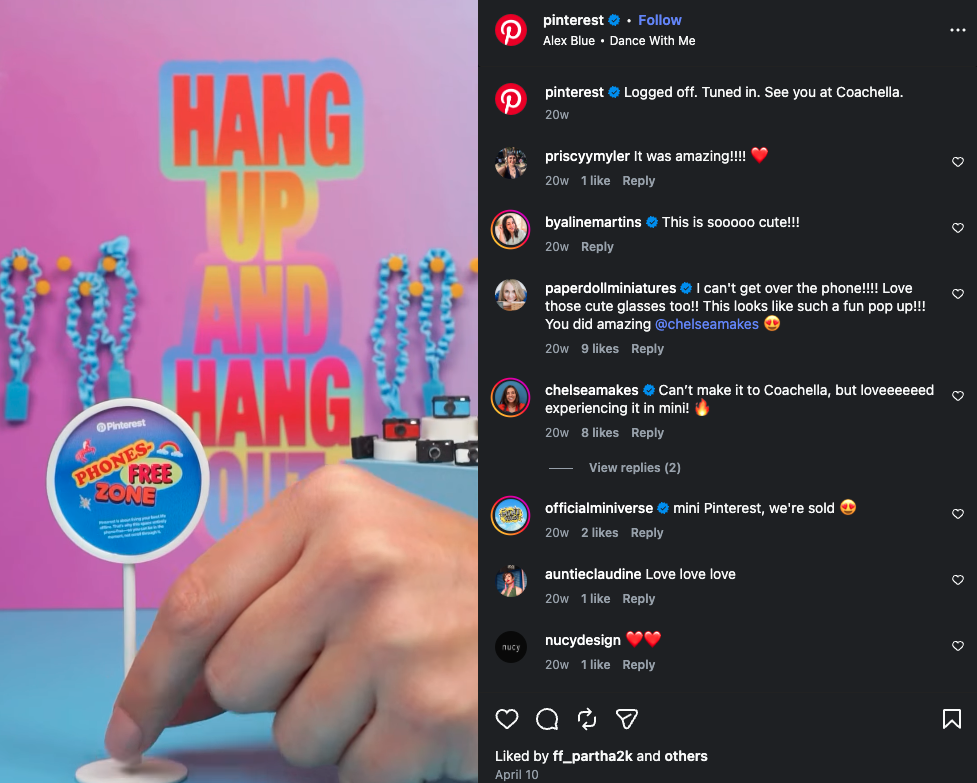
Furthermore, the integration of cultural moments requires a data-first approach. While 84% of consumers believe it is important for brands to participate in online culture, "trendjacking" without a clear strategy often results in the very "slop" that audiences have begun to reject. Successful campaigns, such as Pinterest’s phone-free activation at Coachella 2026, demonstrate the value of taking a trend—in this case, the "analog aesthetic"—and adapting it in a way that is authentically aligned with the brand’s core identity.
Measuring Success in a New Era
The traditional reliance on reach and impressions as primary KPIs (Key Performance Indicators) is undergoing a necessary reassessment. Because reach does not equate to resonance, social teams are increasingly prioritizing engagement metrics such as meaningful comments, shares, and community growth. This shift acknowledges a fundamental truth of modern marketing: it is more valuable to cultivate a small, highly engaged community that advocates for a brand than it is to reach millions of users who scroll past content without retention.
Implications for the Future of Social Media
The structural challenges of social media saturation are unlikely to dissipate as AI technologies continue to integrate into content creation pipelines. However, this period of transition offers an opportunity for a reset. By reducing production volume and prioritizing high-quality, original narratives, brands can effectively lower their cost of attention.
The future of social media marketing will not be won by the entity that publishes the most frequently, but by the entity that best understands the specific needs of its audience. As the ecosystem continues to evolve, the most successful brands will be those that treat their social presence as an editorial platform rather than a broadcast channel. The path forward is not found in complex algorithms, but in the return to human-centric, resonant, and high-value communication. Organizations that fail to make this transition risk being lost in the noise, as the barrier to entry for quality continues to rise, and the tolerance for mediocrity among the global audience continues to fall.
Related posts: