The Ultimate Guide to Crafting High-Converting Calls to Action Across Social Media and Digital Platforms


In the competitive landscape of digital marketing, the call to action (CTA) serves as the definitive bridge between passive consumption and active engagement. Whether the objective is driving an ad click, securing an ebook download, or completing an e-commerce purchase, the specific phrasing and presentation of a CTA frequently determine the success or failure of an entire campaign. As digital fatigue grows and consumers increasingly utilize ad-blocking software to bypass promotional noise, marketers must refine their approach to capturing audience attention. Comprehensive analysis across multiple channels reveals that strategic CTA deployment—ranging from simple text prompts to prominent, interactive buttons—remains a cornerstone of conversion rate optimization.
Understanding the Anatomy and Evolution of the Call to Action
Historically, marketing communications relied on subtle suggestions to guide consumer behavior. However, the modern digital ecosystem, characterized by rapid scrolling and limited attention spans, necessitates explicit direction. A call to action is fundamentally a text prompt or graphical element designed to inspire a target audience to execute a specific, measurable behavior. While standard examples such as "Buy Now" or "Download Now" remain prevalent, contemporary marketing strategies frequently incorporate lengthier, more descriptive phrases tailored to specific consumer intents.

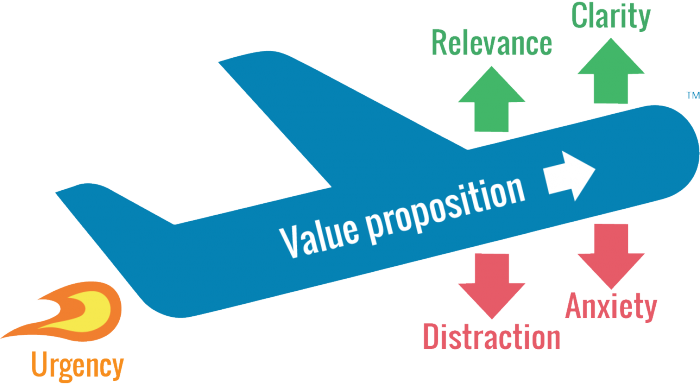
The necessity for clear CTAs is underscored by mounting consumer resistance to digital advertising. Industry data indicates that over 22 percent of internet users employ ad-blocking technology, frequently citing advertising saturation as their primary motivation. In response, digital strategists have turned to psychological frameworks, such as the LIFT Model, to evaluate the efficacy of their messaging. By aligning relevance, clarity, urgency, and value proposition within a concise phrase, brands can successfully alleviate consumer decision fatigue and guide users toward desired conversion points.

Strategic Taxonomy: Tailoring CTAs by Industry and Intent

Effective CTA copywriting is rarely uniform; rather, it requires precise calibration based on the specific vertical and consumer intent. Industry segments have largely standardized specific action verbs that resonate with their respective target demographics.

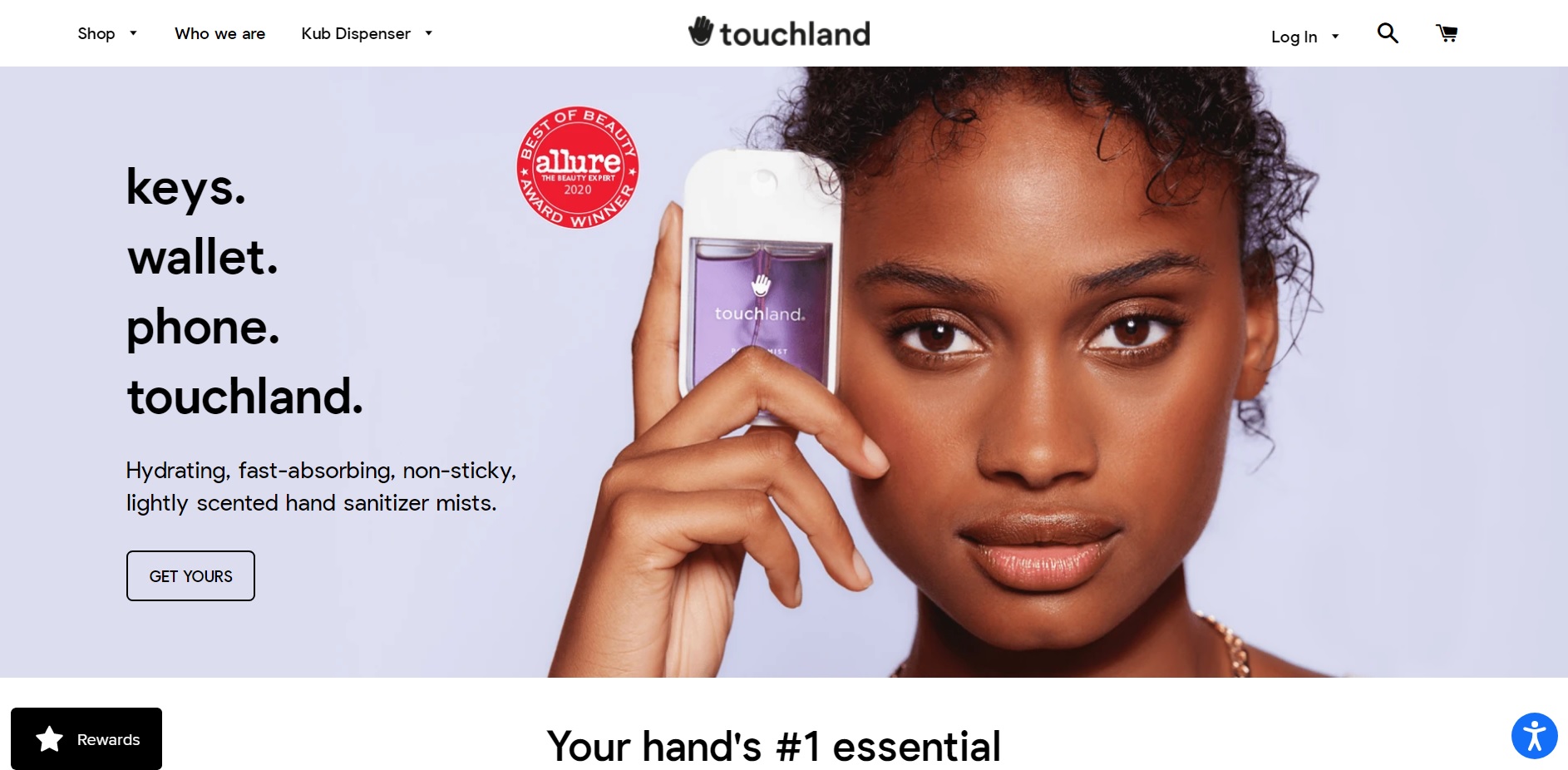
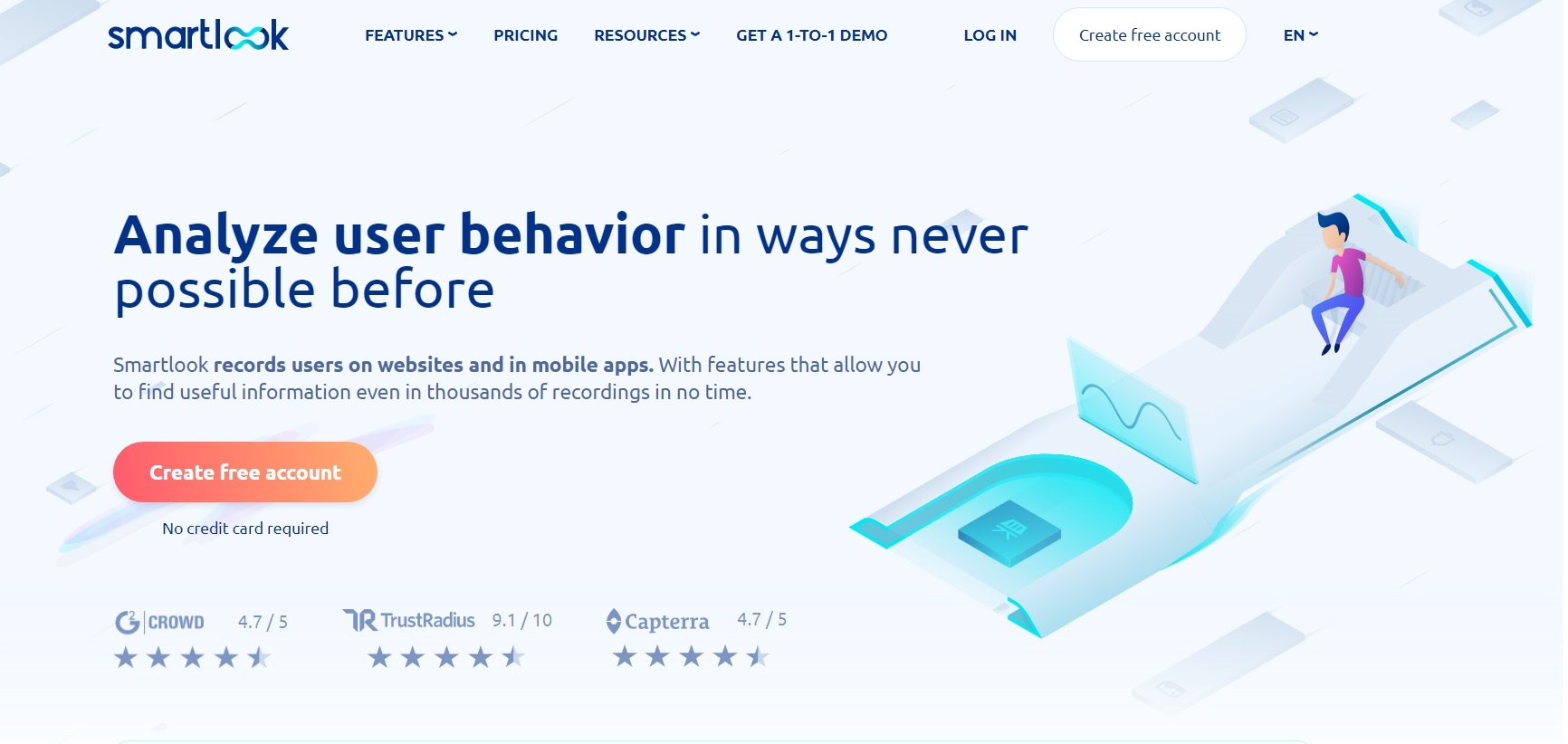
For e-commerce enterprises, high-converting verbs typically revolve around transaction and acquisition, including terms such as "Buy," "Shop," "Order," and "Reserve." Software-as-a-Service (SaaS) providers lean heavily toward activation and onboarding language, utilizing phrases like "Get Started," "Subscribe," and "Sign Up." Non-profit organizations rely on philanthropic appeals centered around words such as "Donate," "Commit," and "Support," while newsletter publishers and community builders prioritize inclusion-based vocabulary like "Join" and "Refer."

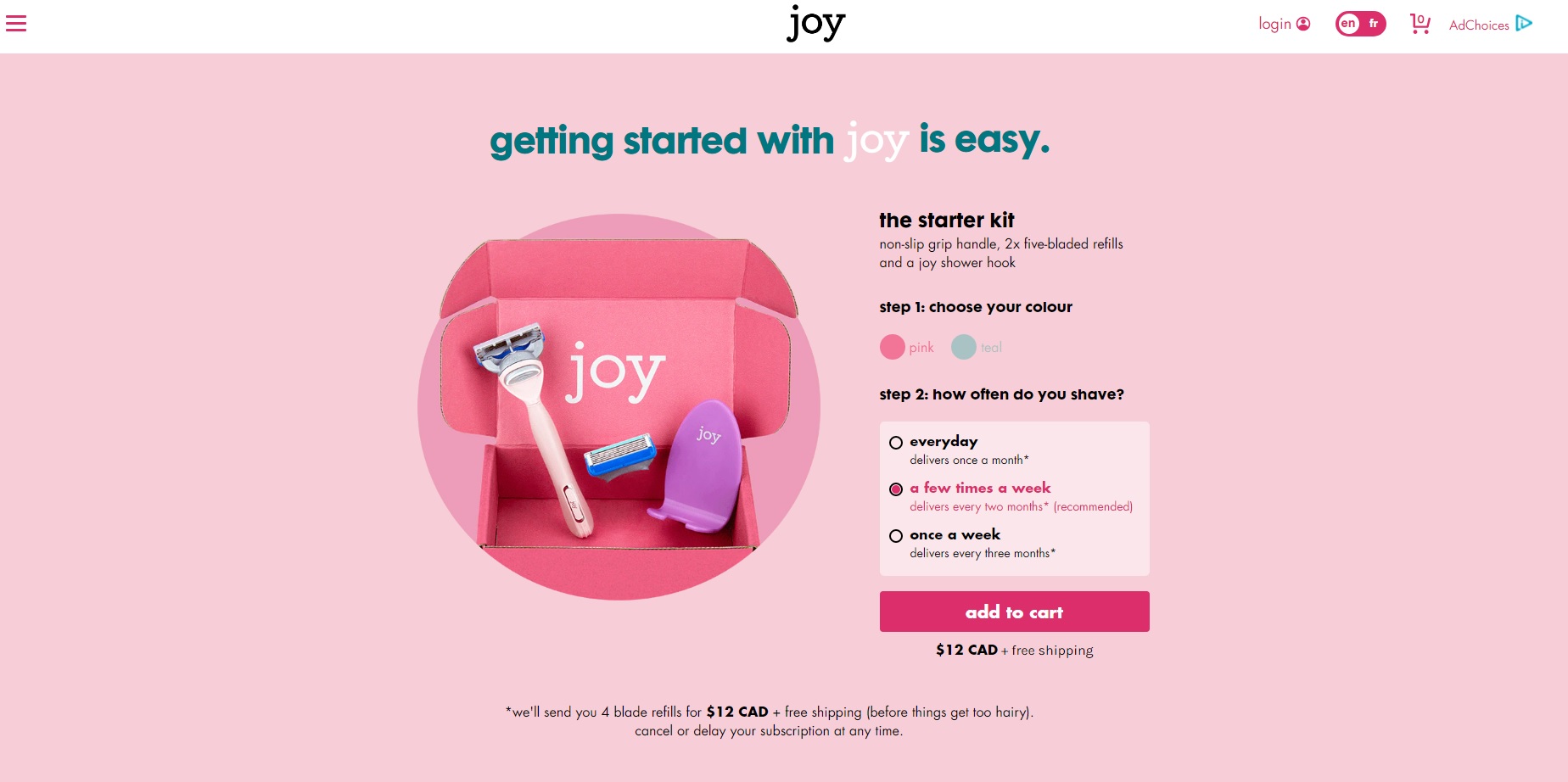
Beyond single-word verbs, advanced copywriting techniques incorporate sensory and emotional modifiers to elicit a deeper psychological response. Brands that successfully transition from generic prompts to customized, creative CTAs often experience notable uplifts in engagement. For example, subscription services and wellness brands frequently employ creative verbs and sensory modifiers that transform a standard transaction into an experiential journey, fostering a stronger brand connection with the consumer.

Empirical Evidence and the Impact of Clickable CTA Buttons

While textual integration is vital, the physical formatting and placement of CTAs play an equally critical role in campaign performance. Decades of digital marketing research consistently demonstrate that transforming plain-text links into clickable, visually distinct buttons substantially increases conversion rates. Empirical studies from conversion optimization specialists indicate that incorporating prominent CTA buttons can boost overall article template conversions by up to 83 percent, while e-commerce platforms frequently observe conversion uplifts exceeding 20 percent.

Specific platform experiments further illuminate the financial implications of CTA selection. Controlled split-tests conducted on major advertising networks demonstrate that utilizing targeted, clickable buttons significantly lowers the cost per acquisition compared to campaigns lacking distinct interactive elements. In comparative performance trials, optimized button variations have been shown to reduce acquisition costs by more than half, proving that minor aesthetic and linguistic adjustments directly influence campaign return on investment (ROI).

Best Practices for Multi-Channel Implementation

Optimizing conversion pathways requires a methodical approach across distinct digital touchpoints, including paid social media advertisements, email marketing campaigns, dedicated landing pages, and primary corporate websites.
Paid Social Media Advertising

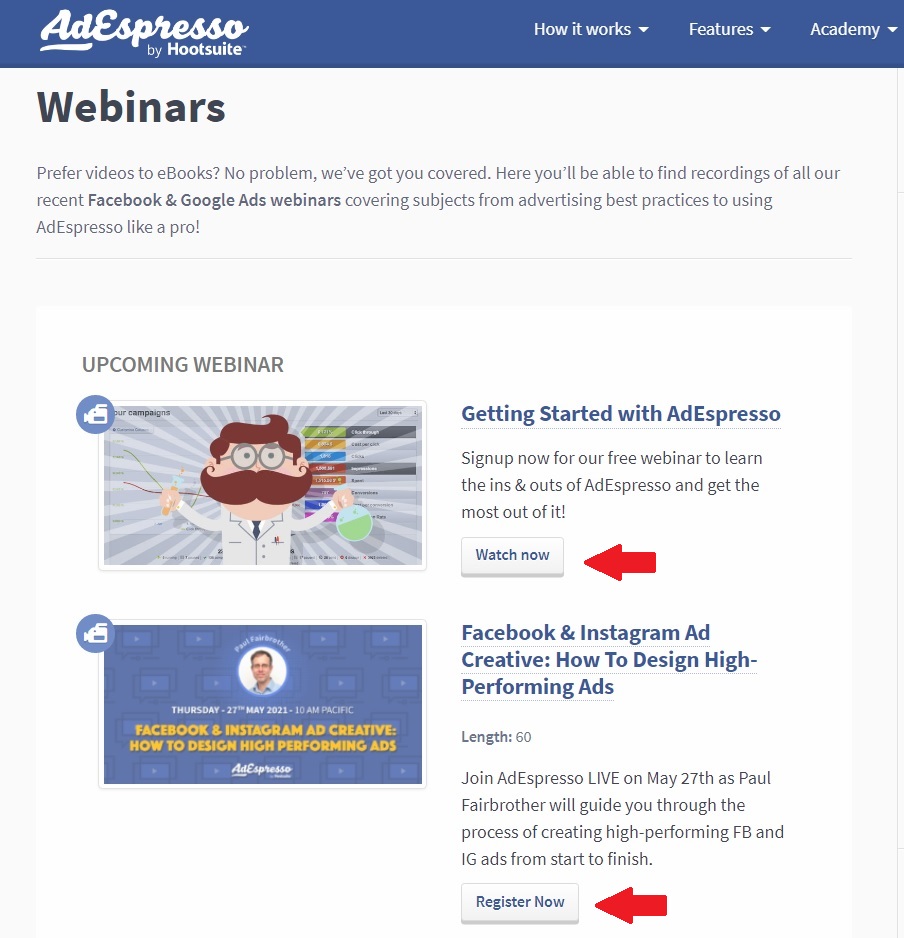
On platforms such as Facebook and Instagram, native interface buttons provide a standardized mechanism for user conversion. Marketers are advised to pair compelling ad copy with a relevant native button—such as "Learn More" for top-of-funnel awareness campaigns or "Shop Now" for bottom-of-funnel retargeting initiatives. Continuous split-testing of button variations is strongly recommended to identify the most cost-effective configuration for specific target audiences.
Email Marketing and Newsletters
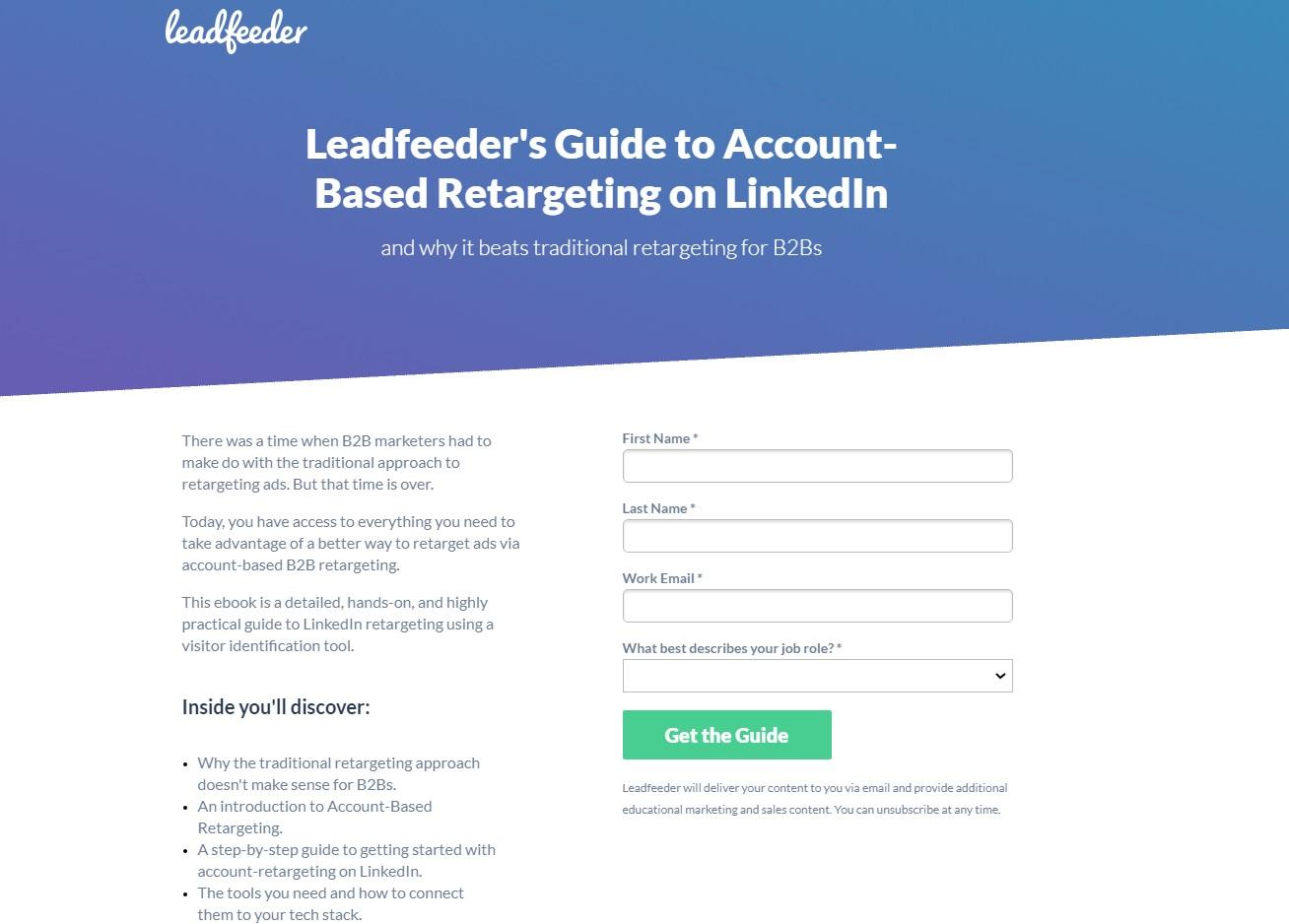
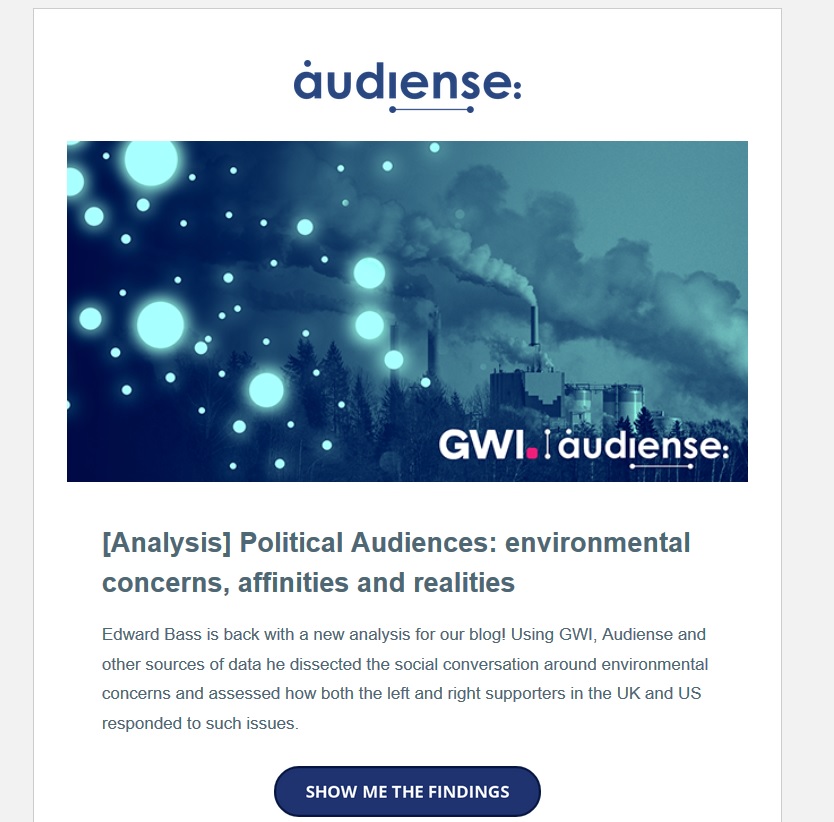
With average email conversion rates remaining highly competitive, structuring newsletters for clarity is essential. Incorporating primary and secondary CTA buttons ensures that readers scrolling through longer-form content are continually presented with opportunities to convert. Furthermore, hyperlinked text prompts within the body copy serve as valuable secondary pathways for engaged subscribers.
Landing Pages and Corporate Websites
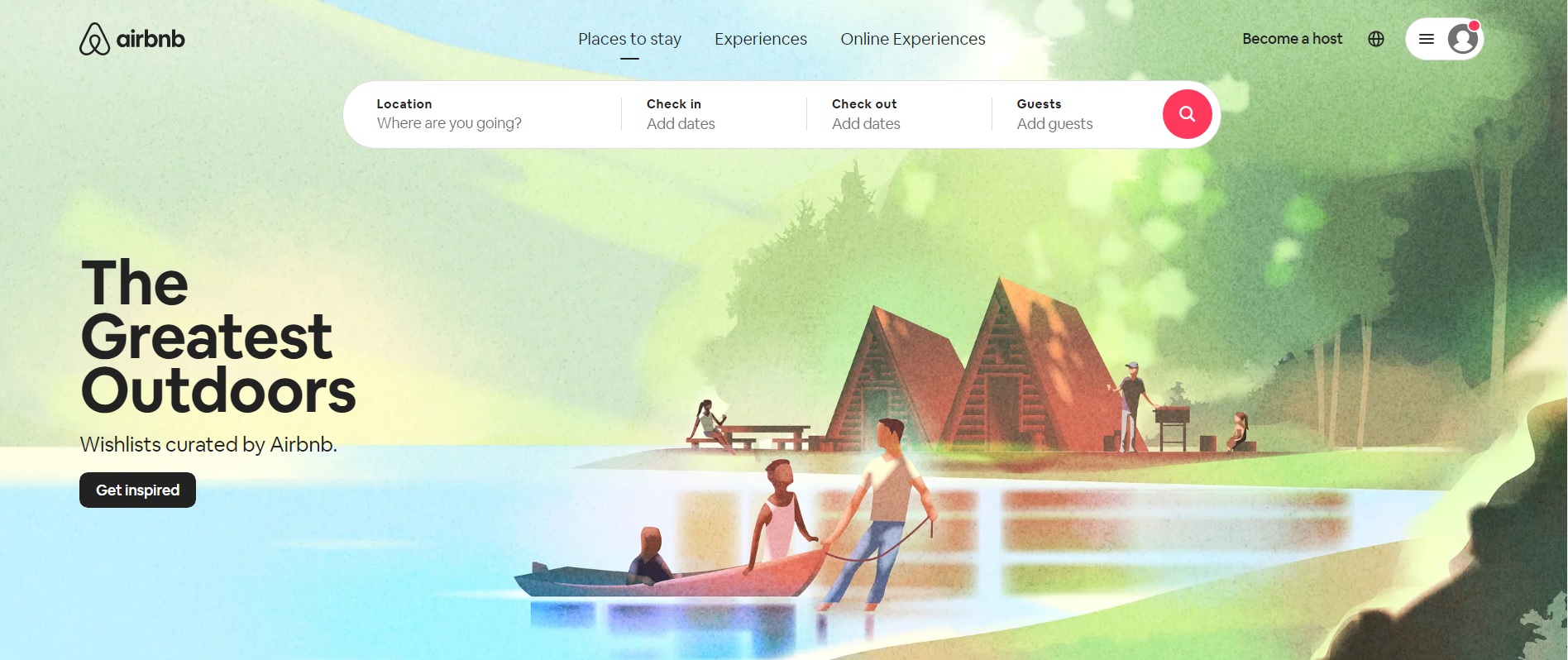
Landing page optimization relies heavily on visual hierarchy and minimalist design principles. High-converting pages typically ensure that the primary CTA remains above the fold, utilizing contrasting color palettes to draw the user’s eye immediately to the desired action point. Removing extraneous navigational links and distractions further focuses the user’s attention, maximizing the probability of a successful conversion.
Future Implications and Optimization Strategies

As digital marketing continues to mature, reliance on intuition alone is no longer sufficient for sustaining high conversion rates. The integration of automated optimization tools and machine learning algorithms allows marketers to dynamically test multiple CTA variations simultaneously, automatically pausing underperforming iterations in real-time. By combining rigorous empirical testing with consumer-centric copywriting principles, organizations can ensure their calls to action remain resilient against digital fatigue, driving sustained engagement and measurable revenue growth across all marketing channels.