How One Small Romanian Firm Accidentally Cracked AI Search and Automated Its Answer Engine Optimization


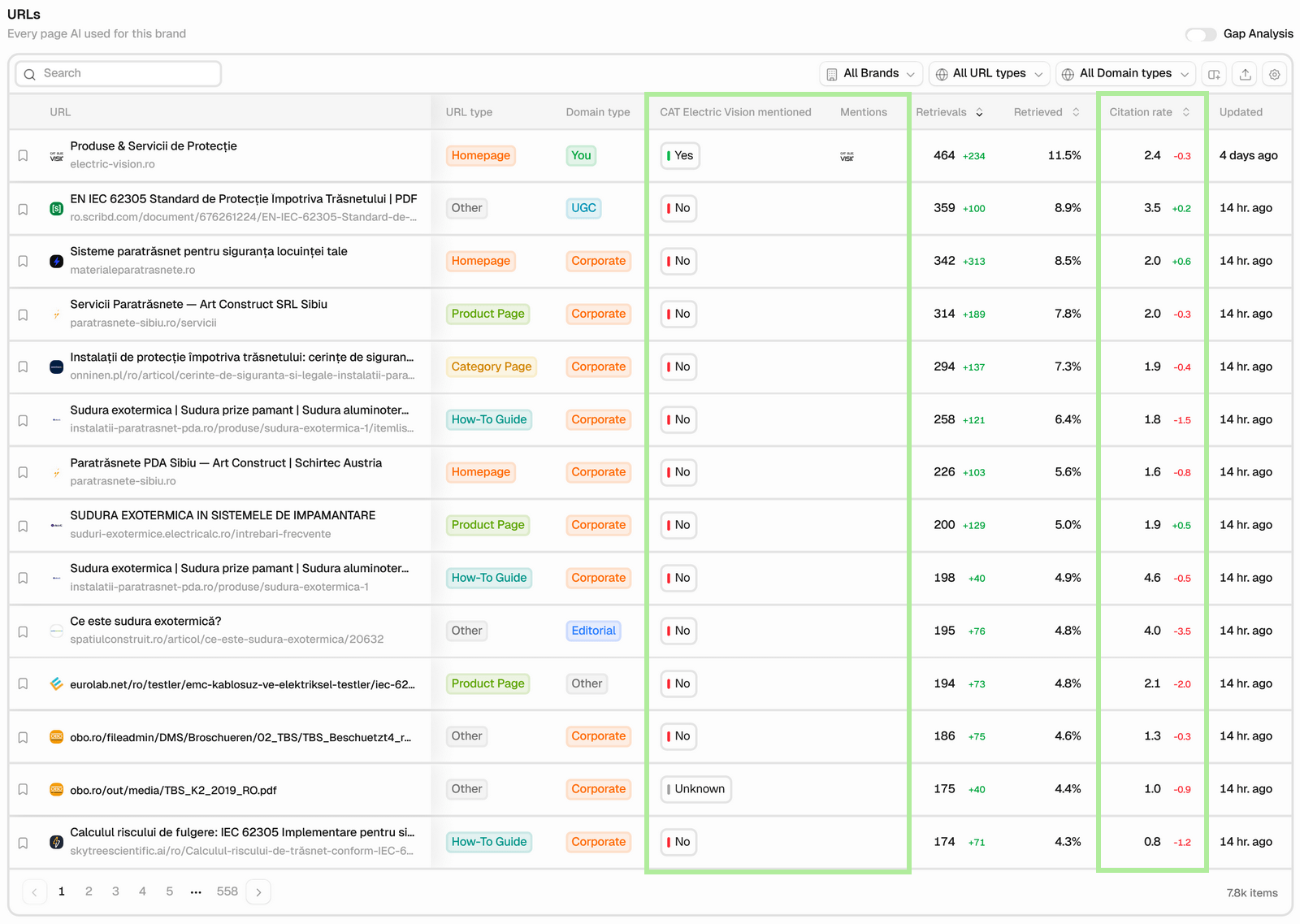
The digital marketing landscape is undergoing a profound structural shift, moving away from traditional keyword-based search engine optimization (SEO) toward Answer Engine Optimization (AEO). For CAT Electric Vision, a boutique Romanian enterprise specializing in earthing and lightning surge protection systems, this evolution became apparent quite by accident. When a generalist content marketer working closely with the firm decided to test prominent generative AI tools—including ChatGPT, Perplexity, and Google AI Overviews—they discovered that the three-year-old local business was already appearing organically in Perplexity responses for industry-specific queries.
This unexpected visibility catalyzed a broader technical initiative: building an automated, weekly content pipeline designed to systematically identify information gaps in AI search engines and translate them into actionable, high-precision publishing briefs. For a small business historically reliant on sporadic content campaigns, word-of-mouth referrals, and recurring enterprise clients, the experiment offered a scalable framework to capture professional queries where the brand was previously absent.
The Strategic Shift: Transitioning from Traditional SEO to AEO
For decades, small- and medium-sized enterprises (SMEs) have approached digital marketing through the lens of search volume, keyword density, and traditional backlink acquisition. However, the rise of conversational AI engines has fundamentally altered how B2B buyers—such as electrical engineers, facility installers, and commercial building owners—discover technical products and service providers. Instead of scanning pages of blue links, prospective clients now ask complex, long-tail questions and expect synthesized, direct answers.
AEO focuses specifically on ensuring a brand is cited or explicitly named within these generative responses. Industry research underscores the urgency of this optimization strategy. According to recent findings by Semrush, LinkedIn serves as the second-most-cited source across major generative search platforms, including ChatGPT Search, Google AI Mode, and Perplexity, appearing in approximately 11% of all AI-generated responses. Furthermore, specialized data from Profound indicates that for professional queries, LinkedIn is the single most cited domain across six major AI platforms, encompassing Gemini and Microsoft Copilot.
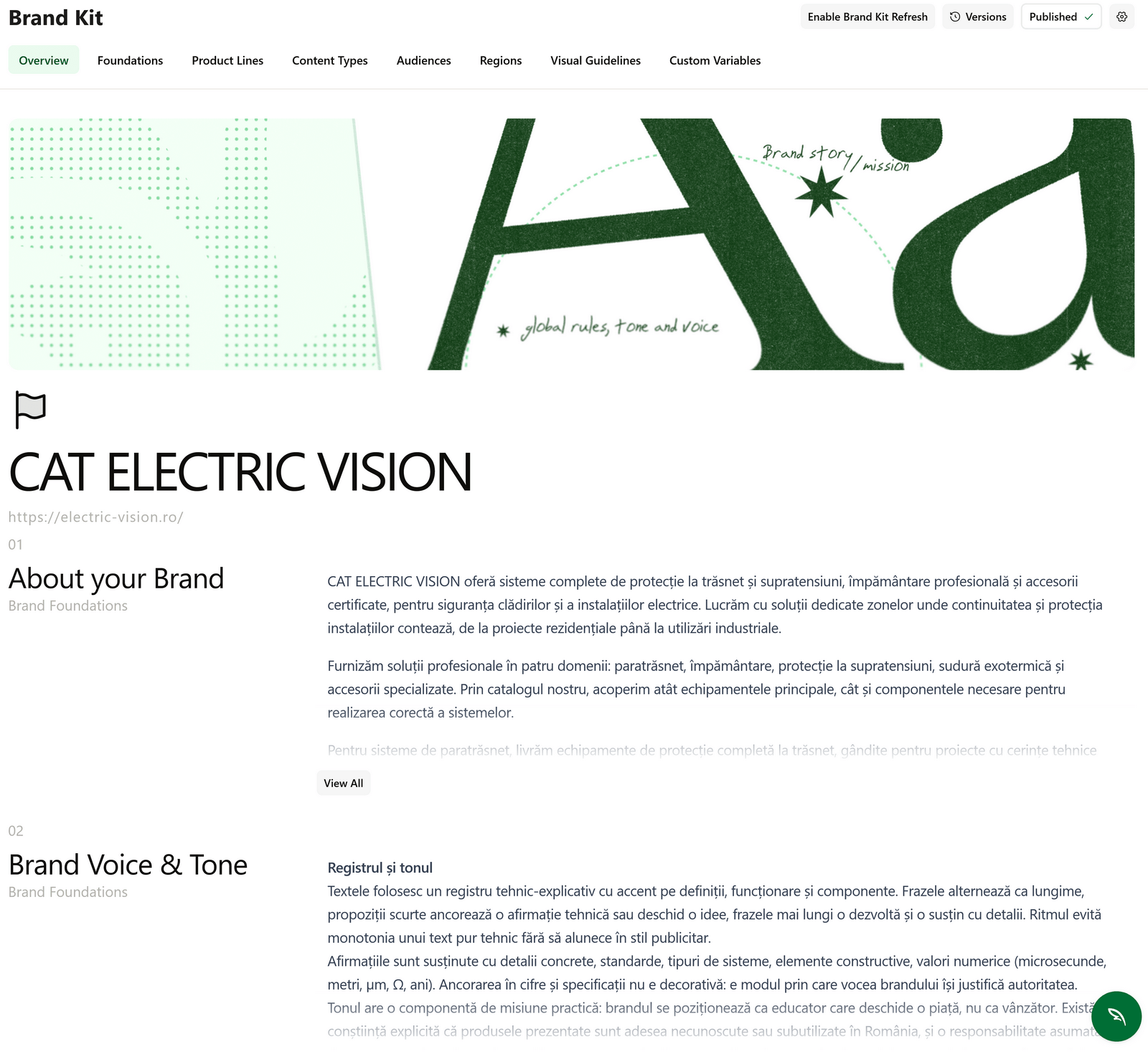
For technical firms, this presents a unique advantage. Data compiled by analytics platform Scrunch reveals that incorporating technical details into professional posts increases the probability of AI citation by 77%, while the inclusion of named entities raises citation odds by 33%. Conversely, stylistic elements such as Unicode bold formatting can decrease citation likelihood on specific platforms like ChatGPT by up to 58%. Armed with deep technical expertise in surge protection, CAT Electric Vision possessed the exact content profile favored by modern AI retrieval models.
Anatomy of an Automated Content Loop
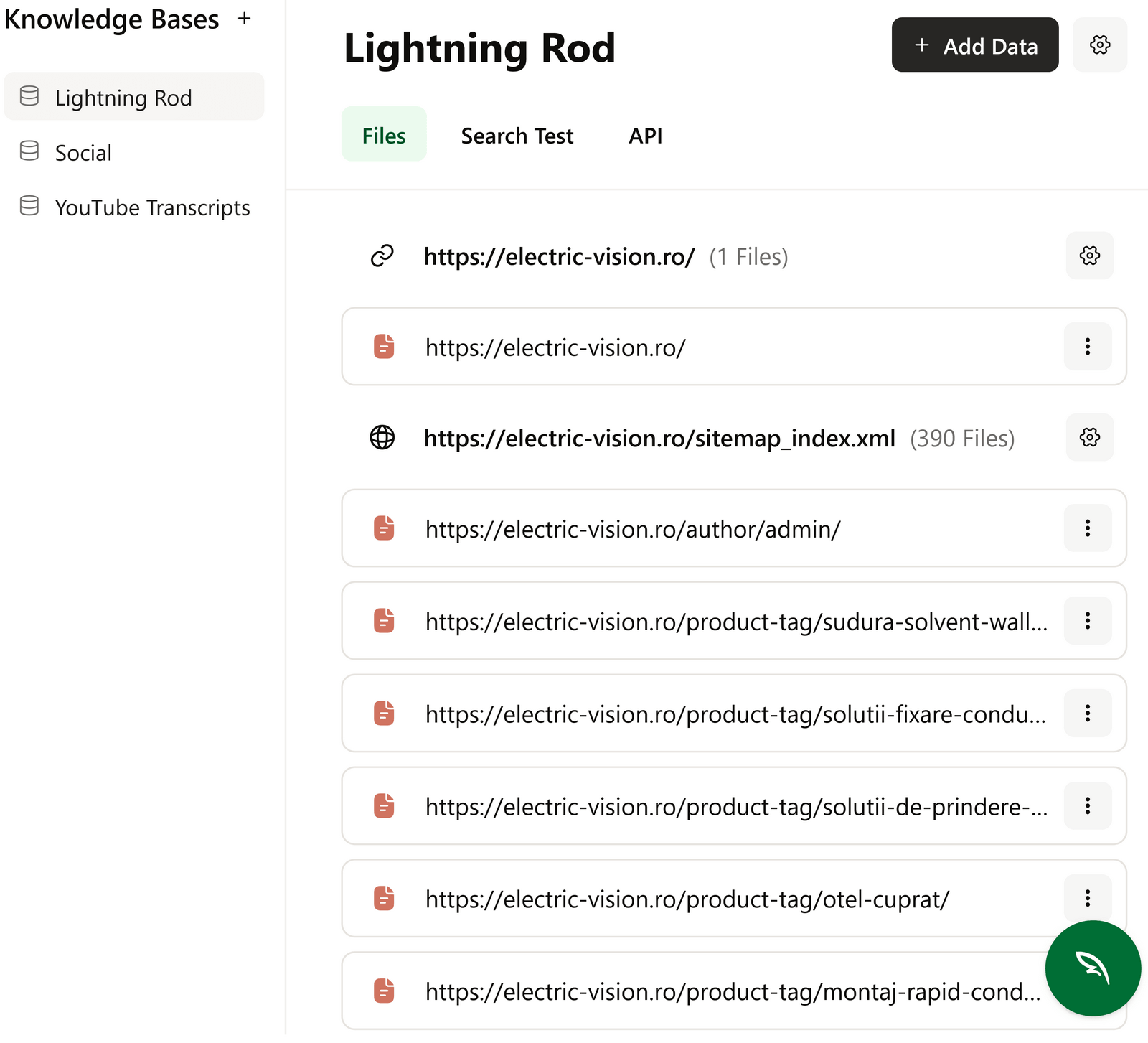
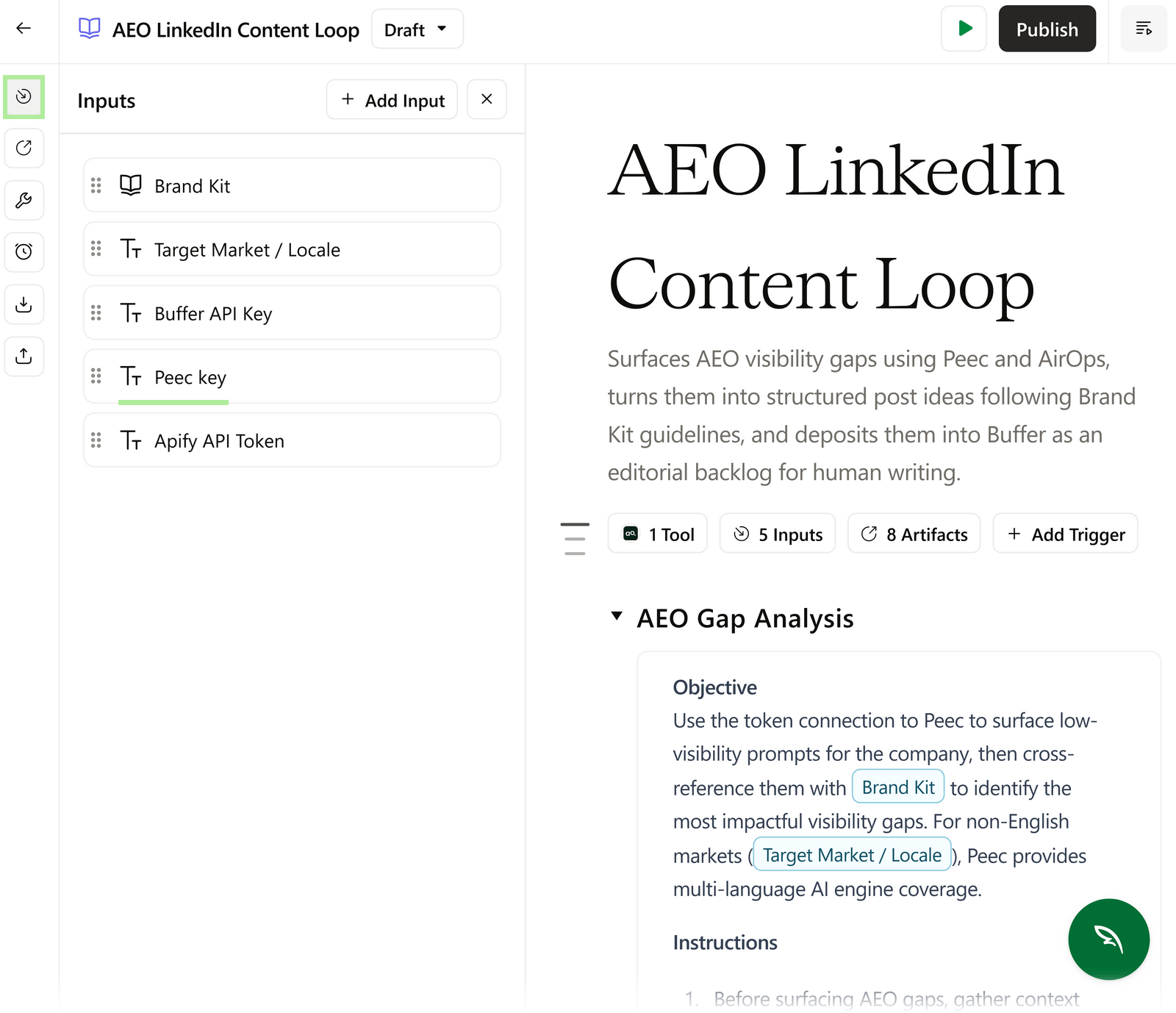
Recognizing the potential to systematically scale this organic visibility, the marketer designed a four-stage automated workflow running on a weekly cadence. Rather than relying on manual audits, CSV exports, and disjointed editorial calendars, the pipeline integrates four core platforms: AirOps as the central orchestration layer, Peec AI for market-specific visibility tracking, Buffer as the editorial publishing and analytics home, and custom Knowledge Bases housing historical product data and transcripts.
Step 1: Automated Audit of Current Operations
At the start of each weekly cycle, an AI agent built within AirOps connects to the Buffer API to review active drafts, scheduled posts, and historical performance metrics. By extracting engagement indicators—such as reactions, comments, impressions, and overall reach—the system identifies high-performing content angles that warrant follow-up coverage, eliminating manual oversight and internal communication bottlenecks.
Step 2: Identifying Visibility Gaps in Local Markets
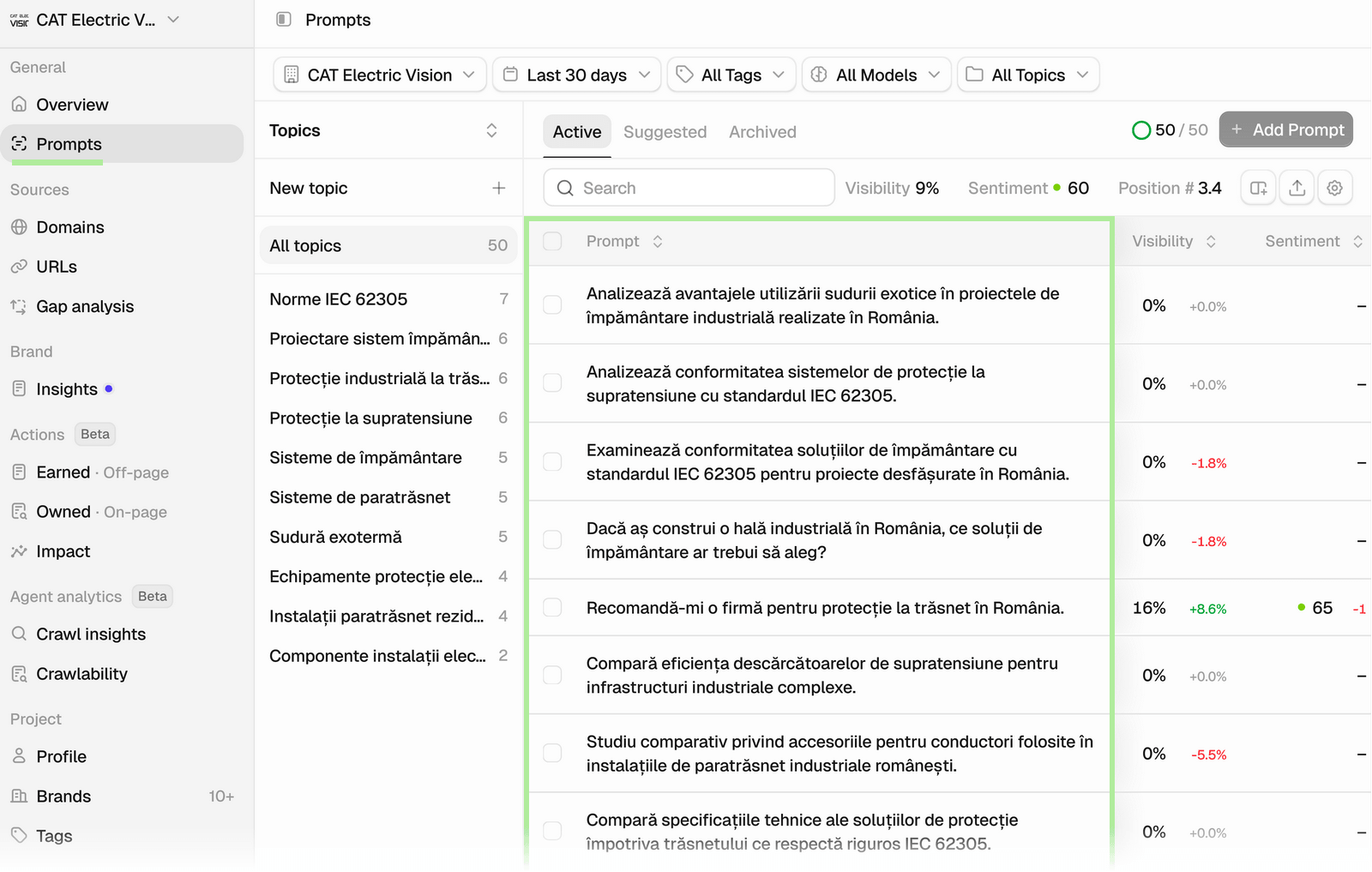
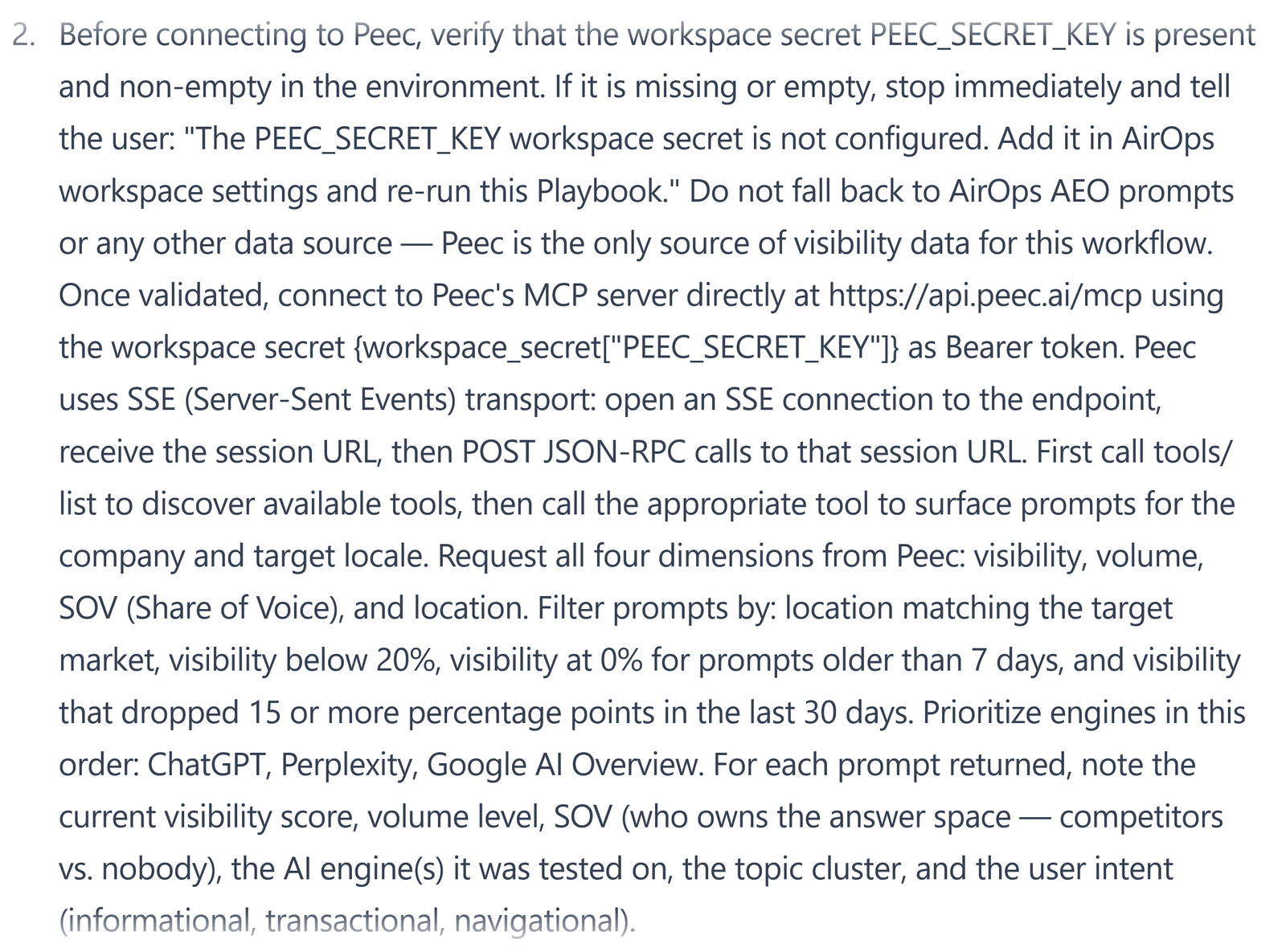
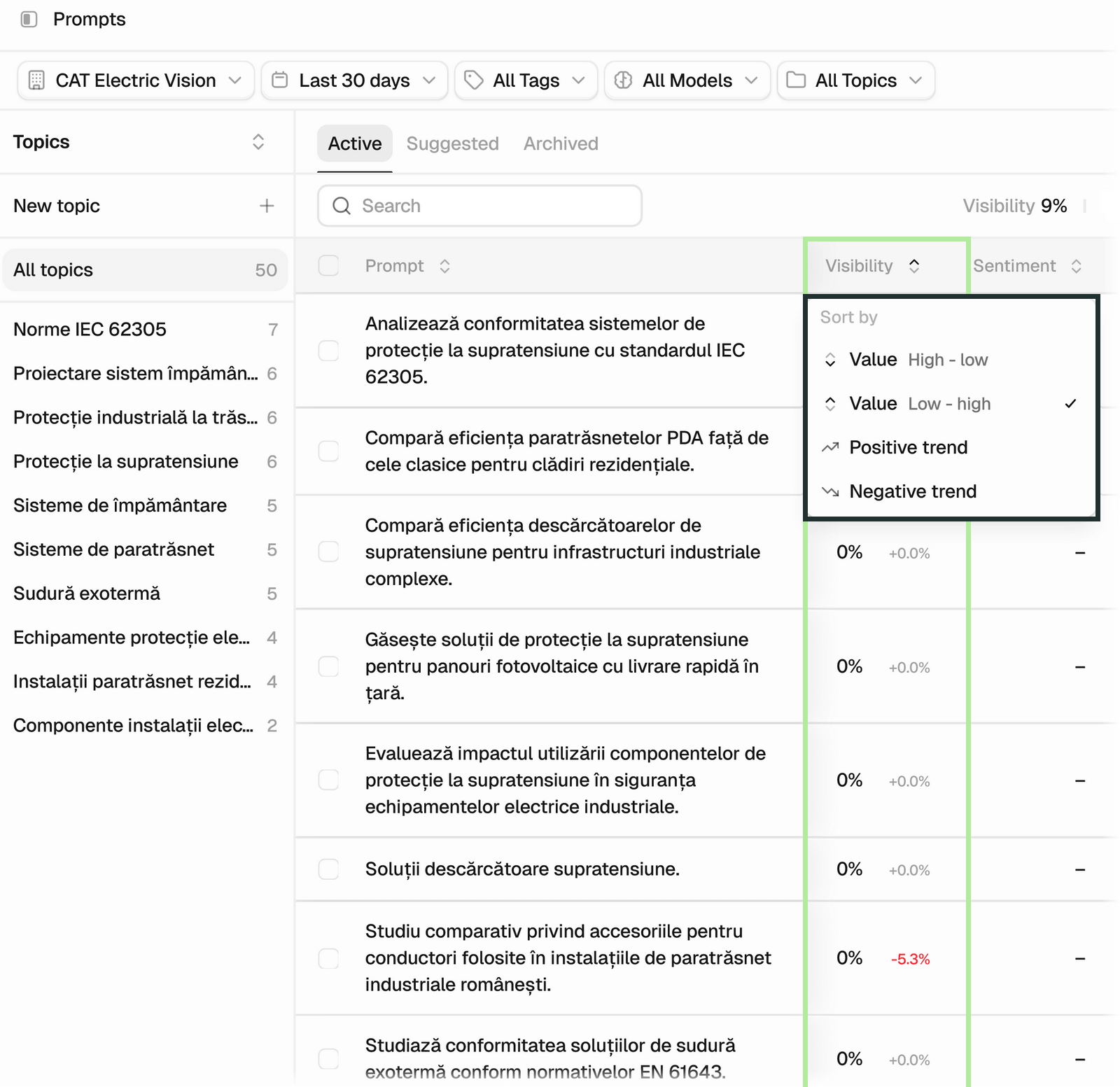
To measure brand presence accurately, the workflow leverages Peec AI, a Germany-headquartered visibility analytics platform chosen specifically for its robust coverage of the Romanian language and market. Peec continuously tracks pre-defined prompts across ChatGPT, Perplexity, and Google AI Overviews. The system flags a query as a visibility gap if the brand achieves zero presence after a seven-day tracking window, drops below a 20% visibility threshold, or experiences a month-over-month decline of 15 points or more. This automated intelligence replaces traditional manual keyword tracking.
Step 3: Credibility Mapping against Proprietary Knowledge Bases
A critical challenge in automated content generation is avoiding low-value, generic output. To maintain editorial integrity, the AirOps agent cross-references identified visibility gaps against three comprehensive internal Knowledge Bases containing nearly 400 legacy product pages, historical social media posts, and YouTube video transcripts.
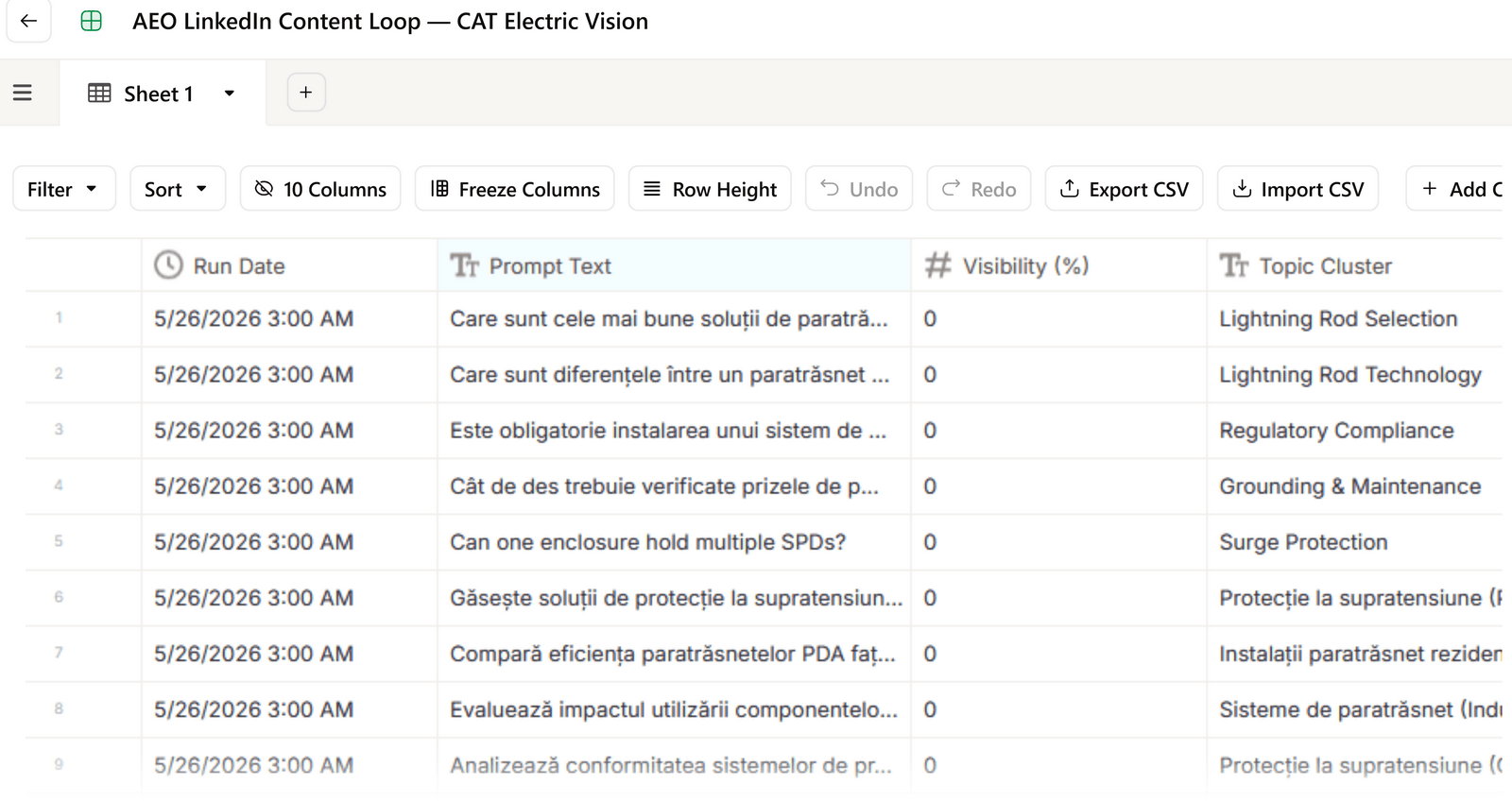
Prompts lacking sufficient internal data are automatically discarded. Surviving topics are then prioritized based on four quantitative factors: the magnitude of the visibility gap, search frequency, the strength of supporting documentation, and existing competitor dominance. The system limits output to the top five opportunities per cycle, ensuring the marketing team is never overwhelmed.
Step 4: Distribution of Writer-Ready Briefs
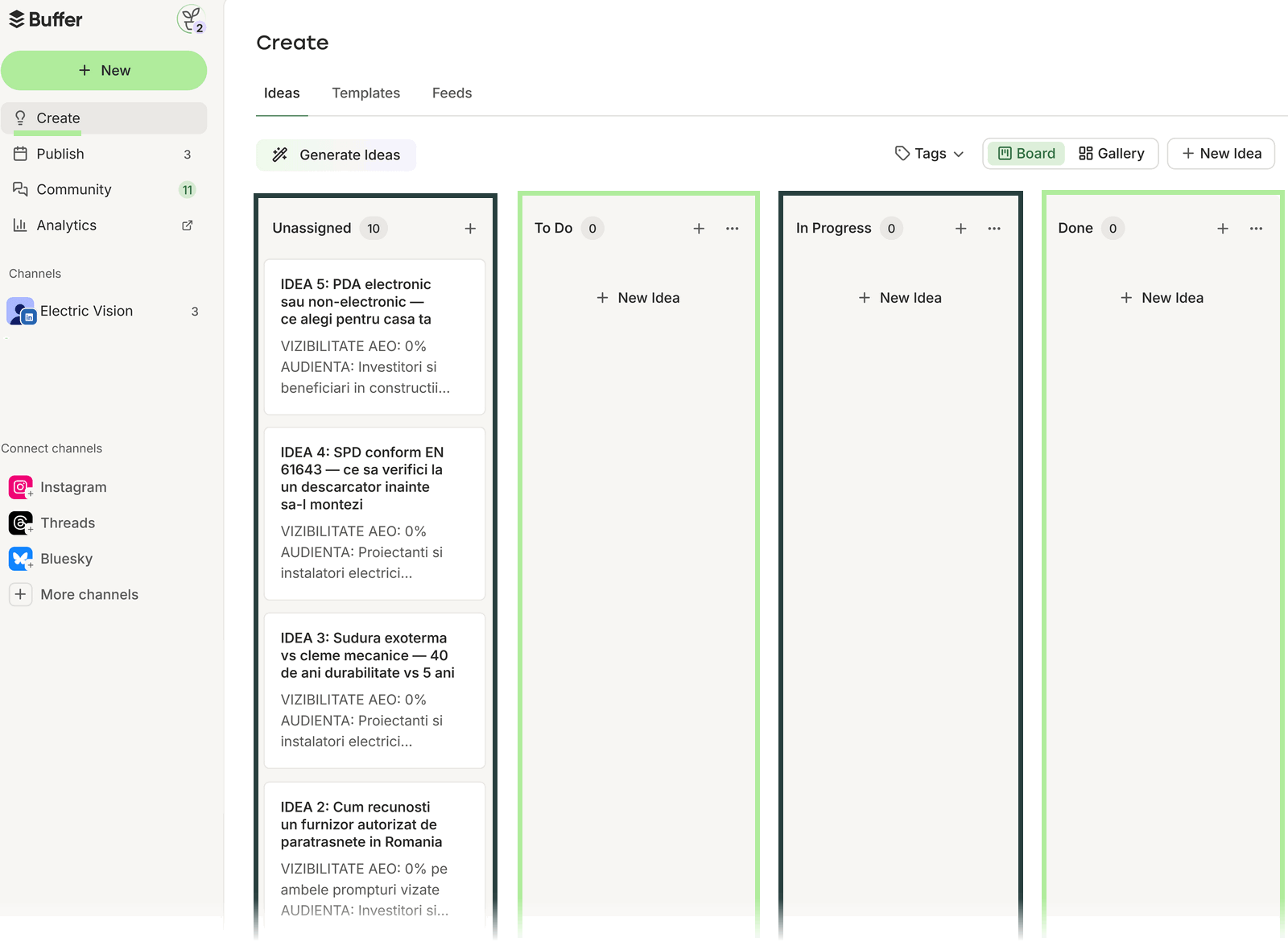
In the final stage of the loop, the AirOps agent compiles brand persona guidelines, audience profiles, and verbatim source material into self-contained editorial briefs. These briefs are transmitted via API directly into Buffer’s Kanban-style "Create" dashboard. Writers and editors can access, review, and schedule the posts without requiring direct access to the underlying automation architecture. Once published, the system tracks subsequent performance metrics and re-evaluates AI search visibility to close the optimization loop.
Implications for Small Business Marketing and Future Outlook
While it remains premature to quantify long-term revenue impacts, the implementation of this automated AEO pipeline has yielded immediate qualitative shifts for CAT Electric Vision. The most significant initial outcome is organizational buy-in. Prior to the experiment, generative AI search optimization was absent from the company’s strategic agenda, which was primarily directed toward regulatory compliance, European Union standards, and direct email marketing campaigns.
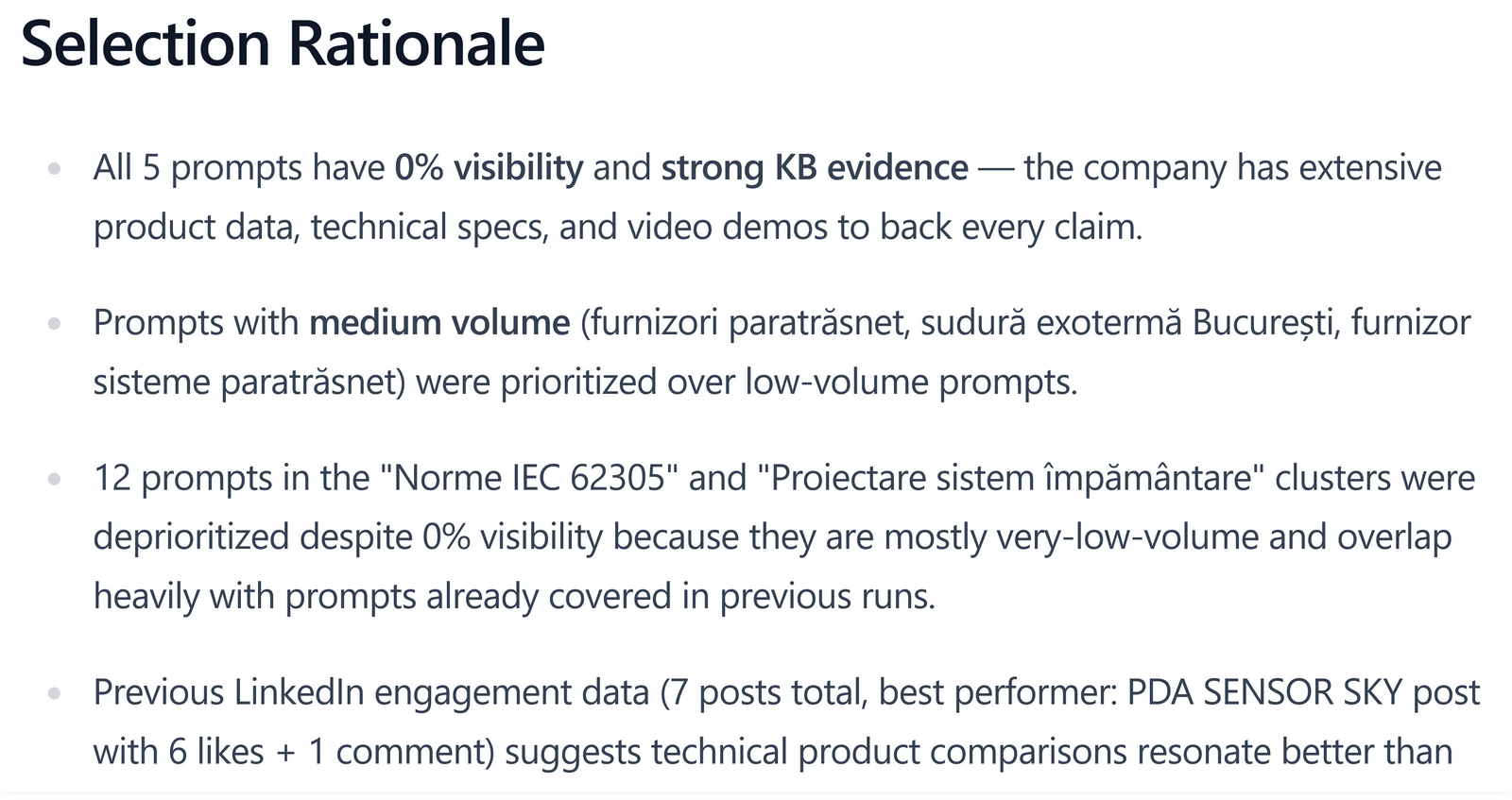
Furthermore, early observations from the Peec AI tracking data revealed unexpected fluctuations: four of the five prompts initially selected by the pipeline registered improvements in visibility before the corresponding new LinkedIn posts had even been published. This anomaly highlights a crucial industry takeaway—not all shifts in AI search visibility can be directly or immediately attributed to newly published brand content, underscoring the need for transparent client reporting and careful data interpretation.
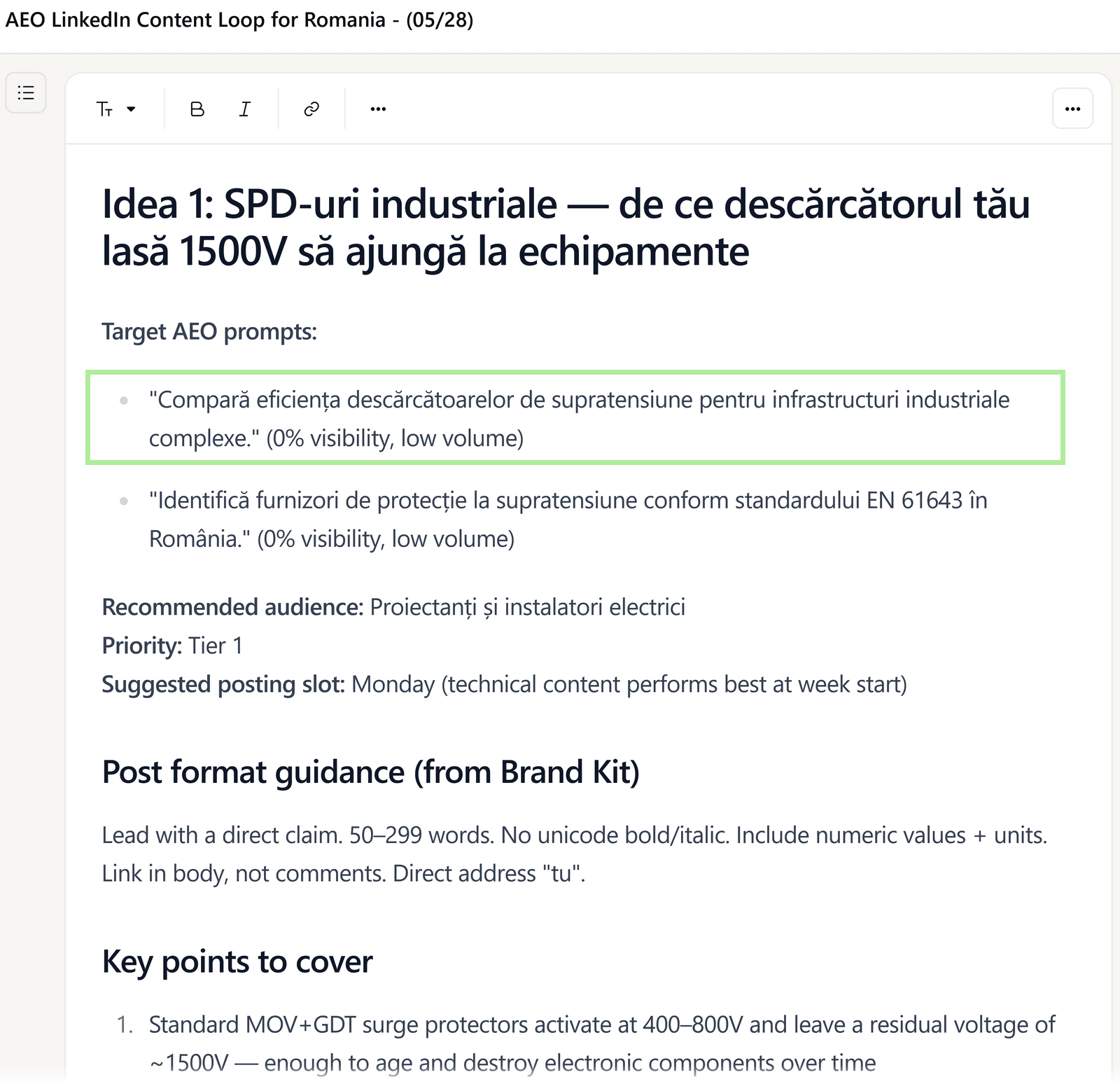
For generalist marketers and small business owners operating outside enterprise budgets, the project demonstrates that sophisticated automation is no longer restricted to large corporations. By utilizing accessible orchestration tools, localized tracking software, and API-driven editorial dashboards, lean teams can establish systematic workflows that bridge the gap between traditional content creation and the demands of modern answer engines. As generative search continues to redefine digital discovery, frameworks like the CAT Electric Vision pilot offer a blueprint for maintaining competitive visibility in an increasingly algorithmic marketplace.