Mastering Meta’s Ad Specifications: A Strategic Imperative for Digital Marketers in an Evolving Landscape


The intricate world of digital advertising on Meta platforms demands meticulous attention to detail, particularly concerning ad sizes and specifications. These seemingly technical guidelines are, in fact, foundational elements of effective campaign strategy, directly influencing ad performance, user engagement, and return on investment for businesses worldwide. In an ecosystem where visual content reigns supreme and user attention is a premium commodity, aligning creative assets with Meta’s precise requirements is not merely a best practice but a strategic imperative. This comprehensive guide delves into the current landscape of Meta ad specifications, their underlying rationale, and the broader implications for advertisers seeking to maximize their reach and impact.

The Evolving Digital Canvas: Meta’s Diverse Placements and Their Demands
Meta, the parent company encompassing Facebook, Instagram, Messenger, and its Audience Network, offers advertisers an unparalleled reach across a diverse array of placements. Each placement, from the ubiquitous Facebook Feed to the immersive Reels and Stories, is designed to deliver content in a specific format that resonates with user behavior on that particular surface. This fragmentation necessitates a nuanced understanding of creative specifications to ensure optimal display and engagement. The platform’s ongoing evolution, marked by a significant shift towards mobile-first consumption and the proliferation of video content, continuously reshapes these requirements. For instance, data from Statista reveals that a staggering 81.8% of Facebook users access the platform exclusively via mobile devices, underscoring the critical importance of mobile-optimized ad formats.

A quick overview of popular Meta ad sizes and specifications reveals the breadth of formats required:
| Placement | Recommended Size (px) | Aspect Ratio | File Types | Max File Size |
|---|---|---|---|---|
| Feed (image) | 1440 x 1440 or 1440 x 1800 | 1:1 or 4:5 | PNG, JPG | 30MB |
| Feed (video) | 1440 x 1440 or 1440 x 1800 | 1:1 or 4:5 | MP4, MOV, GIF | 4GB |
| Carousel | 1080 x 1080 or larger | 1:1 (or 4:5 for Advantage+ catalog only) | PNG, JPG, MP4, MOV, GIF | 30MB (image), 4GB (video) |
| Stories | 1440 x 2560 | 9:16 | PNG, JPG, MP4, MOV, GIF | 30MB (image), 4GB (video) |
| Reels (image overlay) | 1080 x 1080 or larger | 1.91:1 to 1:1 | PNG, JPG | 30MB |
| Reels (video) | 1440 x 2560 | 9:16 | MP4, MOV, GIF | 4GB |
| In-stream video | 1080 x 1080 or larger | 16:9 or 1:1 | MP4, MOV, GIF | 4GB |
| Marketplace | 1080 x 1080 or larger | 1:1 | PNG, JPG | 30MB |
| Right column | 1080 x 1080 or larger | 1:1 | PNG, JPG | 30MB |
| Search results | 1080 x 1080 or larger | 1:1 | PNG, JPG, MP4, MOV, GIF | 30MB (image), 4GB (video) |
| Business Explore | 1080 x 1080 or larger | 1.91:1 to 1:1 | PNG, JPG, MP4, MOV, GIF | 30MB (image), 4GB (video) |
| Collection | 1080 x 1080 or larger | 1:1 or 9:16 | PNG, JPG, MP4, MOV, GIF | 30MB (image), 4GB (video) |
| Audience Network banner | 320 x 50 | Banner | PNG, JPG | 30MB |
| Audience Network interstitial | 320 x 480 or 480 x 320 | 9:16 or 16:9 | PNG, JPG, MP4, MOV | 30MB (image), 4GB (video) |
Deep Dive into Key Ad Placements and Their Strategic Significance
Facebook Feed Ads: The Scroll-Stopping Powerhouse
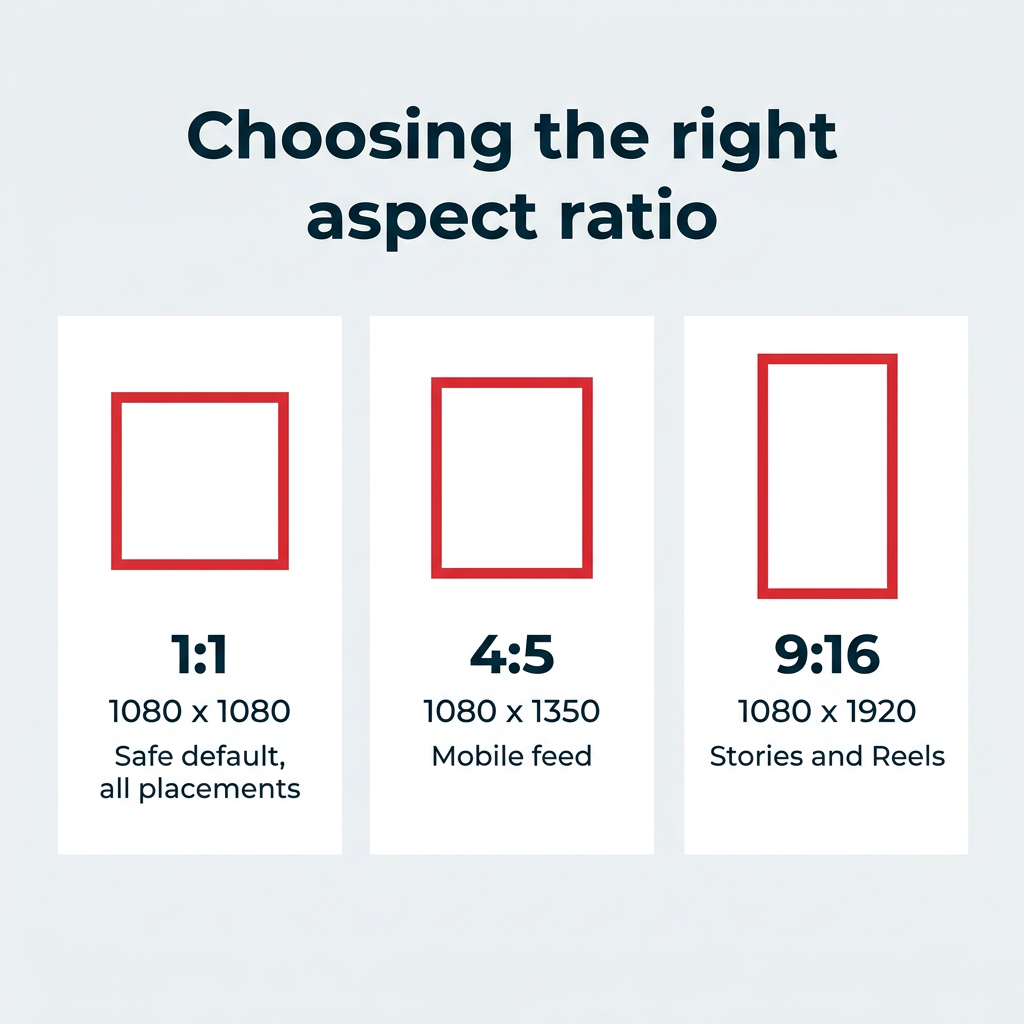
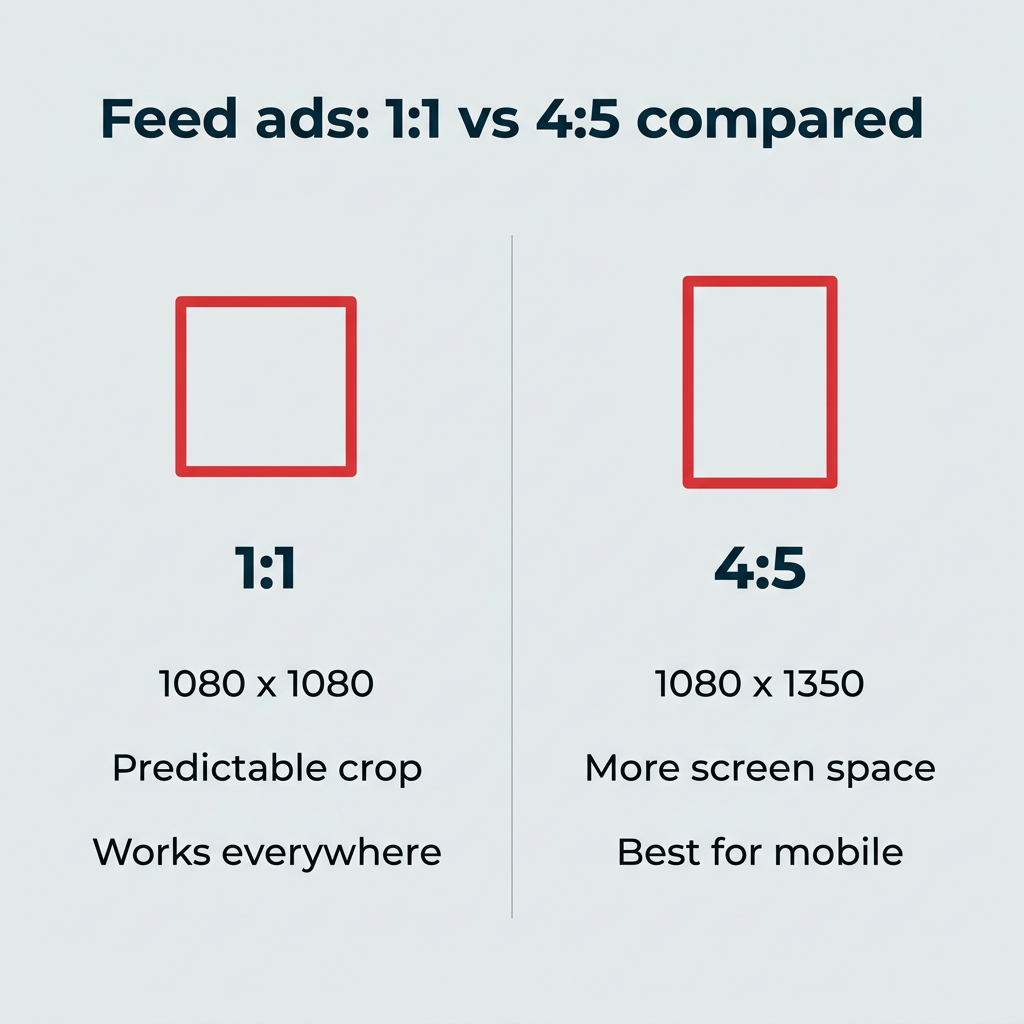
The Facebook News Feed remains a primary battleground for advertisers. Available for both images and videos, feed ads demand visuals that capture attention amidst a torrent of organic content. The recommended sizes of 1440 x 1440 (1:1 aspect ratio) or 1440 x 1800 (4:5 aspect ratio) highlight a strategic choice for marketers. While 1:1 offers universal compatibility, the 4:5 aspect ratio for mobile feeds is often preferred due to its ability to occupy more screen real estate. This expanded vertical presence effectively pushes competing content out of view, maximizing visibility and potentially enhancing engagement rates. This slight difference in aspect ratio can yield significant performance gains, as confirmed through A/B testing in paid ad analytics, particularly given the mobile dominance. Video ads in the feed share similar size recommendations, supporting MP4, MOV, and GIF formats up to 4GB, emphasizing high-quality, engaging motion graphics.
Carousel and Collection Ads: Storytelling and E-commerce Engines
Carousel ads, allowing advertisers to showcase between two and ten images or videos, each with a distinct link, are highly versatile. Their 1:1 aspect ratio (1080 x 1080 pixels or larger) ensures consistent display across feeds, Stories, and Reels. This format is a powerful tool for sequential storytelling, highlighting product variations, or presenting a comprehensive service offering.
A more specialized, yet equally impactful, format is the Collection ad. Primarily designed for e-commerce, these ads leverage an advertiser’s product catalog (often synced from platforms like Shopify or WooCommerce) to dynamically generate conversion-focused advertisements. When users tap on a product within a mobile Collection ad, they are seamlessly directed to an "Instant Experience," essentially a mini-storefront within Facebook. This frictionless journey from discovery to potential purchase is crucial for reducing bounce rates and improving conversion funnels. On desktop, Collection ads function similarly to carousel ads, directing users to product pages on the advertiser’s website. The ability to integrate product catalogs and create shoppable experiences underlines Meta’s commitment to facilitating direct sales within its ecosystem.
Stories and Reels: The Vertical Video Revolution
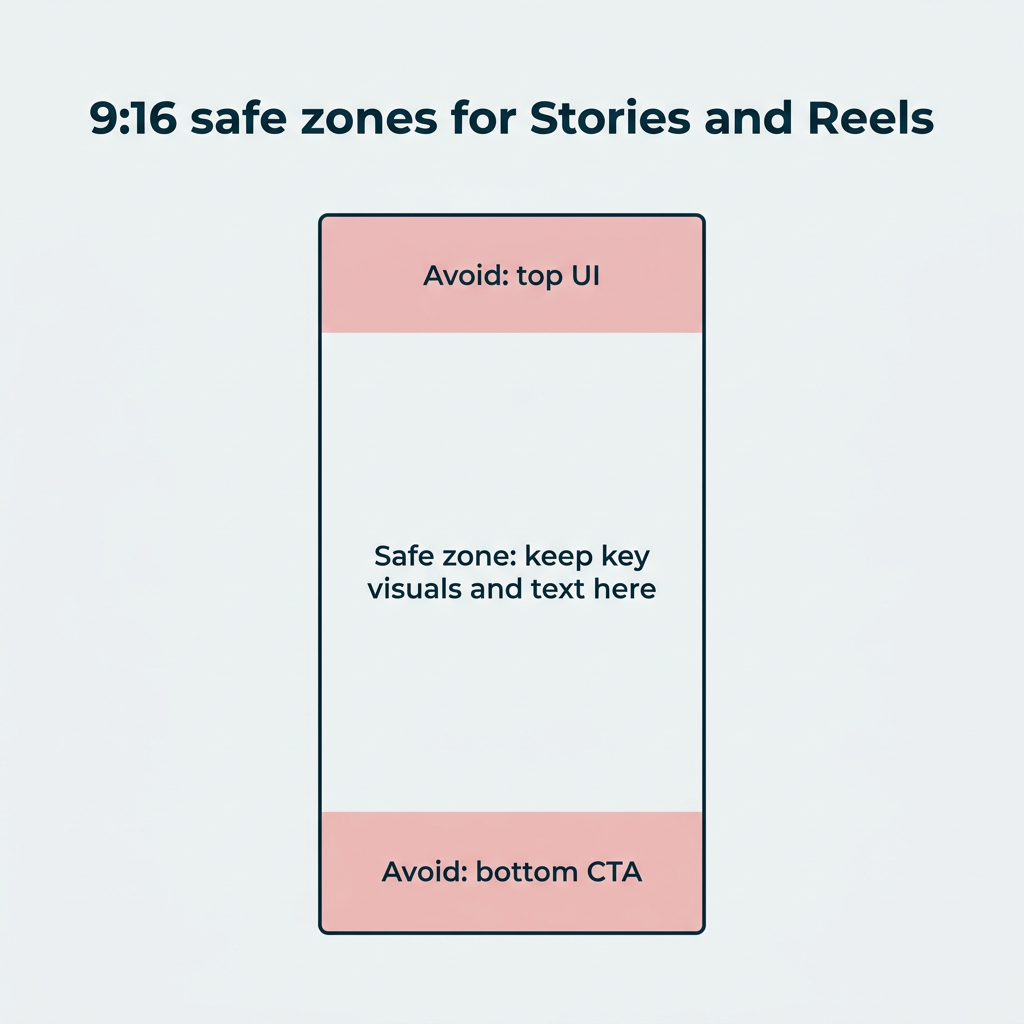
The meteoric rise of vertical video content, spearheaded by formats like Stories and Reels, has fundamentally altered content consumption patterns. Meta’s Stories and Reels ads capitalize on this trend, demanding a 9:16 aspect ratio (1440 x 2560 pixels). These full-screen, immersive experiences are designed for rapid consumption. A critical consideration for these placements is the "safe zone" – the central 1080 x 1420 pixel area where key visuals and call-to-action buttons must reside to avoid being obscured by user interface elements at the top and bottom of the screen. Video Story ads play for 10 seconds, while image Story ads display for five seconds. Reels ads, which can be organic Reels promoted or custom ad-specific creations, allow for a call-to-action button, transforming casual viewing into actionable engagement. Image overlay ads within Reels offer a less intrusive option, appearing at the bottom of an organic Reel, reinforcing the brand message without interrupting the primary content. The prevalence of these formats means that marketers must invest in vertical video production and design to effectively reach audiences increasingly engaged with short-form, full-screen content.
Niche Placements: Targeted Reach Beyond the Feed
Beyond the primary placements, Meta offers several specialized ad formats that cater to specific user behaviors and advertising objectives:

- In-stream Video Ads: These ads "pop in" during other video content, including live streams. Available in 16:9 or 1:1 aspect ratios (1080 x 1080 or larger), they can be short, non-skippable interruptions or longer, skippable messages, providing advertisers with flexibility in how they integrate with organic video.
- Marketplace Ads: Predominantly image-based and displayed in the Marketplace tab, these ads are designed to capture users already in a buying mindset. They frequently leverage Meta’s Advantage+ placement algorithm to appear across the broader network, including the feed, ensuring reach to potentially interested buyers.
- Right-Column Ads: A desktop-only format, these small image ads (1:1 aspect ratio, 1080 x 1080 or larger) are best for driving traffic or brand awareness. Due to their compact size, Meta advises against embedding text within the image itself, prioritizing clear, impactful visuals.
- Search Results Ads: Appearing directly on Facebook’s search results page, these ads are highly effective for intent-based marketing. If a user searches for "planner," an ad from a planner company is highly relevant and likely to generate clicks. Supporting both images and videos (1:1 aspect ratio), these ads offer a direct path to users actively seeking related products or services.
- Business Explore Ads: Mobile-only, these ads appear when a user taps on an organic business post and scrolls to an "Explore more" section. They blend organic and paid content from similar businesses, offering a contextual discovery opportunity.
- Audience Network Ads: Extending reach beyond Meta’s core platforms, the Audience Network places ads on third-party apps and websites. These include banner ads (320 x 50) and interstitial ads (320 x 480 or 480 x 320), requiring distinct creative approaches for effective integration into external digital environments.
The Implications of Adherence: Performance, User Experience, and Brand Perception
The strict adherence to Meta’s advertising guidelines and specifications is not merely a bureaucratic hurdle; it is a critical determinant of campaign success. Incorrectly sized or formatted assets can lead to a host of problems:
- Poor User Experience: Ads that are cropped awkwardly, appear pixelated, or load slowly due to excessive file size degrade the user experience. This can lead to negative sentiment towards the brand and decreased engagement.
- Reduced Ad Performance: Meta’s algorithms prioritize ads that conform to specifications, as they are more likely to perform well and offer a seamless experience. Non-compliant ads may suffer from reduced reach, higher costs per impression, and lower conversion rates. Dynamic creative optimization tools within Meta’s ad ecosystem often rely on correctly formatted assets to automatically adjust and deliver the best-performing variations.
- Wasted Ad Spend: Funds allocated to poorly optimized ads yield suboptimal results, representing a direct financial inefficiency for advertisers.
- Brand Image: Consistently delivering polished, professional ads reinforces a positive brand image, while shoddy creative reflects poorly on the brand.
While Meta has relaxed the "20% text rule" (which previously penalized images with too much overlaid text), the underlying principle remains: ads with less text on the image tend to perform better and receive broader delivery. This underscores the power of strong visuals and concise messaging.
Digital marketing experts widely underscore the necessity of precision in creative asset management. "In a platform as visually driven and algorithmically complex as Meta, every pixel and every frame counts," states a leading industry analyst. "Marketers who invest in creating tailored, spec-compliant assets for each placement aren’t just meeting requirements; they’re optimizing for engagement and maximizing their competitive edge."

Strategic Considerations for Marketers
Given the complexity, marketers must adopt a strategic approach to creative development:

- Prioritize Mobile: With the vast majority of users on mobile, all creative assets must be designed with mobile viewing in mind, especially for aspect ratios like 4:5 for feeds and 9:16 for vertical video.
- Embrace Video: The dominance of video across Meta platforms, particularly in Stories and Reels, necessitates a robust video content strategy.
- Leverage Advantage+ Placements: Meta’s AI-driven Advantage+ placements automatically distribute ads across various Meta properties to optimize performance. While convenient, this feature highlights the need for versatile creative assets that can adapt to different contexts without losing integrity. The 1:1 aspect ratio (1080 x 1080 pixels) often serves as a safe default for broad compatibility across multiple placements, minimizing cropping issues.
- Invest in Creative Tools: Utilizing social media management platforms like Hootsuite can streamline the process of scheduling, publishing, and managing diverse ad creatives across Meta’s varied placements, ensuring compliance and optimizing workflows.
- Continuous Monitoring and Adaptation: Meta’s platform is dynamic. Marketers must continuously monitor performance analytics, stay abreast of platform updates, and adapt their creative strategies accordingly to maintain efficacy.
In conclusion, mastering Meta’s ad specifications transcends mere technical compliance; it is a strategic imperative that directly impacts an advertiser’s ability to connect with audiences, drive engagement, and achieve business objectives in the highly competitive and ever-evolving digital landscape. By understanding the nuances of each placement and diligently adhering to the recommended guidelines, marketers can ensure their campaigns are not just visible, but truly impactful.