The Algorithmic Heartbeat: Decoding Customer Emotion with Advanced Sentiment Analysis Tools

Just as non-verbal cues convey critical information in human interaction, the language customers use online is imbued with a wealth of emotion. Decoding these sentiments to truly understand public perception of a brand, product, or campaign is the essence of sentiment analysis. In an increasingly digital world, where conversations span myriad platforms and occur in real-time, the sheer volume of text data renders manual interpretation impossible. This necessitates sophisticated sentiment analysis tools, leveraging artificial intelligence, to transform an ocean of unstructured data into actionable insights, providing businesses with an unprecedented window into the collective emotional landscape of their audience.
The Rise of Sentiment Analysis: A Digital Imperative

The proliferation of digital communication channels, from social media platforms and online review sites to forums and instant messaging, has created an unparalleled volume of unstructured text data. Every day, billions of posts, comments, reviews, and messages are generated, each containing nuanced opinions and emotional expressions about products, services, and brands. Manually sifting through this deluge to gauge public sentiment is a monumental, if not impossible, task for any human team. This challenge has propelled sentiment analysis, also known as opinion mining, from a niche academic pursuit to a critical business intelligence function. Analysts project the global sentiment analysis market to continue its robust growth, driven by the increasing need for businesses to understand customer feedback at scale and in real-time. This growth underscores the imperative for companies to adopt automated solutions to stay competitive and responsive in a dynamic digital marketplace.
Understanding the Mechanics: AI and NLP at Work
At its core, a sentiment analysis tool is a software solution that harnesses artificial intelligence (AI) to detect and interpret emotions within text data. These tools are built upon the foundations of natural language processing (NLP), a subfield of AI focused on enabling computers to understand, interpret, and generate human language. NLP algorithms allow sentiment analysis software to go beyond keyword spotting, delving into the context, grammar, and even slang used in social media posts, customer reviews, and feedback.
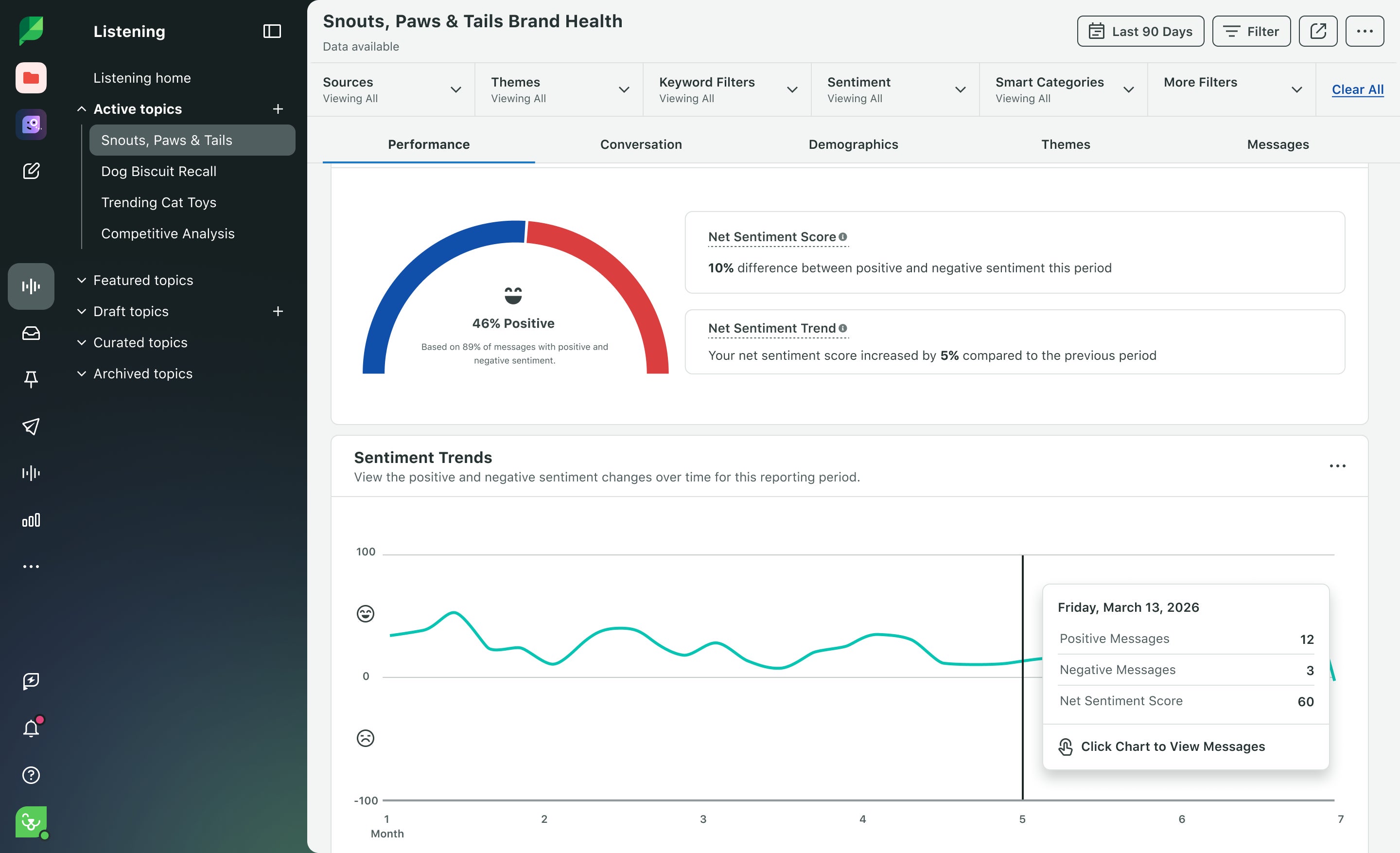
Behind the scenes, sophisticated algorithms and machine learning models are trained on vast datasets of human-annotated text. These models learn to categorize language based on several critical dimensions: tone (e.g., formal, informal), emotional intent (e.g., joy, anger, surprise), and sentiment polarity (positive, negative, or neutral). Advanced deep learning techniques, such as recurrent neural networks (RNNs) and transformers, enable these tools to grasp complex linguistic patterns, including sarcasm, irony, and implied meanings, which have historically posed significant challenges for automated systems. This capability allows brands to gain a nuanced understanding of how individuals genuinely feel about their products, services, or marketing campaigns, far beyond a simple thumbs up or down.
Beyond Polarity: Nuance and Depth in Sentiment Detection
While the fundamental task of sentiment analysis involves classifying text as positive, negative, or neutral, modern tools offer far greater depth. The challenge lies in the inherent complexity of human language. A phrase like "Thanks a lot" can convey genuine gratitude or cutting sarcasm, depending entirely on context and tone, which are difficult for machines to discern. Irony, cultural idioms, and domain-specific jargon further complicate accurate interpretation. Moreover, a single message can contain multiple sentiments or express mixed emotions about different aspects of a product or service.
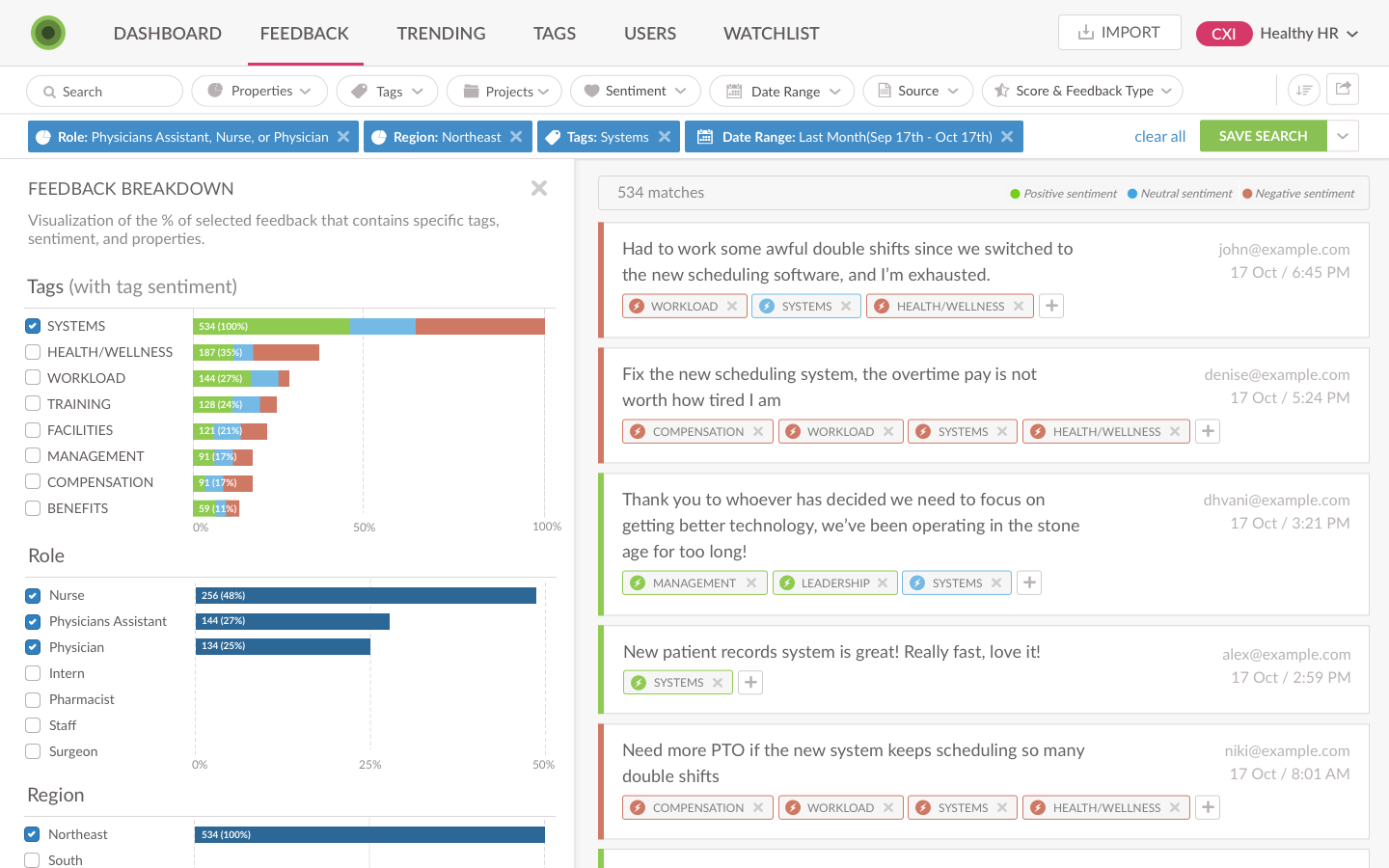
To overcome these hurdles, leading sentiment analysis platforms incorporate advanced features:
- Aspect-Based Sentiment Analysis: This capability allows tools to identify the sentiment associated with specific entities or attributes within a text. For example, a review might be negative about a product’s battery life but positive about its camera quality.
- Emotion Detection: Moving beyond simple polarity, some tools can identify specific emotions like joy, sadness, anger, fear, surprise, and disgust, offering a richer emotional profile of customer feedback.
- Multilingual Analysis: With global markets, the ability to accurately analyze sentiment across multiple languages is crucial, often leveraging advanced neural machine translation.
- Emoji and Slang Interpretation: Social media communication heavily relies on emojis, acronyms, and slang. Advanced tools are continuously updated to understand these evolving linguistic elements.
- Contextual Understanding: Leveraging sophisticated NLP, these tools can better understand the surrounding words and phrases to disambiguate meaning and accurately assign sentiment.
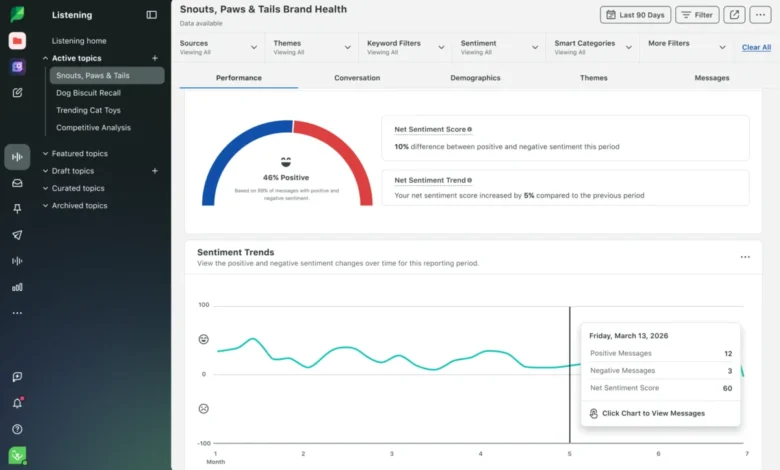
By combining these capabilities, social sentiment analysis tools can calculate an average sentiment score for a brand or topic, track its evolution over time, and even benchmark it against competitors, providing a comprehensive "health check" of brand perception.
Strategic Imperatives: Why Brands Cannot Afford to Ignore Sentiment

Sentiment analysis tools transform raw, unstructured text into actionable datasets, enabling businesses to quickly spot patterns in how people perceive their brand and what drives these reactions. This provides a direct pipeline to consumer psychology, driving smarter strategies across various business functions.
-
Real-time Decision Making: In the fast-paced digital environment, timing is critical. Sentiment analysis provides real-time emotional cues, allowing brands to act decisively before a minor issue escalates into a public relations crisis or a fleeting positive trend passes unnoticed. If a product update causes confusion, or a marketing campaign sparks unexpected enthusiasm, sentiment data offers early warning signals to pivot strategies, address concerns, or amplify positive momentum. The Chicago Bulls, for instance, utilize sentiment analysis to understand their fans’ emotional engagement, enabling their marketing team to jump into discussions with relevant and timely contributions, fostering deeper connections and maintaining brand relevance.
-
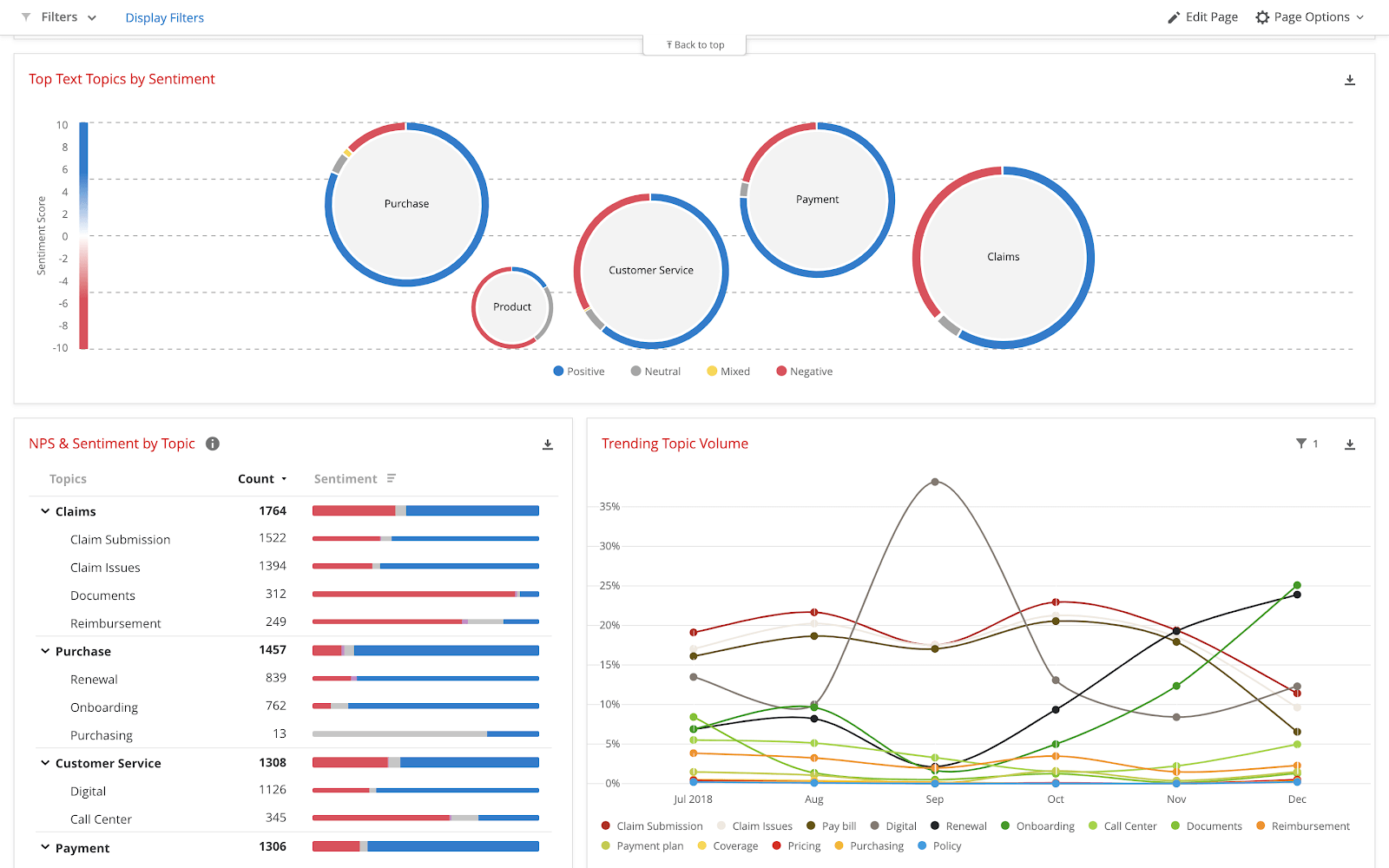
Enhancing Customer Experience: Sentiment analysis software delves deeper than basic star ratings or isolated complaints, revealing collective sentiment patterns. By classifying text into specific topics, emotions, and sentiment scores, businesses can pinpoint recurring issues, ineffective touchpoints in the customer journey, or consistently positive experiences. This granular insight allows for prioritized improvements, optimizing customer service protocols, personalizing interactions, and proactively addressing pain points, ultimately fostering loyalty and satisfaction.
-
Shaping Product Development: Direct feedback from sentiment analysis is invaluable for product teams. It highlights features customers love, identifies common frustrations, and even uncovers unmet needs. This insight provides a data-driven roadmap for product enhancements, new feature development, and innovation, ensuring that product evolution is aligned with genuine customer desires and market demands.
-
Fortifying Brand Reputation: Brand sentiment serves as a direct indicator of public perception. Tracking its evolution reveals shifts in audience trust and uncovers emotional patterns that shape reputation. Understanding these trends allows brands to proactively manage their image, respond to negative feedback constructively, and capitalize on positive narratives. This adds crucial emotional context to market research, transforming qualitative data into actionable customer insights.
-
Gaining Competitive Advantage: Beyond internal brand health, sentiment analysis allows companies to monitor how competitors are perceived in the market. By analyzing sentiment around rival products, services, and campaigns, businesses can identify gaps in the market, learn from competitors’ successes and failures, and refine their own strategies to gain a competitive edge.
Key Functionalities of Modern Sentiment Analysis Platforms
Effective sentiment analysis tools offer a robust suite of capabilities designed to provide comprehensive insights:
- Data Aggregation: Ability to pull and consolidate text data from diverse sources, including social media platforms, review sites, news articles, forums, internal customer support tickets, emails, and surveys.
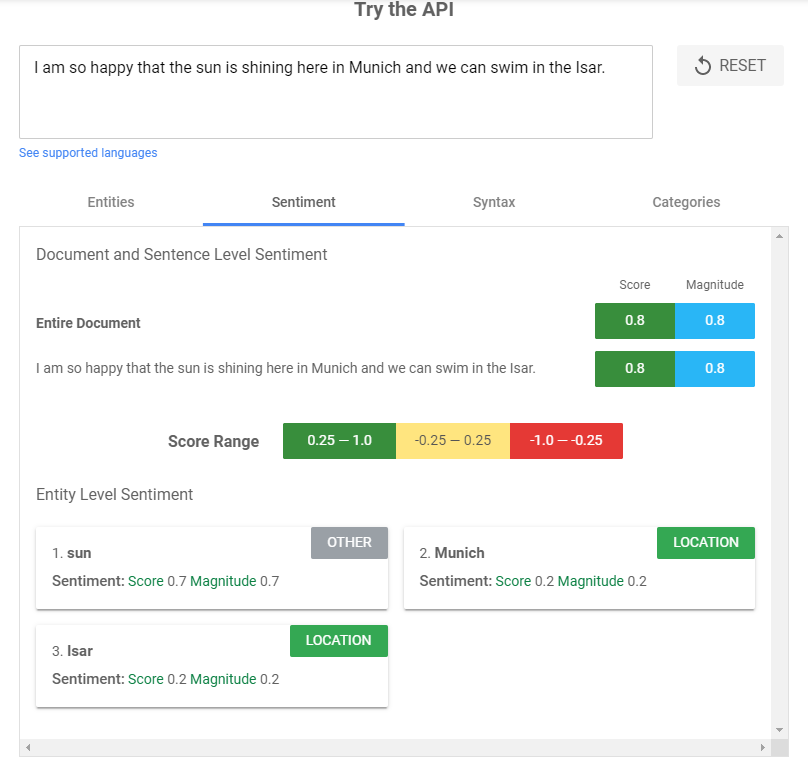
- Automated Sentiment Scoring: Automatically assigning a polarity score (positive, negative, neutral) and often an intensity score to each piece of text.
- Topic and Entity Extraction: Identifying key themes, topics, and named entities (e.g., product names, company names, people) within the text to provide context for sentiment.
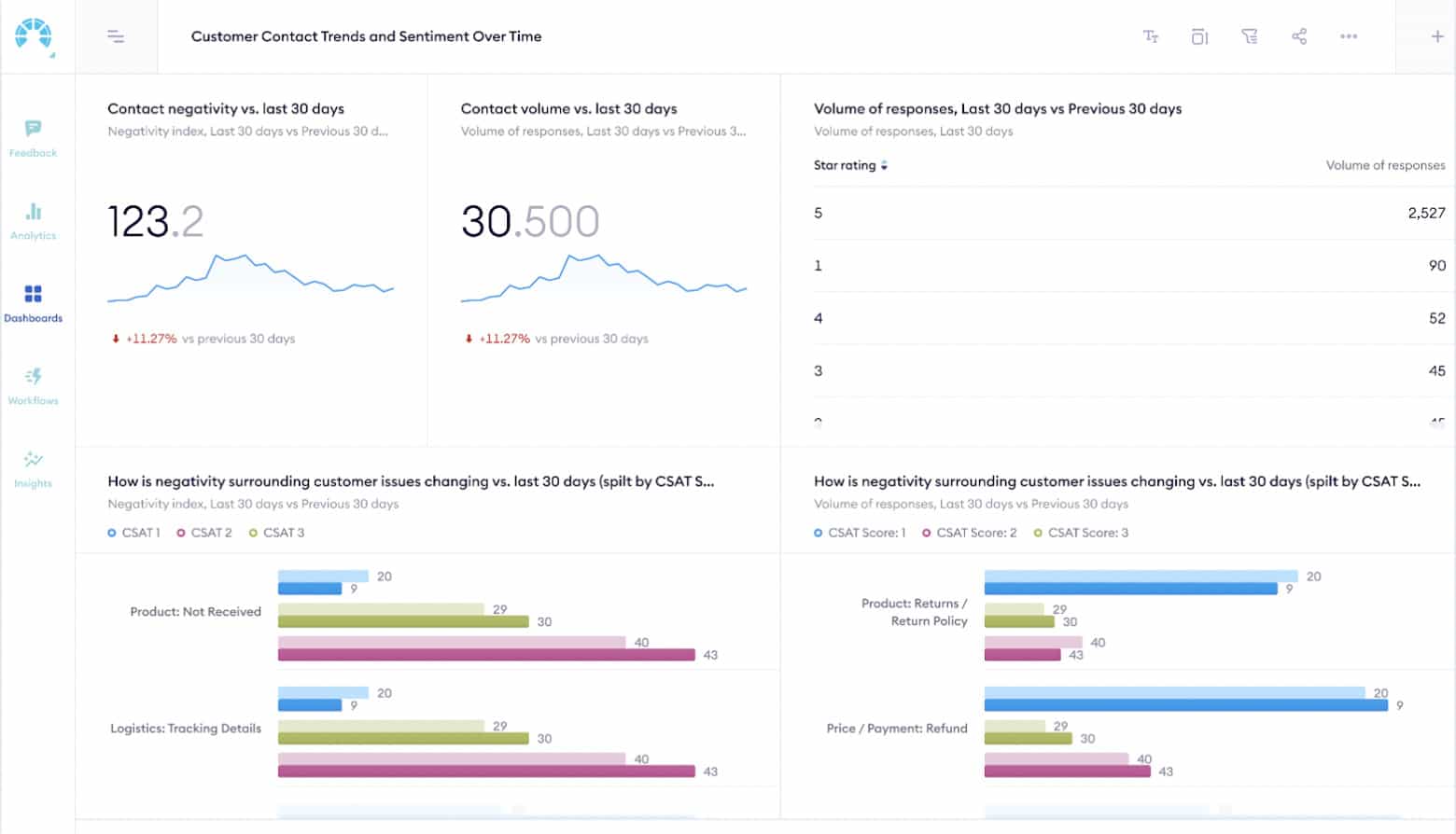
- Trend Analysis and Visualization: Tracking sentiment changes over time, identifying spikes or dips, and presenting these insights through intuitive dashboards and graphs.
- Alerts and Notifications: Setting up automated alerts for significant shifts in sentiment, particularly negative spikes, to enable rapid response in crisis situations.
- Customizable Lexicons and Models: Allowing users to tailor the sentiment analysis engine to specific industry jargon, brand-specific terms, or unique contextual nuances to improve accuracy.
- Reporting and Analytics: Generating detailed reports that summarize sentiment data, highlight key insights, and support data-driven decision-making.
A Landscape of Innovation: Top Sentiment Analysis Tools for 2024 (and Beyond)

The market for sentiment analysis tools is diverse, offering solutions tailored to various business needs and scales. These platforms leverage proprietary AI technology, advanced machine learning models, and extensive data sources to provide deep insights.
Full-Stack Enterprise Solutions: These comprehensive platforms integrate sentiment analysis with broader customer experience management or social media management functionalities, pulling data from multiple sources to provide a unified view.
- Sprout Social: An all-in-one social media management solution, Sprout Social offers AI-powered listening and granular sentiment analysis across various platforms. Its capabilities include sentiment tracking across languages, real-time alerts, and integration with social monitoring to turn complex data into actionable customer insights.
- InMoment: A customer experience platform that uses AI to analyze text from surveys, social media, and voice interactions, aggregating feedback into a single source of truth to reveal intent and emotion.
- Medallia: Medallia’s experience management platform excels in collecting and analyzing real-time feedback from a multitude of sources—social media, surveys, reviews, SMS, emails, and voice—pinpointing sentiment in text, speech, and even video.
- Qualtrics (Text iQ): Part of the Qualtrics experience management platform, Text iQ leverages advanced NLP to analyze unstructured data from social media, surveys, and customer support. It categorizes feedback into themes, assigns sentiment scores, and supports multiple languages.
- Chattermill: A unified customer intelligence platform, Chattermill uses AI to analyze feedback from surveys, reviews, and support conversations, merging cross-channel data to provide a centralized view of brand sentiment and automatically detect emotional tone and classify responses by theme.
Social Media Focused Platforms: These tools specialize in monitoring and analyzing sentiment specifically within social media networks, evaluating metrics, posts, and audience commentary.
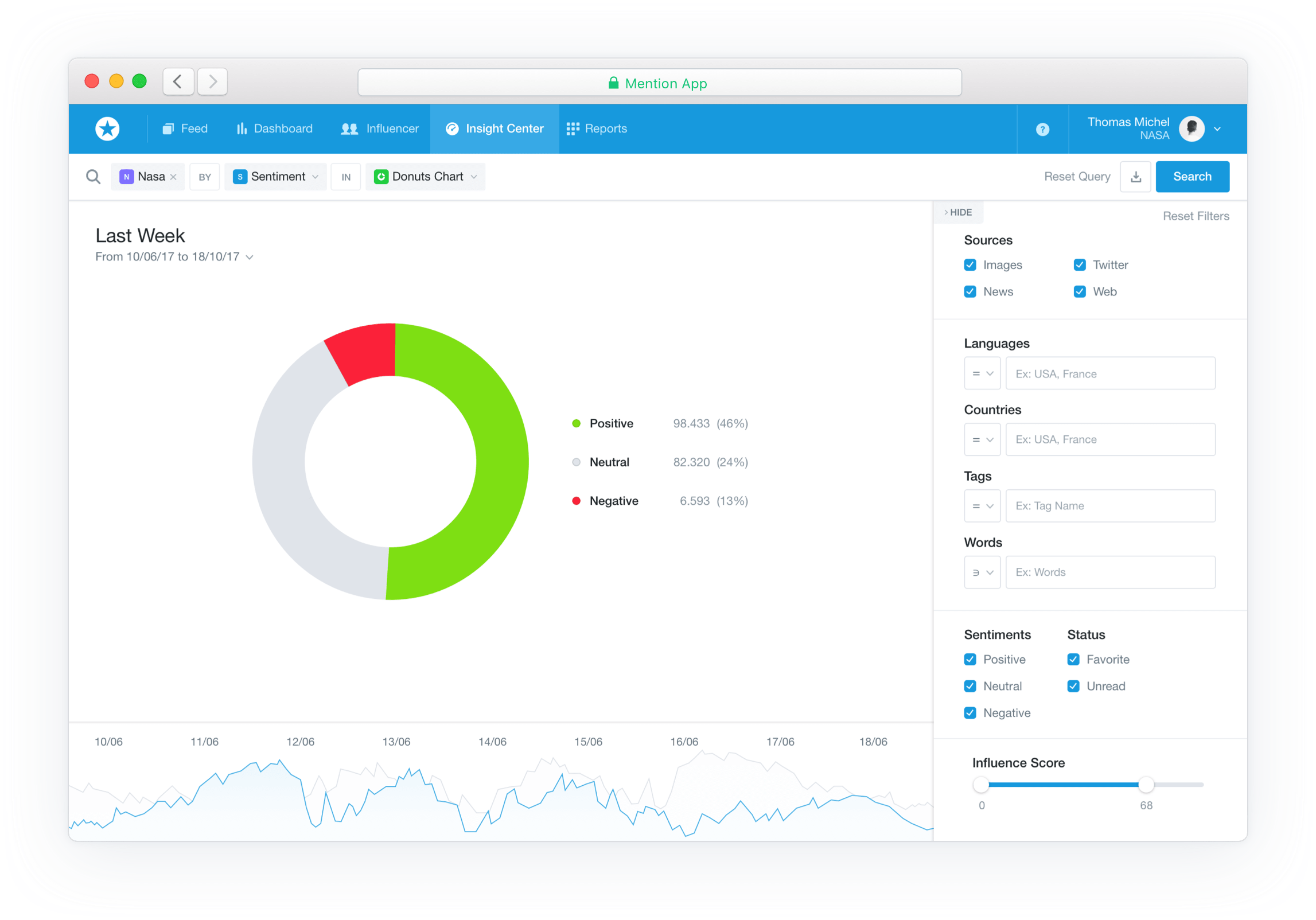
- Brandwatch: Offers a suite of tools for social media research and management, with its listening tool providing sentiment analysis alongside brand mention tracking and conversation monitoring across various social platforms, classifying sentiment as positive, negative, or neutral.
- Buffer: Provides easy-to-use social media management tools for publishing and engagement. It includes a feature for tagging sentiment in posts as "negative," "question," or "product mentions," aiding in conversation sorting and response prioritization.
- Agorapulse: A social media management software specializing in publishing and inbox organization, Agorapulse offers basic, keyword-based sentiment tagging, allowing manual assignment of "positive" or "negative" labels or automatic categorization via an Inbox Assistant.
News Sentiment Analysis Tools: These platforms focus on monitoring and analyzing sentiment within news content, using News APIs to mine data and provide insights into media portrayal of brands or topics.
- Brand24: A real-time media monitoring tool that scans news outlets, blogs, and forums, delivering automated sentiment data. Its Volume Chart overlays mention spikes with sentiment shifts to reveal the emotional impact of news as it unfolds.
- Meltwater: Meltwater’s AI-powered tools monitor trends and public opinion, with sentiment analysis breaking down news content tone into positive, negative, or neutral using deep-learning technology, supporting over 100 languages.
Foundational Text Analytics APIs: Designed primarily for developers, these tools offer powerful text analysis capabilities via APIs, allowing businesses to integrate sentiment analysis into their custom applications.
- Google NLP API: A robust text analysis tool for extracting insights and opinions from various documents (emails, chats, social media) through entity and sentiment analysis. It supports multimedia content integration and multilingual sentiment analysis via its Translation API.
- Amazon Comprehend: Amazon’s text analysis tool processes documents, emails, social media, and customer support tickets to uncover insights. It identifies key elements like phrases, sentiment, and topics, allows for custom model training, and protects sensitive information by redacting Personally Identifiable Information (PII).
Selecting the Optimal Tool: A Strategic Framework

Choosing the best sentiment analysis tool is a strategic decision that significantly impacts a business’s ability to understand customer feedback and manage brand perception. With a multitude of options, a structured approach is essential to find a solution that truly aligns with specific organizational needs.
- Define Business Objectives: Clearly articulate what you aim to achieve. Are you looking to improve customer service, monitor brand health, enhance product development, manage PR crises, or gain competitive intelligence? Different tools excel in different areas.
- Data Sources and Volume: Evaluate where your customer conversations occur. Do you primarily need to analyze social media, internal feedback, news, or a combination? Consider the volume of text data you generate daily, weekly, or monthly, ensuring the tool can scale efficiently.
- Accuracy and Nuance: Assess the tool’s ability to handle complex language, including sarcasm, irony, slang, and multilingual content. Request demos and test with your own data to evaluate its accuracy in your specific context.
- Integration Capabilities: Determine if the tool integrates seamlessly with your existing technology stack, such as CRM systems, customer service platforms, marketing automation tools, or data warehouses. API access is crucial for custom integrations.
- Customization and Control: Look for options to customize lexicons, sentiment models, and categories to match your industry-specific terminology and brand voice. The ability to fine-tune the AI can significantly improve accuracy.
- Reporting and Visualization: Evaluate the clarity and depth of reporting features. Can it provide actionable insights through intuitive dashboards, trend graphs, and drill-down capabilities?
- Scalability and Support: Ensure the tool can grow with your business needs. Investigate the vendor’s customer support, training resources, and commitment to ongoing development.
- Cost-Effectiveness: Compare pricing models (subscription, usage-based) against the value and features offered, considering your budget and projected return on investment.
Real-World Impact: Case Studies in Action
The theoretical benefits of sentiment analysis are powerfully demonstrated in practice by leading organizations.

The Atlanta Hawks basketball team faced the challenge of moving beyond basic social media metrics to understand the emotional reactions and preferences of their predominantly young fan base. They needed to optimize content and fulfill commitments to corporate partners with deeper insights. By integrating Sprout Social’s Social Listening tool, the Hawks could monitor real-time conversations around their brand, specific content pillars, and major marketing campaigns like jersey launches. The sentiment analysis capabilities, including a "Sentiment Summary" and "Topic Insights Word Cloud," allowed them to gauge emotional tone, noting, for example, 99% positive sentiment for a new jersey. This deep dive, coupled with content tagging and A/B testing, helped them identify what truly resonated. The result was a 127.1% increase in video views and 170.1% Facebook audience growth. Presenting clear sentiment data in reports also strengthened trust with over 35 corporate partners, enabling more flexible and impactful content strategies.
Similarly, the Chicago Bulls utilize sentiment analysis to connect with their passionate fan base. Their marketing team understands that emotions drive sports conversations. Sprout Social’s sentiment analysis provides emotional context, allowing them to engage in discussions with relevant and timely contributions. If sentiment dips, they can quickly investigate the reasons, and if the mood is electric, they can celebrate alongside fans in real-time. This responsiveness ensures their communication feels personal and keeps the Bulls relatable and relevant to their audience, fostering a stronger community around the brand.
The Road Ahead: Future of Sentiment Analysis
The field of sentiment analysis is continuously evolving. Future advancements are expected to bring even greater sophistication and accuracy. Multimodal sentiment analysis, which integrates cues from text, audio (tone of voice), and video (facial expressions), is gaining traction, promising a more holistic understanding of human emotion. Real-time processing at even larger scales will become standard, enabling instant reactions to global events or emerging trends. Furthermore, the focus will shift towards more nuanced emotion detection, moving beyond basic positive/negative to identify a broader spectrum of specific feelings and their intensity. Ethical considerations, particularly around data privacy and mitigating algorithmic bias, will also remain central to the development and deployment of these powerful tools.
Conclusion: Navigating the Emotional Digital Landscape
AI-powered sentiment analysis tools have become indispensable for businesses seeking to understand and respond effectively to customer emotions and opinions in the digital age. They provide a critical bridge between the vast, unstructured world of online communication and the structured, actionable data required for strategic decision-making. By leveraging these technologies, organizations can move beyond mere data collection to genuine understanding, fostering stronger customer relationships, driving product innovation, enhancing brand reputation, and ultimately, securing a competitive edge in an increasingly emotion-driven marketplace. The ability to decode the algorithmic heartbeat of public sentiment is no longer a luxury but a fundamental requirement for success.