Meta’s Dynamic Evolution: A Comprehensive Review of Platform Changes and Strategic Shifts (2020-2022)

The period spanning late 2020 to the final quarter of 2022 witnessed an extraordinary pace of transformation across Meta’s expansive ecosystem, encompassing Facebook, Instagram, Messenger, WhatsApp, and its burgeoning Metaverse initiatives. Driven by a relentless pursuit of innovation, a strategic response to evolving user behaviors, and an acute awareness of regulatory pressures, the tech giant introduced a myriad of features aimed at enhancing advertising capabilities, empowering content creators, streamlining e-commerce, and laying foundational infrastructure for its ambitious virtual future. Key themes emerging from this dynamic era include a profound commitment to AI and automation in advertising, an aggressive push into short-form video with Reels, significant investments in the creator economy, and a continuous effort to bolster platform safety and user privacy amidst an increasingly complex digital landscape.
The Apex of Automation and AI: Redefining Advertising
Meta’s strategic pivot towards artificial intelligence and automation profoundly reshaped its advertising landscape, offering marketers more efficient and data-driven tools. In December 2022, Meta unveiled a comprehensive list of advertising best practices, derived from internal data, to help advertisers maximize their campaign ROI in a constantly shifting environment. This initiative underscored Meta’s commitment to guiding businesses through its evolving ad interface, which has become increasingly reliant on sophisticated machine learning.
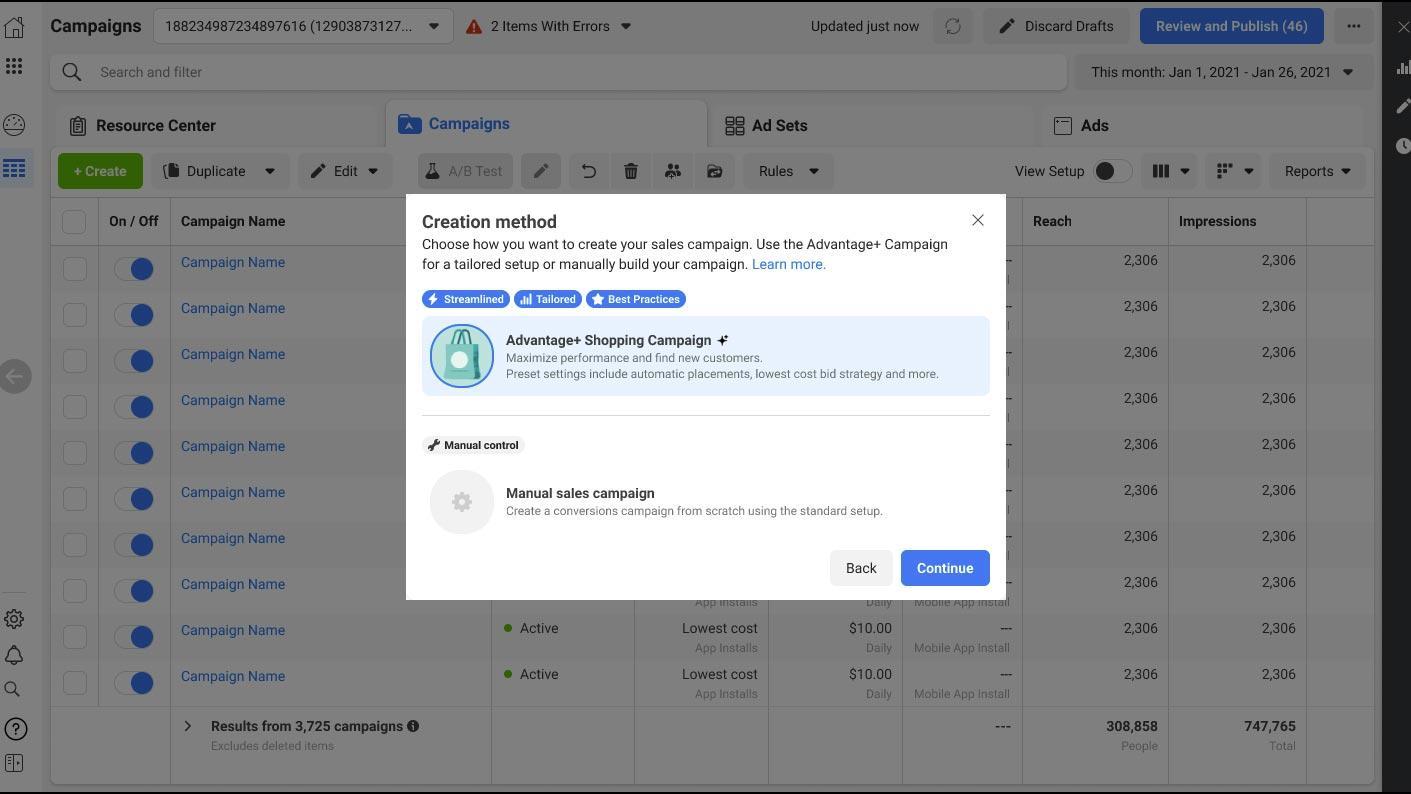
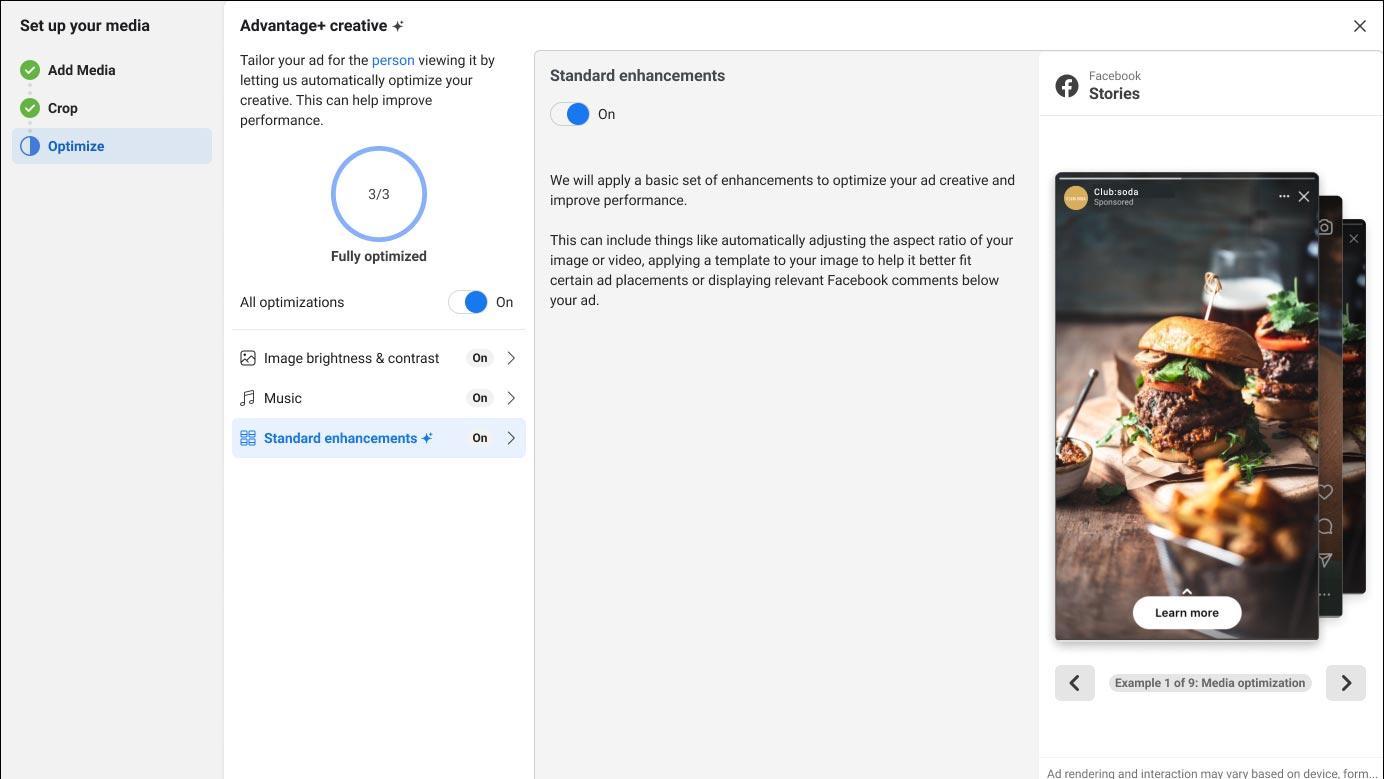
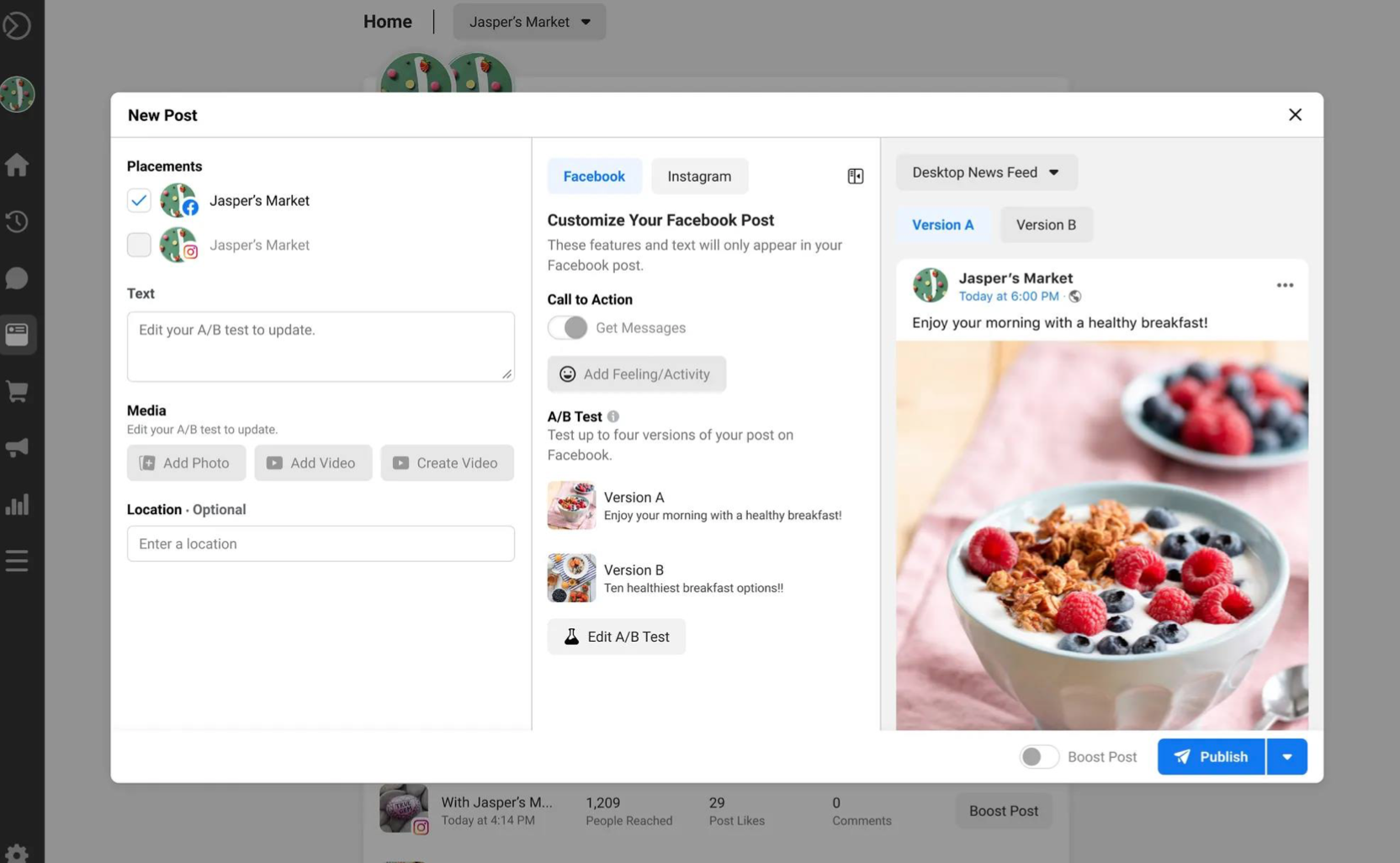
A cornerstone of this shift was the introduction and subsequent expansion of Advantage+ campaigns, the newest generation of automation-heavy ad products. Launched in August 2022, these campaigns leveraged Meta’s machine learning to simplify ad creation, allowing advertisers to generate and split-test up to 150 creative variations simultaneously. Early A/B tests demonstrated significant efficiency, with Meta reporting a 12% lower cost-per-purchase conversion compared to standard ads. The broader push for Advantage+ in 2023 indicated a clear direction towards greater automation, with plans to integrate Facebook Shops for checkout-enabled businesses, directing users to the most likely conversion point. Complementing this, Advantage+ creative was introduced to dynamically adjust ad visuals for individual viewers, while Advantage audience personalized audience targeting based on real-time conversion data.
Protecting intellectual property and ensuring brand safety also became paramount. In October 2022, Meta rolled out a new IP Reporting API designed to combat copyright infringement, counterfeit products, and impersonation across Facebook and Instagram. This API, integrated with the Graph API, provided rights holders with a streamlined mechanism to report violations. Further enhancing brand protection, Meta received accreditation from the Media Rating Council (MRC) in November 2022 for content-level Brand Safety on Facebook, covering Instant Articles and In-Stream video. This accreditation, following independent audits of Meta’s monetization policies and controls, signaled a concerted effort to build advertiser trust. The company also announced testing of a content-based inventory filter for Instagram and Facebook feeds, aiming for broader MRC accreditation.
Advertisers also saw refinements in audience targeting and campaign measurement. New B2B targeting options, based on job titles and interests, were introduced in August 2022, addressing a long-standing gap compared to platforms like LinkedIn. This was a strategic move to attract more professional advertisers. Conversely, in August 2020, Meta removed over 1,000 less-used targeting options to streamline the ad system, simplifying choices for marketers. The display of pre-campaign audience reach estimates also evolved in October 2021, moving from a single number to an estimated range (e.g., 100,000-200,000) to better reflect the dynamic nature of ad delivery. This change, while seemingly minor, aimed to manage advertiser expectations more realistically.
The impact of Apple’s iOS 14.5 AppTracking Transparency (ATT) update, officially launched in April 2021, presented a significant challenge for advertisers. Requiring user consent for data tracking, ATT led to concerns about reduced accuracy in tracking and ad optimization, particularly affecting website-based retargeting. Meta actively prepared businesses for these changes, advising on aggregated event measurement and providing an "education screen" before Apple’s prompt to explain data usage. This period highlighted the ongoing tension between personalized advertising and growing privacy demands, forcing Meta to innovate in privacy-preserving measurement.

The Creator Economy and Engaging Communities
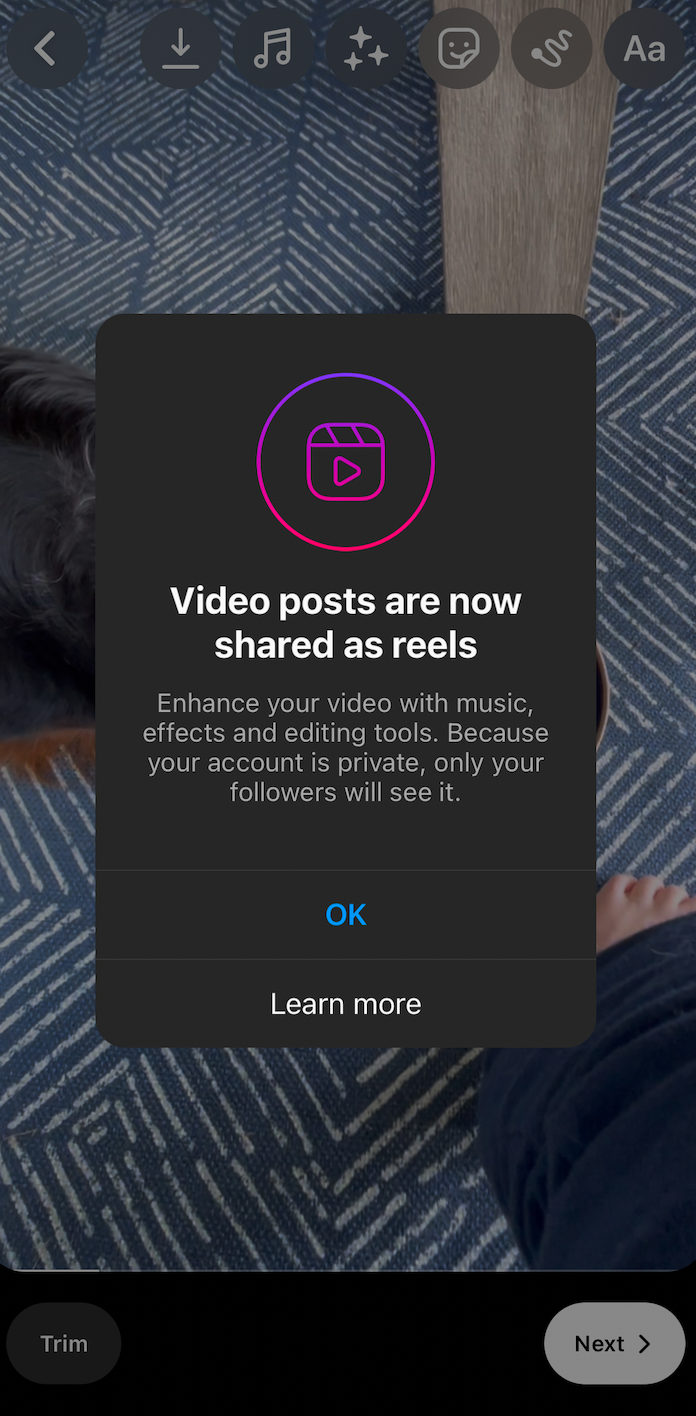
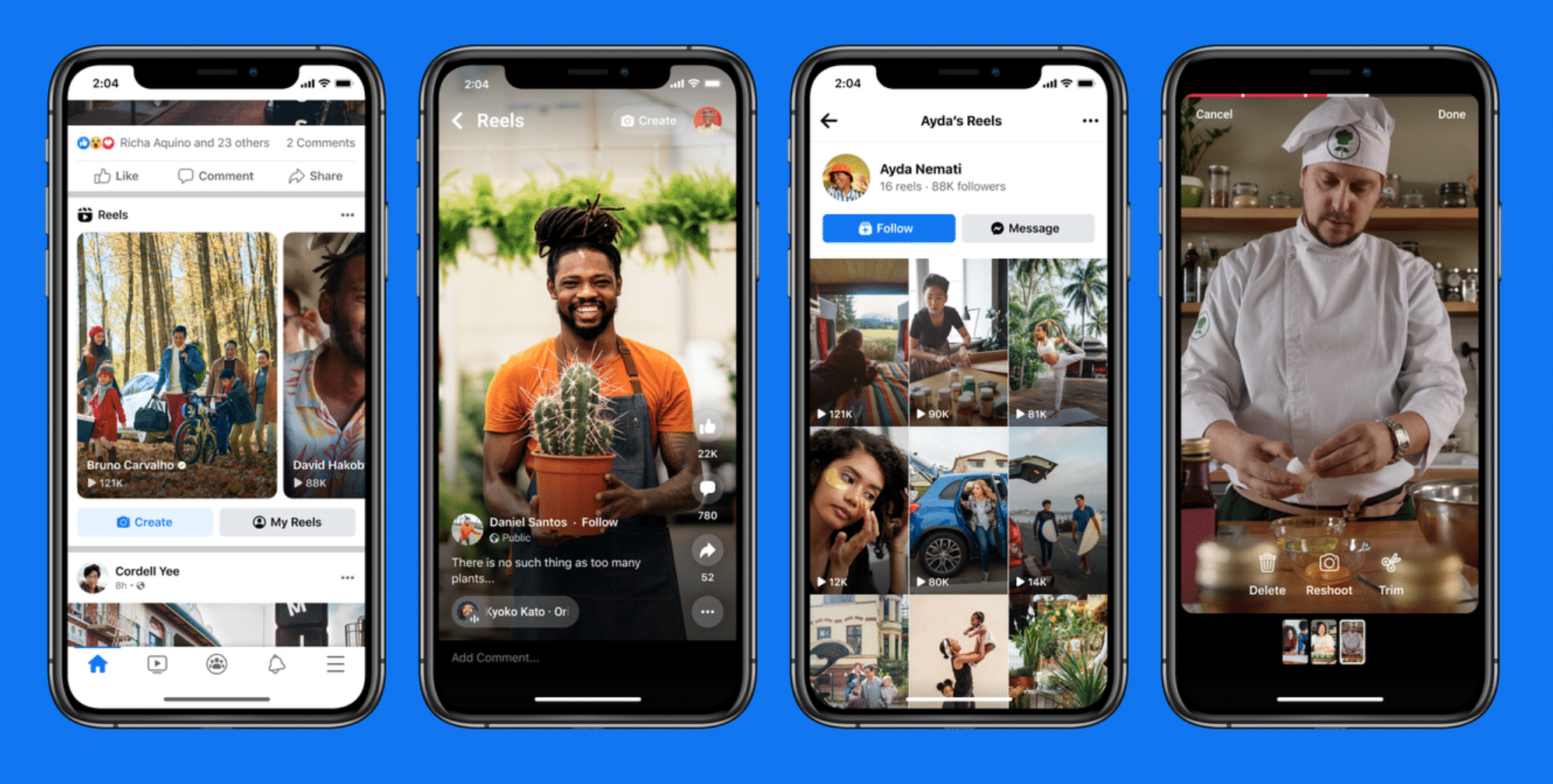
Central to Meta’s growth strategy was a robust investment in the creator economy and tools that fostered dynamic communities. The rise of short-form video, particularly Reels, emerged as a dominant force. Initially launched on Instagram in 2020 as a direct competitor to TikTok, Reels rapidly expanded its footprint. In February 2022, Facebook Reels rolled out globally across iOS and Android, followed by the automatic conversion of new Instagram video posts under 15 minutes into Reels in July 2022. This aggressive push was supported by data showing Reels’ high engagement rates, with an NFL account seeing a 67% increase compared to other content, and a Hootsuite experiment validating its role in boosting engagement and follower counts.

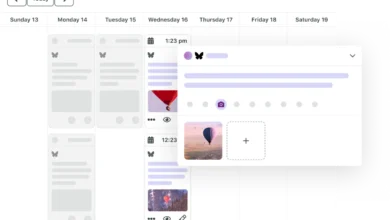
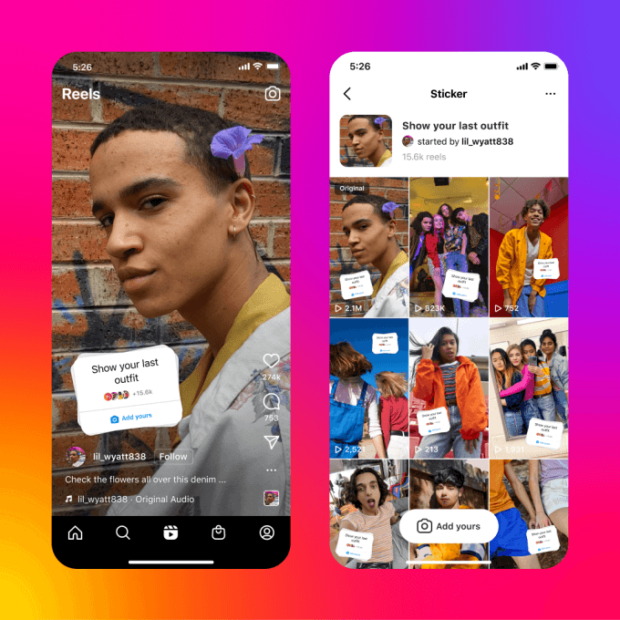
Reels functionality saw continuous enhancement throughout 2022. The maximum video length increased from 60 to 90 seconds in April 2022, offering creators more creative flexibility. Native content scheduling for Reels was launched on desktop earlier in 2022, extending to the mobile app in December 2022, allowing Business and Creator accounts to schedule posts up to 75 days in advance. Cross-posting from Instagram to Facebook Reels became possible in August 2022, along with the "Add Yours" sticker (previously exclusive to Stories) and improved insights in Creator Studio, providing detailed metrics like reach and watch time. Critically, API access for Reels was introduced in June 2022, enabling third-party platforms like Hootsuite to offer publishing, analytics, and moderation tools, significantly improving workflow for professional creators and brands. Monetization options for Reels were also tested, including Overlay Ads (clickable banners and stickers) and "Stars on Reels," allowing users to tip creators.
Beyond Reels, Meta significantly expanded monetization avenues for creators across its platforms. Mark Zuckerberg announced in June 2022 that Meta would forgo revenue sharing from features like Badges, Subscriptions, and paid online events until 2024, incentivizing creators to earn more. Instagram Subscriptions, allowing creators to offer exclusive content and perks for a monthly fee, began testing in January 2022, with a wider rollout planned. Facebook’s existing Subscriptions feature also received updates, including bonus programs for achieving milestones and interoperable subscriptions that linked to creators’ websites. In June 2021, Instagram announced testing of Affiliate selling, allowing creators to discover products from brands on checkout, promote them, and earn commissions—a new model for in-app monetization.
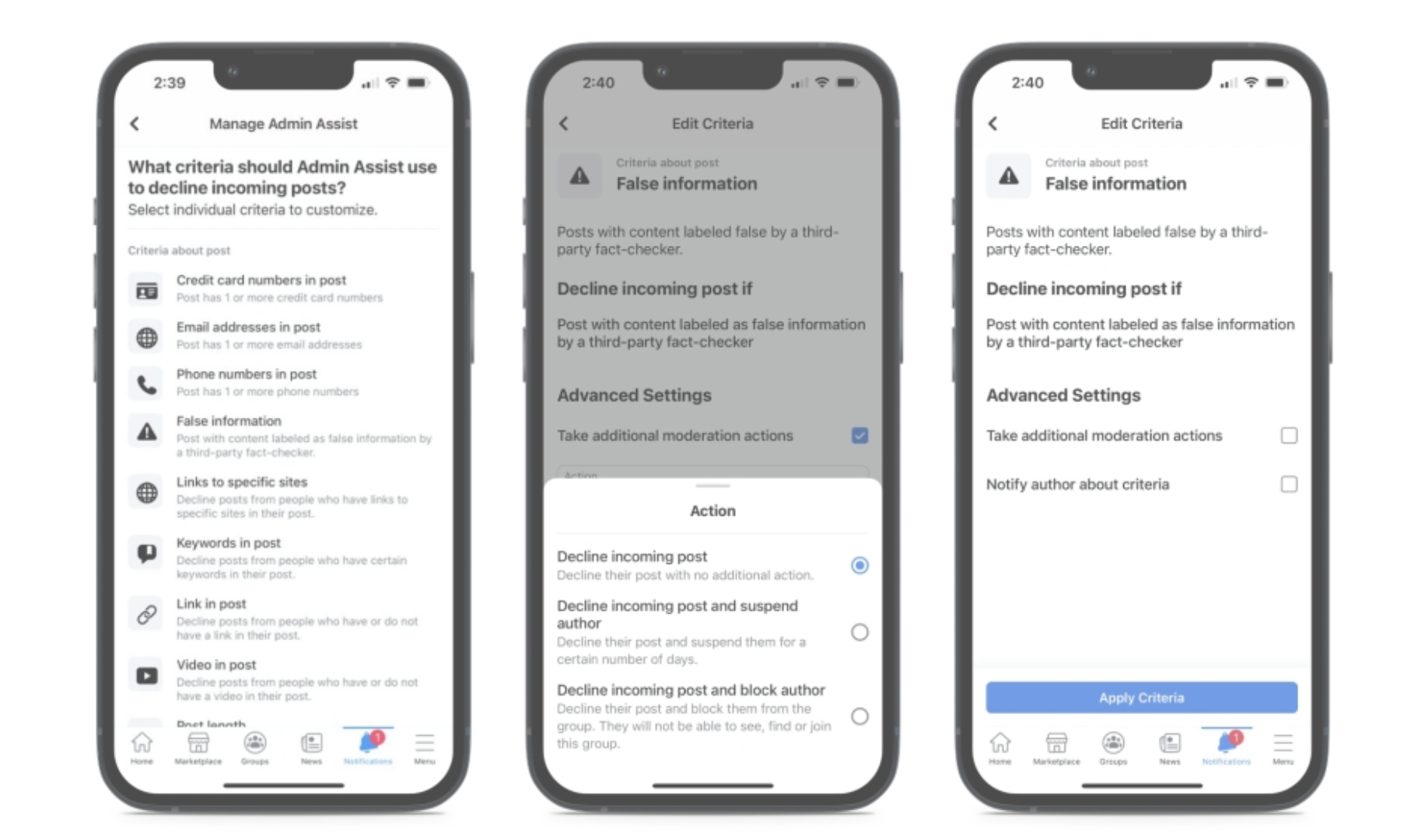
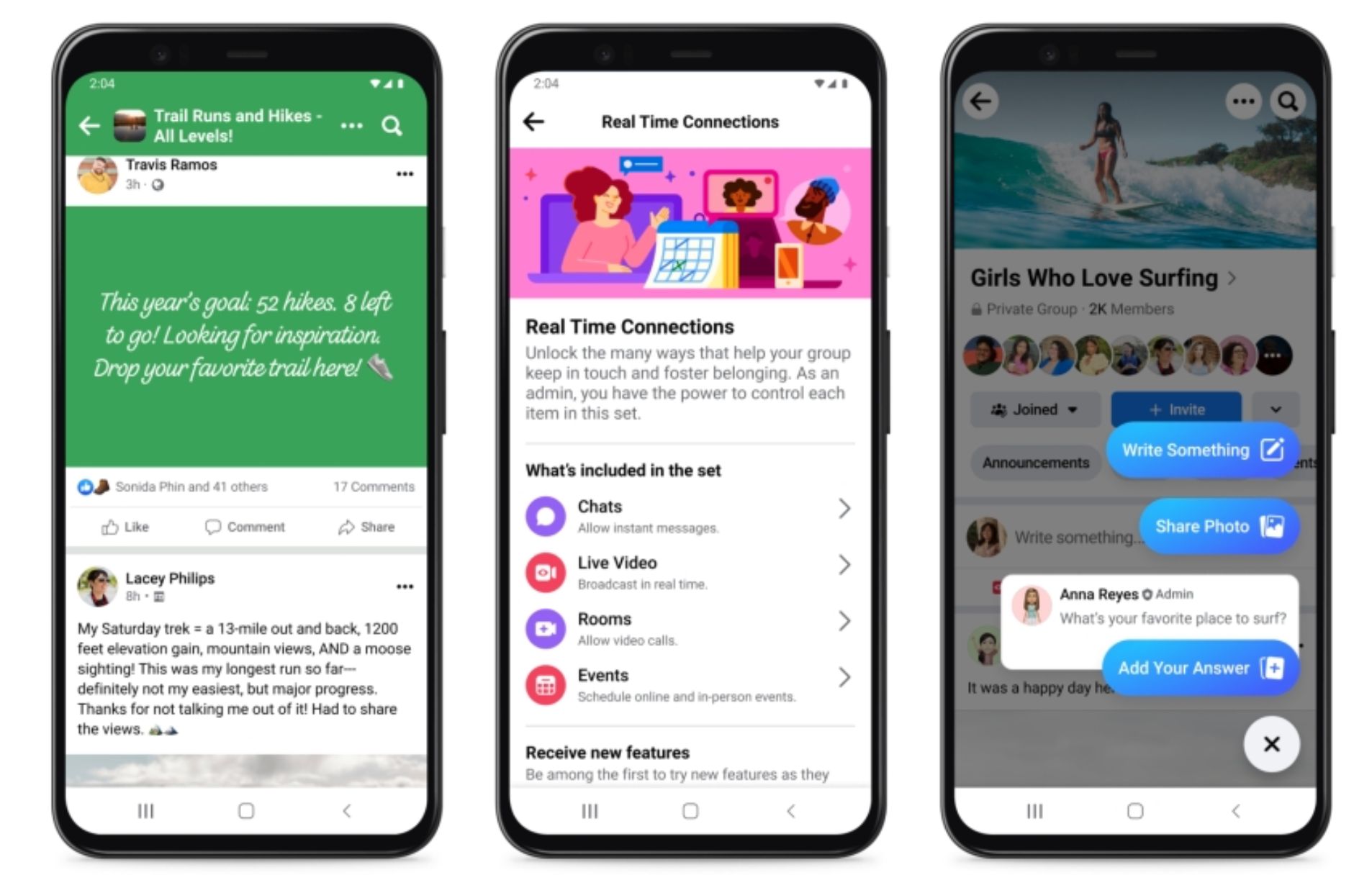
Facebook Groups continued to be a strategic priority for community building and engagement. Throughout 2022, Meta introduced numerous moderator tools, including Admin Assist (automated moderation rules), Conflict Alerts, and topic filters to enhance content quality and community management. Subscription-based groups offered brands new monetization avenues. In October 2020, the Brand Collabs Manager was expanded to public groups, allowing group admins to create sponsored posts in partnership with advertisers, a valuable way to monetize engaged communities. Complementing this, a Community Manager Certification course was globally expanded in March 2021, providing essential skills for fostering online communities.
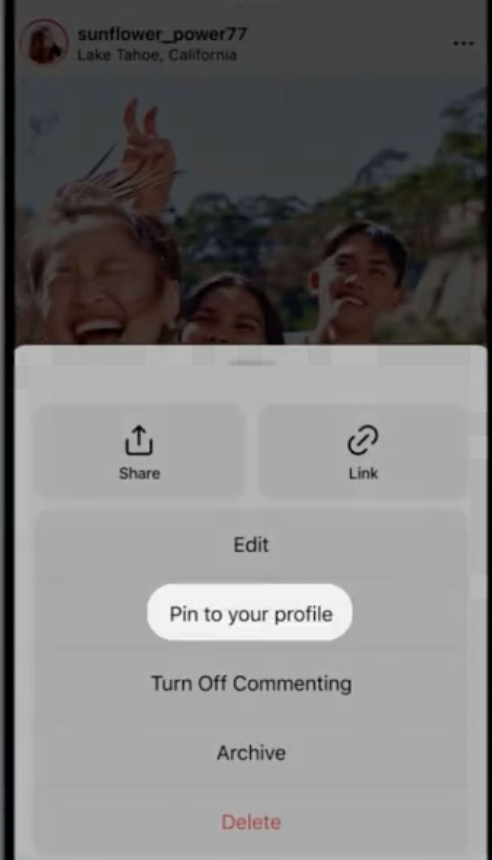
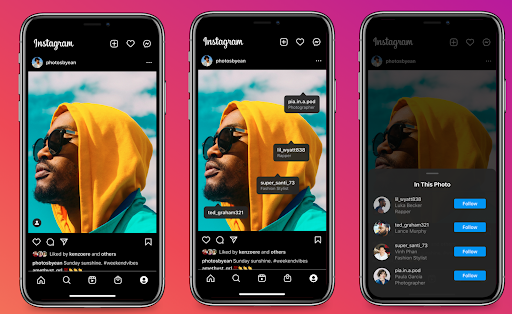
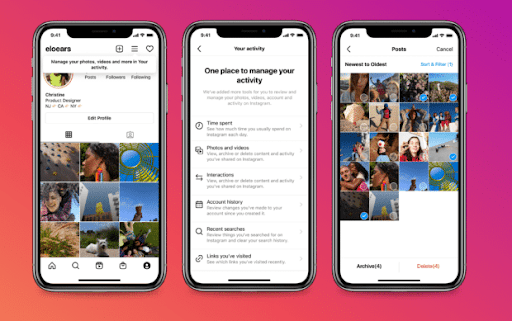
Instagram also introduced a suite of user-centric features. Music in feed posts was launched in December 2022, allowing users to add up to 90 seconds of music to static photos, adding a new dimension to content creation. Pinned grid posts, enabling users to highlight up to three pieces of content at the top of their profile, rolled out in June 2022, offering brands new ways to showcase promotions or brand identity. Enhanced people tags (April 2022) allowed creators to display their professional category next to their name when tagged, boosting visibility. The "Your Activity" feature (February 2022) provided a centralized hub for users to manage their content and interactions. The platform also streamlined Story likes (February 2022) to private hearts, cleaning up DMs. Instagram’s Head, Adam Mosseri, in March 2022, controversially suggested that hashtags might not directly impact reach as much as commonly believed, though they remained useful for discoverability on hashtag pages.
E-commerce, Business Solutions, and Metaverse Ambitions
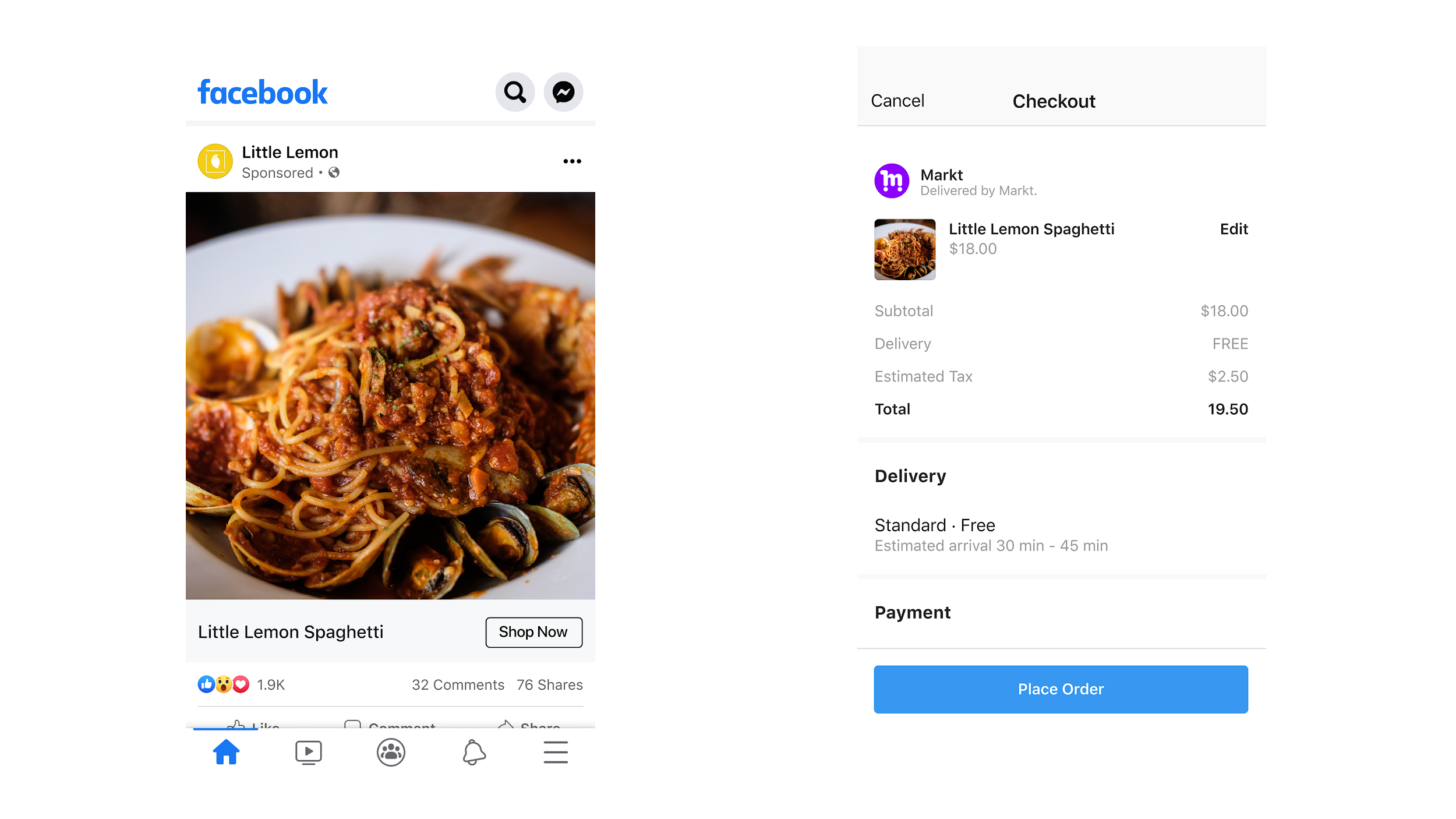
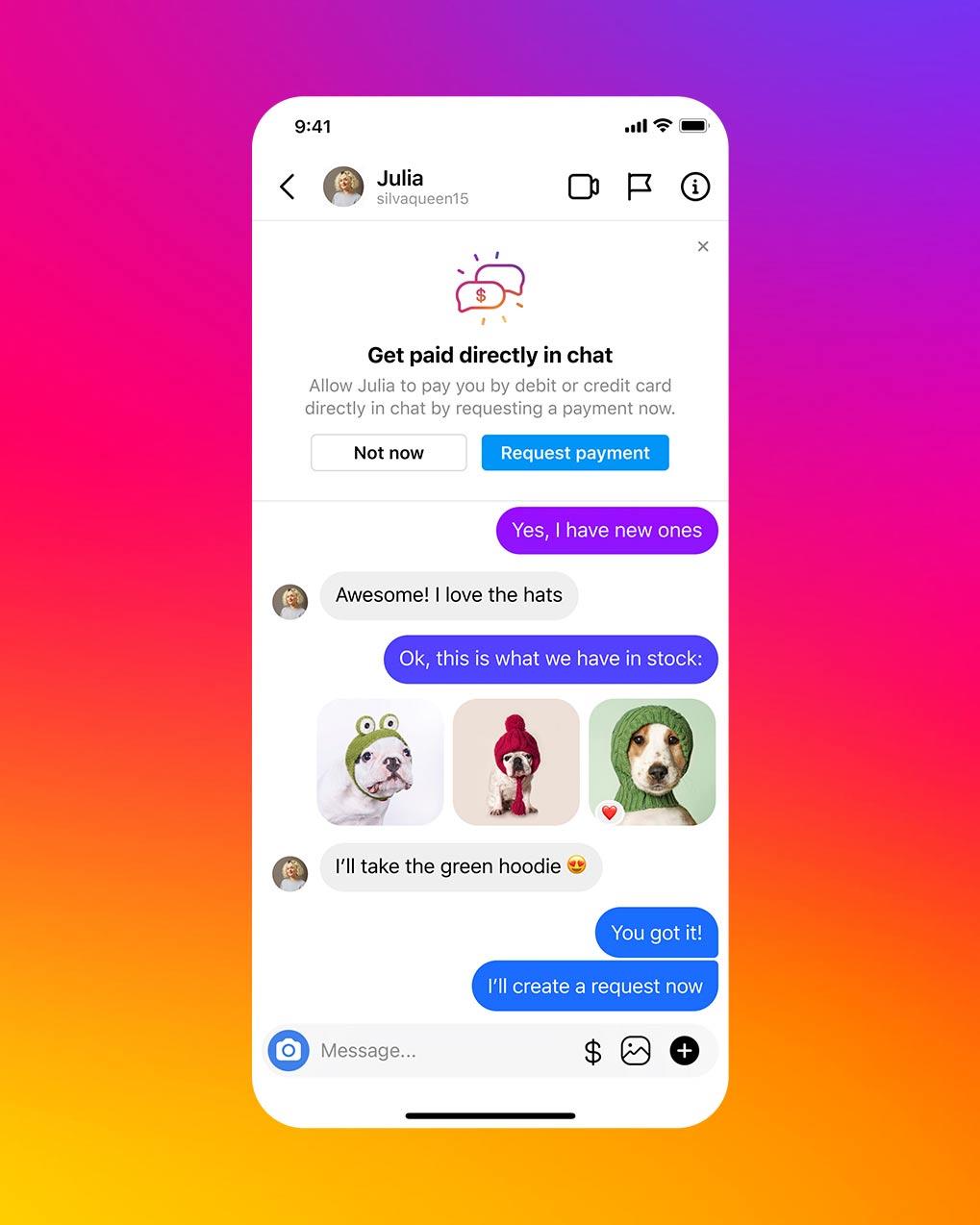
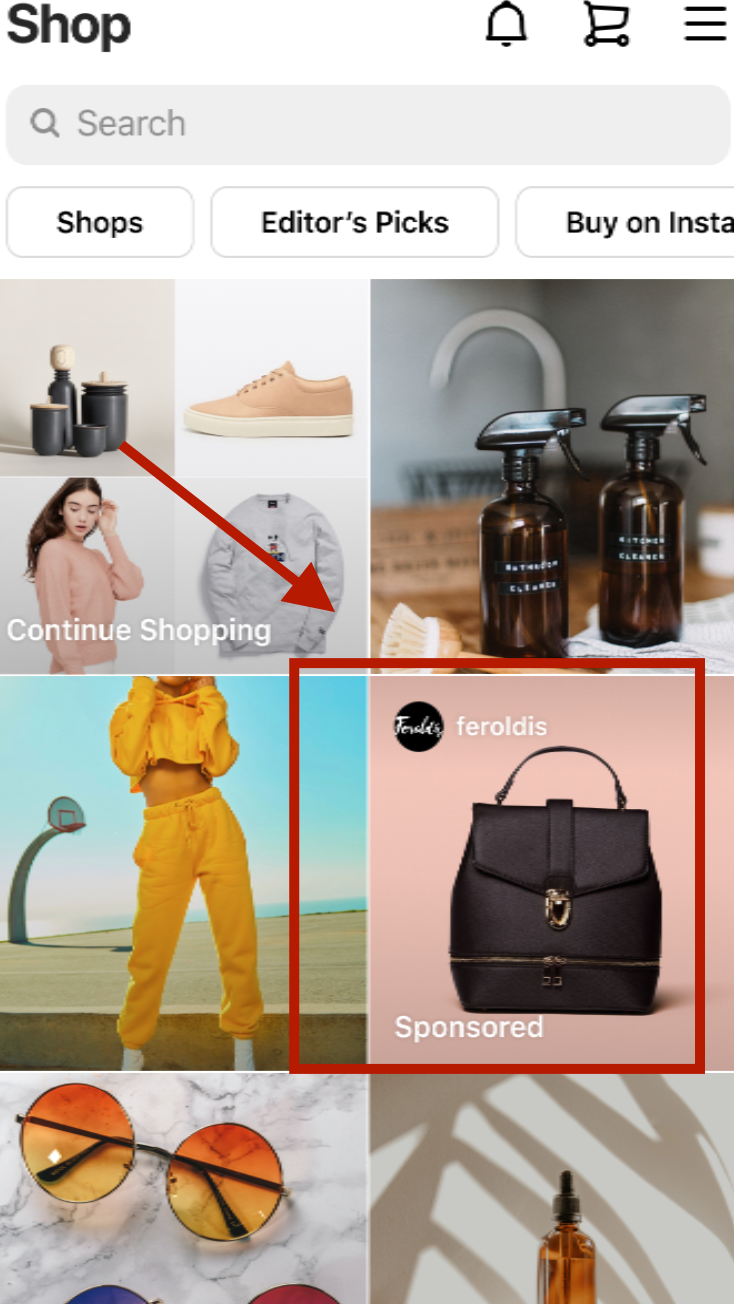
Meta’s drive to become a central hub for digital commerce accelerated, providing businesses with more direct pathways to sales. The launch of Facebook Shops in May 2020 marked a significant step, offering mobile-friendly, customizable storefronts with in-app checkout, designed to support small businesses globally. Further enhancing this, Instagram introduced payments in DMs for eligible Professional Accounts in September 2022, allowing customers to pay invoices directly within chat, streamlining the shopping experience.
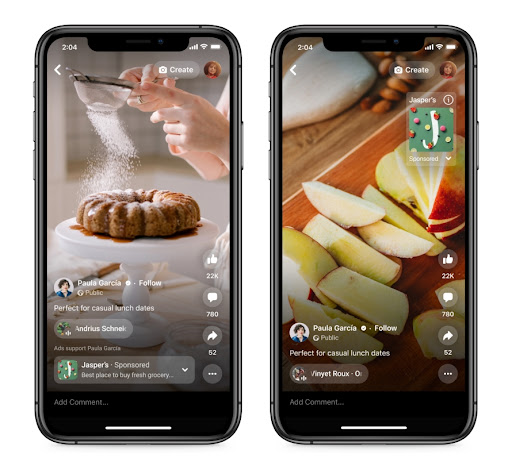
Targeting local businesses, Meta rolled out Collaborative Ads for Local Delivery in September 2022, enabling grocery stores and restaurants to generate awareness for local products and facilitate orders through delivery services. The integration of Facebook Pay checkout on third-party websites, starting with Shopify merchants in July 2021, aimed to provide a fast-pay option similar to PayPal, potentially boosting mobile conversions.
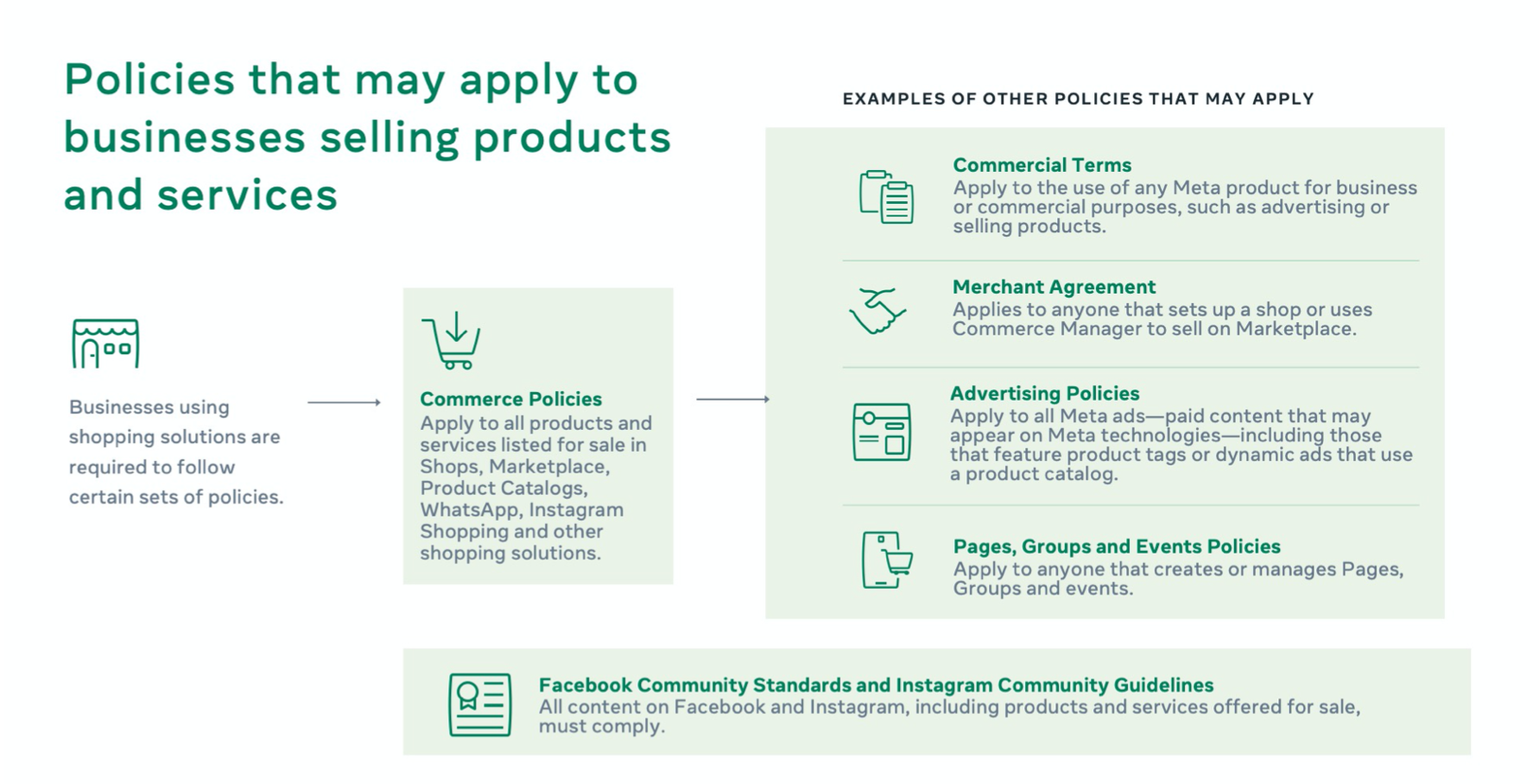
Recognizing the challenges faced by small businesses, particularly during the holiday season and the pandemic, Meta launched several support initiatives. In November 2022, new holiday support resources were released. The Small Business Studios (July 2022) offered a resource center with on-demand video courses, live workshops, and a tour across major US cities. The Meta Pro Team (July 2022) expanded personalized support for small businesses. Special programs, like the Meta Elevate partnership with Ciara in January 2022, provided tailored support, ad credits, and creative assistance to Black-owned businesses, recognizing disproportionate impacts during the pandemic.
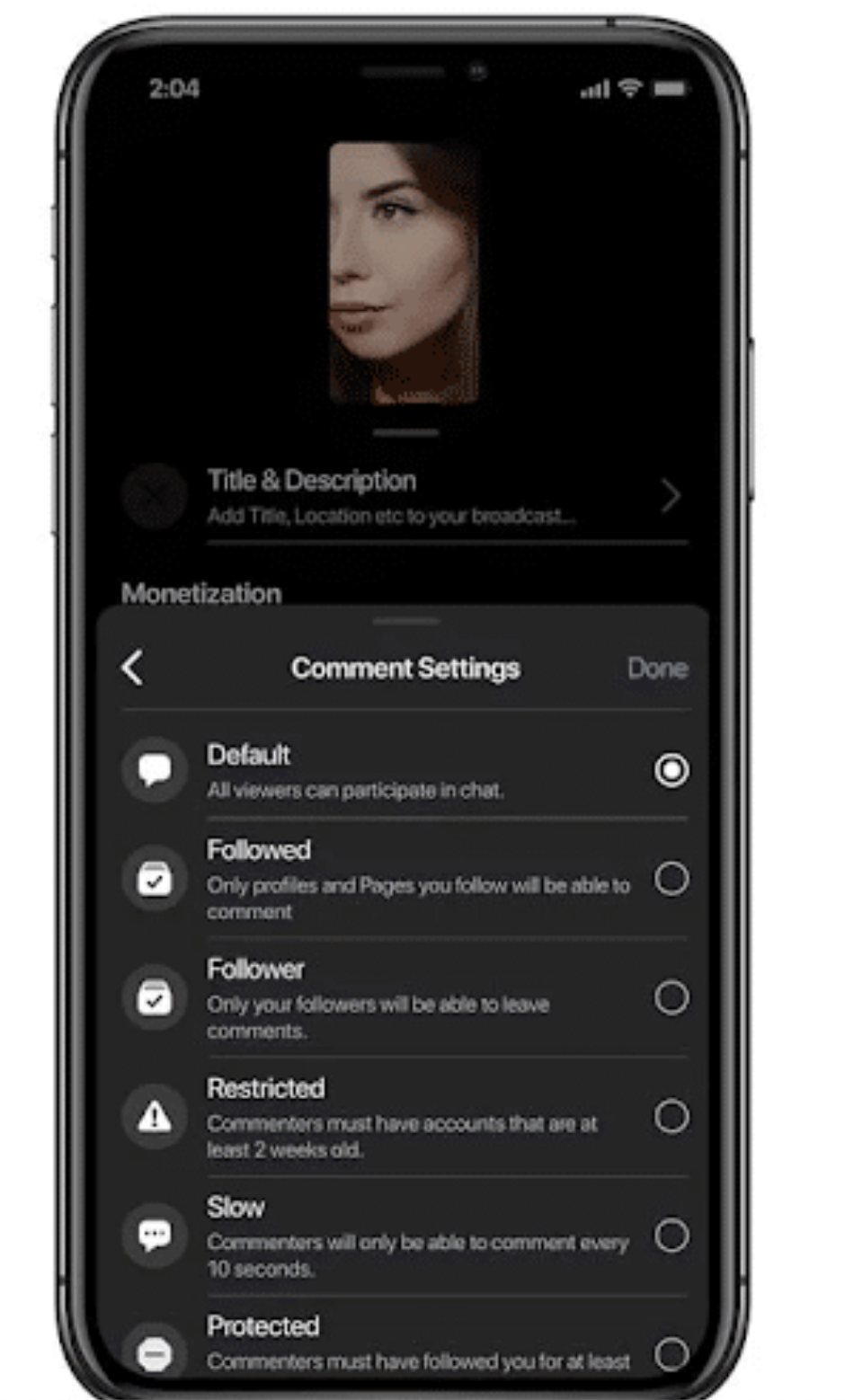
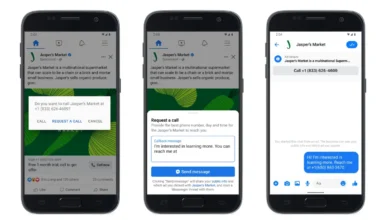
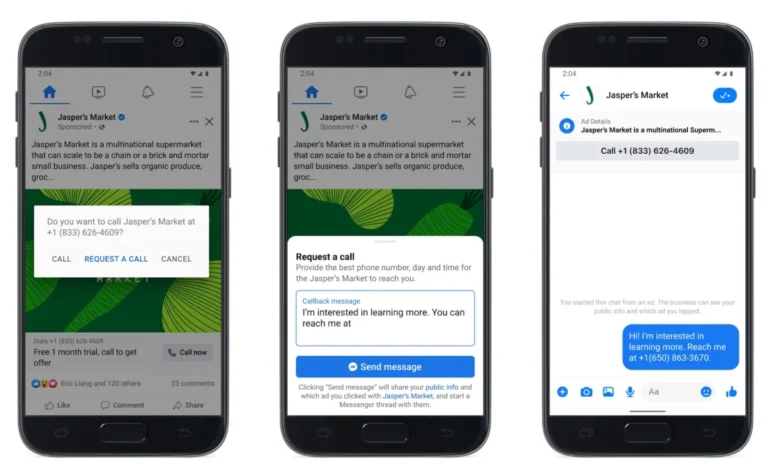
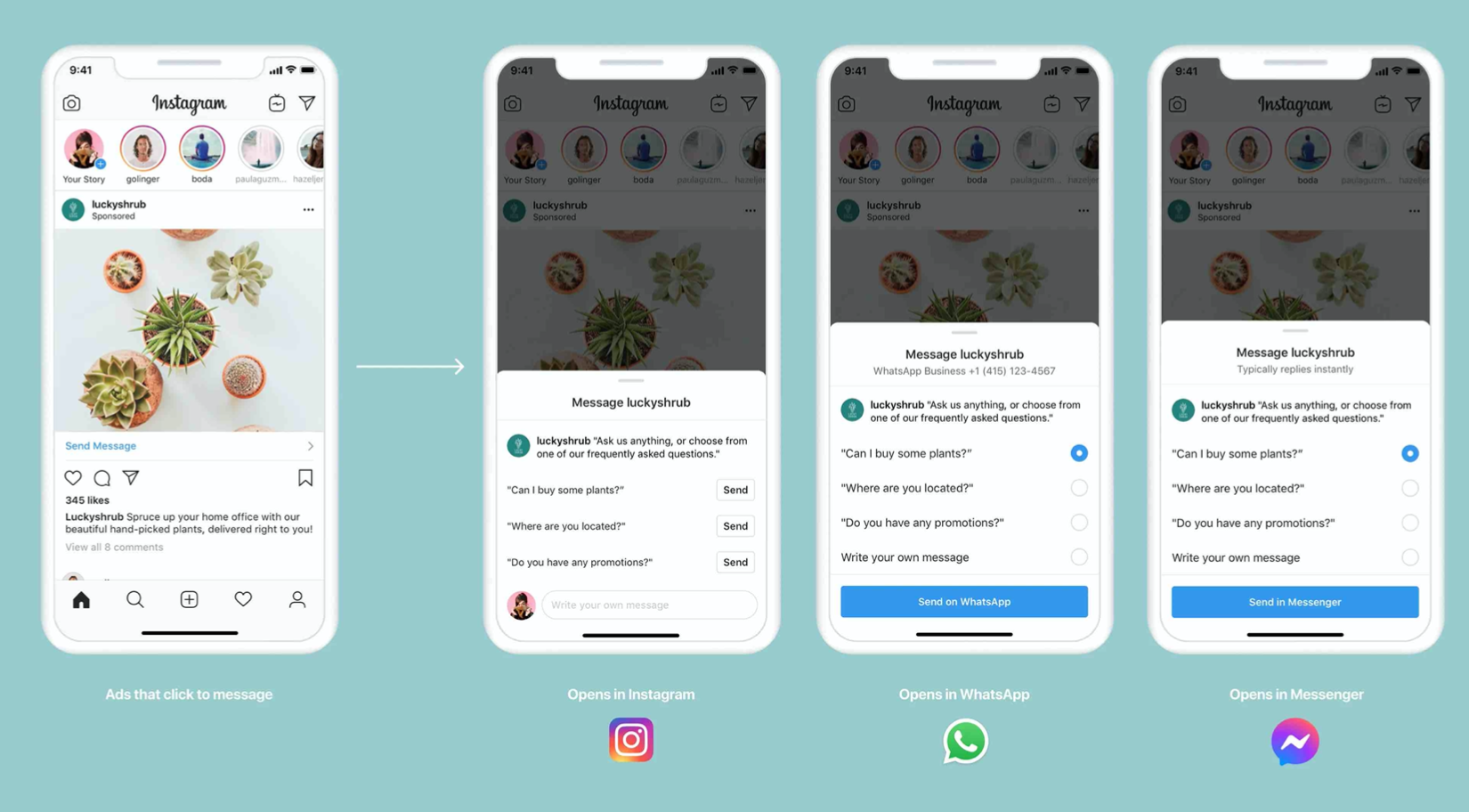
Messaging platforms, crucial for customer service and sales, also saw enhancements. WhatsApp messages were integrated into Meta’s unified Inbox (part of Business Suite) in May 2022, allowing businesses to manage communications from Facebook Messenger, Instagram Direct, and WhatsApp in one place. Call Ads received significant updates in September 2022, optimizing the format to reach more potential customers and offering a tested feature for customers to request callbacks in Messenger, eliminating hold times. The "One Time Notification" API for Messenger (February 2020, with delayed policy implementation to March 2020) allowed businesses to send relevant updates (e.g., in-stock alerts, shipping notifications) outside the standard 24-hour response window if users opted in.
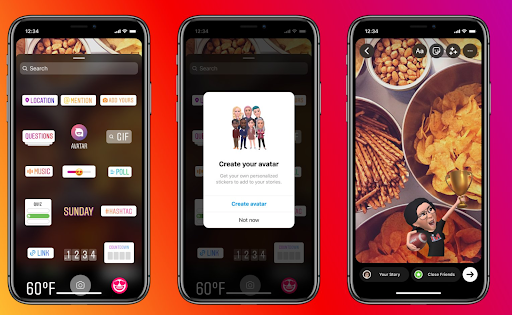
Perhaps Meta’s most ambitious long-term vision materialized with its pivot to the Metaverse. The corporate rebrand to "Meta" in October 2021 signaled a definitive commitment to building virtual spaces that bridge real and digital life. Mark Zuckerberg’s reported investment of over $36 billion underscored this ambition. In April 2022, new monetization options in Horizon Worlds, Meta’s virtual reality experience for Oculus, were announced, allowing creators to sell virtual items and access bonus programs, building on the $10 million Horizon Creators Fund from October 2021. Horizon Workrooms for Oculus (August 2021) introduced virtual reality collaboration spaces for remote teams. Meta also began testing in-headset VR ads in June 2021, exploring monetization within virtual environments. The expansion of 3D avatars to Instagram, Facebook, and Messenger in February 2022, with enhanced customization options, further integrated the Metaverse concept into everyday social interactions.
Ensuring Trust and Accountability
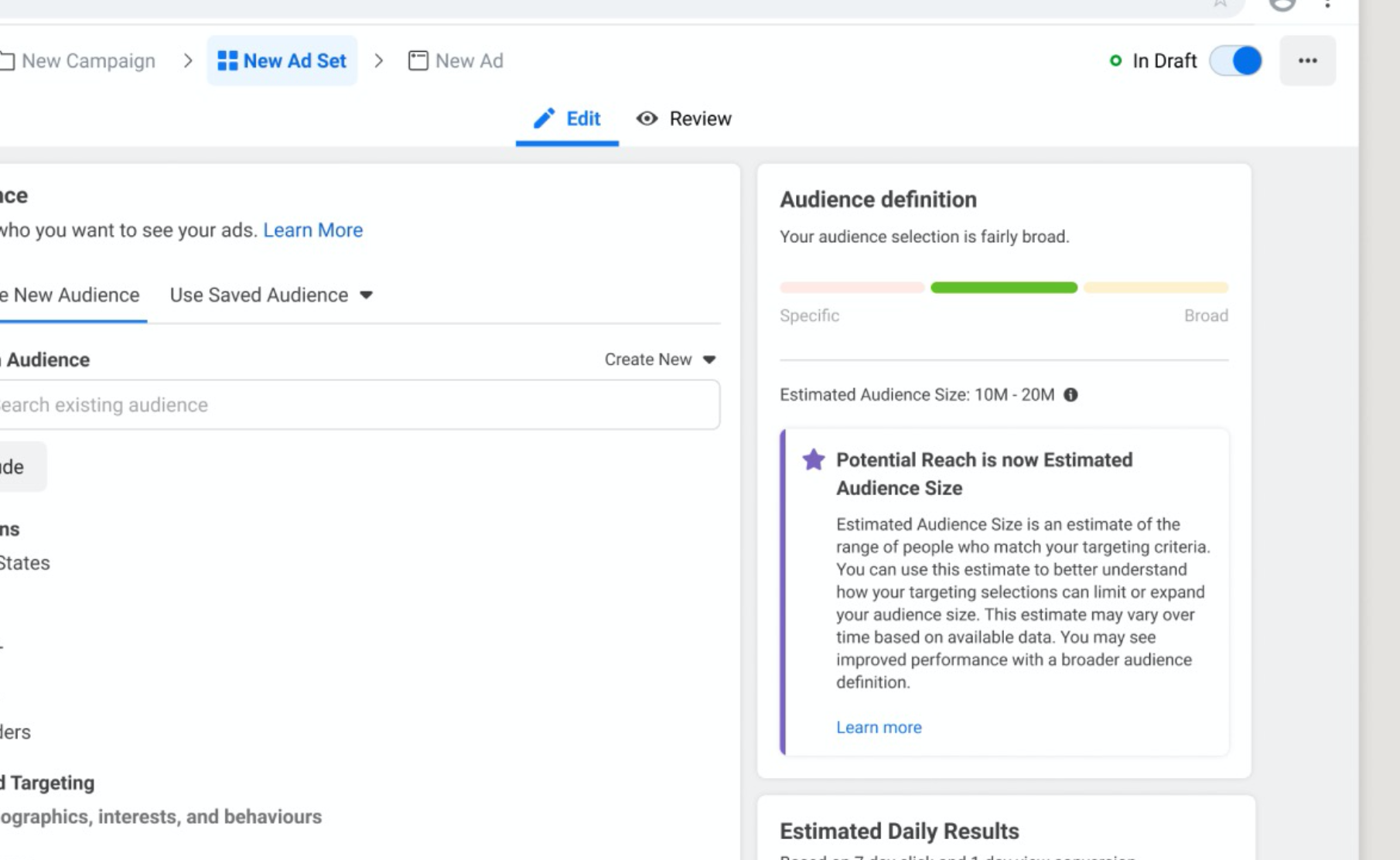
Amidst its rapid expansion, Meta faced increasing scrutiny over data privacy, content moderation, and platform safety. These years saw continuous efforts to build trust and accountability.
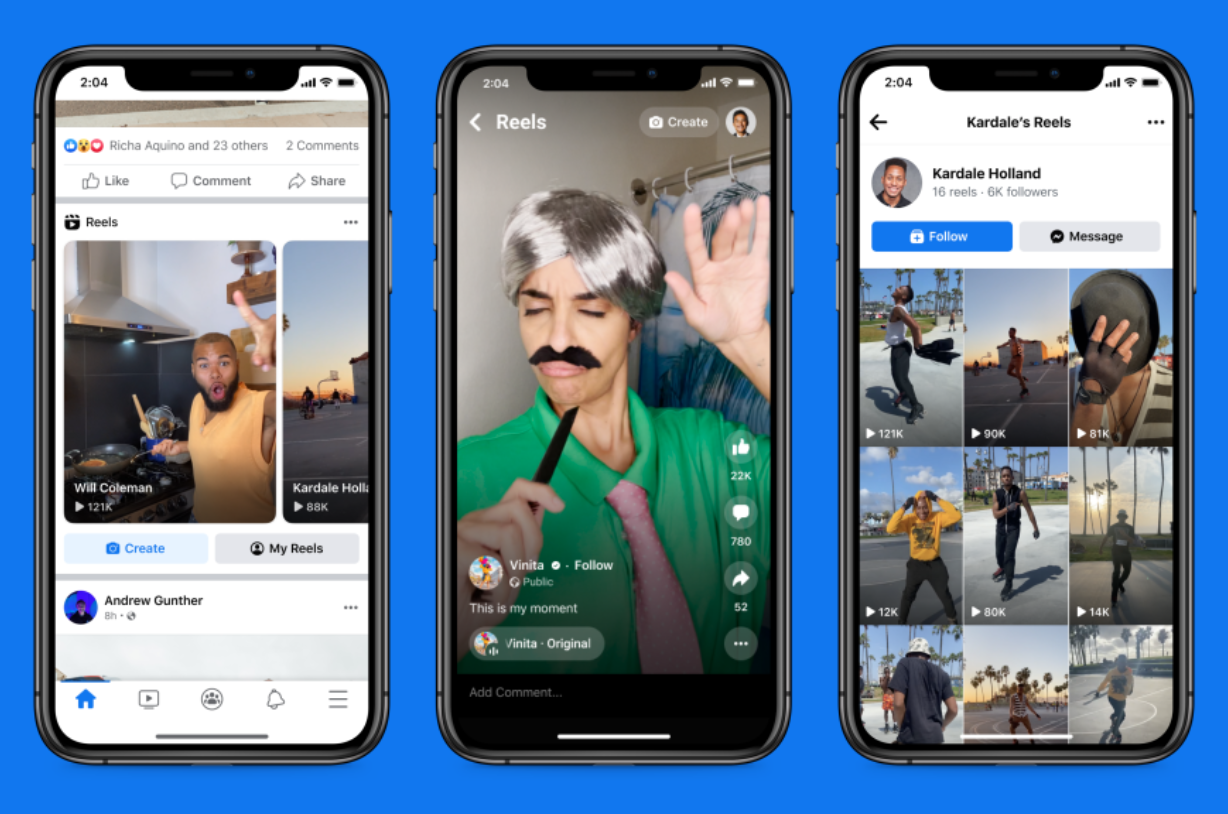
A significant move for user privacy was the discontinuation of Facebook’s facial recognition system in November 2021, with the deletion of over a billion user templates. While Meta expressed intentions to reintroduce the technology with better regulation, the move acknowledged growing societal concerns. In February 2020, the "Clear History" tool rolled out globally, empowering users to view and delete data Facebook collected about their off-Facebook activity, directly impacting advertisers’ ability to retarget based on cookie data. Further transparency efforts included a Data Use Checkup (September 2020), an annual review for developers and businesses to confirm compliance with data permissions. Meta also proactively addressed the California Consumer Privacy Act (CCPA) in June 2020 with a "Limited Data Use" feature, allowing businesses to control how Facebook processed data from California consumers, though this came with expected impacts on campaign performance. New privacy settings and Messenger App Lock (July 2020) provided users with more control over who could message or call them and the ability to secure their conversations.
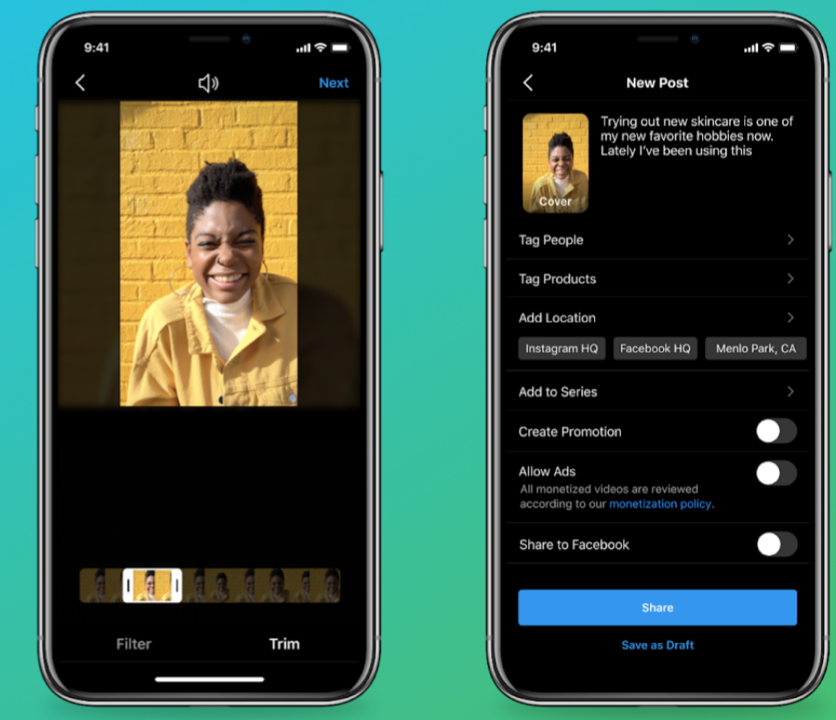
Combating misinformation and harmful content remained a top priority, especially during critical periods. Meta took aggressive action against COVID-19 misinformation, removing 12 million pieces of content and partnering with over 80 independent fact-checkers globally (April 2021). In March 2020, in-app tools were introduced to allow users to quickly research claims seen in Messenger. In July 2020, Facebook shut down four networks engaged in "Coordinated Inauthentic Behavior," originating from various countries, demonstrating a commitment to removing actors attempting to manipulate public discourse.
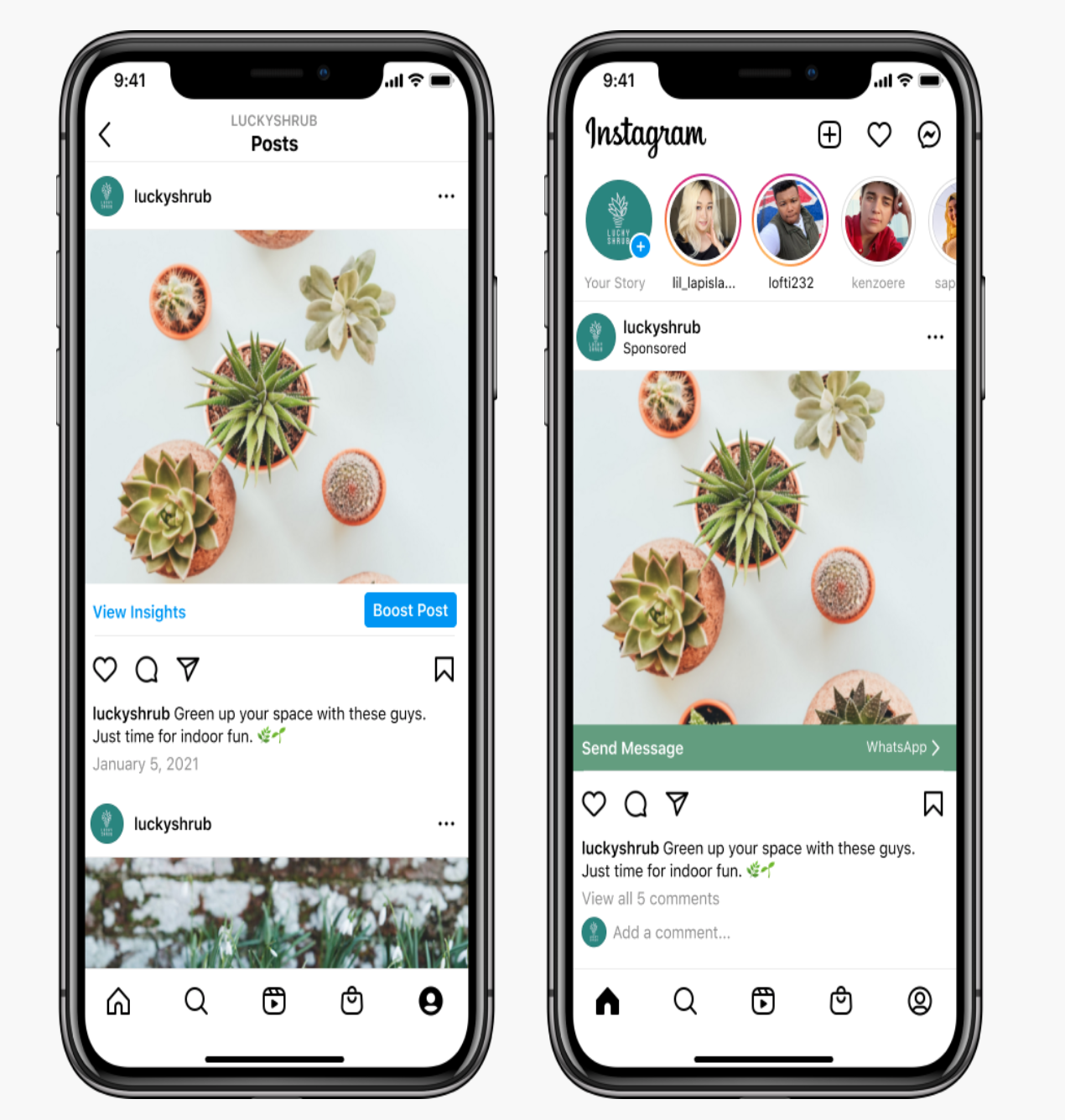
Political ad policies were also refined. In January 2020 and April 2021, Meta introduced user controls to reduce the number of political and social ads seen and improved the Ad Library for greater transparency. Special Ad Category requirements for housing, credit, and employment ads became mandatory for U.S. advertisers in February 2020, ensuring compliance with anti-discrimination laws. Efforts to advance racial justice were announced in June 2020, including a $1 billion investment in Black and diverse communities, policy reviews for hate speech, and the "Lift Black Voices" initiative. Advancements in AI also enabled Meta to make progress in deepfake detection (June 2021), identifying synthetic media to combat malicious content. Finally, in June 2022, Instagram rolled out new supervision and time management tools for teens, allowing parents to monitor activity and prompting younger users to diversify their content consumption.
Strategic Implications and Future Outlook
The period from 2020 to 2022 reflects Meta’s relentless drive to innovate, adapt, and expand its influence across the digital spectrum. The strategic emphasis on AI and automation signals a future where advertising campaigns are increasingly efficient and personalized, relying heavily on Meta’s proprietary machine learning. For marketers, this means a shift towards creative excellence and sophisticated data interpretation, rather than manual targeting complexities.
The dominance of Reels and Meta’s substantial investments in the creator economy underscore the importance of short-form, engaging video content and diversified monetization models. Businesses must integrate these formats into their content strategies and explore new collaboration and direct selling opportunities. The aggressive push into e-commerce, with Facebook Shops, in-app payments, and local delivery ads, positions Meta as a formidable player in social commerce, requiring brands to optimize their digital storefronts and customer interaction points within Meta’s ecosystem.
However, Meta’s ambitions are not without challenges. The immense investment in the Metaverse, while visionary, remains a long-term gamble, requiring sustained technological breakthroughs and widespread user adoption. The ongoing battle for user trust, particularly concerning privacy and misinformation, will continue to shape platform policies and necessitate transparent, ethical practices from both Meta and its advertisers. The regulatory landscape, as exemplified by the iOS ATT update, will consistently pressure Meta to balance personalization with user control.
Ultimately, Meta’s evolution during this period reveals a company simultaneously building the future of virtual interaction while continuously refining the present of social connection and digital commerce. Marketers and businesses navigating this dynamic environment must embrace automation, prioritize engaging video content, explore new e-commerce avenues, and remain vigilant in upholding brand safety and privacy standards to thrive within Meta’s ever-expanding digital universe.