Strategic Social Media Management: How Dustin Kuhns Bridges Data and Discretion for Arts and Culture Organizations


In the dynamic landscape of digital communications, Dustin Kuhns, a consultancy owner based in Quakertown, Pennsylvania, has carved a unique niche, specializing in what he terms "arts and culture supply chain management." Since 2023, Kuhns has leveraged Buffer, a social media management platform, to orchestrate the digital presence for a diverse roster of arts and culture organizations, expertly managing more than ten distinct social media channels. His enduring commitment to Buffer, even as his business scaled, underscores a philosophy that prioritizes focused functionality and adaptable workflows over the sprawling capabilities of all-encompassing tools. Kuhns’ approach highlights a growing trend among savvy marketers who seek to blend analytical rigor with a discerning human touch, ensuring digital strategies not only drive engagement but also authentically align with an organization’s core mission and aesthetic values.
Kuhns’ journey into the specialized field of arts and culture communications is as multifaceted as the clients he serves. His early career was deeply rooted in the arts, beginning with music performance in church, transitioning into producing shows for various bands, and subsequently spending several years immersed in design and construction. This hands-on experience in creative production and logistical execution laid a foundational understanding of the intricate processes behind bringing artistic visions to life. His eventual pivot into communications was a natural evolution, allowing him to apply his comprehensive understanding of the creative process to the strategic dissemination of content. Today, Kuhns regularly curates fine art exhibitions, an activity he credits with honing the acute sense of taste and judgment that forms a cornerstone of his consultancy. This unique blend of artistic sensibility and practical logistical acumen is precisely what draws clients to him. They seek not just a social media manager, but a trusted advisor whose aesthetic discernment provides confidence in their digital output, ensuring their online presence reflects the quality and integrity of their artistic endeavors.

For many arts and culture organizations, the transition to digital platforms presents a unique set of challenges. Often characterized by limited budgets, small teams, and a primary focus on artistic creation rather than marketing infrastructure, these entities frequently struggle with maintaining a consistent and impactful online presence. Kuhns observed early in his career that the most significant hurdle for these organizations was rarely a lack of creative talent or a compelling brand identity. Instead, it was a systemic absence of consistency in their content distribution. "It wasn’t a stellar brand or better creative content that most of these organizations were missing," Kuhns explains. "It was consistency. And the thing they needed to be consistent was a tool that would grow with them, not dictate their workflows for them." This insight became the guiding principle for his consultancy, leading him to champion solutions that empower organizations to establish reliable, repeatable processes without imposing rigid, one-size-fits-all methodologies.
The global social media management market, valued at approximately USD 16.1 billion in 2023 and projected to reach USD 71.9 billion by 2032, is characterized by a proliferation of platforms offering a wide array of features. Within this crowded ecosystem, Kuhns’ preference for Buffer underscores a broader industry discussion about the efficacy of specialized tools versus comprehensive suites. His philosophy is pragmatic: "I’ll choose a tool that has 75% of what I need and find workarounds for the other 25% before I’ll use one that has 200% of what I need," he asserts, "and then let all that extra capacity get in the way." This approach reflects a desire for streamlined efficiency, where tools serve as facilitators rather than imposing their own complex logic onto existing workflows. Buffer, known for its focused approach to scheduling, publishing, and analytics, aligns perfectly with Kuhns’ need for a platform that excels at core tasks and adapts fluidly to the diverse requirements of his clients—which range from two-person teams to established institutions like religious nonprofits, film festivals, and historic theaters. This adaptability is crucial for managing a portfolio where each client has distinct priorities, brand guidelines, and target audiences.
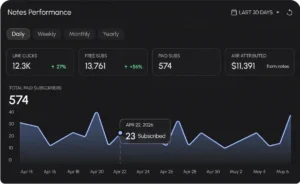
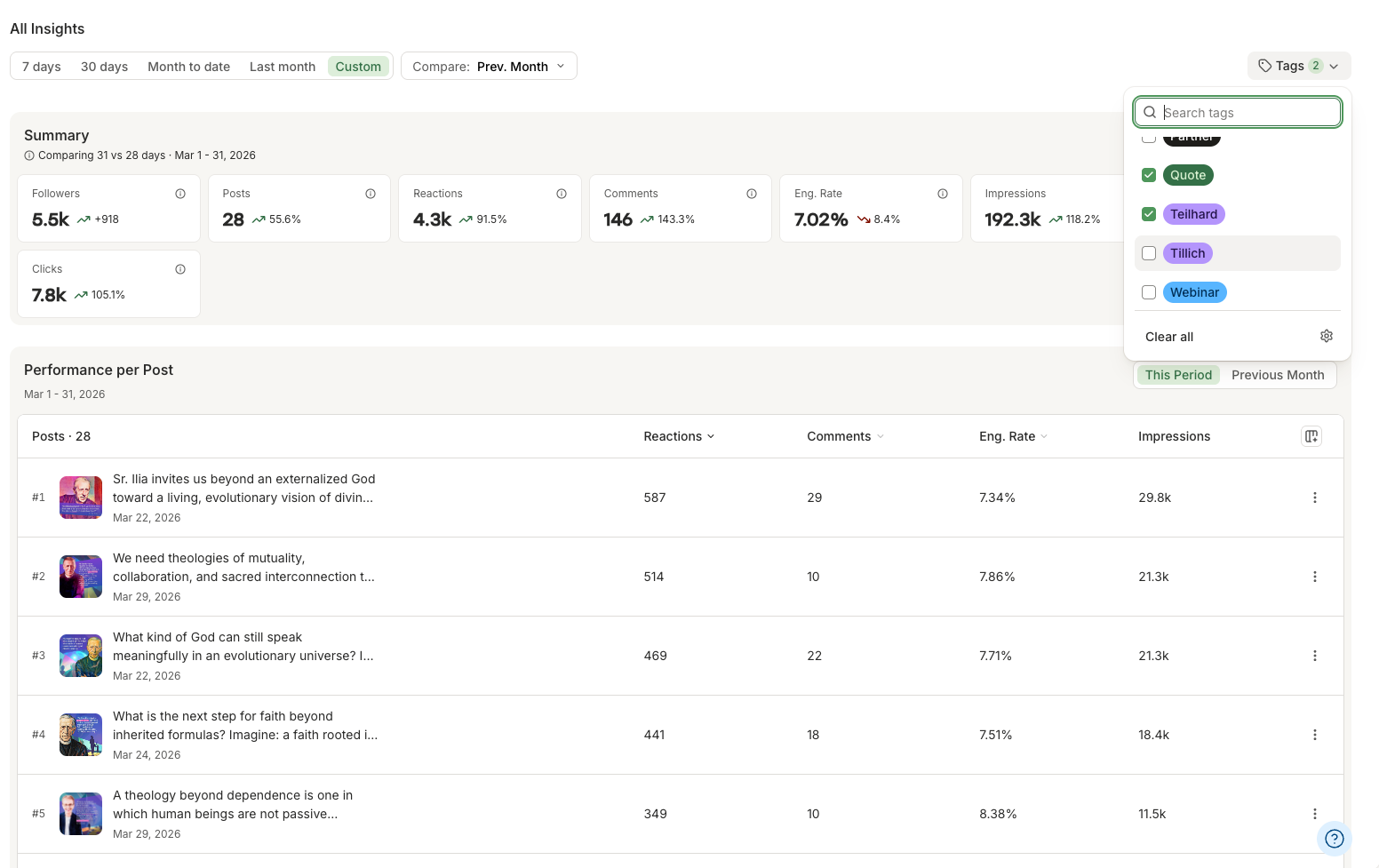
The evolution of social media analytics has transformed how organizations measure and refine their digital strategies. Initially, Kuhns would often seek external workarounds for deeper social media performance data. However, the introduction of Buffer’s "Insights" feature marked a significant turning point, addressing this need directly within his preferred platform. As an early adopter, Kuhns quickly identified two game-changing capabilities: the ability to view performance data from every managed channel in a single, consolidated dashboard, and the sophisticated tagging system. The unified view is particularly beneficial when reporting across a dozen or more accounts, providing a holistic perspective on overall performance and facilitating comparative analysis.
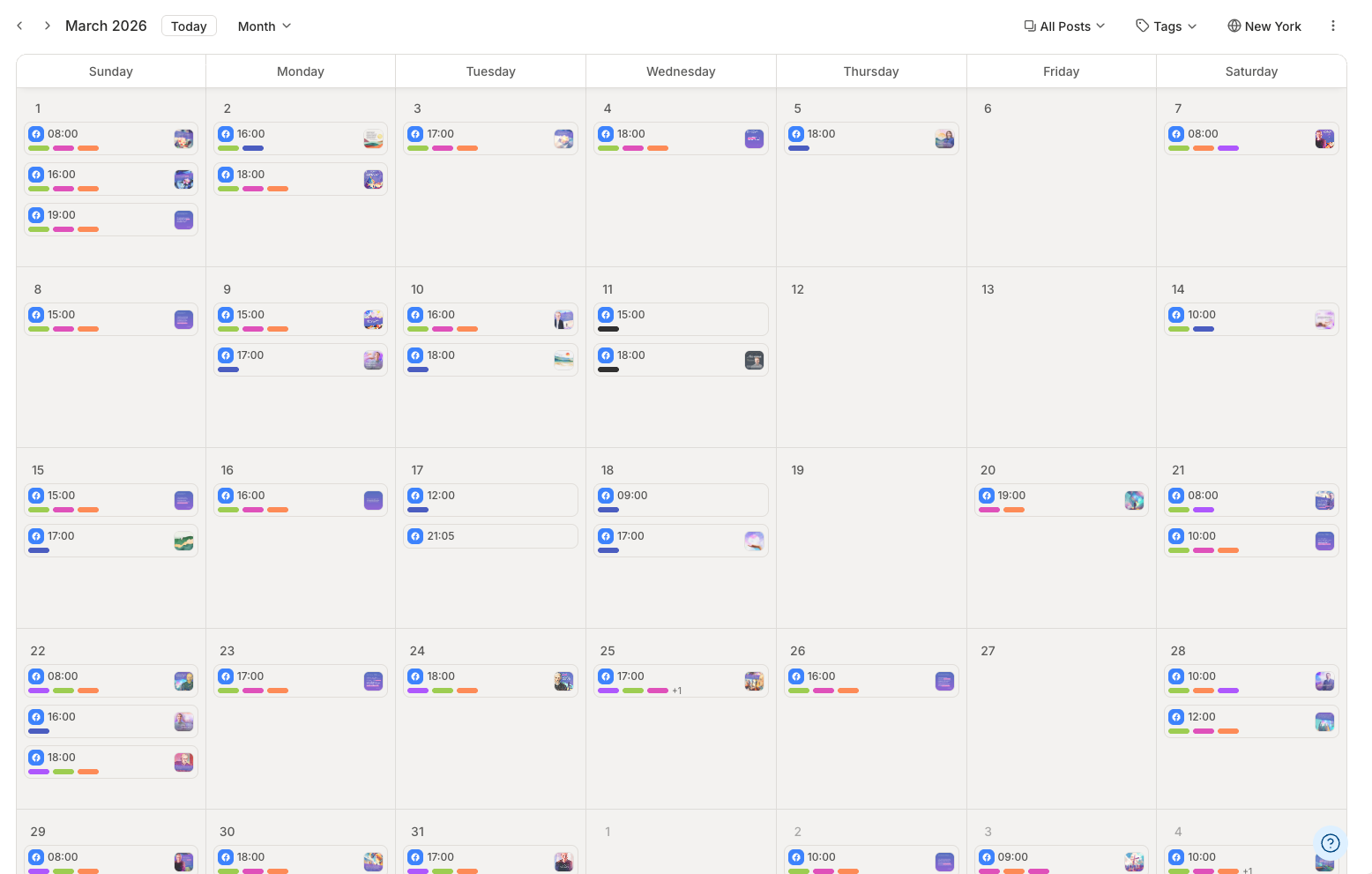
The tagging feature, however, has become indispensable to Kuhns’ analytical process. This functionality allows him to categorize posts using color-coded tags based on campaigns, themes, or specific subjects. These tags feed directly into the Insights reporting, enabling him to meticulously review the performance of each category over time. For instance, in working with a nonprofit client whose content frequently featured influential ideas and quotes from experts, Kuhns developed a series of quote graphics. By assigning different tags to these posts based on the specific thinkers or subjects highlighted, he could rapidly compare their engagement metrics. "In a matter of minutes, across a bunch of campaigns over a year, I can see how content from specific thinkers, on specific subjects, resonates with an audience and how that engagement changes," he explains. This granular level of analysis transcends mere post-level performance, revealing deeper audience preferences and thematic resonance.
The true value of these insights, according to Kuhns, lies not just in optimizing social media posts but in informing broader organizational strategy. He translates these analytical findings into actionable recommendations for his clients. "These insights don’t just inform the social media," Kuhns notes. "I can go back and say, people really resonate with this, and that can shape the client’s programming." For example, if data indicates a strong audience response to content featuring a particular intellectual or theme, Kuhns might suggest that the client organize a webinar on that subject, or dedicate a newsletter or blog series to the engaging thinker. In essence, a carefully applied tag in Buffer’s Insights can evolve into a strategic read on the audience, directly influencing the client’s future programming, content creation, and overall mission-driven initiatives. This creates a powerful feedback loop where digital engagement metrics directly inform and enrich real-world organizational activities.
Despite the undeniable power of data, Kuhns maintains a critical perspective, asserting that analytics alone are insufficient. "We need to see which things work best so we know what to focus on," he states, acknowledging the foundational importance of performance metrics. However, he strongly emphasizes the often-overlooked element of "taste" in shaping effective digital strategy. Kuhns articulates a common critique of contemporary social media practices: "Everyone’s critique of social media these days boils down to a central problem: taste never entered the conversation when we started using data to drive engagement at any cost." This observation highlights a significant ethical and strategic dilemma, particularly for mission-driven organizations.
He provides a compelling example involving a religious nonprofit, where chasing controversy could easily generate a high volume of engagement. Yet, much of this engagement would likely be hostile or misaligned with the organization’s core values. "It’s engagement. It’s getting me the views. But does it further my client’s mission? Probably not." Here, the data might indicate high visibility, but Kuhns’ judgment, informed by his artistic taste and deep understanding of his clients’ missions, dictates which forms of engagement are truly valuable and aligned with their long-term objectives. For Kuhns, Insights serves as a tool to understand audience reactions to content, providing the factual basis upon which he, in collaboration with his clients, can make informed, taste-led decisions about future actions, rather than blindly pursuing metrics that might compromise integrity or mission. This nuanced approach ensures that digital strategies are not only effective but also ethically sound and culturally appropriate.
This philosophy extends to his view on artificial intelligence in content creation. Kuhns appreciates Buffer’s measured integration of AI, stating, "The one thing I love about Buffer right now is that it’s the only platform I work with that isn’t shoving generative AI in my face." He notes that the communities his clients serve often have specific sensitivities that would not respond well to generic, AI-generated content. Buffer’s Insights feature, with its intelligence running in the background to surface patterns without generating content or dictating voice, aligns perfectly with Kuhns’ preference for tools that augment human judgment rather than replace it. This approach underscores a broader implication for the future of marketing: the emergence of the "hybrid marketer" who adeptly combines analytical rigor with human intuition, ethical considerations, and aesthetic sensitivity.
Dustin Kuhns’ model offers a compelling blueprint for creators, social media managers, and agency owners who value both quantitative insights and qualitative discernment. His success demonstrates that in an increasingly data-saturated world, the ability to interpret metrics through the lens of taste and mission-alignment is paramount. Buffer’s Insights empowers professionals like Kuhns to zoom out for a comprehensive view of all channel performance or delve into granular detail at the channel or tag level, ensuring that strategic decisions are both data-informed and ethically guided. The accessibility of many of Insights’ features on Buffer’s free plan further democratizes this sophisticated approach, allowing a wider range of organizations to experiment with integrating data and discretion into their digital strategies. As the digital landscape continues to evolve, Kuhns’ work highlights the enduring importance of specialized tools that adapt to human workflows and the irreplaceable value of human judgment in shaping authentic, impactful communications for the arts and culture sector.