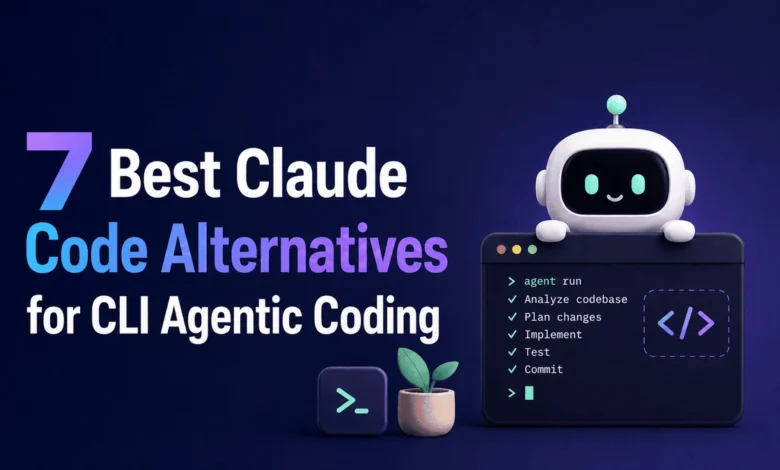
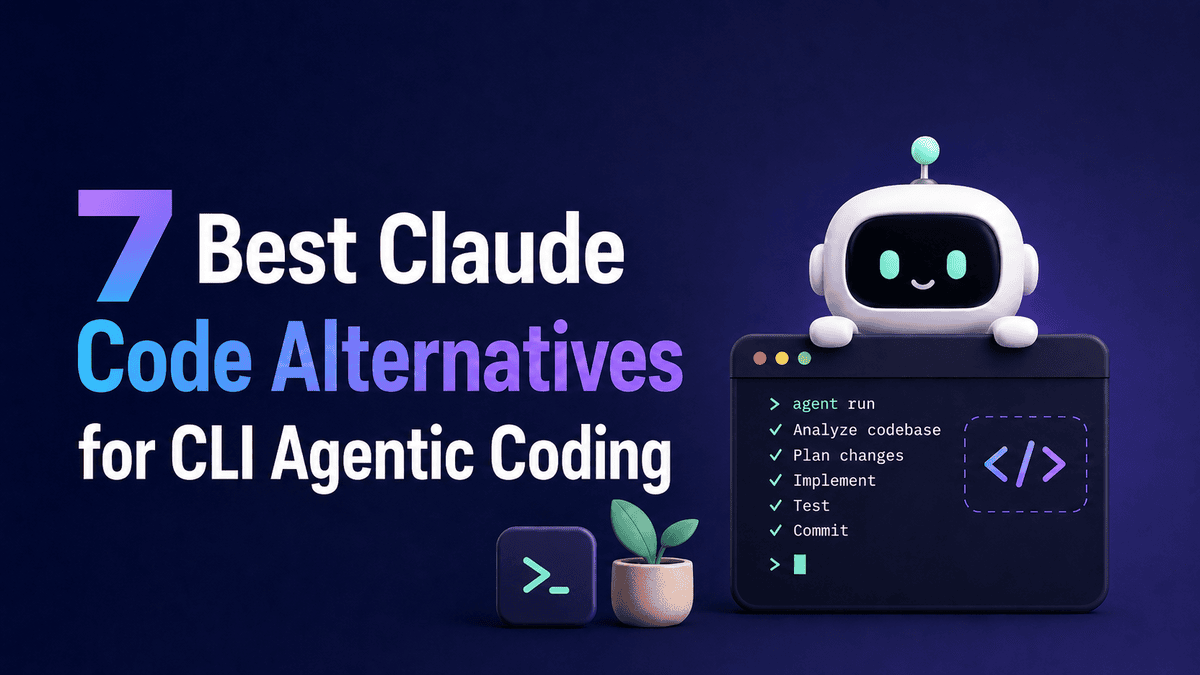
The landscape of software development is undergoing a fundamental shift as the industry moves from simple autocomplete features toward fully autonomous agentic coding systems. While Anthropic’s Claude Code has established a high benchmark for command-line interface (CLI) agents, the developer community is increasingly seeking alternatives that offer greater cost-efficiency, model flexibility, and local execution capabilities. Agentic coding represents a paradigm where an AI model is not merely a conversational partner but an active participant in the development environment, capable of executing terminal commands, managing file systems, and debugging code in real-time.
As the demand for these tools grows, the distinction between the AI model and the "agentic harness"—the software layer that manages permissions, context, and tool integration—has become the primary differentiator for professional developers. Current market analysis suggests that while Claude 3.5 Sonnet remains a premier model for logic and reasoning, the proprietary nature of Claude Code’s harness can lead to vendor lock-in and high operational costs. Consequently, several open-source and cross-platform alternatives have emerged to provide developers with more granular control over their automated workflows.
The Evolution of Agentic Development
To understand the current state of CLI-based coding agents, it is necessary to examine the chronology of AI integration in software engineering. The journey began with basic Large Language Model (LLM) chat interfaces, followed by integrated development environment (IDE) extensions like GitHub Copilot. However, 2024 marked the "Year of the Agent," where tools moved beyond the text editor and into the terminal.
The introduction of the Model Context Protocol (MCP) by Anthropic significantly accelerated this trend, providing a standardized way for AI agents to connect to external data sources and tools. This protocol has allowed third-party developers to build harnesses that are often more robust or specialized than the original implementations. The rise of local LLM runners, such as Ollama and LM Studio, has further fueled this evolution, allowing developers to run agentic workflows on private hardware, bypassing the privacy concerns and latency associated with cloud-based APIs.
1. OpenCode: The Open-Source Multi-Model Powerhouse
OpenCode has emerged as a leading contender for developers who prioritize transparency and flexibility. Unlike Claude Code, which is optimized specifically for Anthropic’s ecosystem, OpenCode functions as a versatile agent capable of operating across terminals, IDEs, and dedicated desktop applications. Its primary technical advantage lies in its automatic loading of language servers, which provides the agent with deep semantic understanding of diverse codebases.
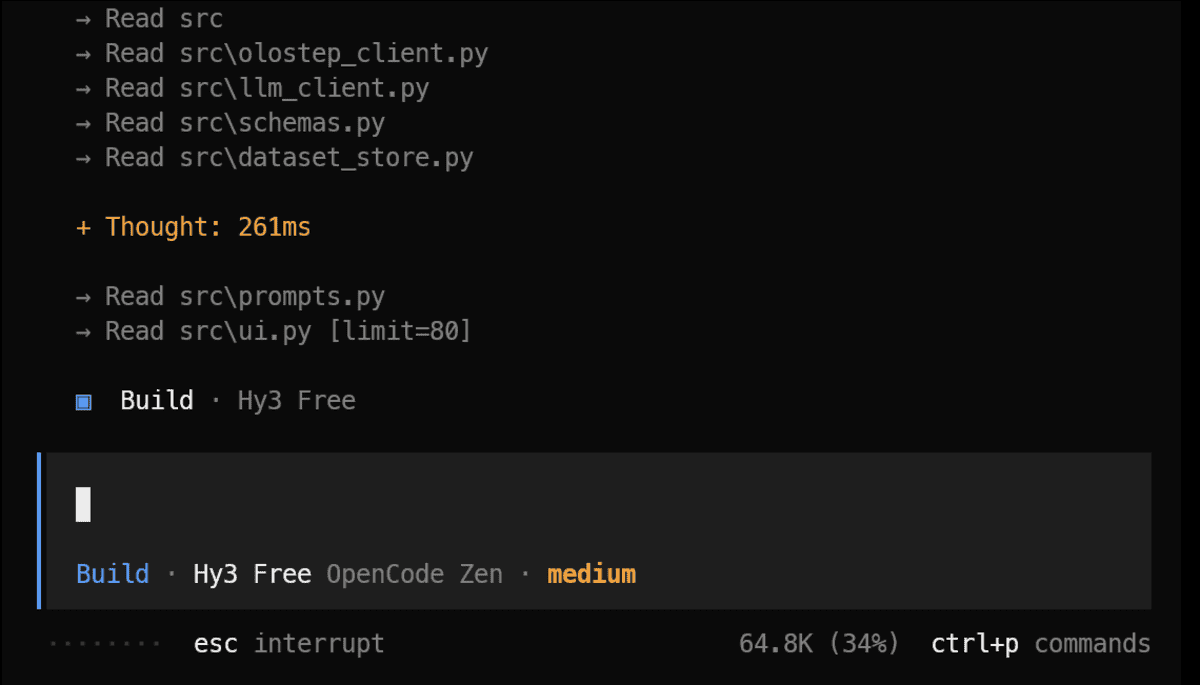
The tool allows developers to bypass the constraints of a single provider by switching between models based on the complexity of the task. For instance, a developer might use a smaller, faster model for boilerplate generation and switch to a more sophisticated model for complex architectural refactoring. This flexibility is paired with a system that supports multiple concurrent sessions and custom agent definitions, making it a preferred choice for power users who require a bespoke coding environment.
2. Pi: Minimalist Efficiency and Customization
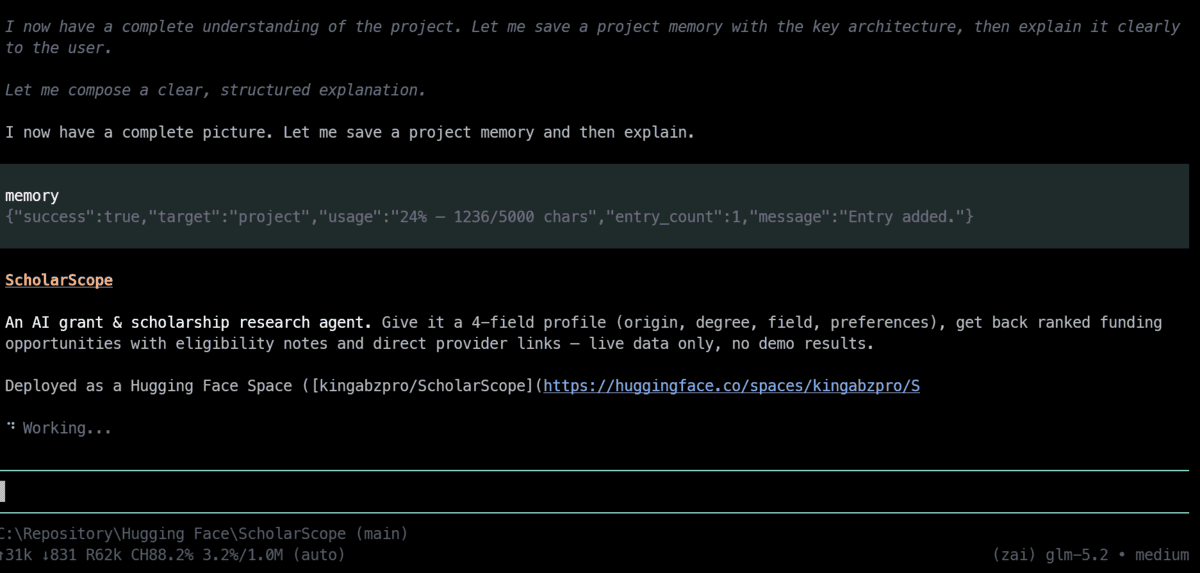
Pi represents a departure from "all-in-one" solutions, offering a lightweight, open-source harness designed for maximum efficiency. In the world of agentic coding, the "system prompt"—the instructions given to the AI to define its behavior—can consume a significant number of tokens, driving up costs. Pi addresses this by maintaining a minimal core system and allowing users to add functionality through modular extensions and "skills."
A critical feature of Pi is its ability to switch model providers—including OpenAI, Google, and OpenRouter—within a single active session. This allows for a "best-of-breed" approach where different models handle different stages of the development lifecycle. Furthermore, Pi introduces version-control-like features within the agent session, enabling developers to branch a conversation, test a hypothesis, and return to a previous state without losing context.
3. Factory Droid: Enterprise-Grade Automation
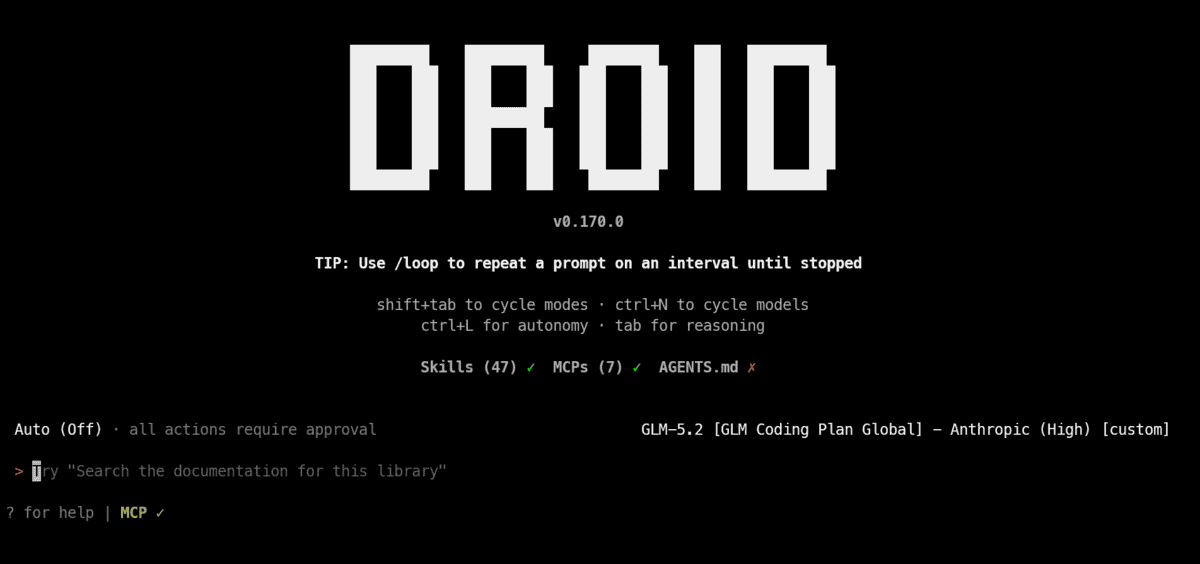
For teams operating within high-velocity CI/CD (Continuous Integration/Continuous Deployment) pipelines, Factory Droid offers a specialized "exec" mode that differentiates it from purely interactive chat agents. While many agents require a human-in-the-loop to approve every action, Factory Droid can be configured to execute tasks headlessly. This makes it an ideal tool for automated bug fixing, security patching, and routine codebase maintenance.
Factory Droid utilizes a "Mission" architecture, where a complex project is decomposed into smaller, manageable steps. These steps are then assigned to specialized sub-agents—such as a "Reviewer Droid" or a "Security Droid"—ensuring that the code produced meets organizational standards. This hierarchical approach to agentic coding reflects the structured workflows of modern enterprise engineering teams.
4. Codex CLI: Leveraging the OpenAI Ecosystem
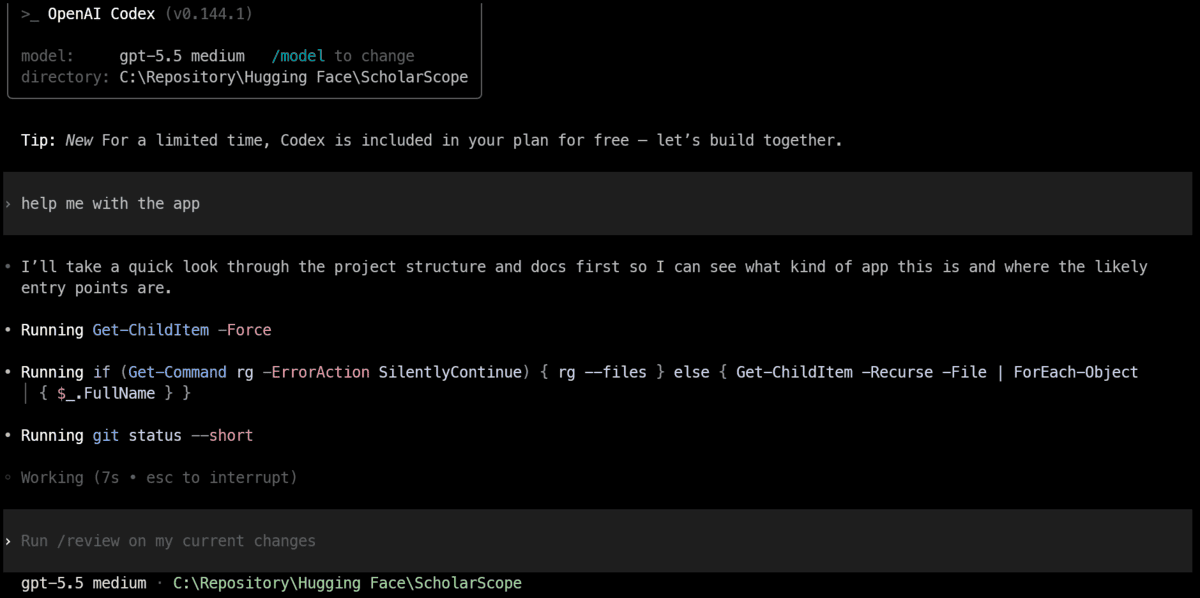
Codex CLI remains a cornerstone for developers deeply integrated into the OpenAI environment. While OpenAI has transitioned its primary focus toward more general-purpose models like the GPT-4 and O1 series, the Codex CLI harness provides a dedicated path for terminal-based agentic work. Its greatest strength is its economic accessibility; many developers with existing ChatGPT Plus or enterprise subscriptions can access these capabilities without incurring additional monthly fees.
The tool is noted for its "sandbox" environment, which provides a layer of security by restricting the agent’s access to sensitive parts of the local system. As security becomes a paramount concern in AI-assisted development, the ability to define strict permission levels for an agent that has terminal access is a critical feature for professional use.
5. Antigravity CLI: Google’s High-Performance Entry
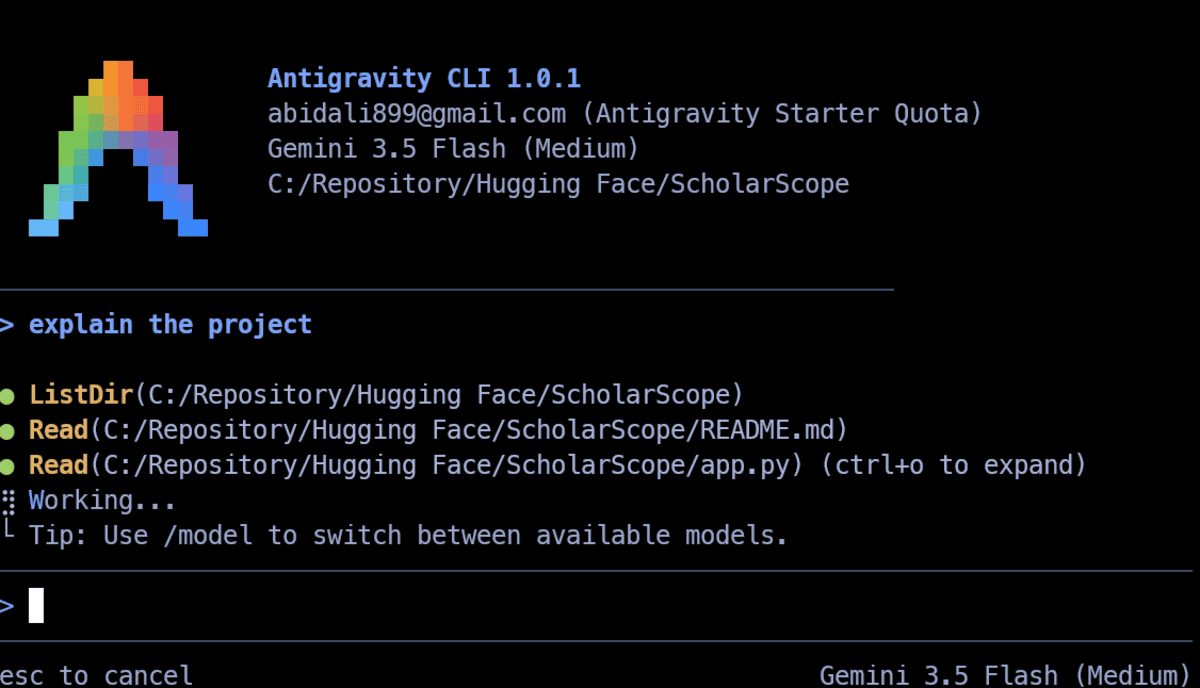
Antigravity CLI is Google’s answer to the need for a high-performance, terminal-native coding assistant. Built to leverage the Gemini series of models, Antigravity is optimized for speed and remote workflows, particularly over SSH connections. This makes it an essential tool for DevOps engineers and developers working on cloud-based infrastructure.
One of Antigravity’s standout features is its support for multi-agent parallel processing. In a typical workflow, one agent might be tasked with researching documentation or exploring a large codebase while another simultaneously writes tests or refactors code. This non-blocking architecture ensures that the developer’s terminal remains responsive even during intensive AI operations. Furthermore, its seamless integration with the Antigravity desktop app allows for a hybrid workflow where tasks started in the CLI can be finished in a visual interface.
6. Cline: The Cross-Platform Standard
Cline has rapidly become one of the most popular open-source agents due to its broad compatibility. It bridges the gap between the terminal and popular editors like VS Code and JetBrains. Cline’s harness is particularly robust, supporting browser-based tools that allow the agent to test web applications in real-time and adjust code based on visual or console feedback.
The tool’s support for "headless execution" and parallel sub-agents makes it a versatile choice for both individual developers and automated systems. By supporting local models through Ollama and LM Studio, Cline offers a high degree of privacy, ensuring that proprietary code never leaves the developer’s local machine—a requirement for many regulated industries.
7. Goose: Beyond Coding into General Automation
Goose distinguishes itself by being a general-purpose AI agent that excels at coding but is not limited by it. Built on an open-source framework, Goose can connect to over 70 MCP extensions, allowing it to interact with everything from Slack and Jira to complex data analysis tools. This makes Goose more of a "digital colleague" than a simple coding assistant.
For developers, this means Goose can handle the entire lifecycle of a feature request: reading the ticket in a project management tool, researching the necessary APIs, writing the code, running the tests, and finally posting a summary of the changes to a team channel. Its support for a wide array of model providers, including Amazon Bedrock and Azure, ensures that it can be deployed within any existing corporate cloud infrastructure.
Industry Implications and Future Outlook
The rapid proliferation of these tools suggests a fundamental change in the economics of software production. Data from recent industry surveys indicate that developers using agentic CLI tools report a 30% to 50% increase in productivity for routine tasks such as unit testing and refactoring. However, this shift also introduces new challenges.
Security experts have raised concerns regarding "prompt injection" attacks where malicious code hidden in a codebase could trick an agent into executing dangerous terminal commands. As a result, the development of "human-in-the-loop" verification and secure sandboxing, as seen in tools like Codex CLI and Cline, is becoming a standard requirement for the industry.
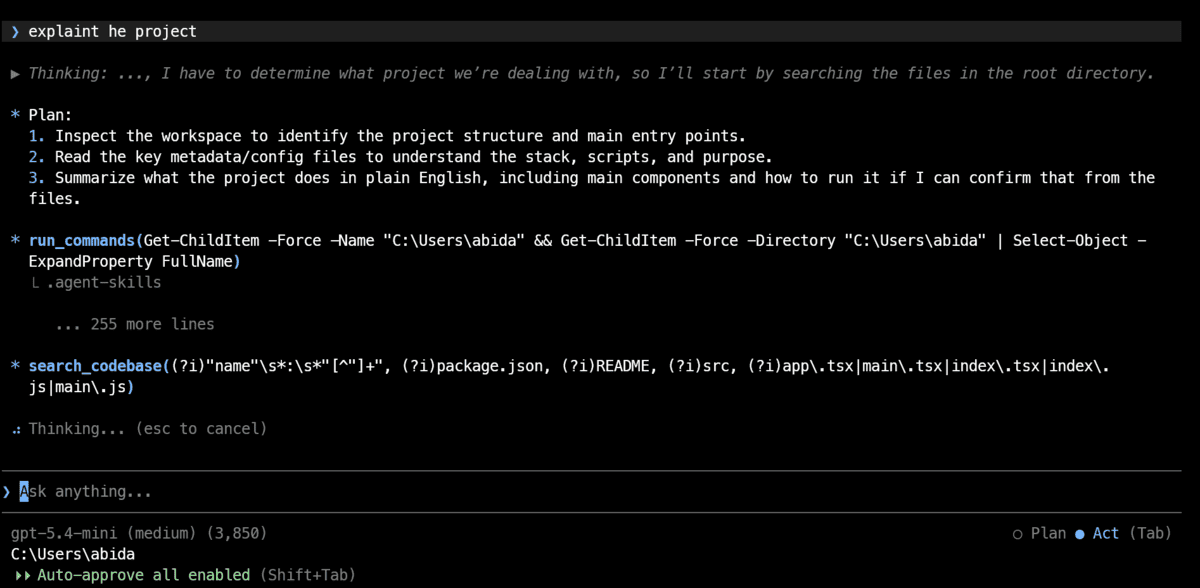
Furthermore, the rise of the Model Context Protocol (MCP) suggests that the future of agentic coding will be defined by interoperability. Rather than being locked into a single ecosystem, developers will likely mix and match agents, models, and tools to create highly specialized workflows. The transition from Claude Code to these more flexible alternatives is not just a search for lower costs; it is a move toward a more open and customizable era of software engineering.
In conclusion, while Claude Code remains a powerful benchmark, the seven alternatives highlighted—OpenCode, Pi, Factory Droid, Codex CLI, Antigravity CLI, Cline, and Goose—each offer unique advantages that cater to different developer needs. Whether the priority is local execution, enterprise automation, or multi-model flexibility, the current market provides a robust array of tools that are redefining what it means to write code in the age of artificial intelligence.