Mastering Social Media Content Planning: A Strategic Framework for Modern Marketing Efficiency


In the rapidly evolving landscape of digital marketing, the transition from reactive posting to proactive content planning has become the defining characteristic of successful brands. Social media content planning is the systematic process of aligning daily publication schedules with overarching corporate objectives, ensuring that every piece of content—whether a short-form video, a carousel, or a long-form article—serves a measurable purpose. By moving beyond the "scramble" of last-minute content creation, marketing teams can achieve consistent brand messaging, improved audience engagement, and a significant reduction in employee burnout.

The shift toward structured content planning is not merely a matter of convenience; it is a strategic imperative. Industry data suggests that marketing teams operating without a defined content calendar are 60% more likely to miss engagement targets and struggle with cross-platform consistency. By adopting a formal planning methodology, organizations can move away from fragmented, siloed efforts and toward a unified narrative that supports long-term growth.

The Strategic Necessity of Content Planning
Content planning acts as the connective tissue between high-level business goals and daily social media operations. When a brand plans its content, it is effectively managing its reputation and its reach. This approach allows for "batching," a workflow technique where content is conceptualized, created, and approved in bulk, rather than in an ad-hoc fashion. Batching enables teams to repurpose a single core idea across multiple formats—such as transforming a whitepaper into an infographic, a series of short-form videos, and a threaded conversation—thereby maximizing the return on investment for every creative asset produced.

Beyond operational efficiency, structured planning protects the brand from the risks of inconsistency. In the current social media ecosystem, algorithms favor accounts that demonstrate reliability and frequency. A well-planned calendar accounts for seasonality, product launches, and cultural moments, ensuring that the brand is present during critical times without the need for constant, panicked intervention from the social media team.

A Ten-Step Framework for Systematic Planning
To implement a robust planning process, marketing professionals must adhere to a disciplined workflow. While every organization will adapt these steps to its specific needs, the following structure provides a baseline for operational success:
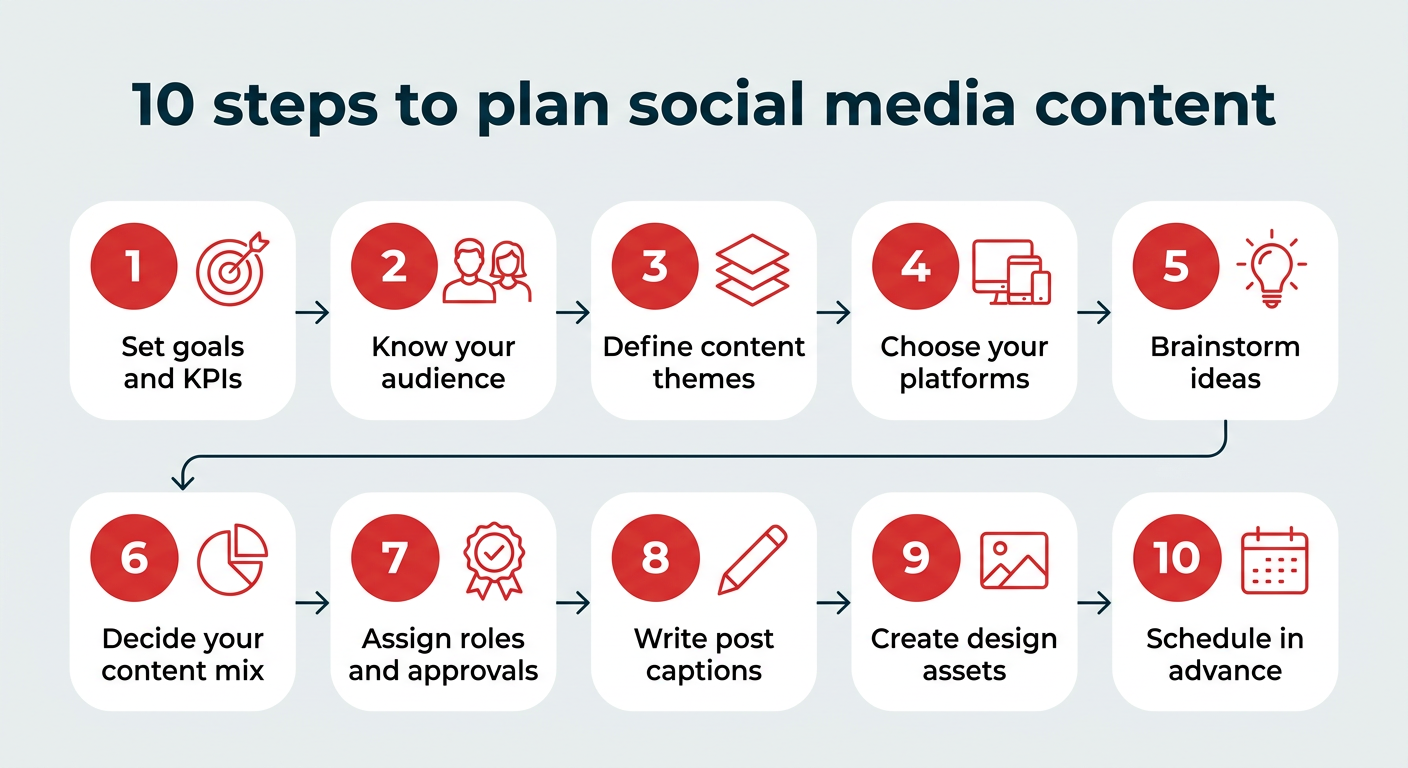
- Establishment of KPIs: The foundation of any plan is the definition of success. Whether the goal is brand awareness, lead generation, or community building, each objective must be tied to a specific Key Performance Indicator (KPI), such as a 20% increase in impressions or a 5% increase in conversion rate.
- Audience Demographics and Behavioral Mapping: Effective content is rooted in deep audience insights. Teams must utilize analytics to identify who their audience is, what problems they are trying to solve, and where they spend their time.
- Thematic Pillar Development: Content themes, or pillars, serve as guardrails for creativity. By defining three to five core topics, brands ensure that their messaging remains focused and relevant.
- Platform-Specific Strategy: Not all social networks require the same approach. A strategy for LinkedIn, characterized by professional insights, will naturally differ from the visual-first approach required by Instagram or the trend-driven nature of TikTok.
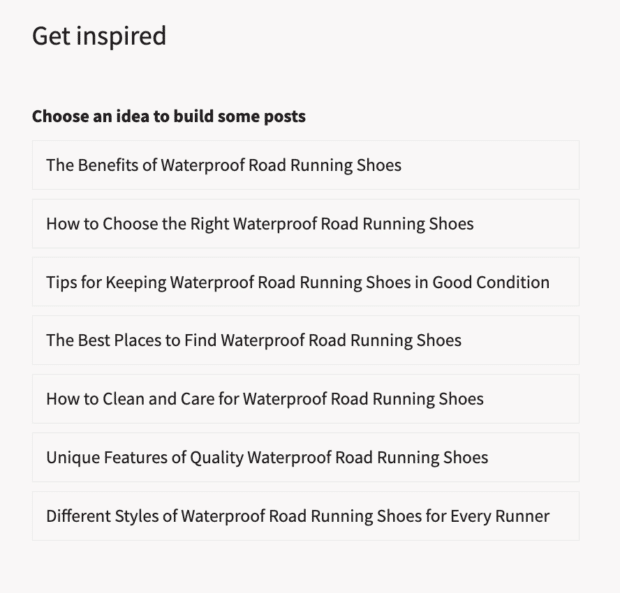
- Ideation and Pipeline Management: Brainstorming should be a continuous process rather than a sporadic event. Maintaining a "backlog" of ideas prevents the common pitfall of having nothing to post.
- Optimizing the Content Mix: A healthy social media presence balances original content with curated material. A common industry benchmark is a 40/60 split between original brand content and relevant third-party insights.
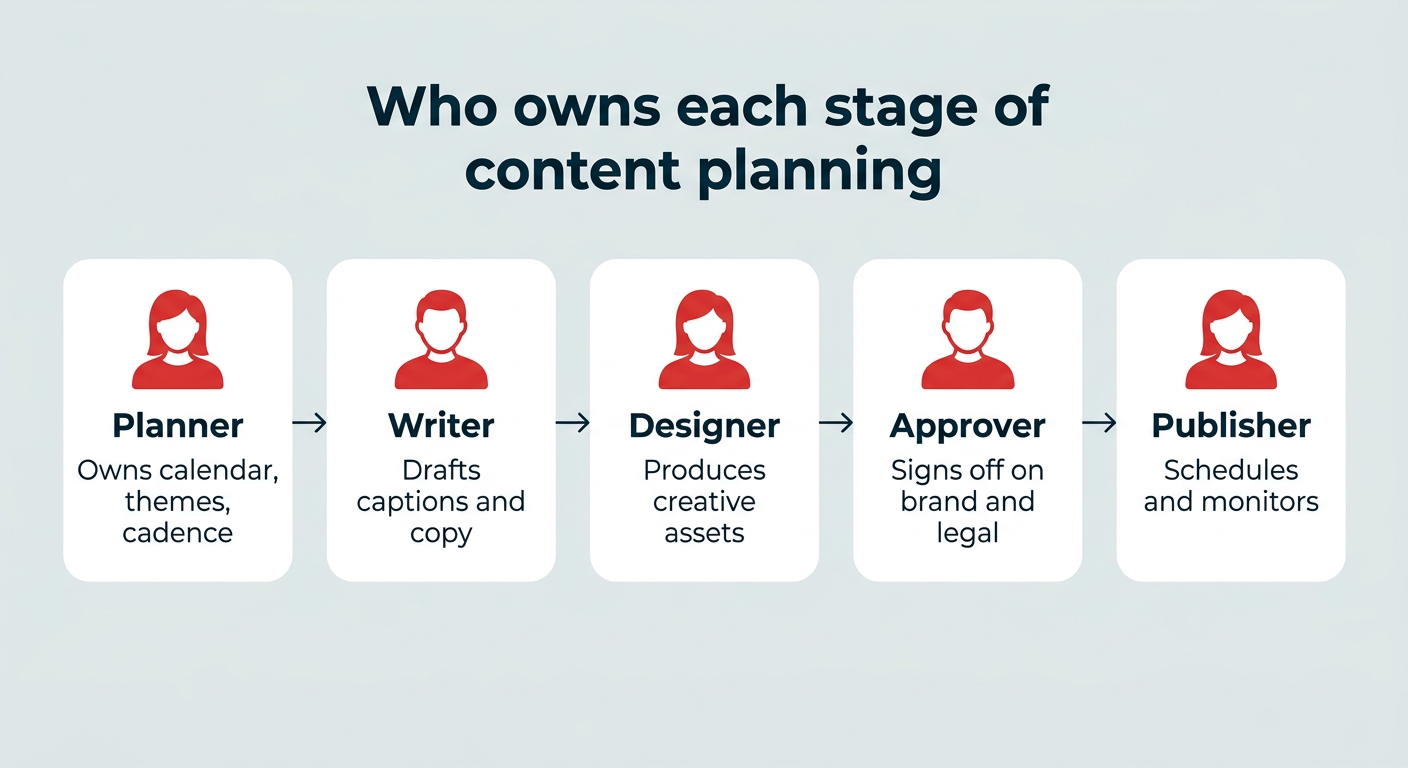
- Role Definition and Approval Workflows: To prevent bottlenecks, every stage of the process—from copywriting to visual design to legal compliance—must have a designated owner and a clear approval path.
- Drafting and Copywriting: Consistent brand voice is maintained through the systematic drafting of captions, ensuring that messaging is cohesive across all channels.
- Visual Asset Production: High-quality imagery and video are the primary drivers of engagement. Ensuring these assets are created in line with the overall campaign timeline is crucial for timely delivery.
- Advanced Scheduling and Iteration: Finally, leveraging scheduling tools allows for the strategic release of content during peak engagement hours, as identified by performance data.
Data-Driven Improvement and Performance Measurement
A plan that is never reviewed is merely a schedule, not a strategy. Continuous improvement is the hallmark of sophisticated social media management. This involves a three-tiered review cadence: weekly check-ins for tactical adjustments, monthly assessments to evaluate performance against themes, and quarterly strategic reviews to pivot based on macro-trends and shifts in platform behavior.

Data-driven decision-making means that if specific formats—such as short-form video—consistently outperform others, the content calendar should be adjusted to prioritize those formats. Conversely, if a specific theme fails to resonate over a ninety-day period, it should be phased out or fundamentally re-evaluated. This loop of measurement and iteration ensures that the brand’s social media presence evolves in tandem with the audience’s preferences.

The Role of Artificial Intelligence in 2026
As of 2026, the integration of Artificial Intelligence (AI) into social media workflows has fundamentally altered the speed of execution. However, current market analysis indicates a notable gap between the adoption of AI and the realization of actual value. While a vast majority of marketers are experimenting with generative AI, less than half report achieving significant, measurable benefits.
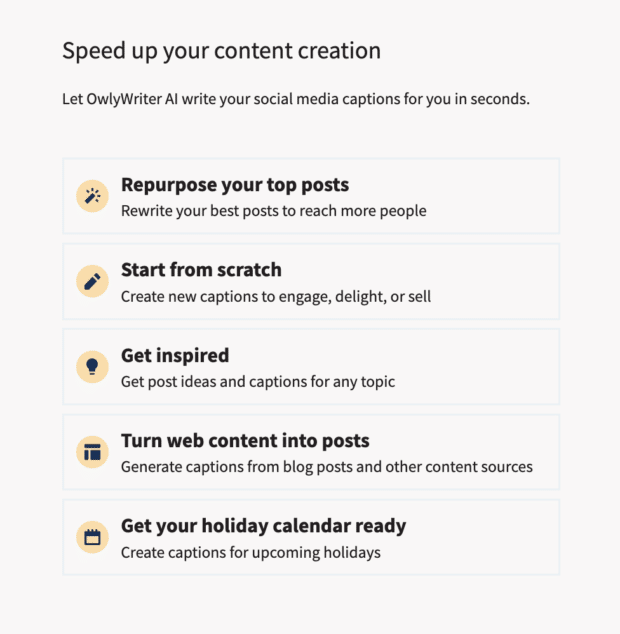
This discrepancy highlights the necessity of the "human-in-the-loop" model. AI serves as a powerful accelerator for drafting captions, surfacing trending topics through social listening, and optimizing posting schedules. Yet, it cannot replace the strategic judgment of a human marketing professional. For instance, in highly regulated industries such as finance or healthcare, AI-generated content must pass through rigorous compliance and governance layers to mitigate legal risk. Furthermore, as consumers become increasingly sensitive to "AI-generated" aesthetics, the role of human oversight in ensuring authenticity and quality has never been more critical.
Broader Implications for Enterprise Scalability
For large-scale enterprises, the challenge lies in maintaining brand uniformity while allowing for regional flexibility. Scaling a content plan requires the implementation of a "governance layer"—a system that allows local teams to create content while ensuring that it adheres to global brand standards and legal requirements.
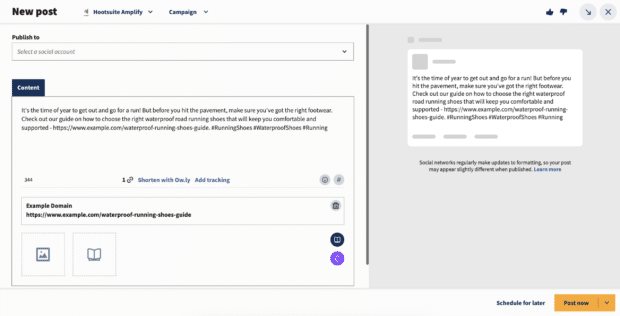
The shift toward integrated "Social Operating Systems" reflects this need for cohesion. By centralizing listening, planning, publishing, and analytics into a single dashboard, organizations can eliminate the data silos that traditionally hindered performance. This connectivity allows insights gathered from one region to inform the strategy of another, creating a flywheel effect of continuous optimization.
Conclusion: The Future of Content Consistency
The transition toward a methodical, planned approach to social media is reflective of the platform’s maturation from an experimental space to a core business channel. The brands that succeed in the coming years will be those that view their social media calendar not as a list of tasks, but as a strategic roadmap. By combining clear goal-setting, rigorous audience research, and a judicious use of AI, organizations can ensure that their digital presence is not only consistent and efficient but also deeply impactful. As the digital landscape continues to fragment, the ability to maintain a unified, data-informed strategy will remain the most significant competitive advantage a brand can possess. The process of content planning is, at its heart, the process of building a sustainable, long-term relationship with a brand’s most valuable asset: its audience.
Related posts: