Mastering Social Media Data Collection: A Comprehensive Guide to Strategy, Compliance, and Business Intelligence


Social media data collection has evolved from a niche marketing task into a cornerstone of modern corporate strategy, serving as the primary bridge between raw digital noise and actionable business intelligence. In an era where platforms like Facebook host over three billion monthly active users, the ability to harvest, analyze, and synthesize social signals is no longer optional—it is a critical requirement for maintaining market relevance and operational transparency.

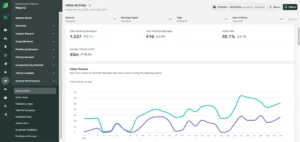
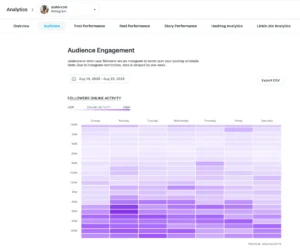
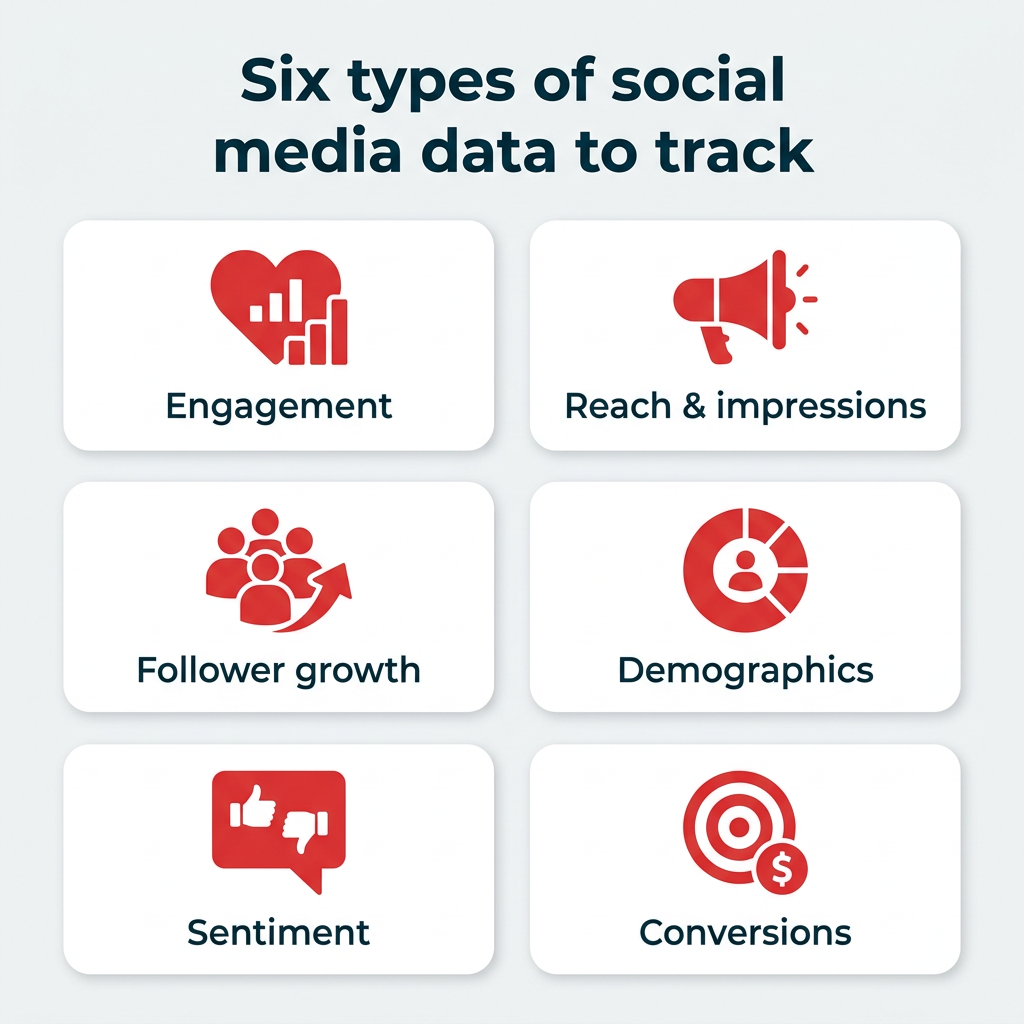
Understanding the distinction between data types is the first step toward effective collection. Data professionals categorize information into two primary buckets: first-party data and publicly available data. First-party data consists of metrics derived from owned channels—such as follower growth, impressions, and engagement rates—which are typically accessible via native analytics dashboards or proprietary APIs. In contrast, publicly available data encompasses the broader ecosystem: hashtags, external reviews, and non-branded mentions. While first-party data offers a controlled view of brand performance, public data provides the "honest signal" of unfiltered consumer sentiment, often revealing market shifts before they appear in internal reports.
The Lifecycle of Social Data: Collection, Mining, and Extraction
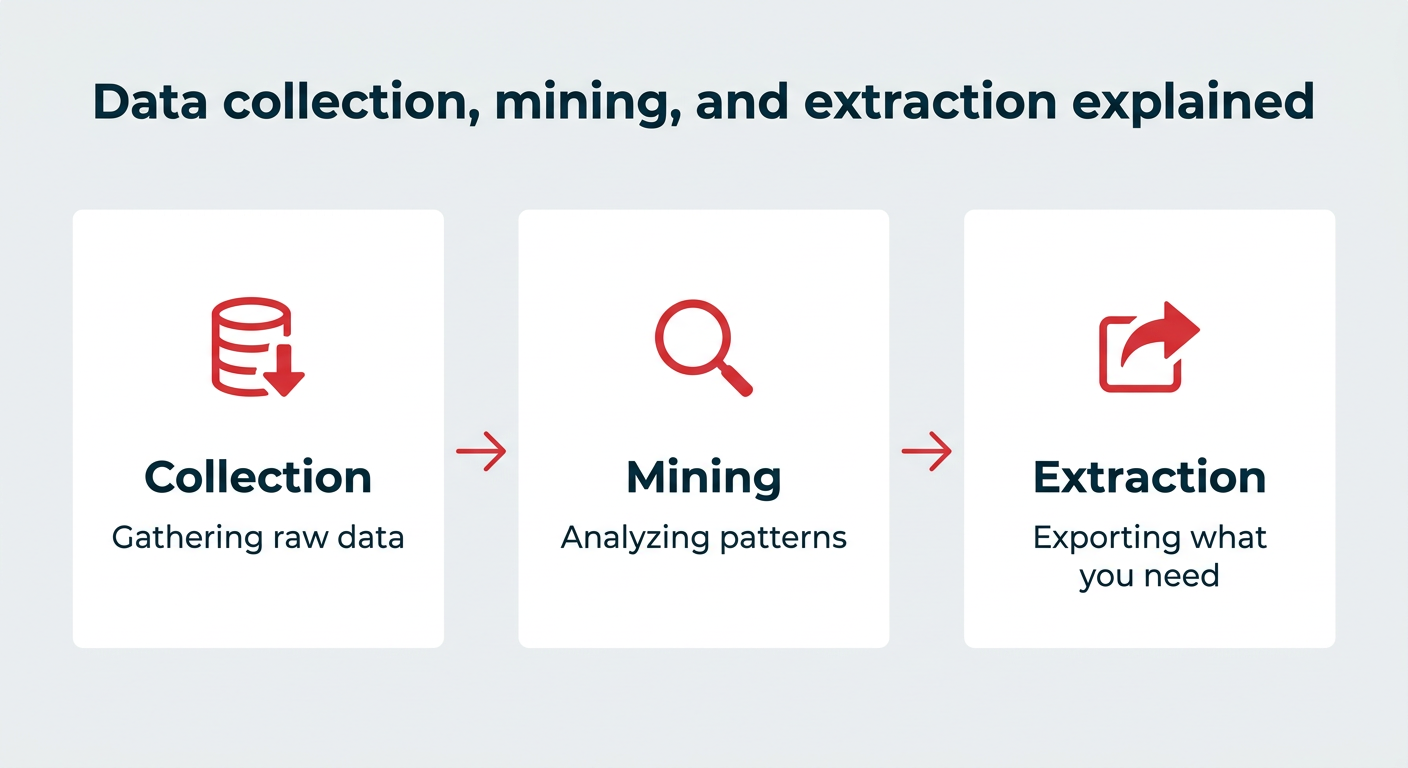
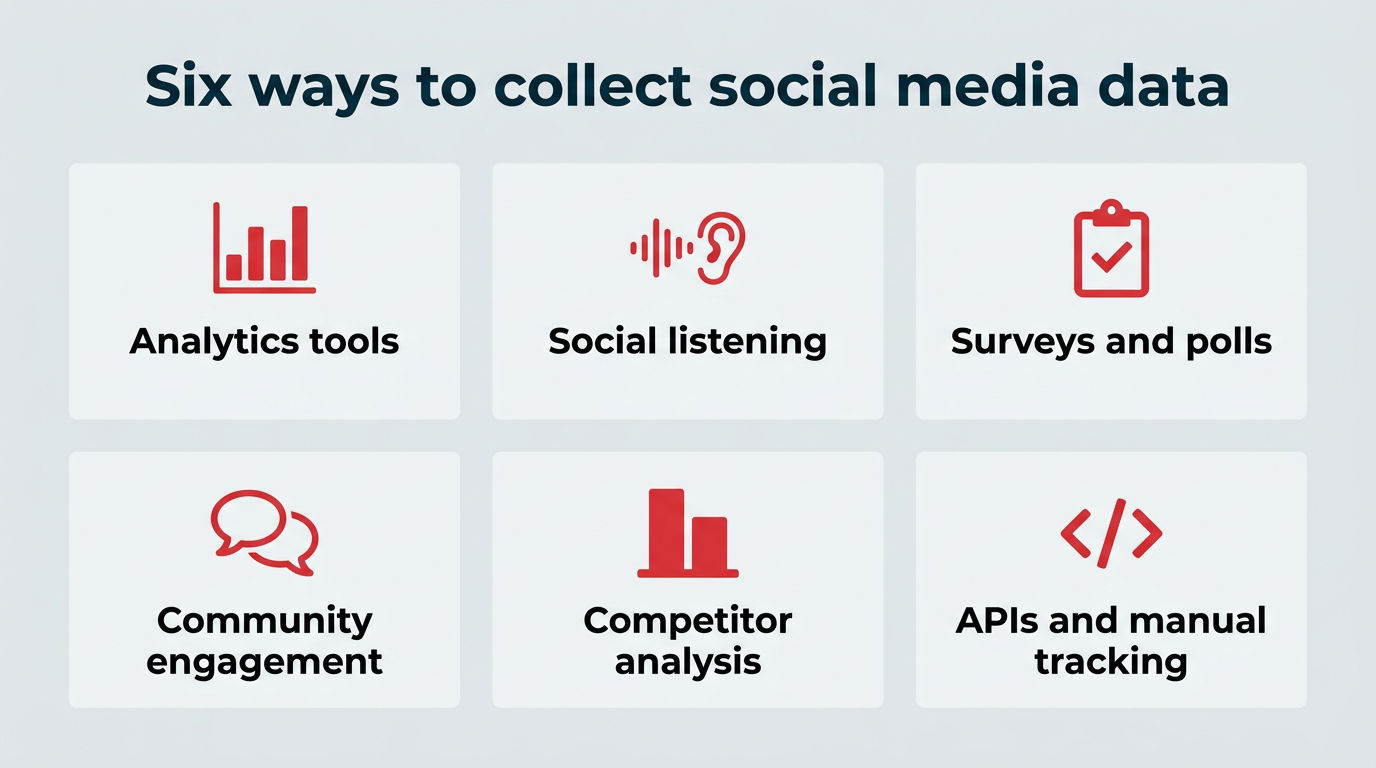
To effectively leverage social media information, organizations must distinguish between collection, mining, and extraction. These represent distinct phases in the data lifecycle. Collection is the foundational act of gathering raw information from various digital touchpoints. Mining involves the sophisticated application of analytical models to identify recurring patterns, such as determining which content formats consistently drive audience retention. Extraction acts as the final refinement phase, isolating specific, high-value data points to be integrated into executive-level reports or business intelligence tools.

The necessity for these processes has been amplified by the sheer scale of social interaction. Manual oversight is no longer feasible for enterprise-level operations; consequently, the integration of automated tools has become the industry standard for managing the velocity and variety of incoming data.
Platform-Specific Data Landscapes
Each social media platform functions as a distinct repository of behavioral and demographic data, and marketers must tailor their collection strategies accordingly. Meta’s ecosystem—comprising Facebook and Instagram—remains the gold standard for correlating social activity with transactional outcomes, utilizing the Conversions API to link post engagement directly to on-site purchases.
LinkedIn offers a unique advantage in the professional sphere, providing firmographic data that is unavailable elsewhere. By categorizing audience engagement by industry, job function, and company size, B2B organizations can move beyond generic demographic snapshots to develop account-level insights. TikTok, conversely, prioritizes attention-based metrics. Its algorithm-driven ecosystem provides granular visibility into watch time and completion rates, which are essential for brands attempting to optimize content in a high-velocity environment. YouTube serves as the primary repository for long-form performance data, offering deep insights into audience retention curves and video drop-off points, while X (formerly Twitter) remains the premier venue for real-time conversation tracking and crisis monitoring.
Regulatory Compliance and Ethical Stewardship
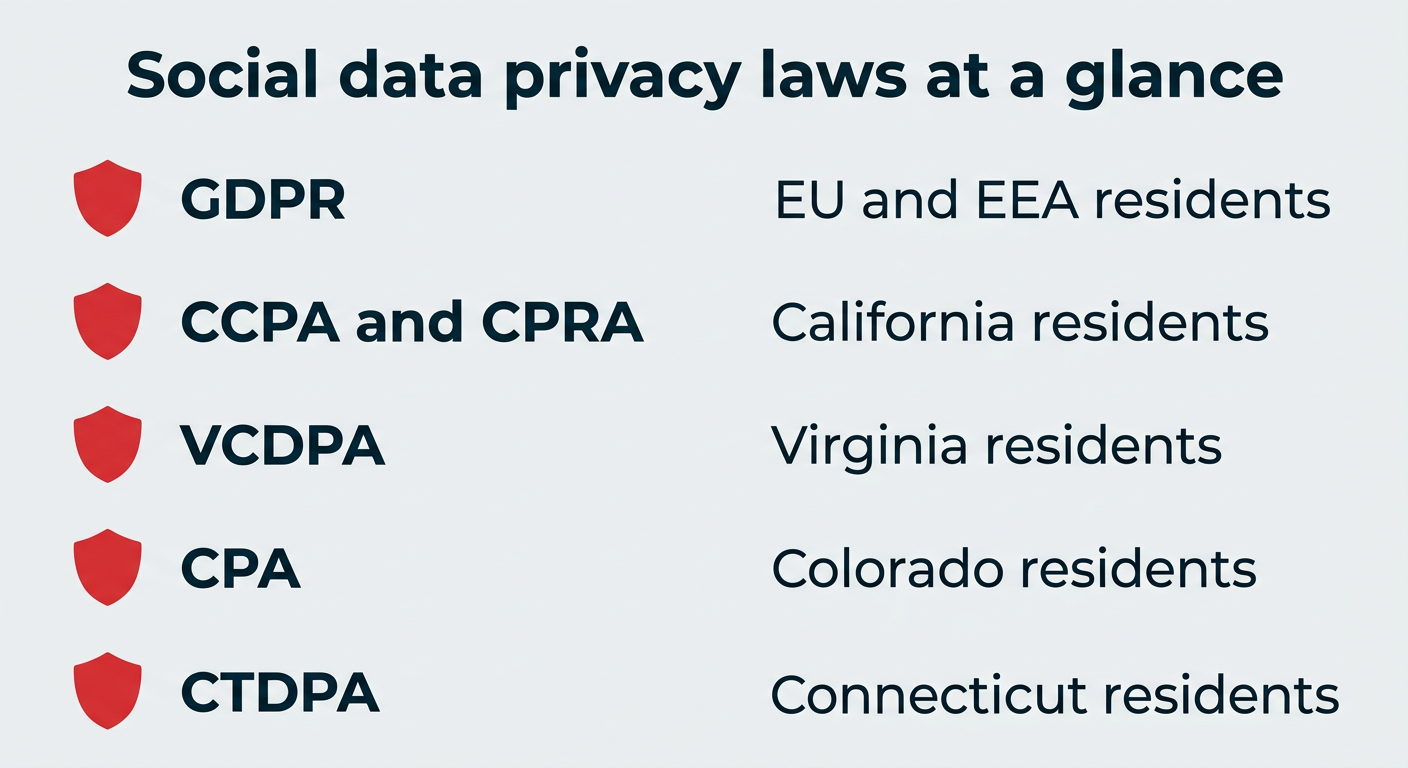
As data collection becomes more granular, the legal landscape governing its use has become increasingly complex. Organizations operating globally must navigate a fragmented web of privacy regulations, including the European Union’s General Data Protection Regulation (GDPR), the California Consumer Privacy Act (CCPA), and the California Privacy Rights Act (CPRA). These frameworks mandate transparency, consumer consent, and the right to data erasure.
Compliance is not merely a legal hurdle but a fundamental requirement for maintaining brand trust. The trend toward stricter enforcement across U.S. states—such as Virginia’s VCDPA and Colorado’s CPA—indicates that organizations must adopt a "privacy-by-design" approach. This involves limiting data collection to what is strictly necessary, ensuring that all data is anonymized or aggregated where possible, and maintaining rigorous retention policies to mitigate the risk of litigation or loss of API access.
The Role of AI in Data Interpretation
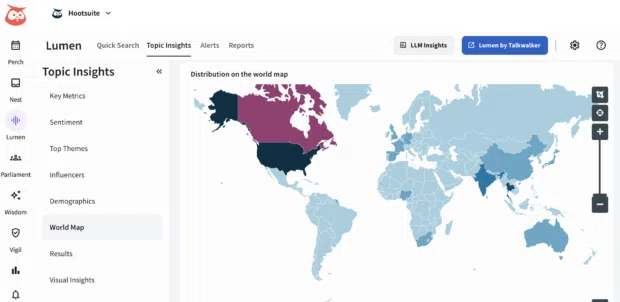
The introduction of artificial intelligence has fundamentally shifted the bottleneck of social media management from the act of collection to the act of interpretation. Modern AI-powered tools, such as the Lumen insights app within the Hootsuite Social OS, can process massive volumes of unstructured conversation data in real time, performing sentiment analysis and anomaly detection that would previously have required weeks of manual labor.
However, the adoption of AI necessitates caution. Because AI classification is probabilistic, automated sentiment labeling and topic clustering require human oversight to ensure accuracy. Furthermore, any AI tool used for processing social data must be vetted against existing privacy policies to ensure that the automation of insights does not inadvertently violate the terms of service of the host platforms or international data protection mandates.
Strategic Application: Moving from Metrics to Results
The ultimate goal of social media data collection is the improvement of return on investment (ROI). Data without a clear strategic intent often leads to "analysis paralysis," where teams become overwhelmed by metrics that do not influence business outcomes. Successful organizations utilize the SMART (Specific, Measurable, Achievable, Relevant, and Time-bound) framework to ensure that their data collection efforts align with broader corporate objectives.
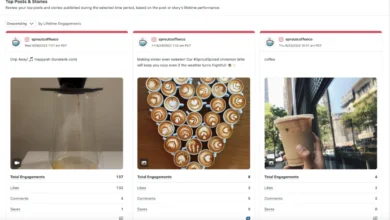
For instance, Taylor Knight, a Social Media Manager at Vessi, emphasizes that the purpose of a post must dictate the metrics used for evaluation. "You can’t always have a post that is record-breaking across all metrics," Knight notes. By tagging content based on objective—such as "brand awareness" or "product launch"—teams can compare the efficacy of different formats against specific KPIs rather than relying on vanity metrics like total follower counts.
Building a Culture of Data-Driven Decision Making
Sharing data effectively is as critical as collecting it. A report is only as valuable as the actions it inspires. To maximize impact, organizations should tailor their reporting to the needs of the stakeholder. Executive leadership typically requires high-level summaries focusing on ROI and competitive share of voice, while creative teams require granular, post-level feedback to refine future content strategies.

The most effective workflows involve "zooming out"—conducting monthly or quarterly trend analyses to identify shifts in consumer behavior that might be missed on a day-to-day basis. By integrating social media data with external business intelligence tools, such as Google Analytics, organizations can create a "single source of truth" that links social performance to the entire customer journey, from initial discovery to final purchase.
Future-Proofing the Social Strategy
As platforms continue to evolve and privacy laws tighten, the organizations that will succeed are those that view data not as a static asset, but as a dynamic resource. The shift toward first-party data ownership, combined with the responsible use of AI for pattern recognition, provides a sustainable path forward.
Professional teams must remain agile, continuously evaluating their stack of analytics, listening, and reporting tools to ensure they can scale with organizational needs. Whether through manual spreadsheets for lean startups or enterprise-grade dashboards for global corporations, the core principle remains consistent: data should serve to clarify strategy, not complicate it. By maintaining a focus on privacy, accuracy, and actionable insights, businesses can turn the vast, chaotic stream of social media conversation into a reliable compass for long-term growth and competitive advantage. In the digital age, the difference between a brand that survives and one that thrives is often the difference between those who watch the data and those who know how to listen to it.