The Ultimate Developer and Designer Toolkit: July 2026 Product Releases and Industry Innovations

The technology landscape for software engineers, systems administrators, and digital designers shifted significantly over the course of July 2026. This month’s wave of software releases, open-source utilities, and developer frameworks reflects an industry increasingly centered on artificial intelligence integration, self-hosted infrastructure sovereignty, and performance-optimized execution environments. As engineering teams grapple with the complexities of managing autonomous AI agents, multi-cloud deployments, and cross-platform native development, a new generation of tooling has emerged to address these workflow bottlenecks.
The Evolution of AI-Driven Development Ecosystems
The integration of artificial intelligence into software development pipelines transitioned from experimental assistants to deeply integrated execution environments during July 2026. This maturation is underscored by the introduction of specialized evaluation platforms and optimization protocols designed to govern agentic workflows.
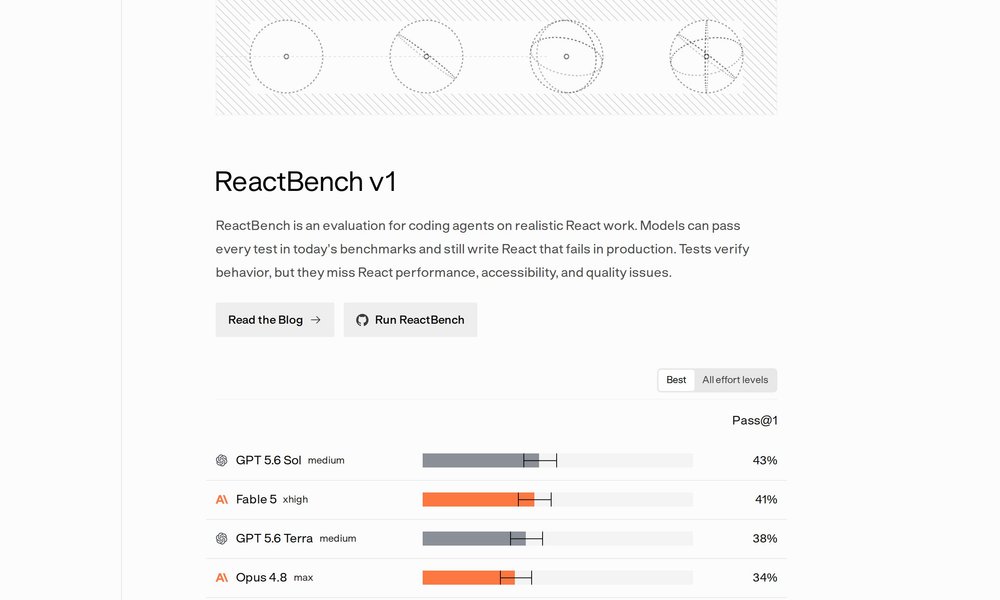
ReactBench has emerged as a critical evaluation standard within this ecosystem. Developed by the team behind React Doctor, ReactBench shifts the paradigm of code generation assessment away from simple unit test pass rates toward holistic evaluations of real-world React performance, accessibility standards, and production readiness. By testing models on complex frontend architectures, ReactBench provides engineering teams with empirical data to select appropriate large language models for user interface generation.

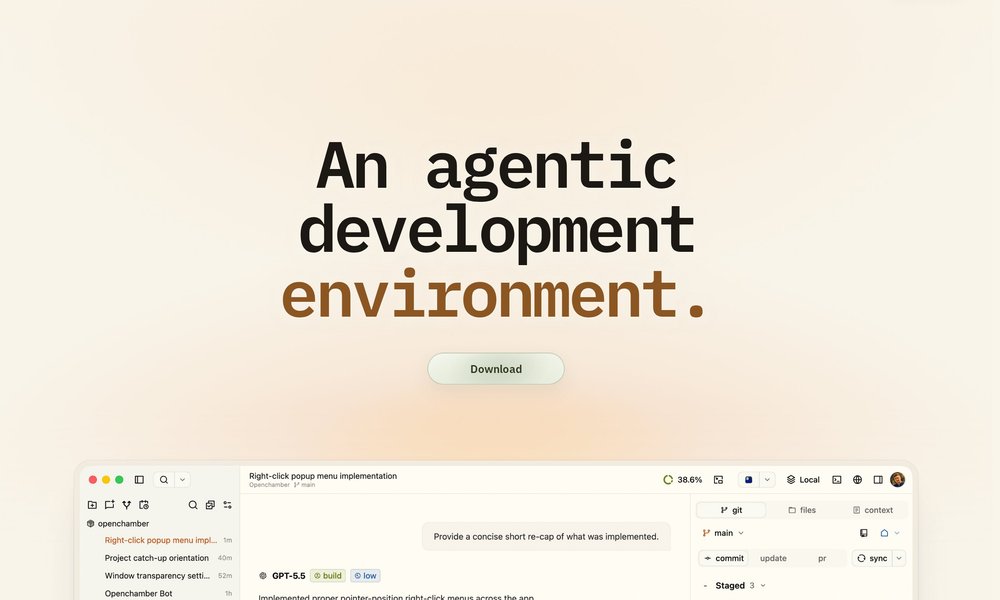
Complementing evaluation tools are execution frameworks designed to handle multi-agent paradigms. OpenChamber introduced an agentic development environment supporting cross-platform operations on macOS, Windows, and web browsers. Featuring parallel multi-model execution via an integrated Agent Manager and secure remote tunneling, OpenChamber addresses the concurrency challenges developers face when deploying multiple AI models simultaneously.
To mitigate the computational and contextual verbosity often associated with autonomous coding tools, the introduction of the Ponytail ruleset has provided a standardized constraint mechanism. Independent benchmarks indicate that integrating Ponytail into configurations for tools like Claude Code and GitHub Copilot reduces generated code volume by up to 54 percent without compromising code safety or functionality. This reduction in code bloat addresses a growing concern regarding the maintainability of AI-generated codebases.
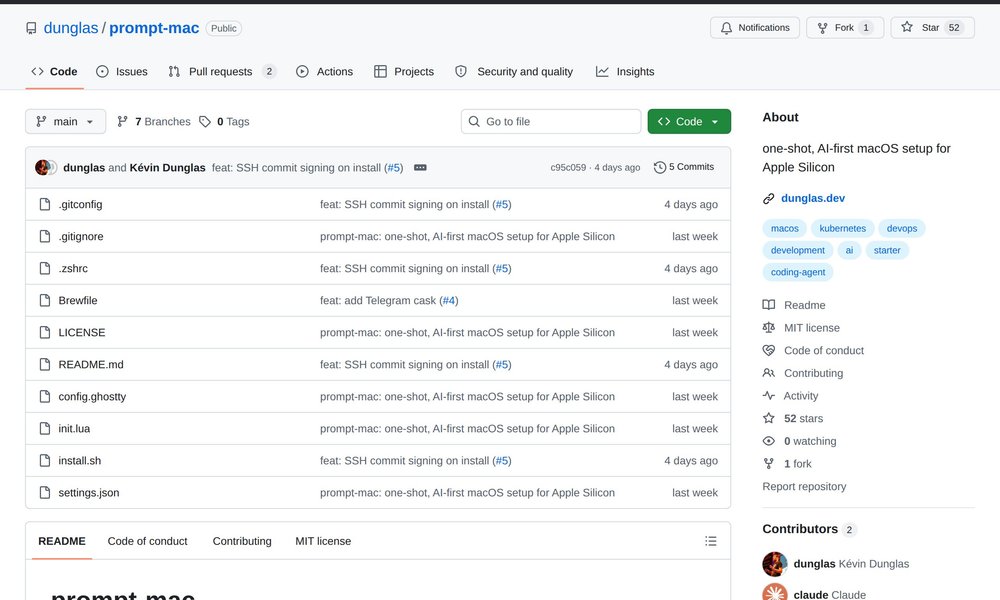
For environment provisioning, the release of prompt-mac provides a streamlined, idempotent configuration script tailored specifically for AI-first engineering workflows on macOS. Executed via a single command, the script automates the installation of essential command-line tools, editor configurations, and auxiliary dependencies, establishing a standardized baseline for developer machines.
Modernizing Code Review and Documentation Workflows
Code review efficiency and architectural comprehension remain critical productivity factors for development teams operating in distributed environments. July 2026 introduced novel interfaces designed to accelerate these processes.
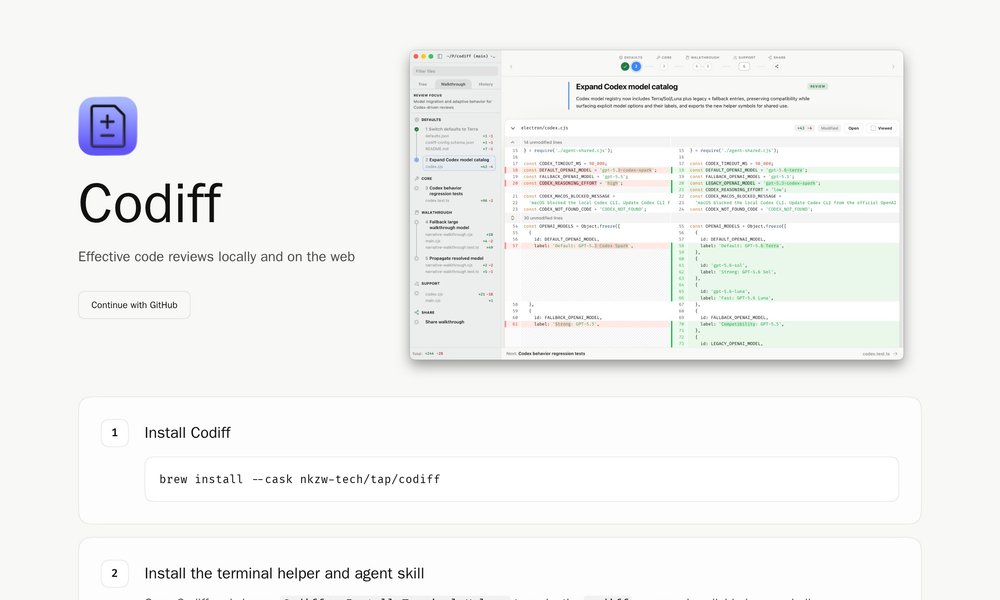
Codiff offers a streamlined, minimal diff viewer engineered to handle Git changes outside traditional integrated development environments. By generating automated large language model walkthroughs of code differences, supporting inline commentary for GitHub and GitLab repositories, and exporting comprehensive reviews in Markdown format, Codiff provides an efficient alternative to standard web-based diff interfaces.
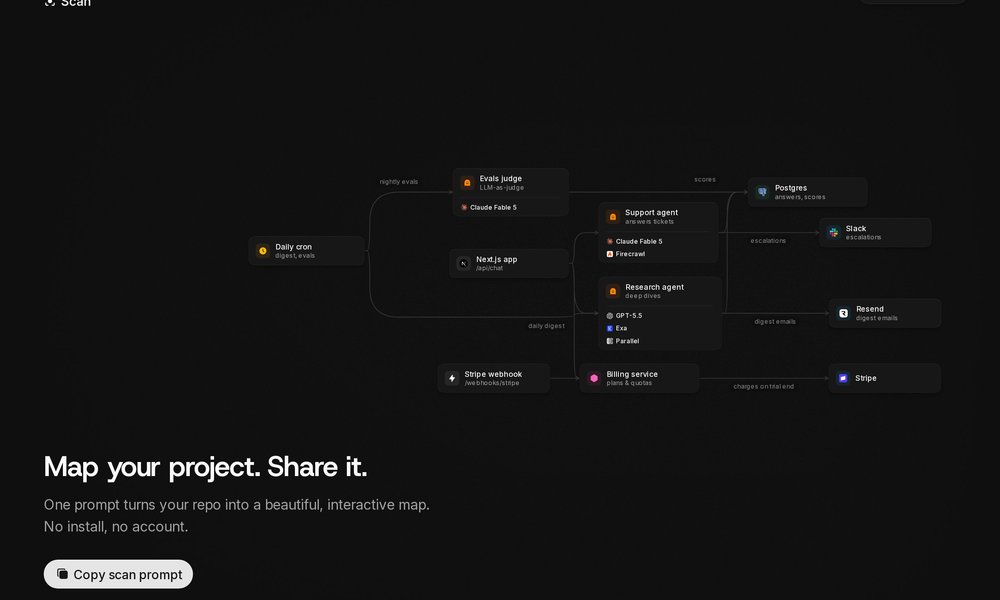
Concurrently, Foglamp Scan addresses the cognitive load associated with navigating unfamiliar code repositories. Operating with zero configuration or account creation requirements, the tool accepts prompts via coding agents to analyze project structures and instantly render shareable visual maps of codebase architecture. This capability significantly reduces the onboarding time required for engineers interacting with legacy or undocumented systems.
Infrastructure, Containerization, and Self-Hosted Services
The shift toward self-hosted infrastructure and localized container management gained substantial momentum in July 2026, driven by rising enterprise demands for data privacy, cost predictability, and reduced reliance on third-party software-as-a-service providers.
In the realm of containerization, the release of Contained—a native SwiftUI graphical user interface for Apple’s native Container CLI—has simplified local container orchestration on Apple Silicon architectures running macOS. Featuring Liquid Glass design elements, compose file importing, and a floating toolbar, Contained brings enterprise-grade container management to local development environments without relying on resource-intensive virtualization layers.
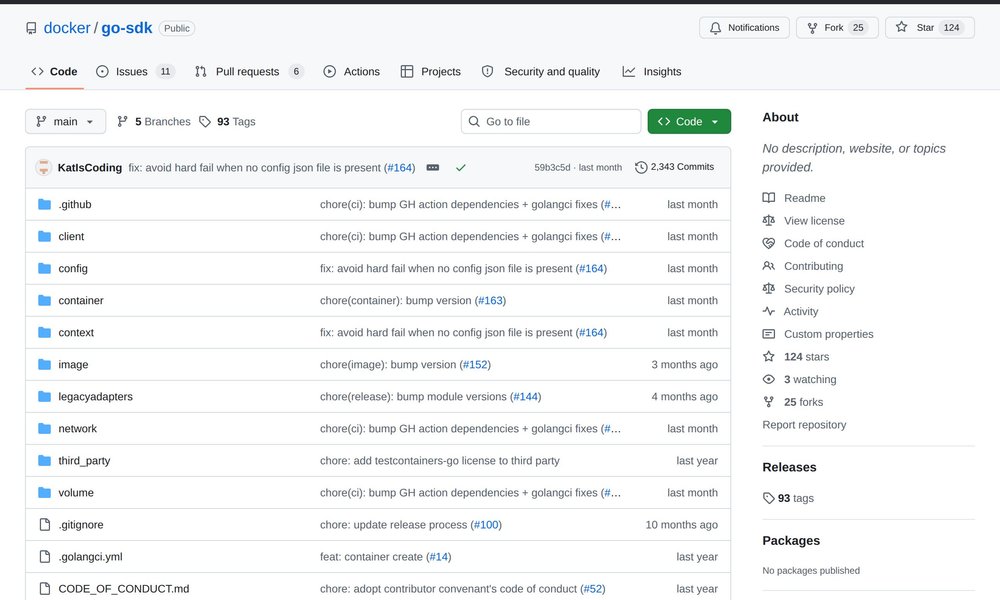
Concurrently, the release of the official Docker Go SDK provides Go developers with a robust, higher-level client abstraction. The SDK simplifies common operational patterns, including image pulls with integrated authentication, container execution with defined wait strategies, and automated random port allocation, while maintaining direct access to the lower-level Moby client for advanced use cases.
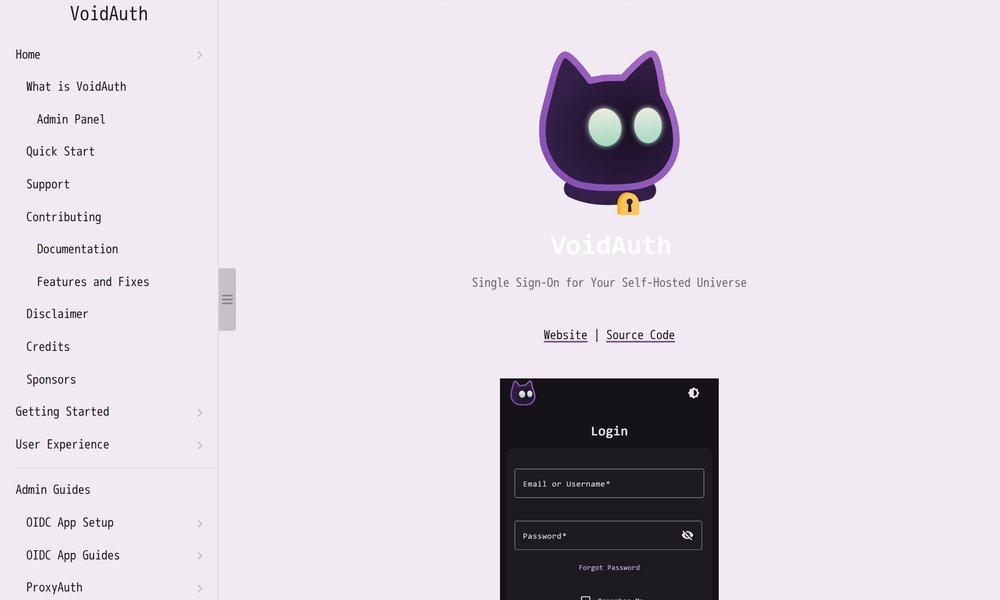
Identity management and security within self-hosted architectures saw a notable advancement with the launch of VoidAuth. Designed as an open-source single sign-on solution, VoidAuth supports OpenID Connect, Lightweight Directory Access Protocol (LDAP) synchronization, hardware passkeys, multi-factor authentication, and customizable branding. Operating on PostgreSQL or SQLite backends with encryption at rest, VoidAuth addresses the administrative overhead of managing fragmented credential stores across disparate self-hosted microservices.
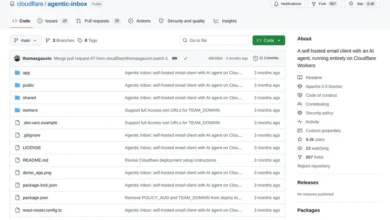
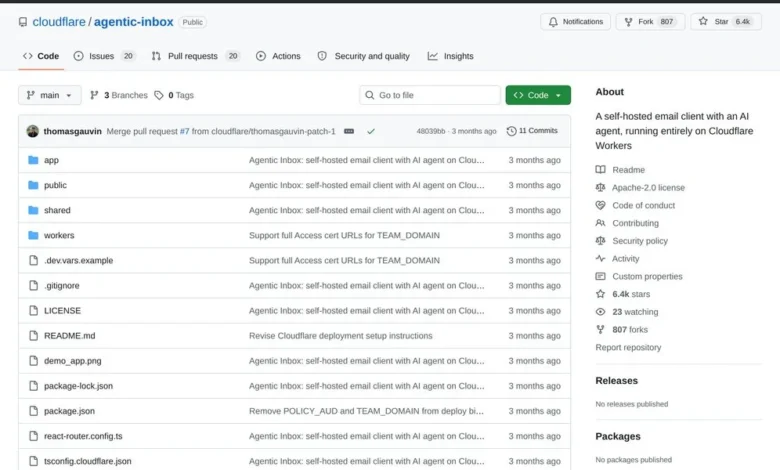
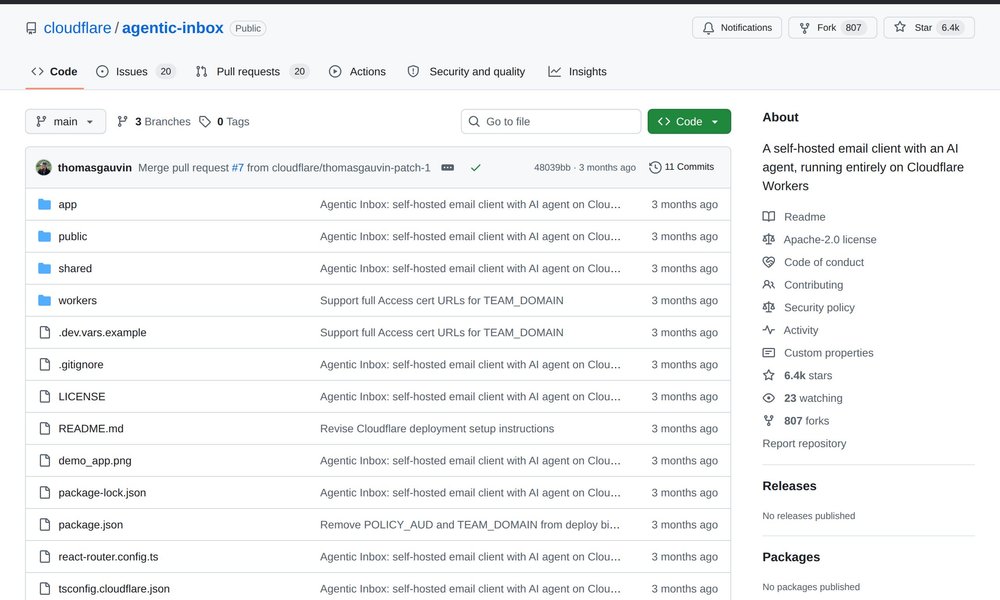
Furthermore, Cloudflare’s introduction of Agentic Inbox leverages modern serverless edge architecture to deliver a self-hosted email client powered by an integrated AI agent. Built entirely on Cloudflare Workers, the system routes inbound mail via Cloudflare Email Routing, assigns individual Durable Objects with embedded SQLite databases to distinct mailboxes, and offloads attachment storage to R2 object storage. The embedded agent autonomously processes correspondence, executes semantic searches across conversation histories, and drafts contextual replies without requiring traditional, resource-heavy mail server infrastructure.
Performance Optimization and Native Compilation
Performance-critical applications and multi-protocol utility tools also received significant updates, focusing on memory efficiency, cross-platform compatibility, and language runtime optimization.
A prominent development in systems programming is the release of elephc, a static compiler that translates a subset of PHP directly into native assembly. By bypassing traditional interpreters, virtual machines, and the Zend Engine entirely, elephc compiles PHP source code into standalone binary executables accompanied by a high-performance prefork HTTP server. Featuring over 400 built-in functions, 21 native data types, and extensive test coverage, the compiler enables the distribution of PHP applications without requiring a pre-installed PHP runtime environment on the target host.
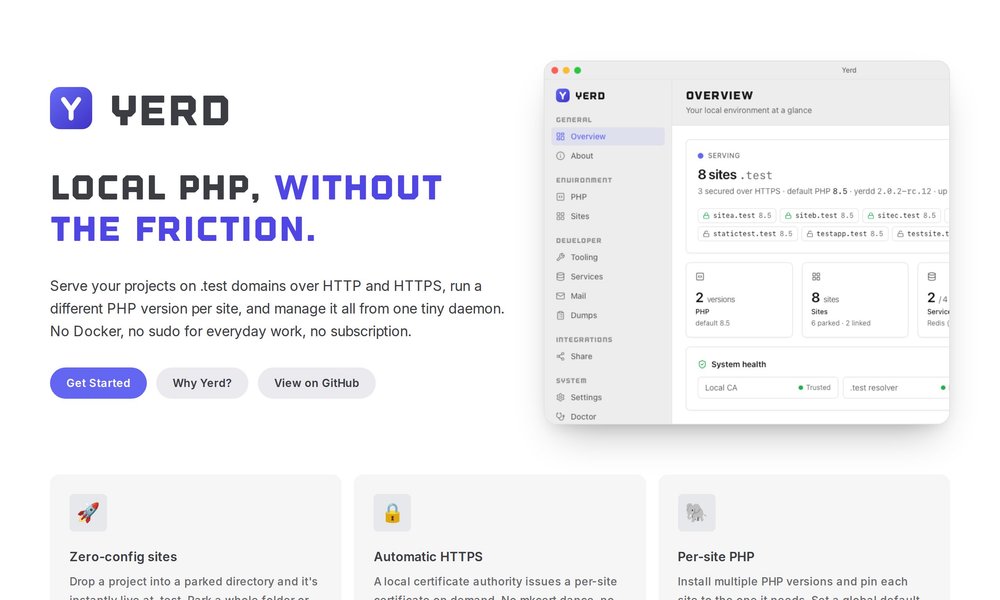
For local PHP development, Yerd provides a lightweight native desktop daemon for macOS and Linux that manages multi-version PHP stacks, automatic domain generation with local HTTPS certificates, and various database engines, including MySQL, MariaDB, PostgreSQL, and Redis. Operating without Docker or Electron dependencies and maintaining a negligible memory footprint, Yerd serves as a high-performance alternative to existing development environments.
Cross-platform terminal operations are addressed by TermSCP, a feature-rich terminal file transfer explorer implemented in Rust. TermSCP provides a unified terminal user interface supporting Secure Copy Protocol (SCP), Secure File Transfer Protocol (SFTP), FTP, Amazon S3, Kubernetes, Server Message Block (SMB), and WebDAV protocols. By integrating with system keychains for secure credential management, the utility consolidates disparate transfer protocols into a single, keyboard-driven interface operable across Windows, macOS, Linux, and BSD distributions.
Database administration received a boost with the release of TablePro, a native database client engineered for Apple platforms. Supporting more than 21 distinct database management systems—including MySQL, PostgreSQL, MongoDB, Redis, and SQLite—TablePro integrates an advanced SQL editor featuring Vim mode and syntax autocomplete, automated entity-relationship diagram generation, server monitoring dashboards, and seamless iCloud synchronization.
Cross-Platform Frameworks and Social Media Management
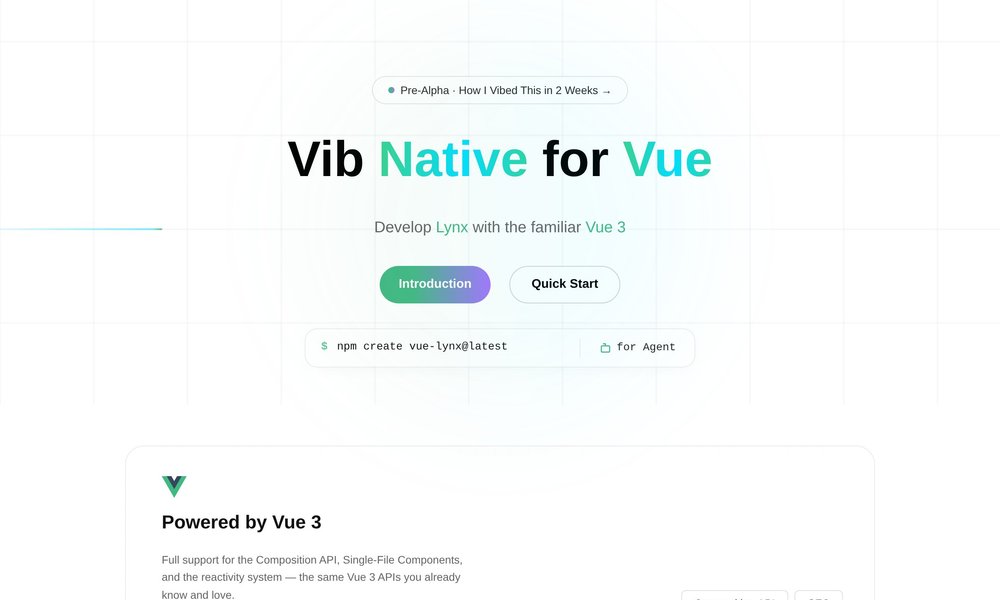
In the mobile application development sector, the introduction of Vue Lynx bridges the gap between web frameworks and native execution performance. By bringing the Vue 3 Composition API, Single-File Components, and reactive data management systems to ByteDance’s Lynx runtime, Vue Lynx enables engineering teams to construct high-performance native mobile applications utilizing dual-threaded rendering architectures.
Additionally, Shoutrrr entered the developer productivity market as an open-source alternative to commercial social media management platforms such as Buffer and Hootsuite. Allowing engineering teams and digital marketers to draft content once and simultaneously publish across X, Bluesky, and LinkedIn, Shoutrrr provides scheduled queue management, team workspaces, and encrypted credential storage. The tool can be self-hosted via Docker or deployed through managed cloud infrastructure, offering organizations complete control over their external communication pipelines.
Implications for the Broader Technology Sector
The breadth of releases observed in July 2026 highlights a maturing ecosystem where developers demand granular control over their tools, infrastructure, and execution environments. The proliferation of localized AI agent orchestrators, static compilers, and self-hosted identity and communication platforms signals a distinct departure from centralized software-as-a-service dependencies. As enterprises and independent engineers alike prioritize execution speed, data sovereignty, and reduced operational overhead, these open-source and developer-centric utilities establish a new baseline for modern software engineering standards.