Meta Platforms Ends 2022 with Major Algorithmic and Tool Updates While Setting Strategic Direction for 2023

The final quarter of 2022 marked a period of intensive operational transition for Meta Platforms, as the technology conglomerate deployed a wide-ranging suite of new product features, interface updates, and regulatory compliance milestones across its primary ecosystems, Facebook and Instagram. Designed to address shifting consumer behaviors, tighter privacy landscapes, and an increasing reliance on machine learning, these changes have established a new baseline for digital marketers and advertisers entering 2023. This comprehensive retrospective examines the core updates introduced during the closing months of 2022 and details the overarching strategic trajectory Meta has charted for the future.
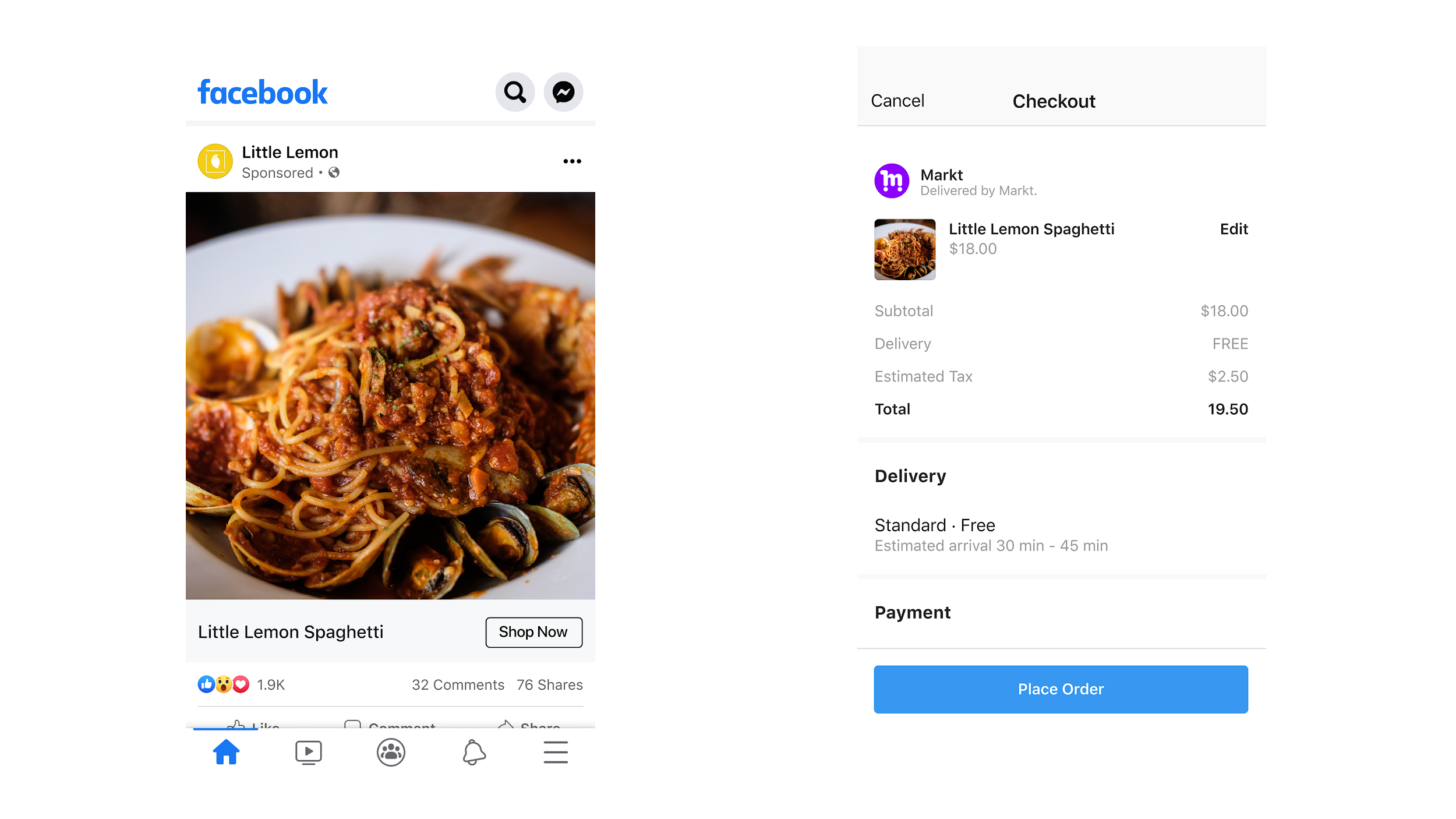
Strategic Evolution of the Meta Advantage Suite and Automated Advertising
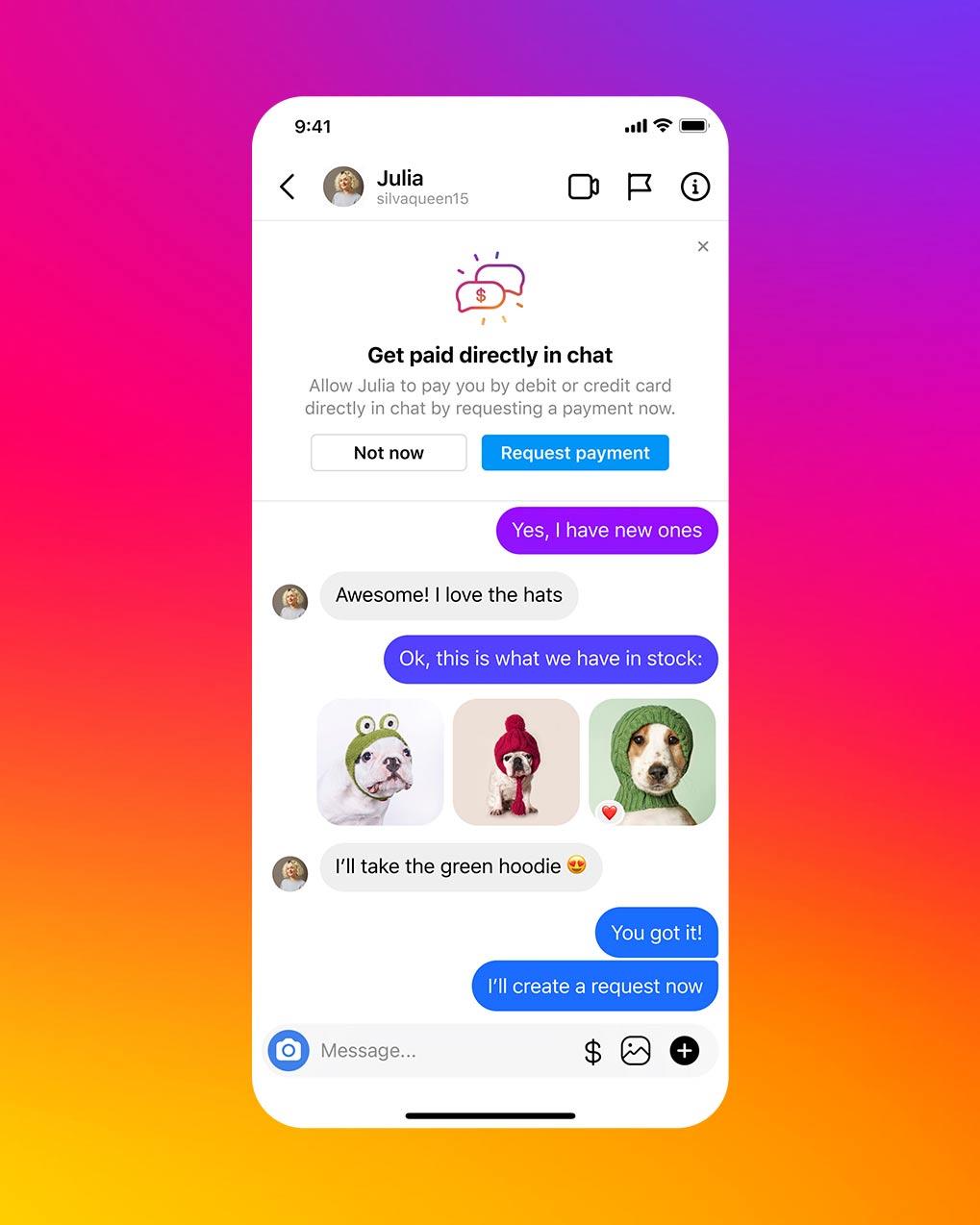
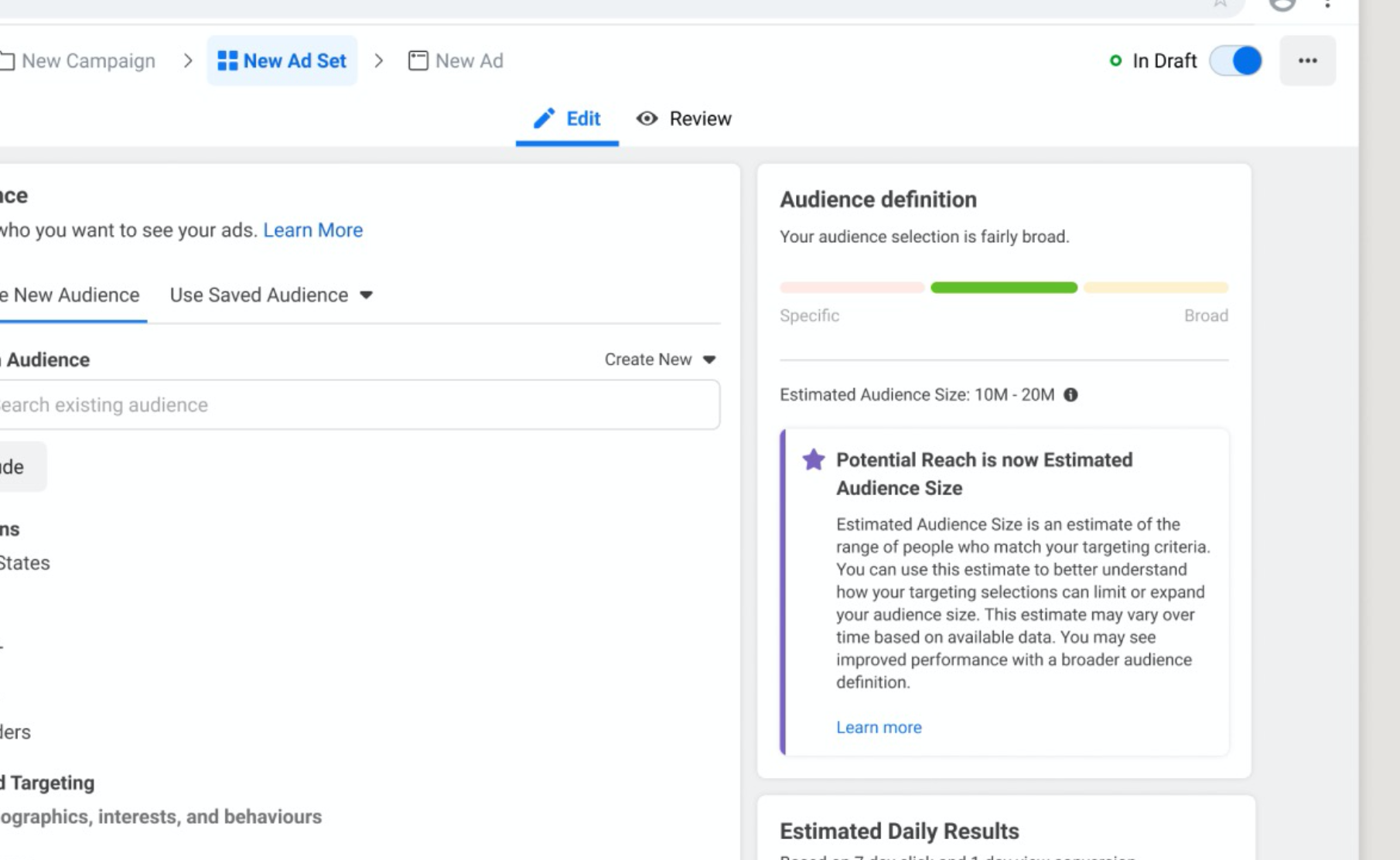
As digital advertising platforms navigate the complex aftermath of platform privacy modifications—specifically Apple’s AppTracking Transparency (ATT) framework—advertisers have faced mounting hurdles in audience targeting and campaign attribution. In response, Meta has aggressively consolidated and advanced its automation portfolio under the unified umbrella of the Meta Advantage suite.
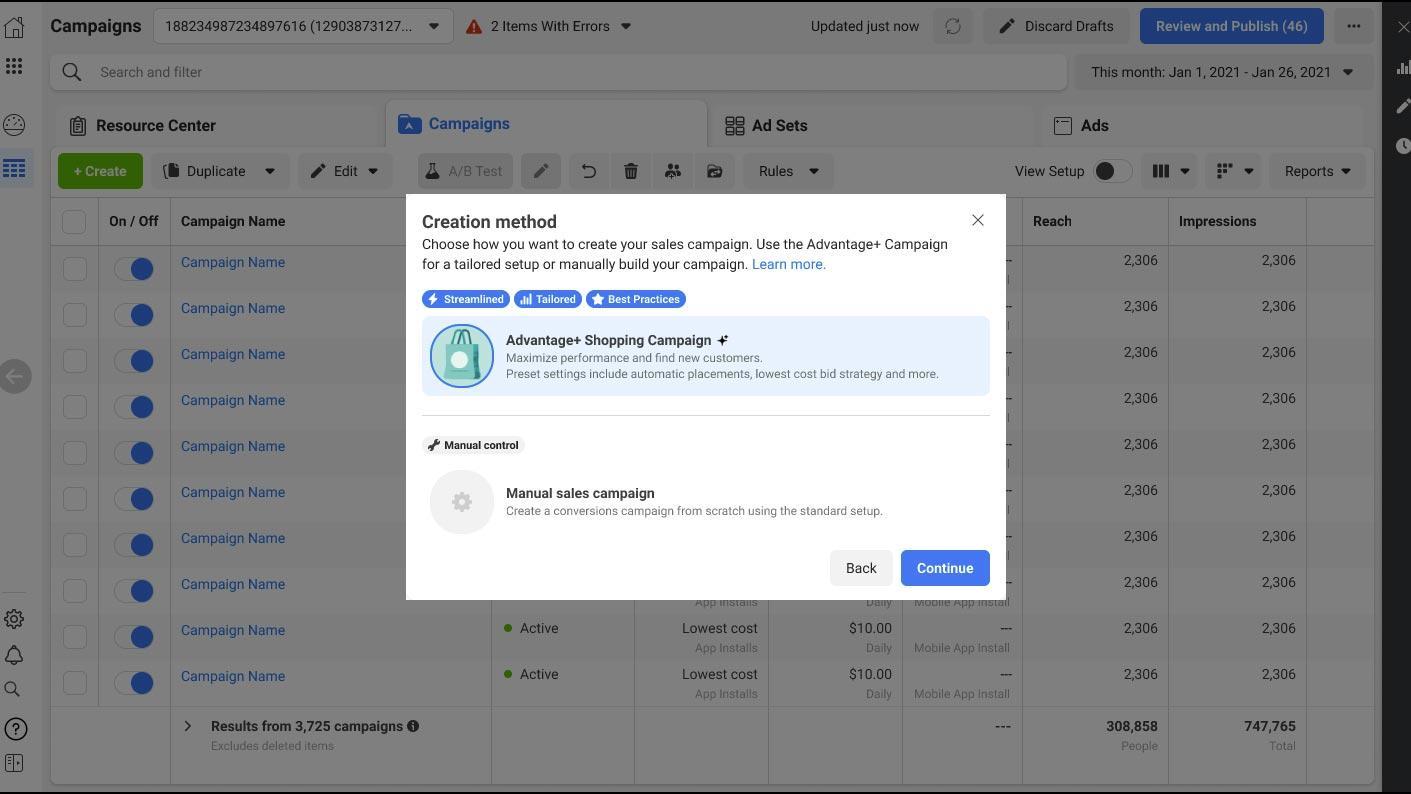
The Advantage suite is bifurcated into "Advantage" products, which automate specific campaign elements such as targeting or placement optimization, and "Advantage+" products, which automate the end-to-end campaign creation process. Throughout late 2022, Meta expanded the capabilities of Advantage+ Shopping campaigns, which leverage machine learning to test up to 1,500 creative variations simultaneously. Internal data released by the company indicated that these automated campaigns yielded a significantly lower cost-per-purchase conversion rate compared to standard manual campaigns, driving widespread adoption among performance marketers.
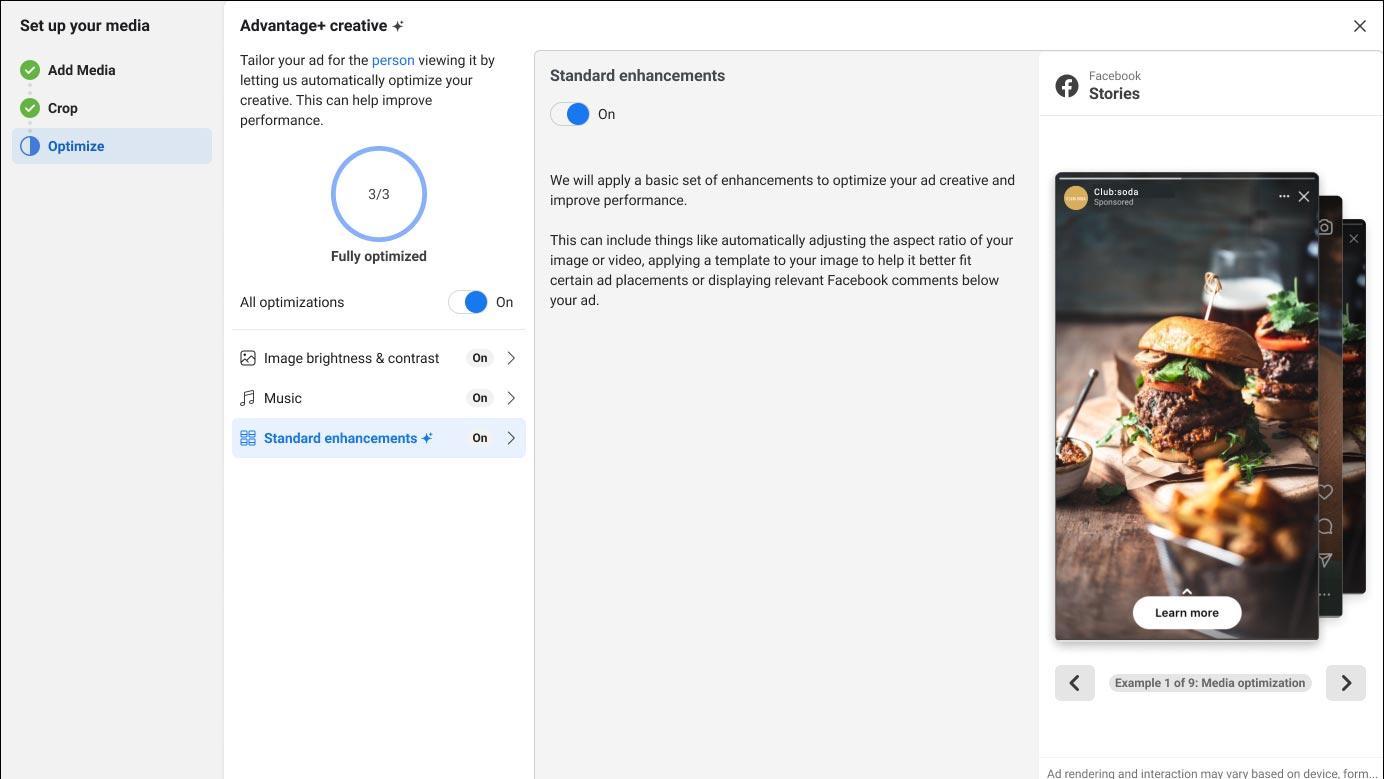
Furthermore, Meta introduced additional automation components, including Advantage+ creative—which dynamically adjusts ad creatives based on individual user preferences—and Advantage audience, which constructs and continuously refines a personalized target audience derived from a brand’s specific page engagement data. These developments highlight Meta’s transition from manual, parameter-heavy ad construction toward machine-learning-driven optimization models.
Instagram Expands Native Functionality: In-App Scheduling and Post-Level Music Integration
For years, social media managers relied on third-party software tools to schedule content natively across Instagram. Recognizing the operational friction this created for users operating strictly within the mobile ecosystem, Meta implemented a major capability upgrade by launching native content scheduling directly inside the Instagram mobile application.

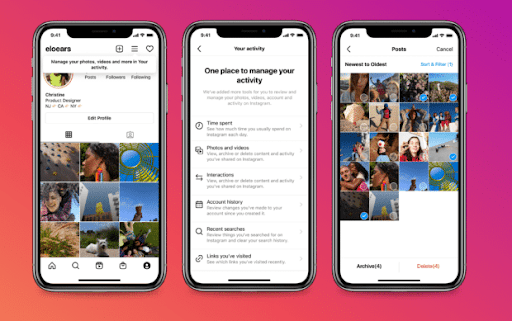
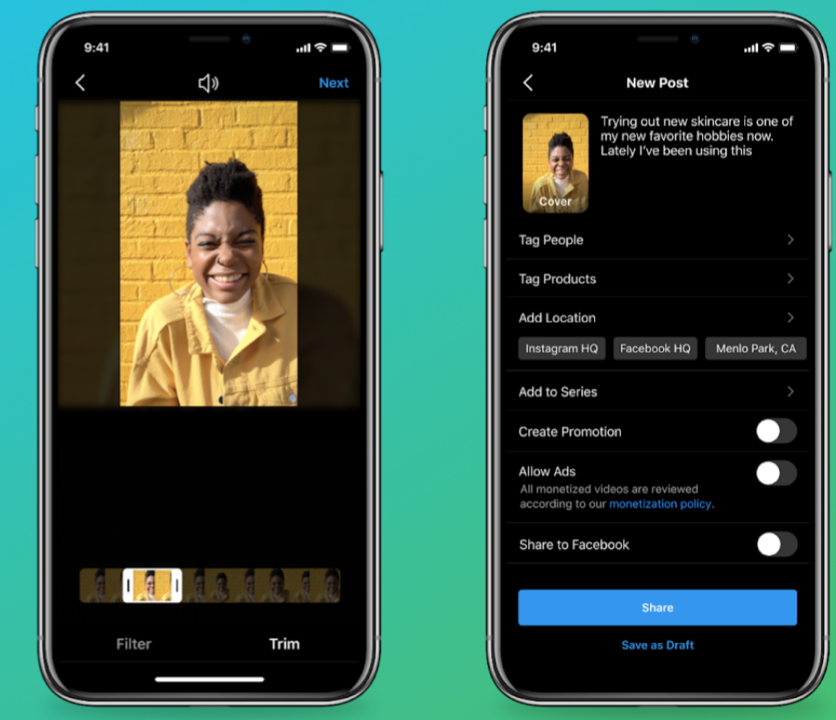
Available to Business and Creator accounts, the new scheduling tool permits users to schedule Reels, single-image posts, and carousel posts up to 75 days in advance. Accessible through the "Advanced settings" menu prior to publication, the feature provides the flexibility to edit, reschedule, or delete queued content dynamically. However, digital strategists have noted operational limitations: specific functions such as product tagging, cross-platform publishing to Facebook, and ad boosting remain unavailable for scheduled content, necessitating manual execution at the time of live publication.
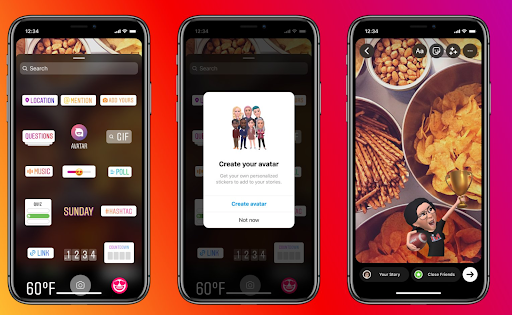
In tandem with scheduling enhancements, Instagram rolled out a feature allowing users to append up to 90 seconds of licensed music directly to standard in-feed photo posts. Previously restricted to Reels and Stories, this integration offers brands a creative mechanism to increase audience retention and engagement on traditionally static visual assets.

Regulatory Compliance, Brand Safety, and Intellectual Property Protection
Amid heightened public and regulatory scrutiny regarding platform integrity, Meta achieved a significant operational milestone in November 2022 by securing independent accreditation from the Media Rating Council (MRC) for content-level Brand Safety on Facebook. Independent auditors conducted exhaustive evaluations of Meta’s Partner Monetization Policies, Content Monetization Policies, and associated content-level brand safety controls applied to Instant Articles and In-Stream video across desktop, mobile web, and mobile app environments.
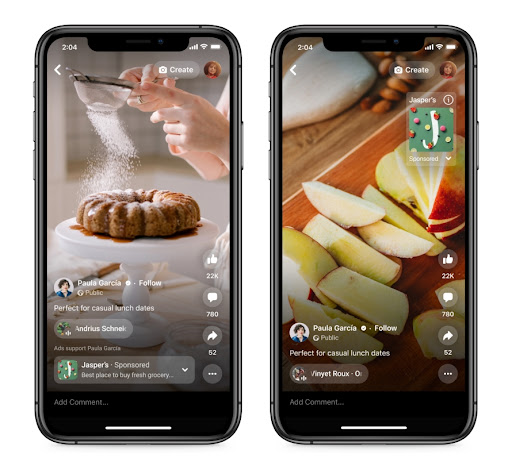
To complement this accreditation, Meta initiated tests for a content-based inventory filter across both Instagram and Facebook feeds. This tool is designed to grant advertisers granular control over adjacent content, aligning digital campaigns more precisely with corporate brand suitability standards.
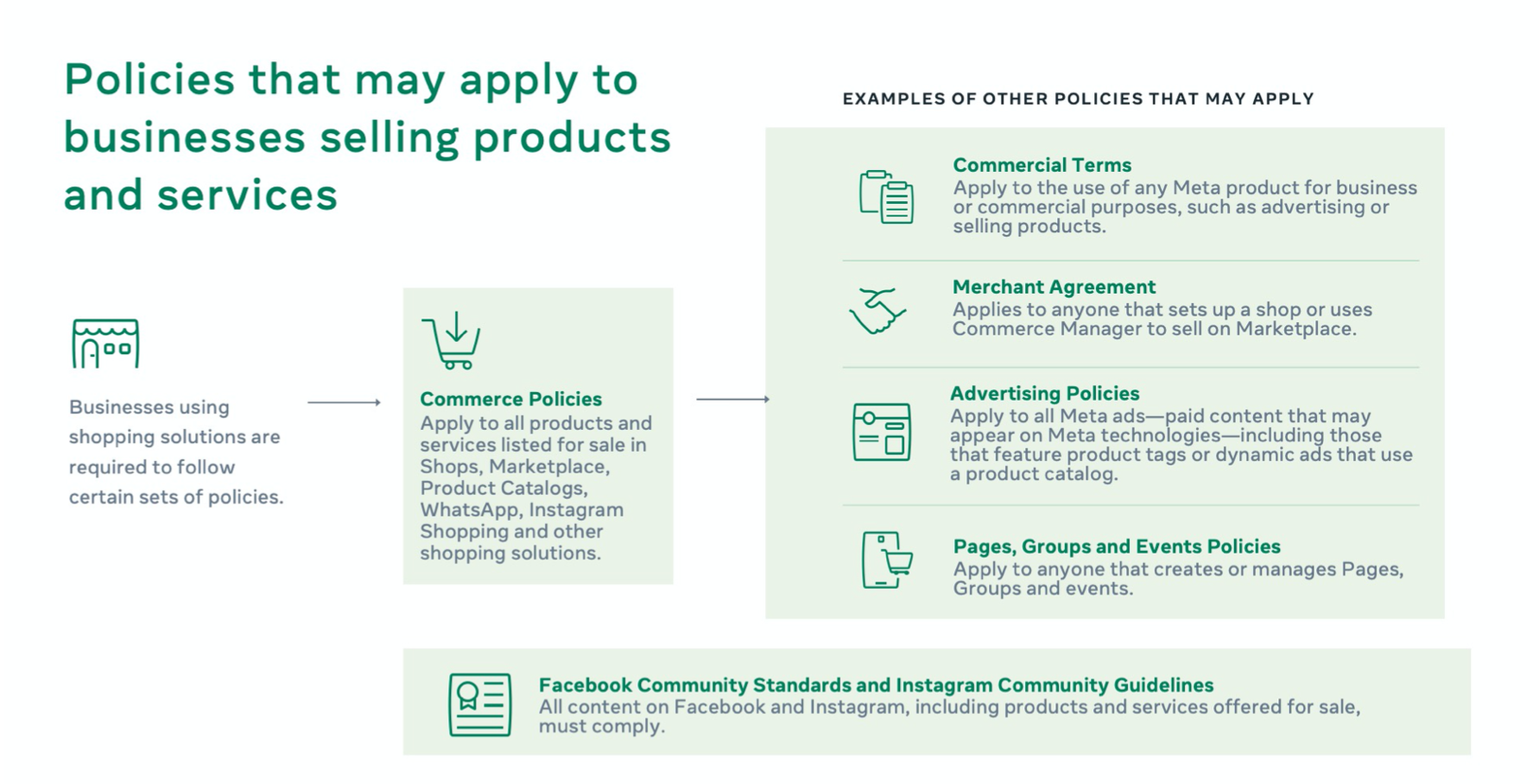
Concurrently, Meta addressed the growing challenge of digital piracy and copyright infringement by launching the new IP Reporting API and expanding its Brand Rights Protection suite. Designed to integrate smoothly with the existing Graph API, the reporting tool enables original content creators and rights holders to efficiently flag intellectual property violations, counterfeit products, and trademark infringements across Facebook and Instagram via the Business Manager interface.
The Pivot Toward Short-Form Video and the Expansion of Reels
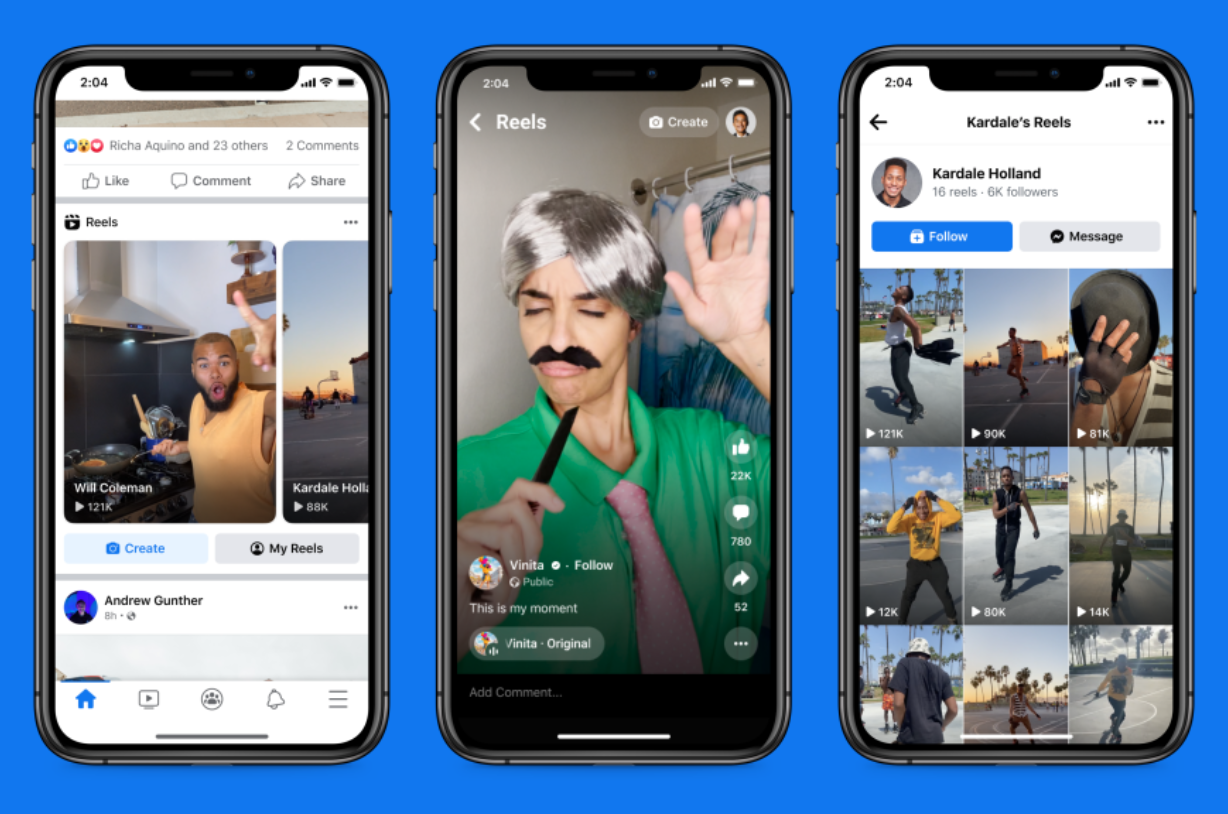
The strategic pivot toward short-form vertical video—accelerated by competitive pressures from platforms like TikTok—remained a core operational focus for Meta throughout 2022. Having introduced Reels to Facebook globally in early 2022, Meta steadily integrated the format across all major platform touchpoints.
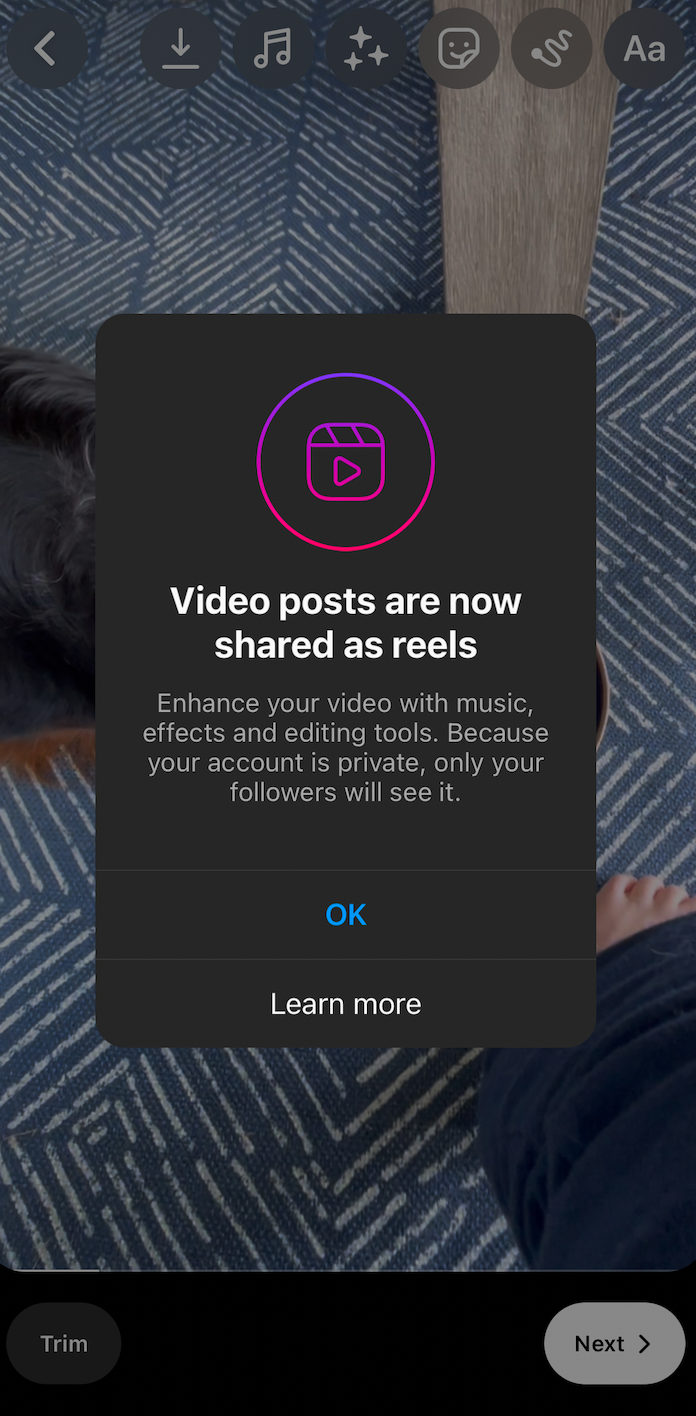
A pivotal operational change occurred in July 2022, when Meta announced that all standard video posts under 15 minutes long uploaded to Instagram would automatically be shared as Reels, effectively merging the traditional video and Reels profile tabs. This integration granted all video creators access to Meta’s advanced short-form editing suite, special effects, and music integration tools.
To support digital marketing agencies and enterprise brands managing high-volume campaigns, Meta introduced comprehensive API access for Reels, enabling third-party social media management platforms—such as Hootsuite—to incorporate Reels publishing, analytics, and comment moderation into their enterprise dashboards. Furthermore, Meta rolled out monetization features such as Reels Overlay Ads and the "Stars on Reels" tipping mechanism, establishing direct revenue streams for digital creators.
Refining Community Engagement and Monetization on Facebook Groups
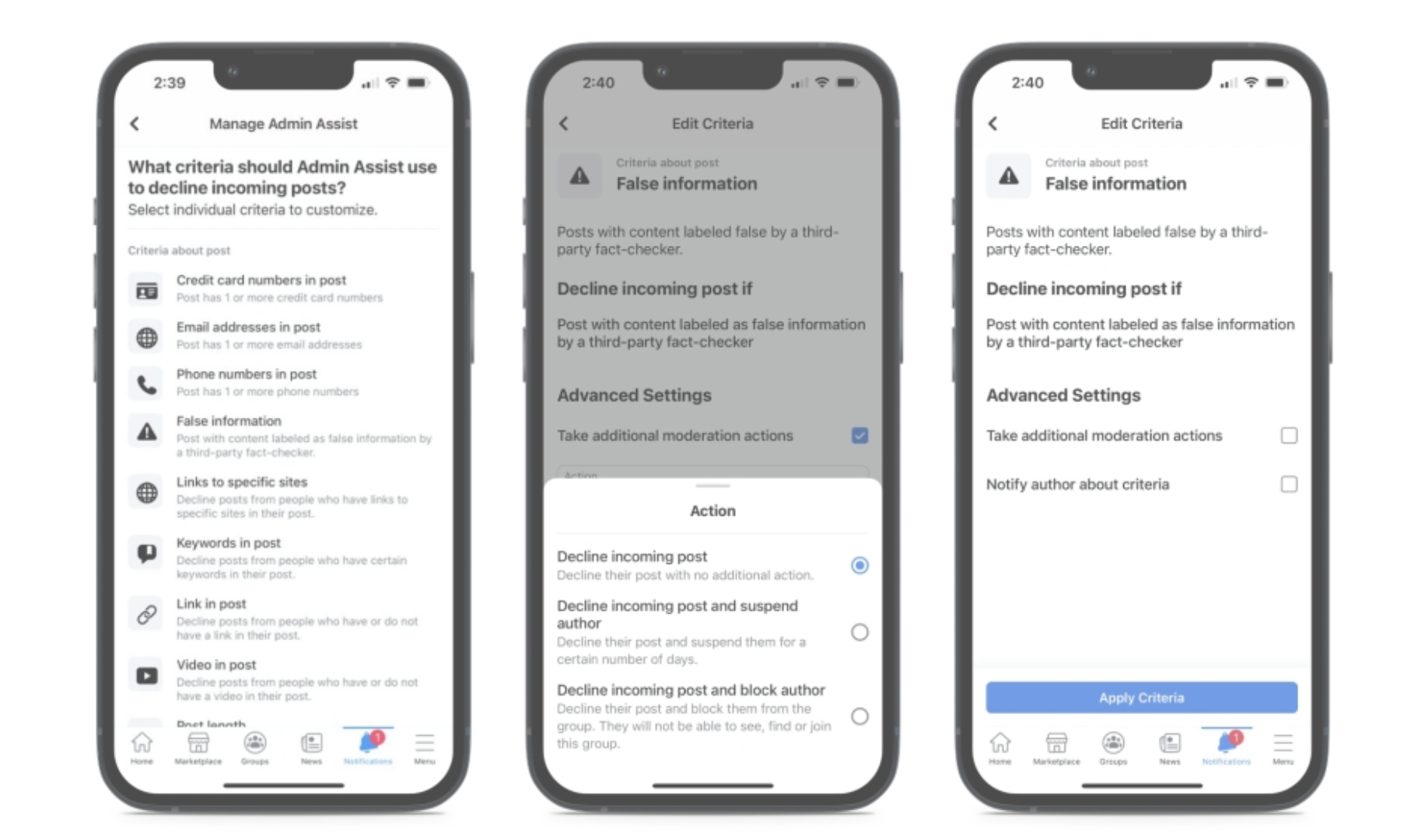
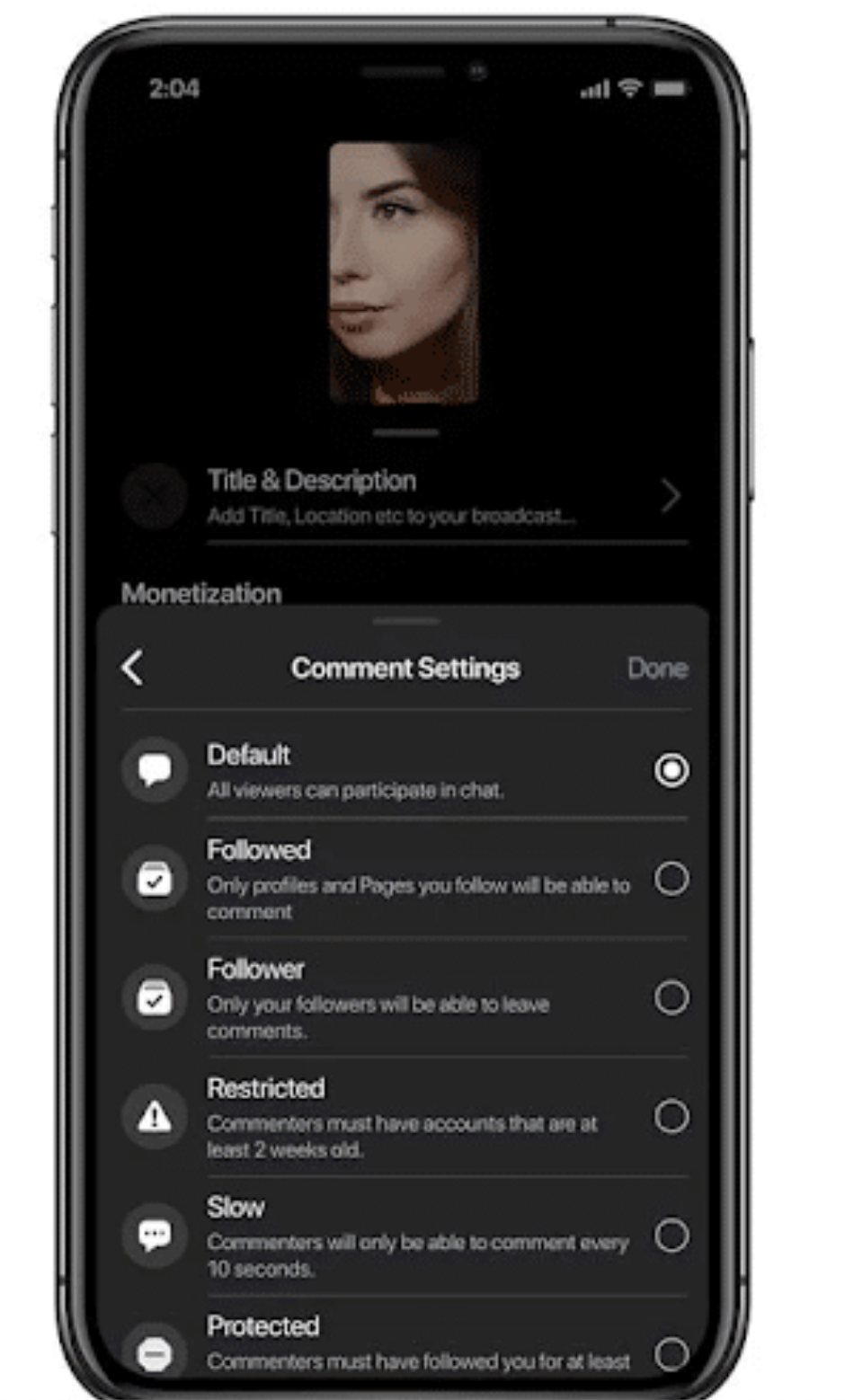
Facebook Groups continued to serve as a cornerstone of Meta’s community-building strategy, serving as high-visibility spaces for targeted audience engagement. Throughout the final quarter of 2022, Meta deployed enhanced moderation tools, including expanded automated filtering capabilities via the Admin Assist center, enabling administrators to block repeat trolls and filter specific keywords and alternative spellings automatically.
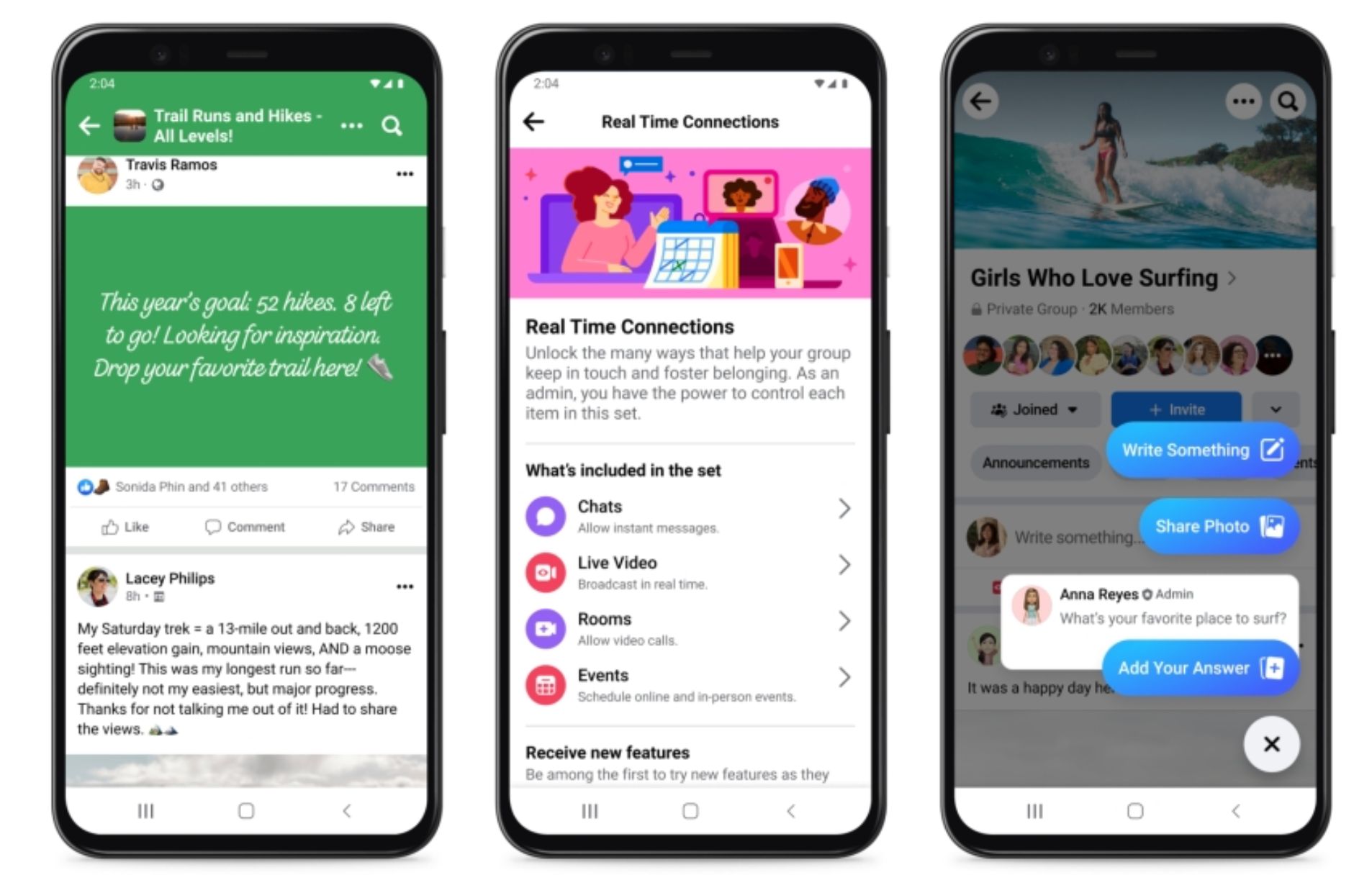
Crucially, Meta advanced monetization frameworks for group administrators by expanding subscription-based groups and integrating branded content tags into public groups. These updates provide brands and community leaders with viable pathways to generate direct recurring revenue, signaling Meta’s intention to attract enterprise-level business participation to Groups in the coming operational year.
Financial Commitments and the Long-Term Vision for the Metaverse
Despite macroeconomic headwinds and tightening corporate technology budgets, Meta CEO Mark Zuckerberg reaffirmed the company’s long-term capital allocation strategy toward the development of virtual and augmented reality ecosystems. By the close of 2022, cumulative capital expenditure on Reality Labs—the division responsible for constructing the metaverse—had surpassed $36 billion.
While commercial adoption of virtual reality hardware and virtual spaces such as Horizon Worlds has faced slower-than-projected consumer uptake, Meta continued to invest heavily in monetization tools for virtual environments, including developer commerce incentives and virtual asset sales. Industry analysts anticipate that Meta’s 2023 roadmap will attempt to bridge the gap between real-world applications and virtual spaces, leveraging artificial intelligence and hardware iterations to establish a viable commercial foundation for its next-generation computing platform.
Implications for Digital Marketers in 2023

The comprehensive regulatory, algorithmic, and interface updates deployed by Meta in late 2022 point toward a highly automated, video-centric advertising ecosystem for 2023. For brand marketers and digital agencies, success on Meta platforms will increasingly depend on three core pillars: relinquishing manual optimization in favor of Meta’s machine-learning-driven Advantage suite, optimizing creative output for short-form video formats like Reels, and strictly adhering to advanced brand safety and compliance protocols. As Meta continues to refine its technological infrastructure, organizations that adapt swiftly to these automated and privacy-conscious frameworks will be best positioned to maximize campaign return on investment in the evolving digital landscape.