Meta Platforms Wrapped Up 2022 with a Massive Rollout of Features, Automation, and Regulatory Milestones

The final quarter of 2022 was an exceptionally high-activity period for Meta Platforms, as the tech giant pushed forward with comprehensive updates across its primary ecosystem, including Facebook and Instagram. Throughout the closing months of the year, Meta introduced advanced Reels functionalities, expanded Groups features, streamlined advertising interfaces, and vital brand safety milestones certified by independent third parties. These rollouts mark a distinct shift for digital marketers and advertisers entering 2023, steering them toward deeper machine learning automation, broader cross-platform capabilities, and streamlined operational management.
A comprehensive review of the historical timeline from late 2021 through the end of 2022 reveals a systematic strategy by Meta to adapt to shifting consumer behaviors, regulatory demands, and rising privacy frameworks. From the corporate rebrand from Facebook to Meta in late October 2021 to the implementation of Apple’s App Tracking Transparency (ATT) framework in mid-2022, the company has consistently pivoted its infrastructure to prioritize on-platform commerce, short-form video engagement, and automated advertising solutions.
The Evolution of Short-Form Video and Native Scheduling
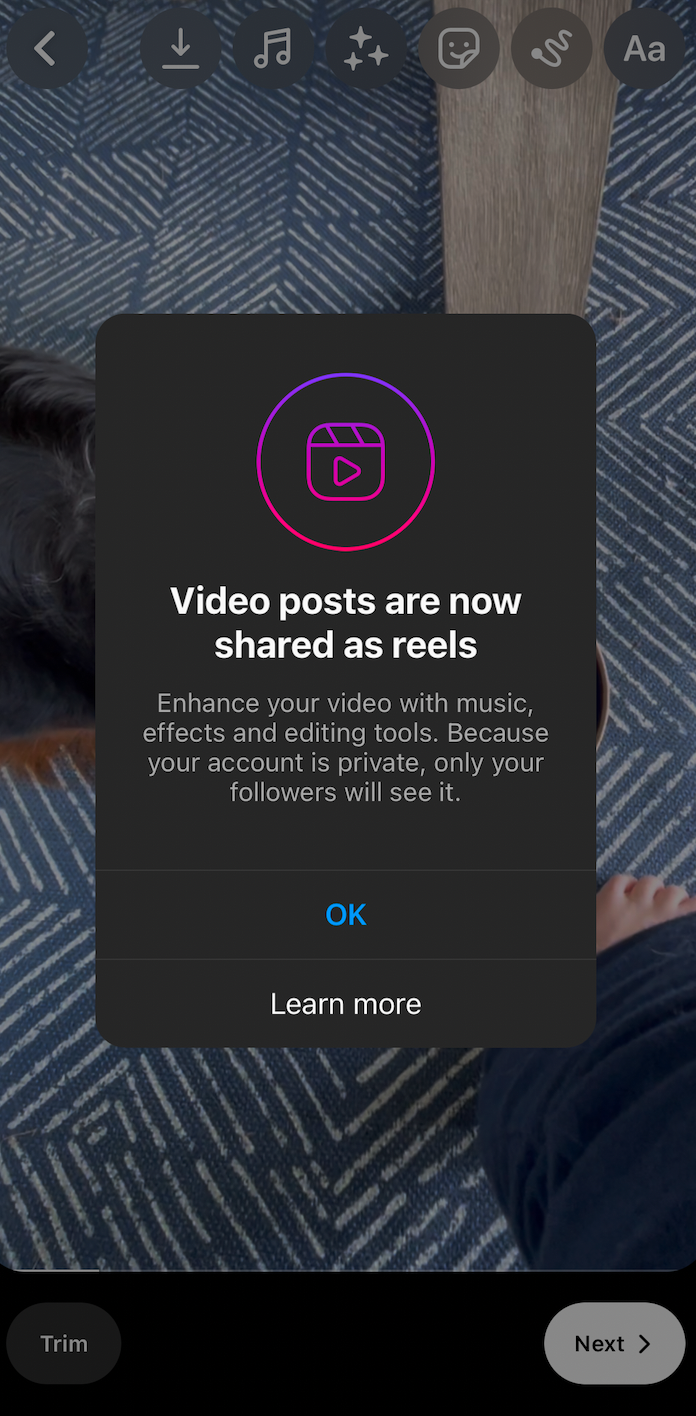
A central pillar of Meta’s strategy throughout 2022 was the aggressive expansion and integration of Reels across both Facebook and Instagram. Recognizing the meteoric rise of short-form video consumption globally, Meta systematically dismantled historical content barriers. By July 2022, Instagram announced that all new video posts under 15 minutes long would automatically be shared as Reels, merging the traditional video and Reels profile tabs into a unified destination. This strategic shift granted all standard video creators access to Reels’ suite of advanced editing tools.
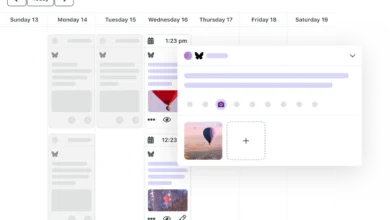
Complementing this content push, Meta introduced critical workflow efficiencies for creators and social media managers. In December 2022, Instagram launched native content scheduling directly within its mobile application for Business and Creator accounts. Users gained the ability to schedule Reels, photos, and carousel posts up to 75 days in advance without relying on third-party software or desktop dashboards. However, platform limitations remained at launch, excluding features such as product tagging, cross-posting to Facebook, and post-boosting from native mobile scheduling.
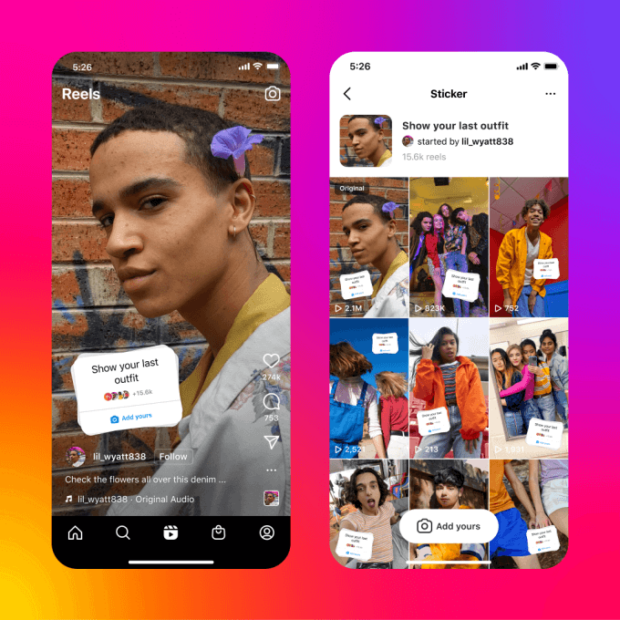
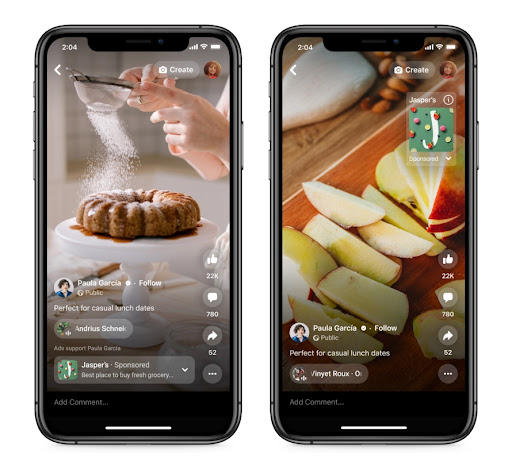
Concurrently, Meta expanded API access for Reels to third-party developers, allowing platforms like Hootsuite to integrate Reels publishing, analytics, and comment moderation into their core software dashboards. Furthermore, Meta rolled out Facebook Reels globally, introducing overlay ads and the "Stars on Reels" monetization framework to allow creators to generate direct revenue.
Revolutionizing Advertising Through Automation: The Advantage+ Suite
As privacy regulations, most notably Apple’s iOS 14.5 ATT update implemented in April 2021, restricted traditional web-based tracking and audience retargeting, Meta heavily accelerated the development of its machine learning infrastructure. Throughout 2022, this culminated in the expansion of the Meta Advantage suite, a collection of automated advertising tools designed to optimize campaign delivery and lower acquisition costs.
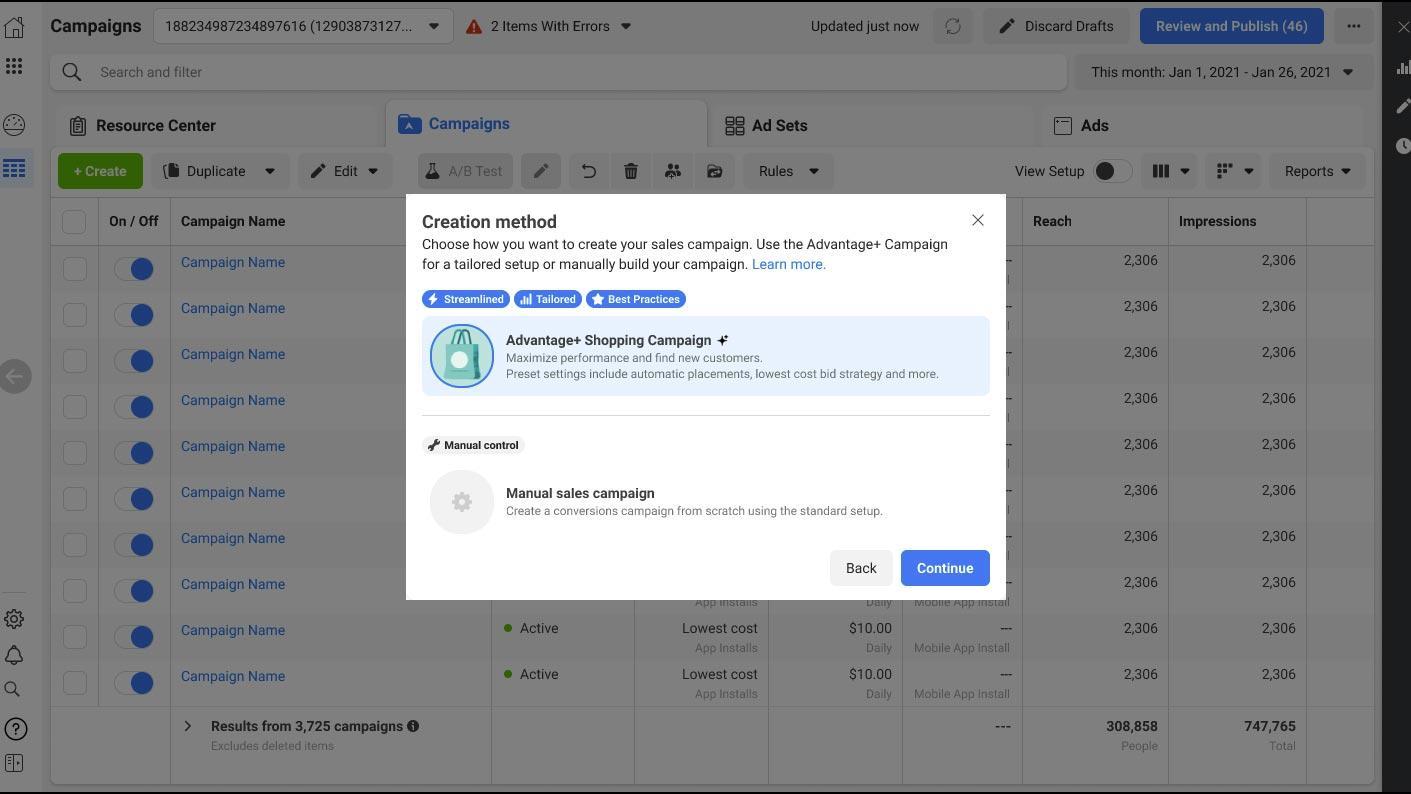
The launch of Advantage+ Shopping campaigns in August 2022 represented a major milestone in ad automation. By leveraging machine learning to automate the ad creation process, these campaigns became capable of generating and split-testing up to 150 creative options simultaneously. Internal Meta data indicated significant performance gains, with early A/B tests demonstrating a roughly 12% lower cost-per-purchase conversion compared to standard legacy ad setups.

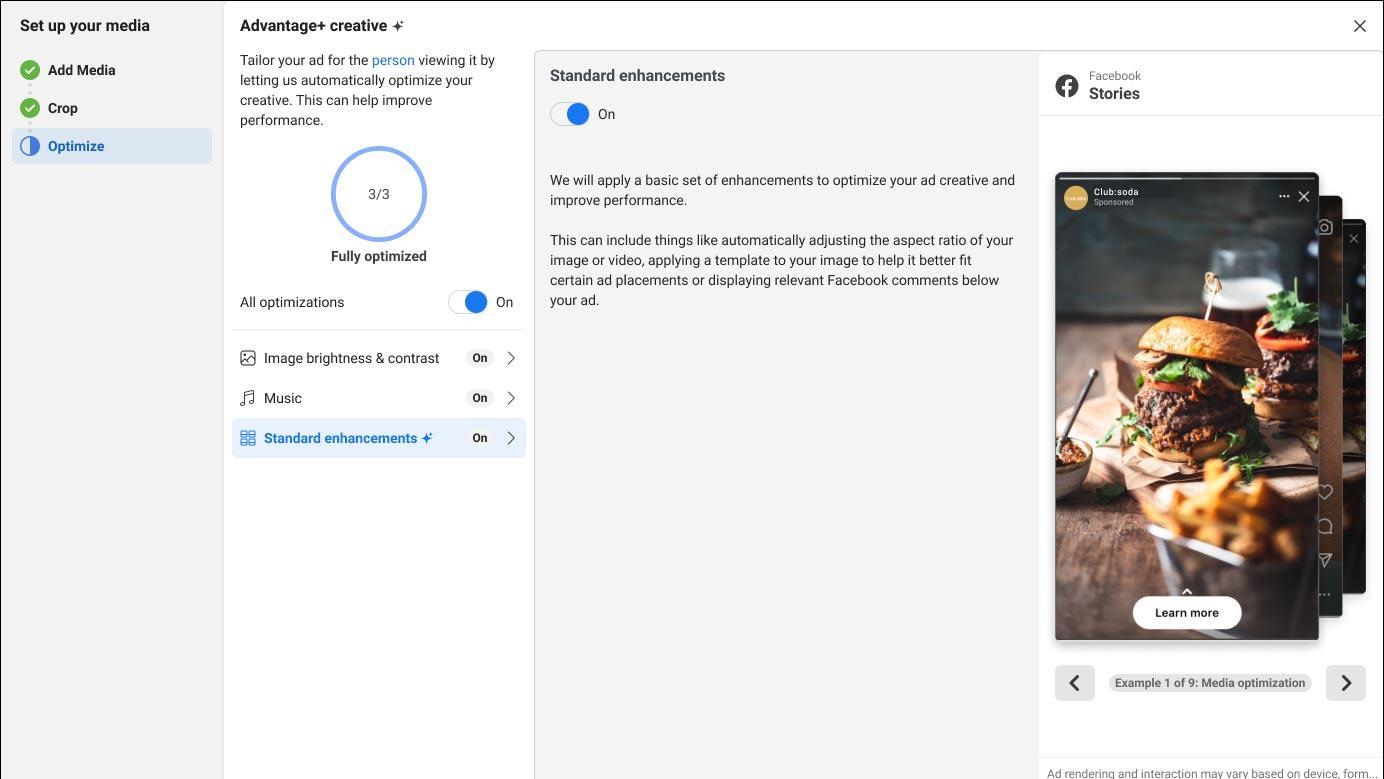
Additional automation tools within the suite—including Advantage+ creative, Advantage audience, and Advantage+ app campaigns—were designed to dynamically adjust ad elements based on individual user behavior. By tailoring creative variations to match the preferences of each unique viewer, Meta aimed to maintain high conversion efficiency despite the degradation of traditional third-party cookie tracking. Industry analysts noted that this automated approach shifts the marketer’s role from manual audience curation to providing diverse creative assets for algorithms to test.
Social Commerce, Direct Monetization, and Business Tools
Meta’s strategy to build a robust on-platform e-commerce ecosystem underwent strategic recalibration during 2022. While features like Facebook Live Shopping were officially sunsetted in October 2022 due to shifting consumer viewing habits toward short-form video, other native commerce tools expanded significantly.

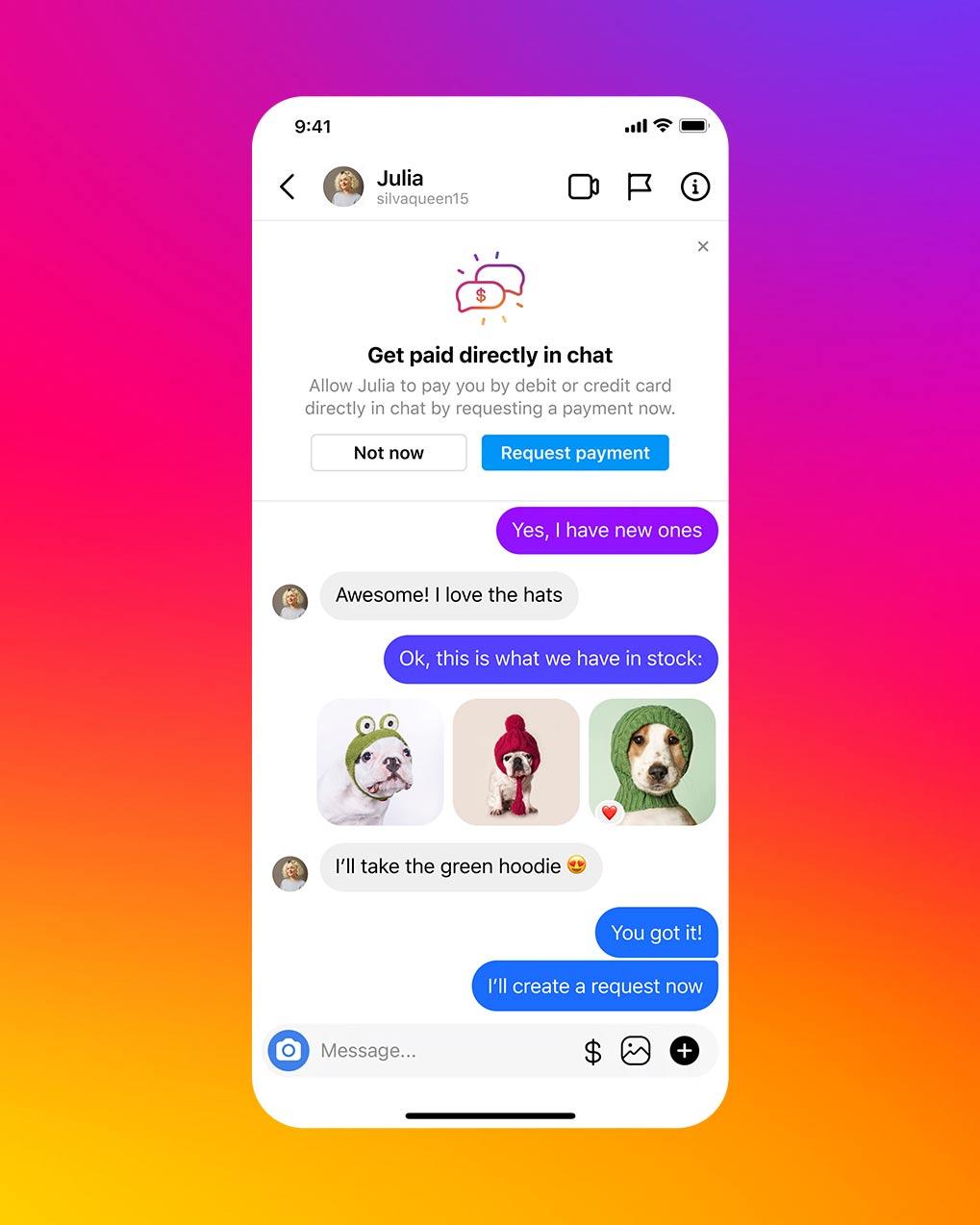
Instagram introduced direct payments within Direct Messages (DMs), allowing eligible professional accounts to accept customer payments and invoices directly inside chat threads without redirecting users to external websites. This feature integrated with established payment processors, including Meta Pay, credit cards, and PayPal, providing zero transaction fees for chat-based payments and round-the-clock customer support.
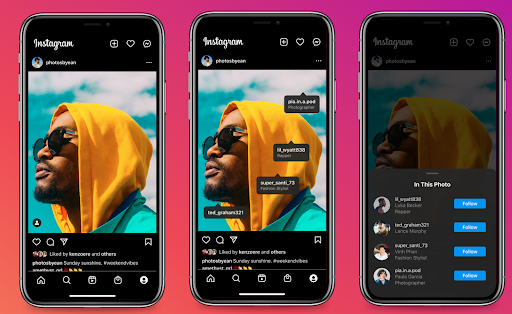
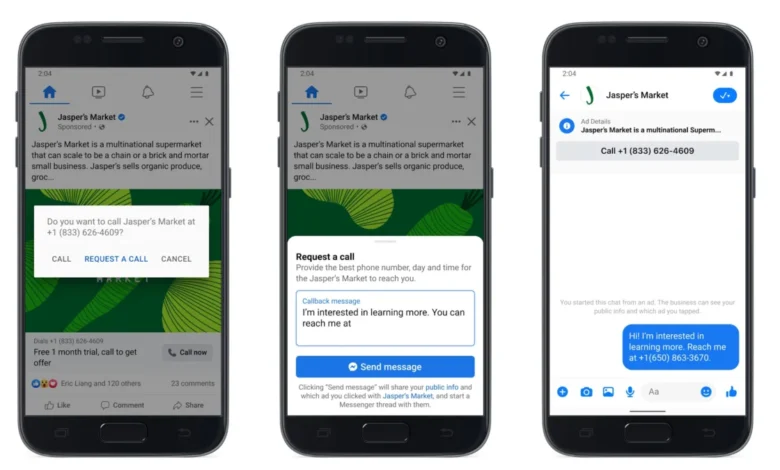
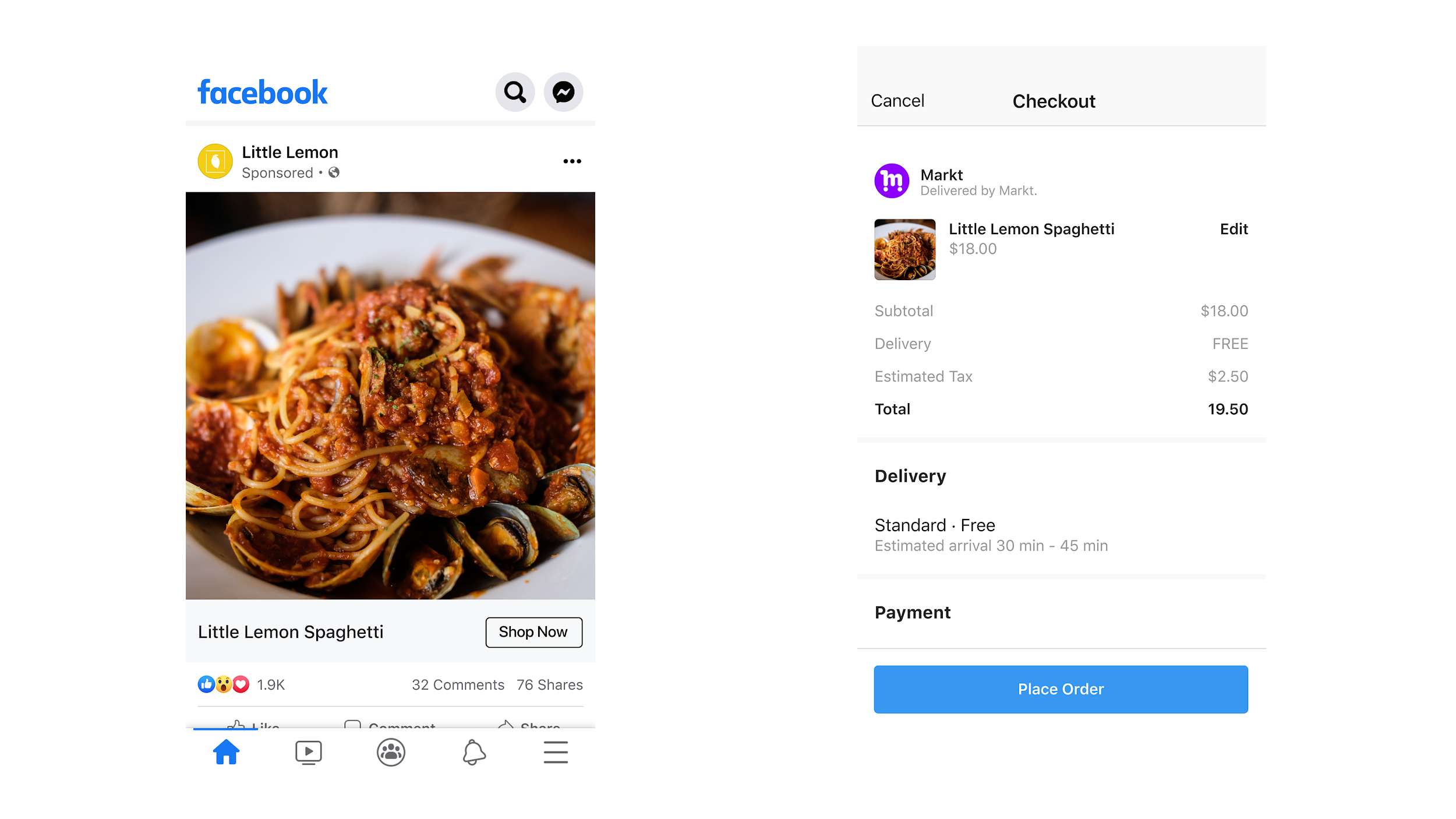
Simultaneously, Meta expanded its B2B targeting capabilities, introducing refined audience segments based on platform-specific job titles and professional interests to help bridge the capabilities gap with B2B-focused networks like LinkedIn. For local businesses, Meta rolled out local delivery options for Collaborative Ads, enabling grocery and consumer packaged goods brands to display real-time inventory pricing and facilitate rapid local fulfillment.
Brand Safety Milestones and Regulatory Compliance
Amid ongoing public and regulatory scrutiny regarding platform integrity, misinformation, and brand suitability, Meta achieved significant compliance milestones in late 2022. In November, Meta secured formal accreditation from the Media Rating Council (MRC) for content-level Brand Safety on Facebook. Independent auditors comprehensively reviewed Meta’s Partner Monetization Policies, Content Monetization Policies, and content-level suitability controls across Instant Articles and In-Stream video across desktop, mobile web, and mobile applications.
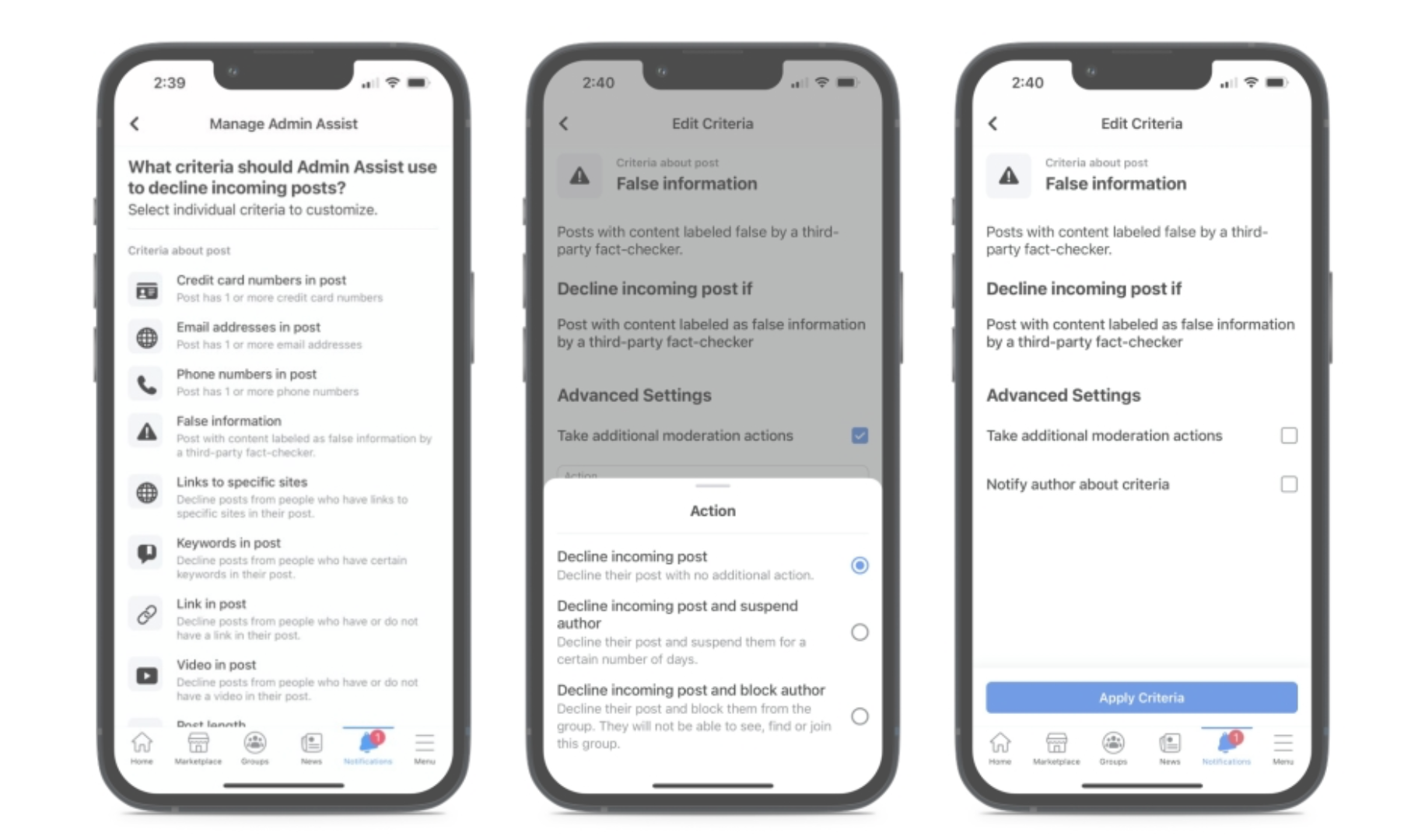
To build upon this milestone, Meta initiated tests for content-based inventory filters across both Facebook and Instagram feeds, aiming to extend MRC accreditation to newly deployed formats. These safety measures run parallel to Meta’s ongoing adjustments to political and social issue ad disclosures, along with the rollout of the Intellectual Property (IP) Reporting API and enhanced Brand Rights Protection tools designed to combat copyright infringement and counterfeit product distribution.
Strategic Implications for 2023 and Beyond
As marketers and advertisers navigate the digital landscape in 2023, the cumulative effect of Meta’s 2022 updates points toward an increasingly automated, video-centric, and security-regulated ecosystem. The heavy capital expenditure directed by CEO Mark Zuckerberg toward the Metaverse—surpassing $36 billion by late 2022—indicates that virtual and augmented reality technologies will remain long-term strategic priorities, even as commercial adoption scales gradually.
For brands, agencies, and content creators, the mandate moving forward is clear: success on Meta’s platforms requires adapting to high-volume creative production for algorithmic distribution, embracing automated campaign management tools like Advantage+, and leveraging native community-building features such as Facebook Groups and Instagram subscriptions. By consolidating workflow management into dashboards like the Meta Business Suite and utilizing direct-response messaging tools, businesses can position themselves to maintain resilient customer acquisition funnels amidst continuous platform evolution.