The landscape of social media management has undergone a profound transformation as we navigate 2026. With Instagram solidifying its position as a primary engine for both brand discovery and direct-to-consumer commerce, the operational requirements for marketing teams have expanded significantly. Gone are the days when a simple scheduling app sufficed; today’s high-performing brands demand a sophisticated, integrated stack capable of managing complex workflows, real-time analytics, and AI-driven content generation. As Meta continues to integrate advanced features directly into the Professional Dashboard, the role of third-party tools has shifted from basic automation to providing the deep, cross-platform insights and granular control necessary for competitive success.

The Evolution of the Instagram Ecosystem
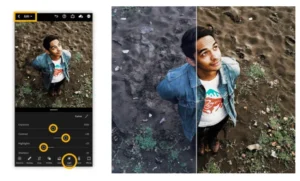
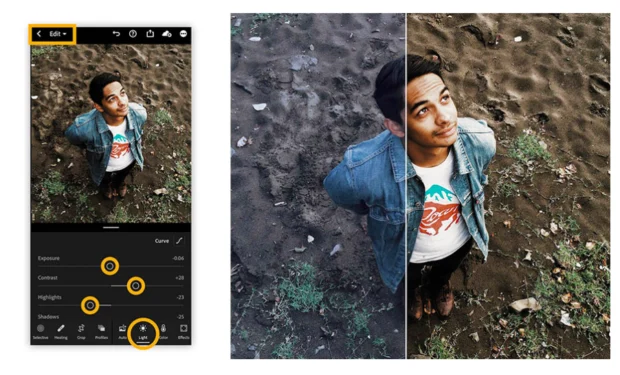
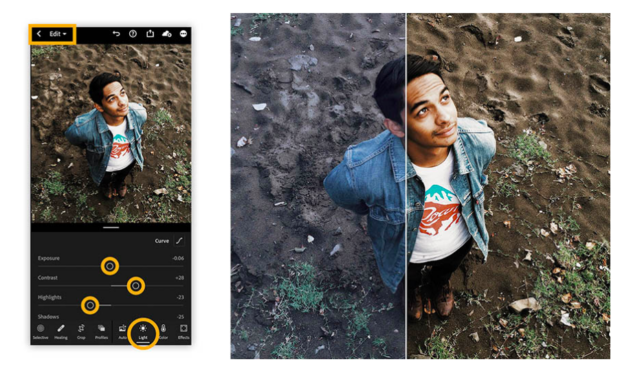
The maturation of Instagram’s native interface over the last several years has fundamentally changed the calculus for social media managers. In 2026, features that once required external applications—such as Boomerang-style video effects, basic photo filtering, and even foundational performance metrics—are now standard components of the app. Consequently, the third-party software market has pivoted toward solving high-level strategic challenges that native tools cannot address.
Market research indicates that while native Insights are sufficient for basic monitoring, they lack the historical data retention and comparative benchmarking capabilities essential for enterprise-level strategy. Third-party platforms have responded by focusing on the "missing links": cross-channel reporting, multi-team approval workflows, and sophisticated social listening that can parse consumer sentiment at scale. For the modern marketer, the goal is no longer just to post content, but to harmonize that content within a broader customer journey.
Strategic Categorization of Modern Marketing Tools
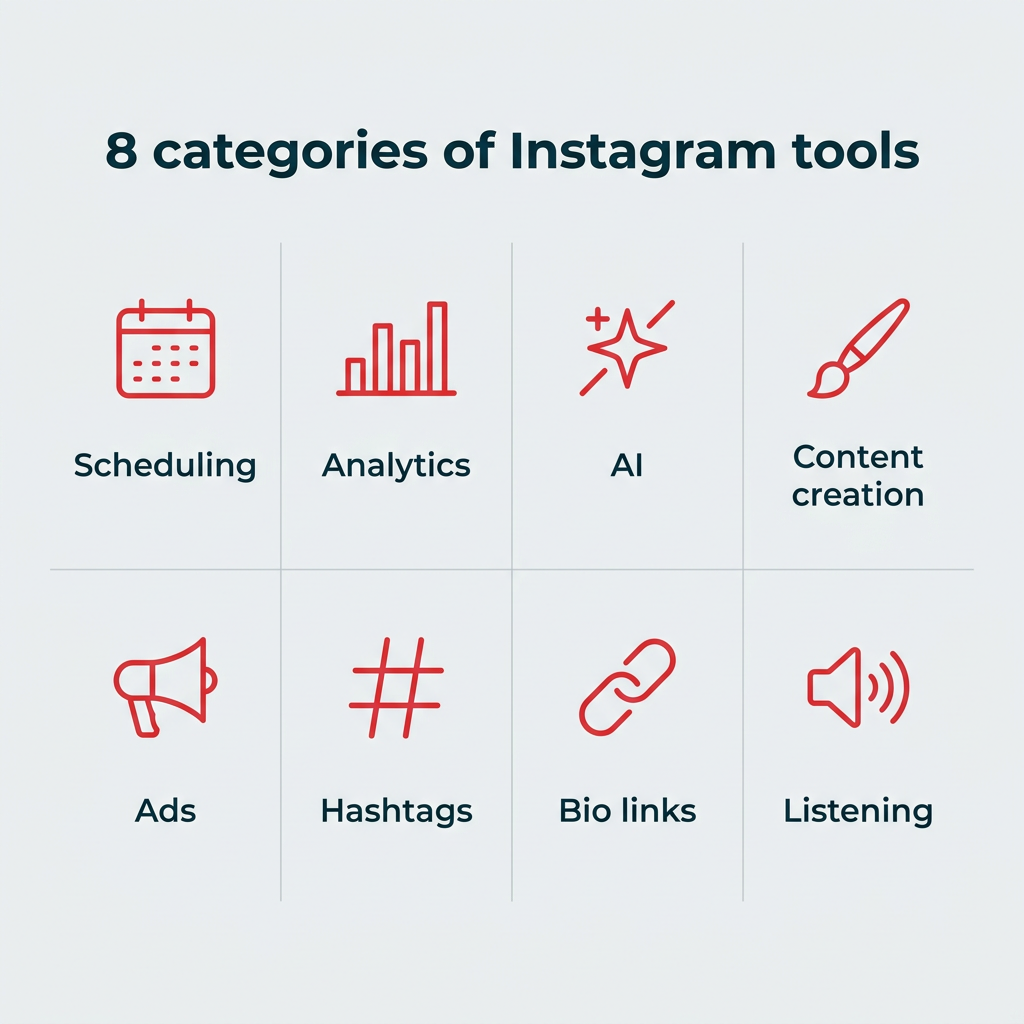
To maintain an effective presence, marketing departments generally categorize their toolkits into seven functional pillars: scheduling, AI-assisted creation, advanced analytics, ad management, hashtag optimization, bio-link management, and social listening.
1. Scheduling and Workflow Automation
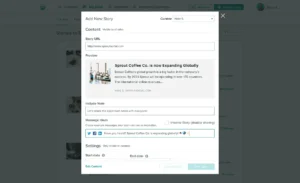
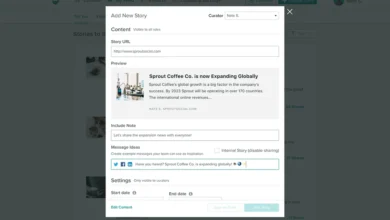
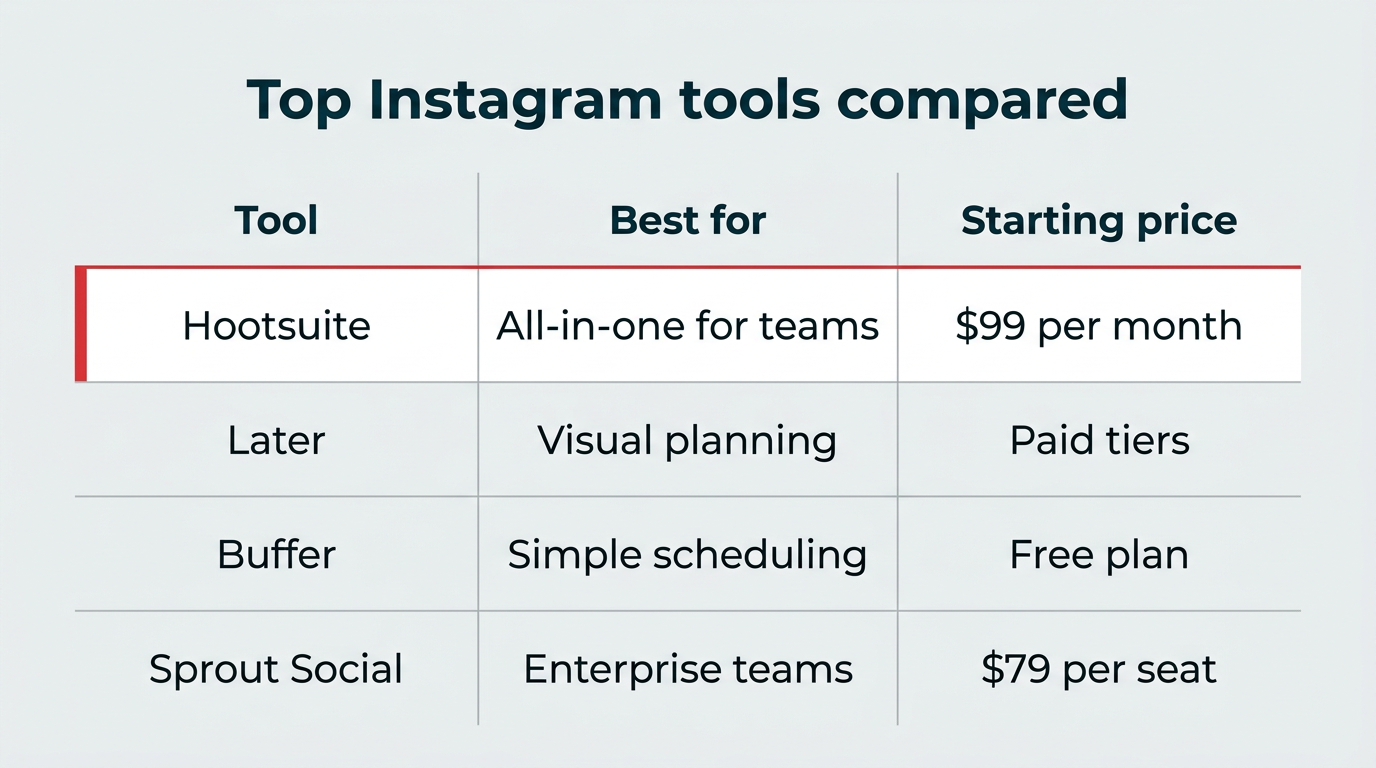
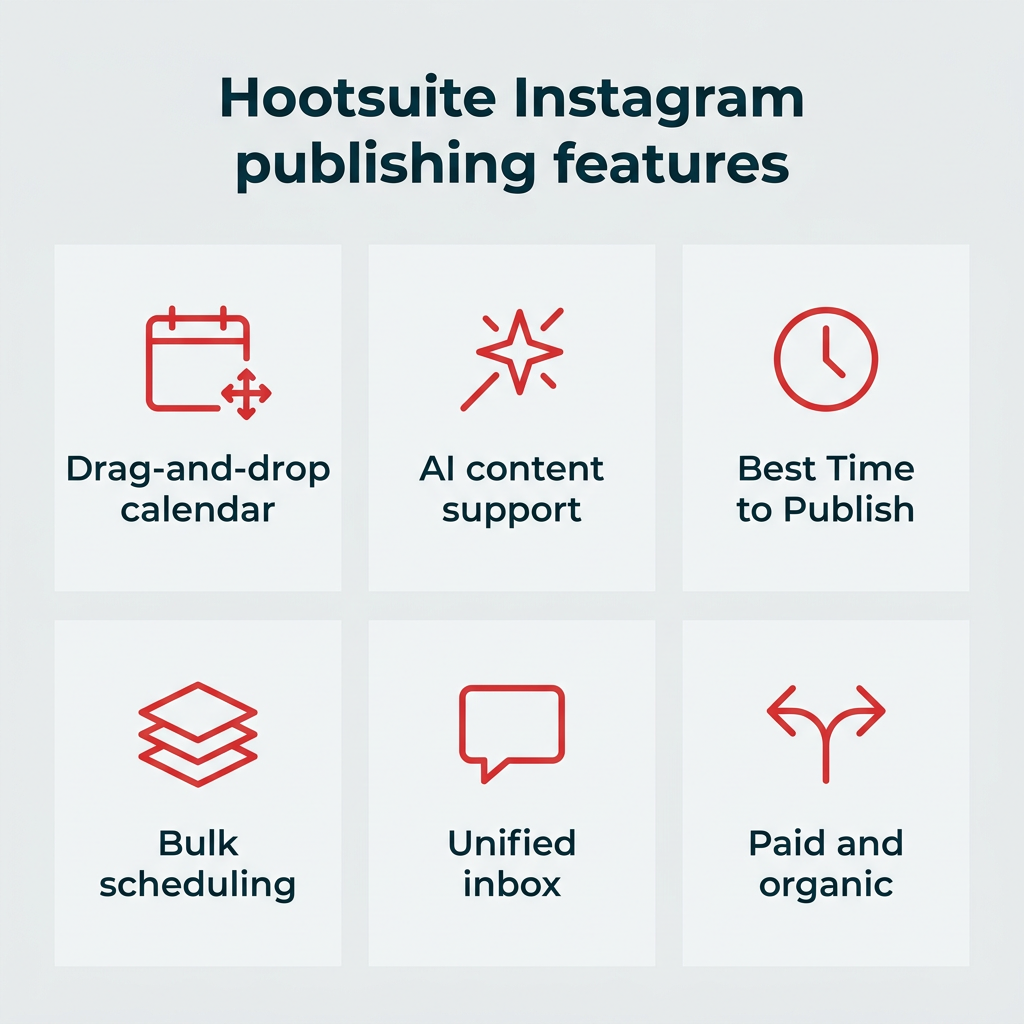
For teams handling multiple accounts, the primary goal of a scheduling tool is the elimination of manual effort and the preservation of brand consistency. Platforms such as Hootsuite have become the industry standard for this, as they integrate publishing, AI assistance, and performance tracking into a single, cohesive interface. This centralization is critical; it allows teams to move from drafting a post to analyzing its performance without switching contexts, thereby reducing the "silo effect" that often plagues large organizations.
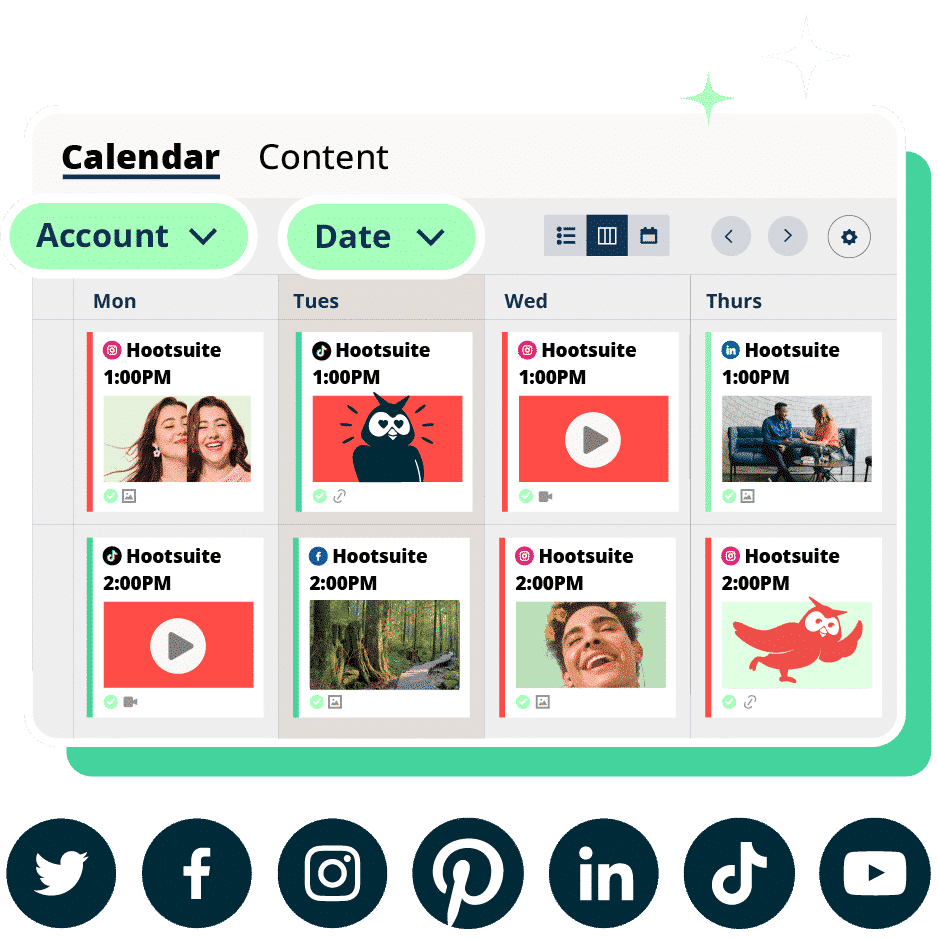
Other players, such as Later and Buffer, continue to serve niche needs. Later remains a dominant force for visual-first brands, where the aesthetic of the grid is paramount, while Buffer provides a streamlined, cost-effective solution for small businesses that prioritize simplicity over complex enterprise features.
2. The Rise of AI-Driven Content Creation
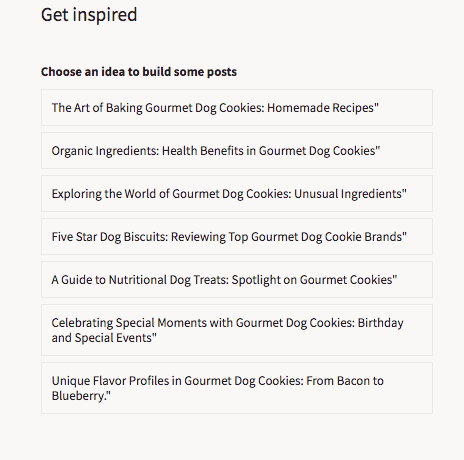
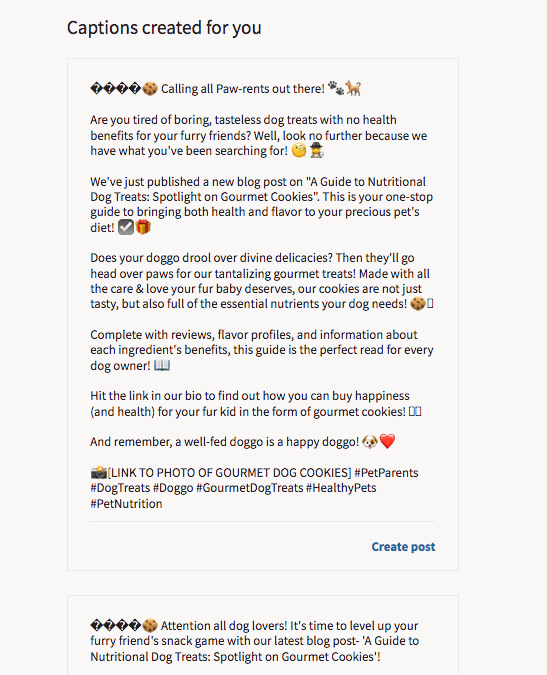
Artificial Intelligence is no longer an experimental luxury; it is a core component of the creative workflow. In 2026, tools like Wisdom (integrated into Hootsuite) and standalone platforms like Pictory have revolutionized content production. AI now handles the "blank page" problem, offering ideation, caption drafting, and even the conversion of text-based scripts into professional-grade short-form video. This shift allows human creators to focus on high-level strategy and brand voice, while the AI manages the repetitive tasks of resizing, subtitling, and hashtag generation.
3. Advanced Analytics and Competitive Benchmarking
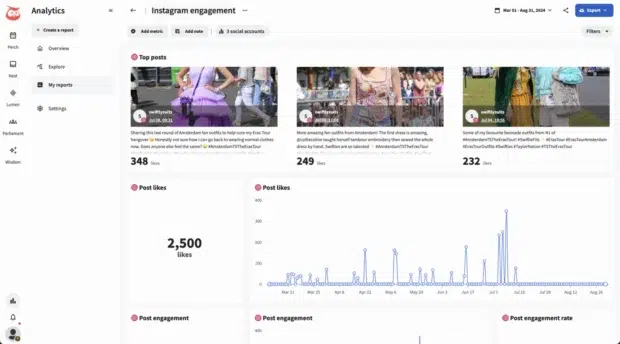
While native Instagram Insights provide a solid baseline, they are inherently limited by a 90-day data window. For organizations that rely on quarterly or annual performance trends, this is insufficient. Tools like Iconosquare and advanced Hootsuite Analytics modules provide the longitudinal data necessary to prove ROI to stakeholders. These tools allow for sentiment analysis—categorizing comments as positive, negative, or neutral—and offer competitive benchmarking, which tracks how an organization’s growth and engagement rates stack up against industry rivals.
Data-Driven Decision Making and ROI
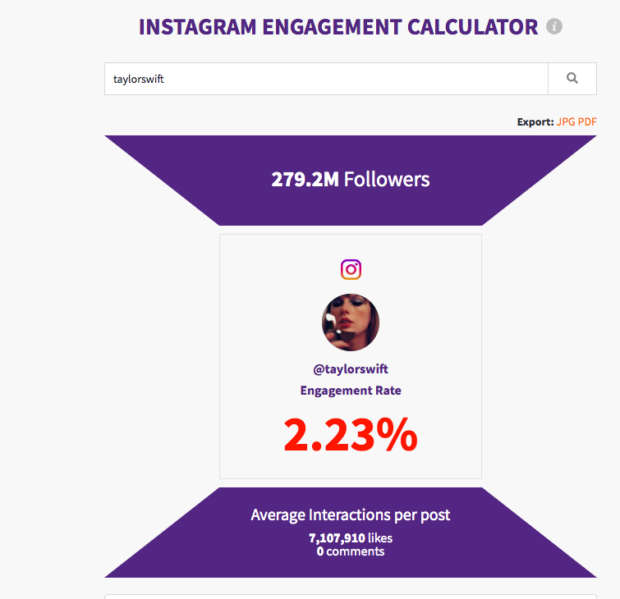
The economic imperative for these tools is clear. According to recent industry reports, influencer marketing spending has surpassed $10 billion annually, and the pressure on brands to justify this expenditure has never been higher. Third-party analytics tools now offer the ability to bridge the gap between social engagement and tangible business outcomes. By integrating these platforms with business intelligence tools like Tableau or Microsoft Power BI, marketers can map Instagram engagement to website conversions, providing a clear picture of the platform’s role in the wider sales funnel.
The Critical Role of Social Listening
Perhaps the most significant advancement in 2026 is the integration of "social listening" into the standard marketing stack. Tools such as Lumen offer real-time monitoring of millions of online conversations, allowing brands to identify emerging trends before they reach the mainstream. This proactive approach to strategy—listening to what the audience is saying about competitors, industry challenges, and product pain points—enables brands to pivot their content strategy dynamically. Rather than guessing what will resonate, teams can use data to inform their next creative campaign.
Strategic Selection Criteria
Selecting the right tool for a team requires an objective assessment of organizational needs. The industry standard is currently segmented into three tiers:
- Small Teams and Creators: These users benefit from low-cost, high-usability tools like Buffer or Milkshake, which focus on efficiency and basic link-in-bio management.
- Growing Businesses: These teams typically require mid-tier solutions that include basic analytics and team collaboration features.
- Enterprise Organizations: These entities demand platforms like Hootsuite or Sprout Social, which offer rigorous approval workflows, security compliance, advanced listening, and the ability to manage hundreds of accounts across global markets.
Before committing to a subscription, managers should evaluate their specific "pain points." If the primary challenge is inconsistent publishing, a scheduler should be the priority. If the challenge is proving value to a board of directors, advanced reporting and ROI tracking tools should take precedence.
The Future of Instagram Management
As we look toward the remainder of 2026 and into 2027, the trend toward consolidation is expected to continue. We are seeing a move away from "tool fatigue"—where teams are forced to manage ten different subscriptions—and toward comprehensive "Social OS" platforms. These platforms act as a central nervous system for a brand’s digital presence.
The implications for marketers are significant: the barrier to entry for professional-grade social media management has lowered, but the barrier to excellence has risen. With the automation of basic tasks, the differentiator for brands is now the human element—strategy, creative intuition, and the ability to leverage data to build authentic relationships with an audience. By selecting a toolset that automates the mundane, marketers are finally free to focus on the truly creative work that drives long-term brand loyalty.

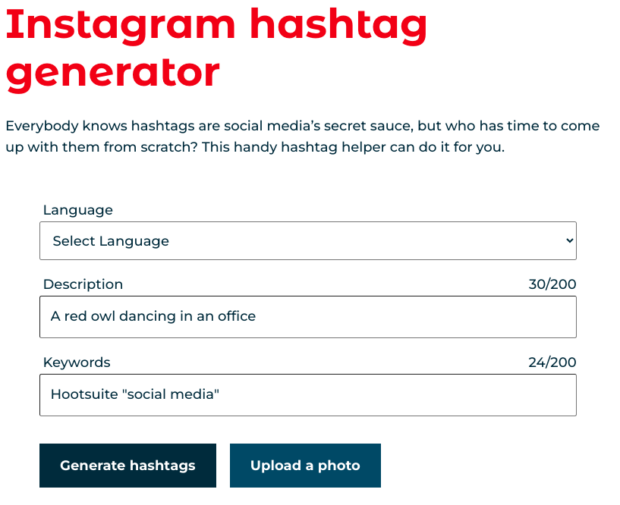
Ultimately, the most successful brands will be those that view their Instagram tools not as mere utilities, but as strategic partners in their growth. Whether it is using an AI hashtag generator to reach new communities or using advanced listening to anticipate the next industry shift, the right stack provides the clarity needed to navigate an increasingly complex digital ecosystem.