The Future of Website Marketing: Adapting to the 2026 Digital Ecosystem

Website marketing in 2026 no longer works the way it used to, marking a fundamental shift in how brands must engage with their audiences to achieve growth. Traditionally, digital strategy was built on a linear model: promote a website, attract traffic, and convert visitors into customers. Today, that model is increasingly obsolete as the customer journey has fractured and migrated to platforms far removed from the primary domain.
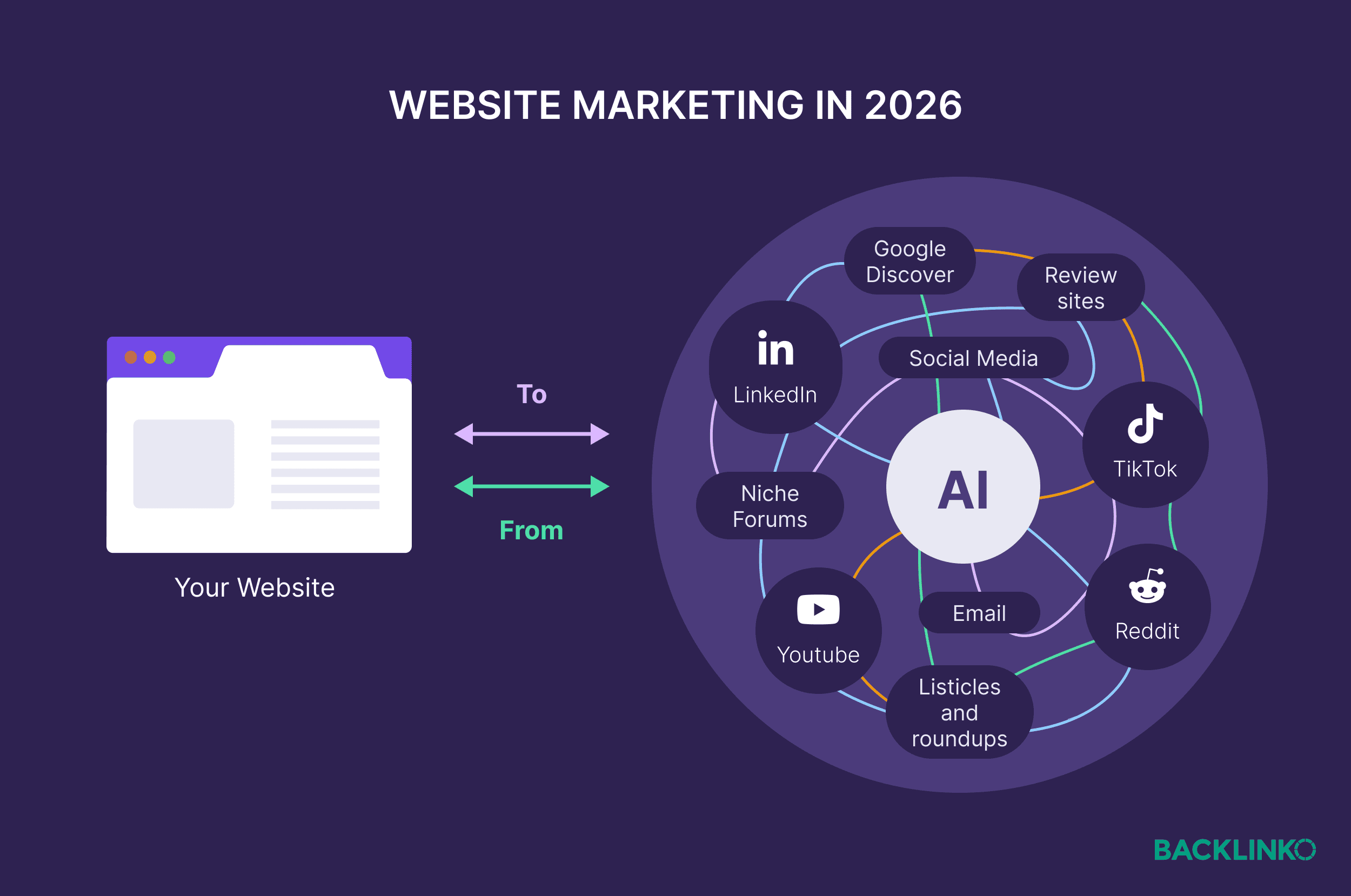
The modern buyer typically arrives at a brand’s website only after a comprehensive vetting process that occurs across diverse, decentralized channels. Potential customers are now consulting AI-driven search tools, participating in niche Reddit threads, and monitoring social media discourse to gauge a brand’s reputation before they ever click a link to a homepage. If a business lacks visibility and established credibility within these third-party environments, they often fail to capture the user’s attention at all.
The Shift Toward AI and Human Discovery
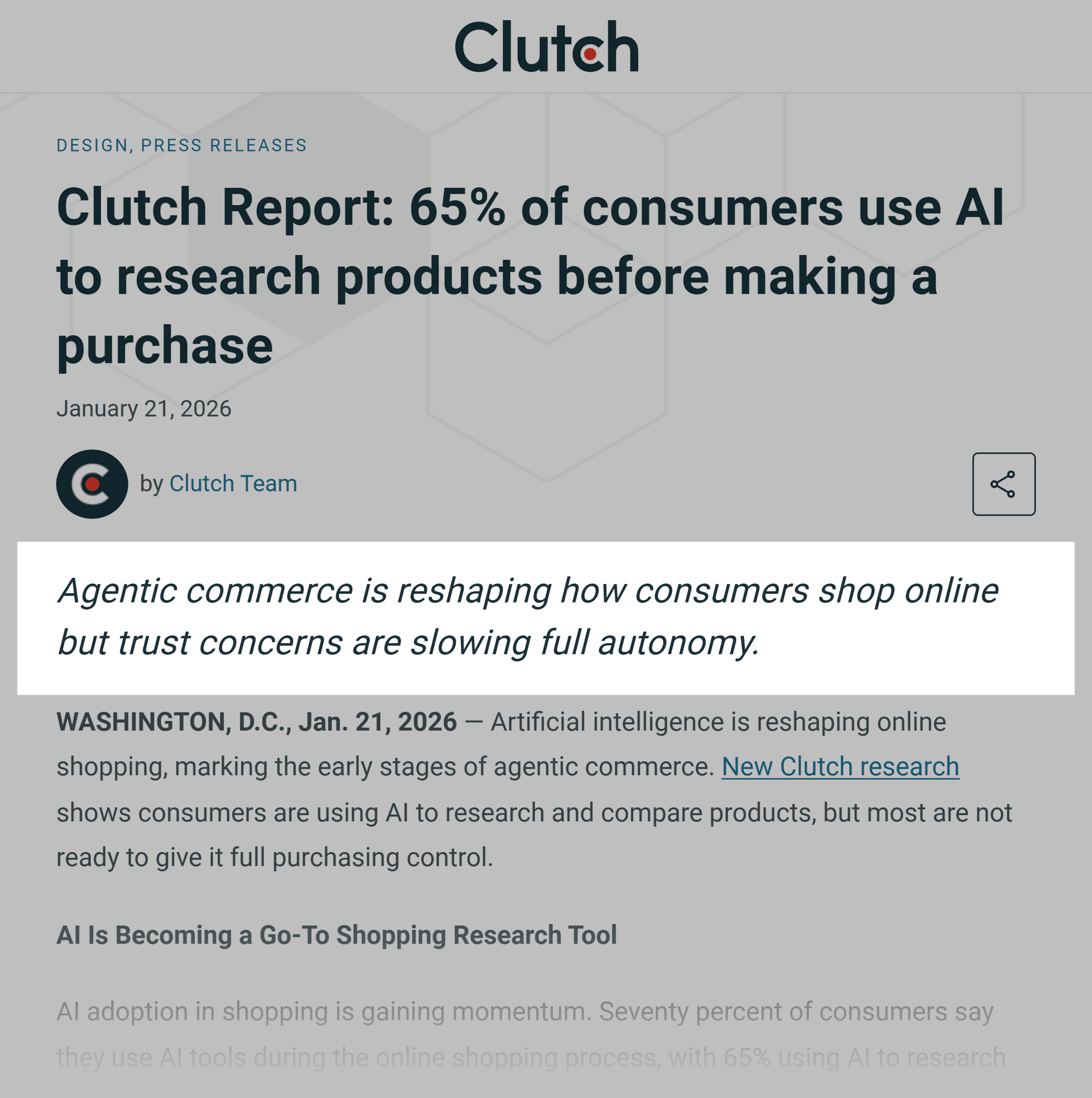
Data from Clutch Research indicates that more than 65% of modern buyers now utilize artificial intelligence to research products and services before interacting with a brand’s direct interface. This means that by the time a user lands on your website, they have already formed a baseline opinion based on information aggregated by large language models (LLMs).

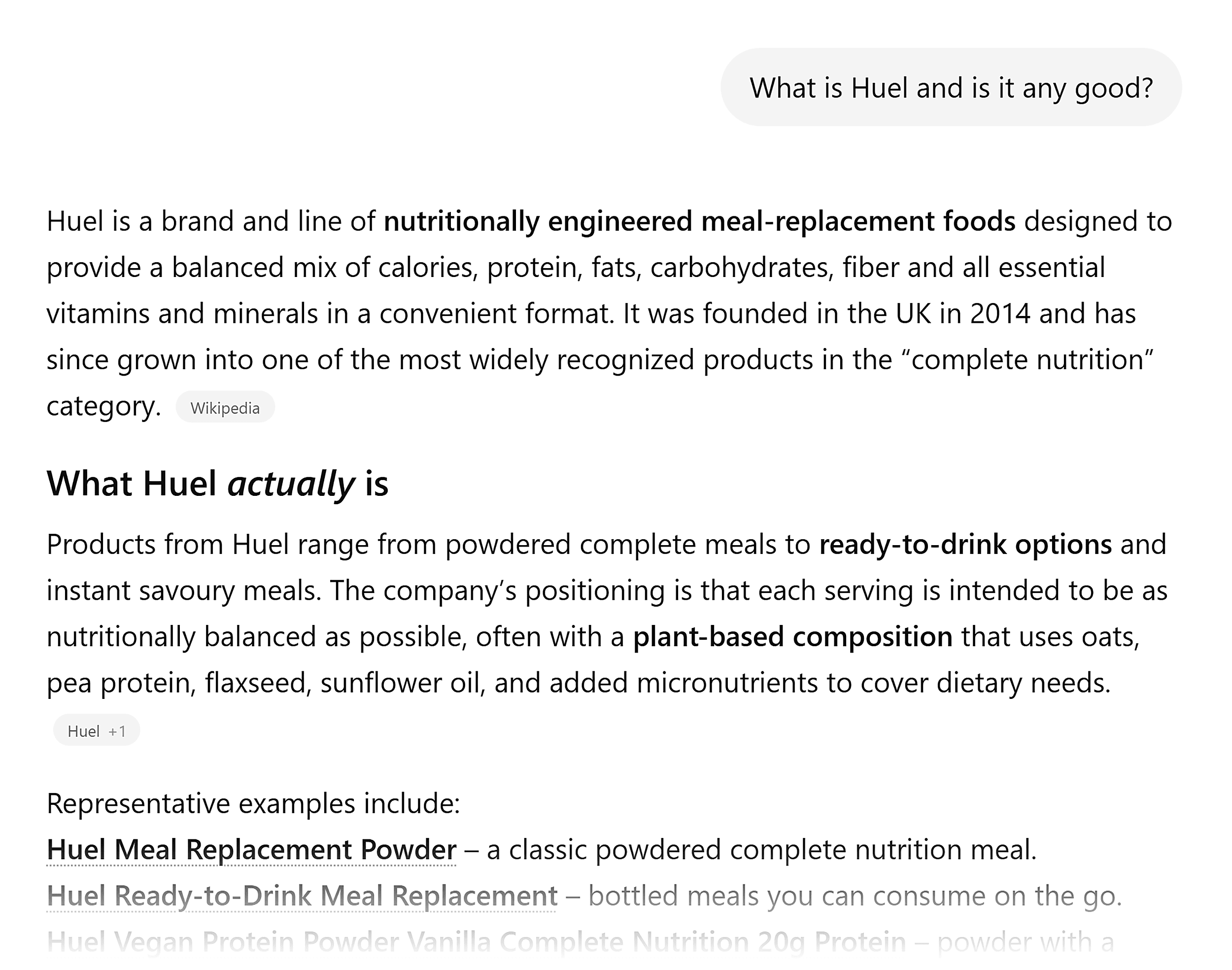
The implication is clear: you are no longer in full control of your brand’s first impression. Your objective must now be to influence how these AI tools and human communities interpret your value proposition. This requires a shift from passive website management to active "reputation engineering."
Engineering the Digital Narrative
To influence how the internet describes your brand, you must first codify your messaging strategy. This involves creating a living document that defines the specific language, claims, and positioning associated with your business. Consistency is the most critical factor here; every touchpoint—from sales calls and marketing emails to social media posts and partner press releases—must utilize a shared lexicon.
This consistency serves two purposes. First, it aligns your team, ensuring that every representative communicates the same value proposition. Second, it provides the structured data that LLMs require to associate your brand with specific, high-intent categories.
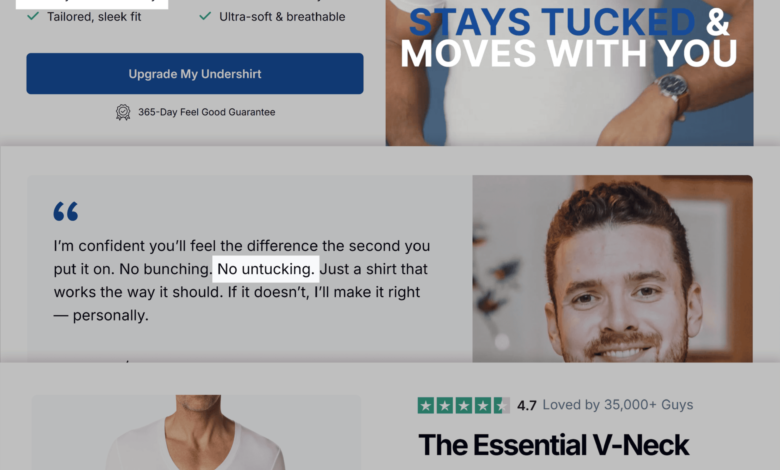
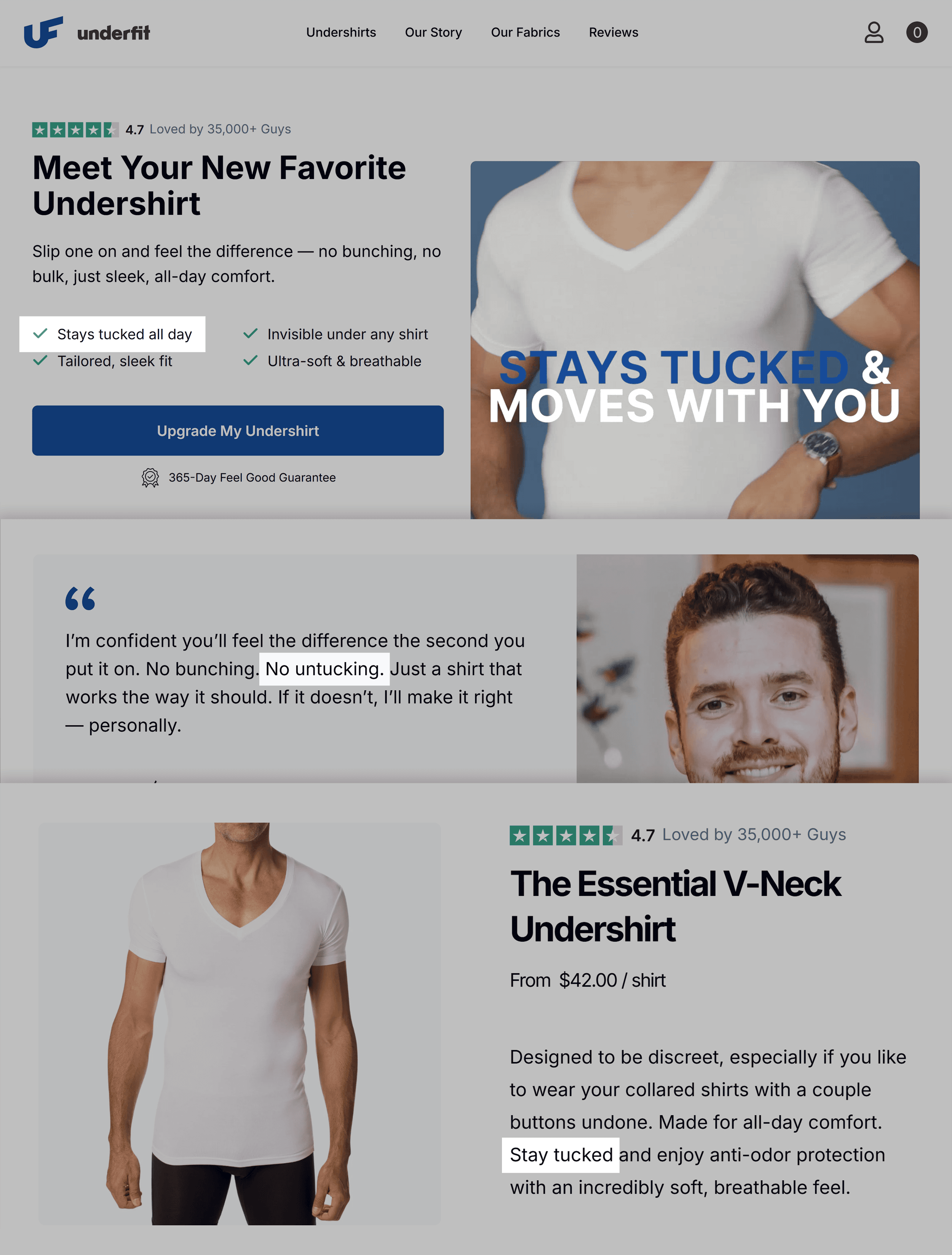
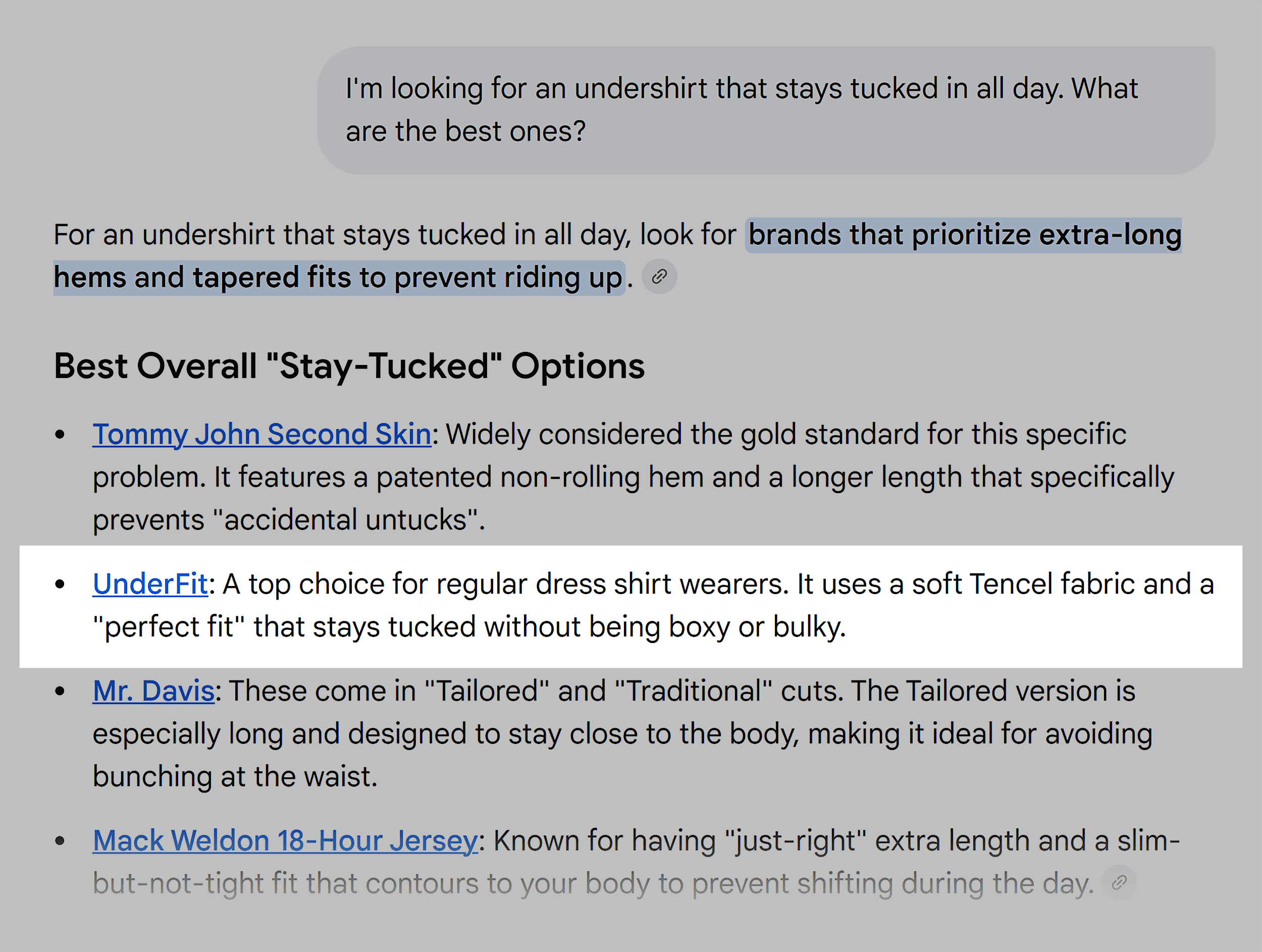
For instance, the ecommerce brand UnderFit has successfully maintained a consistent messaging pillar around the claim that their shirts "stay tucked all day." By repeating this exact phrasing across their website, customer reviews, and external editorial roundups, they have successfully trained search-oriented AI to associate their brand with that specific consumer benefit. When users query AI models about shirts that stay tucked, UnderFit consistently surfaces as a recommended solution.
Structuring for Human and Machine Parsing
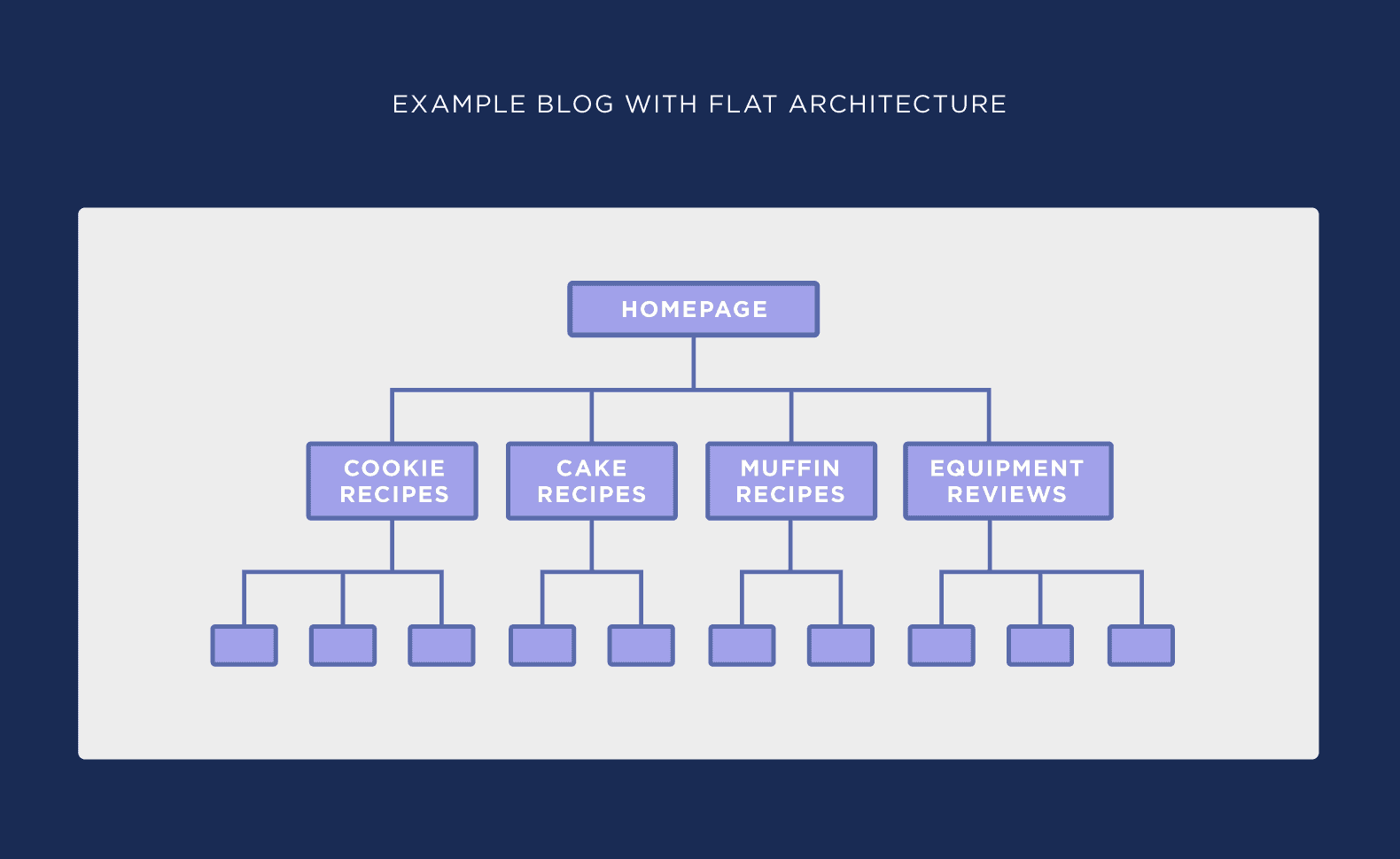
Once you have established your presence across the broader web, you must ensure that your website architecture acts as a reliable home base. Modern web design requires a dual focus: creating a seamless experience for human users while maintaining clear, semantic signals for search crawlers and AI bots.
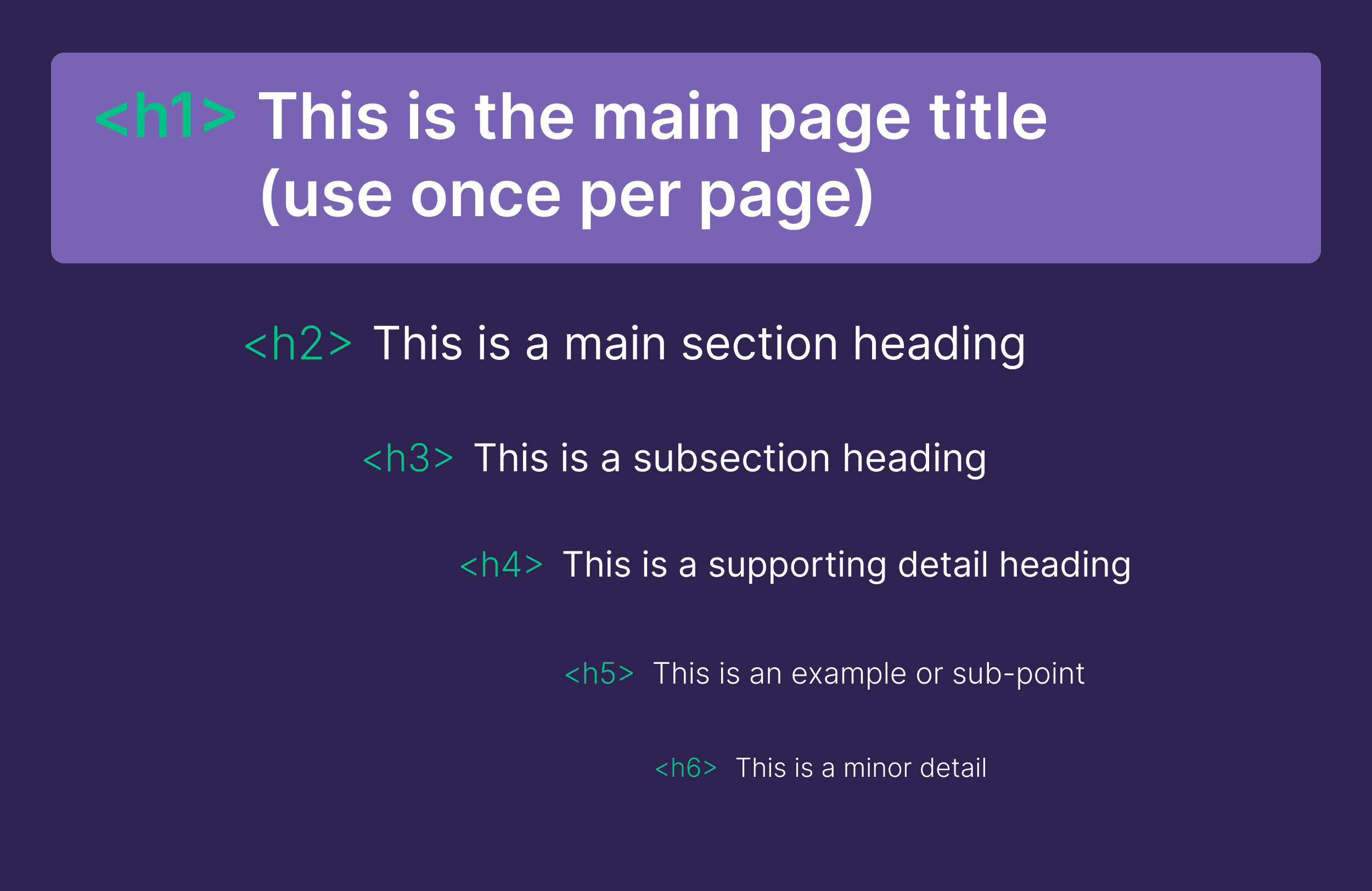
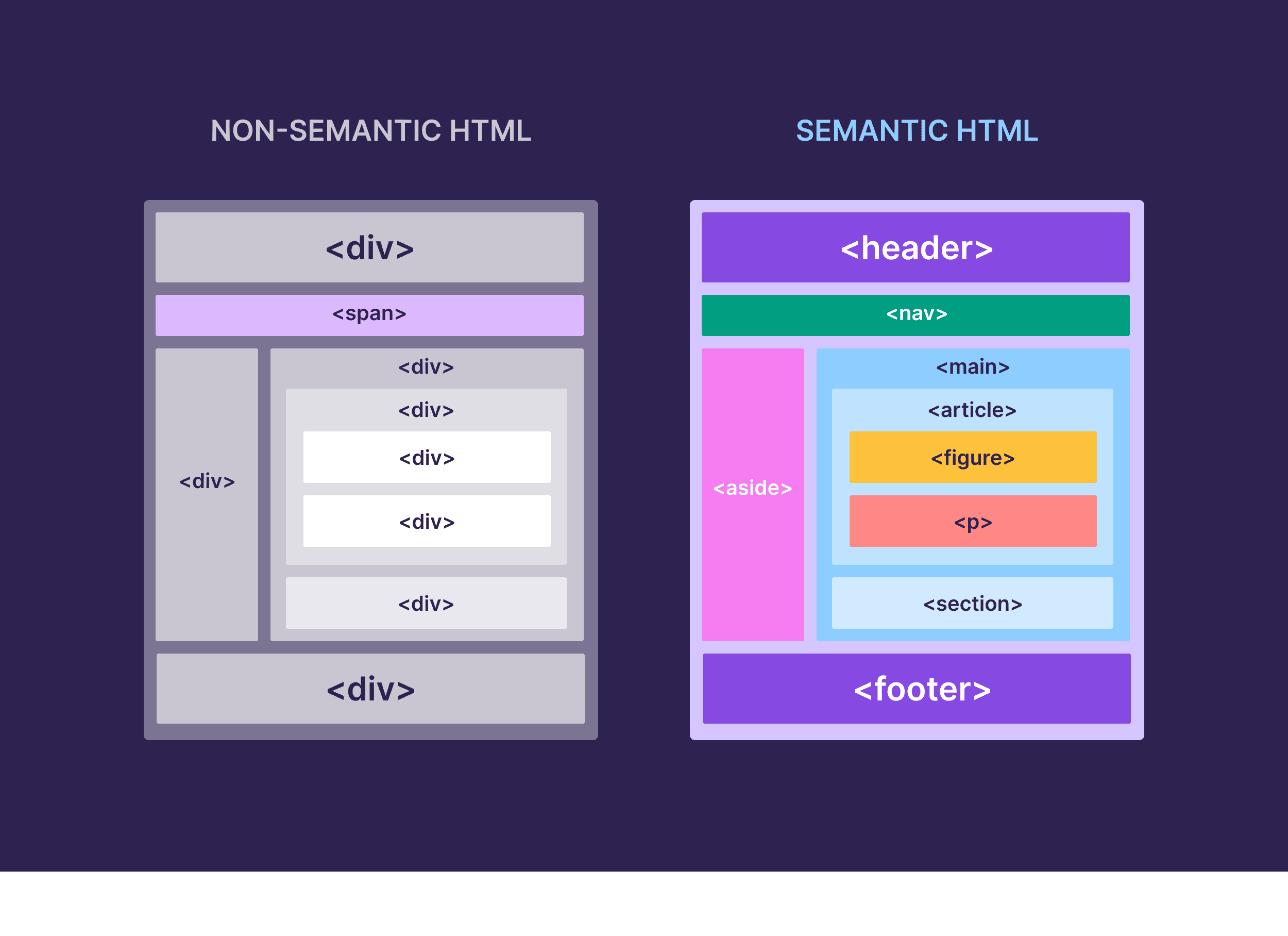
A flat website architecture—where important pages are no more than two or three clicks from the homepage—remains the gold standard for usability. Beyond layout, page structure must prioritize "skimmability." The use of semantic HTML (proper H1, H2, and H3 tags) is no longer just a technical SEO best practice; it is a critical method of content hierarchy that allows LLMs to understand the purpose of each page section.
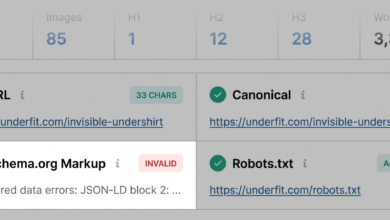
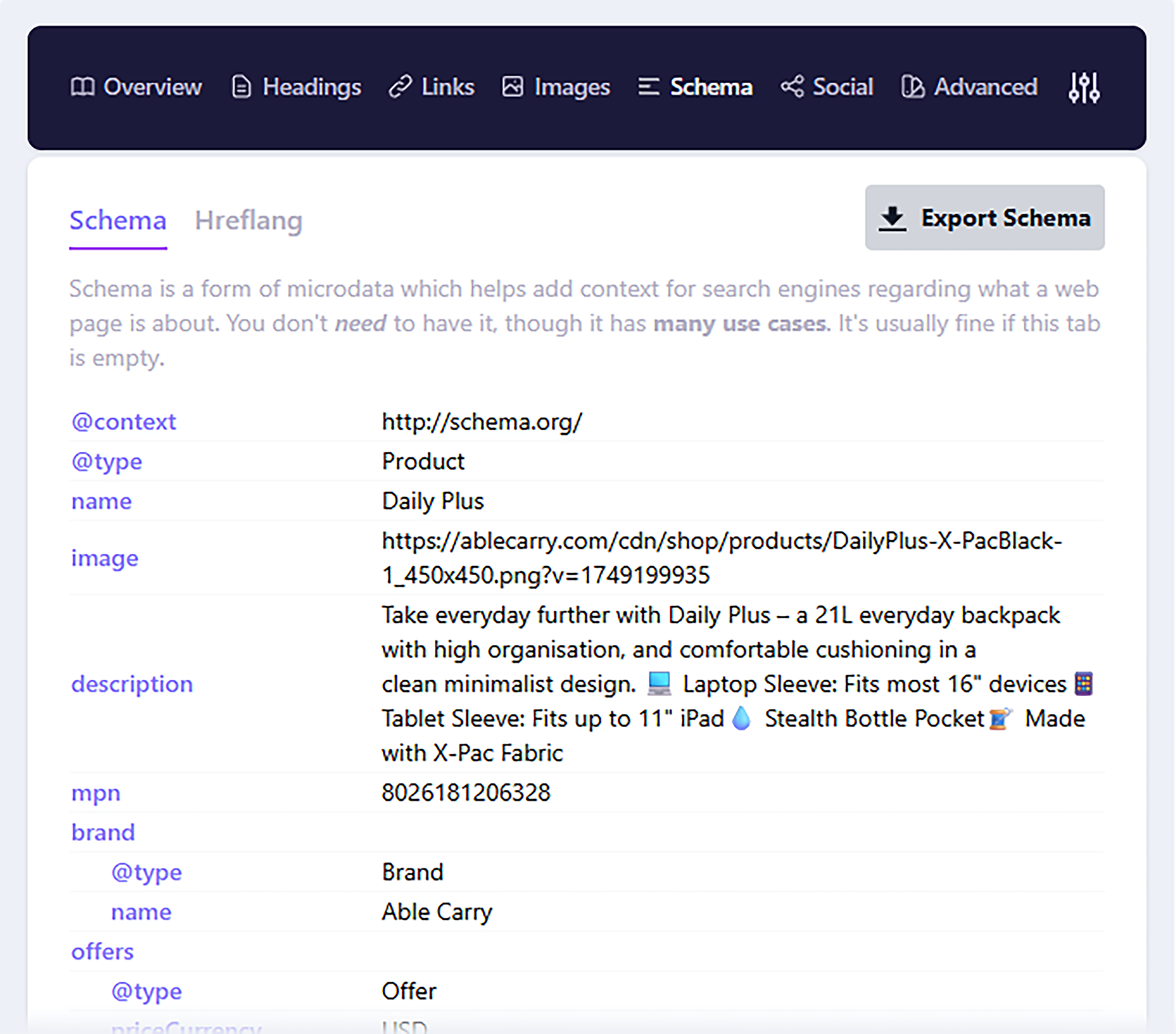
Furthermore, implementing structured data (Schema markup) provides search engines with explicit information about your product, services, and organization. In 2026, ignoring these technical signals is equivalent to leaving your store without a sign in the window; you may have a product, but you have made it impossible for the market to find it.
The Rise of Proof Assets
In an era of AI-generated content, proof assets have become the most valuable currency in digital marketing. These are the objective evidence points that validate your claims. Examples include:
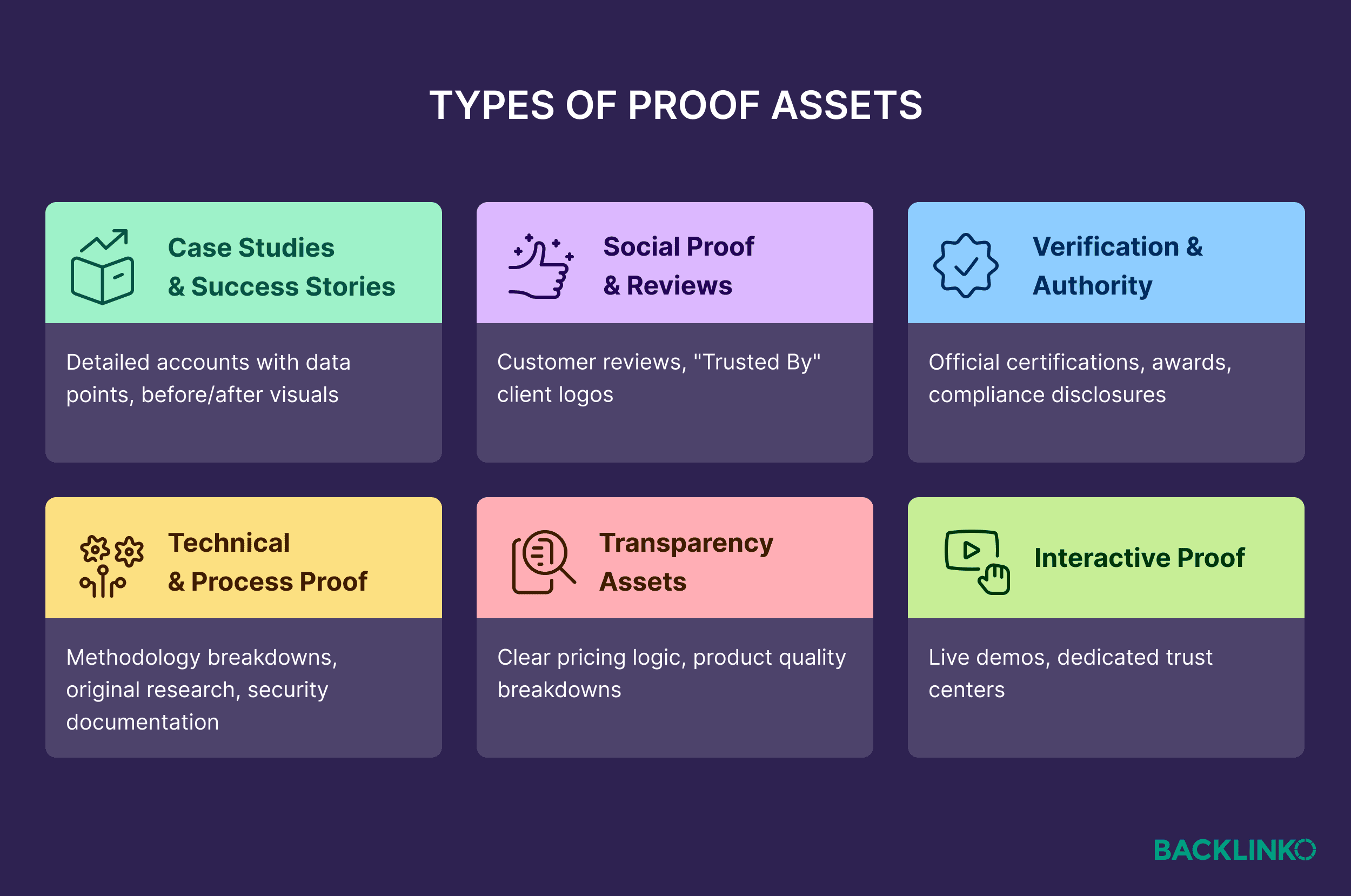
- Verified case studies with clear, measurable outcomes.
- Independent uptime data and security compliance documentation.
- Authentic user-generated content and transparent review threads.
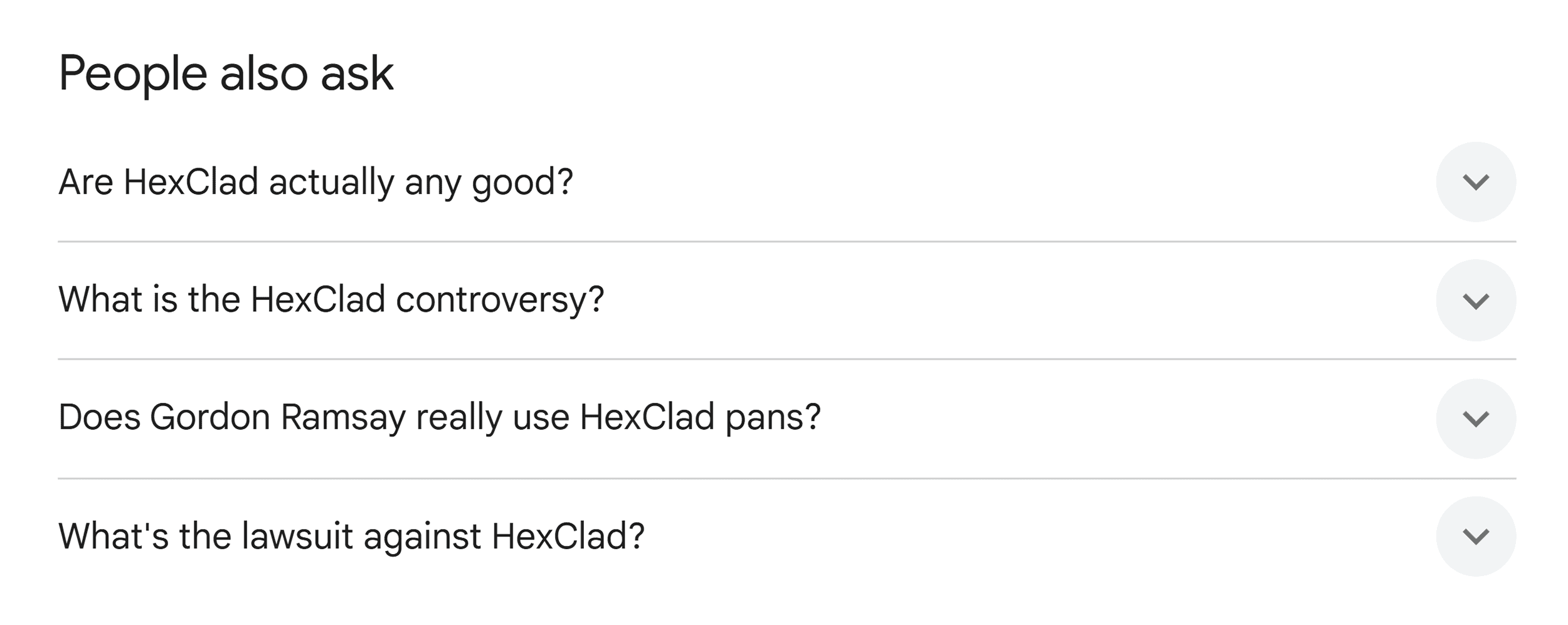
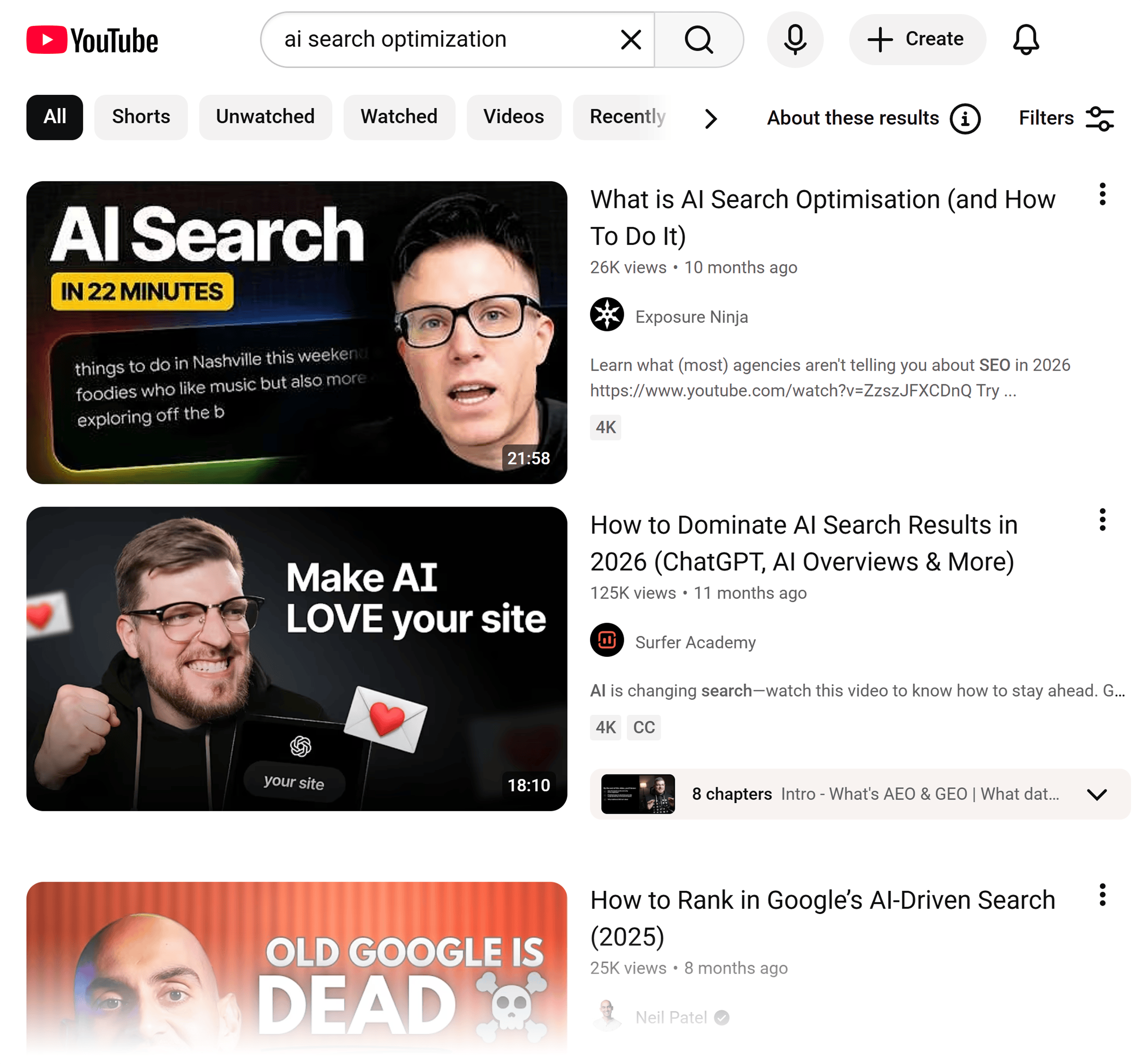
If you are uncertain which proof assets carry the most weight in your industry, utilize search data to find out what buyers are asking. Review the "People Also Ask" sections on Google for your brand name. These questions represent the primary barriers to purchase. If your website does not explicitly answer these questions, you are losing potential customers to competitors who do.
Video as a Trust Multiplier
Text-based content can inform, but video creates a sense of familiarity that breeds trust. Video allows potential customers to "meet" the people behind the screen, effectively humanizing the brand and reducing the perceived risk of a transaction.
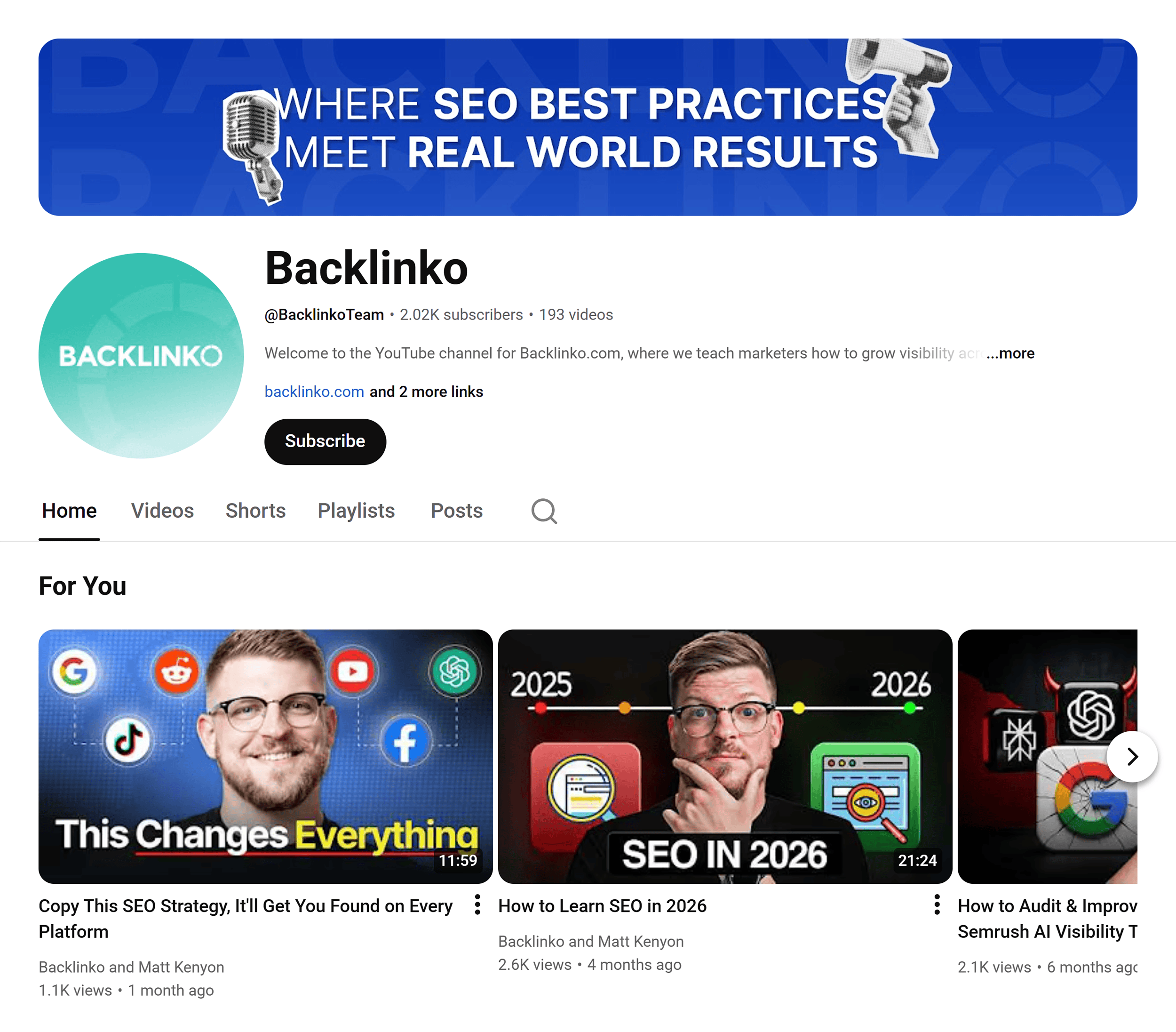
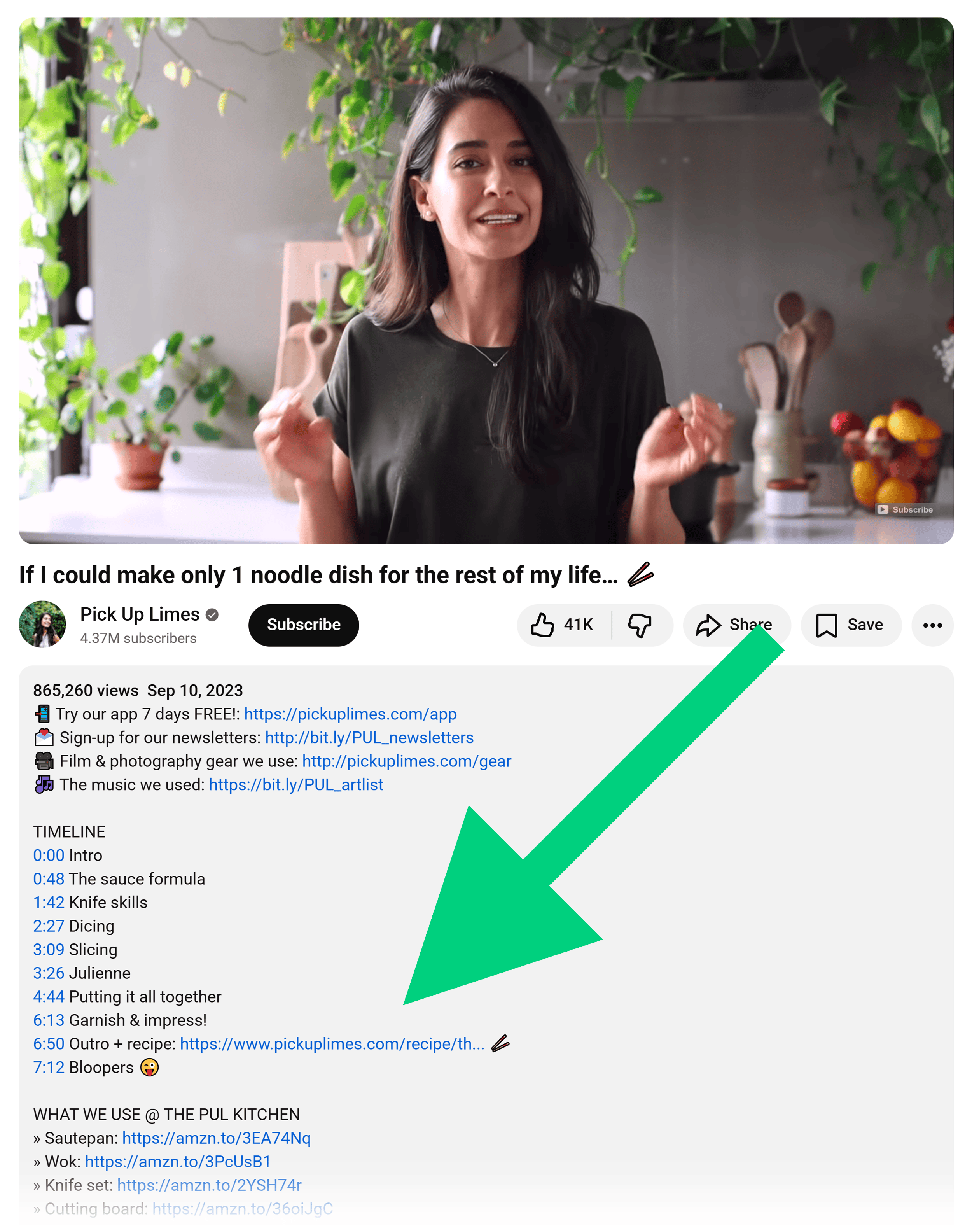
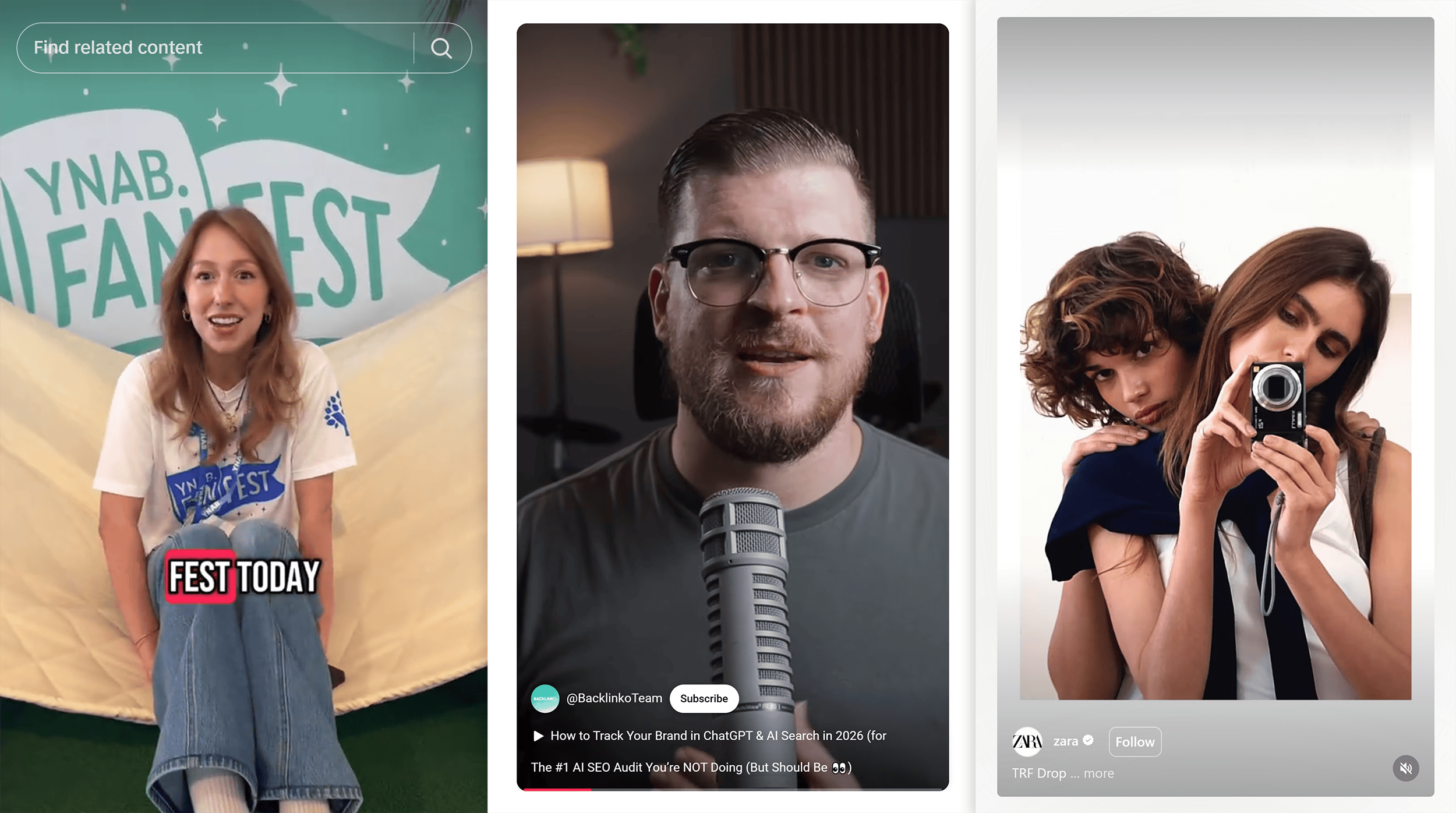
For B2B brands, long-form content on platforms like YouTube—webinars, deep-dive tutorials, and interviews—acts as a cornerstone of authority. When creating this content, the goal should be to help the buyer evaluate their problem before they are even ready to purchase. If the video content directly addresses pain points, it serves as an educational asset that positions the brand as a helpful guide rather than a faceless vendor.
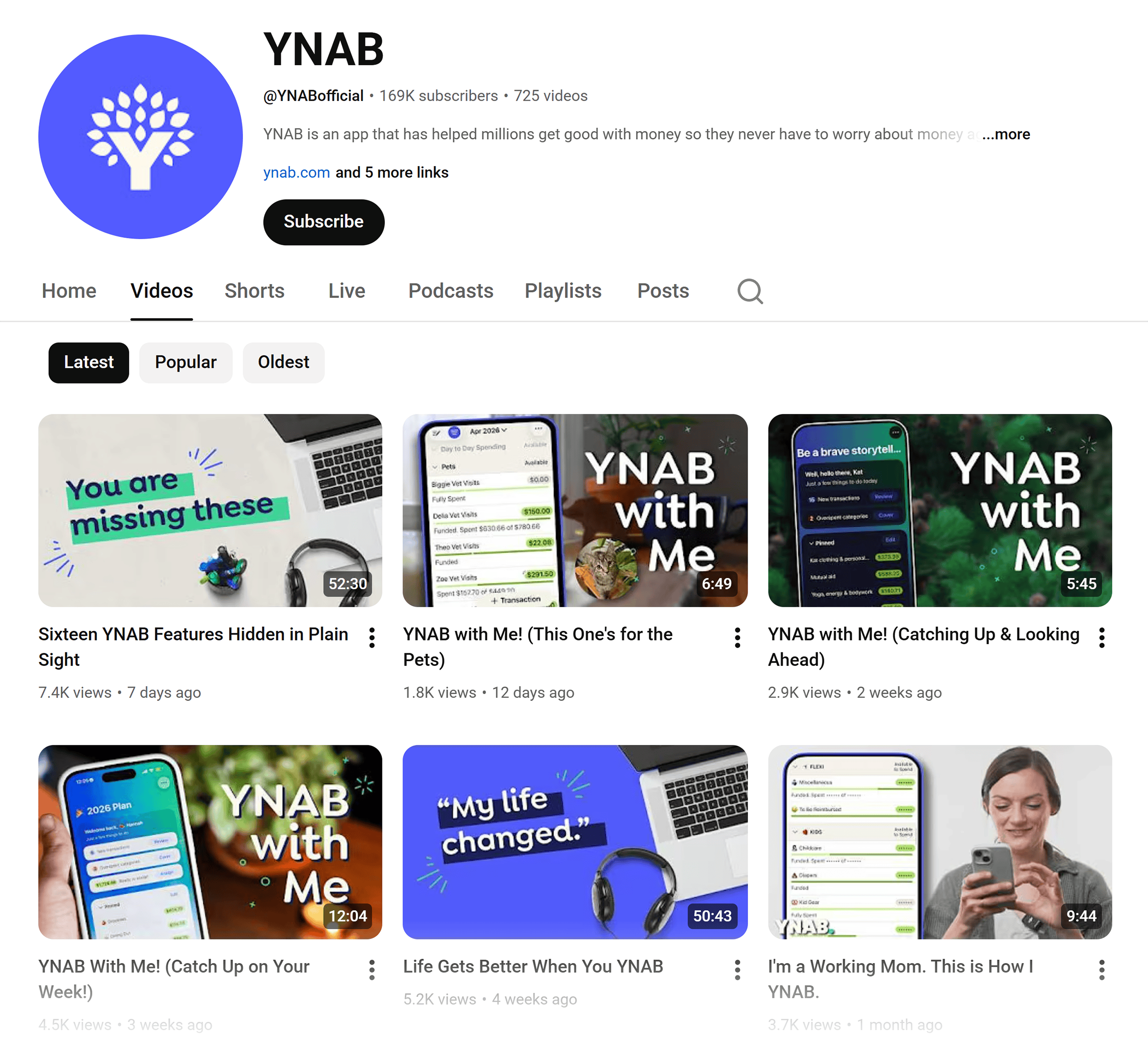
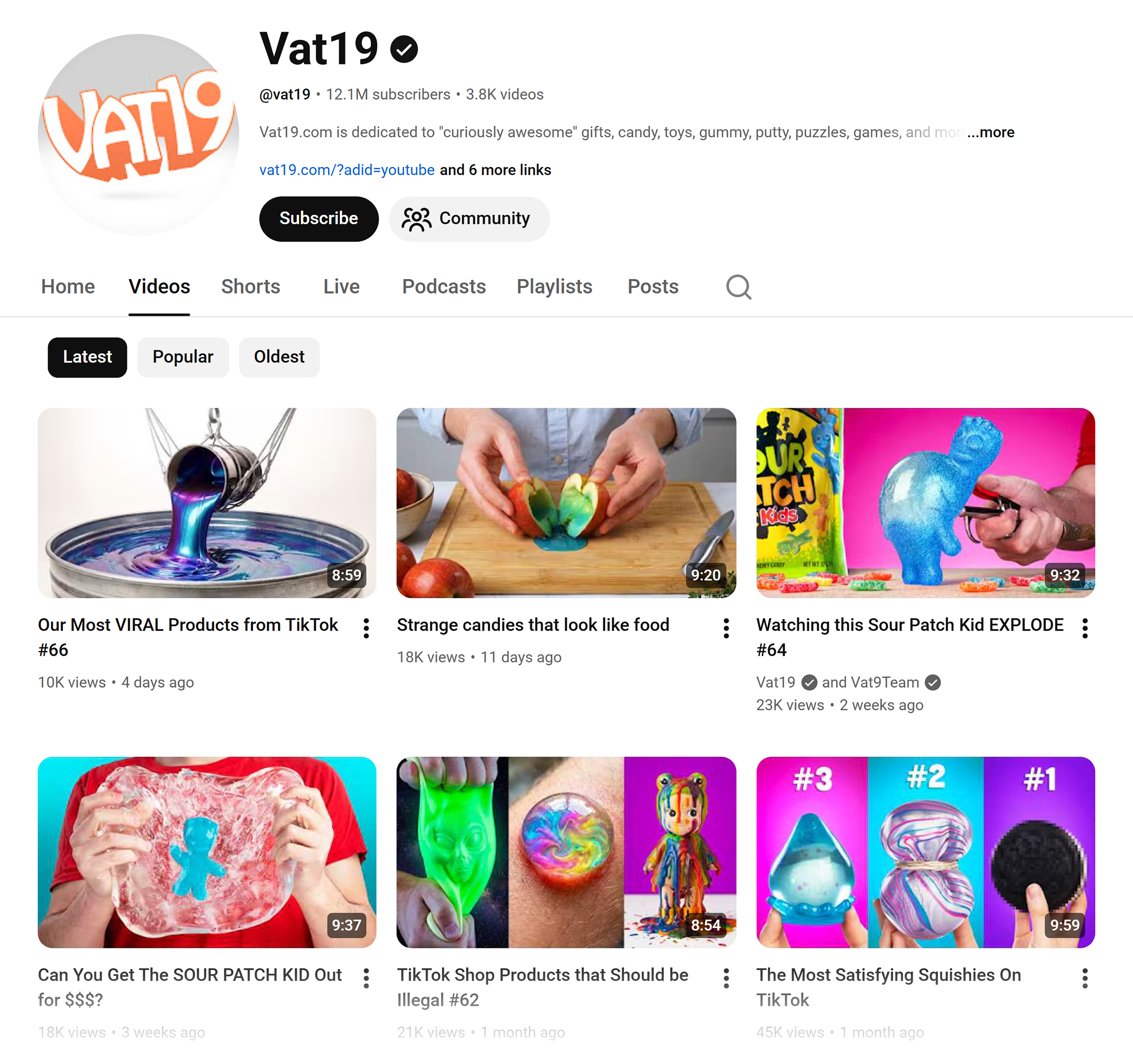
Short-form video, such as Instagram Reels and TikTok, serves a different, equally vital function: maintaining top-of-mind awareness through repetition. For these platforms, production value is secondary to momentum. By documenting answers to common support emails or addressing recurring objections, brands can populate their social feeds with high-value, authentic content that builds trust over time.
Navigating the Zero-Click Reality
We are currently in a "zero-click" era, where users often resolve their inquiries without ever leaving a search engine results page or an AI chatbot interface. While this might seem detrimental to website traffic, it places a higher premium on the conversion rate of the traffic that does arrive.
Because the visitors who successfully navigate to your site are already highly educated, your website must be optimized to facilitate an immediate decision. This means auditing your site for "friction" and "anxiety."
- Friction includes technical issues like slow page load speeds or convoluted checkout processes.
- Anxiety includes psychological barriers, such as a lack of clear pricing or missing trust signals in high-stakes industries like finance or healthcare.
To combat these, brands should use behavioral targeting. By triggering automated emails based on specific site actions—such as a visitor lingering on a pricing page or abandoning a cart—you can provide the necessary reassurance or incentive at the exact moment the user’s intent is at its peak.
The Human Premium
Finally, in a market flooded with AI-generated synthetic content, the most powerful tool in your arsenal is the human behind the brand. There is a "human premium" in 2026; users are increasingly seeking out content that displays a distinct voice, personal opinion, and real-world experience.
Thought leadership is not just about writing blog posts; it is about articulating a clear, sometimes contrarian, point of view on your industry. By assigning a visible human advocate to your brand—a CEO, a founder, or a subject matter expert—you can scale this personality. These individuals should be active on professional networks, participating in panels, and signing off on newsletters.
When a brand’s public-facing experts are consistently providing value, the association between the individual and the brand becomes a powerful driver of trust. Ultimately, website marketing in 2026 is no longer about forcing traffic into a funnel; it is about establishing a credible presence in every space where your customers live, work, and search. By doing so, you ensure that when the time for a decision comes, your brand is not just an option—it is the answer.