A significant disconnect exists between the palpable excitement Chief Marketing Officers (CMOs) feel about Artificial Intelligence (AI) and their organizations’ actual adoption of the transformative technology, according to recent industry analyses. While a June 2026 McKinsey survey revealed that a staggering 96% of CMOs expressed enthusiasm for AI’s potential in their work, the same report highlighted a stark contrast: only 28% of marketers surveyed felt their companies were undertaking a fundamental overhaul of their marketing teams and workflows to integrate AI. This chasm between sentiment and action presents a critical challenge for marketing leaders navigating an increasingly AI-driven landscape.
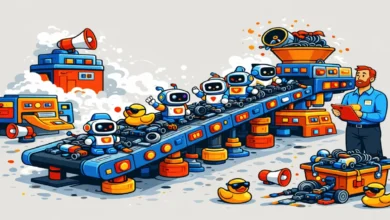
The current situation can be analogized to the famous scene in "Charlie and the Chocolate Factory," where Charlie’s father, a diligent toothpaste cap-putter, faces obsolescence when machines take over his task. He is eventually rehired to maintain the very machines that replaced him. Similarly, AI is rapidly reshaping the marketing industry, and marketing leaders who fail to adapt risk becoming like Charlie’s father – left behind by the technological revolution. The era of digital reluctance has passed; the imperative now is to actively engage with and leverage AI.

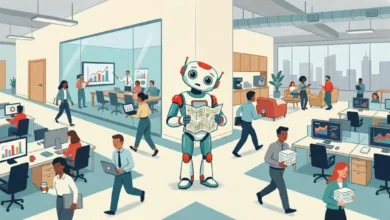
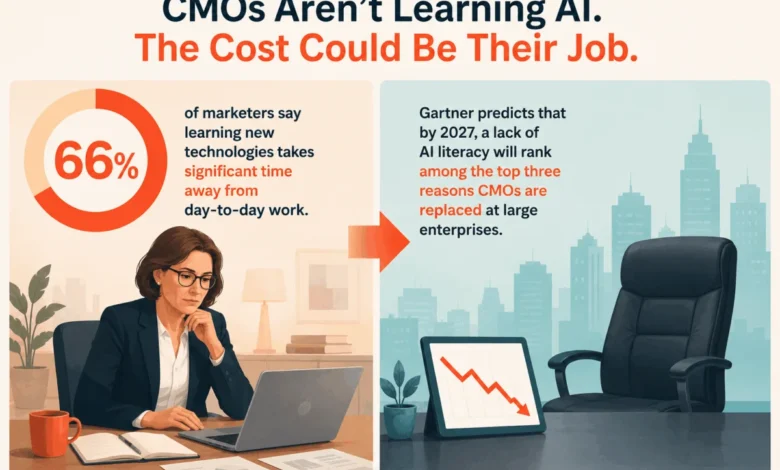
The urgency for CMOs to address this adoption gap is underscored by the fact that AI is not a future prospect but a present reality. The pace of AI integration in marketing is accelerating, demanding immediate strategic responses from leadership. Those who delay risk ceding ground to more agile competitors and potentially facing professional repercussions. Gartner, for instance, predicts that by 2027, a lack of AI literacy will be a top-three reason for CMOs’ replacement in large enterprises. This foresight makes proactive learning and organizational restructuring not merely advisable, but essential for career longevity and business success.
Building Essential AI Literacy
The first and most crucial step for CMOs is to cultivate a deep understanding of AI’s capabilities and limitations within the marketing context. This involves more than just acknowledging AI’s existence; it requires hands-on engagement and a commitment to continuous learning. Resources like the Marketing AI Institute offer foundational courses and materials that can provide a solid starting point. However, theoretical knowledge must be complemented by practical application.
CMOs are encouraged to actively experiment with the AI tools their organizations are currently using or considering. This hands-on approach allows them to develop intelligent questions, foster dialogue with their teams, and gain insight into the complex decisions being made. Understanding why certain AI applications are implemented, their impact on daily workflows, and their strategic importance is vital for informed leadership.
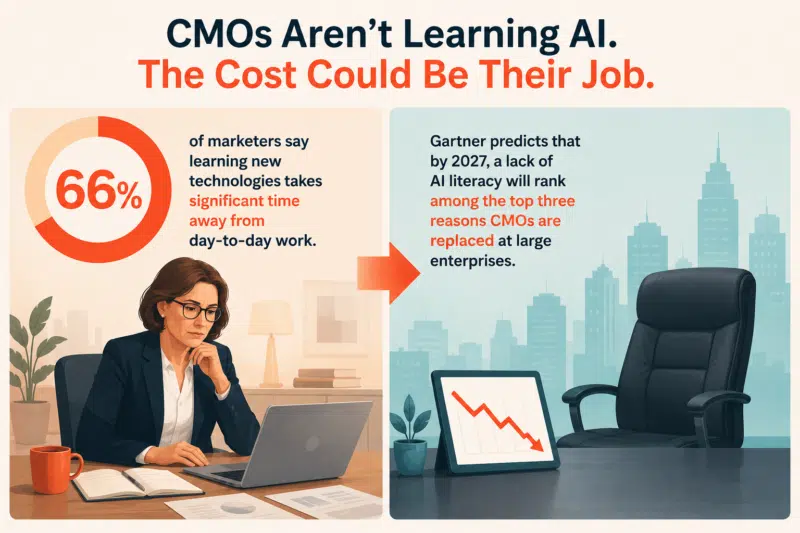
This pursuit of AI literacy, while essential, is not without its perceived obstacles. A June 2026 Gartner report indicated that 66% of marketers find learning new technologies significantly encroaches on their day-to-day responsibilities. This sentiment highlights a potential bottleneck, as the immediate demands of marketing campaigns can overshadow the long-term necessity of skill development. However, the predicted consequences of AI illiteracy among CMOs by 2027 suggest that this short-term disruption is a necessary investment for future relevance and leadership.
Rethinking the Marketing Organization for the AI Era
The increasing demand from boards and CEOs for AI integration means that traditional marketing organizational structures are often ill-equipped to handle this paradigm shift. A fundamental rethinking of how marketing departments are structured and operate is imperative. This involves addressing two key strategic questions: budget allocation and team composition.
Strategic Budget Allocation for AI
The financial commitment to AI in marketing is rapidly escalating. Gartner’s May 2026 press release indicated that CMOs are allocating an average of 15.3% of their marketing budgets to AI initiatives. This figure represents a substantial investment, particularly when viewed in conjunction with a June 2026 Boston Consulting Group (BCG) publication. The BCG report revealed that 43% of CMOs reported their AI investments in marketing exceeded $15 million for the year, a significant increase from 28% the previous year. This robust appetite for AI investment underscores the perceived value and competitive necessity of these technologies. However, CMOs must be prepared to demonstrate tangible return on investment (ROI) to their finance departments to maintain confidence and secure continued funding. The ability to quantify the impact of AI on key marketing objectives will be crucial in justifying these substantial expenditures.

Adapting Teams for an AI-Centric Future
The challenge of leading a team that was not originally structured for AI is a significant hurdle for many CMOs. BCG’s research emphasizes that marketing organizations must reimagine the core functions at every level – from insights and strategy to creative, planning, activation, and measurement – in light of what AI makes possible. While many organizations opt for targeted cuts to manage workforce adjustments, leading CMOs are adopting a more proactive and strategic approach. This often involves identifying roles that can be augmented or transformed by AI, rather than simply eliminated.
This shift requires a deep analysis of existing roles and responsibilities, assessing how AI can enhance efficiency, creativity, and strategic decision-making. It may involve upskilling existing employees to manage and leverage AI tools, or strategically hiring individuals with specialized AI expertise. The BCG report suggests that this reimagining of jobs is critical for unlocking the full potential of AI within marketing. The focus should be on creating a symbiotic relationship between human marketers and AI, where each complements the other’s strengths.
Translating AI Adoption into Tangible Business Results
The ultimate goal of AI integration in marketing is not merely adoption for its own sake, but the generation of measurable business outcomes. An April 2026 McKinsey article highlighted the transformative potential of a hybrid human-AI workforce. This collaboration, where AI handles repetitive tasks, analyzes vast datasets, and generates insights at speed, allows human marketers to focus on higher-level strategic thinking, creative problem-solving, and building deeper customer relationships.

The McKinsey analysis suggests that this integration can lead to significant improvements across various marketing functions. For instance, AI can automate content personalization at scale, optimize campaign targeting with unprecedented precision, and provide real-time performance analytics that enable agile adjustments. This frees up marketing professionals to engage in more strategic initiatives, such as developing innovative brand narratives, fostering authentic customer connections, and identifying emerging market opportunities. The implication is clear: AI is not a replacement for human marketers, but a powerful amplifier of their capabilities, enabling them to achieve more impactful results.
The excitement surrounding AI in marketing, as reported by McKinsey, is well-founded. However, this excitement must be a catalyst for decisive action. The gap between recognizing AI’s potential and actively integrating it into marketing operations is a critical juncture. CMOs have a clear mandate: to invest in their own AI literacy, to fundamentally rethink their organizational structures, and to strategically deploy AI to drive tangible business growth. The cautionary tale of Charlie’s father serves as a potent reminder that embracing technological evolution is not an option, but a necessity for continued relevance and success in the dynamic world of marketing. The time for passive observation has passed; the era of active AI-driven transformation is here.