Building Internal Brand Safety Policies: An Enterprise Framework for 2026 and Beyond

The landscape of digital brand safety has undergone a seismic shift as we move into 2026, moving beyond simple keyword blocking to a complex environment defined by generative AI, deepfakes, and automated disinformation campaigns. For enterprise-level organizations, the challenge is no longer merely avoiding "bad" content; it is about maintaining a consistent, defensible, and values-aligned presence across a fragmented digital ecosystem. With programmatic advertising now accounting for more than 90% of U.S. digital display spending, the velocity at which a brand can be inadvertently associated with harmful content has outpaced human intervention, necessitating a robust, policy-driven infrastructure.

Defining the Modern Risk Horizon
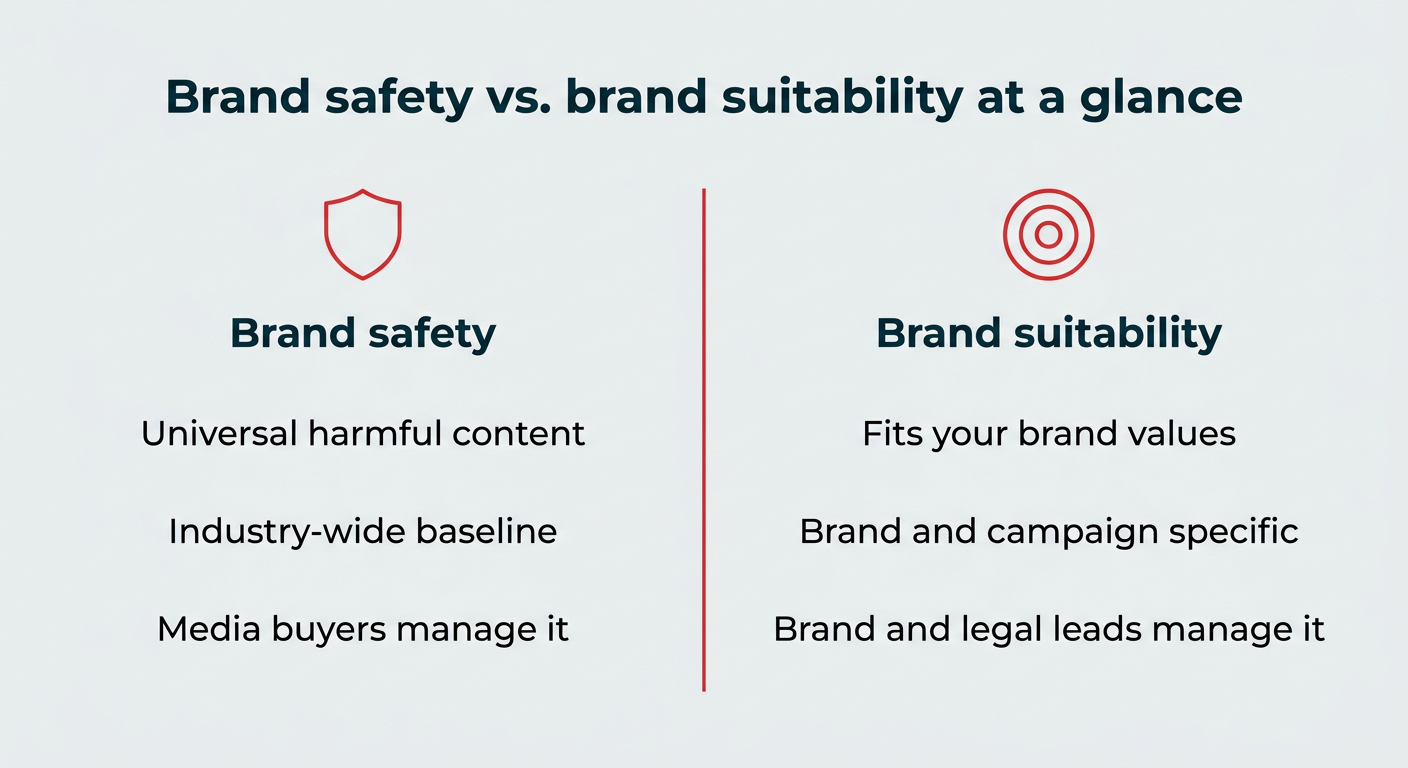
Brand safety historically functioned as a binary filter: either a piece of content was harmful—such as hate speech, explicit imagery, or content promoting illegal acts—or it was not. Industry benchmarks like the Global Alliance for Responsible Media (GARM) Brand Safety Floor provided a universal baseline for years. However, since the dissolution of GARM in August 2024, the responsibility for defining these boundaries has decentralized. Today, the industry distinguishes between "brand safety" and "brand suitability." While safety represents a universal floor meant to protect any advertiser from objectively toxic environments, suitability is the strategic application of a brand’s specific values. A news report on a geopolitical crisis may be "safe" for a news outlet, but entirely "unsuitable" for a lighthearted consumer goods brand to advertise against.

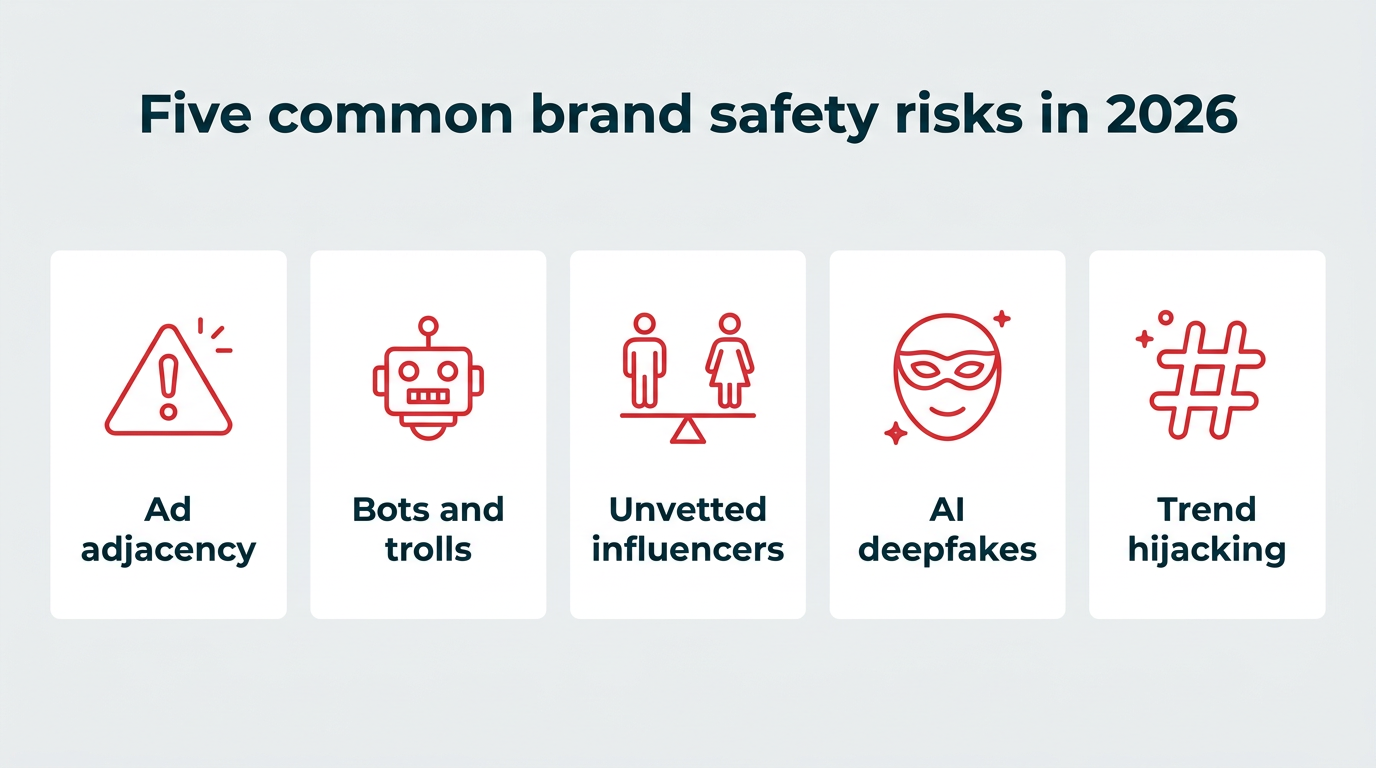
The 2026 risk profile is dominated by five distinct vectors. First, programmatic ad adjacency continues to threaten reputations, as automated buying systems often prioritize reach over context. Second, the rise of "coordinated inauthentic behavior"—the use of botnets to manufacture consensus or outrage—can artificially distort a brand’s sentiment metrics. Third, the professionalization of the creator economy requires rigorous vetting that extends beyond mere follower counts to include a creator’s historical discourse and audience authenticity. Fourth, the proliferation of AI-generated deepfakes poses an existential threat to corporate reputation, with recent Gartner data indicating that over 60% of large organizations have already contended with a deepfake-related security incident. Finally, the rapid cycle of social media trends makes "trend hijacking" a high-stakes gamble, where brands often inadvertently endorse movements or memes they do not fully understand.
Chronology of a Changing Landscape
The evolution of these standards reflects a decade of rapid technological adoption. In 2019, the formation of GARM marked a turning point in industry cooperation, providing a unified lexicon for safety. By 2023, the emergence of high-fidelity generative AI introduced a new layer of complexity, as synthetic media made it easier to create deceptive content. The 2024 discontinuation of the GARM initiative shifted the burden of oversight back to individual advertisers and verification vendors. As of 2026, the industry has transitioned toward a "defense-in-depth" model, where internal governance, automated verification, and human-in-the-loop approvals are integrated into a single operational workflow.
Establishing the Internal Policy Framework
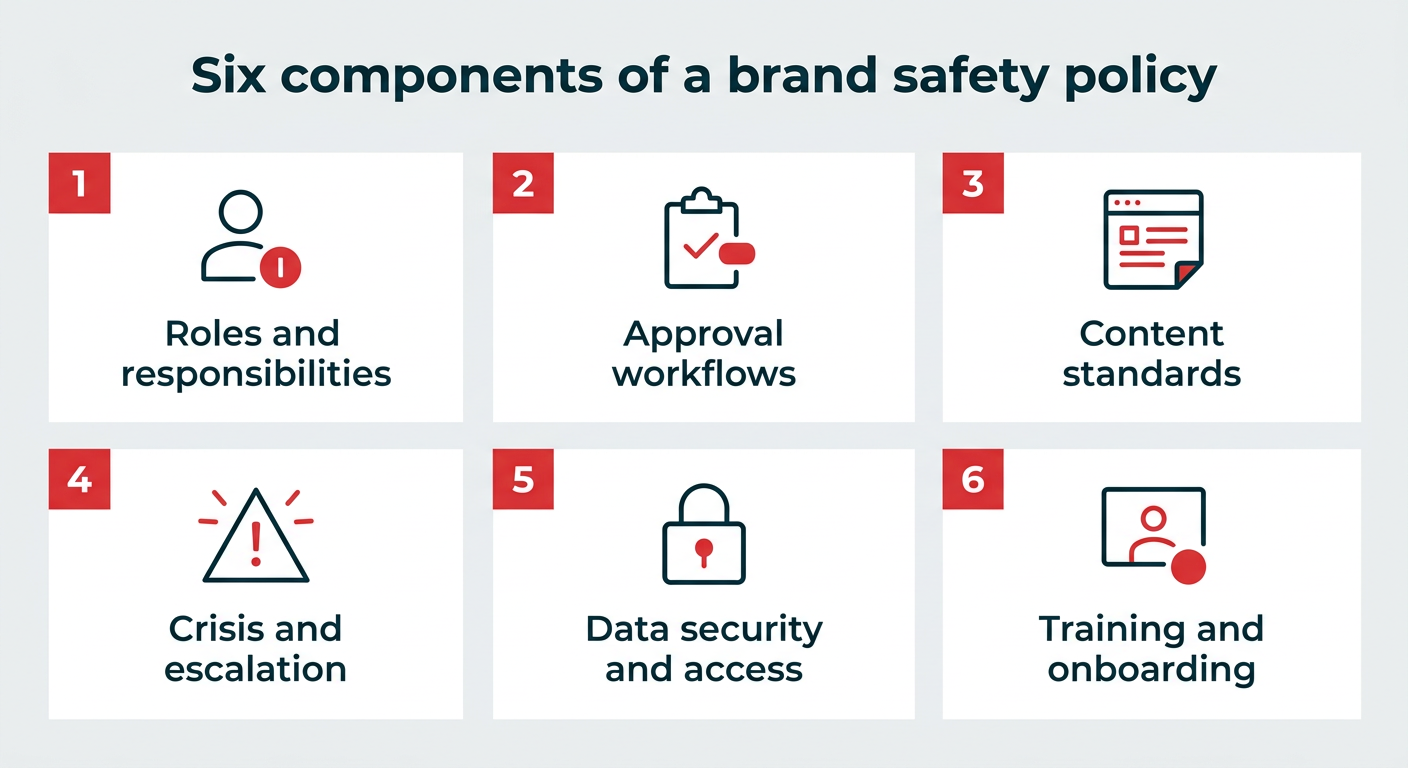
For an enterprise, a brand safety policy is not merely a legal document—it is an operational manual. Effective policies address six core pillars: roles and responsibilities, approval workflows, content standards, crisis escalation, data security, and continuous training.
Clear ownership is the first line of defense. In most successful implementations, a "three-tier" structure is employed. The executive leadership defines the brand’s risk appetite; the legal and compliance teams set the specific content guardrails; and the social media managers act as the frontline, using automated tools to enforce these rules. This distribution of labor prevents bottlenecks while ensuring that no single individual has the authority to bypass safety protocols.
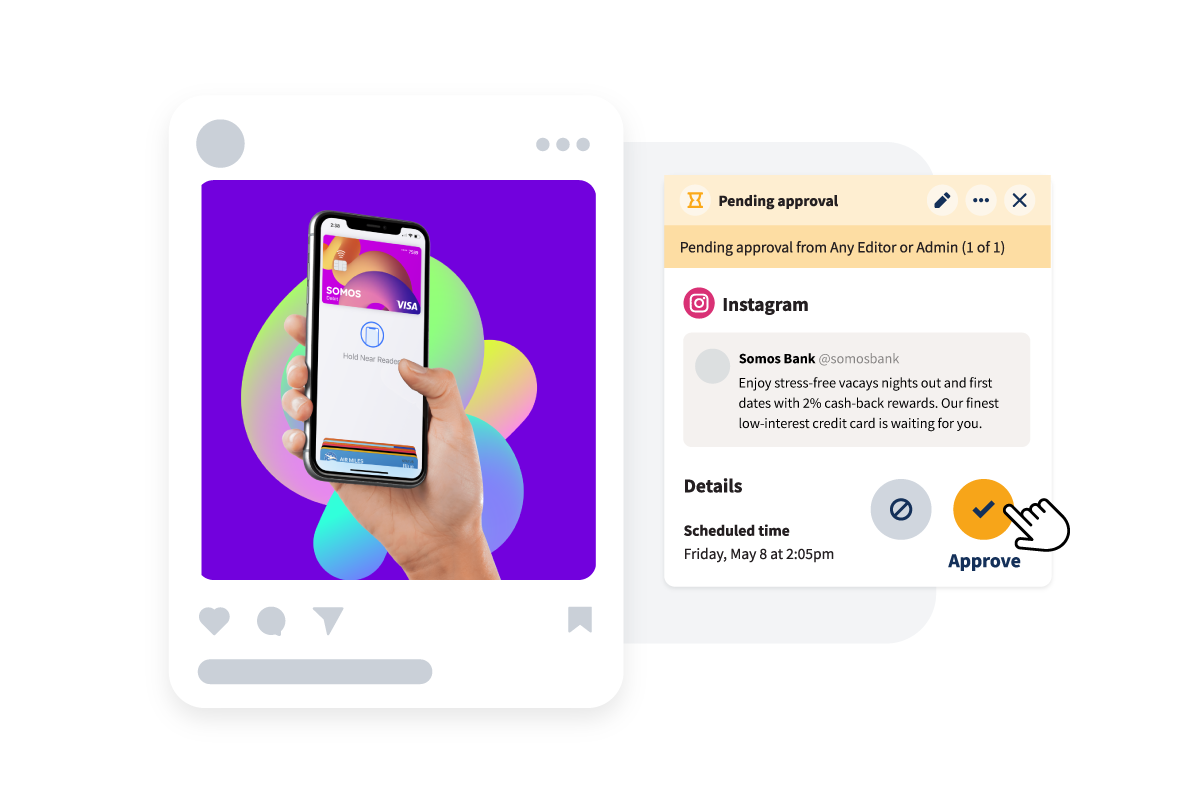
Approval workflows represent the technical backbone of this policy. In a 2026 enterprise environment, no content should reach a public feed without passing through a multi-stage approval process. This includes mandatory sign-offs for high-risk topics, such as political commentary, product launches, or responses to social crises. By utilizing specialized social operating systems, brands can apply these rules programmatically, ensuring that even in decentralized regional offices, the "brand voice" remains within pre-defined parameters.
Data Security and Account Integrity
Brand safety is inextricably linked to cybersecurity. A compromised account can destroy years of brand building in seconds. Modern policies must mandate strict account protection, including the enforcement of hardware-based multi-factor authentication, regular rotation of API keys, and strict "least-privilege" access controls. Organizations must also maintain an up-to-date registry of all authorized accounts and third-party integrations. As seen in numerous high-profile incidents, the most common point of failure is not a sophisticated hack, but the accidental reuse of credentials or the failure to revoke access for former employees or agencies.
The Role of AI in Defense

While AI is a primary source of modern risk, it is also the industry’s most potent tool for mitigation. Leading enterprises are currently investing heavily in "governed AI" workflows. This involves using AI-driven sentiment analysis and visual recognition software to monitor mentions and ad placements in real time. Unlike static keyword lists, these tools can interpret context, identifying when a brand is being targeted by a coordinated smear campaign or when a deepfake of an executive begins to circulate.
By 2028, it is projected that enterprise spending on combating misinformation will exceed $30 billion. This investment is directed toward AI orchestration platforms that can detect anomalies in social data, trigger automated alerts for human moderators, and, in some cases, initiate automatic takedown requests for trademark infringement or synthetic media violations.
Crisis Escalation: The Human Element
Even the most robust policies cannot prevent every incident. Consequently, the hallmark of a mature brand safety strategy is the existence of a pre-tested crisis escalation plan. When an anomaly is detected—such as a viral mispricing error or a trending hashtag that suddenly takes on a malicious meaning—the response must be measured and immediate.
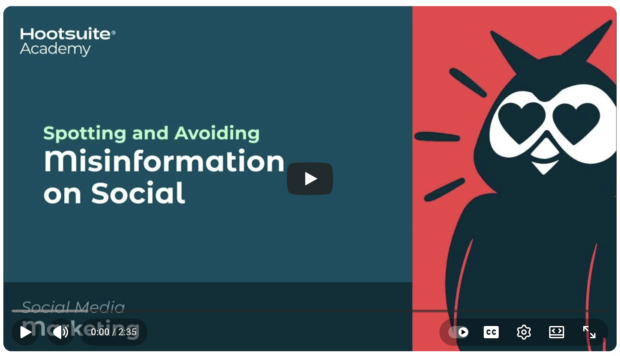
Effective escalation plans follow a strict protocol: detect, verify, isolate, and respond. The "Hong Kong Airlines" case serves as a frequently cited example of how clear escalation pathways allow for rapid, proactive decision-making. By identifying a pricing error early through monitoring tools and choosing to honor the mistake rather than fight it, the company transformed a potential brand safety liability into a public relations success, resulting in a reported 4,900% increase in positive engagement.
Implementing the Policy: A Roadmap for Teams
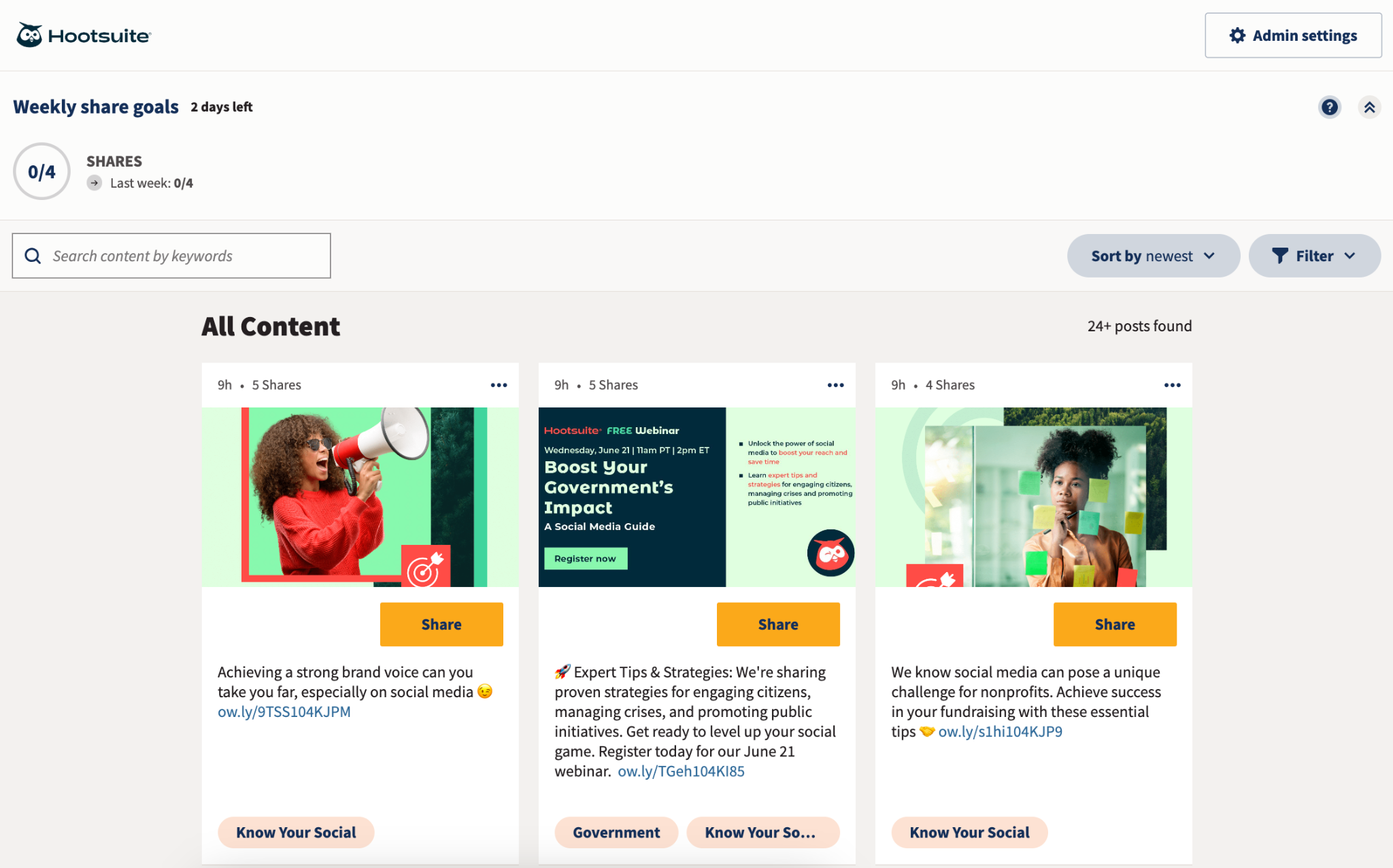
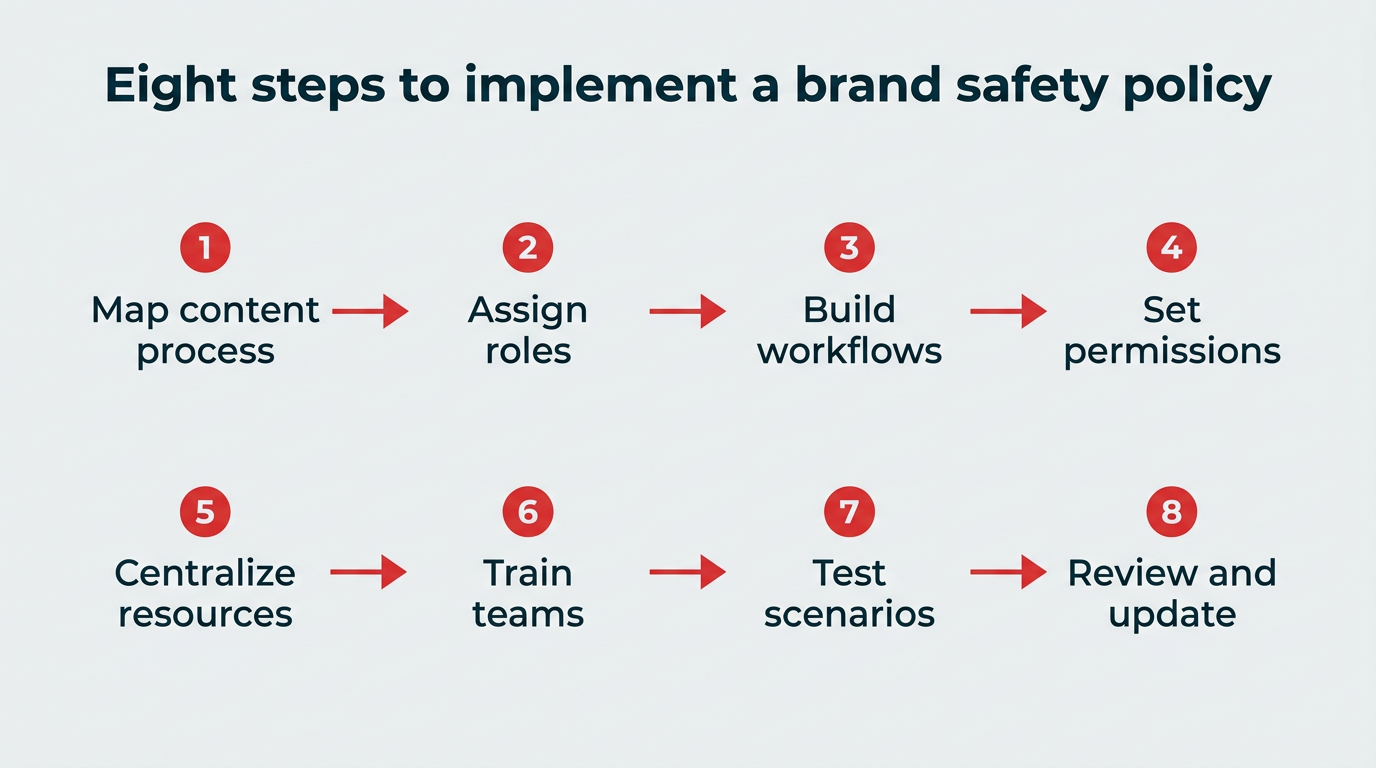
To implement these policies effectively, organizations should follow an eight-step iterative process:
- Process Mapping: Document the existing content lifecycle to identify hidden shortcuts and gaps.
- Role Assignment: Explicitly define who is responsible for drafting, reviewing, approving, and auditing content.
- Workflow Automation: Transition from manual, email-based approvals to centralized, platform-native workflows.
- Access Control: Enforce strict role-based permissions (RBAC) to limit publishing rights.
- Centralization: Maintain a "single source of truth" for brand guidelines, ensuring all regions have access to the most current versions.
- Continuous Training: Conduct quarterly simulations of crisis scenarios to ensure staff can navigate the workflow under pressure.
- Testing: Regularly stress-test the policy against new platform features and emerging AI-driven threats.
- Review: Conduct a formal policy audit every six months to adjust for shifts in the social media landscape.
Conclusion: The Future of Brand Safety
As digital platforms continue to evolve, the concept of brand safety will move further away from "blocking" and toward "governance." The enterprises that thrive in this environment will be those that view brand safety as a strategic capability rather than a defensive chore. By investing in clear policies, robust technological infrastructure, and a culture of ongoing education, brands can navigate the volatility of 2026 and beyond, ensuring that their voice remains consistent, credible, and protected, regardless of the challenges posed by an increasingly complex digital landscape. Consistency, after all, is the foundation of long-term brand equity, and in the digital age, that consistency is only as strong as the policies that guard it.
Related posts: