The Definitive Guide to Short-Form Video Strategy for Modern Brands and Digital Marketers in 2026


Short-form video has officially cemented itself as the primary language of the digital consumer in 2026. What began as a fleeting experiment in the early 2010s with platforms like Vine has evolved into the dominant force in global advertising, content creation, and social discovery. Defined generally as video content under 60 seconds, this format is now the primary vehicle for brand awareness, customer acquisition, and community building across the social media landscape.

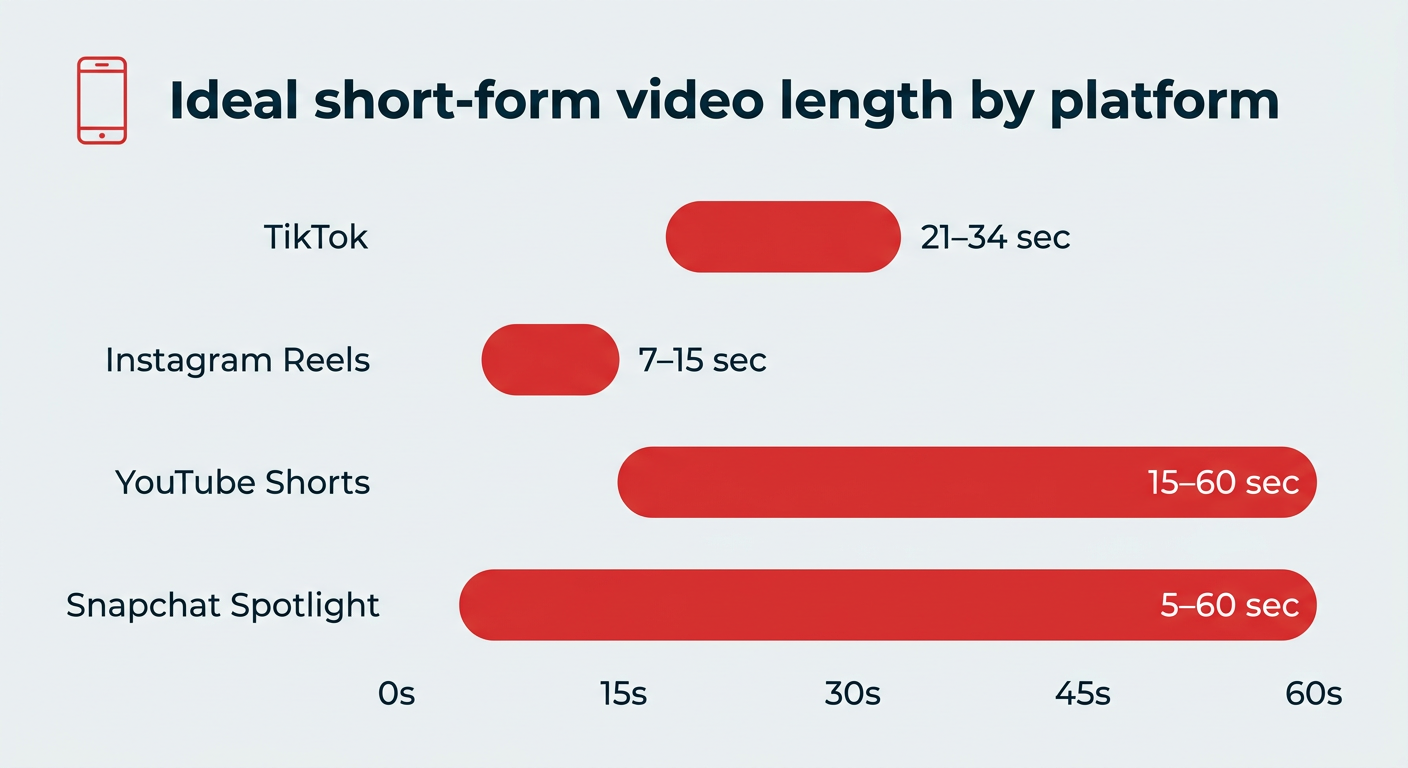
The evolution of the short-form format is a testament to shifting consumer attention spans. While platforms have technically increased their maximum upload limits—with TikTok and YouTube Shorts now allowing multi-minute videos—the data remains clear: the "sweet spot" for engagement is significantly tighter. Successful content strategy in the current landscape requires a sophisticated understanding of platform-specific algorithms, vertical-first production, and the delicate balance between rapid-fire entertainment and value-driven messaging.
The Chronology of a Revolution
The rise of short-form video was not accidental; it was a response to the ubiquity of mobile connectivity and the democratization of video production tools. The 2013 launch of Vine provided a blueprint for the "loopable" six-second video, proving that creators could tell compelling stories in a blink of an eye. When Vine shuttered in 2017, the void was quickly filled by Musical.ly, which later merged into TikTok.

By 2020, the global pandemic accelerated the adoption of these platforms, forcing traditional marketers to pivot from highly produced, long-form assets to the raw, authentic style that defined the short-form ecosystem. By 2024, Instagram Reels had become a direct competitor, and YouTube Shorts—leveraging the massive reach of the world’s second-largest search engine—had surpassed 200 billion daily views. Today, in 2026, the format is no longer an "experiment" for brands; it is the baseline requirement for any digital marketing budget.
Comparative Analysis: Short-Form vs. Long-Form
While short-form video serves as the "top of the funnel" for discovery, it exists in a symbiotic relationship with long-form content. A strategic analysis reveals distinct differences in their utility:
- Discovery and Awareness: Short-form video is designed to capture the attention of a user who was not actively seeking a specific brand. It is a tool for serendipitous discovery.
- Depth and Conversion: Long-form content, typically exceeding two minutes, remains the standard for product walkthroughs, deep-dive tutorials, and thought leadership. It is where brand loyalty is solidified through education and sustained engagement.
- Production Economics: Short-form content rewards authenticity over polish. A high-budget studio production often fails to resonate on TikTok, where users prefer "low-fi" content that feels native to the feed. Conversely, long-form content still requires significant scripting and high-fidelity production value to maintain viewer retention.
Strategic Platform Segmentation
The modern marketer must treat each platform as a unique ecosystem. A one-size-fits-all approach is statistically likely to underperform.
TikTok: The Discovery Engine
TikTok remains the trendsetter. The algorithm is famously agnostic toward follower counts, prioritizing the "interest graph" over the "social graph." For brands, this means a video from an account with ten followers has the same potential for reach as one from an account with ten million. The ideal duration remains 21 to 34 seconds, a range where viewer drop-off is statistically minimized.
Instagram Reels: The Community Bridge
Reels excel at connecting with existing followers while simultaneously reaching new audiences through the Explore tab. Because Instagram’s algorithm places high weight on "shares" and "sends," content that is inherently relatable or shareable tends to perform significantly better than purely promotional material.
YouTube Shorts: The Search-Driven Powerhouse
YouTube Shorts offers a unique advantage: permanence. Unlike the ephemeral feeds of other platforms, Shorts are indexed by YouTube’s powerful search engine. Brands that incorporate long-tail keywords into their titles and descriptions can continue to see traffic to their Shorts months or even years after publication.

The Anatomy of High-Performing Content
Data analysis from the current year suggests that the most successful videos share four core characteristics:
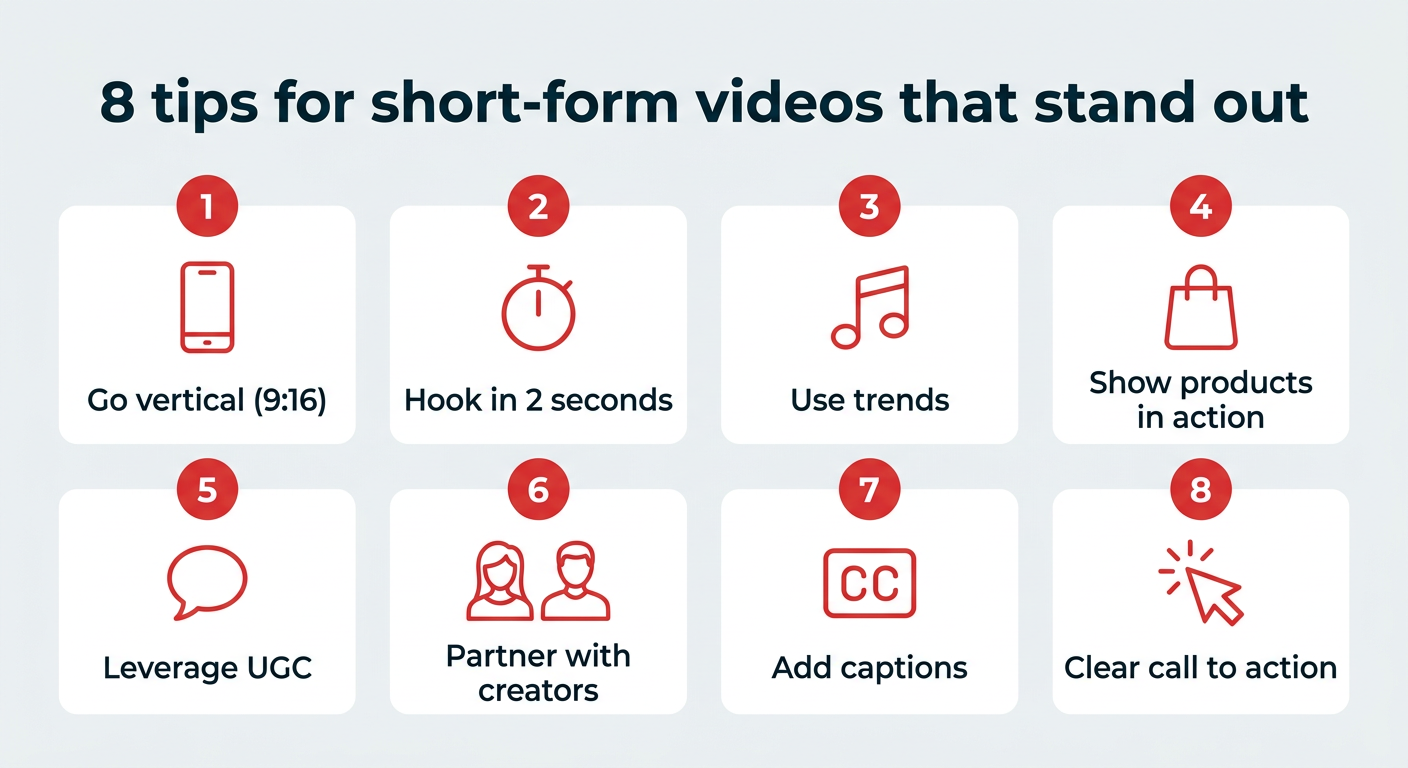
- The Two-Second Hook: The viewer decides whether to continue watching or swipe away within the first two seconds. Effective hooks often involve a bold visual, a question, or a provocative statement.
- Contextual Authenticity: Content that utilizes trending audio or follows established community formats performs better because it feels like a natural part of the user experience.
- Accessibility by Design: With many users consuming content in public spaces without sound, text overlays and high-quality closed captions are no longer optional. They are critical for retention and inclusivity.
- Clear Call to Action (CTA): Whether it is an invitation to visit a website or a direct "Shop Now" tag enabled by platform-integrated commerce tools, every video must have a clear objective.
Economic and Operational Implications
The shift toward short-form video has forced a total reorganization of social media teams. The traditional, high-production-value advertising cycle is being replaced by an "always-on" approach.

Market research indicates that the most successful organizations are now utilizing AI-assisted tools to scale production. Generative AI is being used to automate captioning, generate variants of video assets, and even assist in rapid editing. However, the human element remains vital. The "creator-led" model, where brands partner with influencers who understand their audience, continues to yield higher ROI than traditional brand-led advertising. These influencers act as cultural translators, ensuring that the brand’s message is delivered in a tone that resonates with the specific demographics of a platform.
Measuring Success Beyond Vanity Metrics
The industry is moving away from simple "view counts," which are notoriously easy to manipulate and often provide little insight into actual business impact. In 2026, sophisticated teams track:
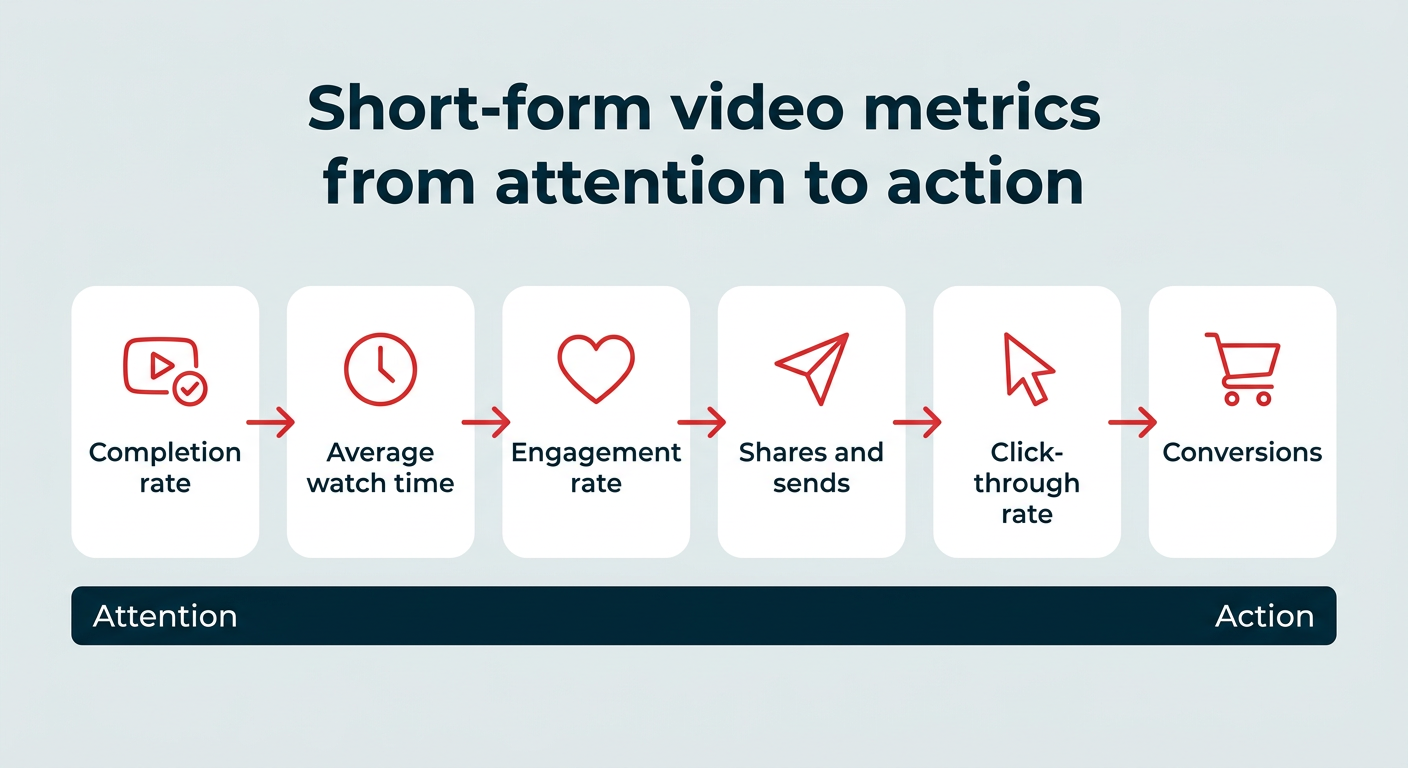
- Completion Rate: This is the ultimate signal of quality. If a high percentage of users finish a video, the algorithm is significantly more likely to push it to a broader audience.
- Shareability: A share is the highest form of engagement on social media. It indicates that the content provided enough value to become a part of the user’s social currency.
- Attributed Conversion: By utilizing UTM parameters and native platform shopping integrations, brands are finally able to close the loop between a 30-second video and a specific revenue outcome.
Looking Ahead: The Blurring Divide
The most significant trend shaping the remainder of 2026 is the erosion of the barrier between short and long-form content. Platforms are increasingly allowing longer uploads, but the audience preference for brevity remains absolute. The strategic takeaway is that brands have more space, but they should not necessarily use it.
As vertical video becomes the standard for all digital touchpoints—from mobile websites to email marketing—the mandate for marketers is clear: adopt a mobile-first, vertical-first mindset. Organizations that fail to master the nuances of short-form storytelling risk losing the most valuable resource of the digital age: the consumer’s attention. By integrating consistent, data-driven production with the right tools for scheduling and analytics, brands can turn these fleeting moments of engagement into a robust and scalable engine for growth. The landscape is crowded, but for those who understand the mechanics of the scroll, the opportunities for discovery have never been greater.