Share of Voice: The Definitive Guide to Measuring and Growing Your Brand Visibility in a Crowded Digital Marketplace


In the modern digital economy, visibility is the primary currency of growth. As consumers are bombarded with an unprecedented volume of content across social media, search engines, and news outlets, the ability of a brand to command attention—often referred to as Share of Voice (SOV)—has become a critical performance indicator for marketing executives and business leaders alike. Once a metric confined to the realm of paid television advertising, SOV has evolved into a sophisticated, multi-channel diagnostic tool that determines how much of the conversation a brand owns relative to its competitors.

The historical roots of Share of Voice are found in the mid-20th-century advertising era, where it was synonymous with "Share of Spend." If a company purchased 20% of all television ad spots in a specific category, it was assumed to have a 20% share of voice. However, the rise of the internet and the democratization of content creation have rendered this simplistic definition obsolete. Today, SOV represents a holistic measure of brand presence, encompassing organic social media mentions, earned media coverage, organic search rankings, and paid digital advertising impressions.
The Theory of Excess Share of Voice
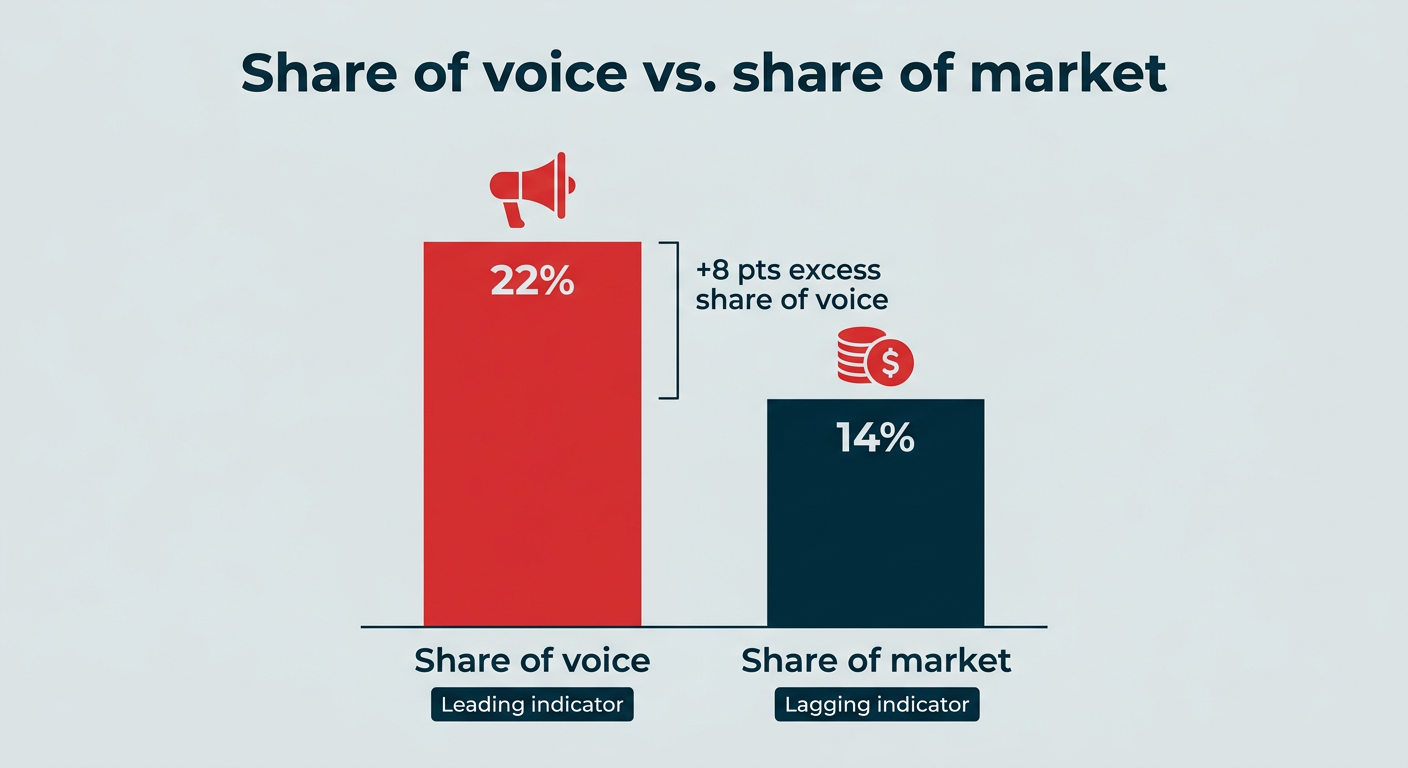
At the heart of contemporary marketing strategy lies the concept of "Excess Share of Voice" (ESOV), a theory popularized by Les Binet and Peter Field in their landmark IPA study, The Long and the Short of It. The researchers established a mathematical correlation between a brand’s SOV and its Share of Market (SOM). Their findings suggest that when a brand’s share of voice consistently exceeds its share of market, the brand is positioned for long-term growth. Conversely, when SOV falls below market share, the brand is likely to lose ground as competitors capture the attention of prospective customers.

Marketing leaders now treat SOV as a leading indicator—a forward-looking metric that signals where revenue is heading, rather than a lagging report of where it has been. While market share measures the actual revenue captured, share of voice measures the "mental real estate" currently held by the brand. By tracking this gap, businesses can determine whether their current marketing spend is an investment in future growth or merely a maintenance cost to stave off irrelevance.
Categorizing the Metrics: A Multi-Channel Approach
To accurately assess market position, organizations must break down SOV into its constituent parts: social, search, and paid media. Each channel requires a different methodology for measurement and offers distinct insights into consumer behavior.
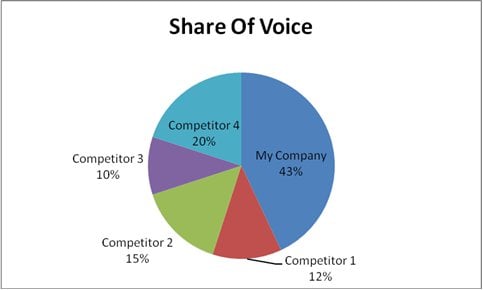
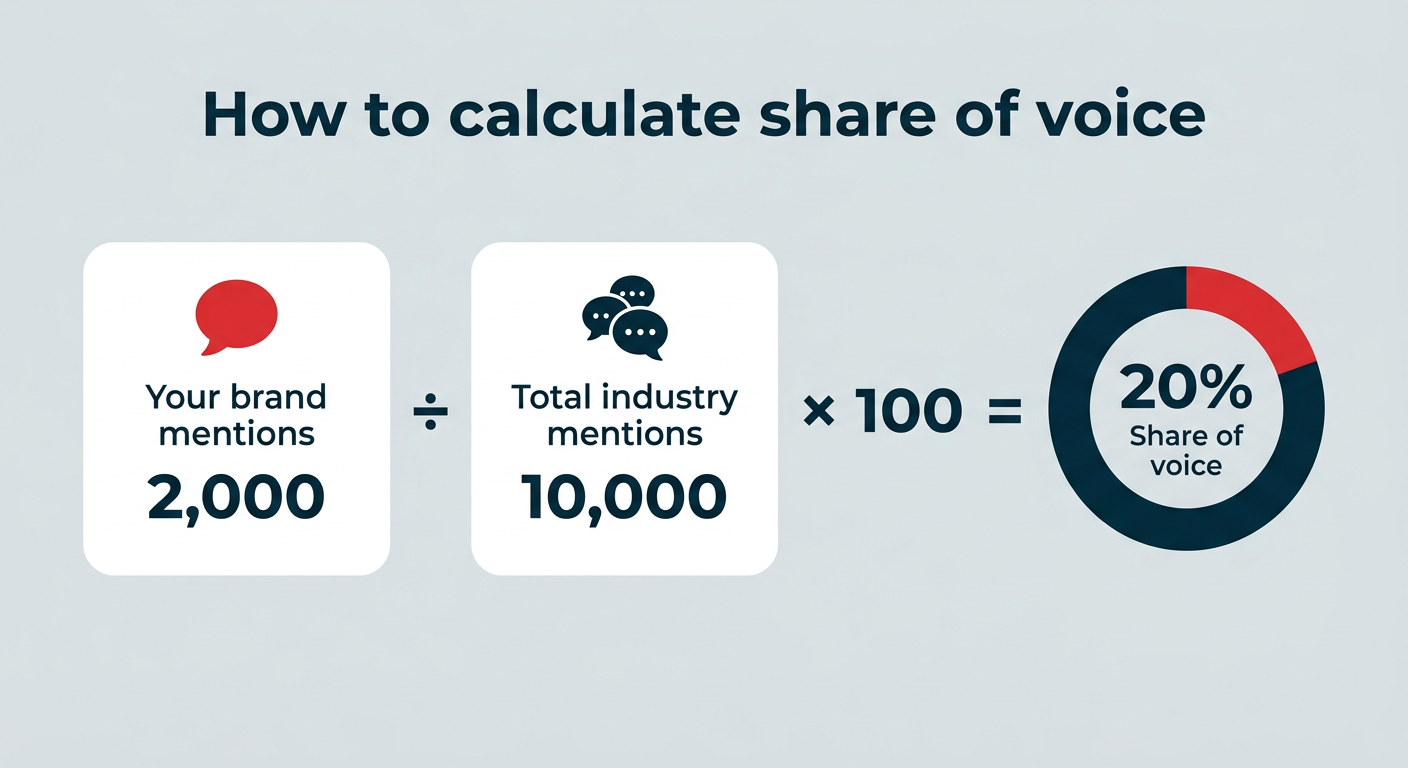
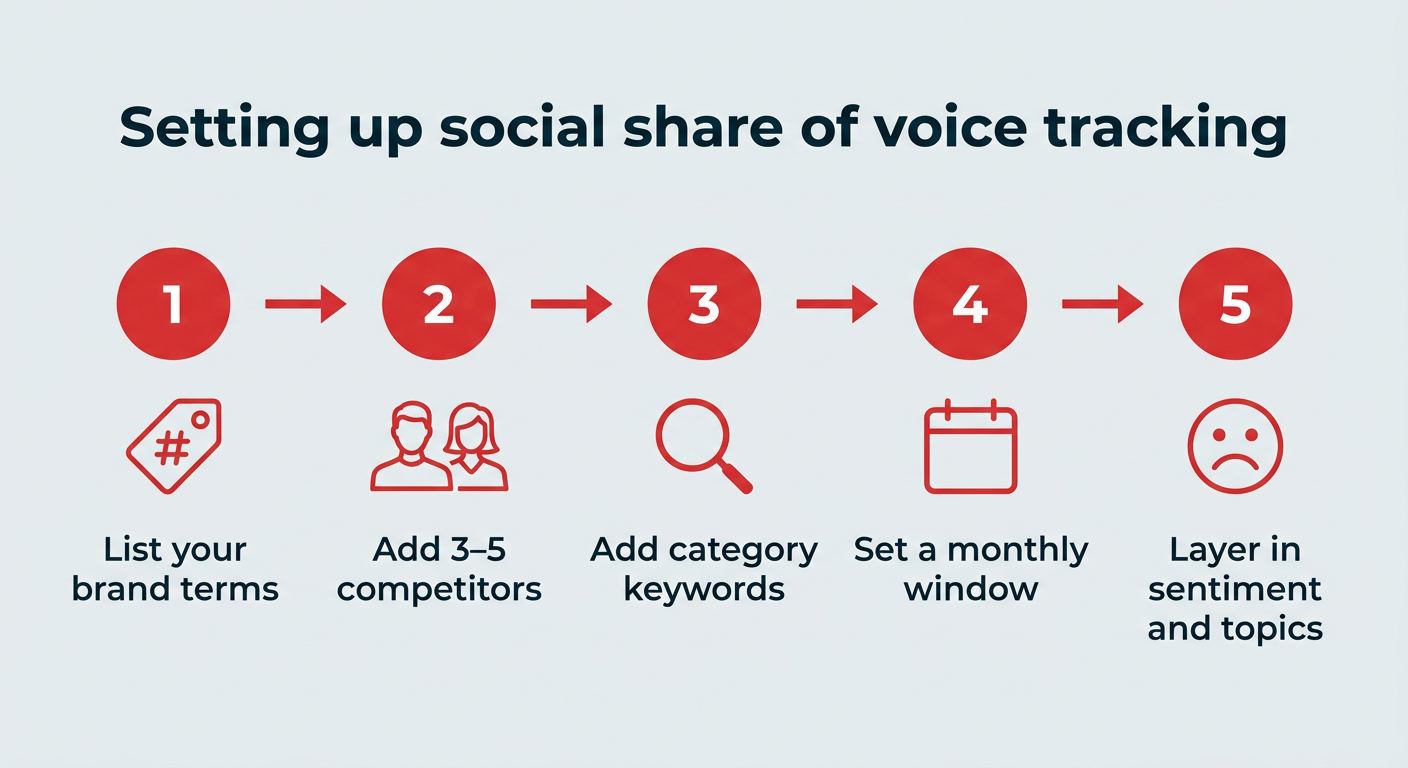
Social share of voice is arguably the most dynamic category, as it reflects unprompted consumer sentiment. It is calculated by taking the total number of mentions of a brand within a specific competitive set and dividing it by the total number of mentions for all brands in that category. This metric effectively serves as a barometer for brand health, providing real-time data on how the public perceives a company, its products, and its values.
In the realm of Search Engine Optimization (SEO), SOV is calculated based on keyword visibility. It is not merely about how many keywords a brand ranks for, but rather the search volume and click-through potential associated with those rankings. A brand that ranks in the top three positions for high-intent, high-volume keywords will naturally command a higher share of voice than a competitor that ranks for hundreds of low-traffic, irrelevant terms.
Paid advertising, meanwhile, utilizes the metric of "Impression Share." Within platforms like Google Ads, impression share represents the percentage of times a brand’s ad was displayed compared to the total number of times it was eligible to appear based on targeting and budget parameters. When this percentage drops, advertisers can analyze whether the loss is due to insufficient budget or a lack of ad relevance, allowing for precise recalibration of campaign spend.
Chronology and Competitive Analysis
The effective management of SOV requires a consistent cadence of measurement. Industry standards suggest that while data collection should be continuous, strategic reviews should occur at least monthly. During product launches, mergers, or periods of intense PR activity, companies often shift to weekly monitoring to track the immediate impact of their initiatives against those of their rivals.
A typical competitive analysis timeline involves establishing a baseline—a historical average of industry conversation volume. Once the baseline is set, marketers overlay specific campaign events onto the timeline. If a competitor sees a sudden spike in mentions, analysts can conduct a "source-attribution" review to determine if the increase was caused by a viral social media trend, a crisis, or a successful influencer partnership. This real-time visibility allows for agile responses, such as counter-programming or doubling down on successful messaging.
Data-Driven Strategies for Growth
Increasing share of voice is rarely the result of a single campaign; rather, it is the accumulation of sustained, high-quality engagement. Analysts suggest six primary strategies for companies looking to expand their footprint:
- Active Presence and Consistency: Brands that maintain a reliable posting schedule on social platforms are more likely to be tagged in community conversations. Reliability builds brand recall, which in turn fosters user-generated content.
- Sparking Meaningful Conversations: By taking stances on topics relevant to their core audience—as seen in successful campaigns by brands like Nike or Bell—companies can drive significant spikes in engagement. The key is to ensure the message aligns with the brand’s core identity to avoid the risks of polarized sentiment.
- Prioritizing Shareable Assets: Content that provides utility, humor, or deep emotional resonance is more likely to be amplified by the audience. Memes, infographics, and short-form video are currently the most effective formats for organic reach.
- Humanizing Customer Support: Studies from the Harvard Business Review indicate that personalized customer service interactions—where agents identify themselves by name—can directly correlate with increased customer loyalty and willingness to purchase.
- Strategic Budget Allocation: By identifying which platforms offer the highest return on attention, firms can shift resources away from oversaturated channels toward areas where their competitors are absent or under-performing.
- Leveraging Employee Advocacy: Employees often have networks ten times larger than a corporate brand page. Encouraging staff to share company content provides a layer of authenticity that branded content often lacks, effectively increasing the brand’s reach without increasing paid advertising costs.
The Role of Sentiment Analysis
It is essential to note that SOV is a volume-based metric; it measures the size of the conversation, not the tone. A brand can achieve a dominant share of voice through a public relations disaster or widespread customer complaints. Consequently, sophisticated organizations always pair SOV with sentiment analysis. By categorizing mentions as positive, negative, or neutral, companies gain a qualitative understanding of their visibility. A high SOV combined with positive sentiment is the ultimate goal, signaling strong brand equity and market dominance.
Broader Implications and Future Outlook
The integration of artificial intelligence and advanced social listening tools has revolutionized the accessibility of SOV data. Where once companies relied on expensive manual surveys and consultants, they can now utilize real-time software suites to monitor global trends. These tools allow for granular filtering by demographic, geography, and psychographic segments, enabling brands to understand their visibility among specific target audiences rather than just the general market.

Ultimately, share of voice is more than a vanity metric for marketing departments. It is a vital business intelligence tool that mirrors the long-term health of a company’s relationship with its market. As the digital landscape continues to fragment, the brands that succeed will be those that can cut through the noise, consistently measure their position, and strategically pivot their resources to meet the evolving demands of their consumers. The gap between visibility and revenue remains the most critical frontier in modern business, and those who master the measurement of their voice are the ones most likely to command the market of tomorrow.