LinkedIn Advertising in 2026: Navigating the Evolving Landscape for B2B Marketers


As 2026 unfolds, LinkedIn continues to solidify its position as an indispensable platform for Business-to-Business (B2B) marketers, offering unparalleled precision in reaching decision-makers within a professional context. With its audience now exceeding 1.3 billion members globally, the platform provides a unique blend of scale and granular targeting capabilities, making it a cornerstone for sophisticated B2B advertising strategies. This year, the emphasis on first-party data strategies and the increasing complexity of B2B buying committees underscore the value of LinkedIn’s data-rich environment, allowing advertisers to move beyond speculative interest-based targeting to focus on verified professional attributes like job title, company, seniority, and industry.
The Strategic Imperative: Why LinkedIn Dominates B2B in 2026
The sustained investment in LinkedIn advertising by B2B teams stems from its core advantage: the ability to engage professionals in an environment explicitly designed for career development and industry insights. Unlike consumer-focused platforms, LinkedIn’s data is rooted in real career trajectories, offering a robust foundation for identifying and influencing key stakeholders in complex buying cycles. This precision is critical when marketing to a committee, where multiple individuals across various departments and seniority levels contribute to purchasing decisions. The platform’s unique ecosystem enables advertisers to tailor messages that resonate within a professional mindset, fostering a trusted engagement that is difficult to replicate elsewhere in the digital landscape.
The shift towards more robust first-party data strategies in 2026 further enhances LinkedIn’s appeal. Marketers are increasingly prioritizing direct engagement and measurable outcomes, and LinkedIn’s capacity to deliver highly qualified leads aligns perfectly with these evolving trends. The sheer scale of its professional audience, coupled with the depth of its targeting data, positions LinkedIn as a premier channel for B2B growth.
Establishing a Foothold: Setting Up Your LinkedIn Ads Account
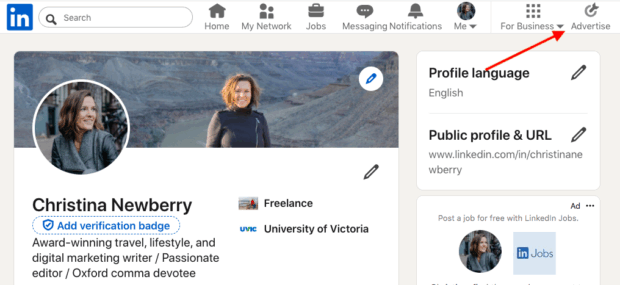
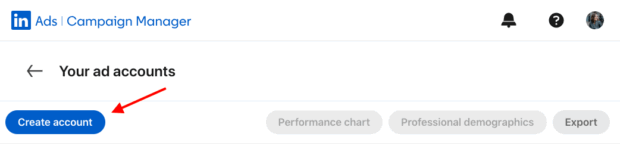
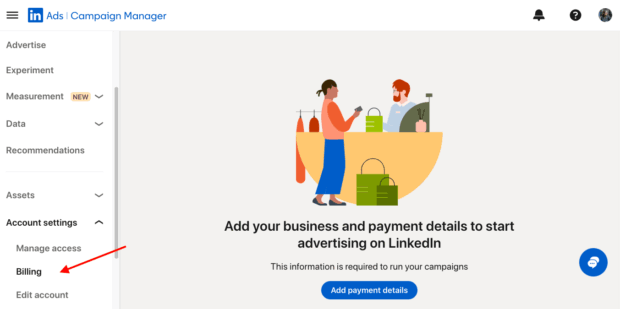
Launching a campaign on LinkedIn begins with setting up an account in Campaign Manager, a process streamlined for efficiency. Advertisers log into LinkedIn, navigate to the "Advertise" section, and create a new ad account, assigning it a name and selecting a billing currency. Crucially, connecting a LinkedIn Company Page is considered best practice, even though some ad formats can run independently. This connection facilitates seamless content promotion and brand consistency. Administrative setup also includes adding payment methods and assigning permissions to team members, ensuring proper access and financial oversight. The final step involves initiating the first campaign by selecting an objective and choosing between Accelerate or Classic campaign modes, which dictate the level of AI assistance versus manual control.
The Mechanics of Engagement: Understanding the LinkedIn Ad Auction
LinkedIn’s advertising operates on an auction system designed to optimize value for both the member and the advertiser. When an ad is eligible to be shown, it competes with others targeting similar audiences and using comparable formats. The winning ad is determined by a combination of bid, predicted relevance, and quality, ensuring that the most valuable ad is displayed while charging only enough to surpass the next best competitor.
Advertisers have three primary bid strategies:
- Maximum Delivery (Automated): LinkedIn automatically adjusts bids to efficiently spend the budget and maximize results for the chosen objective. This strategy is ideal for campaigns prioritizing scale and simplicity, especially during initial phases.
- Cost Cap: Marketers set a target cost per result, and LinkedIn’s algorithms work to maintain the average cost at or below this cap while still maximizing volume. This option offers a balance between cost control and performance, available for objectives like brand awareness, website visits, engagement, video views, and lead generation.
- Manual Bidding: This strategy provides the highest level of control, allowing advertisers to specify exact bid amounts. It is best suited for highly controlled tests, niche audiences, or situations where constant monitoring and adjustment are feasible.
Budgeting can be set on a daily or lifetime basis. Lifetime budgets allow LinkedIn to pace spending over time, leading to more efficient achievement of objectives. Stability in campaign settings is recommended, as frequent, reactive changes can disrupt the learning phase and hinder optimal performance. A common best practice involves starting new campaigns with Maximum Delivery to establish a baseline, then transitioning to Cost Cap or Manual Bidding once sufficient data has been gathered.
Investment and Return: LinkedIn Ad Costs in 2026
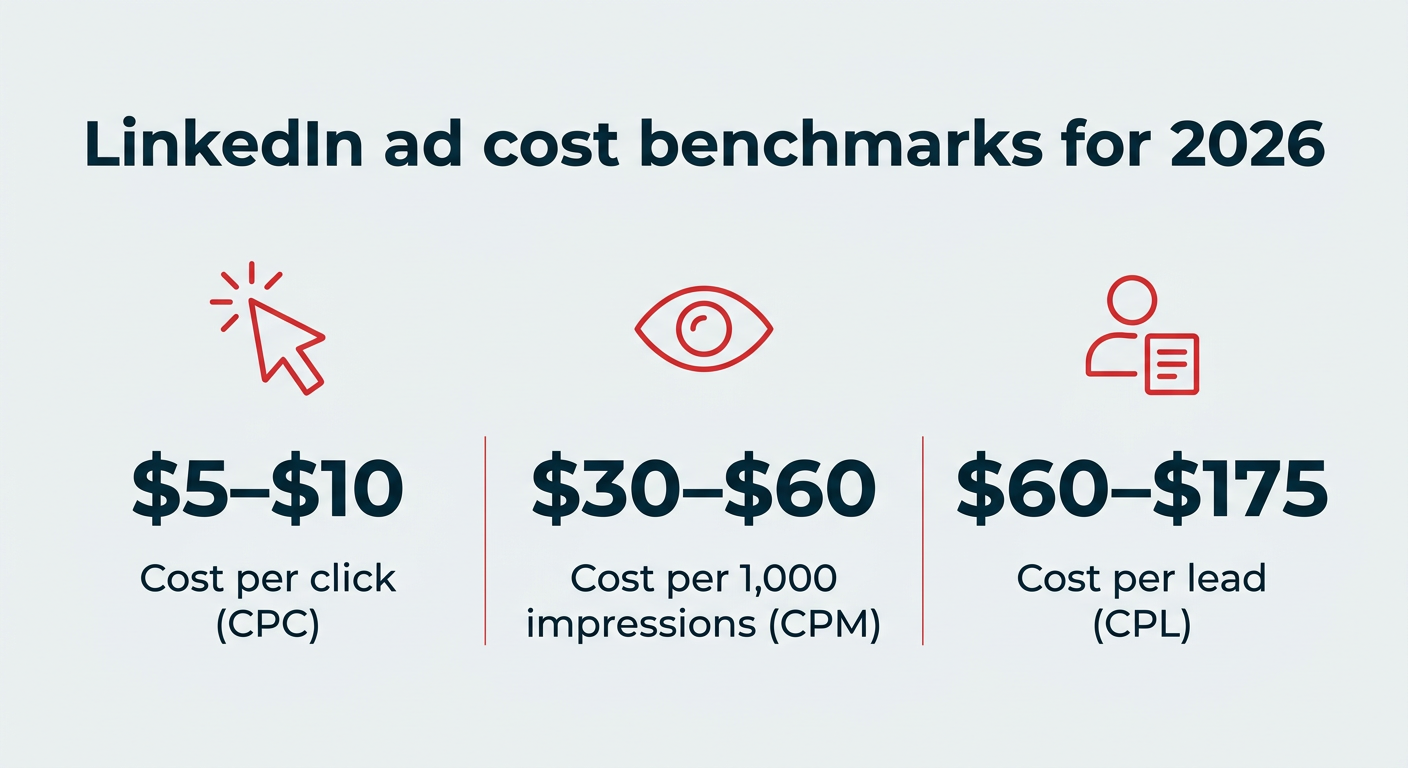
While LinkedIn does not publish fixed ad rates due to its auction-based pricing model, industry benchmarks for 2026 indicate that costs are typically higher per click compared to other social platforms. Third-party analyses commonly report costs clustering around $5-$10 per click (CPC), $30-$60 per 1,000 impressions (CPM), and $60-$175 per lead (CPL). These figures are directional, with actual costs varying significantly based on factors such as target audience specificity, industry competitiveness, campaign objective, ad relevance, and chosen bid strategy.
Several factors directly influence LinkedIn ad costs:
- Audience Size and Competition: Niche or highly sought-after audiences often command higher bids.
- Industry: Certain industries with high lifetime customer value may experience elevated costs.
- Objective: Campaigns optimized for lower-funnel conversions (e.g., lead generation) typically have higher CPLs but deliver more qualified prospects.
- Ad Relevance Score: High-quality, engaging ads are rewarded with lower costs and better placement.
- Bid Strategy: Automated strategies can sometimes be more efficient, but manual bids offer precise control.
- Seasonality: Peak advertising periods can drive up competition and costs.
Despite higher per-click costs, the intrinsic value of LinkedIn ads for B2B marketers lies in the quality of leads generated. A lead acquired through LinkedIn’s professional targeting is generally closer to the ideal buyer profile, translating into a higher likelihood of conversion into qualified pipeline and, ultimately, closed deals. The focus, therefore, shifts from raw click price to the downstream opportunity quality and return on investment.
Campaign Architectures: Accelerate vs. Classic Campaigns
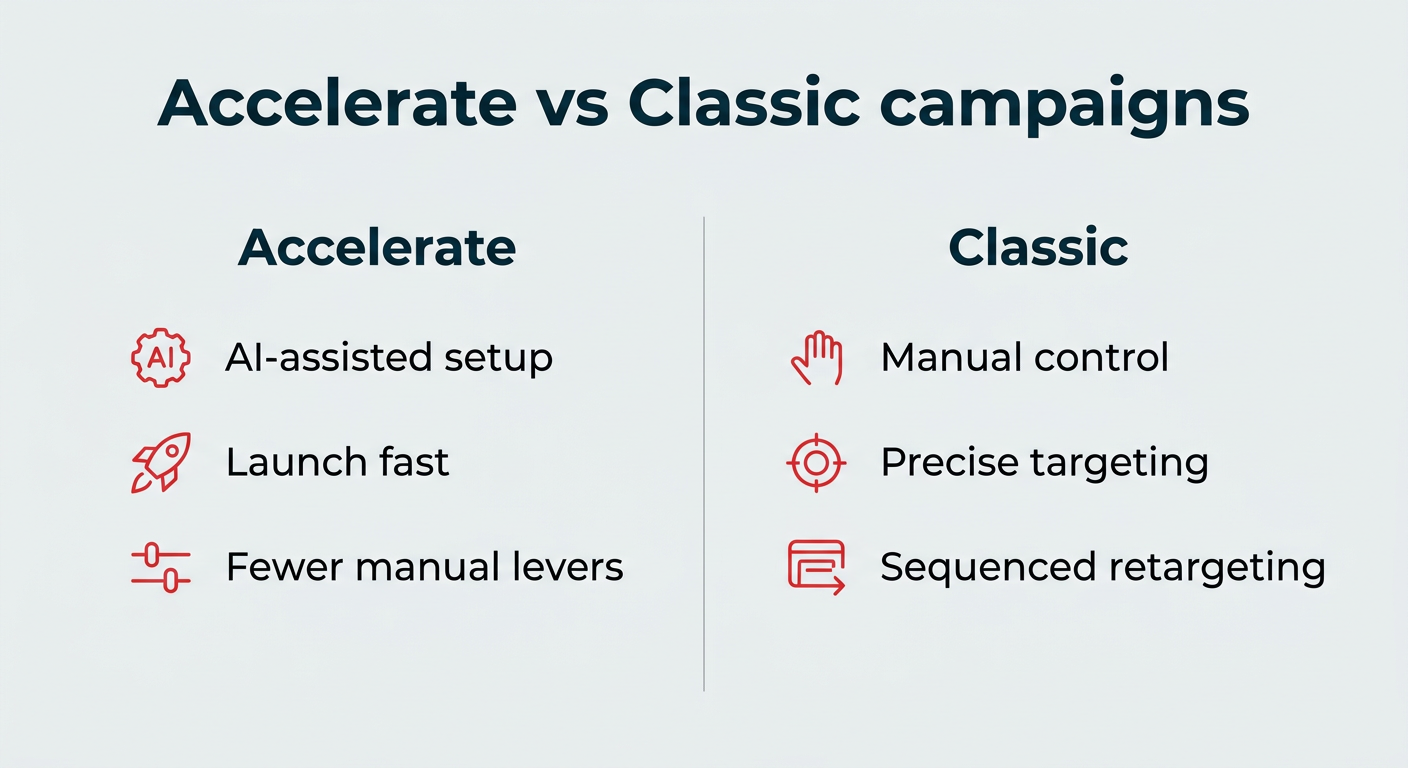
LinkedIn offers two distinct campaign building modes, Accelerate and Classic, each catering to different levels of control and speed. Both modes support the same range of objectives and ad formats, with the primary differentiation being the degree of AI assistance.
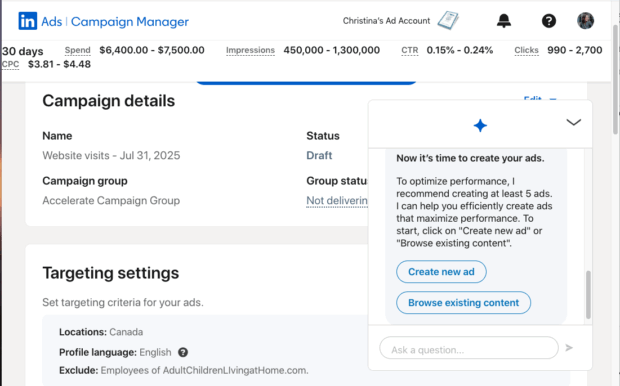
Accelerate (AI-assisted) Campaigns: This guided mode leverages LinkedIn’s machine learning algorithms to intelligently combine targeting, creative, bidding, and placements based on the advertiser’s objective and initial inputs. Accelerate then continuously optimizes the campaign toward the defined goal. Campaigns launched in this mode typically undergo an optimization period of 10-14 days as the AI learns and refines its approach.
- Best for: Rapid campaign launches, maximizing reach for brand awareness, driving high-volume website visits, and simplifying campaign management for less experienced advertisers. It’s particularly effective for initial prospecting and building remarketing pools.
- Considerations: Offers fewer manual controls, necessitating careful review of suggested audiences and clear budget caps prior to launch. Campaigns can always be transitioned to Classic mode for more granular control later.
Classic (Manual Control) Campaigns: This is LinkedIn’s traditional ad builder, providing advertisers with complete manual control over audience definitions (attributes, custom lists, exclusions), placements, bidding strategies, and scheduling.
- Best for: Highly precise targeting, complex audience segmentation (e.g., specific job titles within certain company sizes, coupled with CRM lists), advanced A/B testing, and retargeting efforts. It is also preferred for campaigns requiring strict budgetary adherence and nuanced optimization.
- Pro Tip: Many B2B marketers adopt a hybrid approach, utilizing Accelerate campaigns for broad top-of-funnel initiatives to generate qualified remarketing pools, then employing Classic campaigns for precise retargeting and lead capture from those engaged audiences. This full-funnel strategy maximizes efficiency and conversion rates.
The Power of Precision: How to Target LinkedIn Ads
LinkedIn’s advertising advantage is most evident in its sophisticated targeting capabilities, allowing marketers to focus budgets on ideal buyers with unparalleled accuracy. The platform’s foundation of real career data enables a level of professional precision unmatched by other advertising channels. The most effective campaigns often target the entire buying group, recognizing that B2B purchases are rarely made by a single decision-maker. As Gabe Feingold, Product Marketing Leader at LinkedIn, emphasizes, "LinkedIn is the only platform purposefully built for B2B advertisers and the most powerful platform to influence B2B decision-makers. On LinkedIn, you can engage the full buyer group, from the C-suite to daily practitioners, in a trusted, professional environment."
Key targeting methods include:
-
Professional Attribute Targeting: This allows advertisers to construct audiences based on current and verified career data. Common attributes include:
- Job Title/Function: Directly reach individuals based on their specific roles or departmental responsibilities.
- Seniority: Target executives, managers, or entry-level professionals.
- Industry: Focus on specific sectors like technology, healthcare, or finance.
- Company Size/Name: Target employees of companies within a certain revenue range or even specific organizations.
- Skills: Reach professionals possessing particular expertise.
The strategy involves starting with a broad enough audience for LinkedIn’s optimization algorithms to function effectively, then progressively refining it with attributes that closely define the ideal buyer.
-
Matched Audiences and Retargeting: This powerful feature allows advertisers to re-engage individuals who have already shown interest in their brand.
- CRM Contact Lists: Upload customer relationship management (CRM) lists to target existing contacts or create lookalike audiences.
- Company Lists: Target employees of specific companies by uploading a list of company names.
- Website Visitors: Utilize the LinkedIn Insight Tag to retarget users who have visited specific pages on an advertiser’s website.
- Engagement Audiences: Create audiences from individuals who have interacted with video ads, lead gen forms, or organic posts.
- Lookalike Audiences: Leverage existing high-value customer data to find new prospects with similar professional profiles.
Strategic exclusions are also crucial, preventing budget waste by excluding current employees, competitors, existing customers, or recent converters from prospecting campaigns. The judicious combination of professional attributes and matched audiences ensures messages reach the entire buying group efficiently.
A Spectrum of Engagement: LinkedIn Ad Formats and Specifications
LinkedIn offers over a dozen ad formats, each designed to serve specific campaign objectives. The selection of the appropriate format is paramount to campaign success, aligning the creative delivery with the desired outcome.
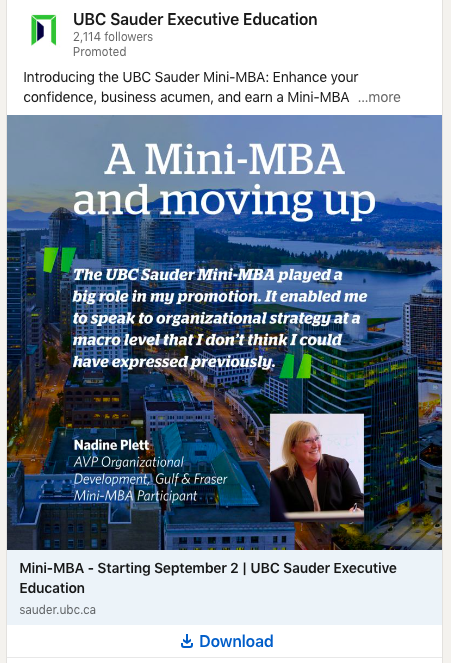
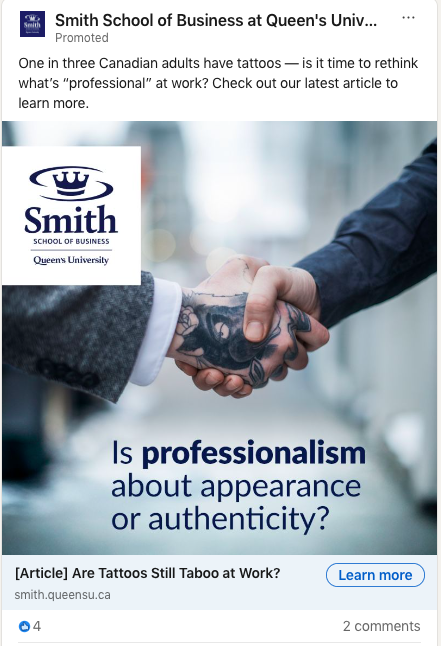
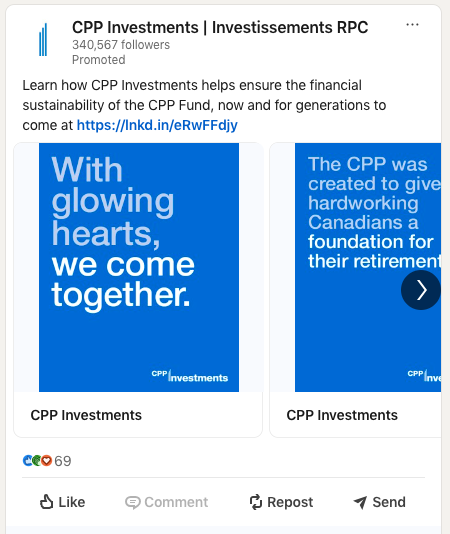
- Single Image Ads: Highly versatile and effective across most objectives, these ads combine a clear visual with a concise value proposition. They are ideal for product launches, retargeting, and conveying direct messages. Recommended image dimensions are 7680 × 4320 px, with aspect ratios including 1.91:1 (horizontal), 1:1 (square), and 4:5 (vertical).
- Carousel Ads: These ads tell a multi-part story through 2-10 swipeable images, each with its own headline and link. They are excellent for showcasing product features, step-by-step processes, or different customer use cases. Each card should be 1080 × 1080 px (square), with a total file size limit of 10 MB per card.
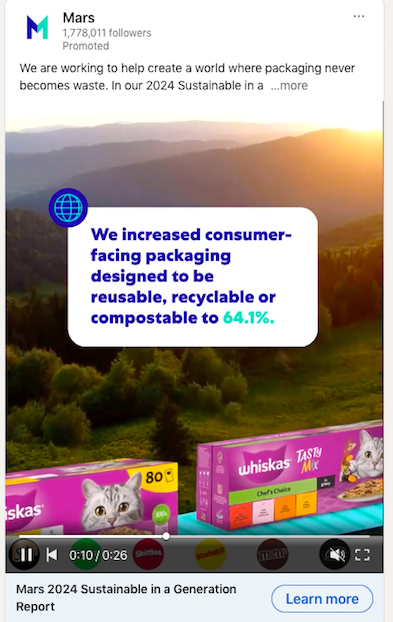
- Video Ads: A rapidly growing and highly engaging format, video ads are critical for brand building and product demonstrations. eMarketer identifies LinkedIn as the top platform for B2B video, reporting that video posts receive 20 times more shares and three times the engagement of other formats. Videos, typically 15-30 seconds, auto-play muted in the feed, necessitating strong visual hooks and captions. They support MP4 format, durations from 3 seconds to 30 minutes, and various aspect ratios (1:1, 16:9, 4:5, 9:16).
- Document Ads: These allow users to read and download assets like guides, reports, or case studies directly within the feed. They can be ungated for broad reach or gated with a Lead Gen Form for lead capture. Supported file types include PDF, DOC, PPT, with a recommended length under 10 pages for in-feed browsing.
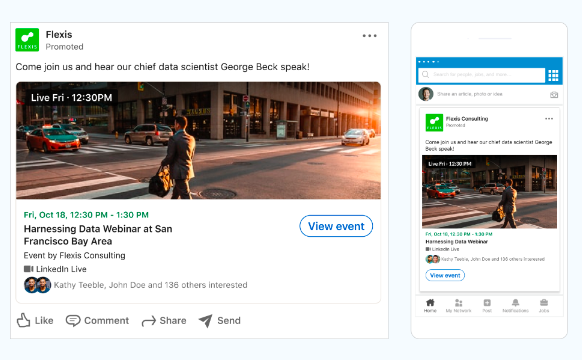
- Event Ads: Designed to promote LinkedIn Events, these ads drive RSVPs and participation, with LinkedIn reporting up to 31 times more viewership for promoted events. They pull details directly from the LinkedIn Event page, using a 4:1 banner ratio.
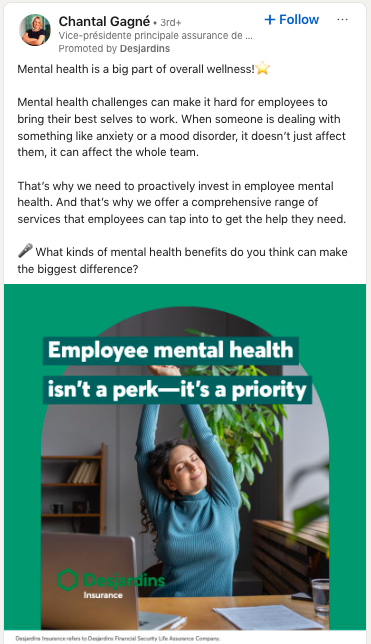
- Thought Leader Ads: These promote a LinkedIn post from an individual member (e.g., an executive, product manager, or customer), appearing with a "Promoted by [Your Company]" label. This format leverages authentic voices and often achieves higher engagement than company-page-first ads. Eligible content includes member posts with images, videos, third-party links, Articles, or Newsletters.
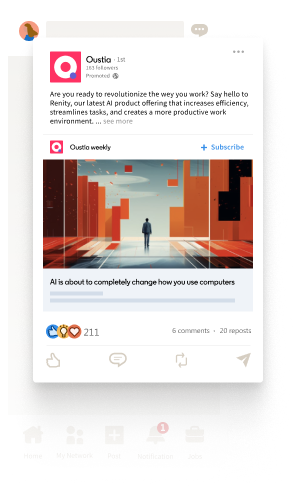
- Article and Newsletter Ads: Used to promote native long-form content directly on LinkedIn, driving readership and subscriber growth. For Articles, a "Unlock Article" CTA can be used with a Lead Generation objective to capture leads.
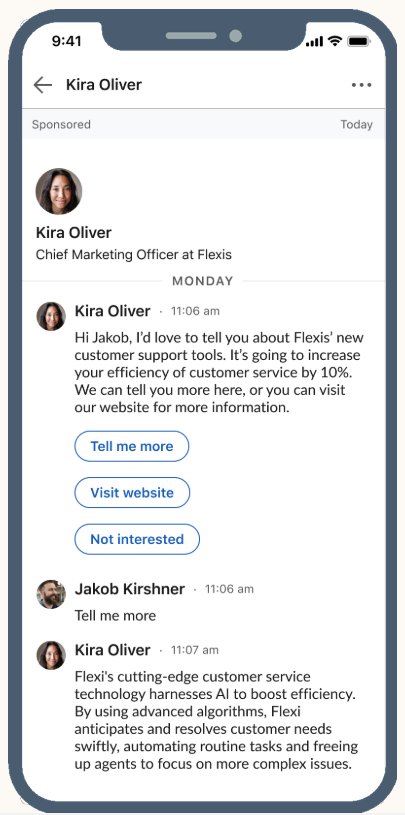
- Sponsored Messaging (Message Ads & Conversation Ads): These enable direct, personalized engagement in a member’s LinkedIn Messaging inbox.
- Message Ads: Deliver a single, clear call-to-action, suitable for event invitations, product offers, or time-sensitive announcements. Subject lines are limited to 60 characters, and message text to 1,500 characters.
- Conversation Ads: Create an interactive "choose-your-own-path" experience with multiple buttons leading to different offers or next steps, ideal for multi-offer nurtures or qualification flows. Message text can be up to 8,000 characters, with up to 5 CTA buttons per message. A crucial frequency cap limits sponsored messages to approximately once every 45 days per member, ensuring usefulness over intrusion.
- Lead Gen Forms: These streamline lead capture by allowing users to submit pre-filled information directly on LinkedIn, eliminating the need to navigate to an external landing page. They can be attached to various in-feed ads and sponsored messages. Forms can include up to 12 fields (3-4 recommended) and up to 3 custom questions.
- Dynamic Ads (Follower, Spotlight, & Text Ads): These desktop-only ads personalize content with a member’s name and profile photo, appearing in the right rail.
- Follower Ads: Promote a LinkedIn Page to grow followers among targeted professionals.
- Spotlight Ads: Drive traffic to specific landing pages or promotions.
- Text Ads: Small, efficient pay-per-click units for desktop, reinforcing messages and driving traffic.
- Connected TV (CTV) Ads: A newer format allowing B2B advertisers to reach professional audiences on streaming platforms like Paramount and NBCUniversal. These ads offer upper-funnel reach and brand storytelling, with the ability to retarget viewers with in-feed formats. Videos are typically 15 or 30 seconds, 16:9 aspect ratio, and MP4 format.
Crafting High-Impact Campaigns: Strategy and Execution
The cornerstone of a successful LinkedIn ad campaign, as articulated by Gabe Feingold, is to "start with your business objective and work backwards." This means selecting the appropriate campaign objective in Campaign Manager, tailoring creative to achieve that outcome, and establishing robust measurement protocols that track pipeline impact rather than mere vanity metrics.
- Objective-Driven Creative: The campaign objective must guide creative development. An awareness campaign demands immediate visual impact and clear brand messaging, while a lead generation campaign requires a low-friction, high-value proposition for the next step. Creative should be mobile-first, utilizing square or vertical crops and legible typography. For video, the first three seconds are critical, and captions are essential for silent autoplay. Document ads should feature clear, benefit-driven titles and be concise enough for in-feed skimming.
- Sequencing the Buyer Journey: Campaigns should be viewed as a multi-stage journey. A common strategy involves warming new audiences with thought leadership or educational content (e.g., video, document, article ads), then following up with more direct offers (single image, carousel ads), and finally requesting a form fill when curiosity and trust have been established. This approach, combined with targeting the full buying group, optimizes the progression from awareness to conversion.
- Measurement That Matters: Success is judged against the initial objective. For awareness, metrics like reach, frequency, and video completion rates are key. For lead generation, completion rates and cost per lead are vital. However, true B2B ROI requires connecting these metrics to downstream pipeline performance, such as opportunity creation and cost per opportunity. Consistent attribution windows and diagnostic analysis are crucial for accurate performance evaluation.
Optimizing and Scaling for Sustained Success
Once campaigns are live, continuous optimization and strategic scaling are essential.
- Tuning for Delivery: Begin with automated bid strategies to establish a baseline, then transition to cost control. Make small, spaced-out changes to one variable at a time, allowing the campaign ample time to learn and stabilize before further adjustments.
- Prioritize Creative: Significant performance gains often come from refining creative and improving the initial impression. Advertisers should regularly rotate 3-5 distinct creative concepts, retiring those experiencing fatigue, and consistently leading with the outcome or benefit for the buyer.
- Intent-Based Audience Segmentation: Develop distinct audiences for different stages of the buyer journey (e.g., site visitors, video viewers, lead form openers, completers). Sequence the messaging accordingly, using thought leadership for new viewers, social proof for warm prospects, and direct calls-to-action for highly engaged individuals. For Sponsored Messaging, strict adherence to frequency caps (approx. every 45 days) prevents message fatigue.
- Controlled Scaling: When a campaign achieves its objectives, expand its reach or gradually increase the budget. If performance dips, revert to the last stable settings and re-evaluate changes one lever at a time. As Feingold notes, "LinkedIn Ads is not about quick wins; it’s about quality outcomes that advance pipeline performance by nurturing your ideal customers and building your brand." This long-term perspective, focusing on the entire buyer group and building trust through relevant content before direct lead generation, is paramount for sustainable B2B growth.
Measuring Performance: Connecting Ad Spend to Pipeline
Accurate measurement is the bedrock of effective LinkedIn advertising. The primary goal is to link ad spend directly to pipeline generation and return on investment.
-
Objective-Aligned Metrics:
- Awareness: Track reach, frequency, impressions, video completion rates, and unique viewers.
- Engagement: Monitor reactions, comments, shares, follow rates, and click-through rates (CTR).
- Consideration: Focus on landing page views (LPV), cost per LPV, and overall CTR.
- Leads: Analyze lead form open rates, completion rates, and cost per lead (CPL).
- Pipeline: Crucially, track opportunity creation, cost per opportunity, and ultimately, return on ad spend (ROAS).
Initial signals should be checked within the first 1-3 days for any anomalies, with more substantial decisions made on a weekly basis.
-
Conversion Tracking with the LinkedIn Insight Tag: To accurately measure ROI, the LinkedIn Insight Tag—a lightweight JavaScript snippet—must be installed on every page of the advertiser’s website. This tag, found in Campaign Manager under "Analyze," enables conversion tracking, website retargeting, and provides valuable demographic data about site visitors. Once the tag is active, conversion actions can be defined in Campaign Manager for key events such as demo requests, sign-ups, or purchases, assigning a value to each to calculate cost per conversion and ROAS. For a holistic view, integrating these conversions with a CRM system allows marketers to trace a lead’s journey from initial ad interaction to a closed deal, painting a complete picture of pipeline attribution.
The Future of B2B Advertising
As 2026 progresses, LinkedIn’s advertising platform continues to evolve, reflecting broader trends in digital marketing such as the increasing sophistication of AI, the imperative for first-party data, and the need for personalized professional engagement. Its unique ability to connect with diverse professional audiences, influence complex buying committees, and provide measurable pipeline outcomes ensures its central role in B2B marketing strategies. By embracing its advanced targeting, diverse ad formats, and a strategic, objective-driven approach, B2B marketers can unlock the full potential of LinkedIn to drive meaningful business growth.