The 2026 Holiday Shopping Outlook: Balancing Early Consumer Intent with Economic Uncertainty

While Halloween candy remains a staple on store shelves, the traditional boundaries of the holiday retail season have effectively dissolved. According to the Sprout Social Q3 2026 Pulse Survey, the modern holiday shopping experience is no longer confined to the post-Thanksgiving rush; it is a months-long marathon defined by shifting digital behaviors, heightened price sensitivity, and a fundamental change in how consumers discover gifts. As brands prepare for the critical fourth quarter, they are navigating a landscape where the primary challenge is not just capturing attention, but maintaining relevance in an era of tightening household budgets and increased economic anxiety.
The Evolution of the Holiday Timeline
Historically, the "holiday season" began in earnest on Black Friday. In recent years, that window has expanded to include early November, and now, we are seeing the emergence of a "pre-holiday" phase that begins as early as August. This shift is not merely a corporate invention; it is a response to consumer demand. Data indicates that nearly half of shoppers (49%) report being more likely to purchase from brands that launch holiday-related content or promotions as early as August. Among the younger demographic, specifically Gen Z, this sentiment is even more pronounced, with 66% favoring early-season outreach.
However, a critical distinction exists between "awareness" and "full-scale activation." While consumers are receptive to gift inspiration in late summer, they remain resistant to an all-consuming holiday aesthetic before the autumn leaves have turned. A significant 50% of surveyed consumers identify October and November as the ideal window for full holiday marketing campaigns.

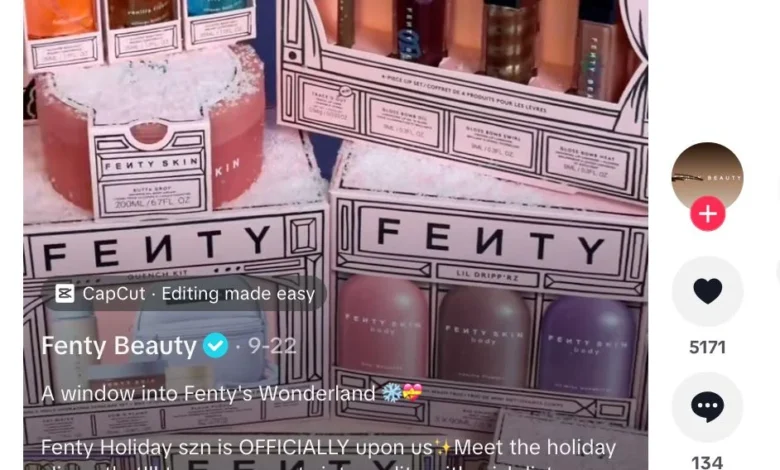
This creates a nuanced strategic imperative for brands: the "soft launch." By utilizing August and September to seed awareness, test product messaging, and cultivate interest, retailers can build a narrative foundation. Brands like Fenty Beauty have already begun leveraging this strategy, utilizing platforms like TikTok to showcase limited-edition collections weeks before traditional competitors, resulting in significant engagement metrics that validate the effectiveness of an early, measured digital presence.
The Economic Backdrop: Tariffs and Cost-Consciousness
The 2026 season is shadowed by broader macroeconomic concerns, most notably the impact of tariffs and the persistent cost-of-living crisis. These factors are fundamentally altering consumer psychology. The survey highlights that 36% of shoppers are intentionally starting their holiday shopping earlier than usual specifically to hedge against potential price hikes caused by new tariff structures. This behavior is a defensive financial strategy aimed at spreading the burden of holiday expenses across several months.
Overall, 63% of shoppers are actively factoring price volatility into their planning. The financial reality for the average household is stark: 56% of consumers intend to reduce their total holiday spending compared to previous years. This environment mandates a shift in how brands communicate value. Price wars are not the only solution; instead, the most successful brands are pivoting toward "value-driven" storytelling. This involves emphasizing product durability, multi-functional utility, and the long-term ROI of a gift—qualities that resonate with a cost-conscious shopper who is scrutinizing every dollar.
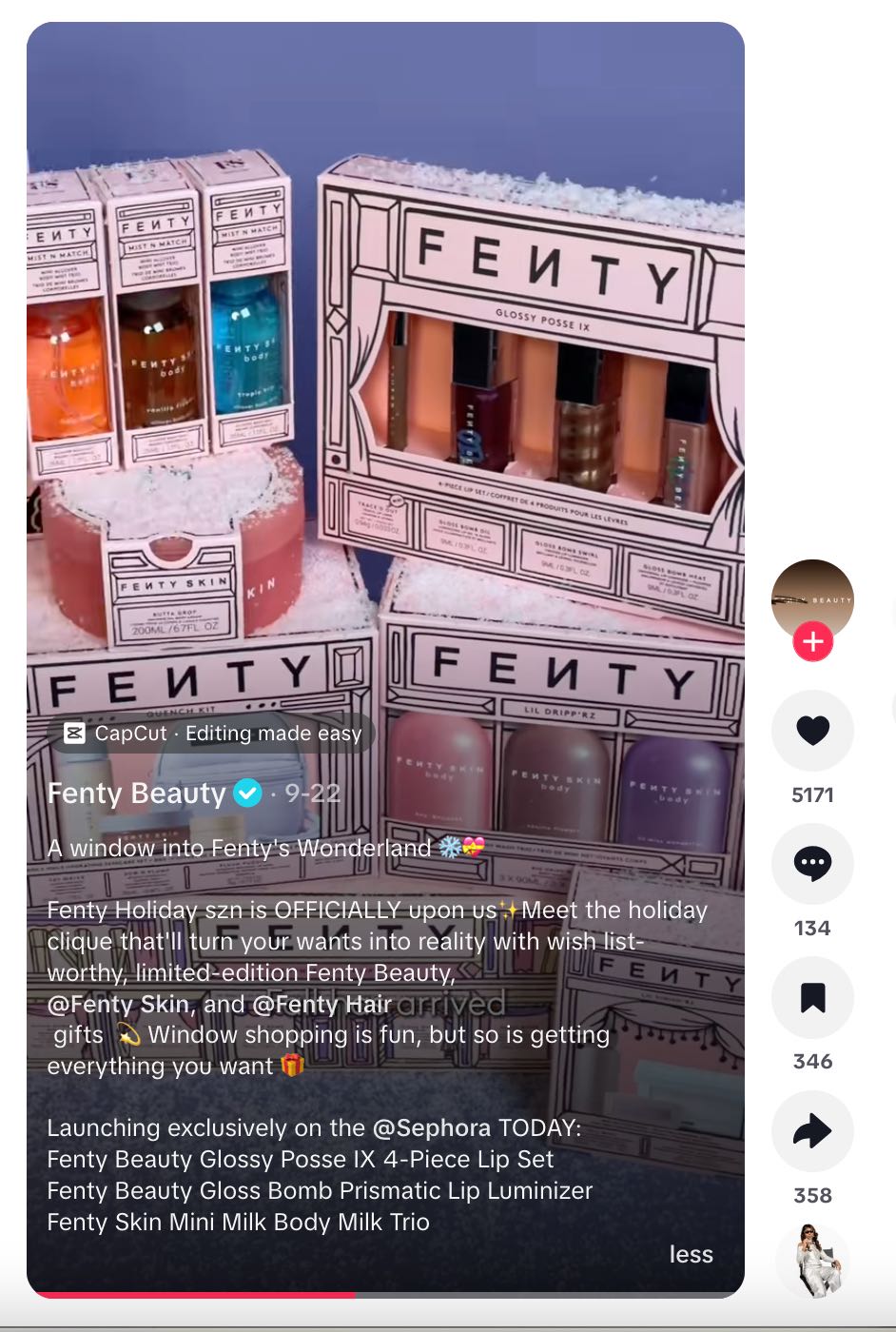
To mitigate the sting of higher costs, promotional incentives remain the primary driver of conversion. Data reveals that 30% of consumers identify influencer-shared promo codes or brand-direct discounts as the single most important factor in their decision-making process. Consequently, retailers are increasingly segmenting their gift guides by price point—as seen with REI’s successful "under $50" initiatives—to provide immediate clarity and reassurance to budget-constrained shoppers.
The Digital Frontier: Social Media as the New Storefront
The traditional retail journey has been inverted. In 2026, social media has reached parity with physical brick-and-mortar stores as a primary discovery engine, with 46% of consumers now utilizing social platforms to find holiday gift ideas. This growth trajectory is steady, with 28% of consumers reporting that they plan to increase their reliance on social media for gift discovery compared to the 2025 season.
This shift has profound implications for social media strategy. The discovery phase is no longer passive; it is an active, curated experience. Brands that organize content around specific interests, gift recipients, or holiday occasions are seeing higher engagement rates. The goal is to minimize the friction between the initial encounter—such as a video on Instagram or a creator-led review on TikTok—and the final transaction.
The conversion process on social media is increasingly multi-faceted. While promo codes are the leading driver, 28% of shoppers are influenced by "products in action," where video content demonstrates the item’s real-world utility. Furthermore, the role of content creators has matured; they are no longer just sources of entertainment but trusted advisors who can provide the context necessary to justify a purchase. A well-executed paid partnership can do in 30 seconds what a static advertisement cannot: address potential pain points, demonstrate quality, and provide a clear, actionable path to purchase.
Seamless Integration: Commerce and Customer Care
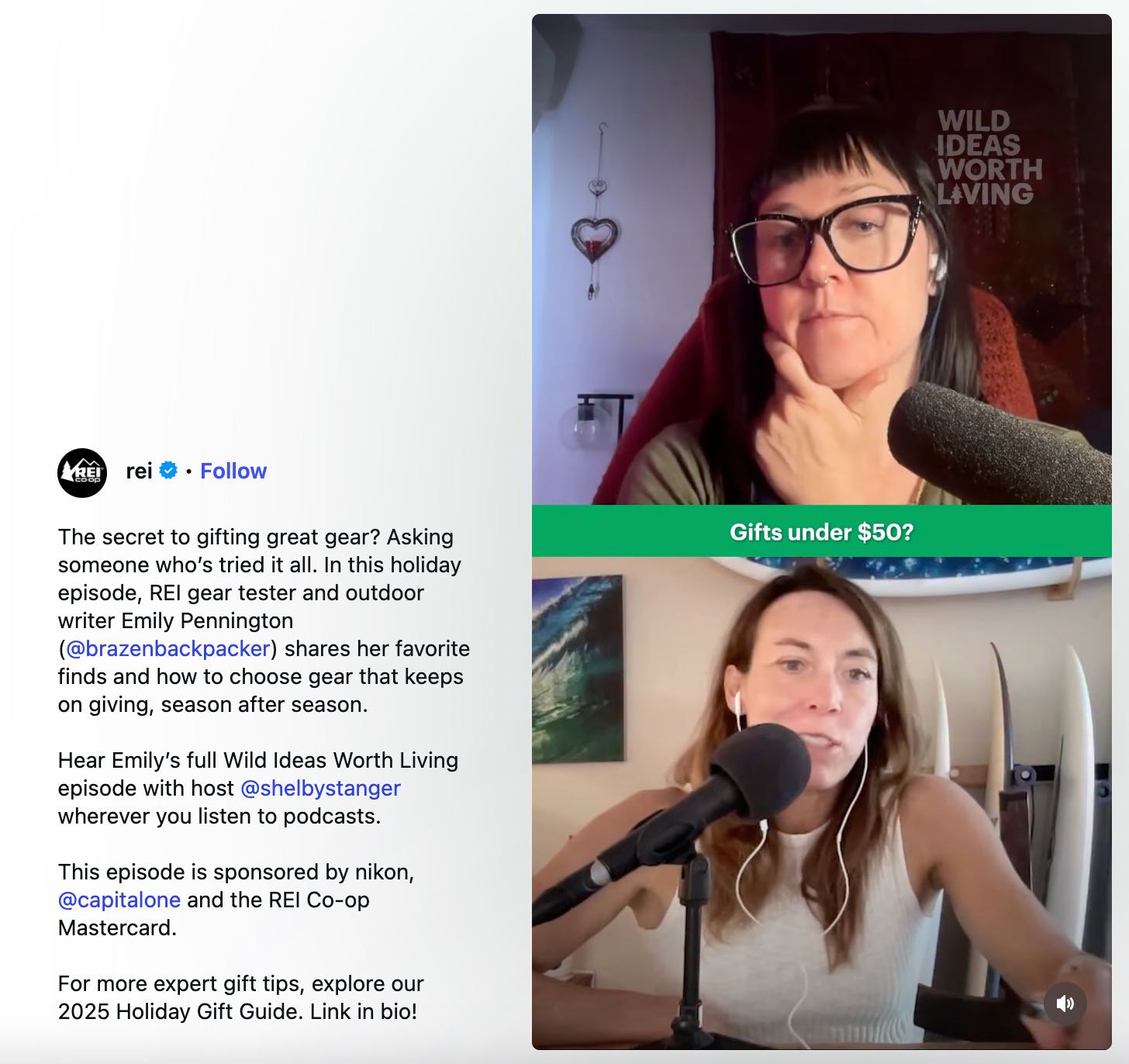
The integration of commerce directly into social apps is no longer a niche feature; it is an expectation. Currently, 57% of consumers are open to completing their purchases within a social platform. This represents a significant opportunity for brands to eliminate the "drop-off" that occurs when a customer is redirected to an external website.
However, this convenience comes with a heightened expectation for customer service. The line between marketing and support has blurred; when a consumer asks a question about product sizing, inventory levels, or shipping times in a comment section, they expect a response with the same urgency as a live chat agent. In 2026, 27% of consumers anticipate using social media for customer service more frequently than they did in the previous year.
Retailers are therefore encouraged to treat their social media inboxes as mission-critical infrastructure. This requires clear internal workflows, real-time access to order management systems, and a proactive approach to common inquiries. Brands that fail to provide efficient, timely answers on these platforms risk losing not only the individual sale but also their reputation for reliability in an increasingly competitive digital marketplace.
Strategic Priorities for the 2026 Season
As the holiday season intensifies, the data suggests a three-pronged approach for brands aiming to remain competitive:
-
Prioritize Phased Engagement: Leverage the late-summer and early-autumn months for product discovery and awareness building, reserving aggressive, deal-driven marketing for the October-November peak. This builds momentum without triggering "holiday fatigue."
-
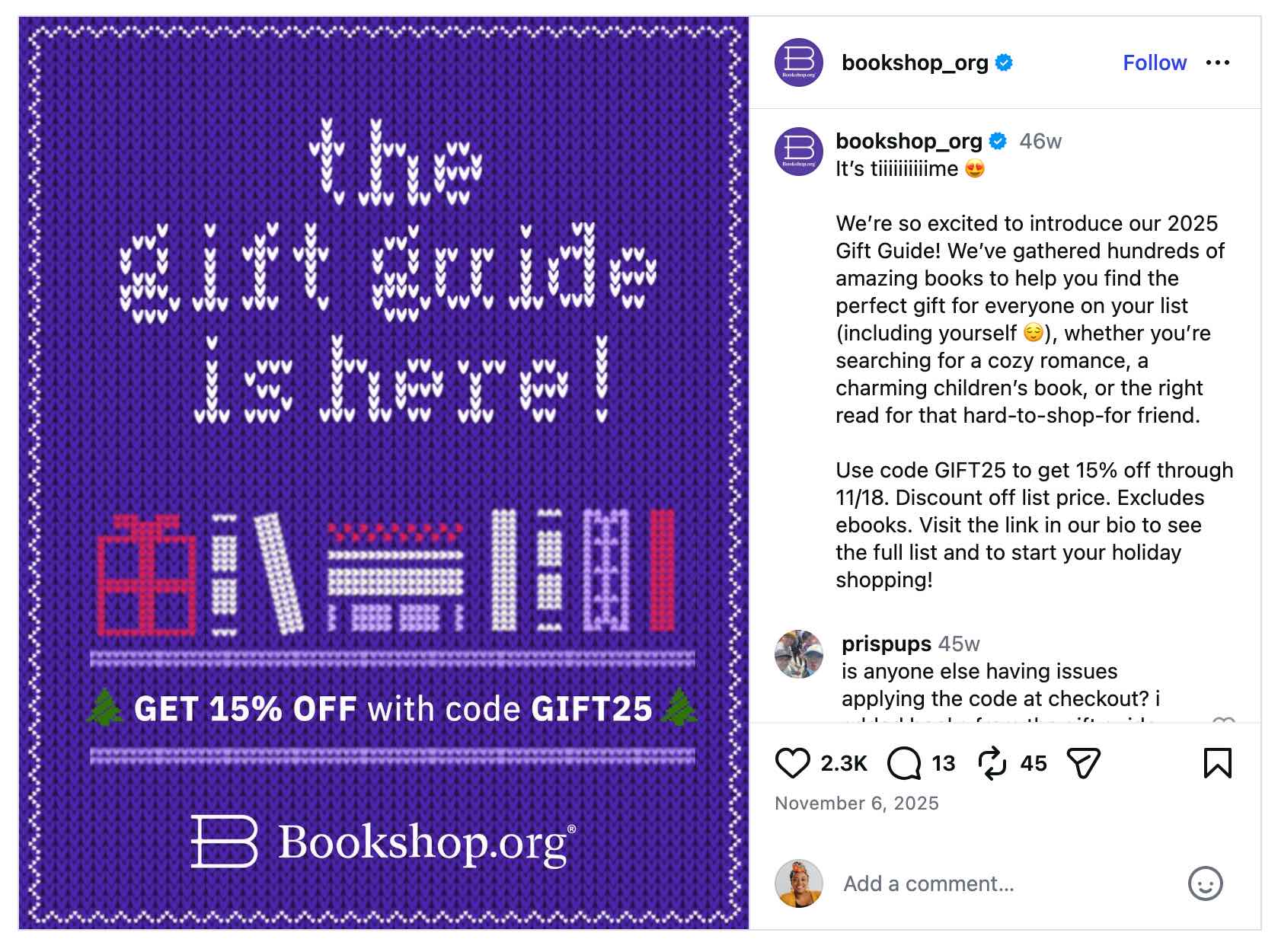
Communicate Value, Not Just Price: Acknowledge the economic reality of the current market. Shift messaging from pure price-slashing to highlighting quality, versatility, and the thoughtful nature of the gift. Use price-segmented gift guides to cater to shoppers managing tightened budgets.
-
Optimize the Social Funnel: Treat social platforms as comprehensive commerce hubs. This means ensuring that the path from the initial scroll to the final checkout is as frictionless as possible, while simultaneously staffing social customer care teams to handle the inevitable increase in logistical inquiries.
The 2026 holiday season will likely be remembered as the year that the digital and physical retail experiences finally became indistinguishable. For brands, the path forward is clear: success will be found by those who can successfully balance the need for early, high-visibility engagement with the practical necessity of providing value and support to an increasingly cautious consumer base. By aligning their marketing strategy with these evolving behaviors, brands can turn the challenges of an extended, cost-sensitive season into an opportunity for sustained growth and deeper customer loyalty.