Holiday Shopping 2026: How Social Media Is Redefining Consumer Behavior and Retail Strategy

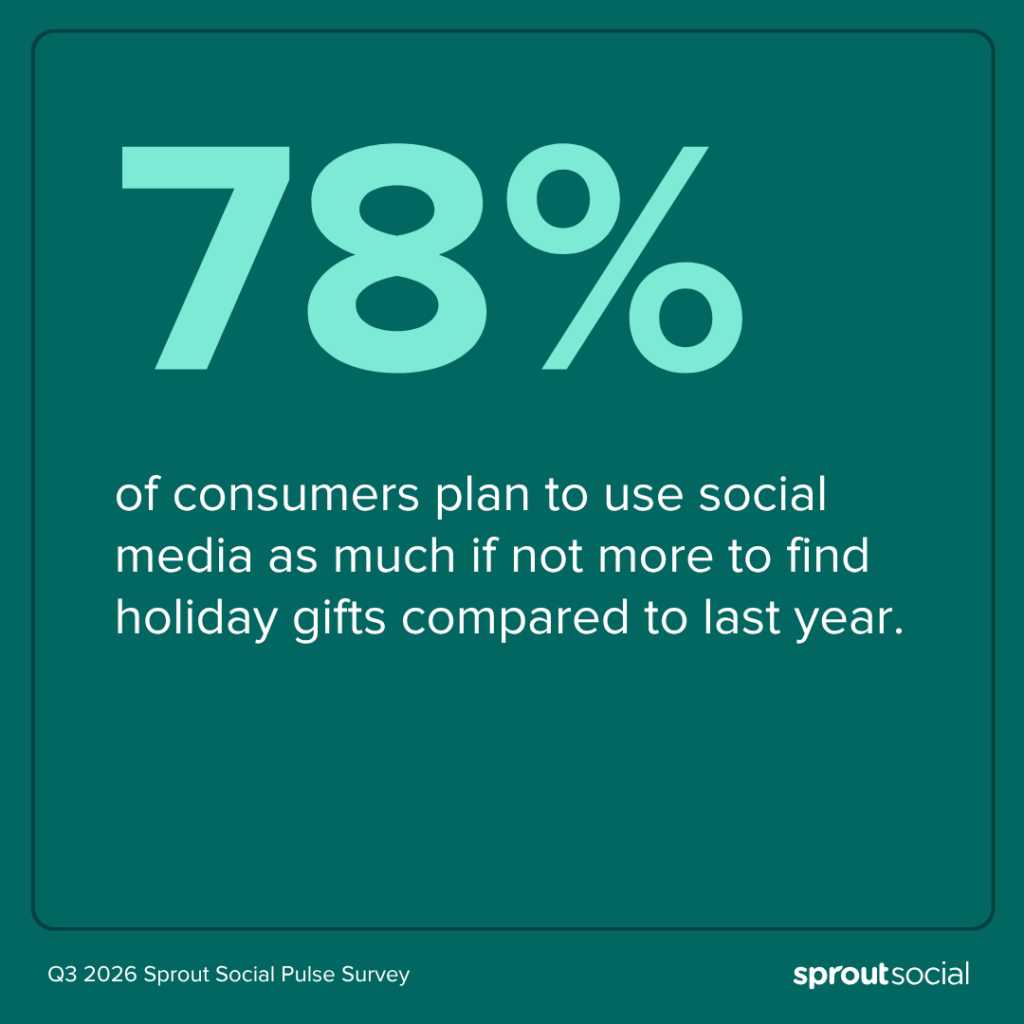
The landscape of holiday retail is undergoing a seismic shift as social media platforms evolve from simple marketing channels into comprehensive, end-to-end shopping ecosystems. According to the Q3 2026 Sprout Social Pulse Survey, which analyzed the habits of 2,286 consumers across the United States, the United Kingdom, and Australia, social media is no longer merely a place to browse—it is the primary engine of the modern gift-buying journey. With 78% of consumers stating they plan to use social media as much or more than they did last year to find holiday gifts, brands are facing a new reality where discovery, influence, and customer service must coexist within the same digital feed.
This evolution is set against a backdrop of economic caution. As inflation concerns persist and new tariff policies begin to affect the pricing of consumer goods, shoppers are exhibiting a heightened sense of fiscal responsibility. For the 2026 season, 56% of consumers intend to curb their holiday spending, creating a competitive environment where only brands that effectively communicate value and demonstrate product utility will capture market share.

The Chronology of the 2026 Holiday Season
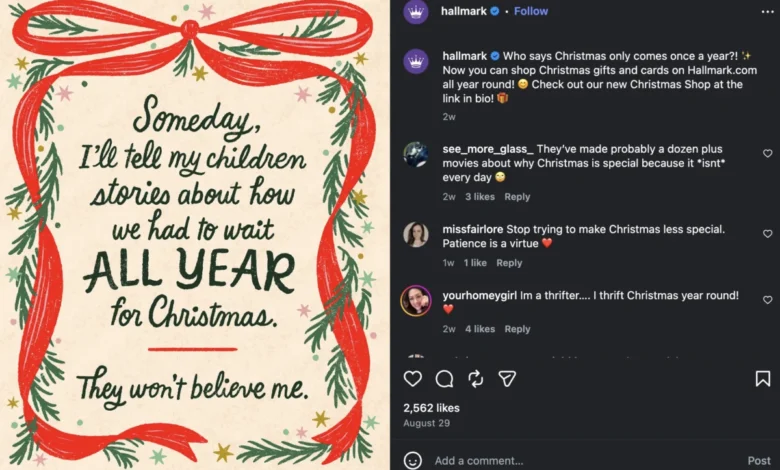
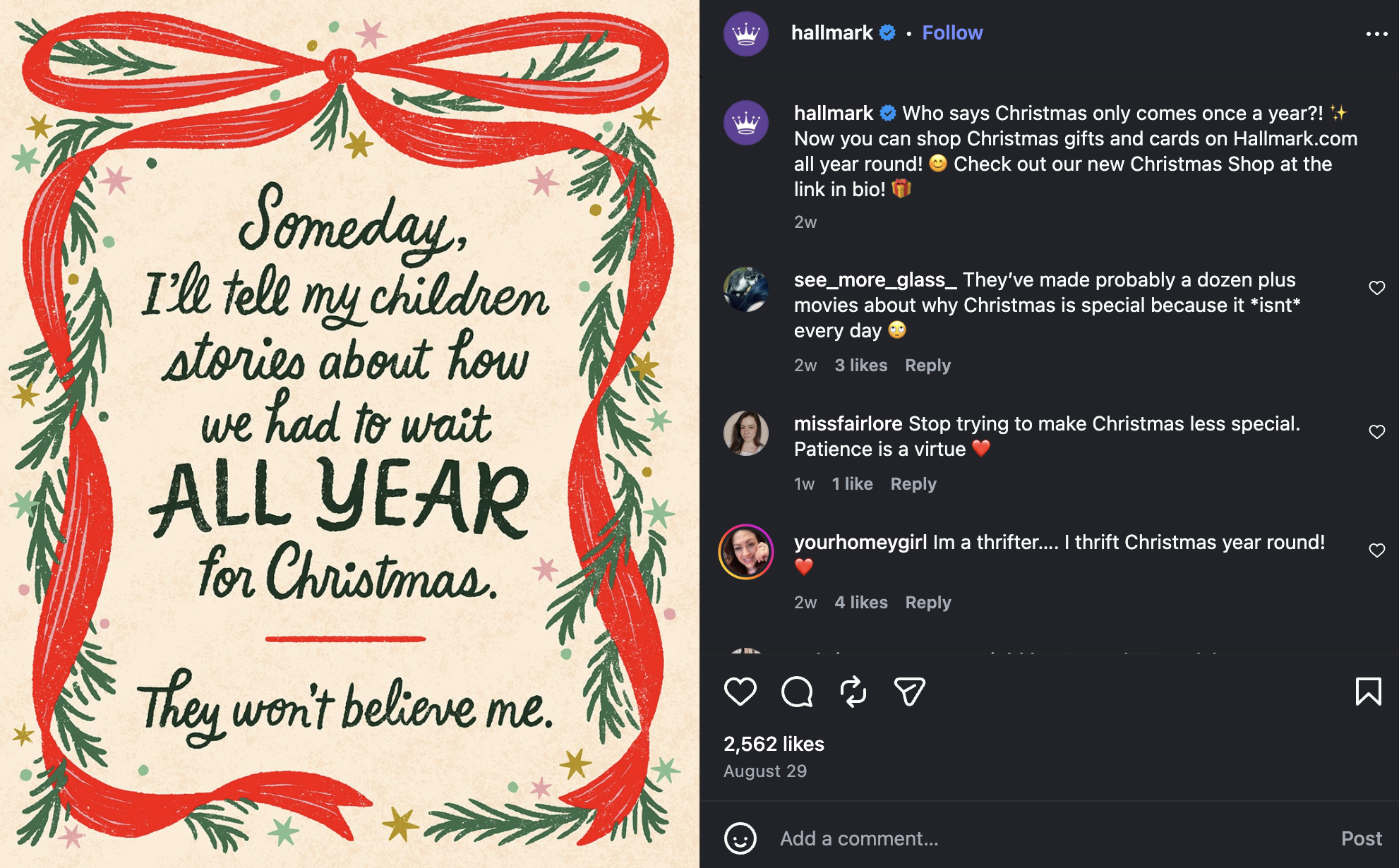
The traditional "holiday season" has long been a fluid concept, but the 2026 calendar has seen an unprecedented expansion. Industry analysts observed a "Summerween" trend as early as June, followed by aggressive early-bird marketing from major retailers like Starbucks and Hallmark in August. While retailers often use these early pushes to secure "share of wallet" before competitors, consumer sentiment has begun to diverge from this strategy.
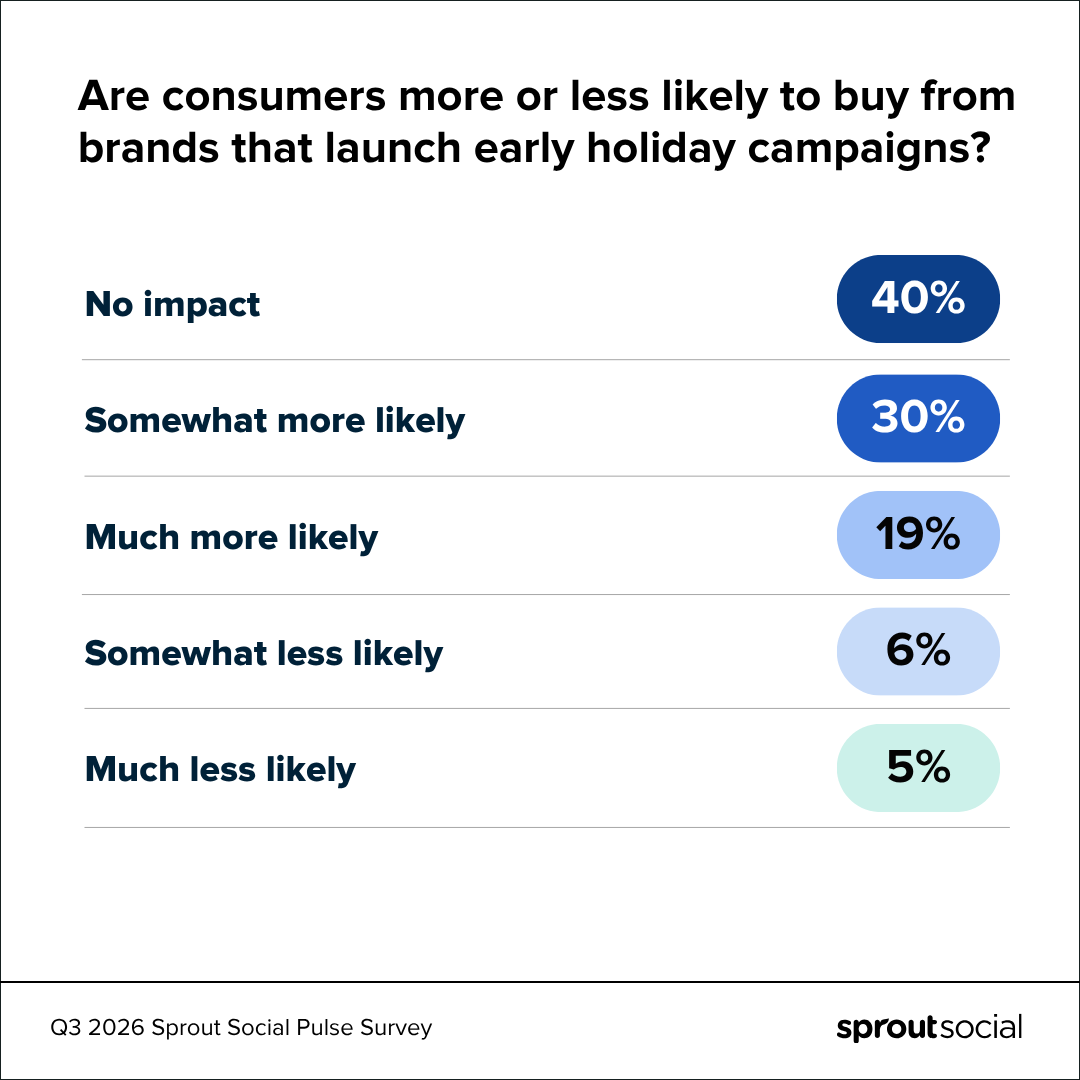
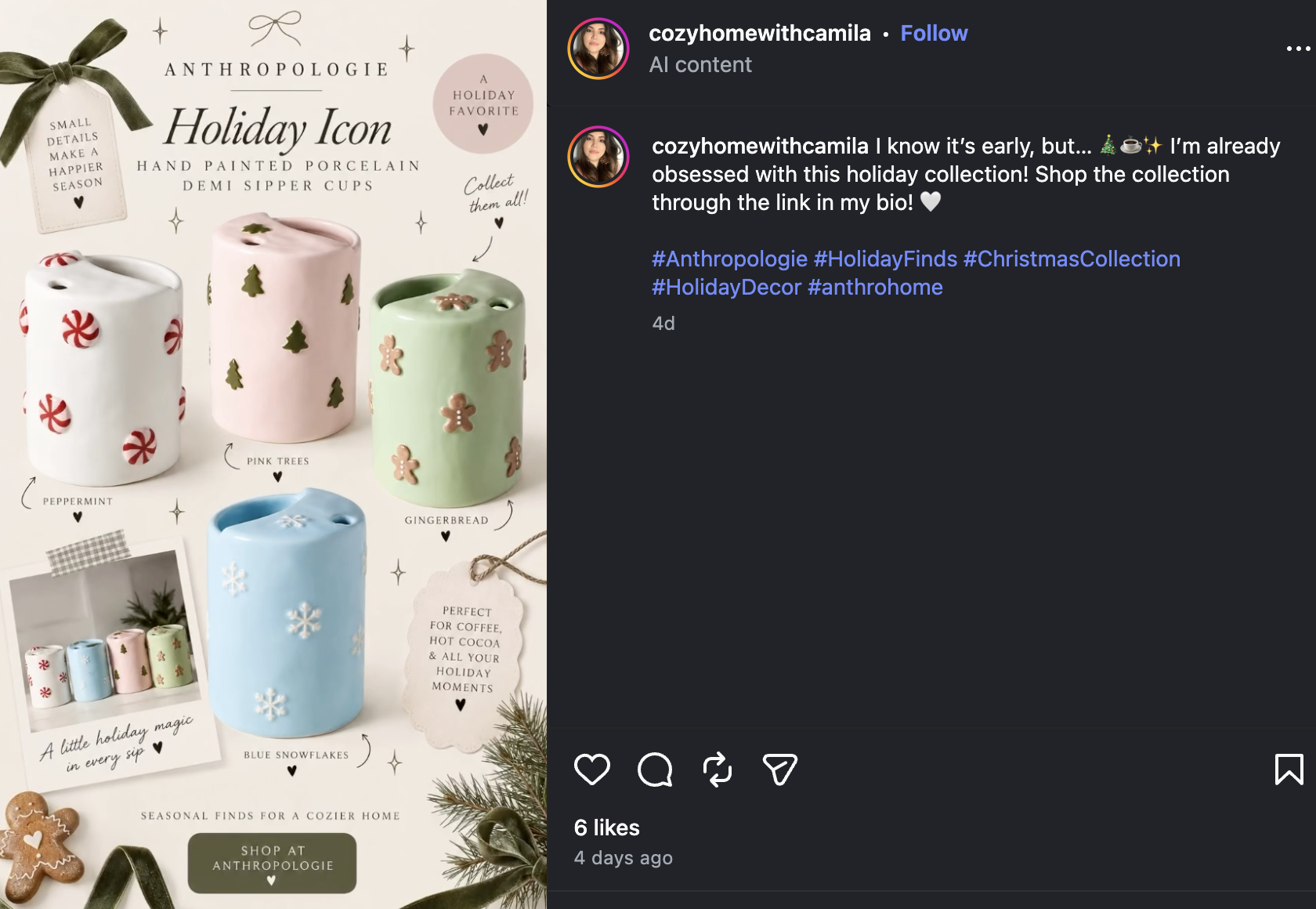
Data from the 2026 survey indicates a notable pivot in expectations: 50% of consumers now believe brands should delay the launch of holiday advertising until October. This represents a significant shift from the 2025 cycle, during which August and September were widely accepted as the start of the holiday marketing window. However, this preference for later campaigns does not necessarily translate into lower conversion rates for early starters. Nearly 50% of respondents admitted they are more likely to purchase from a brand that advertises as early as August, suggesting that while consumers may complain about "holiday creep," their wallets remain open to early incentives.
The Economic Impact: Tariffs and Budgetary Constraints
Economic pressures have become the defining feature of the 2026 holiday shopping narrative. As global trade policies shift, 69% of consumers expressed concern regarding the impact of tariffs on retail prices. This anxiety is driving a distinct change in behavior: 36% of shoppers are intentionally starting their gift hunting earlier than in previous years to mitigate the risk of mid-season price hikes.
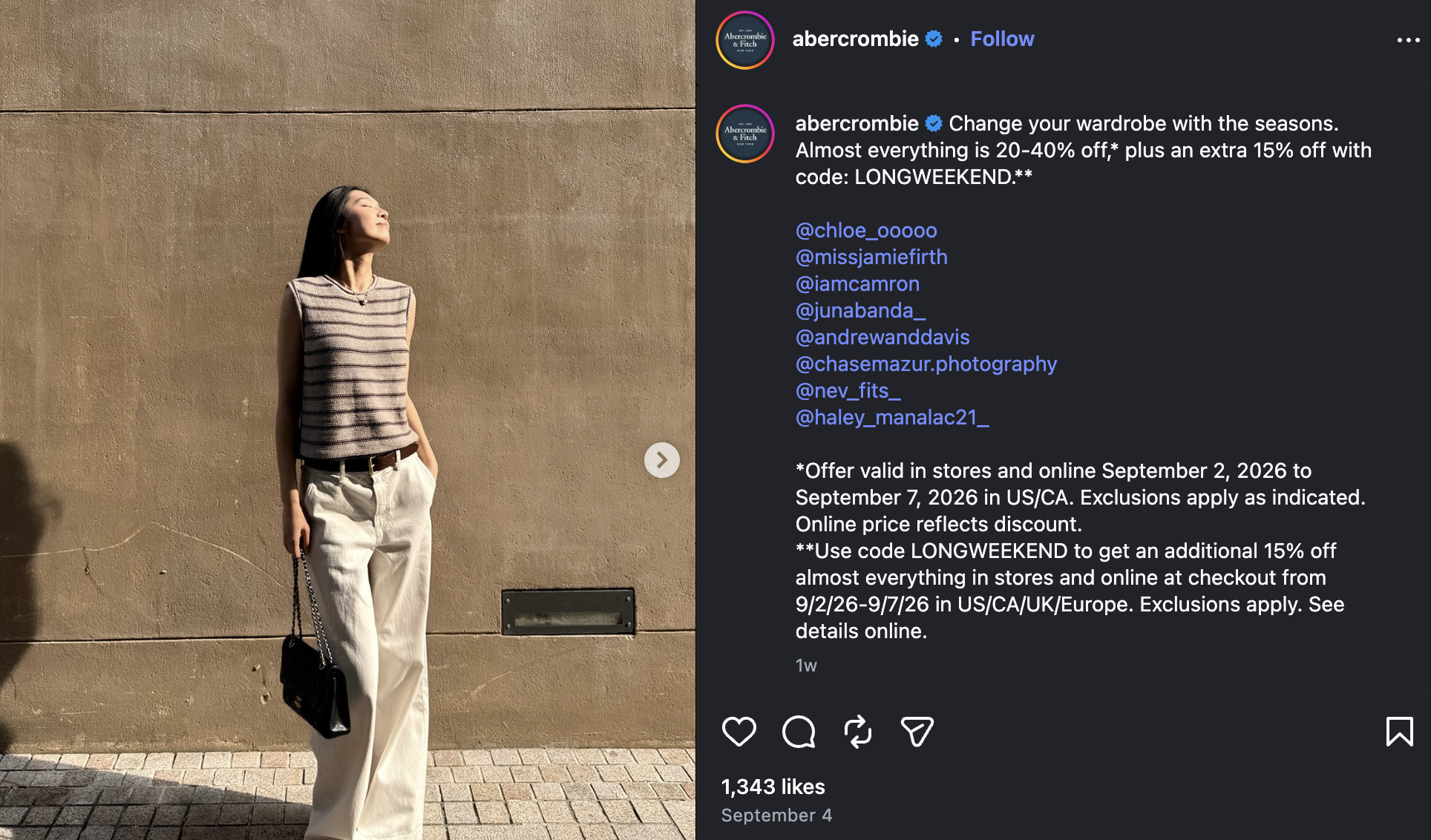
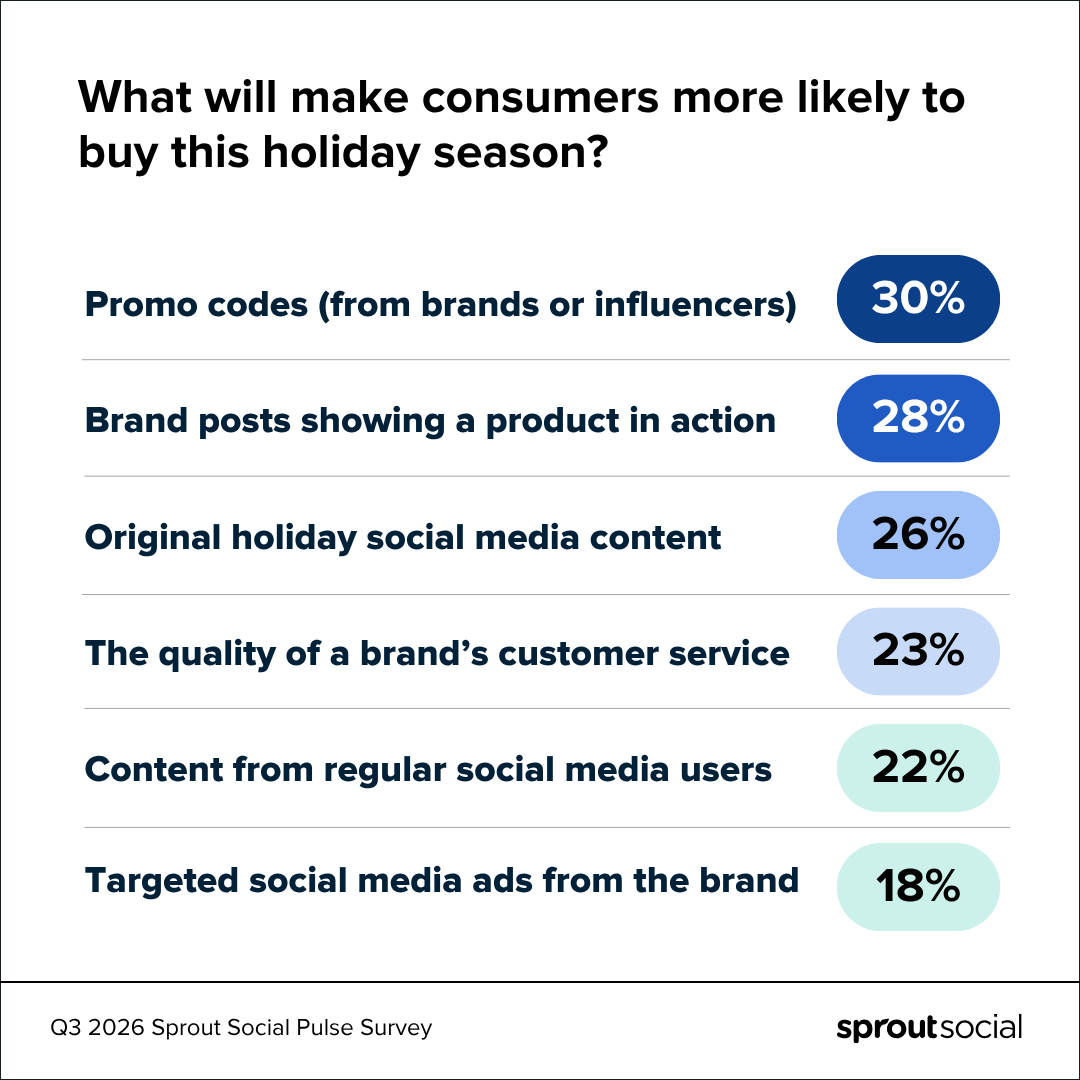
This shift toward early purchasing is not merely a strategy for savings; it is a defensive reaction to economic instability. Retailers who are slow to engage their audience risk losing them to competitors who provide price transparency and clear value propositions. In this climate, the "promotional" aspect of marketing has taken center stage. Specifically, 30% of shoppers identified promo codes—whether distributed directly by brands or via influencer partnerships—as the most persuasive factor in their decision to finalize a purchase.
The Rise of Social Search and Discovery
The transition of social media into a primary search engine has reached a point of maturity. For Gen Z and Millennial demographics, social platforms have effectively eclipsed traditional search engines for product discovery. In the 2026 season, social media ties with physical retail for the number one spot in holiday gift discovery, with 46% of consumers utilizing social feeds to generate gift ideas.
This behavior is rooted in a preference for visual, peer-led validation. Consumers are increasingly skeptical of static advertisements and are instead seeking "social proof." They want to see products in action—demonstrated in real-world environments—which has elevated the importance of video-first content. The data shows that 28% of consumers are more likely to buy if they see a product used in a functional context, while 23% are driven by original, platform-specific creative content. These findings suggest that the 2025 playbook—which relied heavily on user-generated content—is being supplanted by a demand for high-quality, brand-led storytelling that highlights product utility.
The Evolution of Customer Experience
Perhaps the most significant change for 2026 is the expectation regarding customer service. As shoppers use social platforms to browse and purchase, they are increasingly using the same channels to resolve issues. An overwhelming 86% of users plan to utilize social media for customer service inquiries this year, signaling an end to the era where email or telephone support were the sole points of contact.
This demand creates a significant operational challenge. Consumers expect near-instantaneous results, with 70% of respondents demanding a response from a brand within 24 hours. To meet this demand, many organizations are integrating artificial intelligence into their workflow. Sentiment analysis and AI-driven chatbots are becoming standard tools for managing the surge in volume during the peak holiday weeks.
Public perception of this automation is surprisingly favorable, provided it is handled with transparency. 70% of consumers express comfort with brands using AI for customer service tasks, a figure that climbs to 77% among Gen Z. However, the nuance of this preference lies in the execution: while consumers accept AI for initial triage and basic inquiries, they retain a strong preference for human intervention when a complex or high-stakes issue arises.
Implications for Brand Strategy
The findings from the Q3 2026 survey suggest that for a brand to succeed, it must treat social media as an end-to-end customer experience rather than a siloed advertising channel. The "discovery-to-purchase" pipeline must be seamless. Features such as TikTok Shop, Facebook Shops, and Instagram Checkout are no longer optional tools; they are essential components of a conversion-focused strategy. By reducing the friction between seeing a product and owning it, brands can capture the attention of a consumer base that is increasingly looking for convenience.
Furthermore, the rise of the "comment section" as a customer service channel presents a new risk-management imperative. With 31% of consumers opting to air their grievances or ask questions in public comment threads, brands must ensure their social media management teams are equipped to handle public inquiries with the same level of professional urgency as a private support ticket. A delayed or ignored comment on a popular post can lead to a negative public perception that is difficult to reverse.
Conclusion: A Shift Toward Value and Authenticity
As we move toward the final quarter of 2026, the retail landscape is characterized by a collision between economic pressure and digital convenience. Consumers are more price-conscious than ever, yet they remain deeply embedded in social ecosystems. The brands that will flourish in this environment are those that balance the efficiency of AI-driven service with the warmth of human-centric, original content.
Success this year will be defined by how effectively a company can synthesize these trends. By aligning marketing content with the realities of a budget-conscious shopper—focusing on discounts, product utility, and fast, responsive service—brands can build the trust necessary to turn a casual scroller into a loyal customer. The data is clear: the holiday shopping experience has migrated to the feed. For retailers, the challenge is no longer just to be seen; it is to be useful, responsive, and available exactly where the consumer is spending their time.
Related posts: