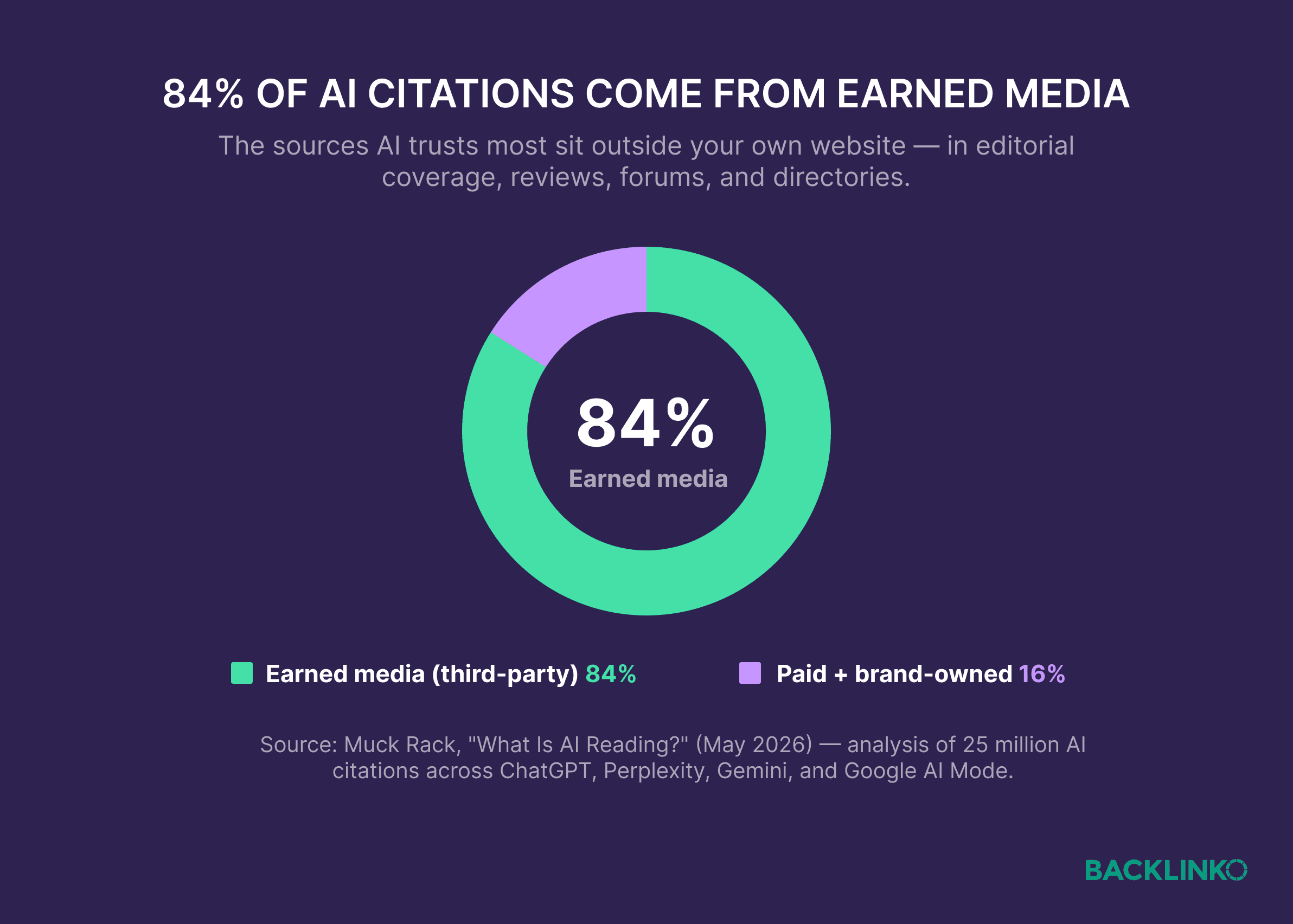
A recent comprehensive study conducted by Muck Rack has revealed a critical insight for businesses aiming to thrive in the rapidly evolving landscape of artificial intelligence-powered search: Digital Public Relations is not merely a beneficial strategy, but the single most important factor for success. The findings indicate that a staggering 84% of AI citations originate from earned media and third-party sources. These include editorial coverage, independent reviews, and discussions on online forums, underscoring a significant shift in how AI models perceive and prioritize information.

This emphasis on third-party validation stands in stark contrast to traditional self-promotion. While maintaining a robust on-site content presence remains essential, the study strongly suggests that a brand’s visibility within AI-generated search results is predominantly shaped by its reputation and presence beyond its own website. The more frequently a brand’s name appears across credible, external platforms, the more likely Large Language Models (LLMs) are to recognize, trust, and ultimately recommend it in their synthesized answers.
The implications of this research are profound for digital marketers and business leaders. It signals a need to re-evaluate existing strategies and pivot towards a more outward-facing approach. This guide will delve into six proven digital PR strategies designed to amplify brand mentions, secure valuable backlinks, strengthen off-site authority, and consequently, enhance visibility within the crucial domain of AI-generated answers.
The Ascendancy of Digital PR in Shaping AI Visibility
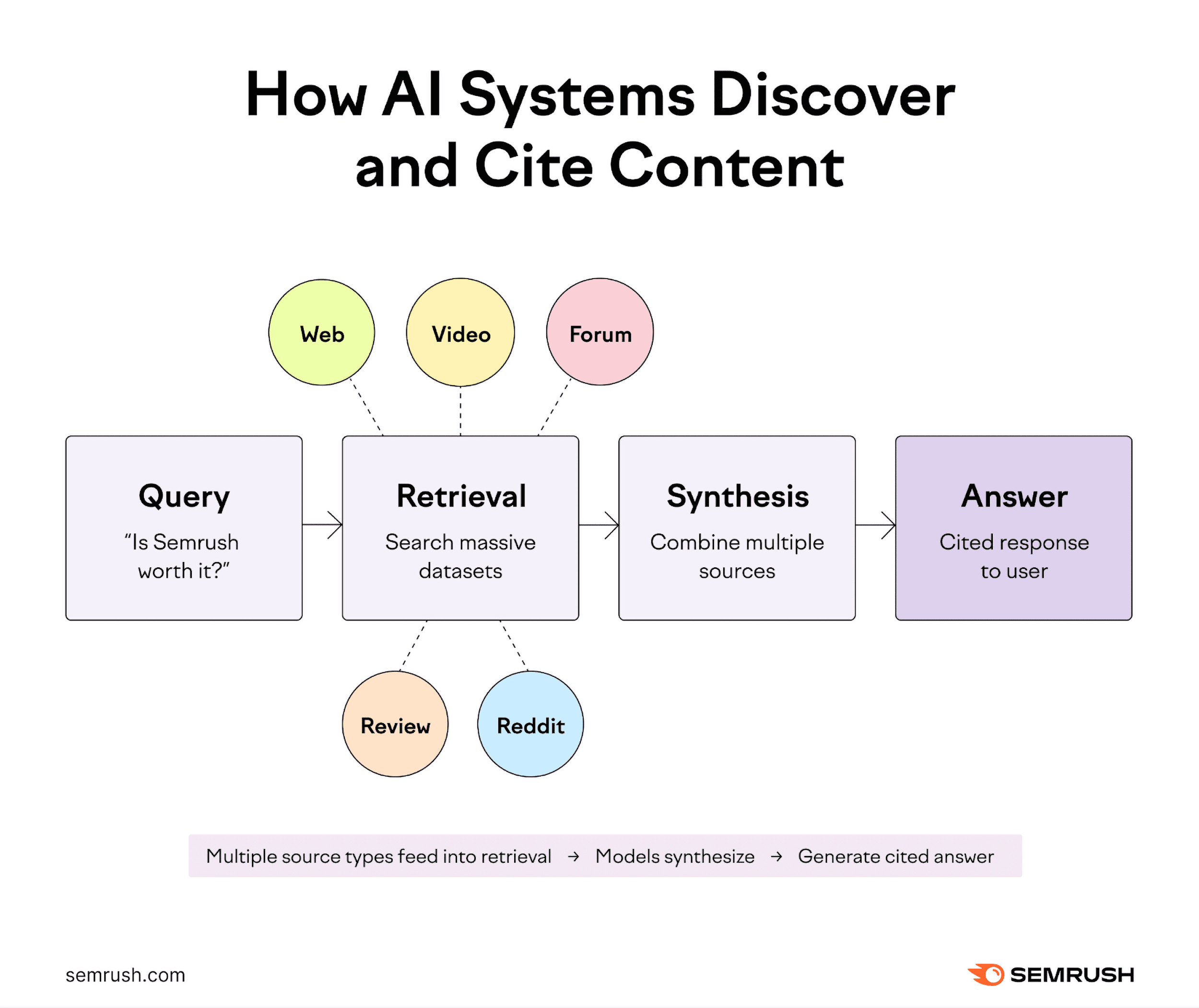
Artificial intelligence systems no longer rely solely on direct website analysis. Instead, they aggregate information from a diverse array of web sources, synthesizing this data into a cohesive response for the user. This complex process means that the brands that effectively capture attention in AI search are those that maintain a consistent and positive presence across these varied information channels.
Digital PR emerges as the strategic lynchpin in this new paradigm. It serves as the mechanism to gain exposure within the very publications, platforms, and forums that AI systems actively monitor and reference. The more frequently a brand is featured in these trusted external environments, the more familiar and reliable it appears to the sophisticated algorithms that power AI search.
Strategy 1: Data-Led PR – The Power of Original Research
One of the most potent strategies for achieving AI search prominence is through Data-Led PR. This approach centers on the creation and distribution of original research, statistical analyses, and compelling data-driven reports to relevant publications. This methodology is exceptionally effective for building high-quality backlinks, a factor consistently identified as crucial for SEO and, by extension, AI visibility.
Journalists, bloggers, and content creators are in perpetual pursuit of credible data to substantiate their work. By providing them with unique, well-researched information, brands not only earn valuable backlinks but also position themselves as authoritative sources.
How Data-Led PR Boosts AI Visibility
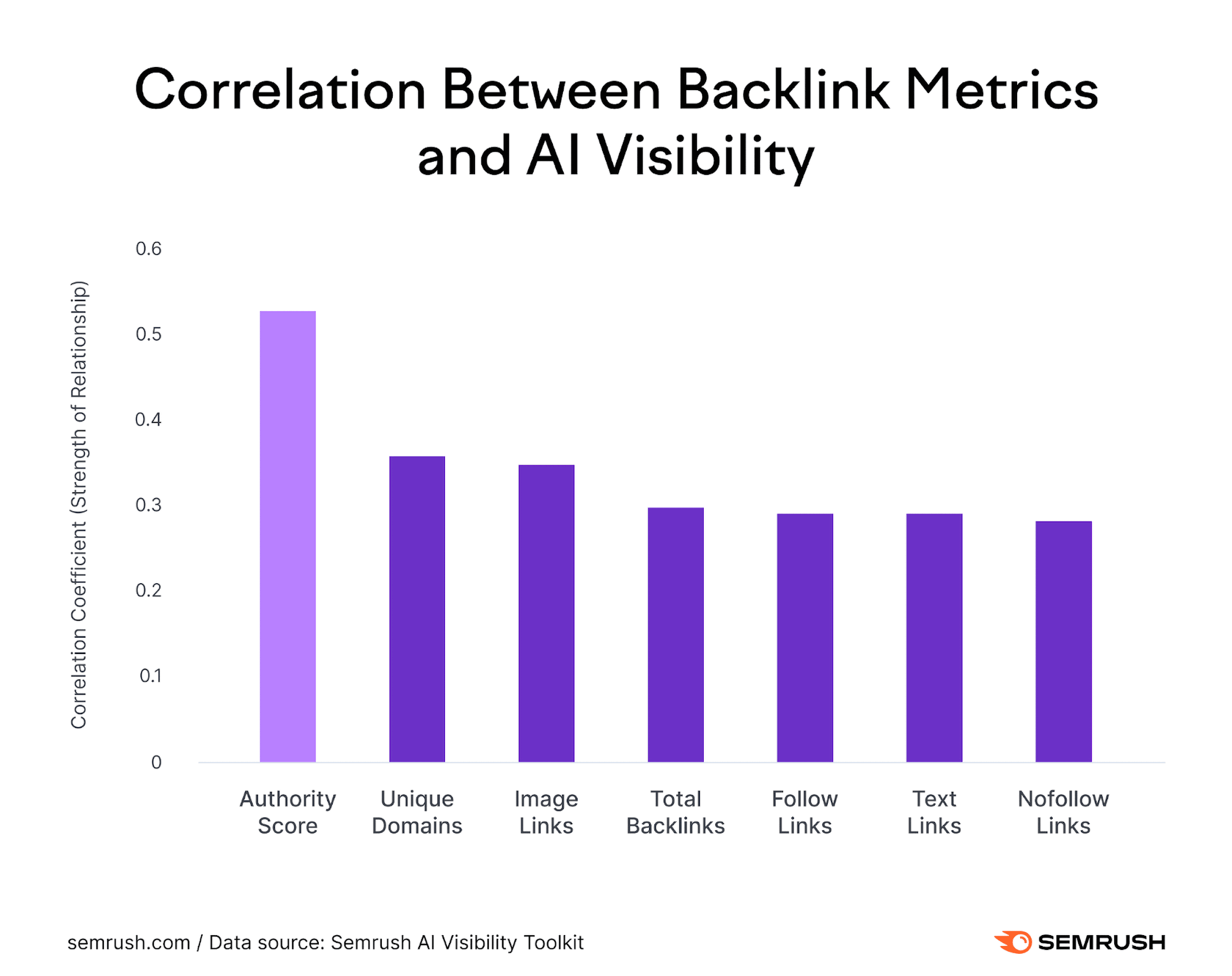
The correlation between strong backlink profiles and AI visibility is well-documented. A study by Semrush, analyzing 1,000 domains, found a direct link between a brand’s backlink authority and its likelihood of appearing in AI-generated answers. This reinforces the long-standing importance of backlinks in search engine optimization, extending its influence into the nascent field of AI search.
Further research from Seer Interactive echoes these findings, highlighting domain authority and high-quality backlinks (specifically from sites with a Domain Authority of 60+) as key metrics influencing AI visibility. Data-led content is the most organic and effective way to acquire these coveted backlinks. When data is fresh, insightful, and relevant, it naturally attracts citations from other content creators.
Vahan Poghosyan, Co-founder and Head of Digital PR at Loopex Digital, aptly summarizes the impact: "Original research provides a tangible, cite-worthy asset that journalists and content creators actively seek. It’s a win-win: you gain valuable backlinks and brand mentions, and they get to enhance their own content with credible data."
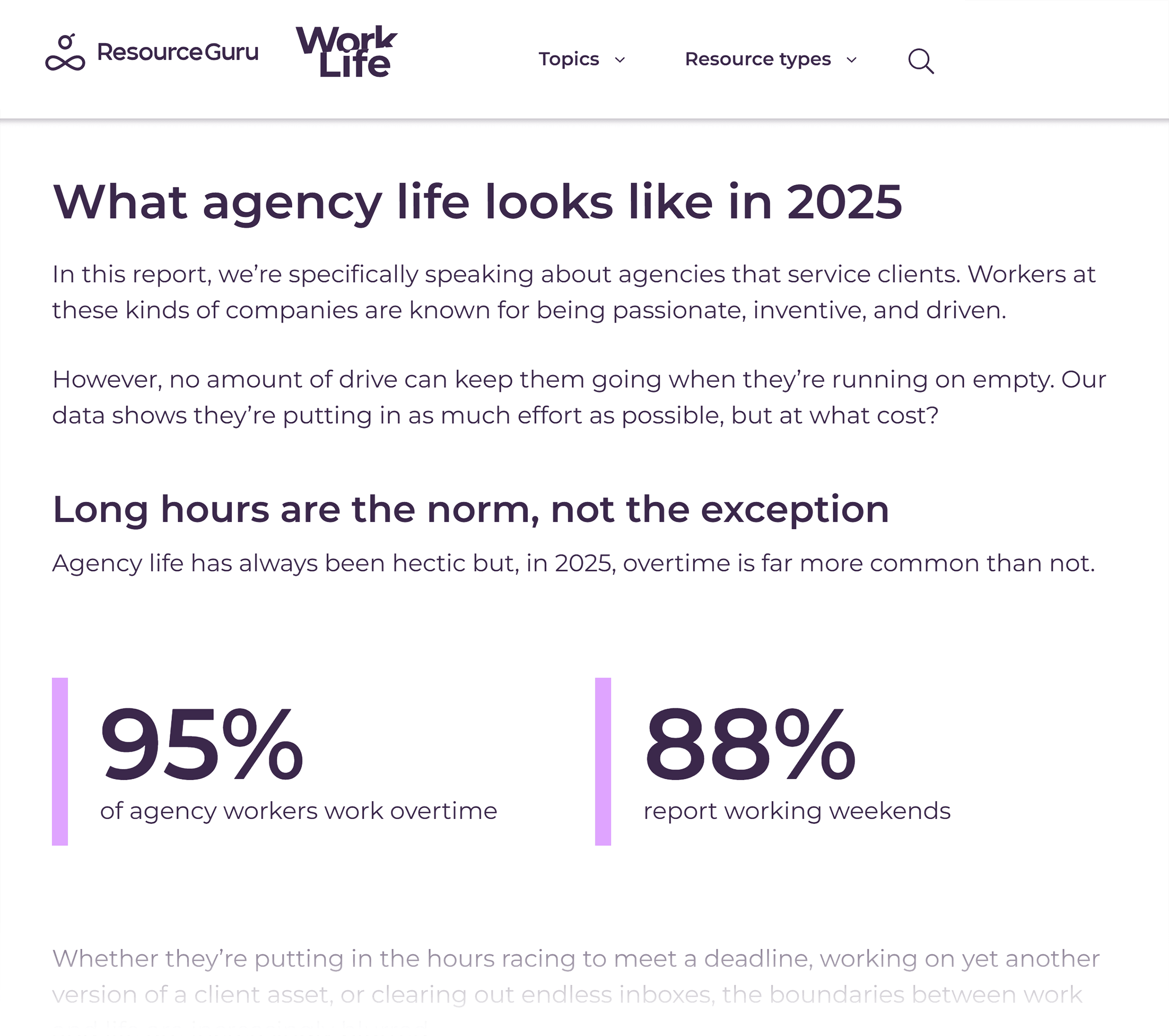
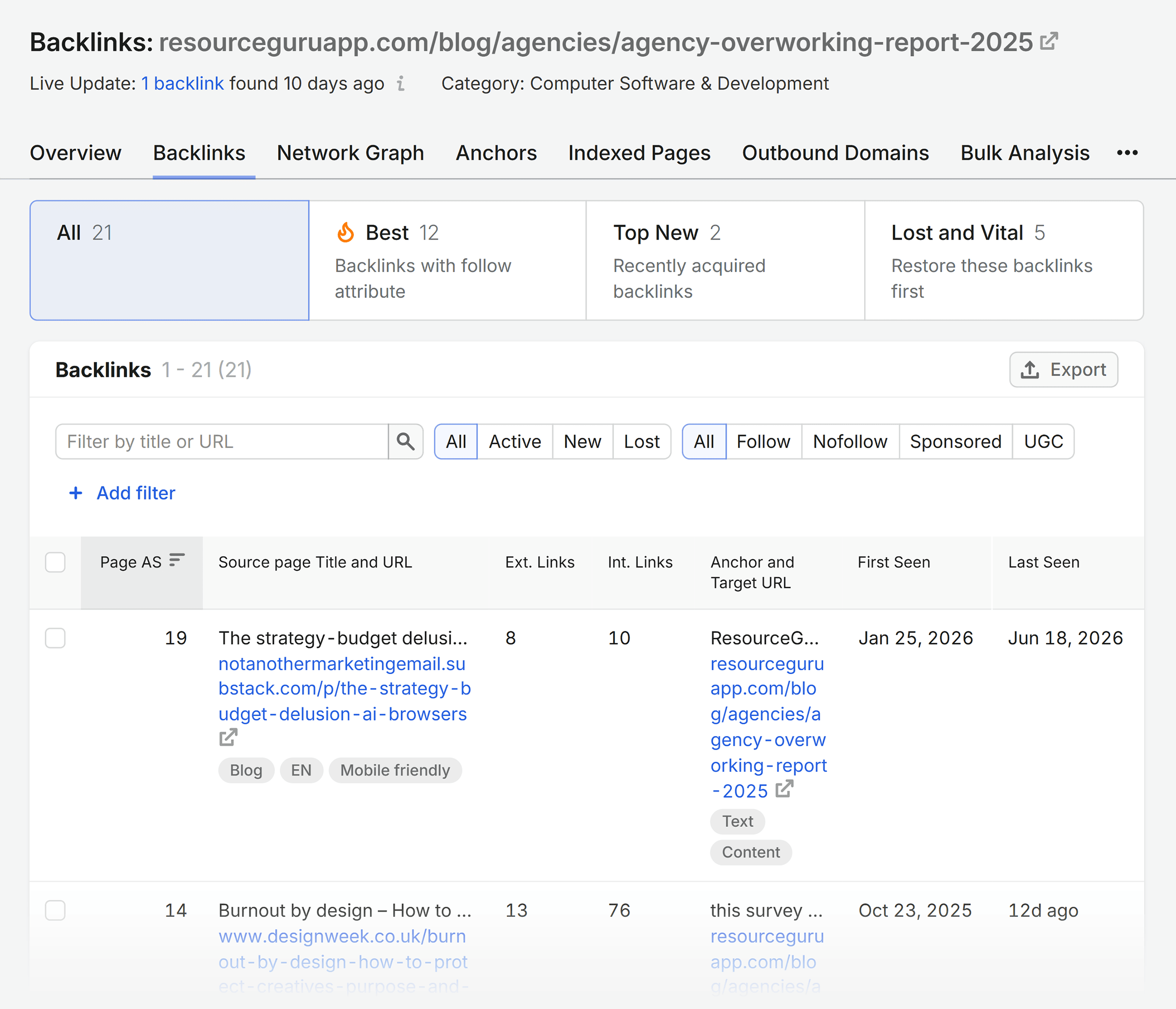
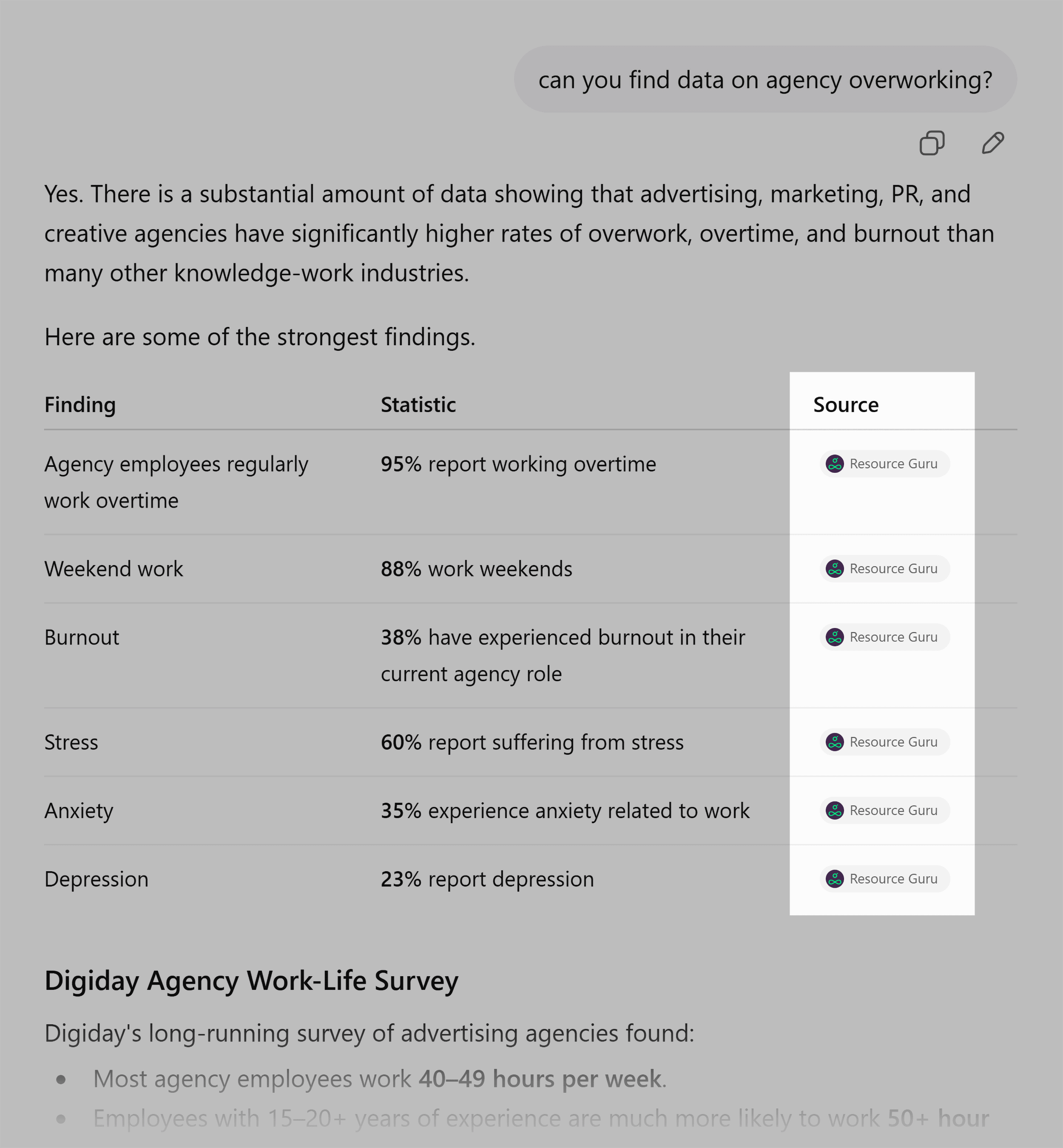
A compelling example of this strategy in action is the "Agency Overworking Report 2025" by Resource Guru. Since its publication, this report has organically garnered 21 backlinks, including coverage in prestigious outlets like Forbes. Crucially, the data from this report is also being consistently cited in AI-generated answers, demonstrating its direct impact on AI visibility.
Implementing Data-Led PR
The process begins with the creation of high-value data-driven content. This can take several forms:
- Original Surveys and Studies: Conduct unique research on industry trends, consumer behavior, or specific market insights.
- Statistical Roundups: Compile and analyze existing data from reputable sources, presenting it in a fresh and insightful way.
- Infographics and Visualizations: Transform complex data into easily digestible and shareable visual formats.
Once the data is published, proactive outreach is key. Identify articles within your niche that cite outdated statistics or broken links. Reach out to the authors, offering your more current and relevant data as a valuable replacement. Similarly, pitch your new research to existing statistical roundups, as these are often updated and receptive to new contributions. A well-crafted pitch, highlighting the unique value of your data and its relevance to the publisher’s audience, significantly increases the chances of placement.
Strategy 2: AI Citation Outreach – Getting into the AI’s Sourcebook
AI Citation Outreach focuses on securing placements in the specific sources that AI models are already programmed to reference. This method is often the most direct route to achieving brand mentions in AI-generated responses.
How AI Citation Outreach Boosts AI Visibility
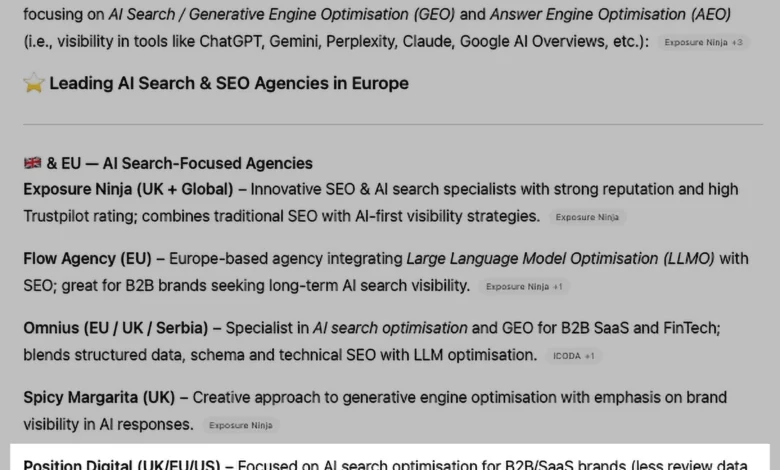
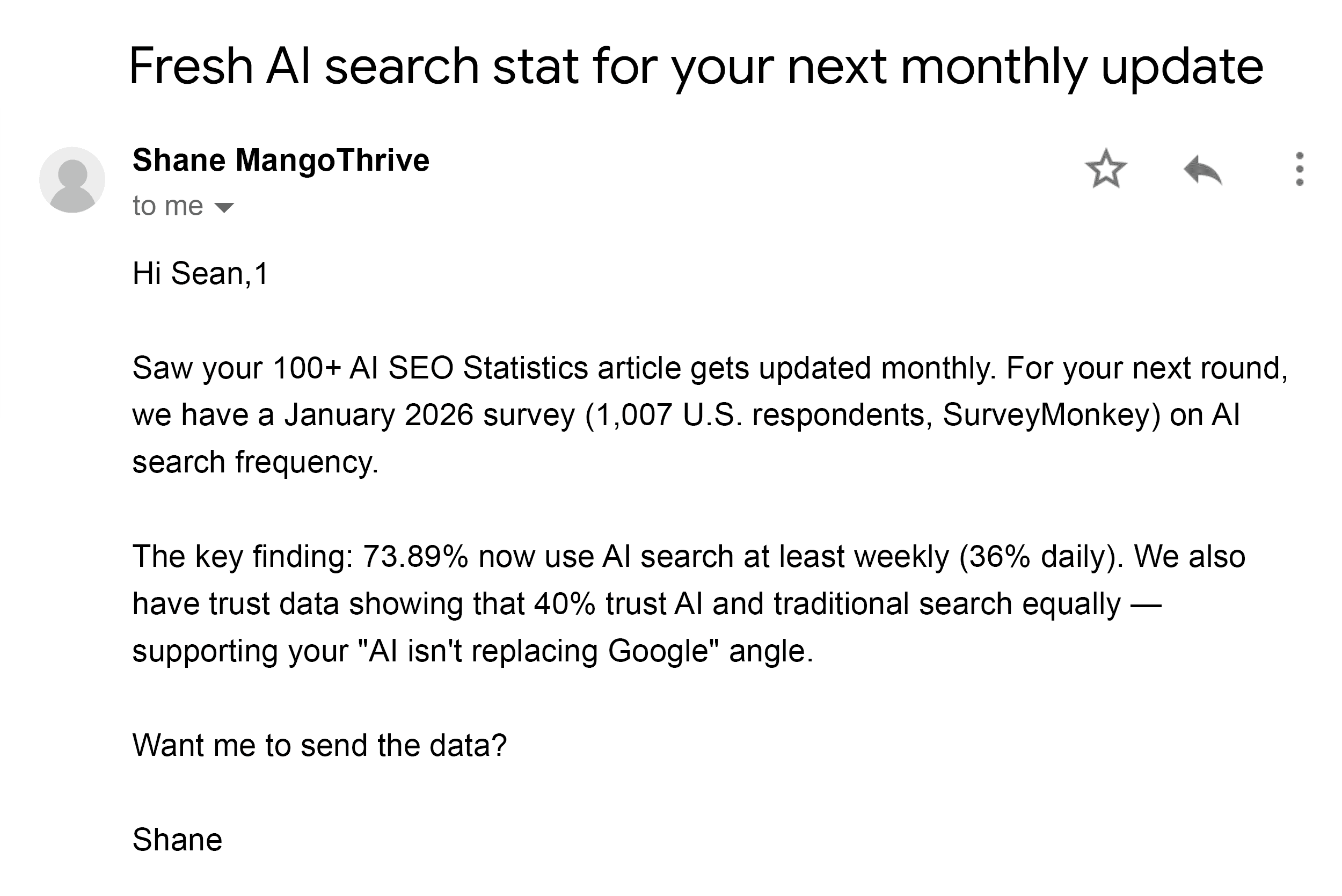
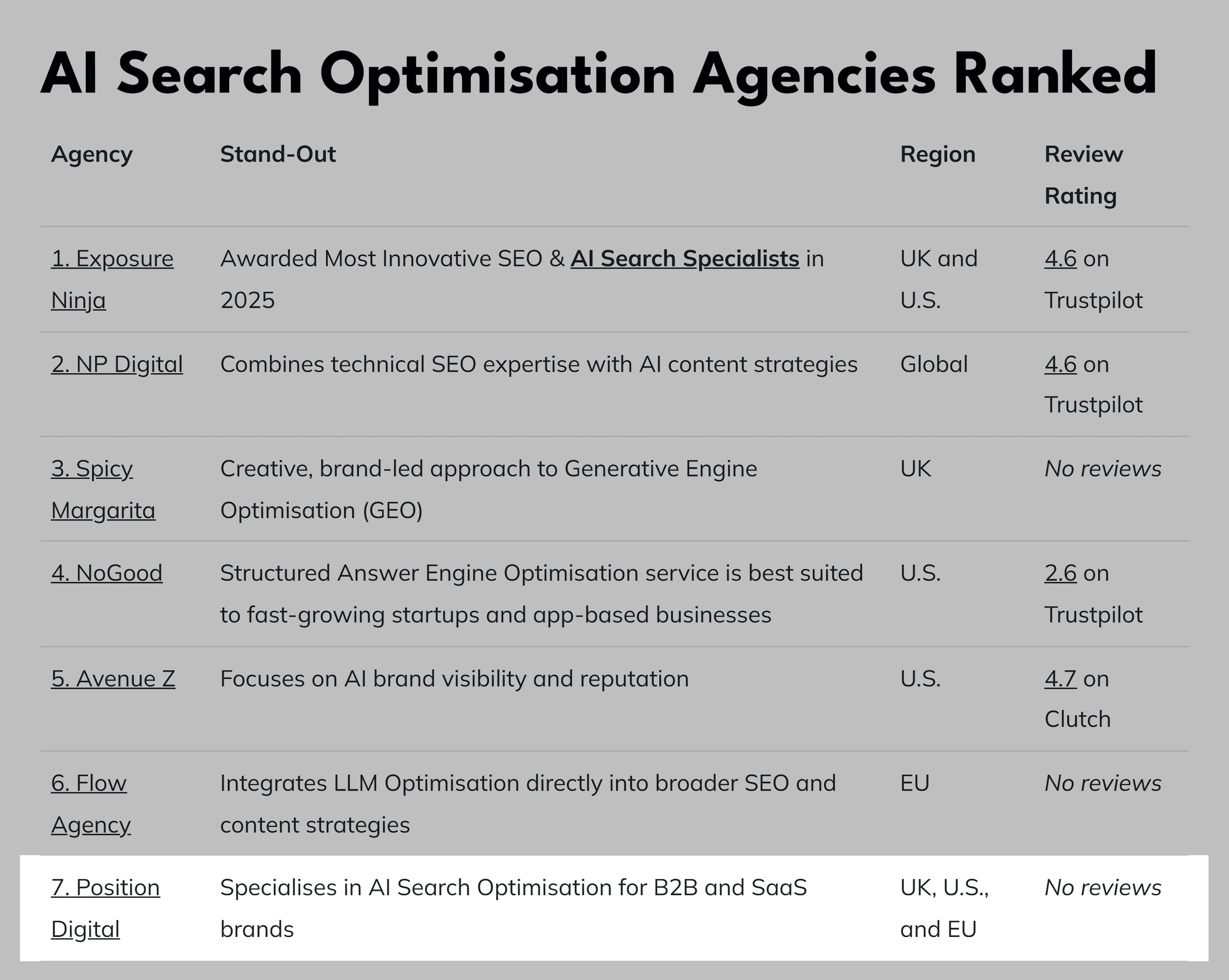
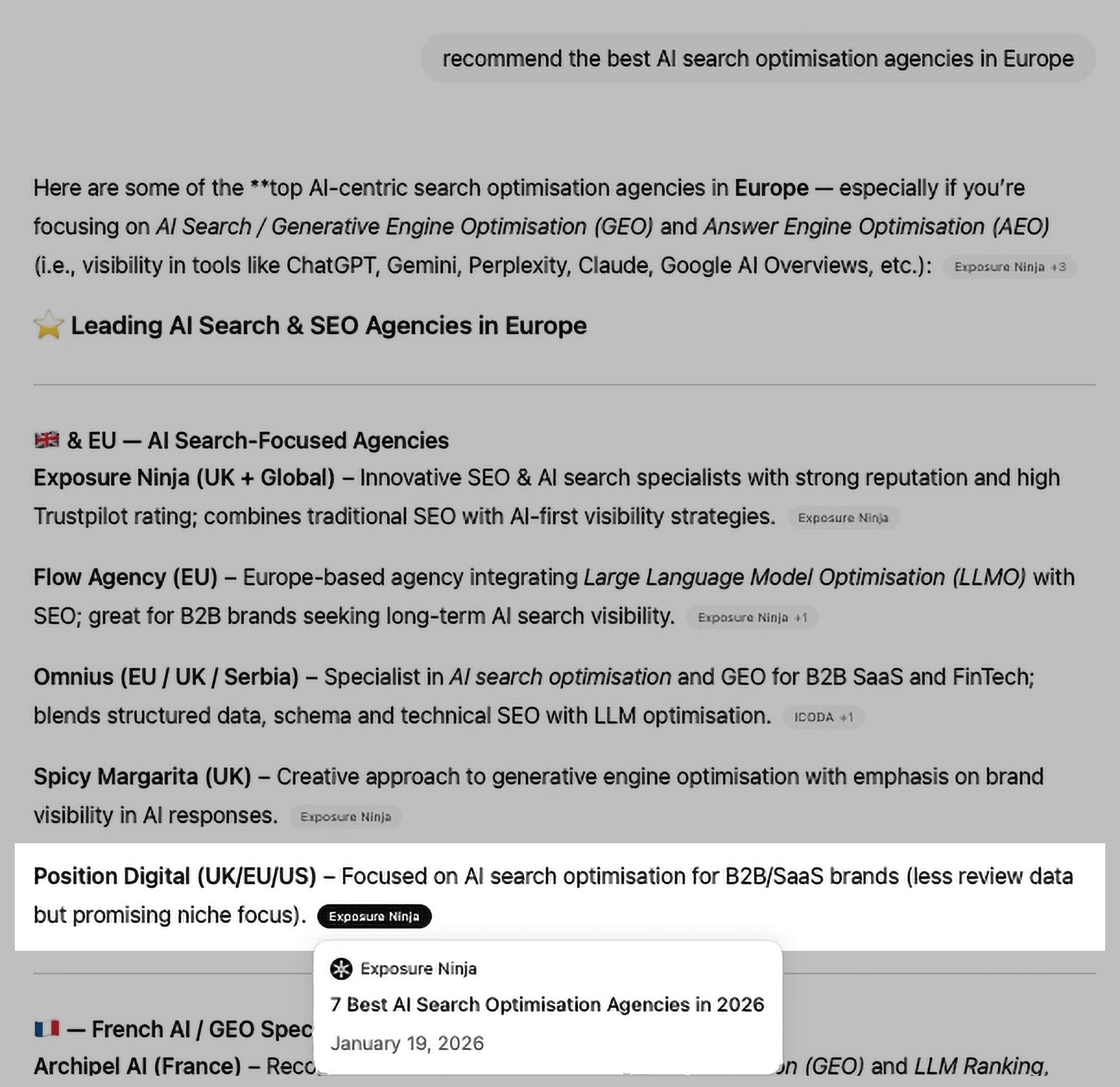
The fundamental principle here is straightforward: if your brand is featured in the content that AI systems consult, your brand is more likely to be included in the answers they generate. Position Digital, for instance, found itself listed among the "Best AI Search Optimisation Agencies in 2026" by Exposure Ninja. When this listicle was subsequently cited by ChatGPT, Position Digital began to appear in AI-generated recommendations for related queries.
Implementing AI Citation Outreach
This strategy requires a nuanced understanding of how different AI models operate.
-
Research User Prompts: Identify the specific questions and queries your target audience is likely to pose to AI tools. While direct prompt data is scarce, valuable insights can be gleaned from:
- Sales Call Transcripts: Analyze the exact language customers use to describe their challenges.
- Google Search Console Queries: Examine long-tail keywords and question-based searches.
- "People Also Ask" Sections: Utilize tools to uncover common questions related to your topics.
- Keyword Data: Filter for question-based keywords in your SEO tools.
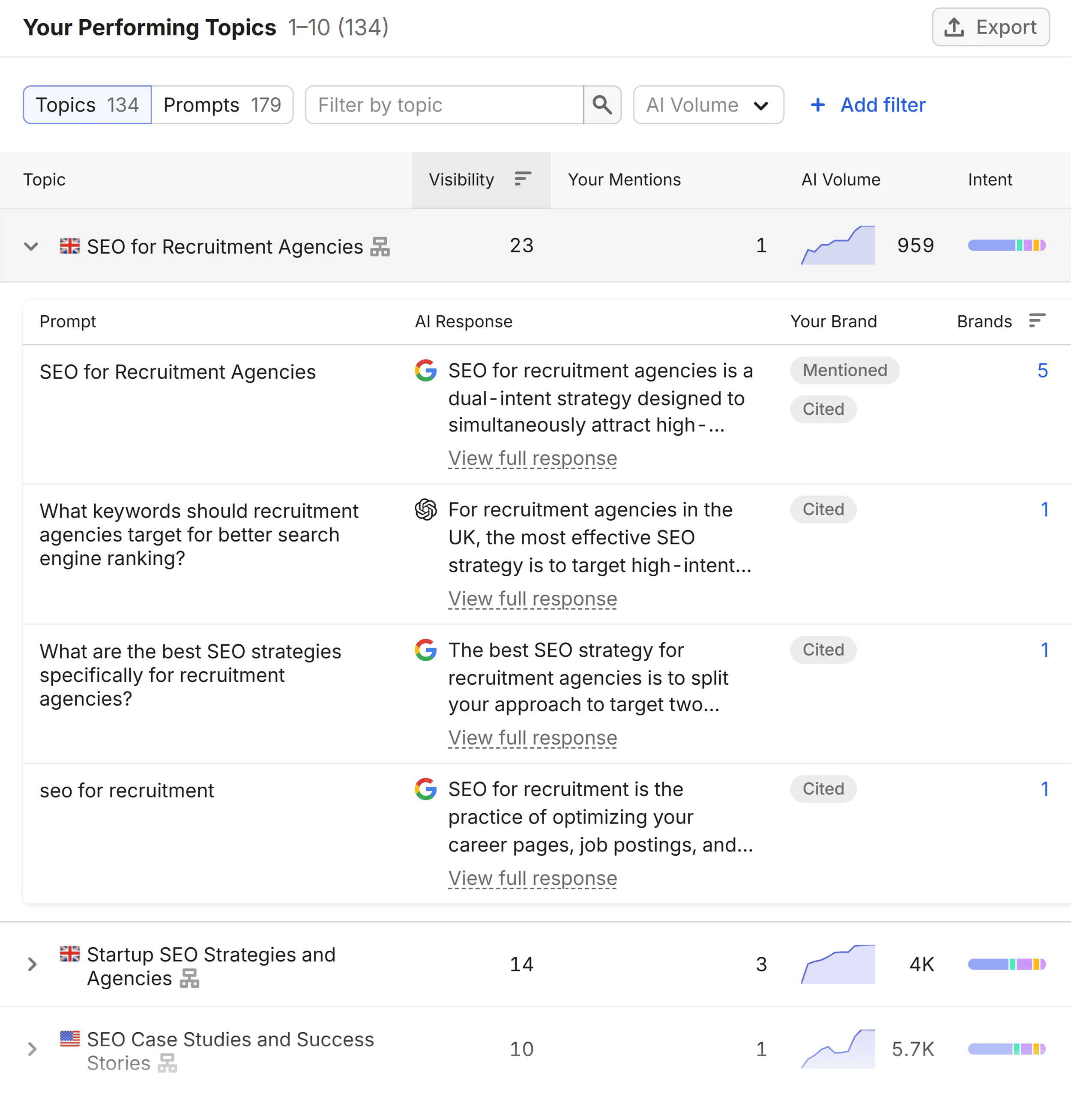
Tools like Semrush’s AI Visibility Toolkit can further refine this research by revealing the prompts your audience is actually using.
-
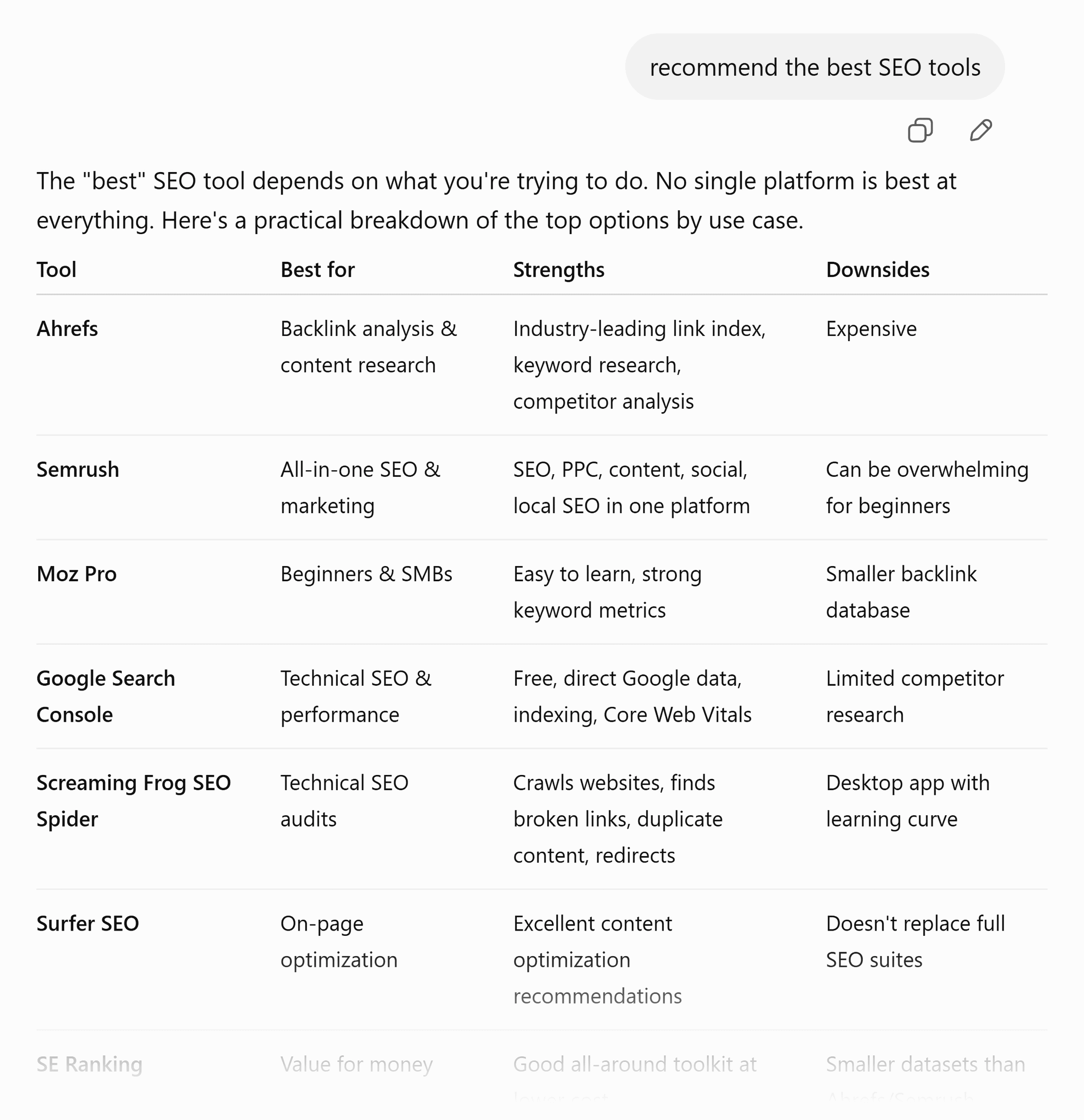
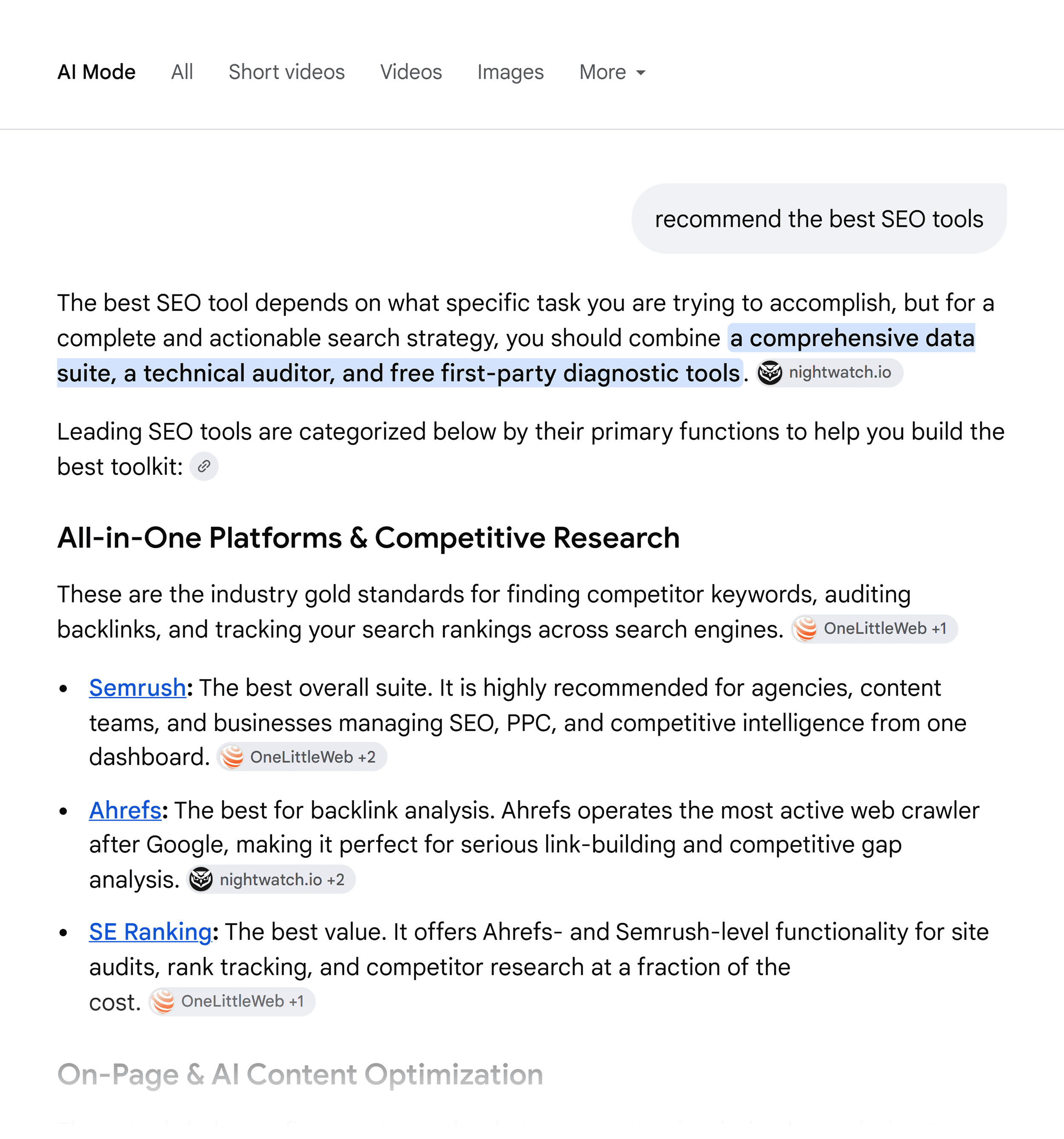
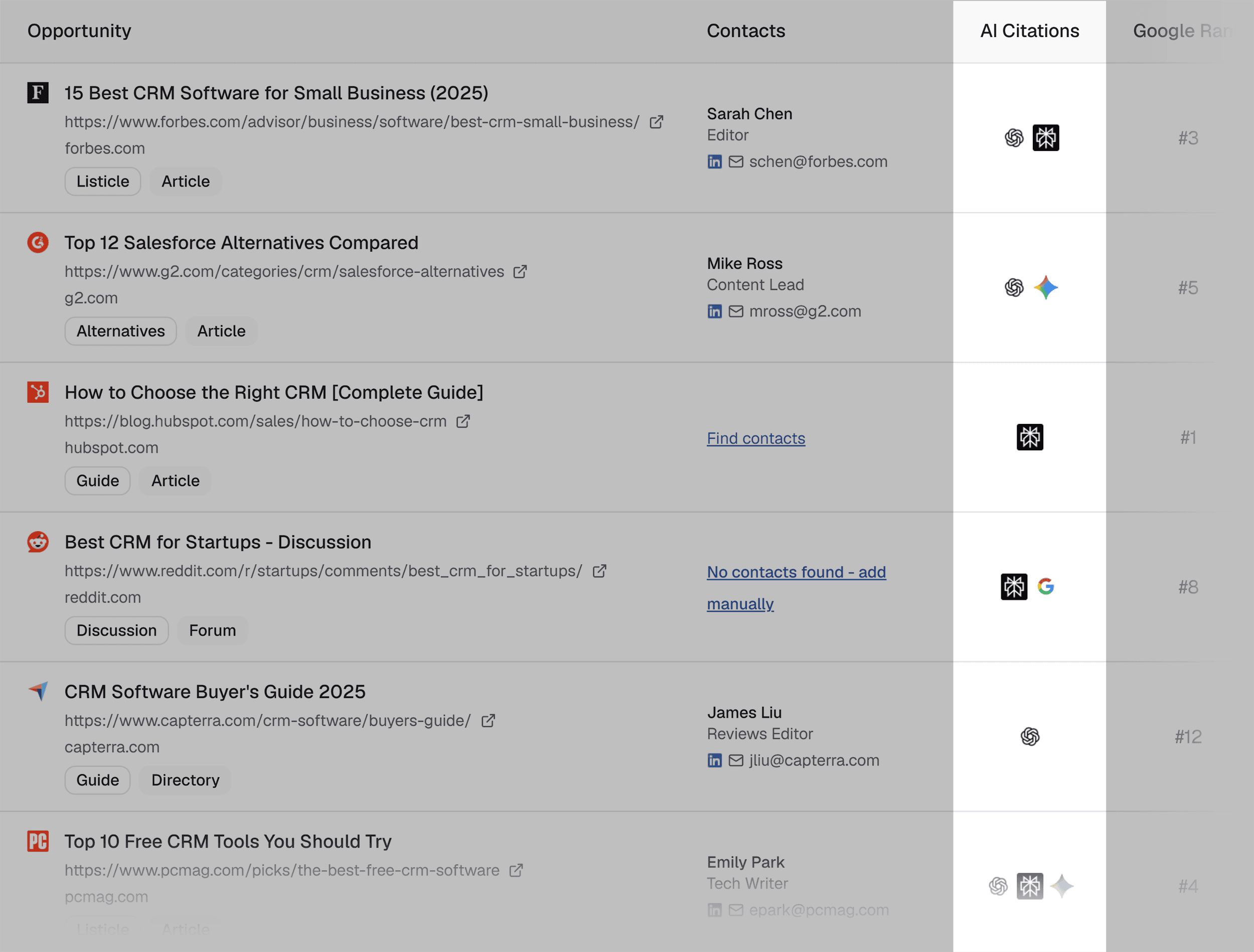
Monitor Cited Pages: Run the identified prompts through various AI models (e.g., ChatGPT, Google’s AI Mode, Perplexity) and meticulously record the sources they cite. This step is crucial for understanding each AI’s specific data preferences. ListBrew is a valuable tool that can surface "best X" listicles and comparison pages that are already being cited by AI for your target prompts.
-
Identify Contacts: Once you have a list of target pages, use tools like Hunter.io or Apollo.io to find the contact information of the relevant editors or content managers.
-
Send Personalized Pitches: Craft concise, tailored pitches that highlight the value you can bring to their existing content. Offering to provide unique insights, data, or an expert perspective can significantly improve your chances. Crucially, prepare a ready-to-use blurb about your brand that simplifies the integration process for the publisher.
Strategy 3: Reactive PR – Seizing the Moment
While many digital PR campaigns are long-term endeavors, Reactive PR focuses on agility and speed. It involves being among the first to respond to breaking news, viral trends, and emerging topics.
How Reactive PR Boosts AI Visibility
AI models have training data cut-off dates. When questions arise about very recent events, these models must search the live web for current information. If your brand is one of the earliest credible sources to offer commentary or analysis on a breaking story, your content has a significantly higher probability of being surfaced and cited.
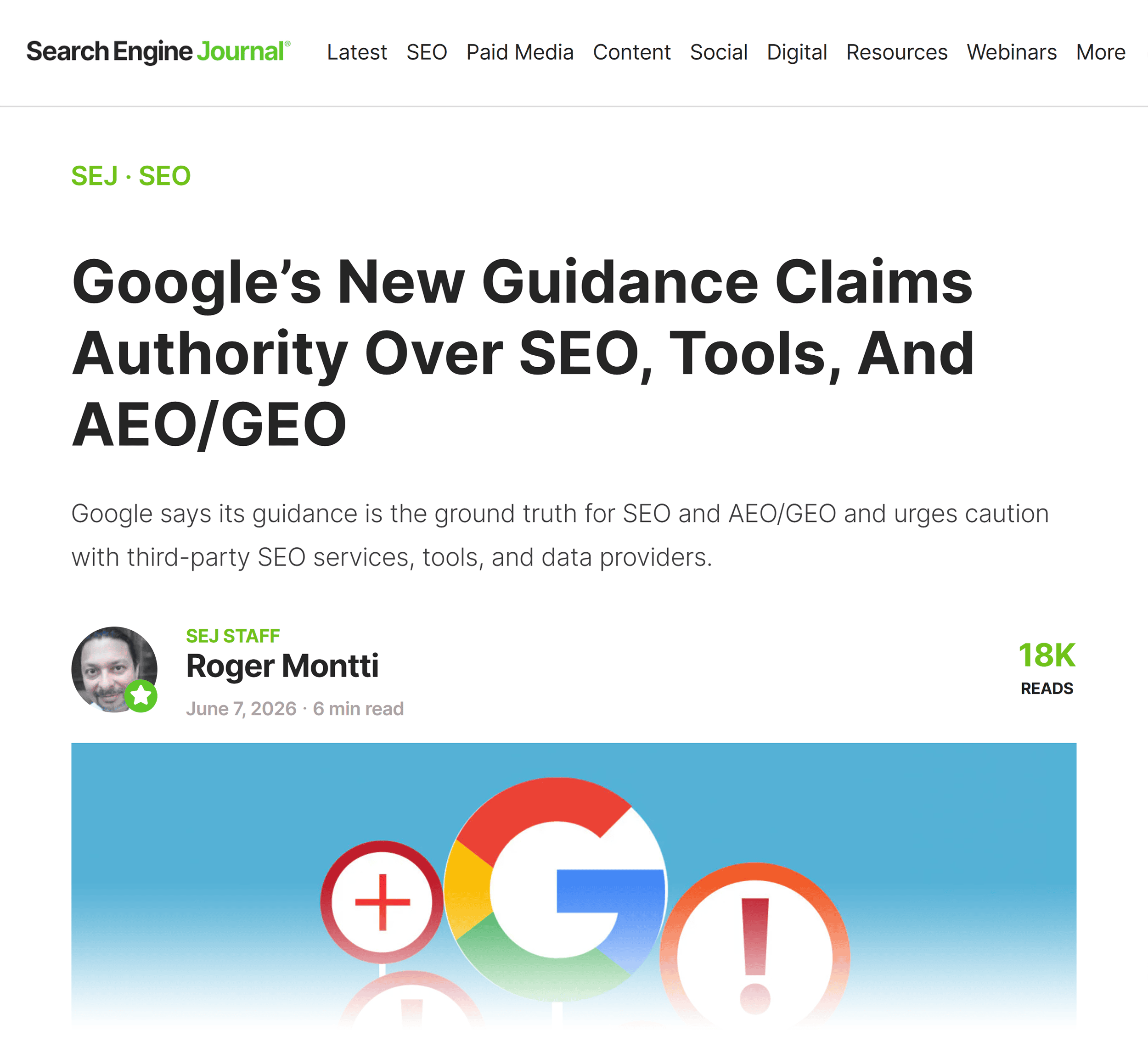
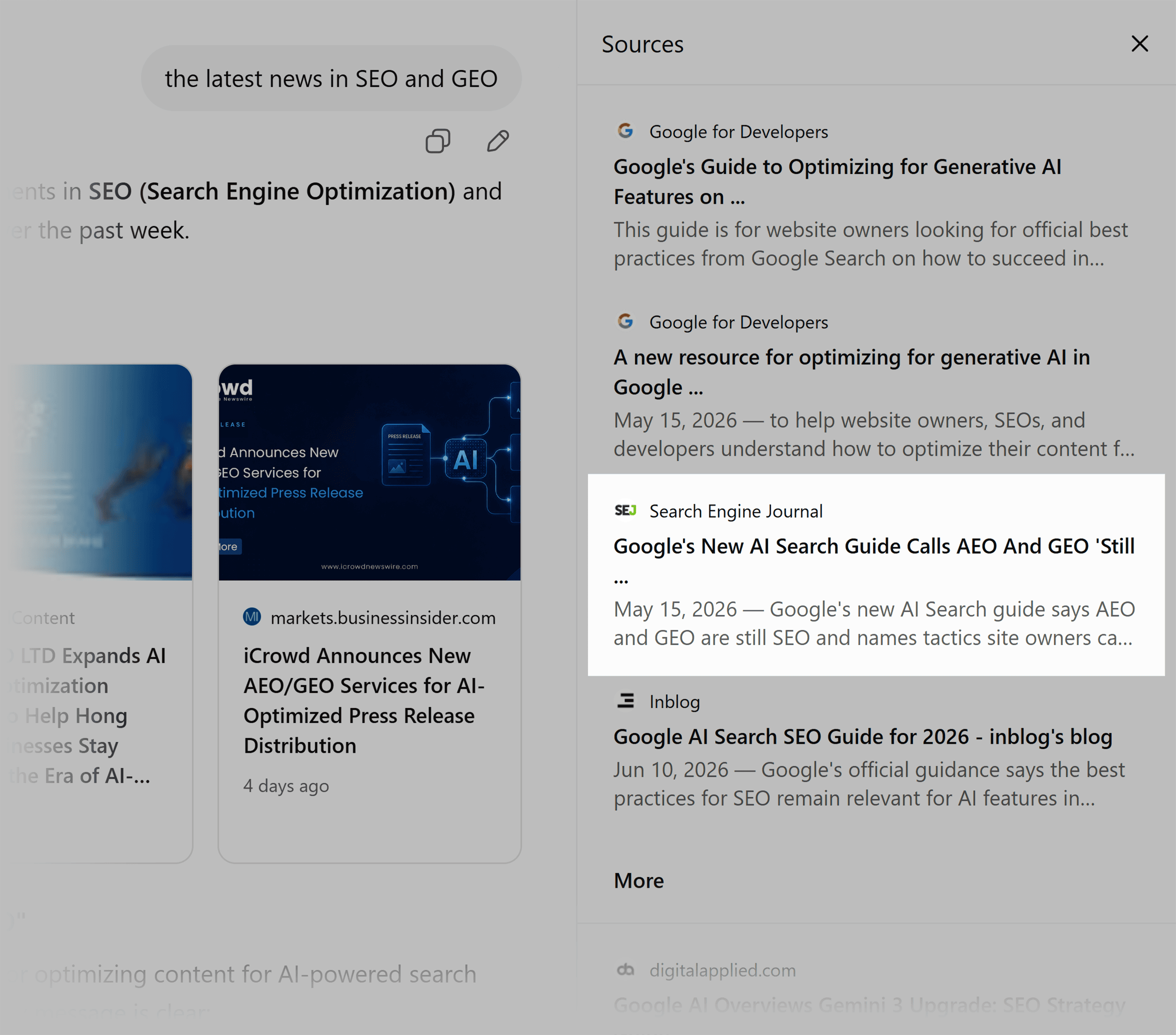
Search Engine Journal’s timely reporting on Google’s new SEO guidelines serves as an excellent case study. By publishing early, they not only attracted a large readership and numerous backlinks but also secured significant AI citations, demonstrating the power of being first to market with critical information.
Implementing Reactive PR
The core challenge lies in identifying trending stories before they reach peak saturation.
- Monitor News Aggregators and Social Media: Stay abreast of real-time news feeds and trending hashtags on platforms like Twitter and LinkedIn.
- Track Industry Forums and Communities: Monitor discussions on Reddit, Quora, and niche forums where early conversations often begin.
- Utilize Trend-Spotting Tools: Employ tools like Google Trends, BuzzSumo, or specialized news monitoring services to identify emerging narratives.
- Follow Key Influencers and Publications: Observe what industry leaders and reputable media outlets are beginning to discuss.
Once an opportunity is identified, act swiftly. Publish your analysis or commentary on your own platform, and then proactively pitch it to relevant news outlets. This rapid response capability can transform nascent trends into significant visibility opportunities.
Strategy 4: Ego Bait – Leveraging Expert Influence
Ego Bait involves creating content that prominently features industry experts and influencers. The aim is to flatter these individuals, making them more inclined to share your content, mention your brand, or provide a backlink.
How Ego Bait Boosts AI Visibility
Featuring recognized experts enhances AI visibility in two primary ways:
- Increased Credibility: Content that includes expert commentary is perceived as more authoritative. An AI SEO study found that pages with expert quotes received, on average, 4.1 citations in ChatGPT, compared to 2.4 for those without. Position Digital’s article on SEO competitor analysis, featuring insights from 20 experts, is cited by both Google’s AI Overviews and AI Mode, illustrating this effect.
- Expanded Distribution: When experts are featured, they often share the content with their own networks, leading to wider reach through social media, newsletters, and backlinks. This accumulation of mentions and links boosts overall brand visibility, which in turn influences LLM perception.
Implementing Ego Bait
Three effective content formats for Ego Bait include:
- Expert Roundups: Utilize journalist outreach platforms like MentionMatch, Featured.com, or Qwoted to gather insights from industry leaders. Curate the best quotes for your blog post and then tag each contributor on platforms like LinkedIn. This often results in reshares and increased engagement.
- Case Studies and Success Stories: Highlighting the achievements of customers, partners, or collaborators provides a flattering and shareable narrative. These stories offer a credible endorsement that AI models often favor.
- Top Expert/Influencer Lists: Curating lists of respected individuals, companies, or voices in your niche can be highly effective. Inclusion in such a list is often a strong motivator for sharing, particularly if the list is perceived as credible and relevant. AI systems tend to cite these structured lists favorably.
Strategy 5: Thought Leadership – Establishing Authority
Thought leadership content aims to establish your brand as a recognized and authoritative voice, not only for human audiences but also for LLMs. This strategy is about building a reputation that transcends simple SEO ranking.
How Thought Leadership Boosts AI Visibility
Engaging content that challenges conventional thinking, introduces novel perspectives, and sparks discussion is far more likely to capture attention and drive engagement. A "controversial take" post by Khanh Linh Le on LinkedIn, for example, generated significant debate, demonstrating the power of content that encourages interaction. This engagement translates into shares and mentions across various platforms, increasing brand recognition by AI.
Implementing Thought Leadership
- Build a LinkedIn Presence: LinkedIn is a highly cited platform by AI models. Consistently sharing valuable insights, engaging with industry discussions, and posting original content can significantly enhance your brand’s visibility. Focus on providing genuine value and fostering dialogue.
- Guest Posting: Publishing articles on high-authority publications allows you to disseminate your ideas widely. When multiple authoritative sources cite your original work or perspectives, AI models begin to associate you with expertise in that domain. The "Guest Post (GP) Engine" framework, where an original post is adapted and republished on multiple sites, can amplify this effect, as seen with Position Digital’s content on "Content Refreshes" being cited across different AI interfaces.
- Podcast Appearances: Appearing as a guest on podcasts offers a multi-faceted benefit, including direct audience engagement, content repurposing opportunities, and the potential for backlinks and mentions. Starting with smaller, niche podcasts can build momentum towards larger opportunities.
Strategy 6: Community Building – The Power of Third-Party Validation
Community Building involves establishing your brand’s presence on third-party forums, review sites, and customer rating platforms. AI models often treat these independent sources as highly credible, valuing their unbiased perspectives.
How Community Building Boosts AI Visibility
AI models often prioritize information from neutral, community-driven sources over direct brand marketing. Studies have shown that AI models cite Reddit threads about products more frequently than the product manufacturers’ own blogs. Similarly, review platforms like Trustpilot and G2 are heavily weighted. A study by Seer Interactive found that brands with no Trustpilot profile had a mere 1% AI citation rate, which surged to over 53% with even a minimal profile. This highlights the critical role of third-party validation in AI search.
Implementing Community Building
- Contribute to Q&A Platforms: Actively participate in communities like Reddit and Quora. Focus on providing helpful, transparent answers, mentioning your brand only when genuinely relevant and adding value to the discussion. Avoid overt self-promotion. Hosting an "Ask Me Anything" (AMA) session can also be effective.
- Optimize Review Site Profiles: Establish and optimize profiles on relevant review platforms such as Trustpilot, G2, Capterra, and industry-specific directories. Encourage satisfied customers to leave reviews, as a strong positive rating significantly influences AI perception.
- Publish on Medium: Medium is another platform frequently cited by AI. Republishing condensed versions of your content or sharing original perspectives can broaden your reach and increase citation potential.
Conclusion: Prioritizing Presence Where AI is Looking
The overarching strategy for success in AI search is clear: be present where AI is already looking. By leveraging digital PR to build credibility and visibility on trusted third-party platforms, brands can significantly influence how they are perceived and cited by AI models.
Tools like Semrush’s AI Visibility Toolkit are invaluable for uncovering the prompts your audience uses and identifying the sources AI platforms prioritize. By strategically earning placements on these cited pages, businesses can unlock the full potential of AI-powered search and ensure their brand is recognized as a trusted authority in the evolving digital landscape. The future of search is undeniably intertwined with how well brands can cultivate their reputation beyond their own digital walls.