The definitive guide to social intelligence tools and how to decode audience sentiment at scale

In the modern digital landscape, the most valuable consumer data is not captured through formal surveys or focus groups, but through the spontaneous, unprompted expressions of millions of users across the social web. As consumers flock to platforms like Reddit, TikTok, and niche community forums to vent, share recommendations, and debate products, the chasm between basic brand monitoring and sophisticated social intelligence has widened. Social intelligence represents the next evolution of digital strategy, moving beyond vanity metrics—such as likes and shares—to provide a holistic, data-driven understanding of market trends, consumer pain points, and cultural shifts.

The Evolution of Social Data: From Listening to Intelligence
For years, organizations relied on social media analytics to track the performance of owned content and social listening tools to monitor brand mentions. While these functions remain critical for day-to-day operations and crisis management, they are increasingly insufficient for long-term strategic planning. Social media analytics focus primarily on performance metrics like reach, clicks, and impressions. Social listening, by contrast, gathers and interprets conversations centered on specific keywords, competitors, and industry-wide topics.
Social intelligence bridges the gap between these data points and actionable business strategy. By integrating listening data with broader market, consumer, and competitive context, businesses can transition from reactive reporting to proactive decision-making. According to industry experts, the shift to intelligence is marked by an organization’s move away from purely measuring campaign ROI and toward a deeper, more granular understanding of how to exist in digital spaces naturally.
A Chronology of Digital Sentiment Analysis
The history of social listening can be traced back to the early 2010s, when brands first began using rudimentary keyword trackers to manage their public image. As social media platforms diversified, the volume of data became unmanageable for manual tracking. By 2016, the integration of sentiment analysis—using natural language processing (NLP) to classify the emotional tone of text—became standard practice.
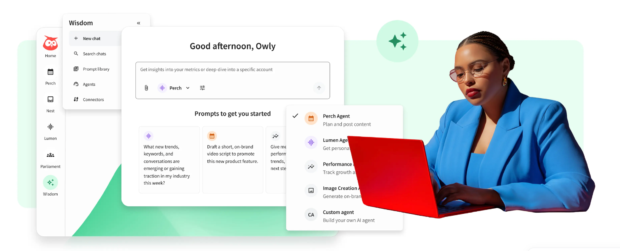
The post-2020 era introduced the "AI-first" paradigm. The emergence of generative AI and Large Language Models (LLMs) changed the requirements for social intelligence software. It was no longer enough to identify a surge in volume; organizations now demanded to know the "why" behind every trend. Today, platforms are expected to perform real-time noise reduction, distinguishing genuine consumer feedback from bot activity, spam, and irrelevant chatter.
Comparative Analysis of Leading Intelligence Platforms
As of late 2026, the marketplace for social intelligence is dominated by tools that leverage proprietary AI to synthesize billions of data points.
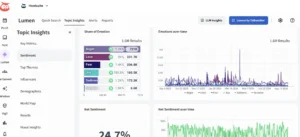
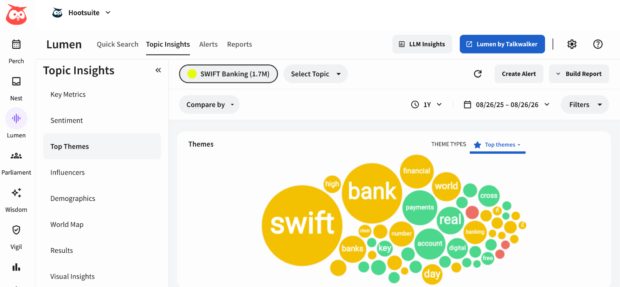
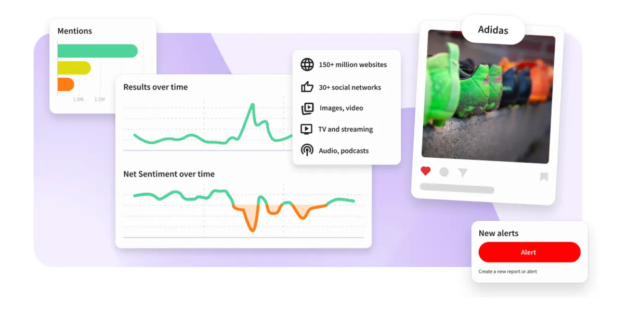
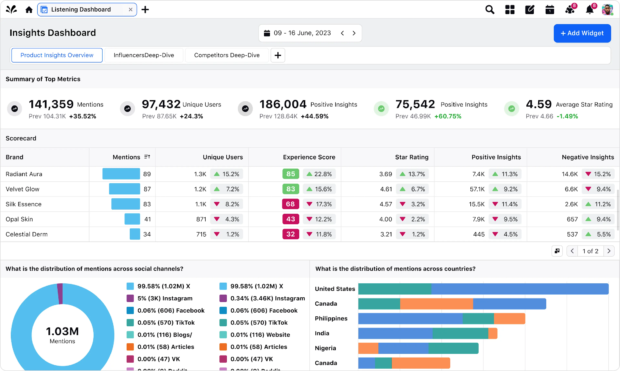
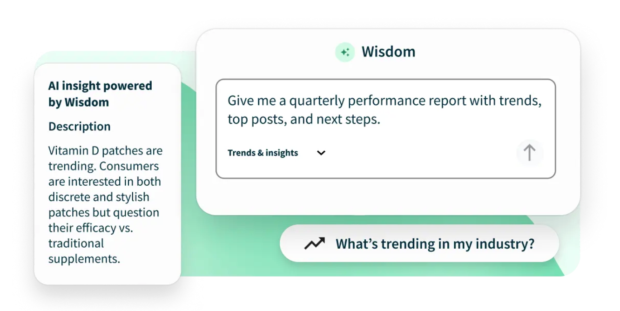
- Lumen (Hootsuite): Positioned for enterprise-level operations, Lumen tracks 150 million websites and over 30 social platforms. Its integration with the "Wisdom" AI agent allows users to query complex datasets using natural language, receiving responses supported by verifiable citations.
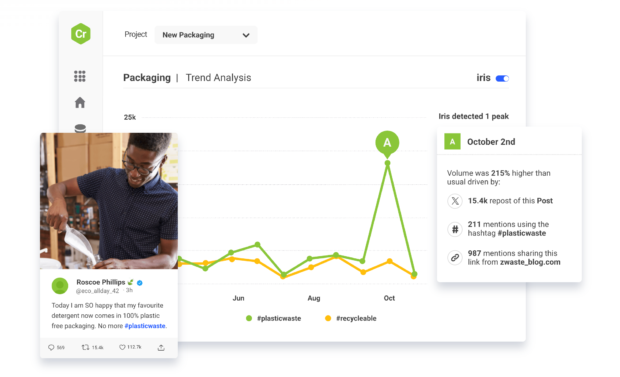
- Brandwatch: Known for its massive historical archive, Brandwatch provides access to over 1.6 trillion conversations since 2010. Its "Iris AI" is specifically engineered for trend spotting and visual recognition.
- Meltwater: Originally rooted in PR and media intelligence, Meltwater has expanded its capabilities to track visibility across LLMs and AI assistants like ChatGPT and Claude, making it a critical tool for reputation management in the age of AI.
- Sprinklr: This platform is optimized for customer experience (CX) teams, integrating social intelligence with customer service workflows to ensure that data gathered from listening is immediately funneled into operational improvements.
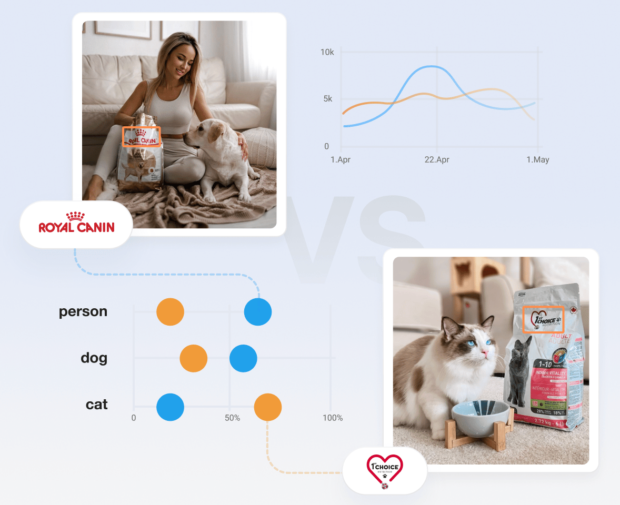
- YouScan: Tailored for visual-first brands, YouScan uses advanced image recognition to detect logos and objects in consumer photos, offering a perspective that text-based tools often miss.
- Audiense: Focusing on audience profiling, this tool leverages 3 billion consumer profiles to help marketers test campaign messaging against simulated personas before a formal launch.
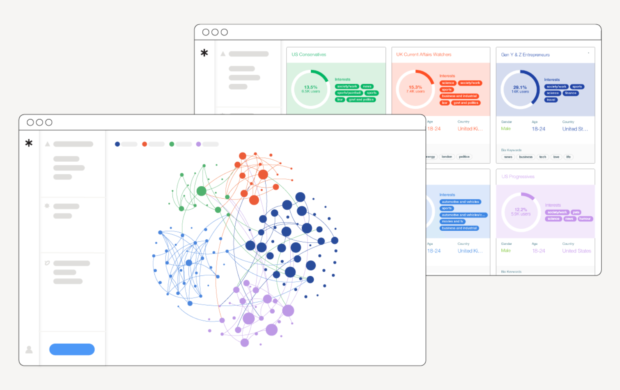
- Pulsar: Specializing in audience segmentation, Pulsar excels at identifying distinct communities within a broader market, mapping how different demographics discuss the same topic with varying nuances.
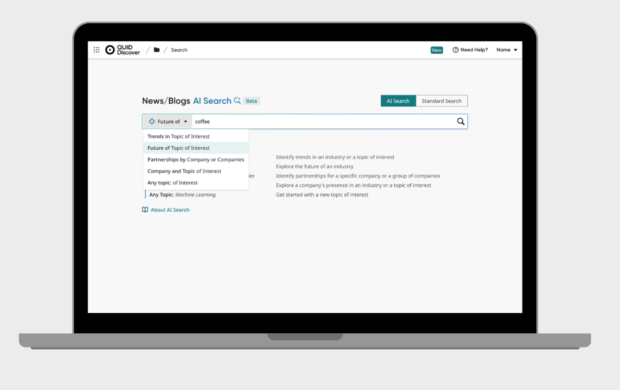
- Quid: Standing apart for its predictive capabilities, Quid analyzes social, broadcast, and patent data to forecast shifts in consumer demand, serving as an essential tool for retail and pharmaceutical sectors.
Data Coverage and the "Noise" Challenge
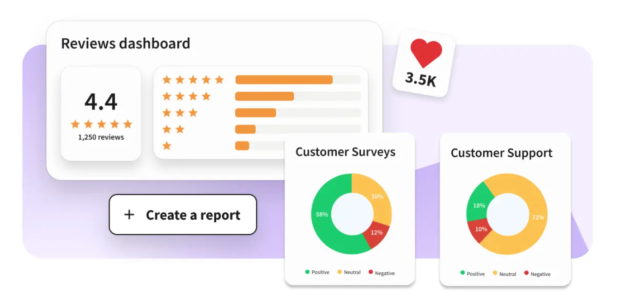
A primary differentiator between high-end intelligence tools and basic monitoring is the breadth and depth of data coverage. Modern intelligence requires access to both public social feeds and private, niche digital environments. As noted by industry practitioners, the most critical "whitespace" opportunities are often found in online review sites and customer support logs, which, when analyzed alongside social media, provide a comprehensive view of the customer journey.
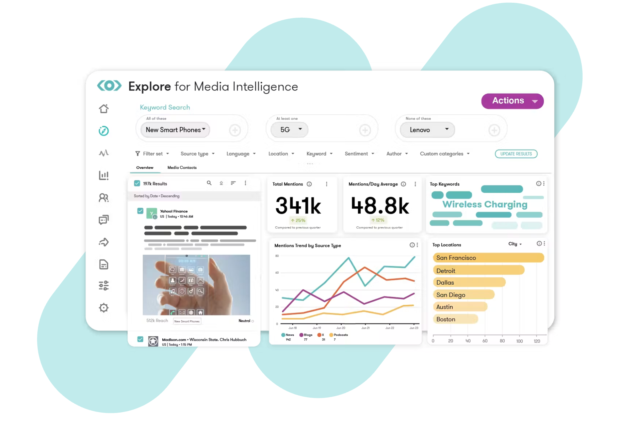
Noise reduction remains a significant technical challenge. For instance, a brand like "Apple" faces constant data contamination from users discussing the fruit versus the technology giant. A robust intelligence tool must employ sophisticated filtering to remove bots, spam, and "dead-weight" chatter. Effective tools utilize clustering, a feature that groups similar conversations to reveal what consumers are discussing beyond the specific brand mentions an organization initially went hunting for. This reveals broader cultural phenomena, such as how a specific product category is linked to larger socio-economic issues.
The Role of AI in Actionable Intelligence
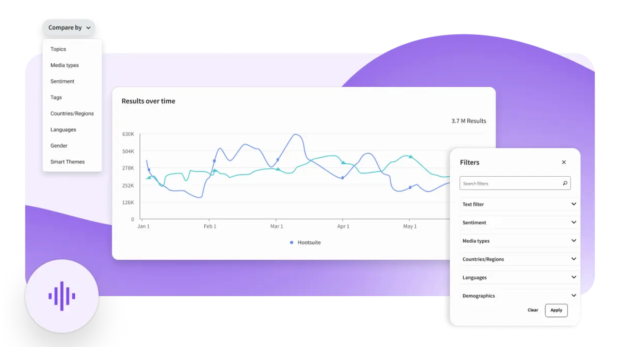
The true value of modern intelligence tools lies in their capacity for synthesis. Marketers are currently saturated with metrics, yet they face a deficit of insights. Generative AI is increasingly used to summarize enormous data volumes and provide context for unusual spikes in conversation.
For example, a 700% increase in brand mentions is a metric; understanding that this spike was driven by a specific influencer partnership, a viral video, or an organized spam campaign is intelligence. The best-in-class tools, such as Hootsuite’s Wisdom or Meltwater’s Mira AI, ensure that these AI-generated insights are grounded in data and traceable to their sources. This transparency is vital for corporate stakeholders who must justify marketing investments based on data-backed conclusions.

Strategic Implications for the Enterprise
The shift toward social intelligence has profound implications for corporate structure. Organizations that successfully implement these tools often see improved collaboration between PR, customer service, marketing, and product development departments. Because these tools provide a 360-degree view of consumer sentiment, they can inform product roadmaps, adjust pricing strategies, and sharpen brand positioning in real-time.
Furthermore, the predictive power of these tools—particularly those like Quid or Pulsar—allows businesses to move from a reactive posture to a predictive one. By identifying a narrative trend before it reaches the mainstream, brands can craft communications that resonate with the cultural zeitgeist rather than merely chasing it.
Future Outlook and Digital Literacy
As the sophistication of these tools grows, so too does the need for digital data literacy within the workforce. A platform is only as effective as the team operating it. Organizations must move toward a culture where data is democratized; the goal is for non-technical team members to be able to extract meaningful insights without needing a data scientist to interpret the dashboard.
The selection of a social intelligence tool should therefore involve a rigorous assessment of usability. During a demo, stakeholders should ask: "Can this tool improve our team’s understanding of social data over time?" If a tool requires a permanent intermediary to translate its outputs, it may fail to provide the agility required in a rapidly changing market.
Ultimately, the integration of advanced social intelligence is no longer a luxury for global corporations; it is a prerequisite for survival. By listening to the unprompted, spontaneous, and unfiltered voices of their audience, brands can foster a deeper connection with their consumers, mitigate risks before they escalate into crises, and stay at the forefront of the evolving cultural conversation. The path forward for competitive brands lies in the ability to turn the cacophony of the social web into a clear, strategic signal.