Navigating the Facebook Verification Maze: How to Secure and Maintain the Coveted Blue Checkmark

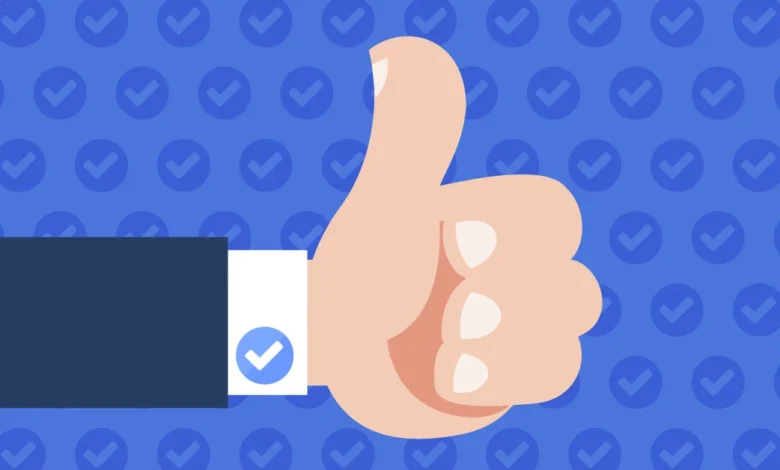
For brands, public figures, and prominent influencers operating on Meta’s flagship social media network, the emergence of sophisticated impersonation campaigns has turned profile authenticity into a critical operational necessity. Bad actors frequently establish duplicate pages to siphon web traffic, mislead consumers, and damage brand equity. To combat this pervasive issue, Meta offers a powerful countermeasure: the verification badge. Represented by a distinctive blue checkmark positioned adjacent to an account name, this symbol serves as an official stamp of authenticity, assuring audiences that they are interacting with the genuine article rather than an impostor.
Beyond its primary function as a trust signal, the verification badge carries significant commercial value. Verified Facebook Pages often experience favorable algorithmic treatment, translating to enhanced visibility in platform search results and making it considerably easier for prospective customers to locate official corporate entities. However, the path to acquiring this digital credential has long been characterized by a lack of transparency. The application evaluation process remains opaque, and submission acceptance is never guaranteed. Understanding the history of the verification system, the precise requirements mandated by Meta, and the proactive steps necessary to bolster an application can drastically improve an entity’s prospects of approval.
A Brief History of the Facebook Verification Ecosystem
The conceptual framework of social media verification originated over a decade ago. In May 2013, Meta—then operating under the corporate moniker Facebook—adopted a strategy previously pioneered by Twitter, rolling out verified pages and profiles designed specifically for high-profile public figures, major journalists, global brands, artists, and prominent organizations. Initially, the feature was strictly gatekept, reserved exclusively for individuals and entities facing a high, demonstrable risk of impersonation due to their offline prominence.

As the digital landscape matured, the platform expanded its accessibility criteria. By 2018, Meta began extending verification eligibility to Pages boasting substantial, engaged followings, regardless of whether the entity held traditional mainstream celebrity status. In recent years, the parameters have evolved further to encompass individual personal profiles, provided the account holder commands an audience size that meets specific internal thresholds.
Concurrently, the visual markers of credibility have undergone refinement. In the early years, the platform experimented with various iterations, including gray checkmarks for local businesses and specific Marketplace verification tiers. Ultimately, Meta streamlined its trust architecture, deprecating alternative markers in favor of the universal blue checkmark, which remains the single definitive indicator of an authenticated profile or Page.
The Multi-Step Verification Application Framework
Initiating the verification request process is technically straightforward, requiring users to complete a dedicated page verification request form hosted within the platform’s help center. However, prior to submitting documentation, applicants must carefully select whether they are seeking validation for a personal profile or a business Page. Logging into the primary account automatically populates the interface with eligible destinations associated with the user credentials, while profile applications require little more than the direct URL.
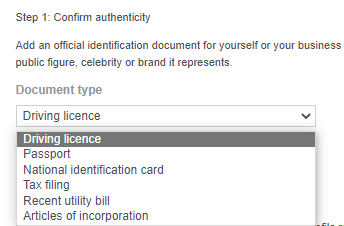
Step one completed, applicants must proceed to confirm their physical and legal identity. To prevent bad actors from gaming the system, Meta enforces strict document submission protocols. Acceptable forms of identification vary depending on the issuing jurisdiction, but generally include government-issued photo identification such as a driver’s license or passport. For corporate entities, the platform accepts official documentation including tax filings, articles of incorporation, or utility bills confirming business operations. These documents must be scanned and securely uploaded directly through the application portal.

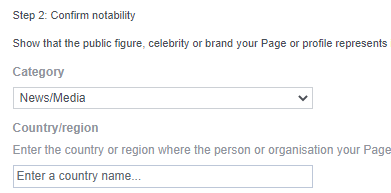
The third and most rigorous phase requires establishing notability. Meta’s evaluation teams must determine whether an account is in the public interest and faces a genuine risk of being impersonated. Applicants are prompted to select their account category, primary geographic operating regions, and audience demographic characteristics. Furthermore, applicants must furnish up to five independent digital links—ranging from news articles and industry publications to external official websites—that conclusively demonstrate the public footprint and cultural or commercial relevance of the brand. Paid or promotional placements are systematically excluded from this evaluation. Once submitted, the review timeline typically ranges from 48 hours to 45 days, concluding with an official notification via email detailing the final decision.
Strategic Optimization: Six Tactics to Elevate Approval Odds
Because the review criteria prioritize authenticity, uniqueness, completeness, and notability, proactive optimization of an online presence prior to application submission is paramount. Digital marketing strategists recommend six core practices to satisfy Meta’s rigorous evaluative standards.
First, comprehensive data hygiene is essential. Organizations must audit their existing digital infrastructure, ensuring that company names, addresses, contact telephone numbers, and operational hours match across all online touchpoints. Discrepancies between official corporate registries and social media listings frequently trigger immediate application rejections.
Second, depth of detail directly correlates with perceived credibility. Populating the "About" section of a Facebook Page with exhaustive background information regarding the enterprise’s founding, leadership, and mission statement provides reviewers with necessary contextual data.
Third, maintaining strict brand professionalism is non-negotiable. The aesthetic and tone of a Facebook Page must mirror the established real-world identity of the enterprise. Content that undermines public credibility, exhibits poor editorial judgment, or violates platform norms must be systematically purged or revised before an application is tendered.
Fourth, cross-channel digital validation reinforces authenticity. Business entities must ensure that their official website prominently features a direct hyperlink to their official Facebook Page, and conversely, that the Facebook Page links cleanly back to the primary web domain. This reciprocal linking structure signals robust organizational legitimacy to automated and human reviewers alike.
Fifth, utilizing dedicated business assets provides a structural advantage. Brands operating under personal profiles are strongly advised to migrate their activities to a formal Facebook Business Page. These environments offer native integration with professional management suites, advanced analytics, and structured data fields that inherently align with Meta’s verification prerequisites.
Finally, cultivating an active, organic community is indispensable for satisfying the notability requirement. High engagement rates, consistent publishing schedules, and robust audience interaction demonstrate that a brand commands genuine public interest, thereby justifying the assignment of a verification badge.
Post-Approval Governance: Protecting and Maintaining the Badge
Securing the blue checkmark represents only the initial phase of credential management; maintaining the badge requires ongoing vigilance and strict adherence to platform policies. Digital security experts universally recommend the immediate implementation of two-factor authentication (2FA) upon receiving verification. Because verified accounts represent high-value targets for sophisticated cybercriminals and phishing rings, adding secondary authentication barriers—such as hardware security keys or authenticator app codes—significantly reduces the risk of unauthorized account hijacking.
Additionally, verified account holders are held to rigorous behavioral standards. While all users must comply with foundational Community Standards, verified entities face heightened scrutiny regarding intellectual property rights, privacy violations, and image privacy rights. Utilizing user-generated content or cross-posting media without proper authorization can result in immediate punitive measures, including the outright revocation of the verification badge.
Broader Implications for Brand Trust and Digital Marketing
The ongoing evolution of social media verification highlights a broader transformation in digital consumer behavior. In an era dominated by synthetic media, generative AI impersonations, and rampant online fraud, verifiable digital identity has transitioned from a vanity metric to a fundamental component of enterprise risk management.
For digital marketers and brand custodians, securing and protecting a verified status directly impacts conversion rates, customer confidence, and search visibility. As platforms continually refine their trust architectures, organizations that maintain pristine digital footprints, robust cybersecurity protocols, and consistent brand messaging will remain best positioned to navigate the complexities of platform verification, safeguarding their brand equity in an increasingly crowded digital marketplace.
Related posts: