Instagram analytics provide invaluable insights into content performance and audience demographics, yet many small and medium-sized businesses (SMBs) inadvertently prioritize superficial metrics, diverting resources from truly impactful strategies. While vanity metrics like likes and follower counts offer a fleeting sense of achievement, they seldom translate directly into measurable return on investment (ROI). True success on Instagram for SMBs hinges on discerning the right metrics and establishing a systematic approach to convert data into actionable strategies. This guide will meticulously break down the most crucial Instagram metrics for small businesses, detail effective tracking methodologies, and explain how to interpret these insights to refine and enhance Instagram marketing efforts, ultimately driving tangible business growth.
The Indispensable Role of Instagram Analytics for SMBs
For SMBs, Instagram analytics serve as a critical compass, illuminating precisely what content resonates with users, what they save for later, and what drives engagement. This data-driven approach replaces speculative content creation with informed decisions, ensuring that precious time and limited budgets are allocated to content formats and strategies that directly contribute to the bottom line. Unlike large corporations that can absorb the impact of less successful campaigns, lean SMB teams operate with finite resources where every piece of content must propel the business forward. Analytics empower small businesses to achieve this objective through two primary avenues: directly linking Instagram activity to revenue and leveraging insights for strategic growth.
Linking Instagram Analytics Directly to Revenue: The Power of Trackable URLs
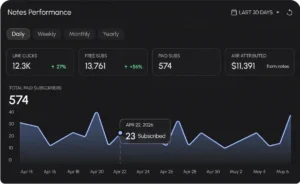
The ultimate goal of social media engagement for any business is its conversion into a sale, a booking, a website visit, or another tangible business outcome. Instagram provides several mechanisms to bridge this gap, predominantly through trackable links embedded in direct messages (DMs), Stories, and the profile bio. To effectively tie social interactions to revenue, the use of trackable URLs is paramount. Implementing UTM (Urchin Tracking Module) parameters is a fundamental practice. These short text codes can be appended to URLs, allowing analytics tools to identify the source, medium, and campaign that directed traffic to a specific landing page. For instance, a local artisan selling handmade jewelry could share a Story featuring a new collection. By embedding a unique UTM-tagged link, they can precisely track how many users clicked through from that specific Story, differentiating it from clicks originating from their bio link or a separate email campaign. If, for example, a Story promoting a flash sale generates 50 taps and results in 15 direct purchases, the business gains clear evidence of that Story’s direct revenue impact.
This level of granular tracking extends across various Instagram touchpoints. The "link in bio" remains a high-value asset, especially when optimized with tools like SproutLink (as offered by Sprout Social Essentials), which allows for multiple landing pages from a single, trackable URL. Link stickers in Stories, direct messages containing personalized offers, and even shoppable posts (where applicable) can all be equipped with UTM parameters. This comprehensive tracking not only reveals which specific content pieces are driving traffic but also provides insights into the user journey, helping businesses understand which content types are most effective at moving users down the sales funnel. According to recent industry reports, social commerce is projected to grow significantly, making robust link tracking an increasingly vital component of an SMB’s digital strategy. Without it, even high engagement might be perceived as a success, while its true financial impact remains opaque.

Leveraging Instagram Analytics for Strategic Growth: Identifying Patterns and Optimizing Content
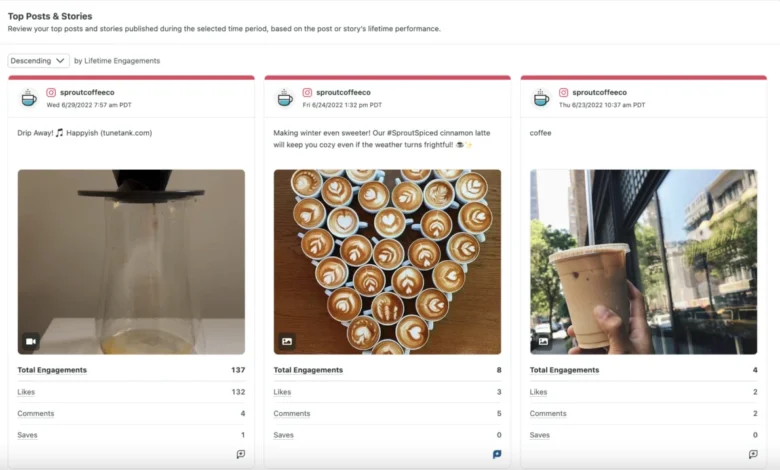
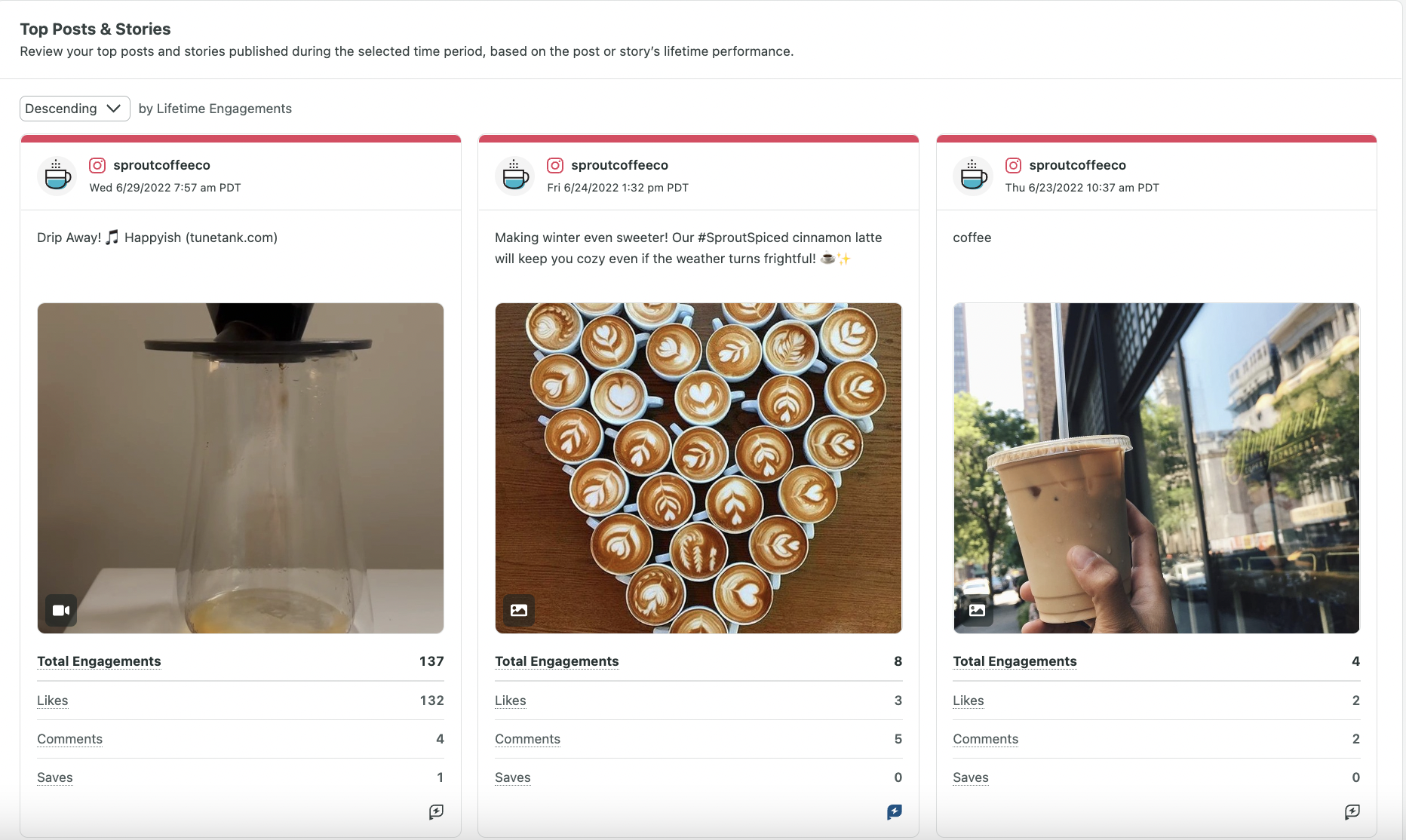
Beyond direct revenue attribution, Instagram insights enable SMBs to make more informed decisions about content creation, target audience refinement, and resource allocation. The most effective starting point for strategic growth is a thorough review of historical performance. By analyzing top-performing posts from the past 30, 60, or 90 days, businesses can identify recurring patterns that reveal what truly resonates with their audience. This includes understanding which content formats (Reels, Carousels, static images, Stories) achieve the highest reach, engagement, or conversions, which themes or topics garner the most interest, and even what posting times yield optimal results.
Consider a local coffee shop. Their analytics might reveal that Reels showcasing intricate latte art consistently achieve the highest reach and new followers, suggesting these are effective for brand awareness. Conversely, carousels detailing new seasonal menu items or explaining the coffee sourcing process might generate the most saves and website clicks, indicating their utility for driving deeper interest and potential sales. This distinction allows the coffee shop to strategically align content formats with specific business objectives: utilizing Reels for broad audience expansion and carousels for cultivating customer loyalty and direct conversions. This cyclical process of analyzing, identifying patterns, and then shaping the content calendar accordingly is how Instagram analytics transition from mere reporting into a dynamic tool for strategic workflow adjustment. Instead of simply documenting past performance, SMBs use this data to decide what content to replicate, what to refine, and what to discontinue, ensuring every future post is purposeful and data-backed. This iterative approach is crucial for optimizing limited resources and maximizing the impact of every piece of content published.
Key Instagram Metrics Every Small Business Must Track
Instagram metrics for SMBs typically fall into several categories, including engagement, reach and impressions, audience demographics, and conversion metrics. However, not all metrics hold equal weight. While high follower counts and numerous likes might flatter, they often fail to convey meaningful business momentum. These "vanity metrics" are largely passive; a user can like a post in half a second without truly engaging. Small businesses must shift their focus to metrics that indicate deeper user intent and traction, such as comments, saves, shares, clicks, and crucially, follower growth rate (as opposed to just the absolute follower count).
These deeper engagement metrics are not merely isolated data points; their interrelationship provides a holistic view of brand health and content effectiveness. For example:
- A post with high saves but low comments suggests the content is valuable and worth revisiting but perhaps doesn’t spark conversation.
- High shares indicate content that is highly relatable or thought-provoking, prompting users to spread it within their network.
- A surge in website clicks from a specific Story points to a compelling call-to-action and relevant content that drives immediate action.
Understanding these connections allows SMBs to move beyond superficial numbers and truly grasp how their audience interacts with their brand.
Tracking Engagement Metrics: Beyond the Like Button
Engagement metrics reveal the strength of your content’s resonance with your audience. For SMBs, prioritizing the right types of social media engagement is paramount. While likes are a basic indicator of approval, metrics like saves, shares, and comments demand more active participation from the user, offering richer insights into content effectiveness.
- Comments: These signify a user’s willingness to invest time and thought into responding to your content, fostering community and indicating a strong emotional or intellectual connection.
- Saves: When users save a post, it suggests they perceive it as valuable, useful, or inspiring enough to revisit later. This is a powerful indicator of content utility and relevance.
- Shares: A share means a user found your content compelling enough to recommend it to their own network, acting as a powerful form of organic amplification and endorsement.
- Link Clicks: For posts with a call-to-action, link clicks are a direct measure of user intent and interest in exploring further, often leading to website visits or conversions.
These metrics not only provide a deeper understanding of audience investment but also signal to the Instagram algorithm that your content is high-quality and worthy of broader distribution. This algorithmic boost can significantly increase organic reach without additional advertising spend, a critical advantage for resource-constrained SMBs. Industry benchmarks typically suggest an engagement rate between 1-5% is healthy, though this can vary widely by industry and audience size. For SMBs, focusing on improving the quality of engagement is often more beneficial than chasing sheer volume.
Monitoring Audience Growth and Quality: The True Value of Followers
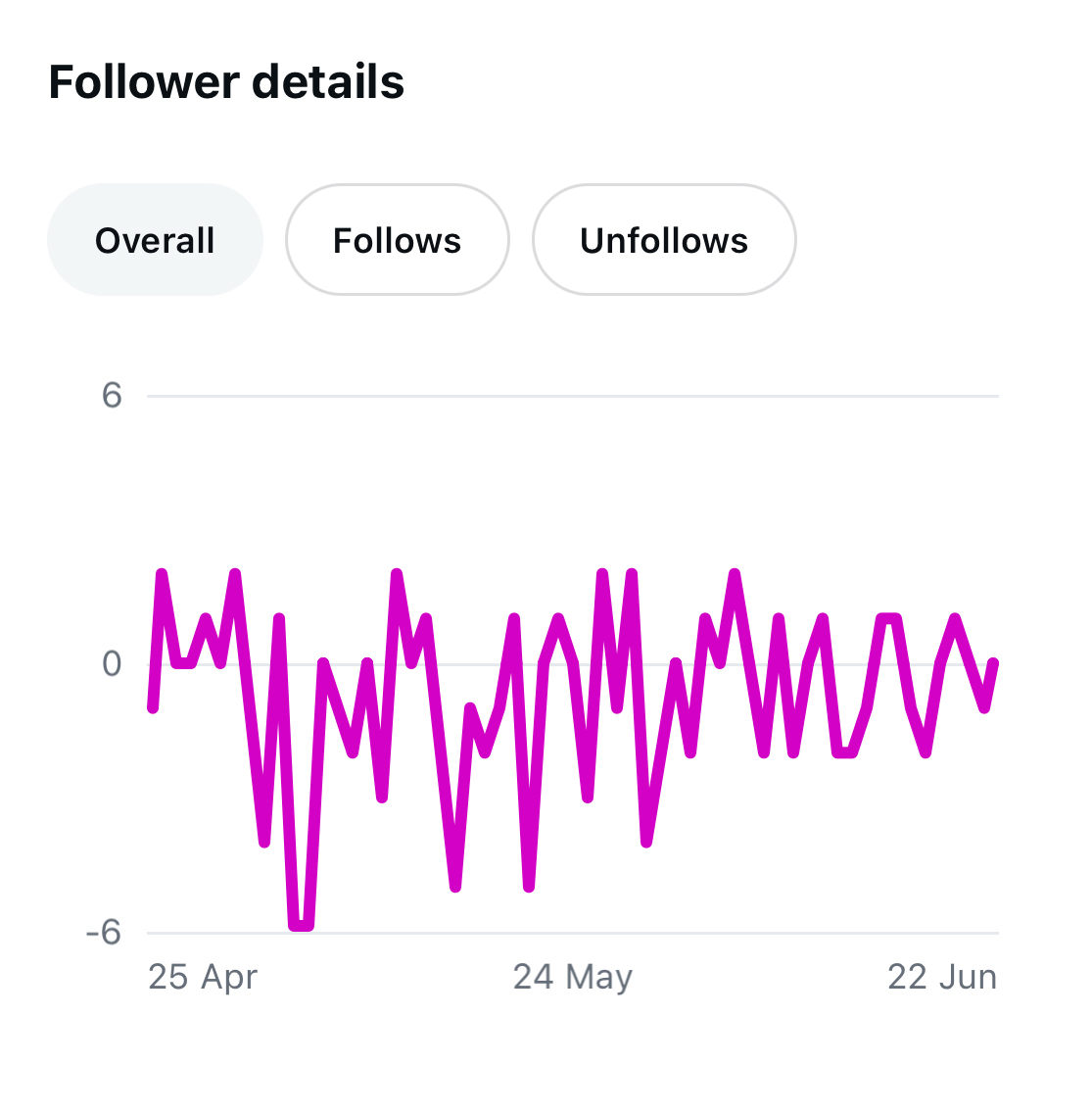
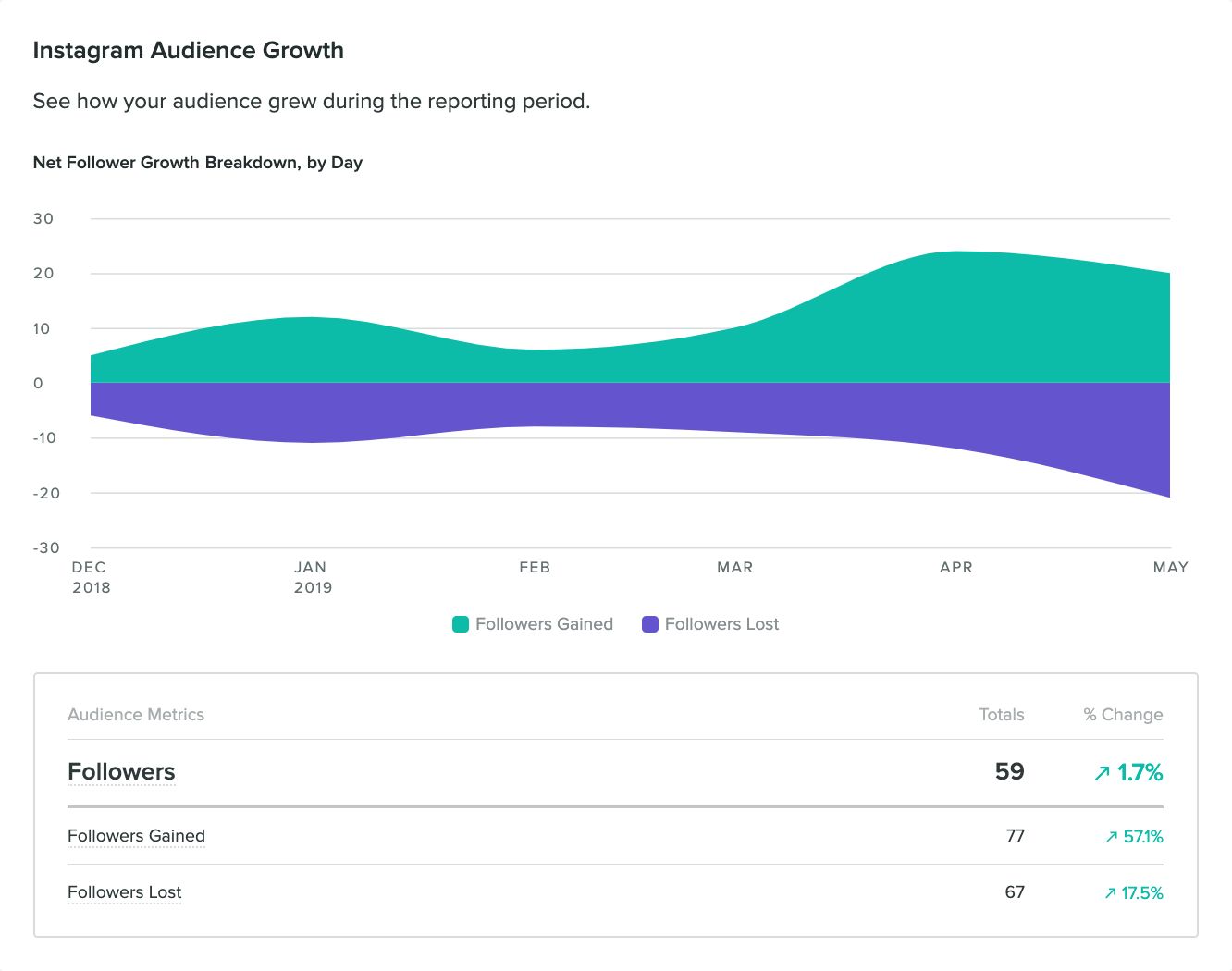
While tracking the number of new followers gained over time is important, a raw follower count provides an incomplete picture. For small businesses on Instagram, the quality of followers far outweighs sheer quantity. A community of 500 highly engaged, high-intent individuals who actively interact with content and convert into customers is demonstrably more valuable than 5,000 passive followers who rarely interact.
To accurately gauge true audience growth and quality, SMBs should monitor three key indicators:
- Engagement Rate of New Followers: Are new followers actively engaging with your content shortly after joining? A high engagement rate among new followers suggests they are genuinely interested in your brand.
- Demographic Alignment: Do the demographics (age, location, interests) of your new followers align with your target customer profile? Acquiring followers outside your target audience might inflate numbers but won’t contribute to business goals.
- Conversion Path: Can you trace new followers to specific conversion actions (e.g., website visits, purchases, inquiries)? This is the ultimate measure of follower quality.
To trace a spike in follower growth back to its source, Instagram’s native Insights offer a follower growth graph. However, this often requires manual correlation, matching dates on the graph with your post history. Furthermore, Instagram’s limited historical data window means older spikes can disappear, hindering long-term analysis. Third-party tools like Sprout Social streamline this process by integrating profile-level growth metrics with post-level performance in a unified reporting workflow. These platforms allow SMBs to quickly identify audience growth trends, then analyze the specific posts and content formats published around those spikes, comparing content side-by-side for faster insights. Such tools also often provide detailed demographic breakdowns of followers, including age, gender, cities, and countries, enabling businesses to refine their targeting and content strategy with precision.
Accessing and Interpreting Your Instagram Analytics: Overcoming Fragmentation
SMBs can access Instagram analytics through three primary channels: the native Instagram app’s Insights, Facebook’s Creator Studio, and dedicated third-party analytics platforms. While accessing the raw data is straightforward, interpreting it efficiently and extracting actionable insights without significant time investment is where many small businesses encounter challenges. The fragmented nature of native dashboards often necessitates constant tab-switching, manual data compilation, and limited historical context.
The Limitations of Native Instagram Analytics Tools
As an SMB grows, the demand for more comprehensive and timely data intensifies. This is where the "hidden tax" of native dashboards becomes apparent. Tasks that should be quick become time-consuming administrative burdens. For example, comparing this month’s average engagement to last month’s often involves screenshots, manual data entry into spreadsheets, and calculations. Identifying the best-performing content format across dozens of posts requires tedious scrolling and tallying. The short historical window means crucial data might be lost before it can be thoroughly analyzed. Moreover, native Instagram Insights only show Instagram data; businesses operating across multiple social channels face the additional burden of logging into separate platforms and manually reconciling data from each. This extensive administrative work diverts precious time and resources from strategic tasks, making native tools less cost-effective in the long run.
Knowing When to Graduate to Third-Party Software
While native tools appear "free," they exact a significant cost in time and efficiency. Every hour spent on manual data extraction, app-hopping, and report generation is an hour that could be dedicated to content creation, audience engagement, or sales. SMBs should consider upgrading to a social media management platform if they are:
- Spending excessive time compiling basic performance reports.
- Struggling to track the direct ROI of their Instagram efforts.
- Managing multiple social media channels and desiring a unified view of performance.
- Experiencing difficulty identifying consistent content trends or optimizing posting schedules.
- Needing to collaborate with team members on social media strategy and reporting.
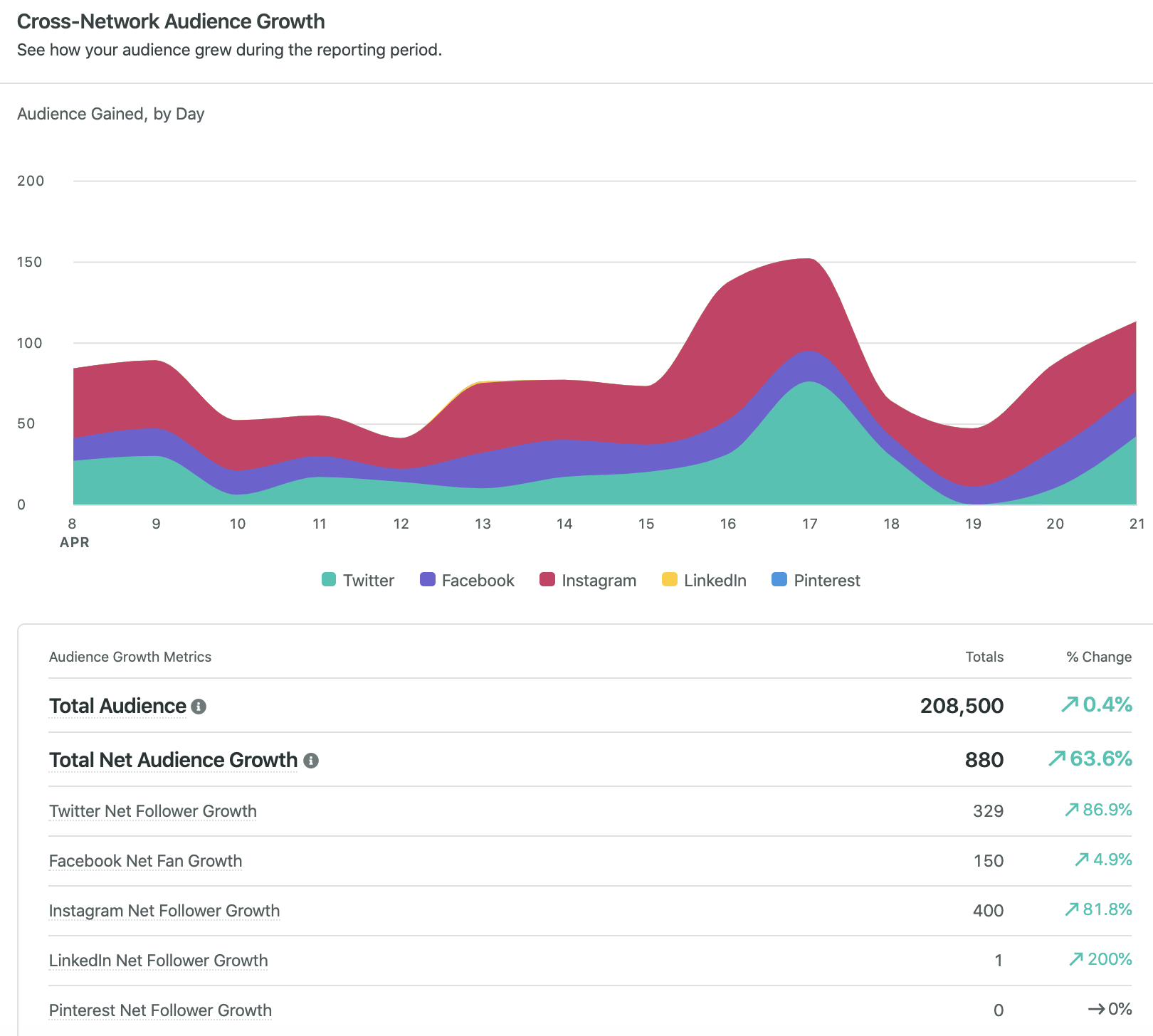
A unified social media management platform addresses the core issue of data fragmentation. By consolidating all social channels into a single dashboard, businesses can quickly spot trends, identify gaps, and transform a deluge of numbers into an executable strategy. This shift frees up valuable time for more strategic thinking and creative execution.
Using Third-Party Platforms to Elevate Instagram Analytics: The Path to Actionable Insights
Instagram analytics are truly valuable only when they facilitate informed decision-making about future actions. For most SMBs, the challenge isn’t merely finding the data, but rather translating dozens of metrics into clear, actionable steps. Third-party platforms like Sprout Social Essentials are specifically designed to address this problem. Priced accessibly, these tools are built for ambitious small teams aiming to maximize their resources and prioritize strategy over repetitive administrative tasks.
Instead of navigating disparate apps and spreadsheets, businesses can track Instagram performance, identify key trends, and plan their next content pieces from a single, integrated platform. This automation and consolidation lead to significant time savings in reporting, allowing more time for strategic execution based on real-time data.
Automating Your Instagram Performance Reports:
A robust third-party platform replaces manual data collection with automated reports that can be generated on demand. Examples include:
- Profile Performance Reports: Offering a comprehensive overview of cross-network audience growth, engagement trends, and overall profile health.
- Post Performance Reports: Detailing the performance of individual posts, Reels, and Stories across various metrics, helping identify top-performing content.
- Tag Performance Reports: Analyzing the effectiveness of specific hashtags or content themes.
These reports empower SMBs to swiftly answer practical questions such as:
- Which content format consistently drives the highest engagement this month?
- What is our average engagement rate compared to the previous period?
- Which call-to-action led to the most website clicks last week?
- Are our follower demographics aligning with our target market?
Such platforms also facilitate easy sharing of live reports with team members or stakeholders and enable report downloads. Automated reporting means small business owners spend less time in spreadsheets and more time executing data-driven strategies.
Scaling Your Best-Performing Instagram Content:
Once top-performing content is identified, the next crucial step is to replicate and scale its success. Third-party platforms integrate analytics with content creation and publishing workflows, eliminating the need for additional tools. Features commonly found in such platforms include:
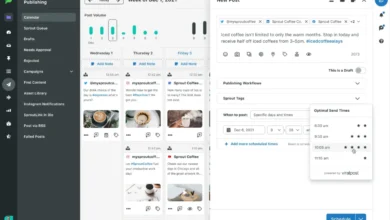
- Visual Content Calendars: Allowing teams to map out content strategically, schedule posts, and visualize their publishing schedule.
- Optimal Send Times: Suggesting the best times to post for maximum engagement based on audience activity data.
- Asset Libraries: Centralized storage for creative assets, ensuring consistency and ease of access.
- AI-powered Content Creation Tools: Assisting with caption writing, hashtag suggestions, and alt-text generation.
For instance, a local bakery might discover through analytics that Reels showing fresh croissants emerging from the oven consistently generate high engagement and new followers. Using a platform like Sprout Social, the team can quickly schedule a recurring "morning bake prep" Reel series in their visual calendar, optimizing posting times, refining visuals, and adding descriptive alt text—all within the same interface. This seamless integration, from analyzing performance to executing strategy, embodies the ultimate goal of Instagram analytics for SMBs: to identify what works, repeat it consistently, and eliminate the guesswork from daily content planning.
In conclusion, for small businesses navigating the competitive landscape of Instagram, a strategic approach to analytics is no longer optional but a fundamental necessity. By moving beyond superficial metrics and embracing a data-driven methodology, SMBs can transform their Instagram presence from a time-consuming chore into a powerful engine for revenue generation and sustainable growth. Investing in the right tools and fostering a culture of analytical thinking will empower these businesses to make informed decisions, optimize their limited resources, and ultimately achieve measurable success on the platform.