The Rise of Social Media Search Engines and the Fundamental Shift in Digital Information Discovery

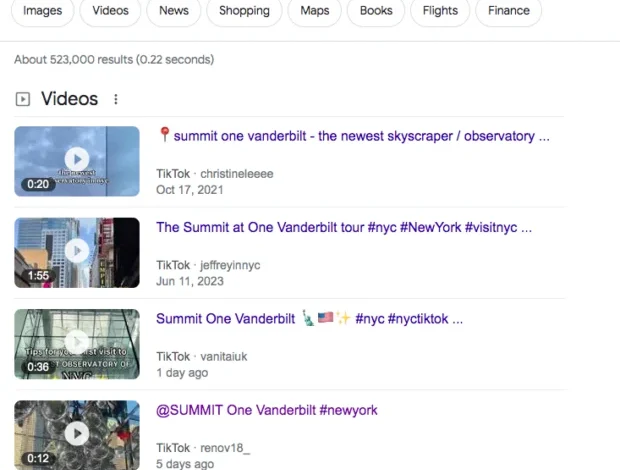
The way users navigate the internet is undergoing a profound transformation as platforms like TikTok, Instagram, and LinkedIn evolve from simple social networks into robust, AI-driven search engines. For decades, the digital landscape was dictated by the supremacy of traditional search giants like Google and Bing, which rely on website authority, backlink structures, and domain reputation. However, a new paradigm is emerging: social media search, where users—particularly those from Generations Z and Alpha—increasingly bypass traditional search engines to seek curated, peer-verified, and visual information directly within the apps they frequent most.

This shift represents more than just a change in user preference; it is a fundamental pivot in how information is indexed, discovered, and consumed. According to recent industry data, approximately 90% of U.S. teens utilize YouTube, while 63% rely on TikTok. This trend is not merely anecdotal; the platforms themselves have responded by aggressively integrating AI-assisted search features, keyword-based discovery that transcends traditional hashtagging, and topic-based content clustering. For brands and digital marketers, this transition necessitates a strategic overhaul, moving away from a siloed approach to Search Engine Optimization (SEO) toward a holistic practice of "Social SEO."
The Mechanics of the Search Shift
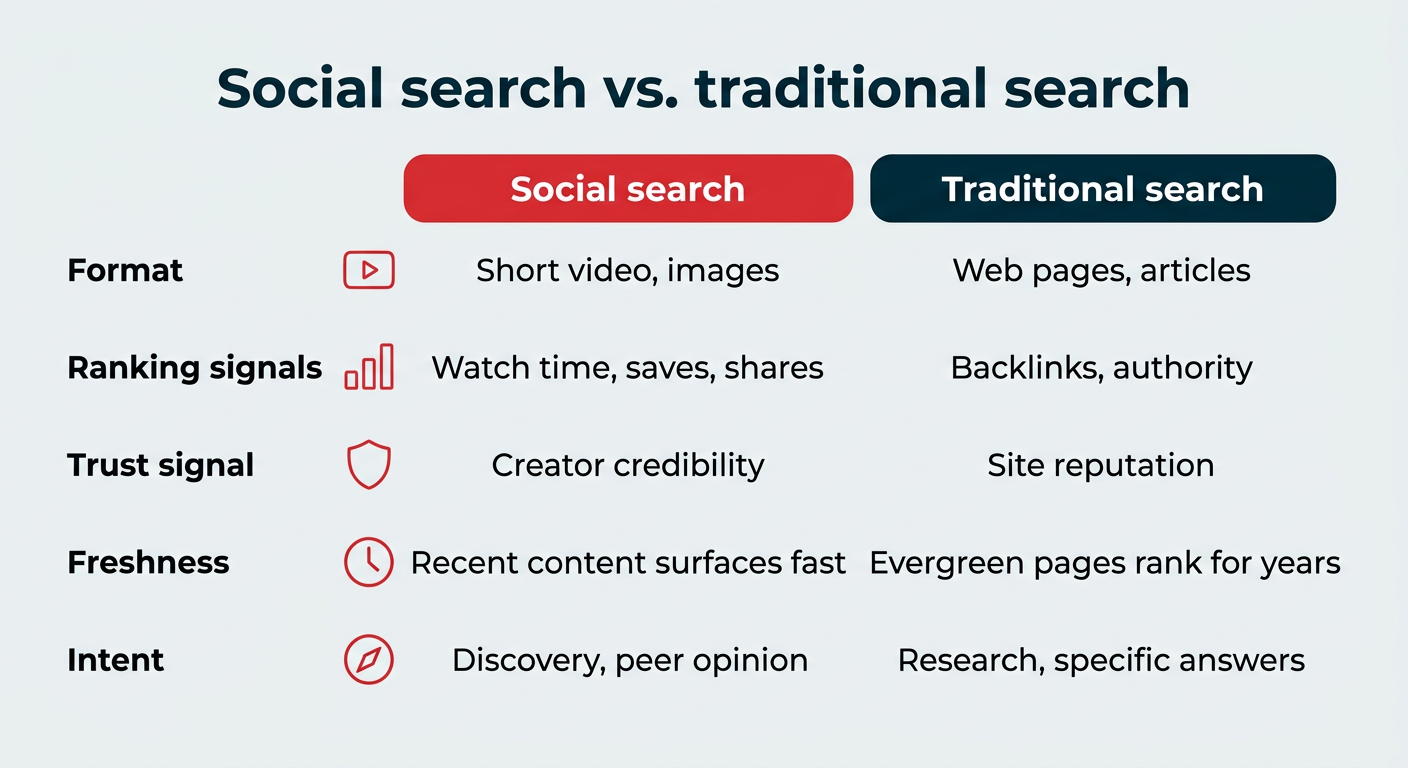
The divergence between traditional and social search engines lies in their core objectives and ranking signals. Traditional search engines are designed to surface websites, articles, and documentation that provide direct answers to queries, often prioritizing long-form, evergreen content. Conversely, social media search engines prioritize engagement, creator credibility, and the immediacy of the user experience.

On a platform like TikTok, the algorithm does not merely look for hashtags; it utilizes natural language processing to transcribe on-screen text, audio, and captions to determine content relevance. Furthermore, ranking is heavily influenced by "stickiness" metrics—specifically watch time, shareability, and the frequency with which a piece of content is saved. While a website might rank on Google based on the number of external links pointing to it, a social post ranks based on how effectively it holds a user’s attention and resonates with their past behavioral patterns.
This has created a "freshness bias" within social platforms. While an authoritative web page might rank for a search query for several years, social content is designed to be ephemeral yet discoverable, with recent, high-engagement posts often surfacing over older ones. This creates a dual-layer discovery model where social content is increasingly being indexed by traditional search engines, allowing a single, well-optimized video to capture traffic from both the social app’s native search bar and a standard Google search result.
Platform-Specific Search Landscapes
Each major social platform has developed a unique architecture for discovery, necessitating distinct optimization strategies for brands.
TikTok has effectively positioned itself as a discovery engine for product reviews, travel recommendations, and "how-to" tutorials. With over 3 billion searches occurring on the platform daily, the integration of search ads and suggested queries in comment threads highlights the platform’s intent to keep users within its ecosystem.

Instagram, meanwhile, has moved beyond the reliance on hashtags, allowing users to discover Reels and posts through plain-text keyword searches. For marketers, the "Explore" tab acts as a secondary discovery surface, reinforcing the need for captions that mirror the natural language users employ when searching for lifestyle or product-related content.
LinkedIn represents a specialized branch of social search, where the platform serves as a B2B pipeline. Search functionality here is heavily weighted toward profile and company page metadata—job titles, skill endorsements, and industry descriptions. For B2B buyers, LinkedIn is the primary research tool for vetting vendors, making the optimization of professional profiles and company descriptions as critical as traditional web SEO.

YouTube, the second-largest search engine in the world, continues to blur the lines between social network and search utility. Its reliance on video titles, chapters, and automated transcripts makes it a primary destination for long-form research, while Reddit has emerged as a high-intent search destination, particularly for users seeking authentic, non-advertorial reviews.
The Economic and Strategic Implications for Brands
The move toward social media search has significant implications for brand awareness and competitive intelligence. Data indicates that 73% of Gen Z users identify social media as their primary resource for learning about new products. This discovery phase often happens significantly earlier in the buying cycle than traditional search, meaning brands that are absent from social search results risk losing the customer before they ever reach the "research" phase on Google.

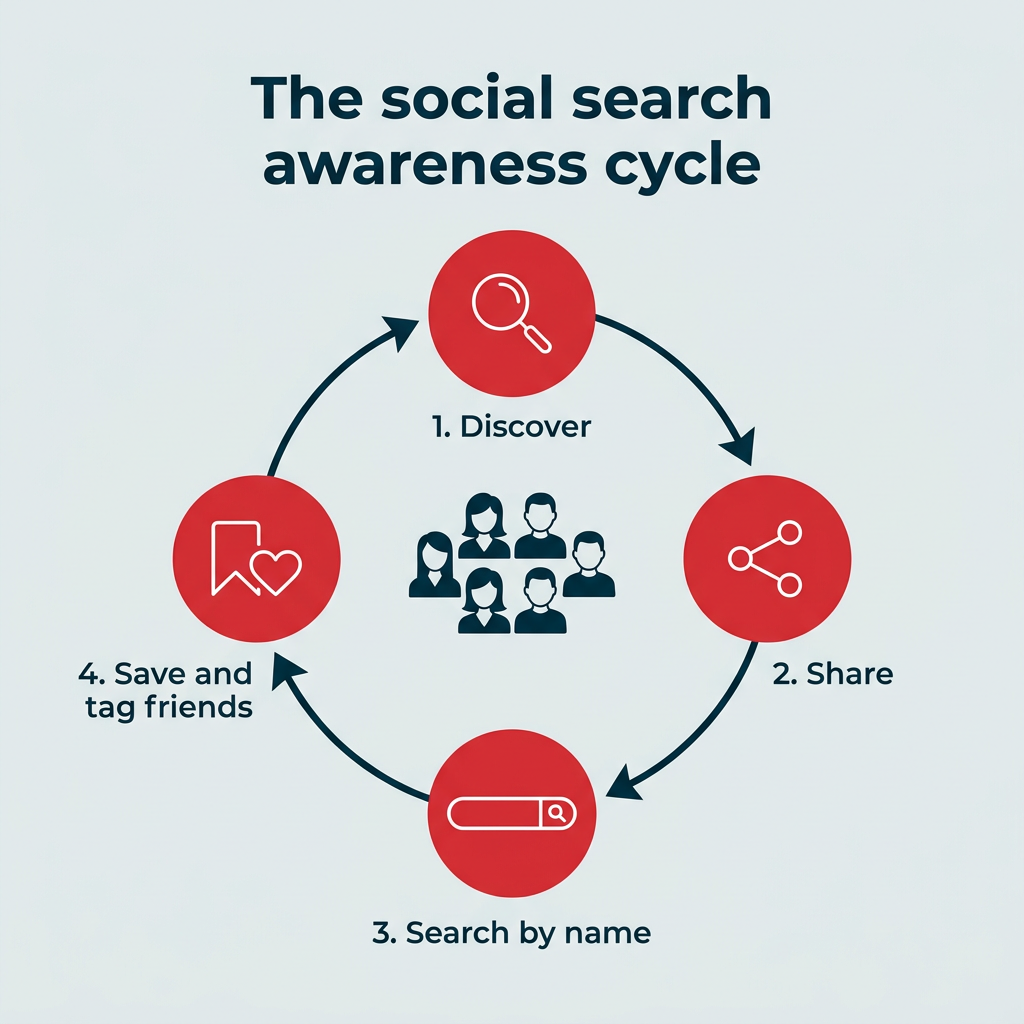
The cycle of social discovery is inherently viral. It begins with an initial discovery—either through a curated feed or an active search—followed by social validation through shares and comments, and finally, the formation of brand-name searches. This cycle creates a feedback loop: high engagement increases visibility in search results, which leads to more engagement, effectively compounding the brand’s reach.
For competitive intelligence, this shift provides a transparent view of the market. By monitoring the keywords and hashtags competitors are ranking for, brands can identify gaps in their own content strategies. If a competitor is consistently appearing for a specific product query, that gap represents a tangible opportunity to capture market share by creating higher-value, more relevant content.

Ethical Considerations and Regulatory Compliance
As brands scale their monitoring and social listening efforts, they must navigate a complex landscape of privacy and ethics. While public social content is technically accessible, the collection and storage of user data must comply with both platform-specific terms of service and global privacy regulations like the GDPR or CCPA.
Organizations are increasingly tasked with implementing "governed workflows." This involves ensuring that social listening tools do not infringe upon user privacy and that data aggregation is performed within the bounds of legal frameworks. Companies are advised to involve legal and compliance departments early in the development of any social search or listening initiative to mitigate the risk of data misuse or public relations backlash.

Looking Ahead: The Future of Discovery
The integration of AI into social search is poised to accelerate. As platforms like TikTok and Instagram continue to refine their generative AI capabilities, the search experience will likely become more conversational. Users will no longer be limited to static keyword results but will instead engage with AI agents that synthesize information from thousands of social posts to provide a comprehensive answer.
For the modern marketer, the takeaway is clear: social media is no longer a peripheral channel for brand promotion—it is a core search utility. The "social searcher" is looking for authenticity, peer verification, and rapid answers. Organizations that optimize their content for these platforms, prioritize natural language, and leverage social listening tools to understand their audience’s intent will find themselves at a distinct advantage.
Ultimately, the goal is to be present where the user begins their journey. Whether that journey starts with a "how-to" search on YouTube or a product discovery query on TikTok, the strategy remains the same: align your content with the language of the user, provide genuine value that prompts interaction, and treat social search as the new frontier of digital visibility. In a world where every post is potentially an indexable, searchable asset, the brands that master social SEO will be the ones that define the next decade of digital commerce.
Related posts: