Beyond the Follower Count: How Algorithmic Discoverability is Redefining Brand Strategy in 2026

For decades, the currency of social media marketing was the follower count, a metric that served as the primary indicator of brand health, reach, and authority. The logic was simple: accumulation of a large audience created a feedback loop where reach led to engagement, engagement to sales, and sales to increased marketing budgets. However, as of 2026, this linear playbook has been rendered obsolete by the rapid maturation of algorithmic recommendation feeds. In the modern social media landscape, follower counts have been relegated to secondary status, replaced by a new, more dynamic metric: discoverability.
The shift toward algorithmic content delivery—exemplified by platforms like TikTok’s For You page and Instagram’s Reels tab—means that the majority of a post’s impressions are now generated by users who do not follow the originating account. Data from Sprout Social’s 2026 research indicates that more than 70% of views for a given piece of content are now generated by non-followers at least 60% of the time. This fundamental change in how content is distributed has forced a total re-evaluation of digital strategy, moving away from "audience building" and toward "relevance signaling."
The Evolution of the Social Ecosystem: A Chronology of Change
The decline of the follower-centric model did not happen overnight. The transition can be mapped through the evolution of platform architecture over the last half-decade.
By 2021, platforms began signaling a move away from social-graph-based feeds—where users only saw content from accounts they followed—to interest-graph-based feeds. This transition was initially met with resistance from legacy creators, but it proved highly effective for user retention. By 2023, the integration of generative AI into platform backends allowed for deeper semantic analysis of video and audio content. This enabled algorithms to categorize content with unprecedented precision, ensuring that a video reached its intended audience regardless of the creator’s follower size.
By 2026, this transition reached a tipping point. With the integration of social content into traditional search engine results pages (SERPs) and Answer Engine Optimization (AEO) frameworks, the lifespan of a social post has moved from a fleeting 24-hour cycle to an evergreen asset. Content now possesses the potential to drive awareness and traffic months after its initial publication, provided it is optimized for searchability.
The Myth of the Mega-Influencer and the Rise of Niche Authority
As the importance of raw follower counts has waned, the industry has observed a significant recalibration in influencer marketing. According to the Q3 2026 Pulse Survey, which analyzed the behaviors of 2,286 consumers across the US, UK, and Australia, only 17% of users now check an influencer’s follower count before deciding to engage with their content or follow them. This suggests that the "trust signal" once provided by massive follower numbers has been superseded by content quality and topical relevance.
The data reveals a distinct preference for micro-influencers and niche creators, who often command higher levels of trust and purchase intent. Survey results indicate that 21% of buyers are more likely to purchase a product based on a recommendation from a niche creator compared to only 15% for mega-influencers. This disparity is attributed to the "authenticity gap." Smaller creators tend to cultivate highly engaged communities that value deep-domain expertise over the broad-reach, broadcast-style messaging typical of high-profile celebrities.
Furthermore, consumer expectations regarding transparency have intensified. Approximately 80% of consumers now believe influencers must be actual users of the products they promote, with 44% explicitly stating they prefer influencers who have demonstrated a long-term relationship with a brand. This requirement for authenticity is naturally easier to sustain for niche creators, whose content is inherently more focused, than for macro-influencers tasked with promoting diverse, often unrelated products.
The Emergence of Employee Advocacy as a Discovery Engine
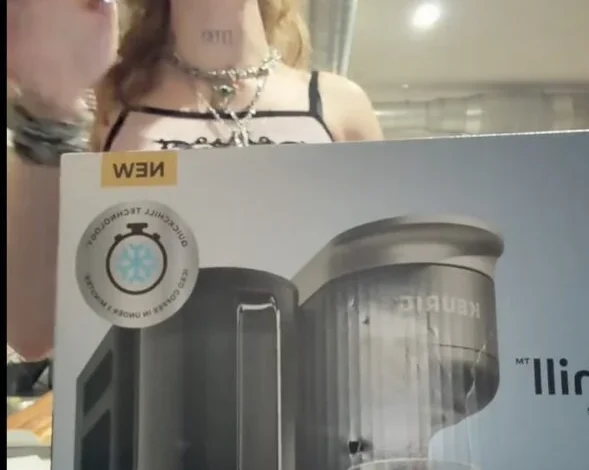
Perhaps the most significant development in 2026 is the rise of the "employee-creator." The viral success of accounts like the "Staples Baddie"—an employee whose candid, behind-the-scenes content about retail life garnered massive engagement and mainstream media coverage—demonstrates that audiences are increasingly seeking the perspective of those on the front lines.

Research shows that employee-generated content influences product discovery for 40% of consumers, a figure that surges to 62% among Gen Z. This shift represents a move toward radical transparency. Audiences are signaling a desire for unfiltered, day-to-day operations over the highly polished, corporate-sanctioned messaging of the C-suite.
Major corporations, including Gap and Starbucks, have begun to formalize this trend, moving from ad-hoc employee posts to structured advocacy programs. These initiatives provide employees with creative guidelines and, crucially, fair compensation. As 61% of consumers believe that employees should be paid for creating content that serves as brand marketing, the formalization of these roles is not just a strategic necessity but an ethical one.
Social Media SEO: The Technical Imperative
With platforms functioning increasingly as search engines, brands must adopt a comprehensive Social Search Engine Optimization (SOSEO) strategy. In 2026, social media is cited as the second most commonly used search platform across all demographics, trailing only traditional search engines.
Effective SOSEO extends beyond simple keyword stuffing in captions. Current algorithmic models utilize advanced Natural Language Processing (NLP) to parse spoken audio, interpret on-screen text, and analyze the context of metadata. Brands that fail to optimize these elements risk being ignored by the discovery engines that govern the modern feed.
The integration of this content into broader digital search infrastructure—such as Google’s "Short Videos" tab—means that social content is now a critical component of the wider web ecosystem. When a brand produces a video optimized for discoverability, it is no longer just competing for a spot on a user’s feed; it is competing for a position in the global knowledge graph accessed by AI answer engines like Claude, ChatGPT, and Gemini. This allows high-quality, relevant content to remain discoverable and commercially viable long after its initial publication.
Fact-Based Analysis: The Strategic Implications for 2026
The transition to an algorithmic-first environment carries profound implications for resource allocation. Brands that continue to prioritize massive follower counts risk allocating budgets to low-engagement, low-trust partnerships that fail to convert in a highly competitive digital market.
To thrive in the post-follower era, organizations must pivot toward three pillars:
- Relevance-Driven Partnerships: Selecting creator partners based on engagement rates and topical authority rather than reach. Brands should treat the follower count as a "sanity check" rather than a primary KPI.
- Operationalizing Authenticity: Investing in employee advocacy programs that empower staff to share their genuine experiences, provided these efforts are governed by clear guidelines and fair compensation models.
- SOSEO Integration: Treating social content with the same rigor as web content. Every video and post must be engineered for discoverability through audio clarity, strategic on-screen text, and keyword alignment, ensuring that the content is indexed correctly for both social and traditional search platforms.
The evidence suggests that the "rinse and repeat" cycle of social media marketing is definitively over. The brands that win in 2026 and beyond will be those that accept that the algorithm is the ultimate curator. By focusing on the intersection of user intent, authentic community voices, and technical discoverability, companies can move away from the vanity of follower counts and toward the substance of measurable, lasting influence.
As the digital landscape continues to fragment and the role of AI in search grows, the ability to be found—rather than the ability to broadcast—will remain the definitive test of brand success. Organizations that adapt to this reality by prioritizing discoverability across every layer of their social ecosystem will be the ones that sustain growth in an increasingly crowded and automated marketplace.
Related posts: