Curated Developer Tools and Resources Release Highlights Essential Software for Web Developers in June

The software development ecosystem continues to expand at a rapid pace, with June bringing a robust array of new utilities, frameworks, and resource materials designed to optimize both front-end and back-end workflows. From high-performance terminal emulators and AI-driven code auditing agents to declarative document typesetting and advanced containerization platforms, developers now have access to a sophisticated suite of tools aimed at modernizing technical infrastructure. Industry analysts note that the current wave of developer tooling heavily emphasizes local-first execution, cross-platform compatibility, and the integration of artificial intelligence without imposing heavy cloud dependencies or prohibitive cost structures.
Background Context and Industry Evolution
The rapid proliferation of specialized developer tooling over the past several years reflects a broader industry shift toward decentralized, modular, and privacy-conscious architectures. As remote and hybrid development environments become the global standard, engineers increasingly demand solutions that eliminate cloud lock-in while leveraging hardware acceleration and AI assistance. Historically, developers relied heavily on monolithic environments and resource-heavy virtual machines. Today’s ecosystem, however, prioritizes lightweight binaries, Rust-based system utilities, Swift-native implementations for Apple Silicon, and declarative frameworks that abstract away repetitive boilerplate code.
Throughout the first half of the year, open-source maintainers and enterprise technology providers alike have focused on bridging the gap between automated intelligence and human oversight. Security concerns, container orchestration efficiency, and asset optimization have emerged as core priorities for engineering teams worldwide. The latest collection of June releases addresses these specific pain points, offering granular control over resource consumption, security auditing, and design asset management.
Front-End Innovation and Asset Optimization
Front-end engineering has seen significant advancements in animation libraries, shader playgrounds, and performance prediction mechanisms. Among the notable additions is Lumen, a browser-based shader playground designed for creating looping abstract art using WebGL. Operating entirely client-side with zero dependencies, Lumen utilizes a unique seed-sharing system and allows developers and digital artists to export generative graphics directly to PNG, video, or GIF formats.
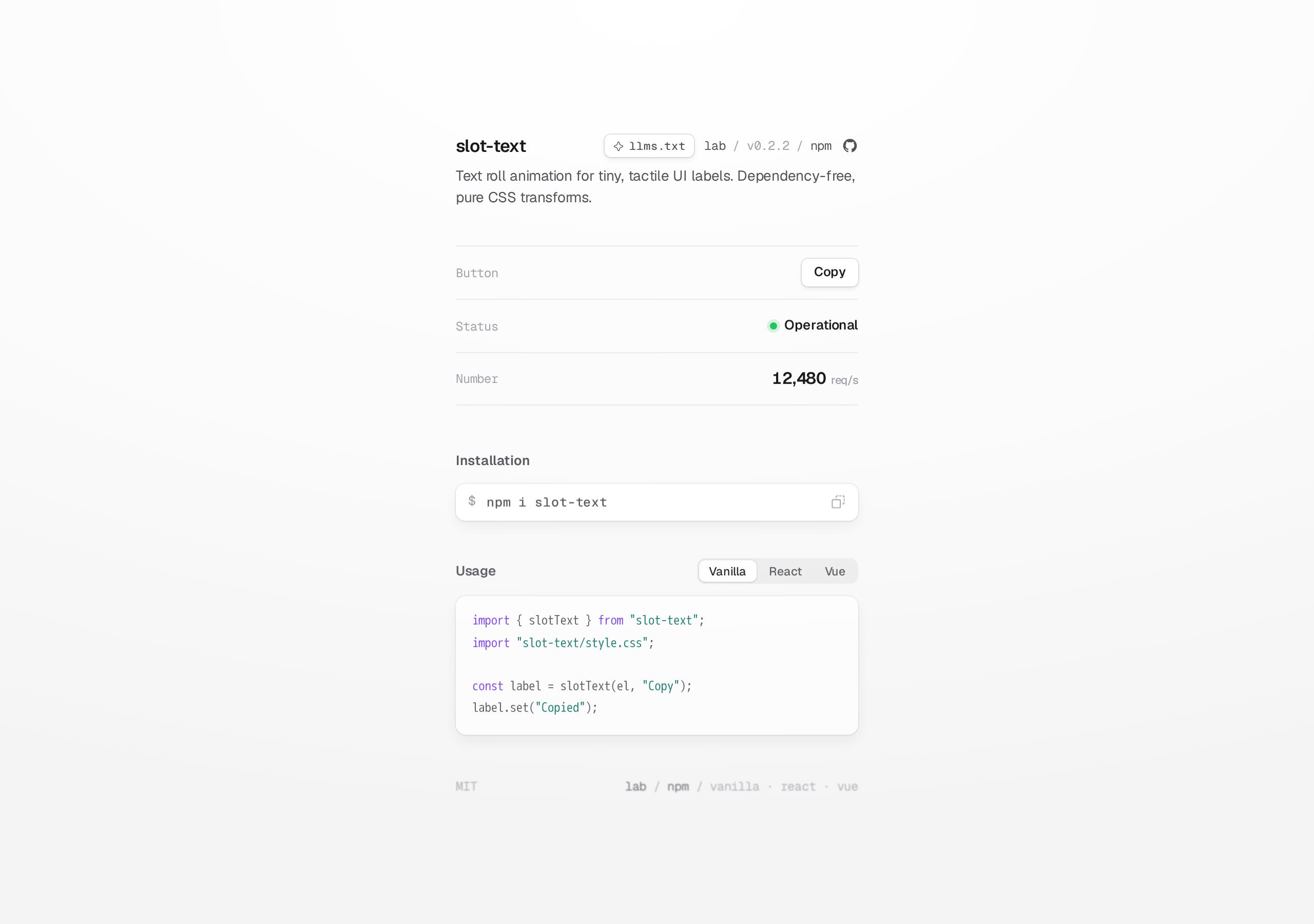
To address the perpetual need for smooth user interfaces without bloating application bundles, TextMotion offers a dependency-free text roll animation library. Utilizing pure CSS transforms, TextMotion implements slot-machine-style label transitions that integrate seamlessly with React and Vue via NPM. This caters specifically to UI developers seeking polished micro-interactions without relying on heavy animation frameworks.
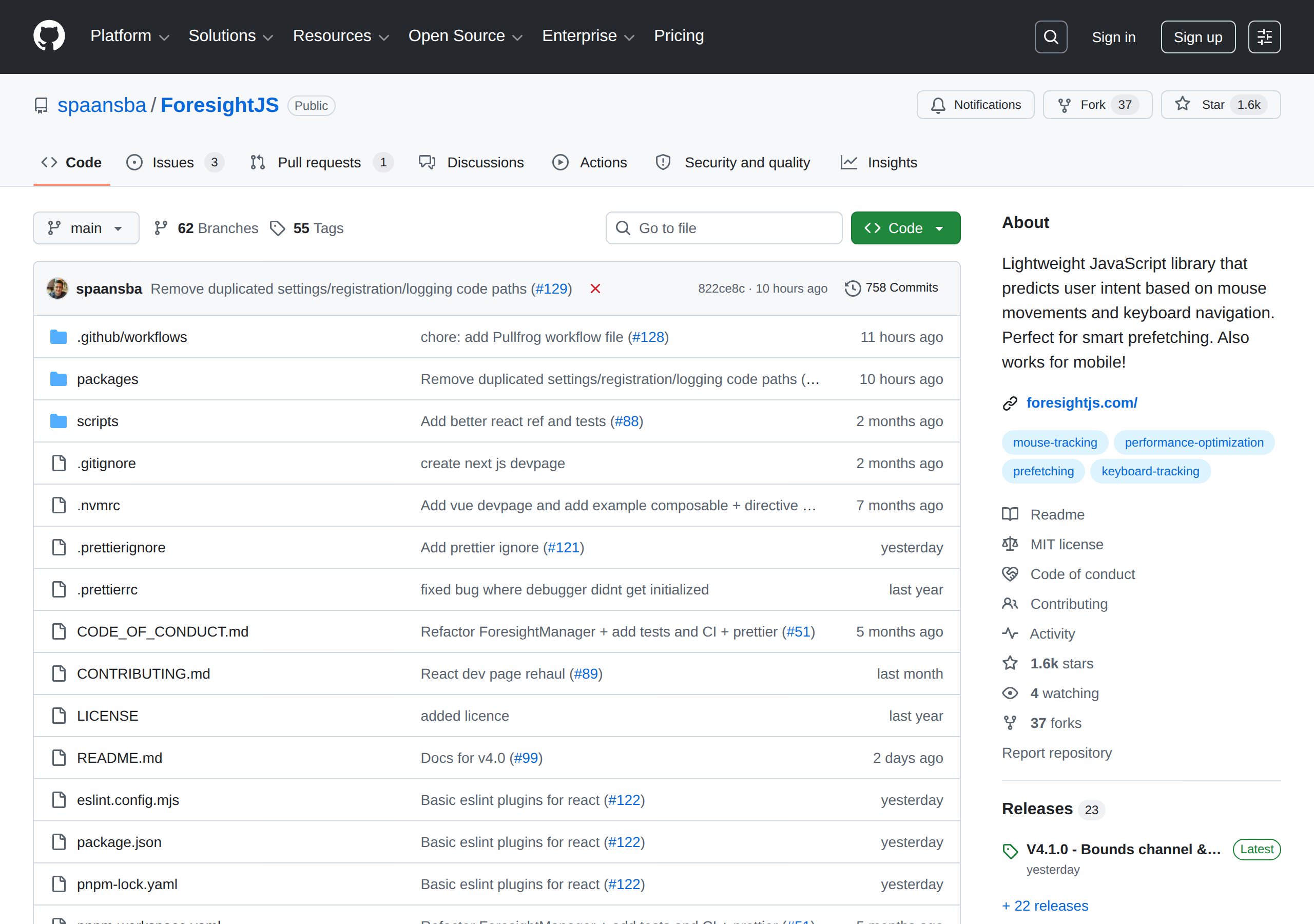
Further enhancing front-end performance, ForesightJS introduces a predictive prefetching mechanism. By analyzing user intent through mouse movements and keyboard navigation, the lightweight JavaScript library prefetches content ahead of time. Featuring zero configuration and dedicated desktop and mobile strategies, it provides an efficient method for optimizing perceived application performance.
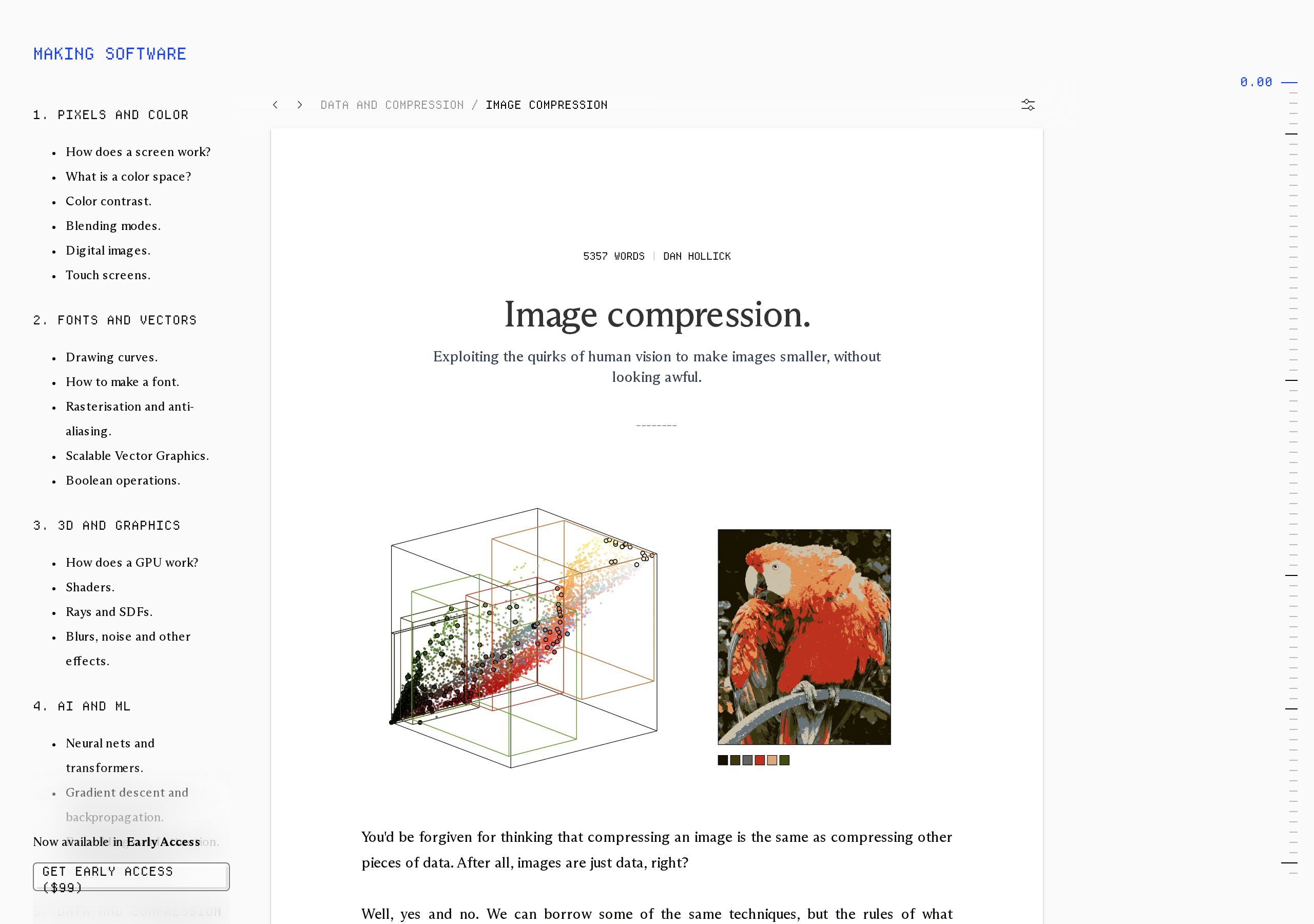
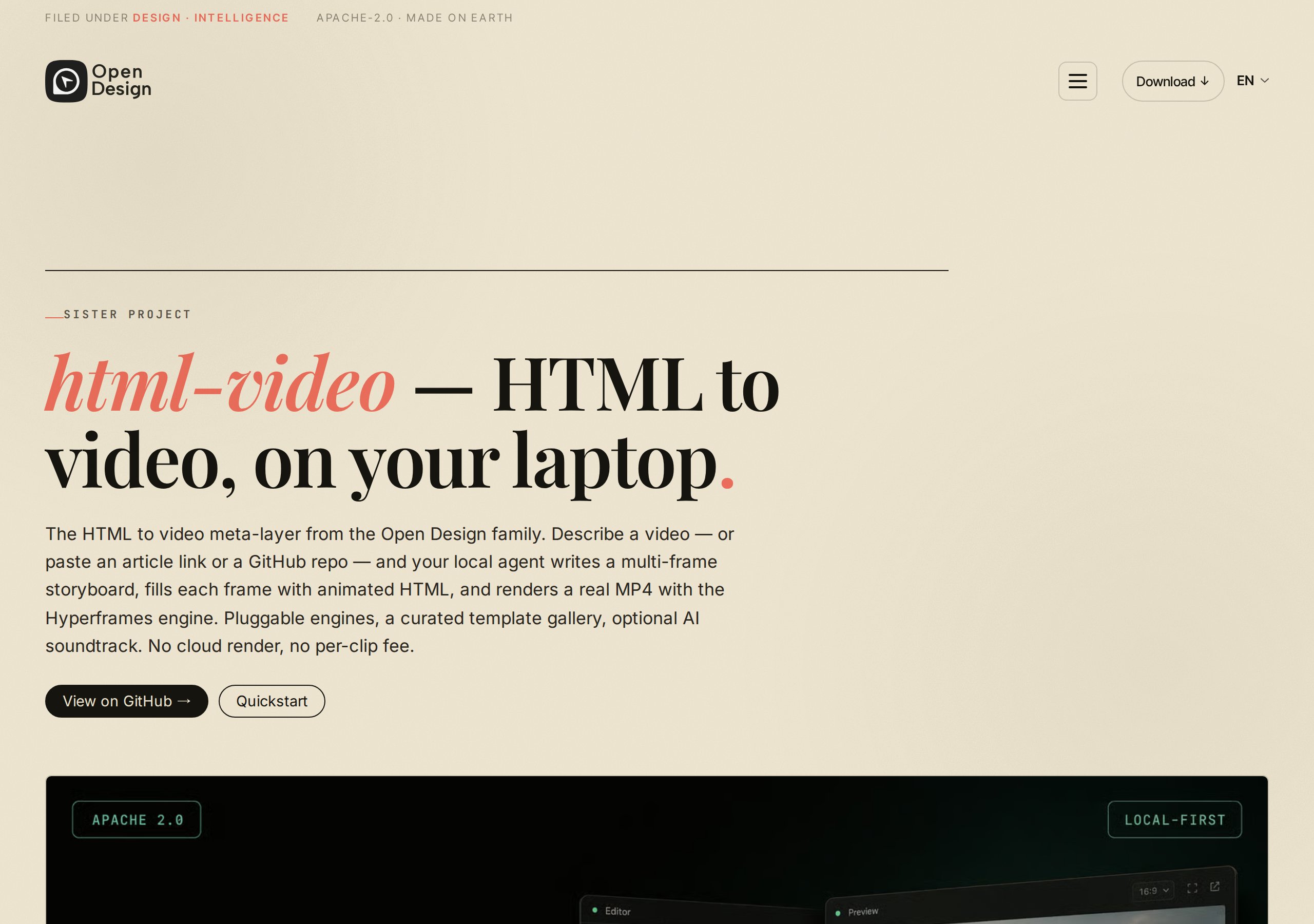
In the realm of asset and media processing, the industry continues to refine its understanding of foundational web technologies. An influential addition to the educational landscape is the newly published image compression chapter from the MakingSoftware book. This resource details how modern image compression algorithms exploit human visual perception to reduce file sizes, offering technical breakdowns of entropy, bits, and the operational mechanics behind JPEG, PNG, and modern codecs. Additionally, HTML Video has emerged as a programmatic meta-layer over Hyperframes, Remotion, and Motion Canvas, enabling AI agents to convert text prompts, articles, or source code repositories directly into rendered MP4 video files through headless Chromium integration.
AI Integration and Codebase Auditing
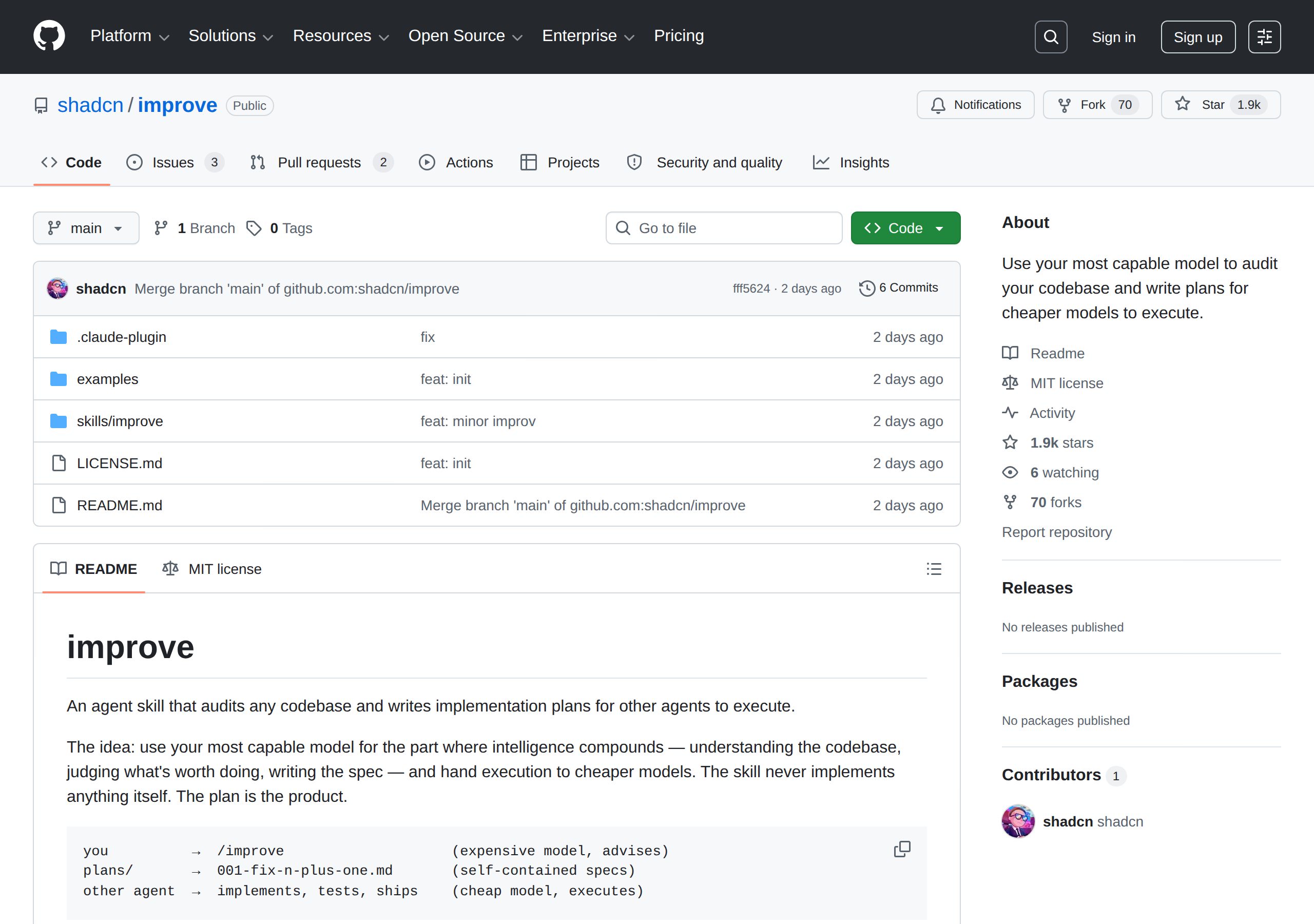
Artificial intelligence has transitioned from a novelty to an embedded operational layer within modern development pipelines. However, organizations frequently encounter challenges regarding API expenditure, context window limitations, and code quality maintenance. To mitigate these concerns, shadcn/improve introduces a specialized skill for AI coding agents that systematically audits codebases and generates structured implementation plans optimized for execution by more cost-effective models. By executing a simple command, developers receive a prioritized findings table and comprehensive markdown specifications, maintaining high standards while significantly reducing overhead costs.
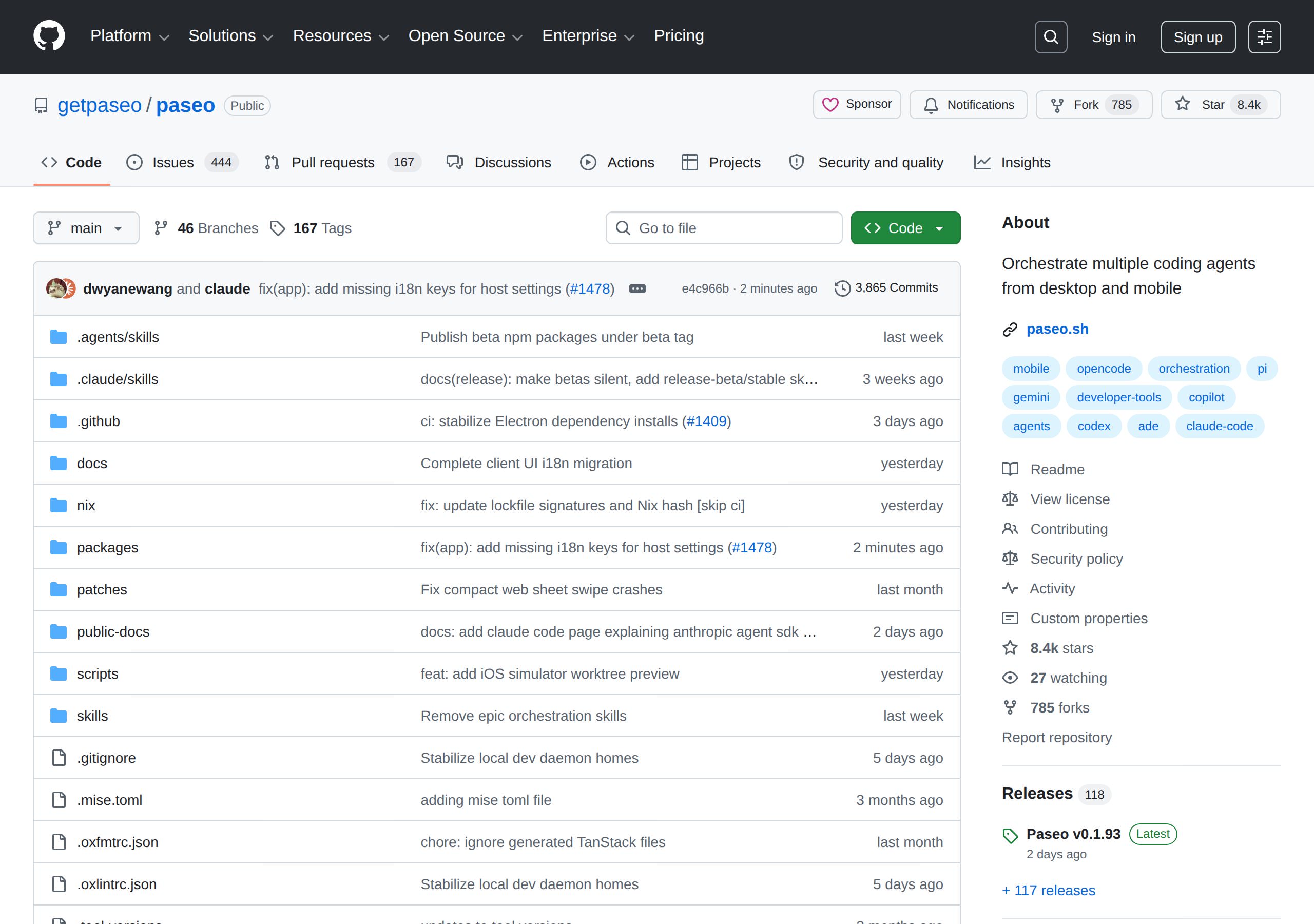
Complementing auditing workflows, Paseo offers a self-hosted orchestrator designed to manage multiple AI coding tools—including Claude Code, Codex, Copilot, OpenCode, and Pi agents—across desktop, mobile, and command-line interfaces. Operating via a local daemon with zero telemetry and full offline support, Paseo incorporates voice dictation capabilities on mobile platforms, providing a unified dashboard for engineers utilizing multiple AI assistants.
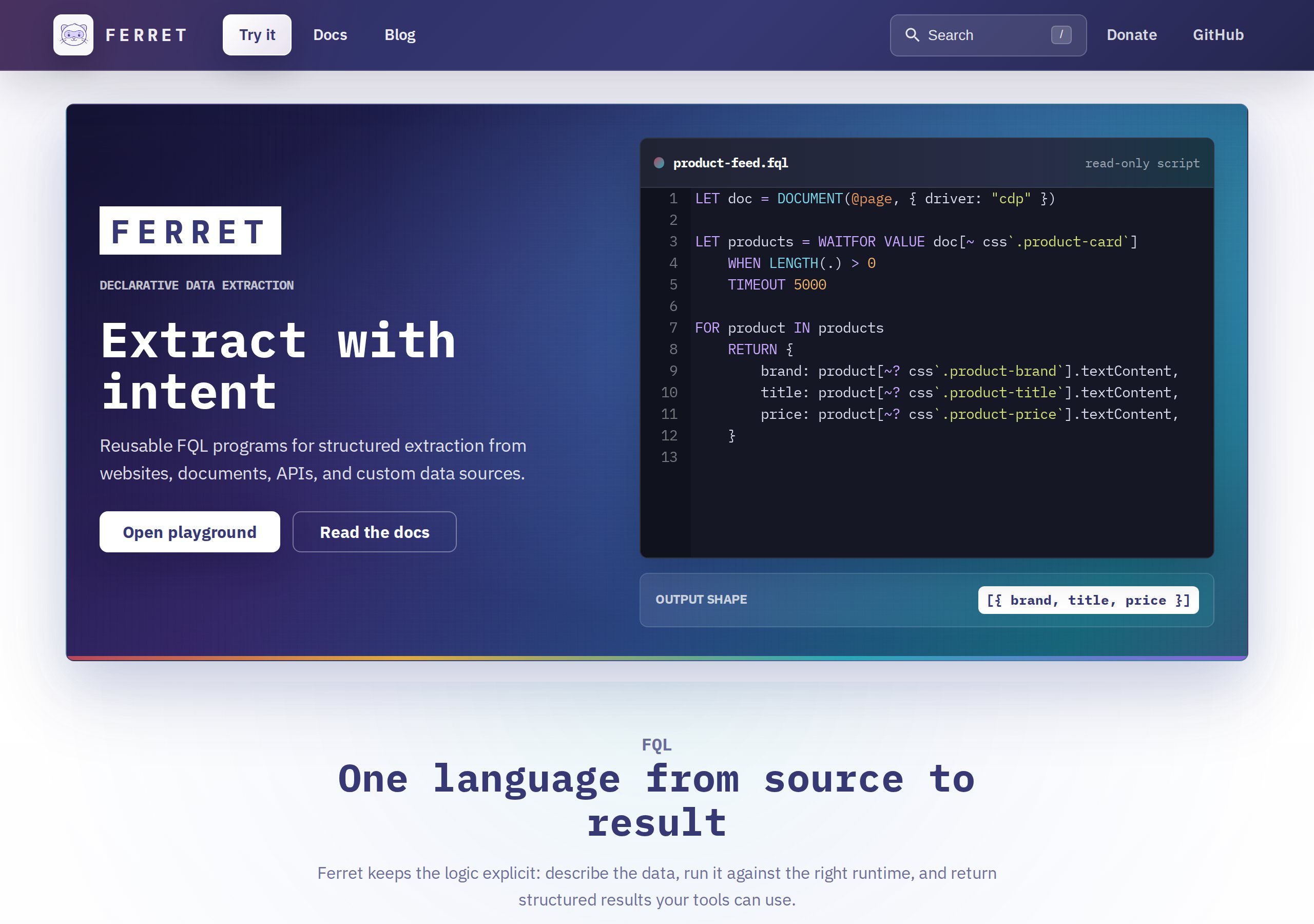
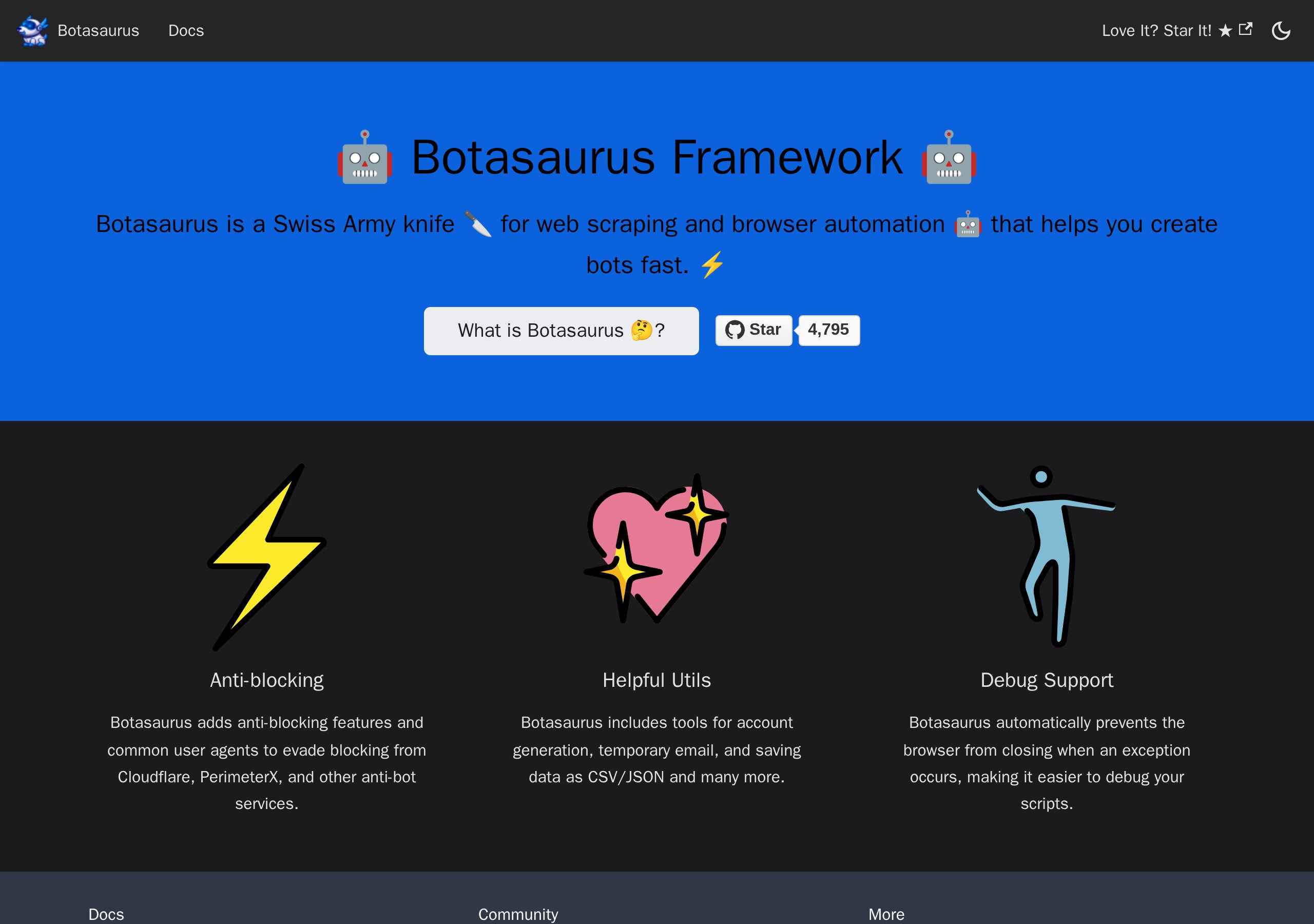
For web scraping and data extraction, Ferret and Botasaurus provide distinct architectural approaches. Ferret utilizes FQL, a declarative language that allows developers to specify required data structures rather than imperative extraction steps, operating across browsers, command-line interfaces, and Go runtimes. Meanwhile, Botasaurus delivers a comprehensive Python framework featuring automated anti-blocking mechanisms, Cloudflare and PerimeterX evasion, temporary email generation, and error-state debugging capabilities.

Infrastructure, Containerization, and Security
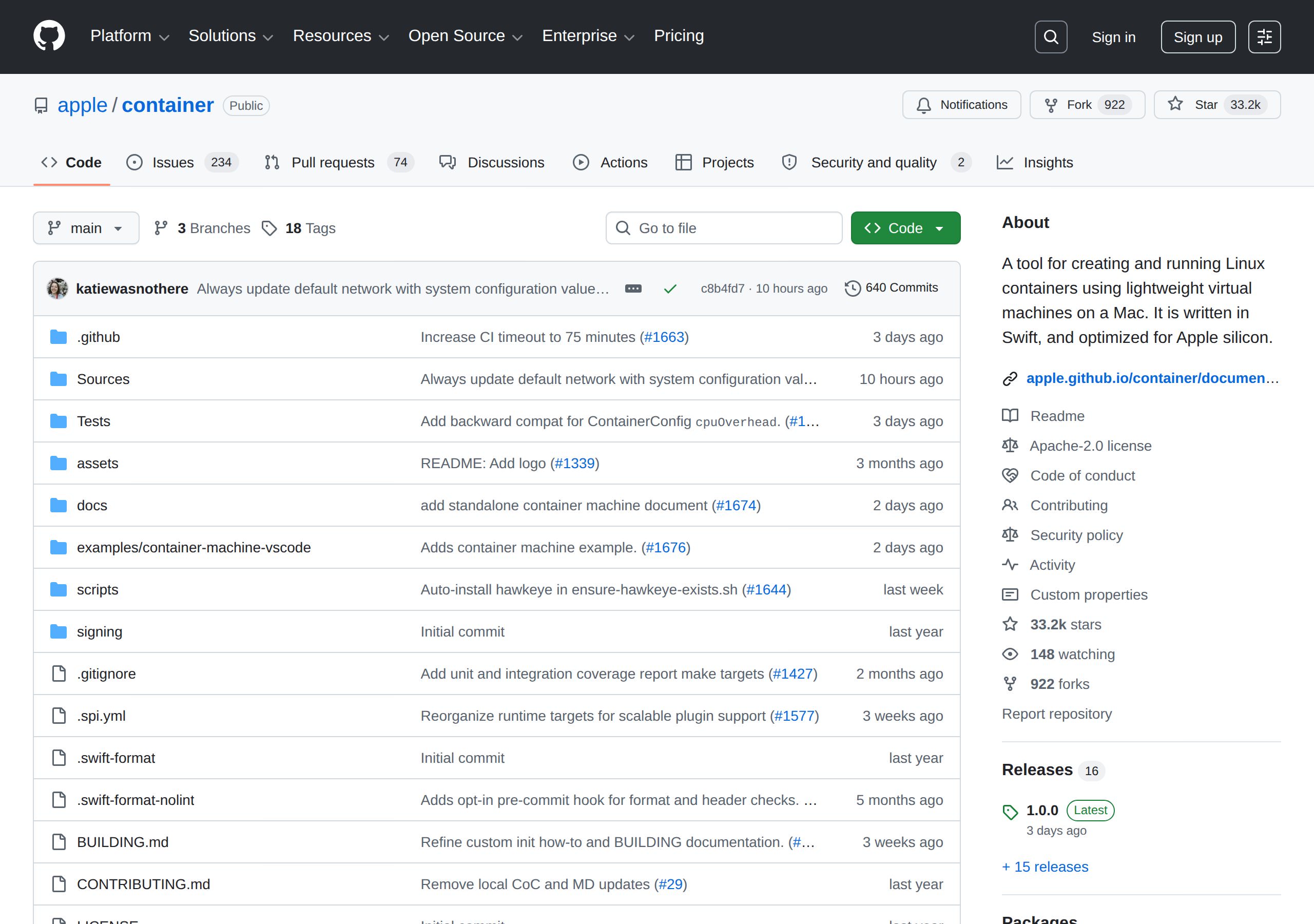
Infrastructure management and container orchestration have undergone notable decentralization, driven by the need for reproducible development environments and native hardware integration. Apple Container, written entirely in Swift, provides an official solution for running Linux containers as lightweight virtual machines natively on Apple Silicon. Producing OCI-compatible images without requiring third-party desktop hypervisors, the tool represents a significant option for macOS developers requiring local Linux container workflows.
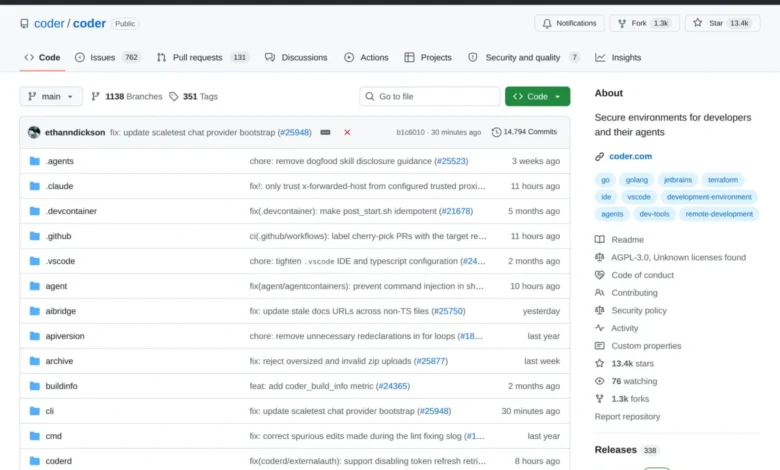
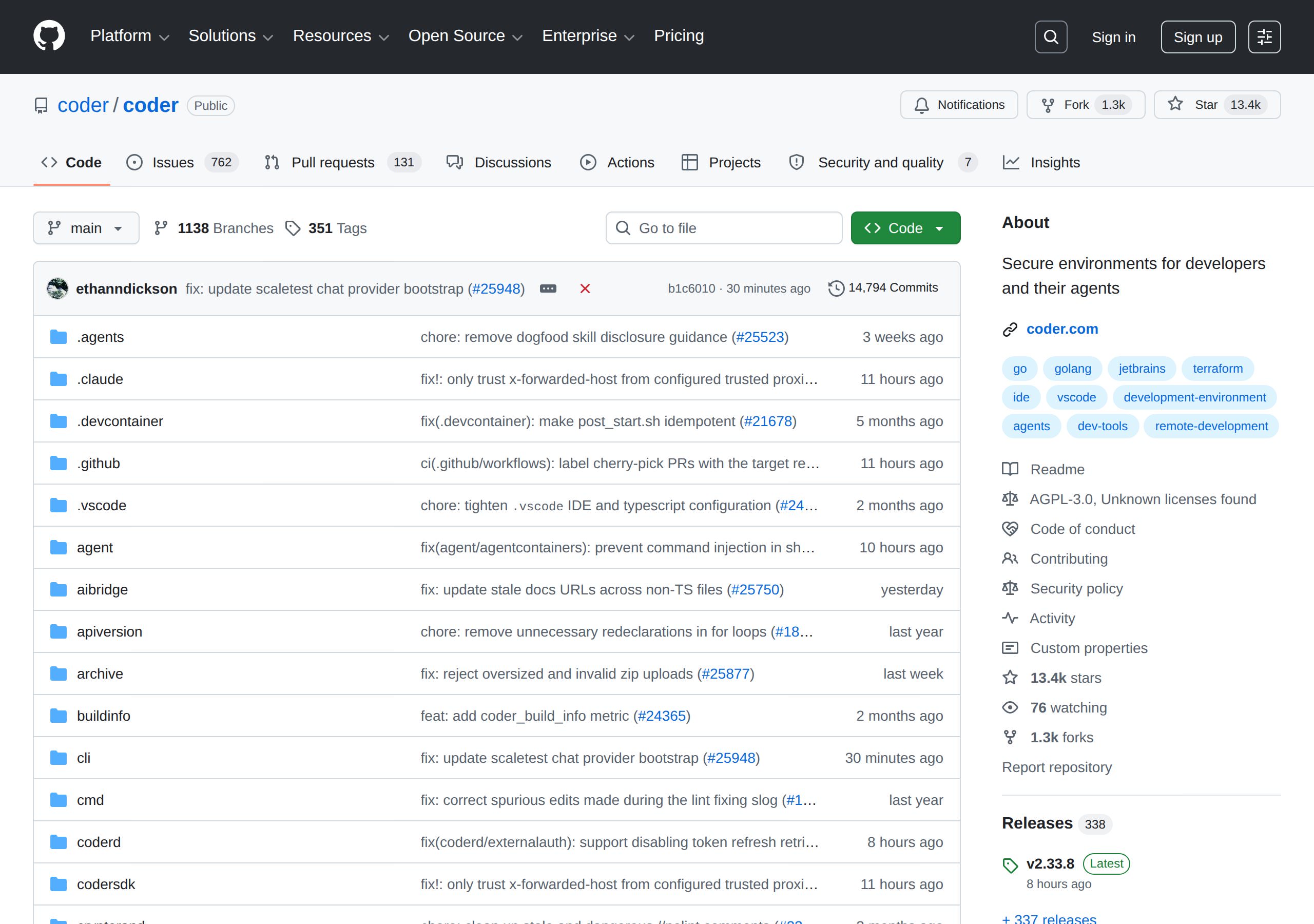
For multi-platform environment management, Coder and Devbox offer robust alternatives to traditional configuration methods. Coder enables organizations to define cloud development environments using Terraform and connect securely via WireGuard, supporting automated idle shutdowns and integrated AI agent workflows without exposing sensitive API keys. Similarly, Devbox establishes isolated, reproducible environments defined through simple JSON configurations, granting access to hundreds of thousands of package versions without necessitating deep knowledge of Nix or Dockerfile syntax.
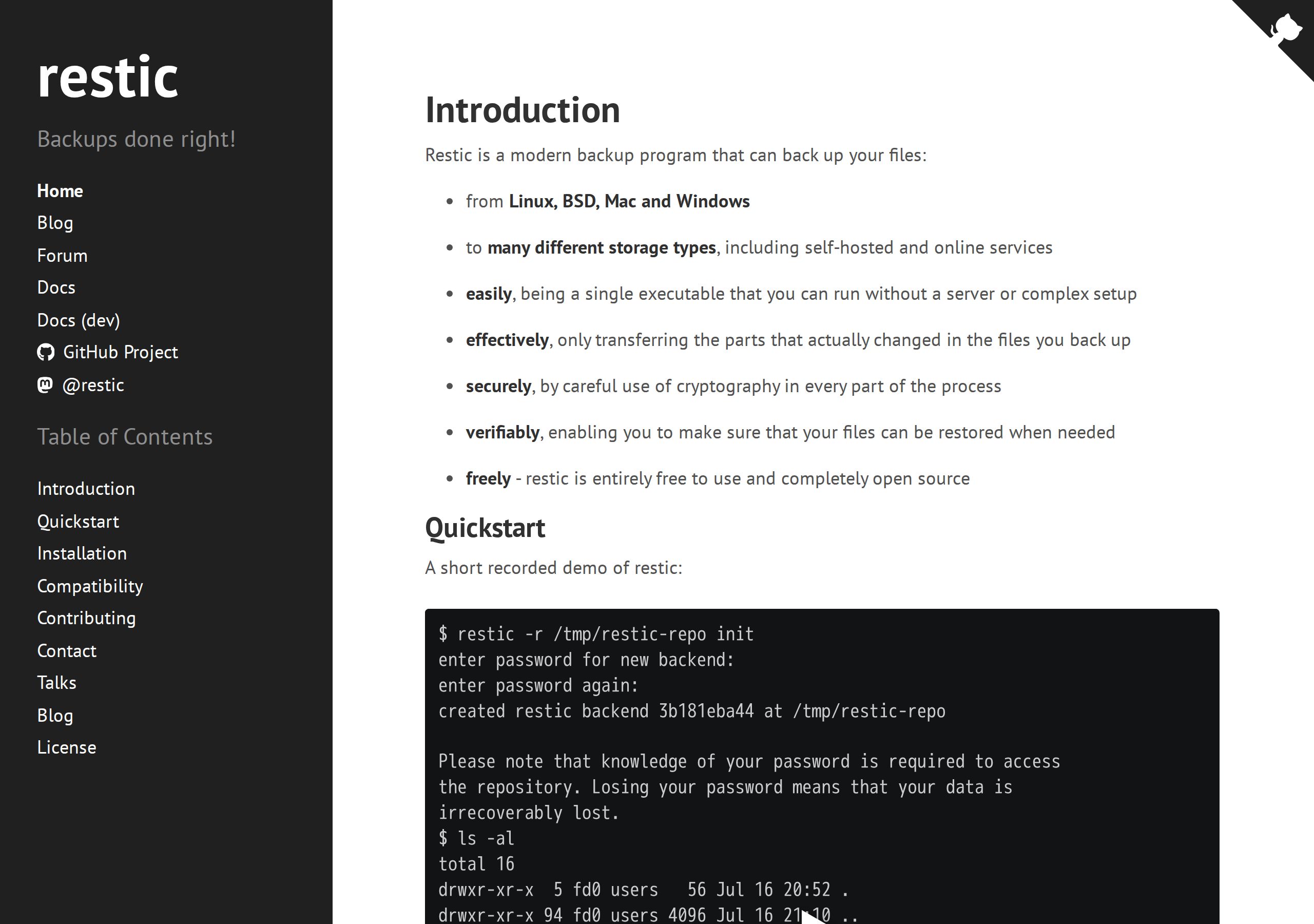
Security auditing and system resilience have also received crucial updates. WebCheck provides an instantaneous external security audit of any target URL, evaluating headers, SSL configurations, DNS records, open ports, and potential vulnerabilities within seconds without requiring user registration. For data protection, Restic delivers a secure, encrypted, and deduplicated backup utility packaged as a single binary with zero server dependencies, supporting storage across local drives, SFTP, and S3 object storage.
Terminal Productivity and Workflow Efficiency
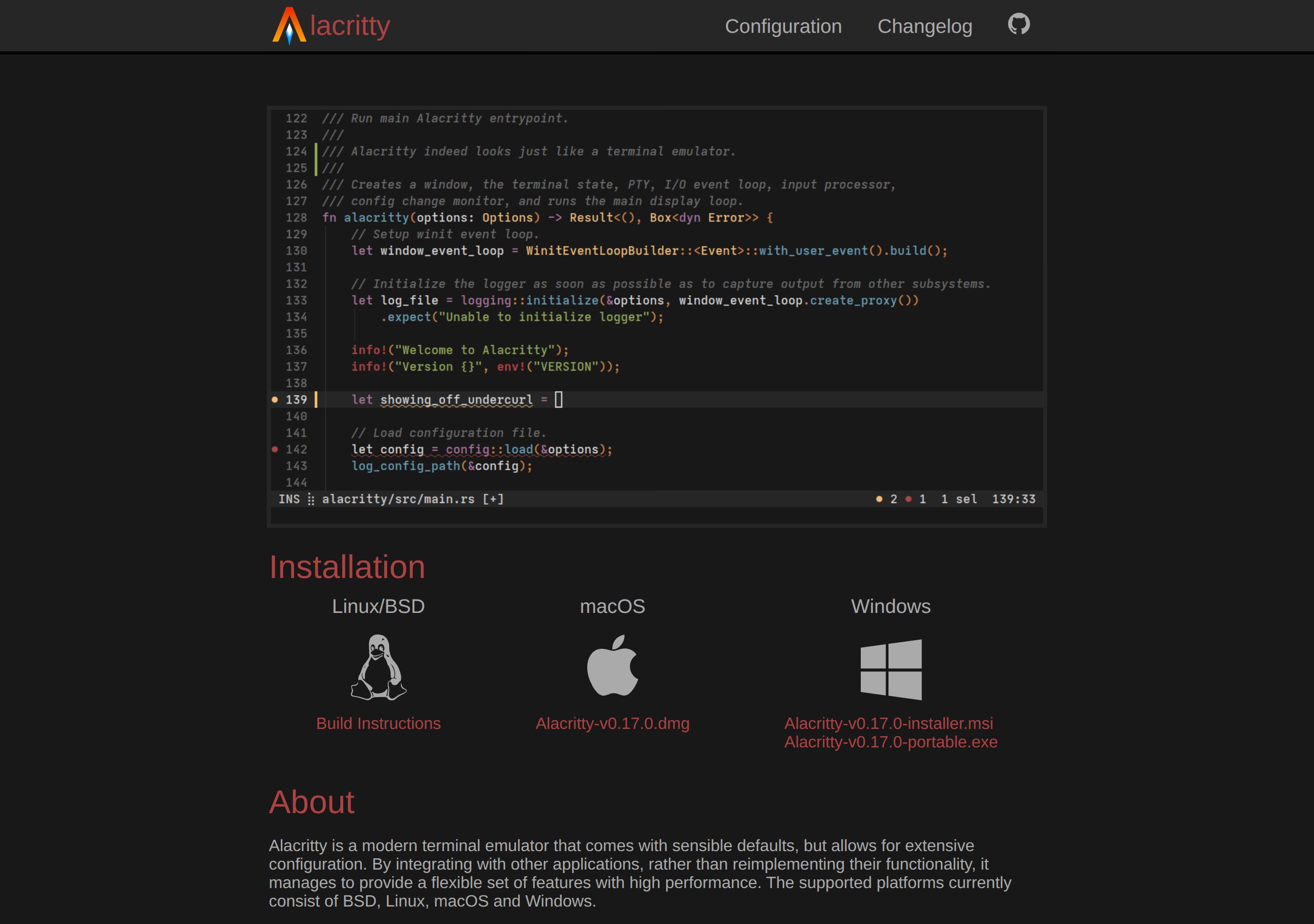
The modern developer’s command-line environment continues to evolve with high-performance utilities designed to maximize daily productivity. Alacritty leads the terminal emulator category with OpenGL-accelerated rendering, delivering sub-millisecond response times, Vi-mode navigation, and robust cross-platform support across BSD, Linux, macOS, and Windows.
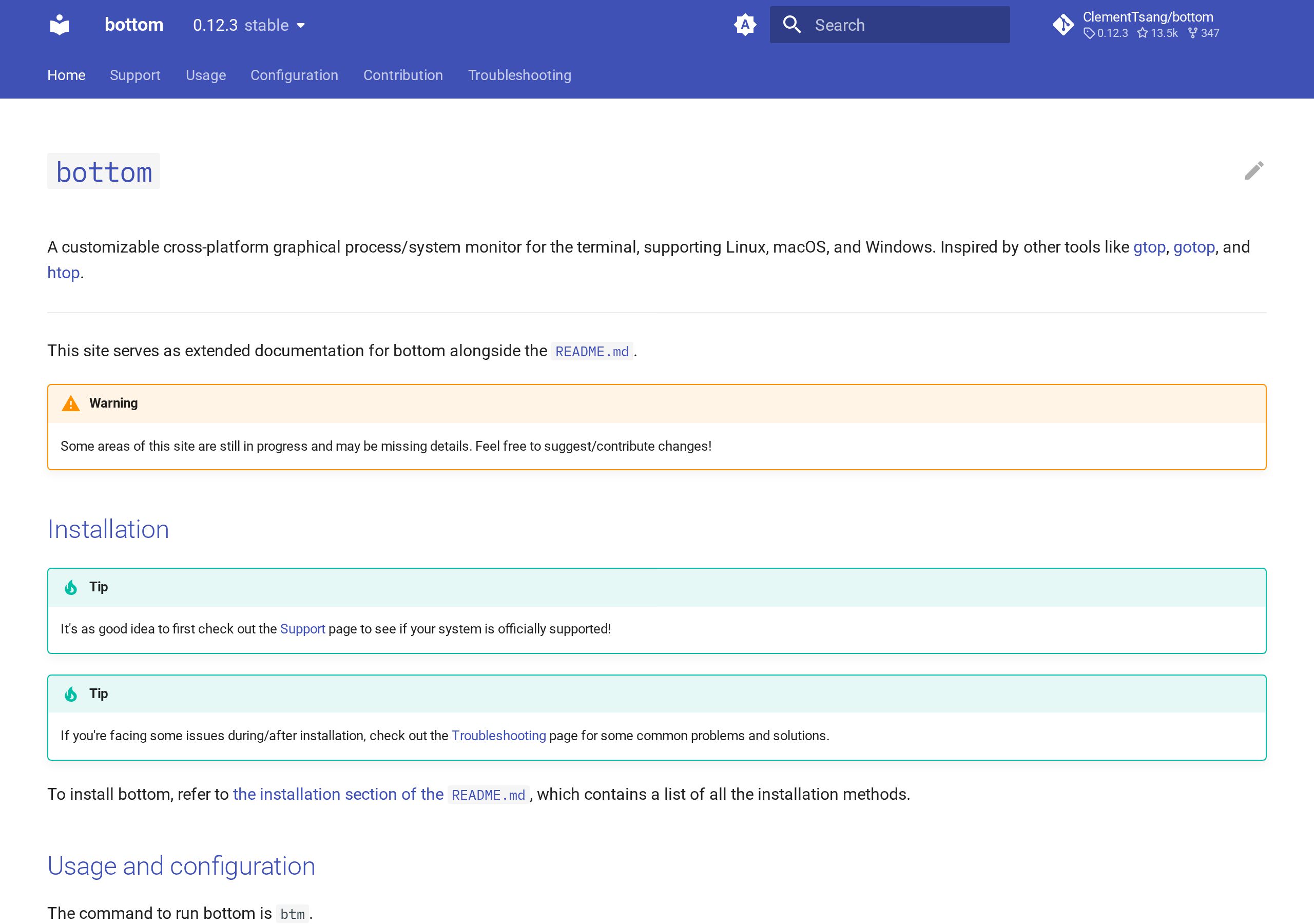
FileSystem navigation and system monitoring have likewise been optimized through modern tooling. Zoxide serves as a high-performance replacement for the standard cd command, utilizing Rust to learn directory habits and execute fuzzy matching across major shell environments including Bash, Zsh, Fish, and PowerShell. For system observation, bottom (btm) provides a feature-rich terminal system monitor equipped with CPU, memory, disk, network, and process widgets, offering an advanced alternative to traditional utilities like htop.
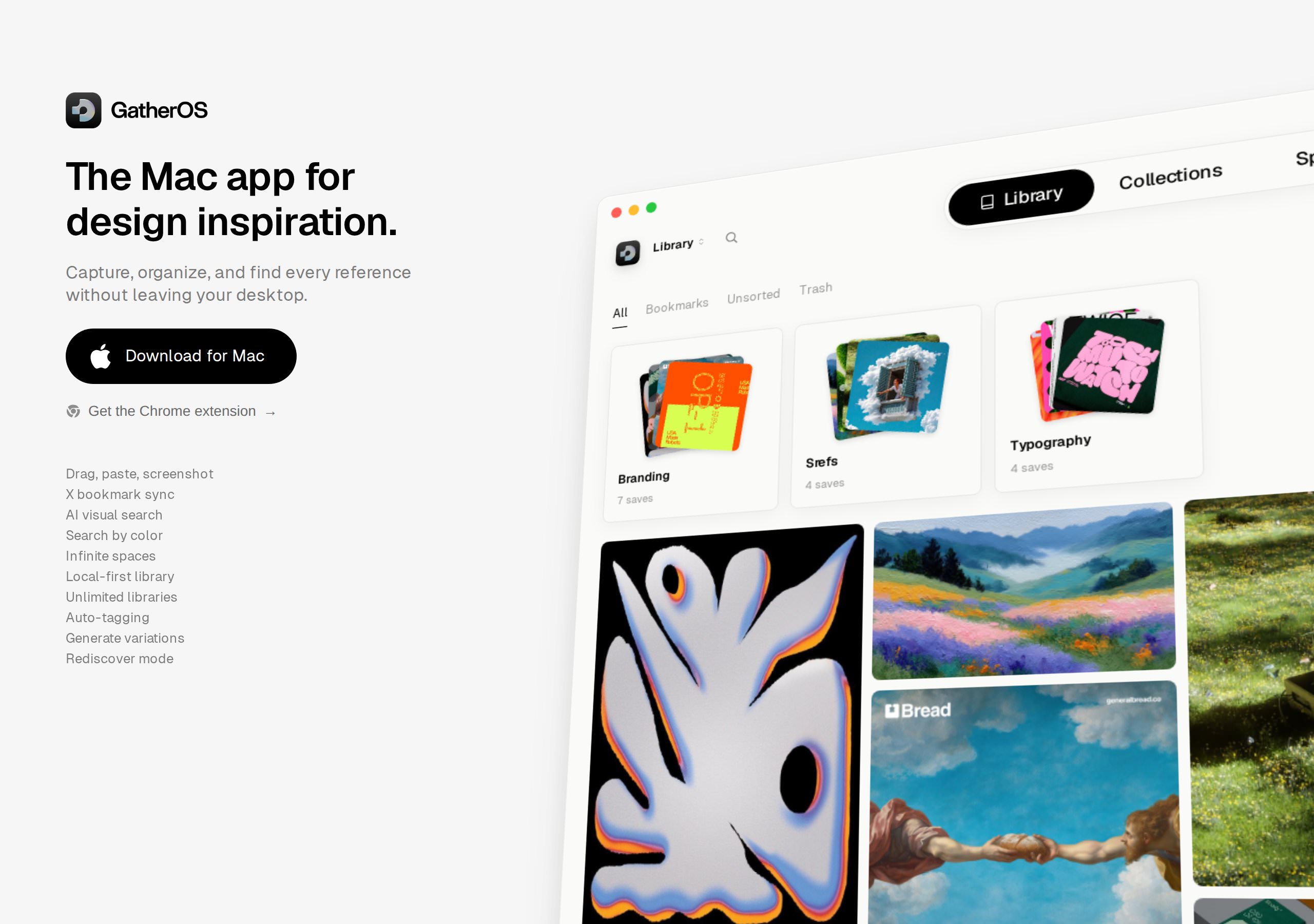
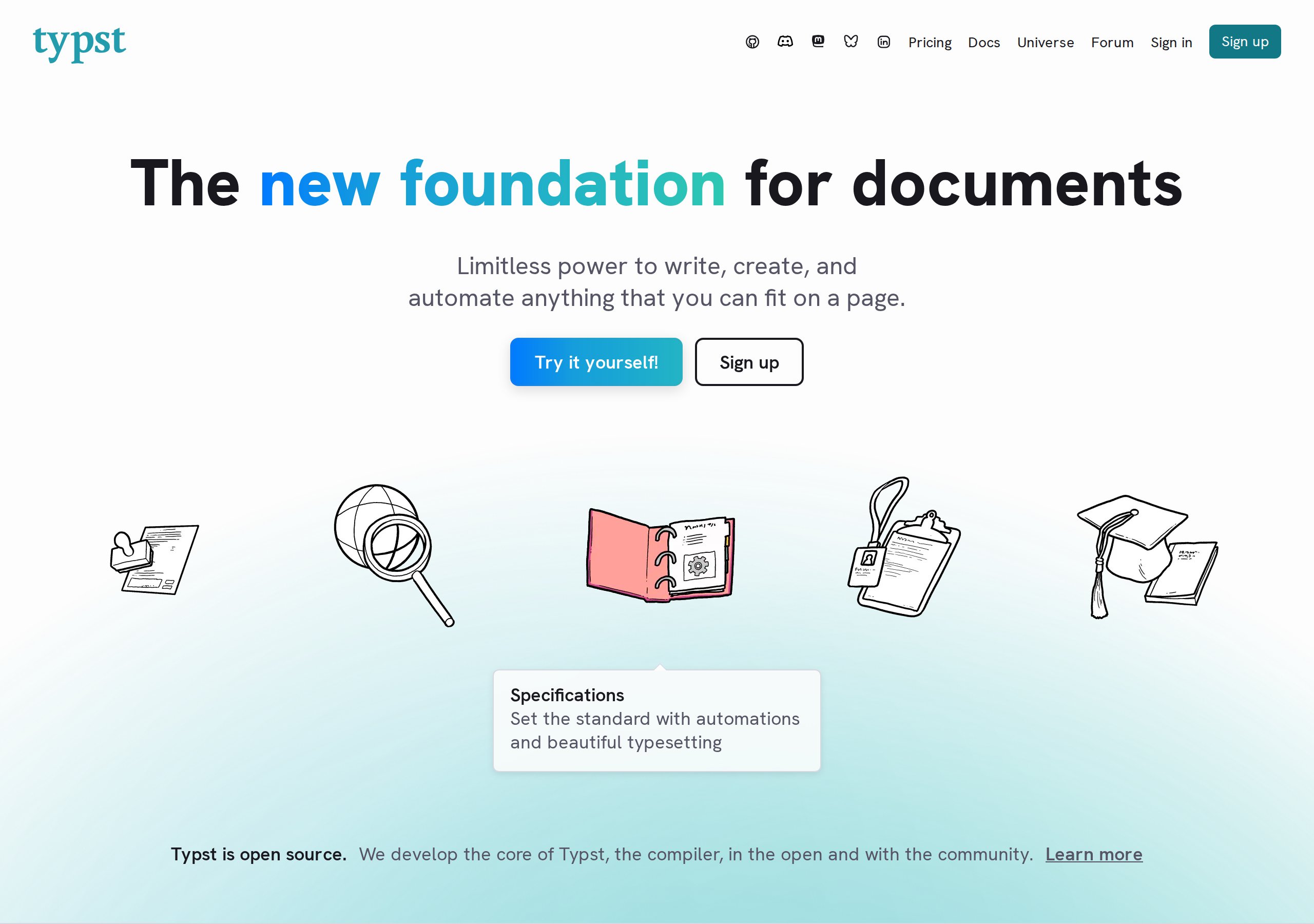
Furthermore, specialized productivity utilities such as Sheets offer a terminal-based spreadsheet interface written in Go, allowing developers to inspect, edit, and manipulate CSV files using Vim-style keybindings directly within the command line. In the design domain, GatherOS provides a local-first macOS application for organizing design references, syncing bookmarks, and executing AI-powered visual searches without imposing cloud storage constraints. Finally, Typst offers a modern markup-based document typesetting engine that compiles rapidly to PDF, HTML, or images, serving as a powerful alternative to traditional LaTeX for technical writers and researchers.
Broader Market Implications and Future Outlook
The convergence of AI-driven automation, high-performance systems programming languages like Rust and Go, and local-first software architectures signals a mature phase in software engineering tooling. As development teams face increasing pressure to optimize cloud expenditures and enhance application security posture, tools that emphasize modularity, zero-telemetry operations, and cross-platform portability are expected to see widespread enterprise adoption.
Industry observers emphasize that the reduction of administrative friction—whether through automated code auditing, reproducible ephemeral environments, or streamlined terminal navigation—directly impacts engineering velocity. By decoupling powerful capabilities from heavy proprietary platforms, the current generation of developer resources empowers individual contributors and large engineering organizations alike to build, secure, and maintain complex digital systems with unprecedented efficiency.