Evaluating software tools requires a systematic approach, involving deep dives into website documentation, hands-on user testing, and critical feature comparisons to uncover operational nuances. For marketing professionals, solo creators, and agency executives navigating the increasingly crowded landscape of social media management software, choosing the right platform depends entirely on team size, channel volume, and required workflow capabilities. Two prominent contenders in this space, Buffer and Loomly, cater to starkly different user profiles. While Buffer emphasizes flexibility, affordable tiered pricing, and developer-friendly integrations, Loomly focuses heavily on structured team approval workflows and multi-user agency structures. Understanding the operational differences between these platforms is vital for organizations aiming to optimize their digital presence and streamline resource allocation.
Market Context and Pricing Evolutions
The social media management software market has undergone significant transformations, marked by strategic platform updates and structural pricing shifts across the industry. Notably, Loomly introduced substantial price adjustments in 2025, with certain legacy users reporting steep cost increases that prompted a wave of market migration and renewed evaluation of alternative tools. Such pricing adjustments underscore the broader economic pressures facing software-as-a-service (SaaS) providers as they scale infrastructure and integrate advanced artificial intelligence capabilities.
Buffer maintains a flexible pricing model built around per-channel tiers that decrease in average cost as organizations scale their connected platforms. Conversely, Loomly relies on flat-rate pricing structures governed strictly by user limits and calendar configurations. For solo creators managing multiple profiles across various channels, cost differentials can quickly become decisive. For example, a single user managing four channels will incur significantly lower monthly overhead with Buffer’s Essentials tier compared to Loomly’s mandatory entry-level Starter plan.
Chronology of Feature Development and Testing Insights
Rigorous comparative testing reveals distinct operational characteristics between the two platforms across several core functional categories, including scheduling, analytics, inbox engagement, and team collaboration.
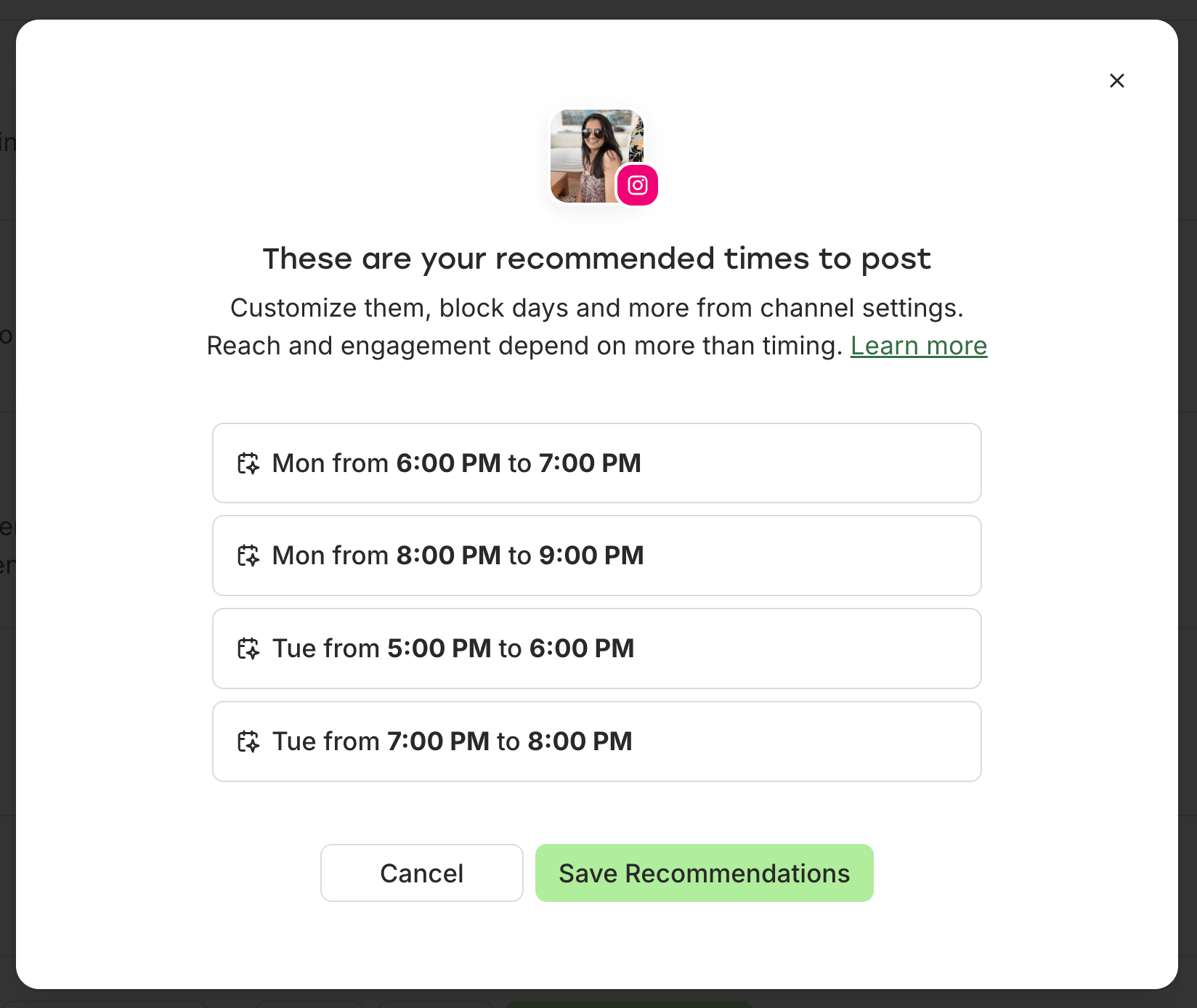
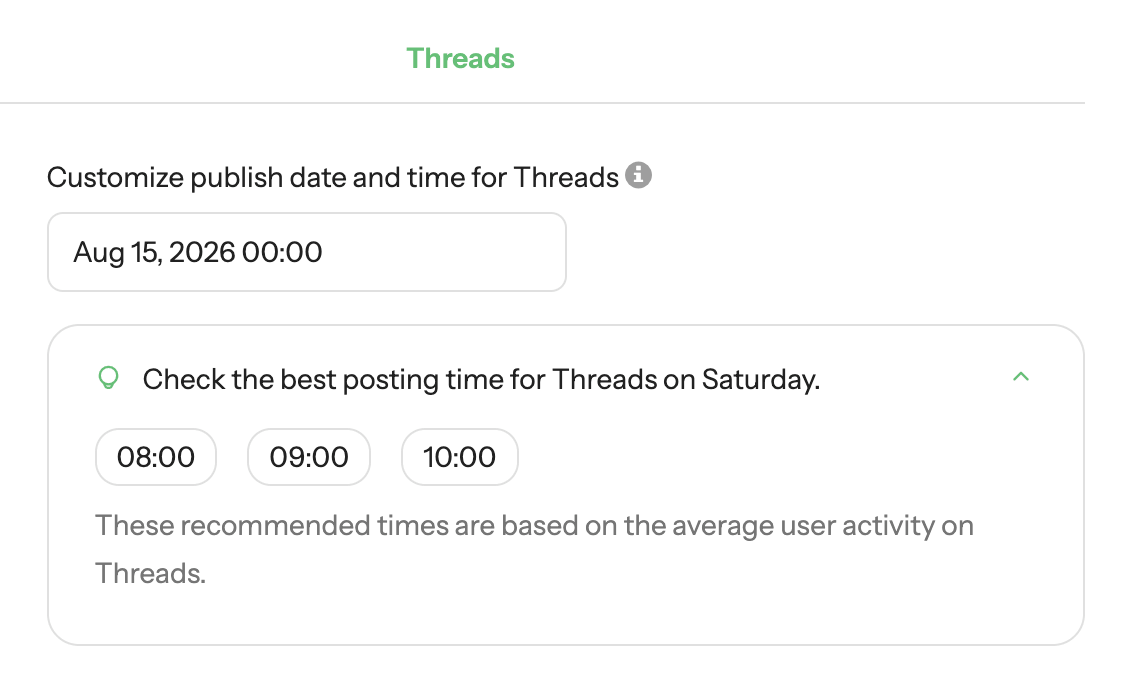
In day-to-day scheduling and publishing, Buffer offers a low-friction interface that enables users to draft content, customize platform-specific copy within a single window, and distribute posts instantly, via custom timestamps, or through an automated queue. Buffer also supports data-backed best time to post recommendations and features a dedicated scratchpad space called Create for early-stage ideation. Furthermore, Buffer backfills natively published posts and synchronizes historical content upon connecting new channels, ensuring a unified master calendar.
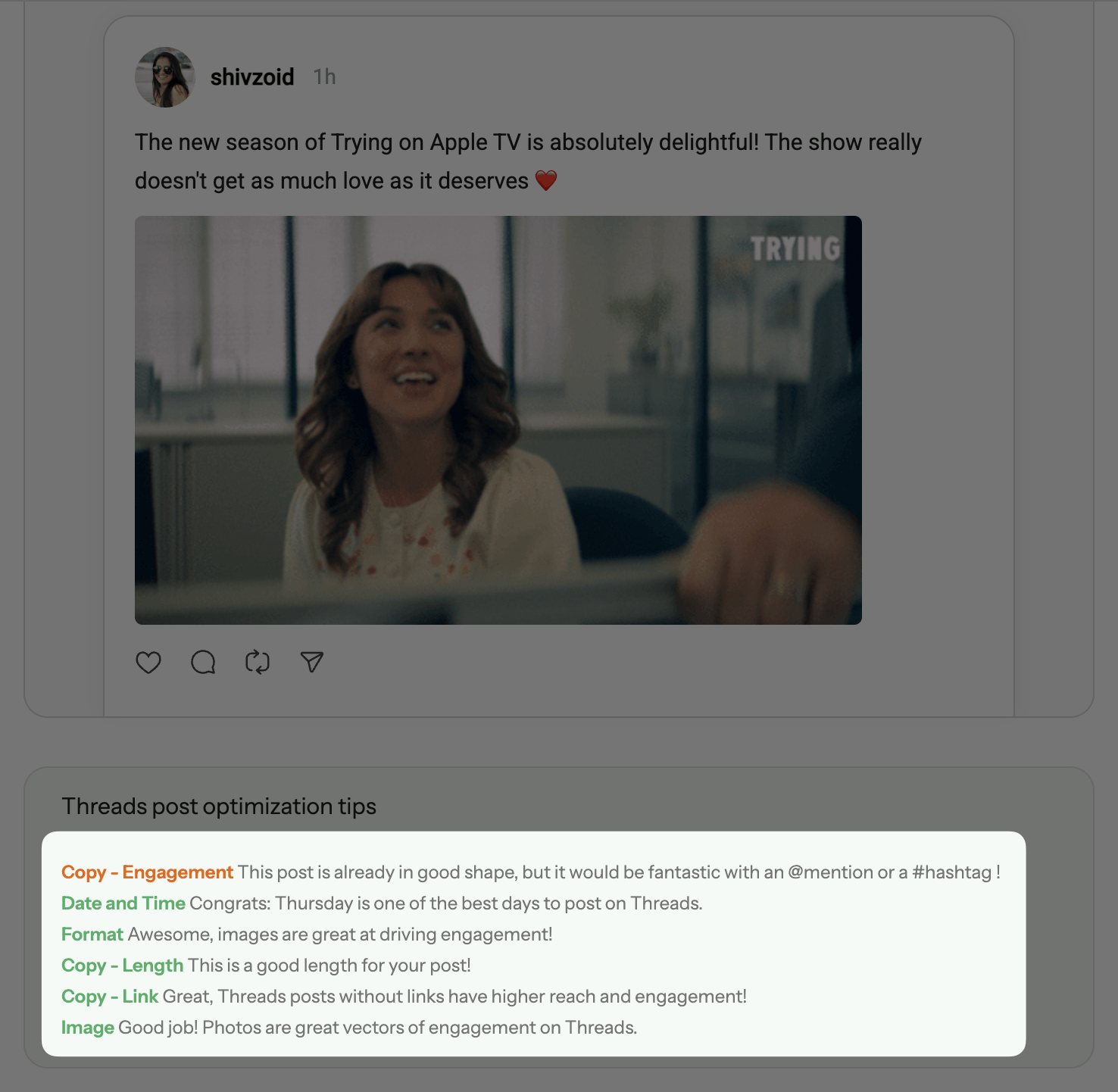
Loomly approaches scheduling through independent workspaces configured at the calendar level. While Loomly provides live, reactive optimization tips that adapt as users edit text or attach media, its architecture presents certain constraints. Posting slots are managed globally per calendar, meaning LinkedIn and Instagram accounts grouped under the same calendar share identical scheduling windows unless managed via separate calendars. Additionally, Loomly does not backfill organically published native posts into its primary calendar view, leaving potential gaps in historical content tracking.
Analytics and Reporting Capabilities
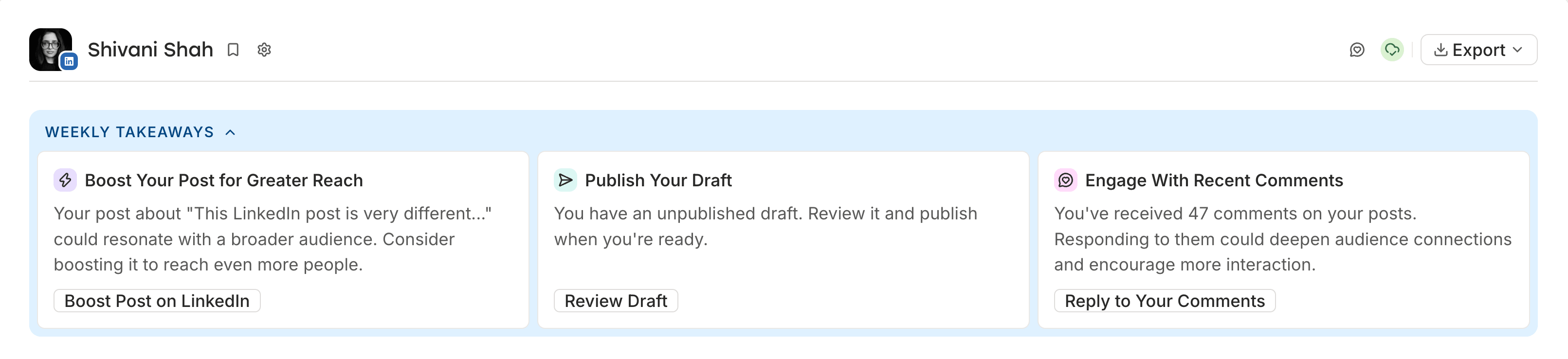
Data-driven decision-making remains a cornerstone of modern digital marketing, prompting close scrutiny of how Buffer and Loomly handle reporting metrics. Buffer Insights delivers post-level, channel-level, and follower growth data across all plans, supplemented by weekly AI-generated takeaways that parse performance metrics to deliver actionable optimization suggestions. Users on paid tiers can export comprehensive reports in PDF, CSV, or Markdown formats for stakeholder presentations or custom data pipelines.
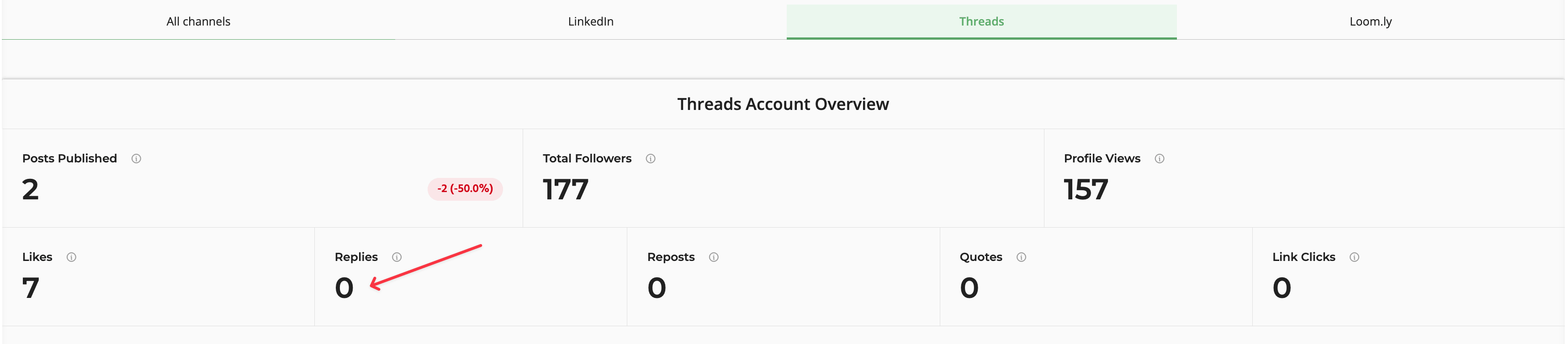
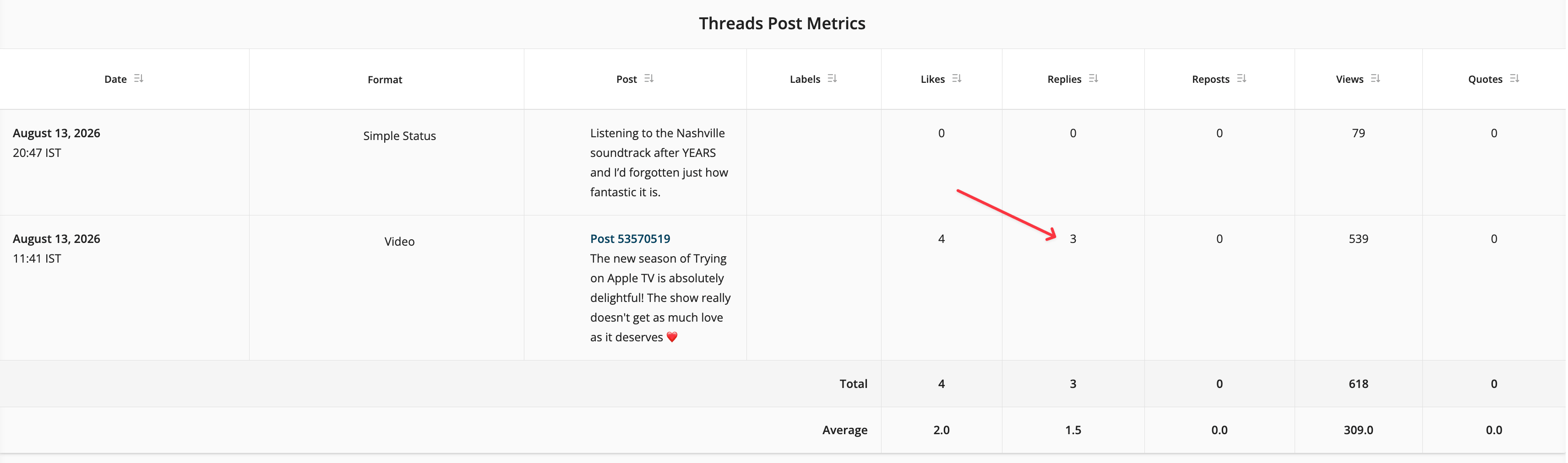
Loomly provides basic analytics across all plans alongside advanced metrics covering follower growth, repost frequency, and link tracking on paid tiers. However, operational testing has occasionally highlighted processing latency and data synchronization challenges when retrieving metrics for specific platforms, such as Threads. For enterprise-level reporting, Loomly’s Beyond plan permits automated PDF report scheduling distributed via email to designated stakeholders, providing a streamlined option for agency client management.
Community Management and Inbox Architecture
Managing audience engagement efficiently dictates the operational velocity of marketing teams. Buffer’s Community inbox unifies comments, mentions, and interactions across a broad spectrum of supported platforms into a single interface. Enhanced by AI reply suggestions and team-shared saved responses, Buffer also tracks a quantifiable Comment Score to measure organizational response times and consistency week over week.
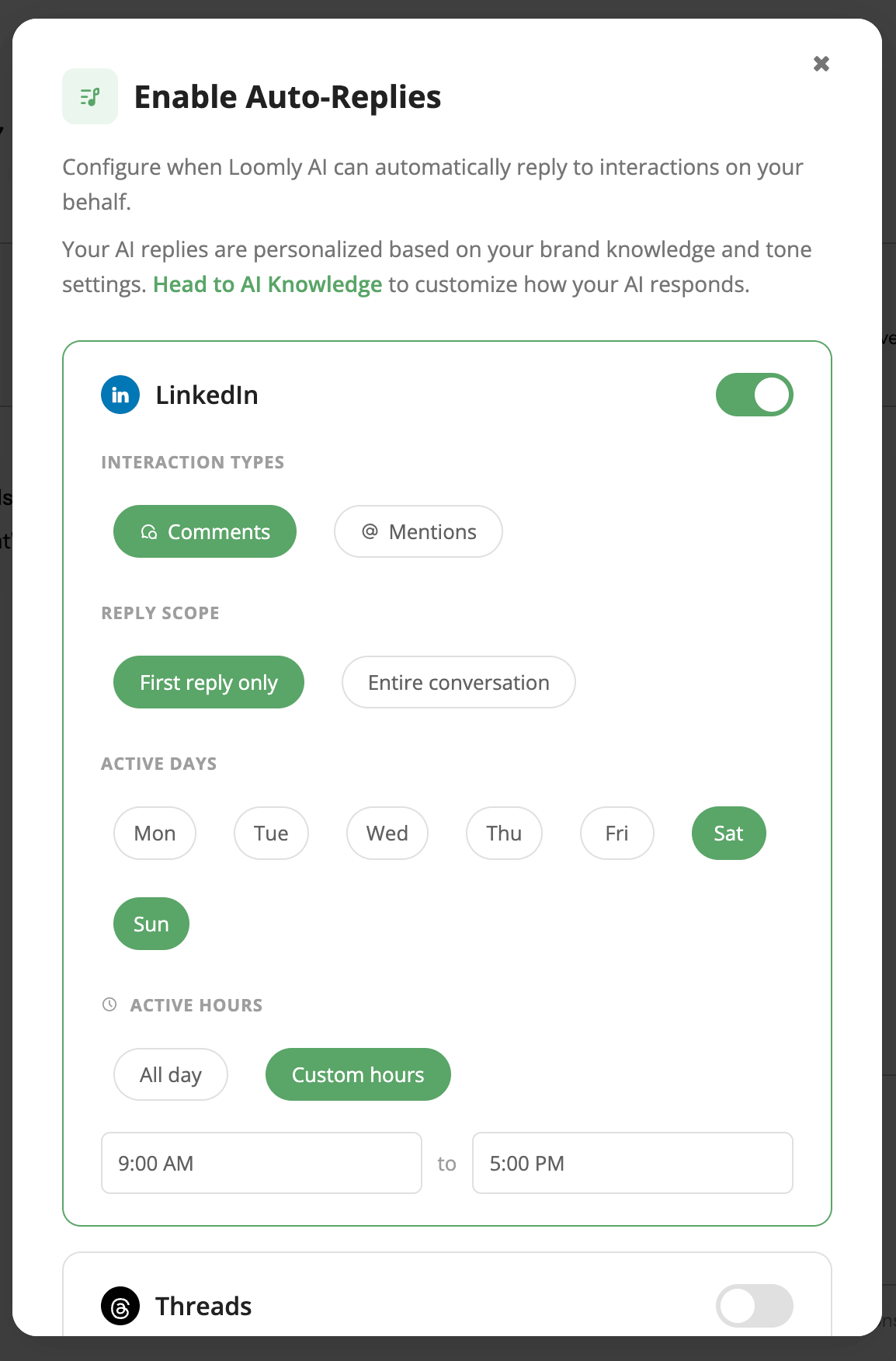
Loomly addresses engagement through its Interactions inbox, which consolidates comments, mentions, and direct messages. A standout feature of Loomly’s engagement ecosystem is its advanced AI auto-reply functionality. By integrating organizational knowledge bases and help center URLs, Loomly’s AI can autonomously generate contextually relevant customer support responses during predefined active hours. Additionally, Loomly allows teams to assign conversations to specific personnel, suiting operations with rigorous customer service workflows. However, for solo users or lean teams focused strictly on clearing notification backlogs rapidly, Buffer’s streamlined inbox minimizes configuration overhead.
Collaboration, Approval Workflows, and AI Integration

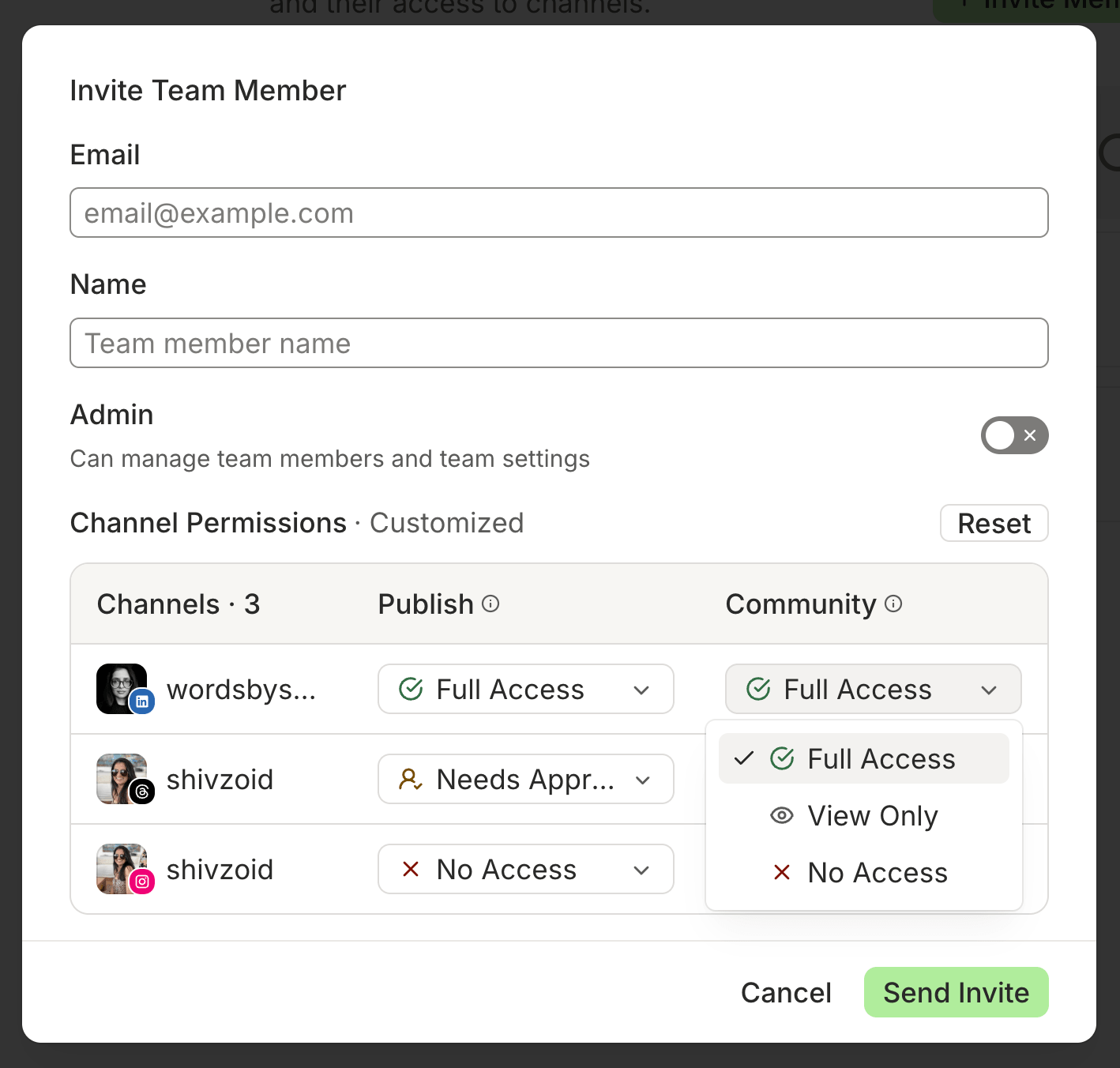
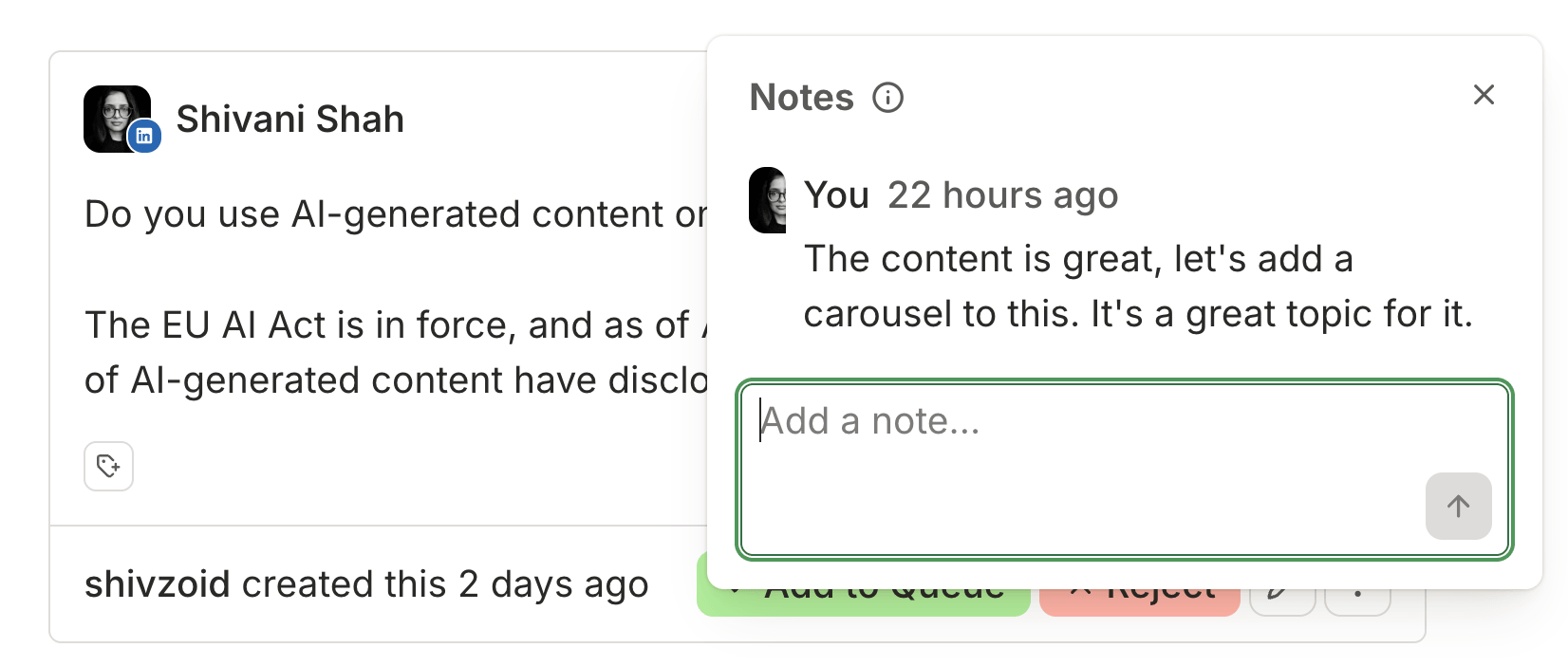
Team governance highlights the philosophical divide between the two applications. Buffer’s Team plan charges on a per-channel basis while permitting unlimited user seats, enabling organizations to grant granular, role-based permissions to internal staff and external clients without incurring escalating software license fees. Its approval mechanism is straightforward, requiring users without direct publishing rights to submit drafts for administrative review.
Loomly’s collaboration apparatus targets structured, multi-tier corporate environments. It features automated workflow routing, state guards requiring unanimous sign-off from multiple designated reviewers before a post can advance, and granular status tracking. While robust for heavily regulated industries requiring stringent legal oversight, these features are tethered to higher pricing tiers that scale sharply once team sizes exceed three members.
Regarding artificial intelligence, Buffer integrates its AI Assistant across all subscription levels—including the free tier—offering un-capped content ideation, drafting, and repurposing capabilities. Loomly also provides AI tools anchored by brand onboarding analysis and a conversational chat interface, but enforces strict monthly usage caps across its free and starter plans, requiring careful consumption tracking for heavy AI users.
API Accessibility and Developer Ecosystem
For technical teams and organizations building automated workflows, API capabilities represent a critical evaluation metric. Buffer provides a robust public API across all plans, including its free tier, alongside a Model Context Protocol (MCP) server that connects natively with external AI environments like ChatGPT and Raycast. This empowers developers to construct fully automated publishing pipelines and custom analytics tools. Loomly, by contrast, restricts its API access primarily to a status endpoint monitoring system health and uptime, precluding custom content management or automated publishing via third-party scripts.
Strategic Implications for Different User Segments
Analysis of platform feature sets and pricing models suggests clear recommendations across various organizational profiles:
- Creators and Solopreneurs: Buffer emerges as the definitive choice due to its highly accessible entry pricing, generous free tier limits, and absence of mandatory multi-user overhead.
- Small Businesses and Growing Teams: Organizations with stable headcount and fixed channel counts under Loomly’s Starter limits may find short-term value in Loomly’s flat fee. However, growing teams that anticipate scaling personnel or platform integrations will benefit more predictably from Buffer’s flexible per-channel scaling.
- Marketing Agencies: While Loomly offers client-specific calendar segregation and rigid approval hierarchies, its steep pricing inflection points when crossing user or channel thresholds often disadvantage growing agencies. Buffer’s unlimited user seats on team plans and expansive API access offer greater long-term scalability.
- Enterprise Organizations: Neither platform serves as a complete enterprise-grade solution for massive corporate social operations. Enterprises requiring advanced, reliable social listening and global governance typically look toward dedicated enterprise suites such as Sprout Social or Hootsuite.
Ultimately, software selection in the social media management sector hinges on balancing operational requirements against cost predictability. By evaluating workflow complexity, automation needs, and budgetary constraints, organizations can deploy the infrastructure best suited to sustain their long-term digital engagement strategies.