The Strategic Power of Brand Mentions for Digital Visibility and AI Optimization


You can maintain an impressive website, curate high-quality content, and provide a seamless user experience, yet still find your brand effectively invisible to major search engines and AI-driven discovery tools. In the contemporary digital landscape, search algorithms and Large Language Models (LLMs) operate on more than just the internal architecture of your website. They rely heavily on external validation—the digital footprint created by credible third-party sources—to determine your brand’s authority, trustworthiness, and relevance.
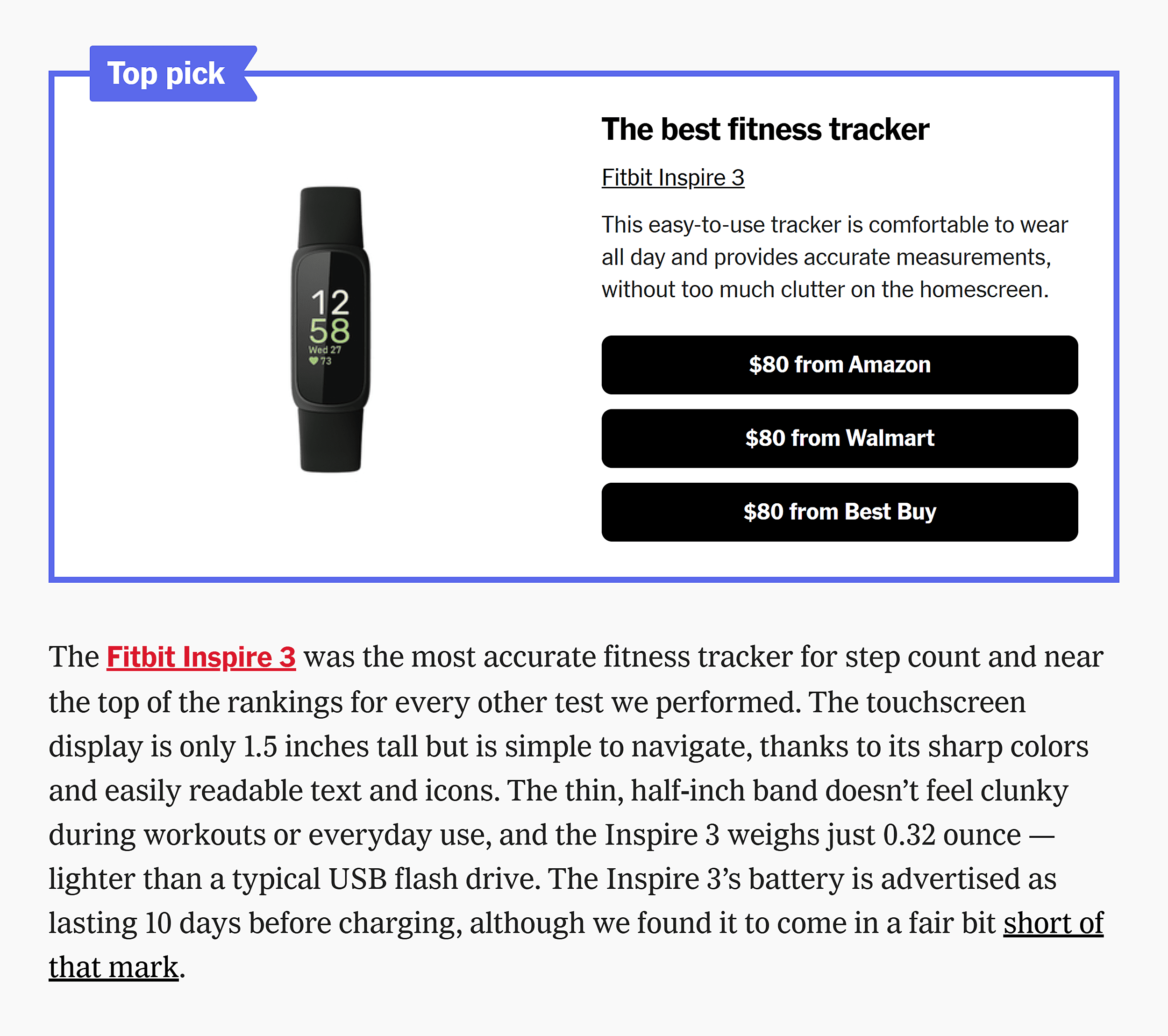
A brand mention is any reference to your business by an external party, whether that appears in a digital news article, a specialized community thread, a YouTube video, or a podcast. These references function as critical signals for search engines and AI, establishing the "entity-level" context required for a brand to be recommended to users. While a website’s own content provides the foundation, external mentions serve as the proof of reputation that drives long-term visibility.

Defining the Mechanics of Brand Mentions
Brand mentions are generally categorized into two distinct types: linked and unlinked. A linked mention includes a direct, clickable URL leading to your domain. These are traditionally sought after in search engine optimization (SEO) because they pass authority—often referred to as "link equity"—and generate direct referral traffic.
Conversely, unlinked mentions are references to your brand name without a direct link. While these do not provide the same direct traffic benefits as a hyperlink, they are increasingly vital in the age of generative AI. When an LLM like ChatGPT or Claude synthesizes information, it relies on the vast, unstructured text of the web. An unlinked mention in a credible forum or news site provides the necessary linguistic context for an AI to associate your brand with specific products, services, or industry themes.
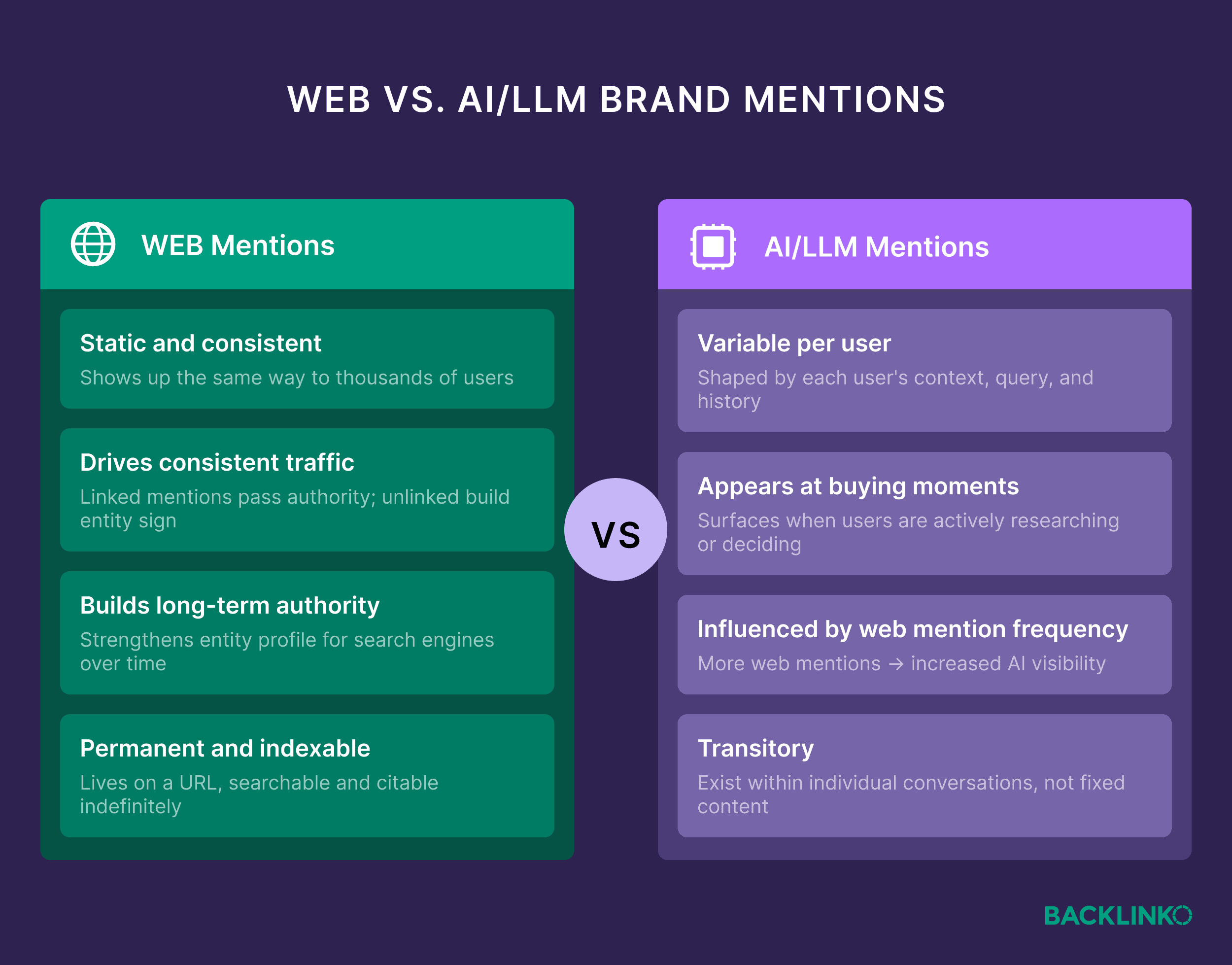
The distinction between web-based brand mentions and AI-specific mentions is critical. A web mention is static; it remains visible to any user who visits that specific page. An AI mention, however, occurs within the dynamic, personalized response of a chatbot. These mentions are ephemeral and tailored to the individual user’s query. Consequently, the primary strategy for modern businesses is to cultivate a robust, widespread web presence of brand mentions, which then feeds the training data and retrieval-augmented generation (RAG) processes that AI tools use to formulate their recommendations.

Why Brand Mentions Are Essential for Authority
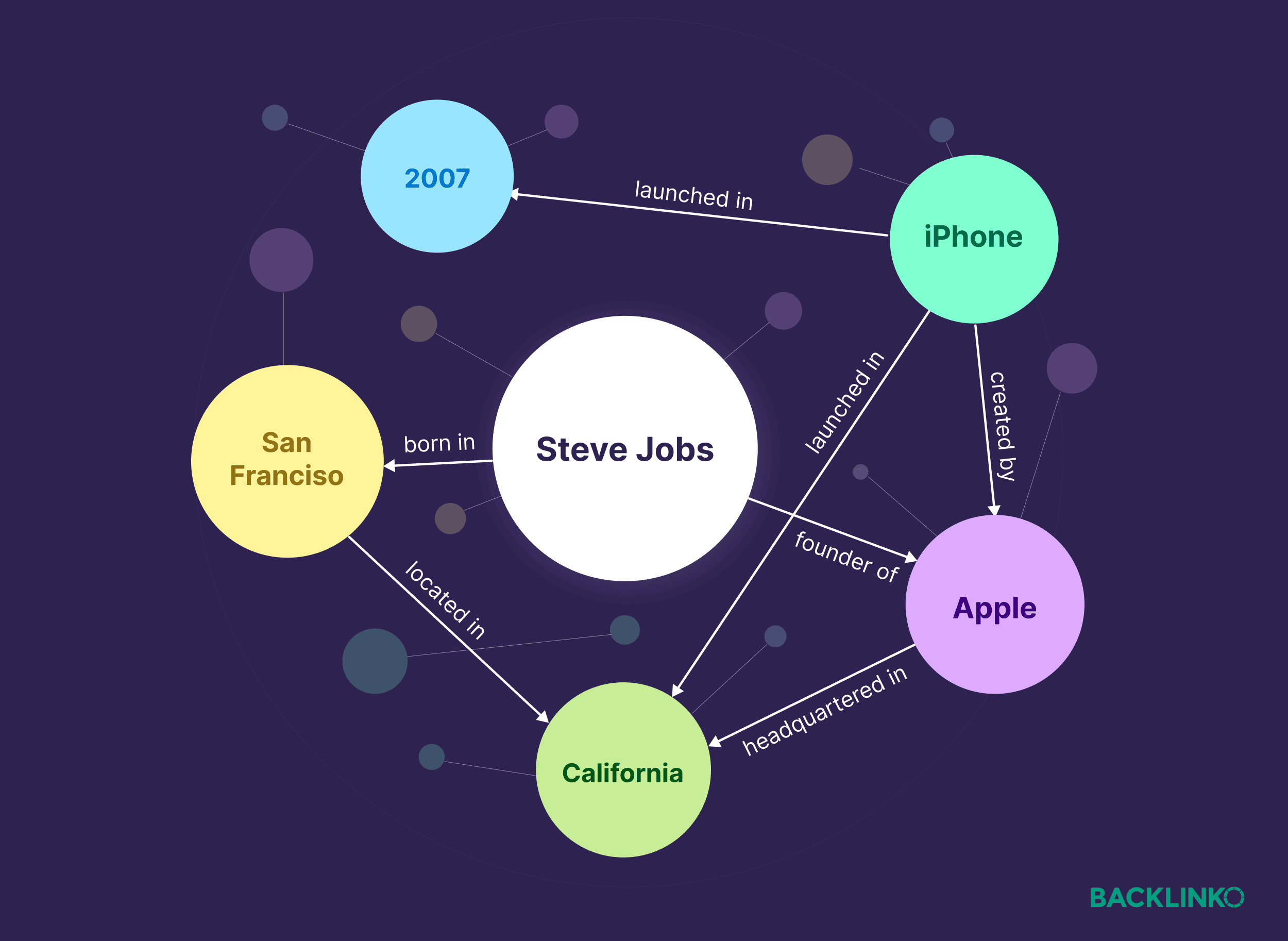
Search engines like Google utilize a "Knowledge Graph" to map relationships between entities—people, organizations, and concepts. Brand mentions are the primary data points used to refine this map. When a brand is mentioned consistently across trusted, topically relevant sources, Google gains confidence that the brand is a legitimate entity in its field.
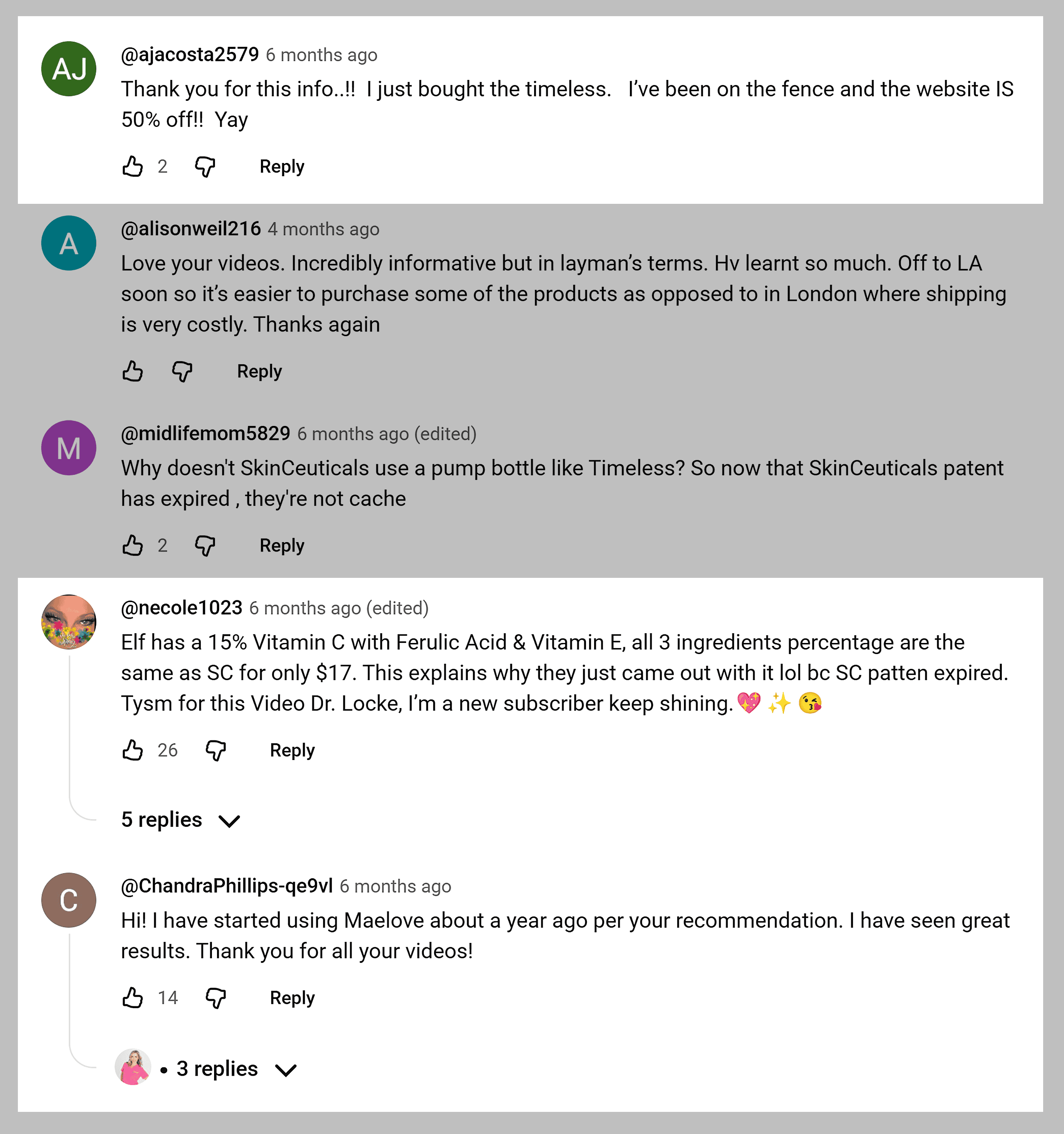
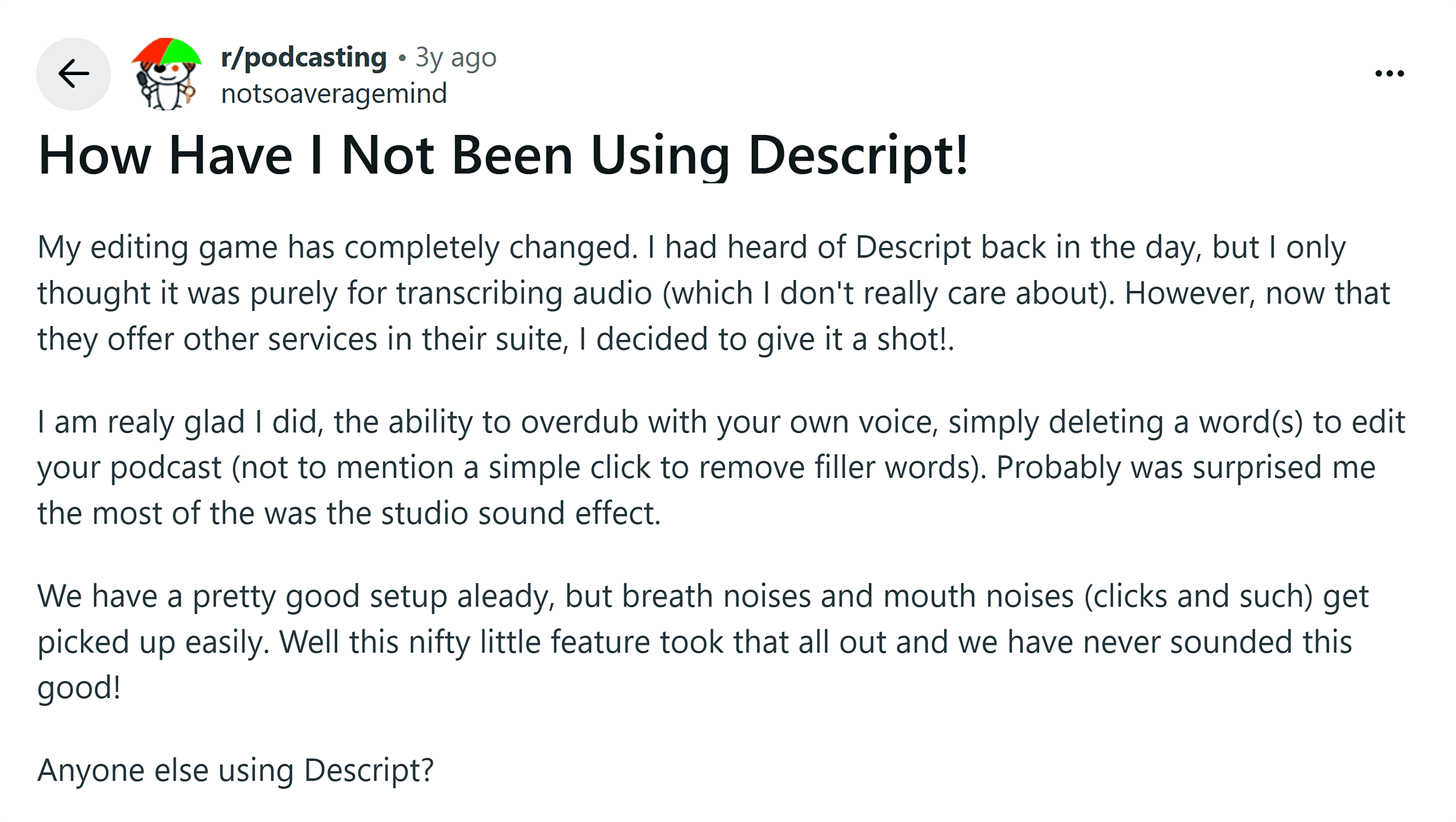
This visibility also facilitates reach into audiences that are not currently searching for your specific brand. For instance, when an influential content creator on YouTube discusses alternative products and highlights your brand as a superior, value-driven option, they are effectively introducing your business to a new demographic. The subsequent engagement in the comment section further reinforces the brand’s relevance, providing additional signals to both human potential customers and automated crawlers.
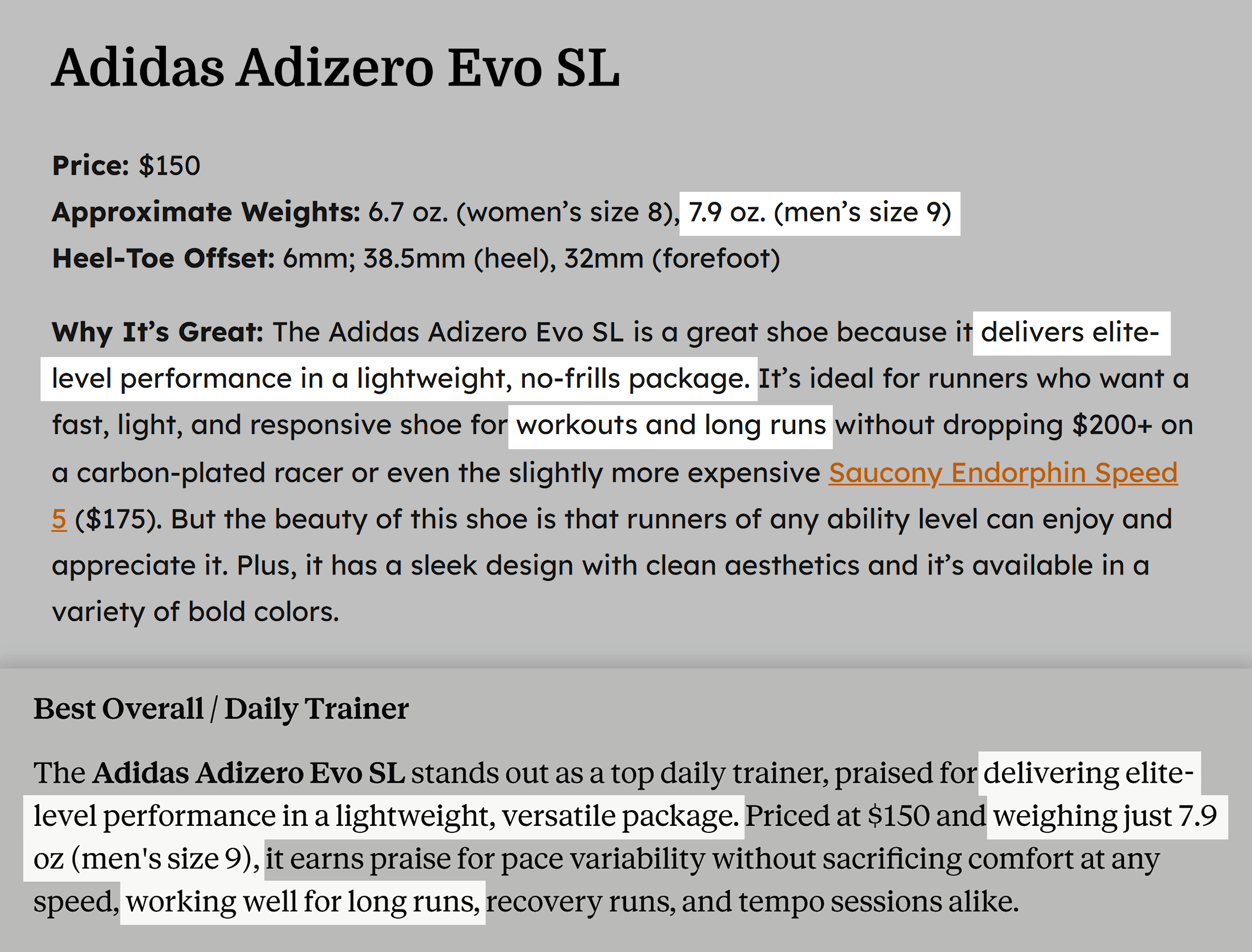
Furthermore, LLMs are trained on the language found in these external sources. If a high-authority industry publication describes your product with specific adjectives or categorizes it under a certain use case, an AI model is likely to adopt that same terminology when answering a user’s question. By controlling the narrative through consistent, high-quality mentions, brands can influence how they are portrayed by the next generation of search tools.
The Criteria for a High-Value Mention
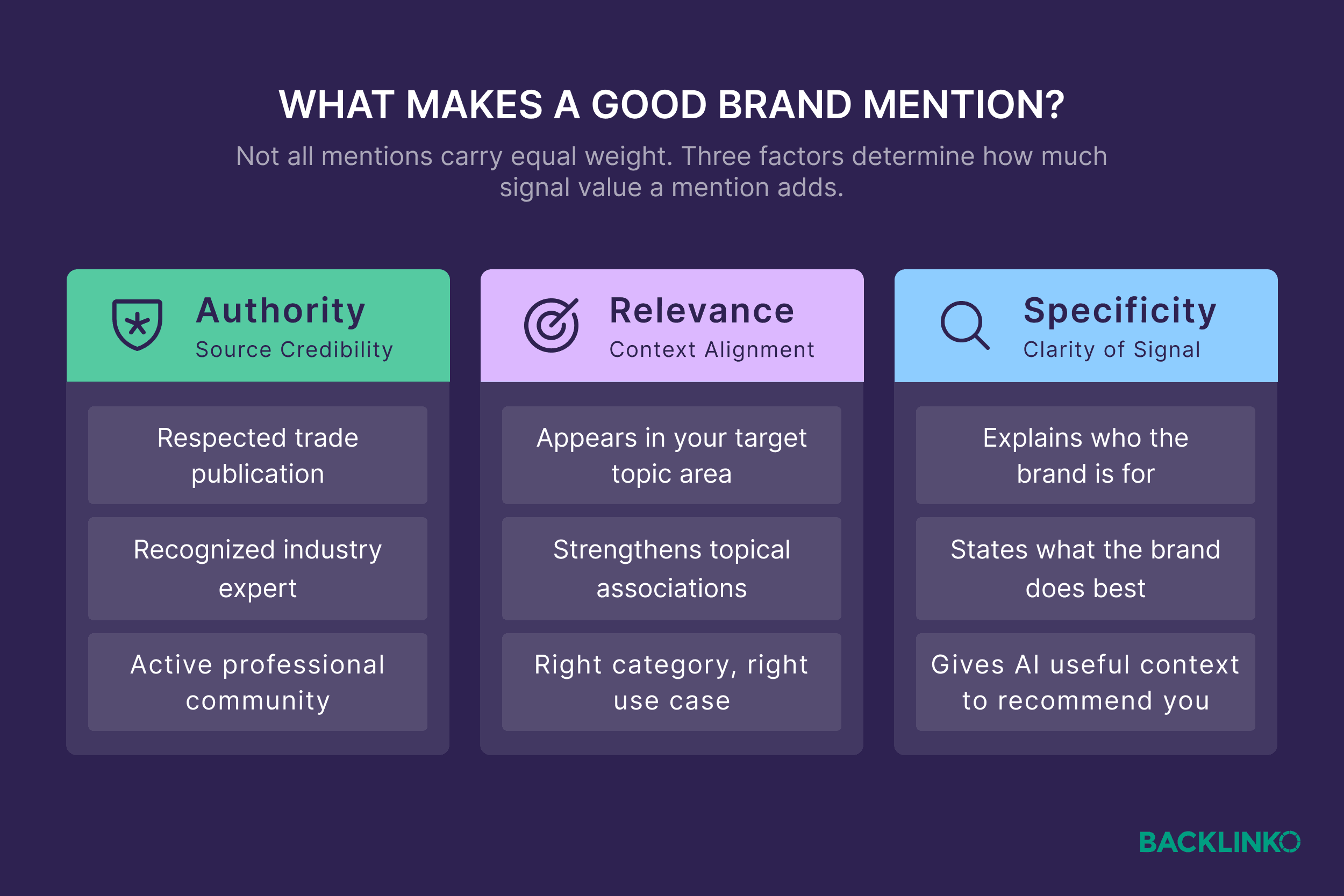
Not all brand mentions carry the same weight. Search engines and AI models are programmed to filter for quality, focusing on three core pillars:
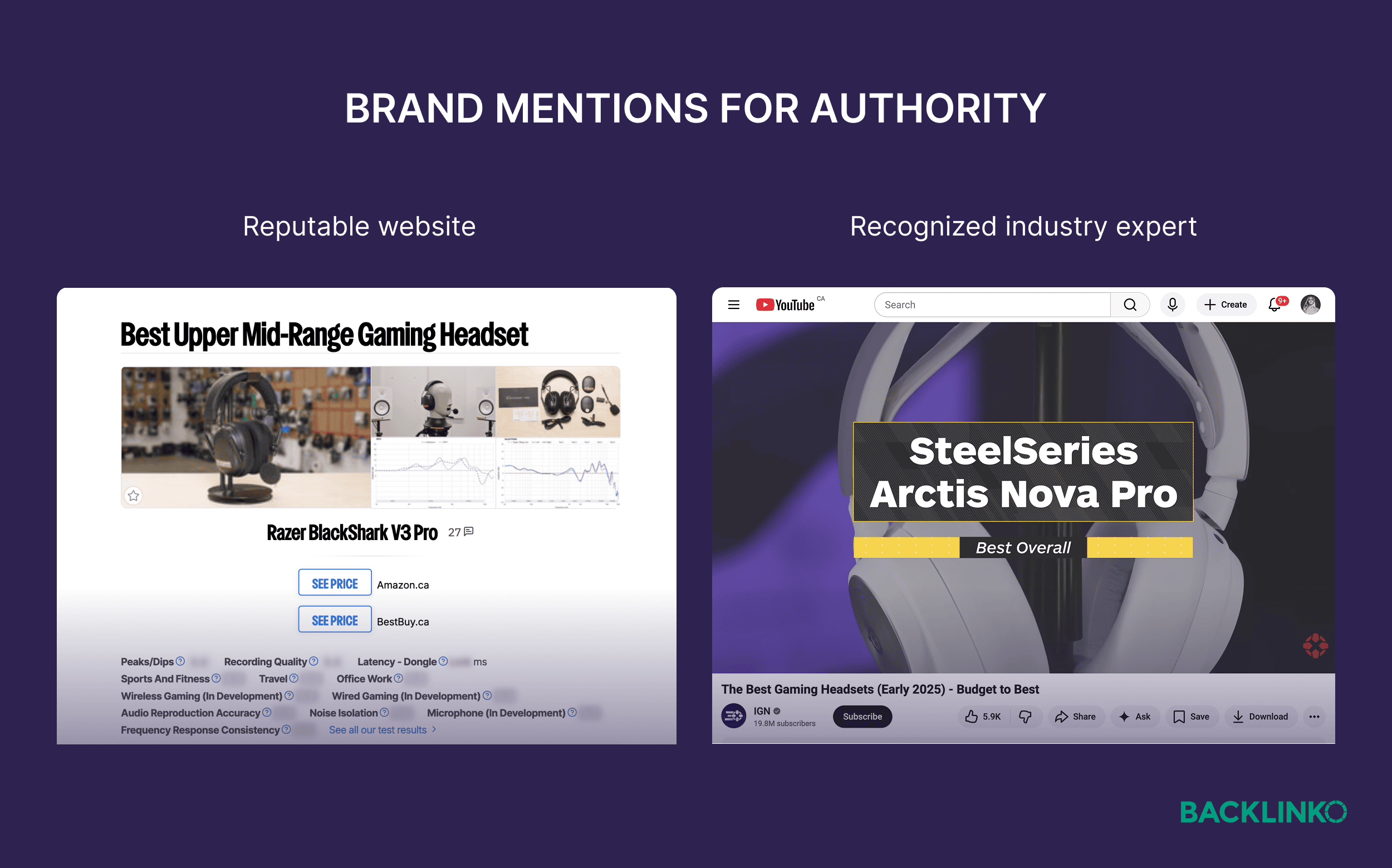
- Authority: The credibility of the publication or platform. A feature in a major, long-standing industry journal carries significantly more weight than a casual, fleeting mention on a low-traffic personal blog.
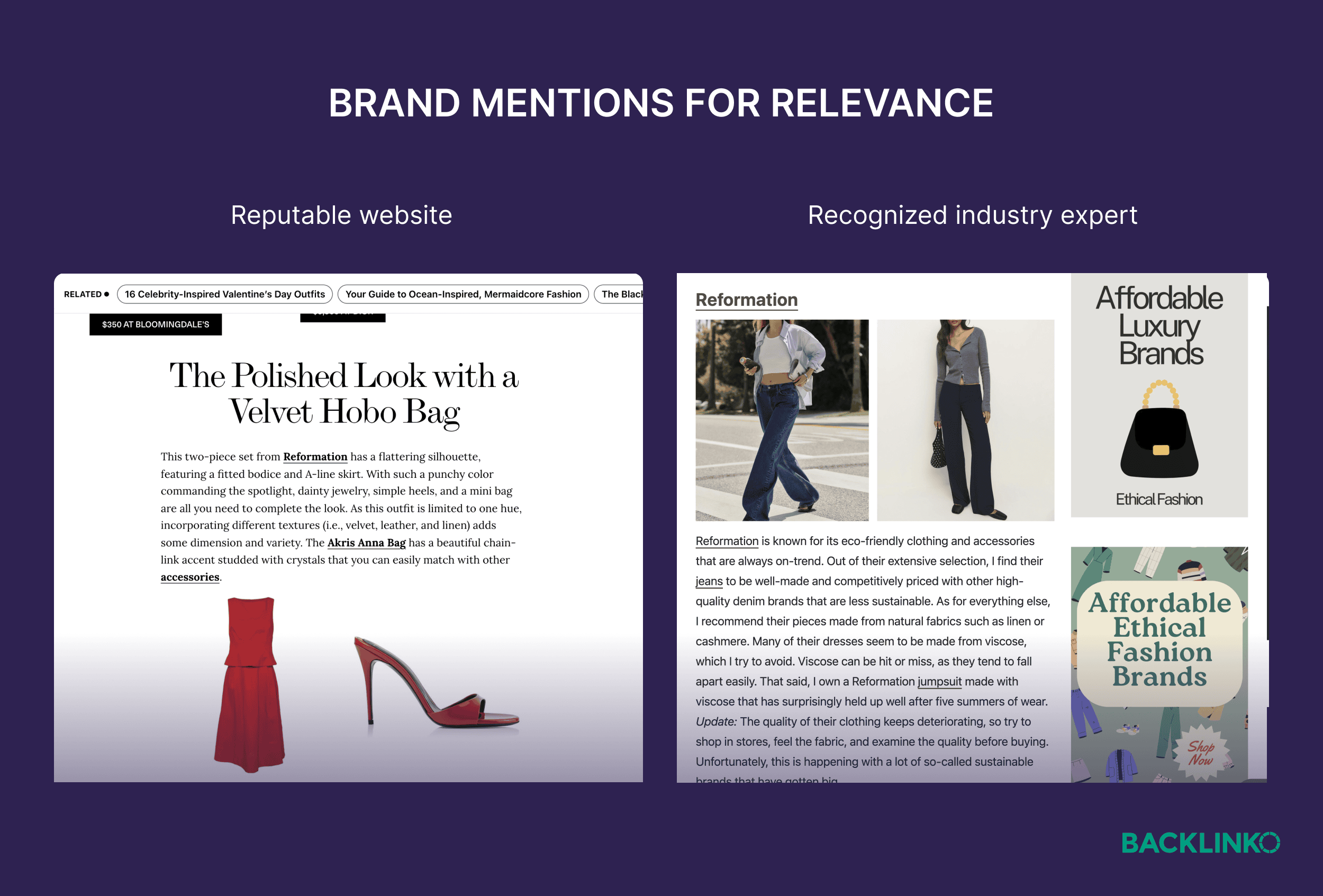
- Relevance: The topical alignment between the source and your brand. If your company specializes in sustainable fashion, a mention in a sustainability-focused outlet is far more valuable than a mention in an unrelated tech forum.
- Specificity: The utility of the mention. A high-quality reference goes beyond a simple name-drop; it includes details about the brand’s unique features, specific use cases, or comparisons to competitors.
Tactical Approaches to Earning Mentions
Building a consistent strategy for earning brand mentions requires a shift from passive public relations to active, value-driven content creation.
Data-Driven, Citable Content
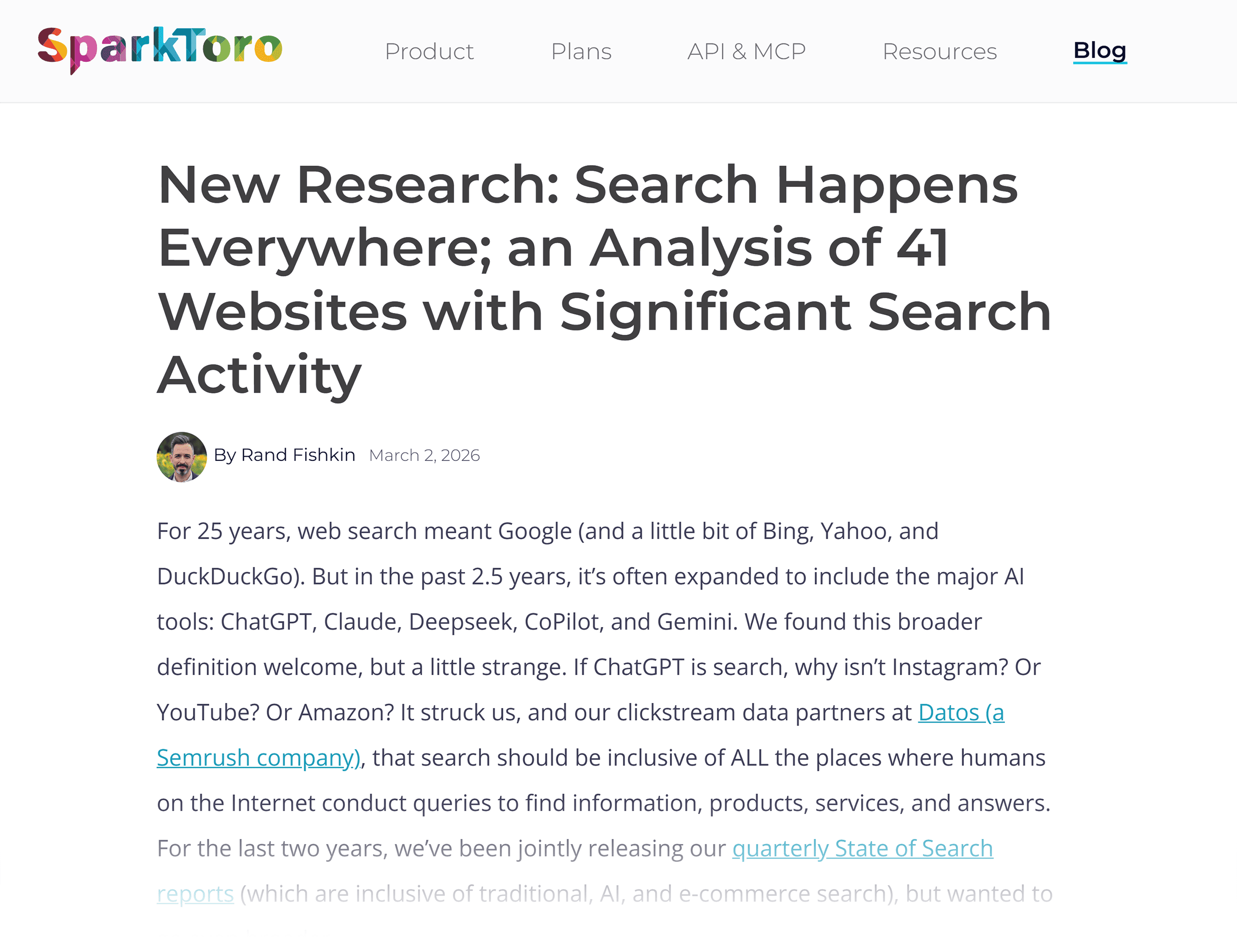
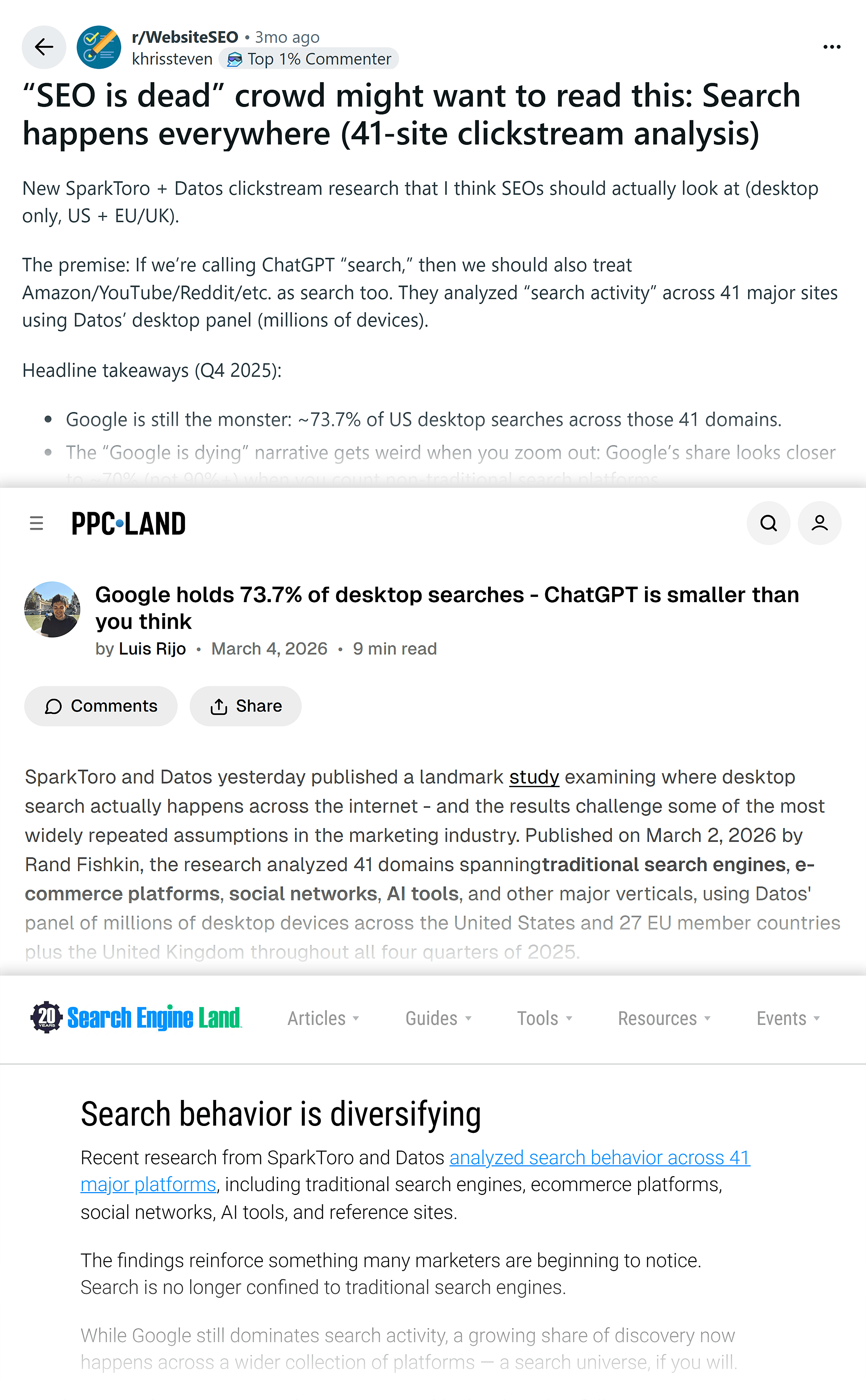
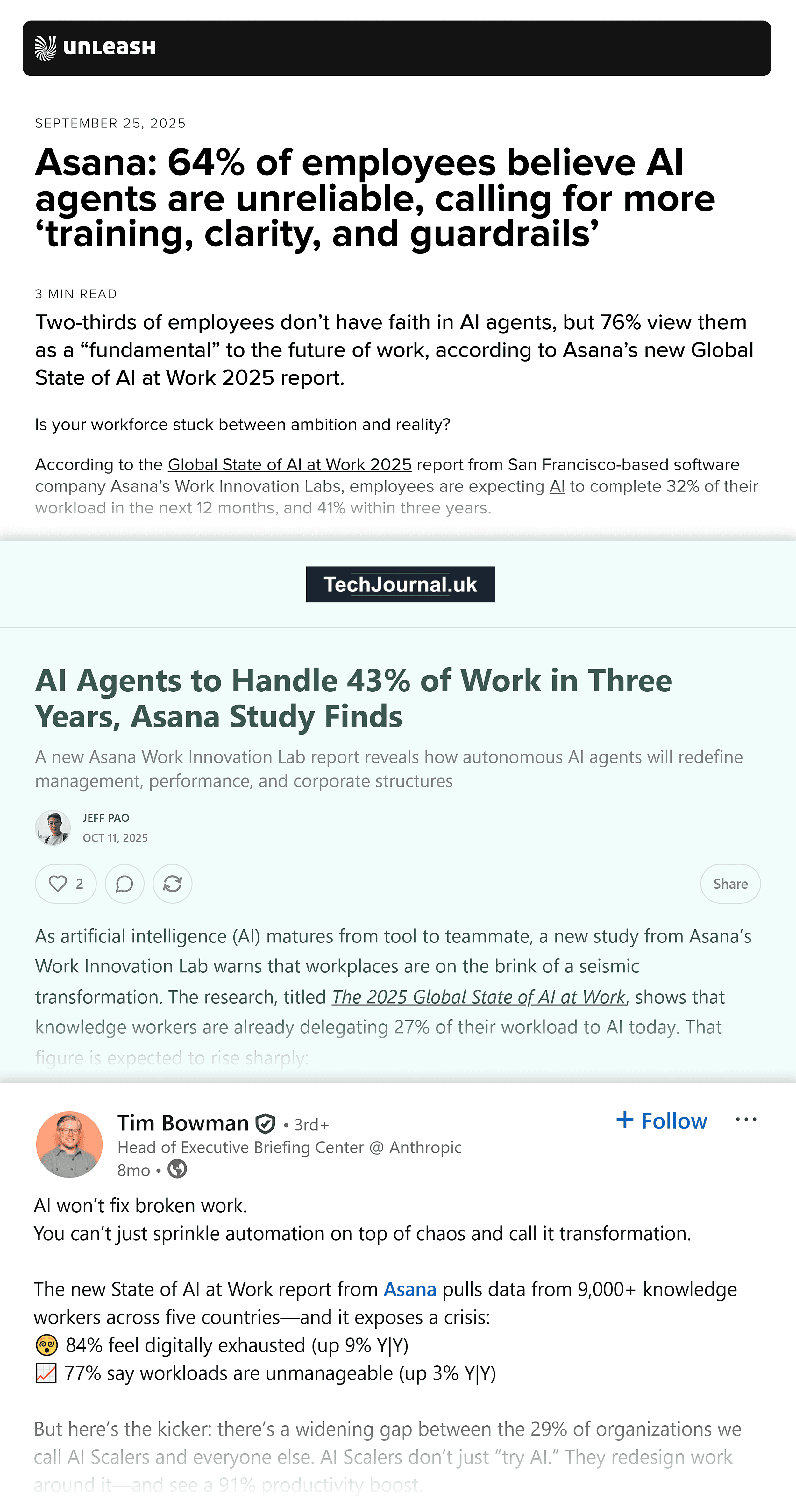
Original research remains the gold standard for earning citations. By conducting proprietary studies on issues the industry is currently debating, a brand makes itself the primary source for that data. When others cite these statistics, they must mention your brand to credit the source. A successful strategy involves identifying unanswered questions within your industry, conducting the necessary data collection, and packaging the results in a way that is easily digestible for journalists and bloggers.
Co-Created Assets and Partnerships
Collaborating with complementary brands is a highly efficient way to generate volume. When two brands in related fields co-host a webinar, a joint report, or a giveaway, they cross-pollinate their respective audiences. This leads to "co-occurrence"—a phenomenon where search engines and AI systems see two brands mentioned together repeatedly in the same context, eventually cementing the association between those brands and the topic at hand.
Featuring Experts and Influencers
By inviting industry experts to contribute to your content—whether through expert roundups, interviews, or podcast features—you provide them with a reason to share the work with their own audiences. A mention that is centered on the expert’s insight is far more likely to be shared than a brief, generic quote. This strategy effectively turns your contributors into brand advocates, expanding your visibility into their existing networks.
Strategic Digital PR
Contributing expertise to established platforms via digital PR is a long-term play for authority. Whether it is a feature on a respected industry podcast or a guest contribution to a top-tier trade publication, these placements act as stamps of approval. The goal is to provide genuine value to the platform’s audience, focusing on solving their problems rather than pushing a sales agenda.
Tracking ROI and Reporting to Leadership
To justify the resource investment in these initiatives, marketing teams must move beyond vanity metrics. Tracking brand mentions requires a multi-layered approach:
- Google Alerts and Manual Search: While basic, these tools provide a free, daily baseline of where your brand is being mentioned. They are best used to identify immediate opportunities for engagement.
- Social Listening Tools: Advanced platforms like Semrush Brand Monitoring or Brandwatch allow teams to track sentiment, share-of-voice, and source distribution. These tools turn qualitative mentions into quantitative data that can be presented to stakeholders.
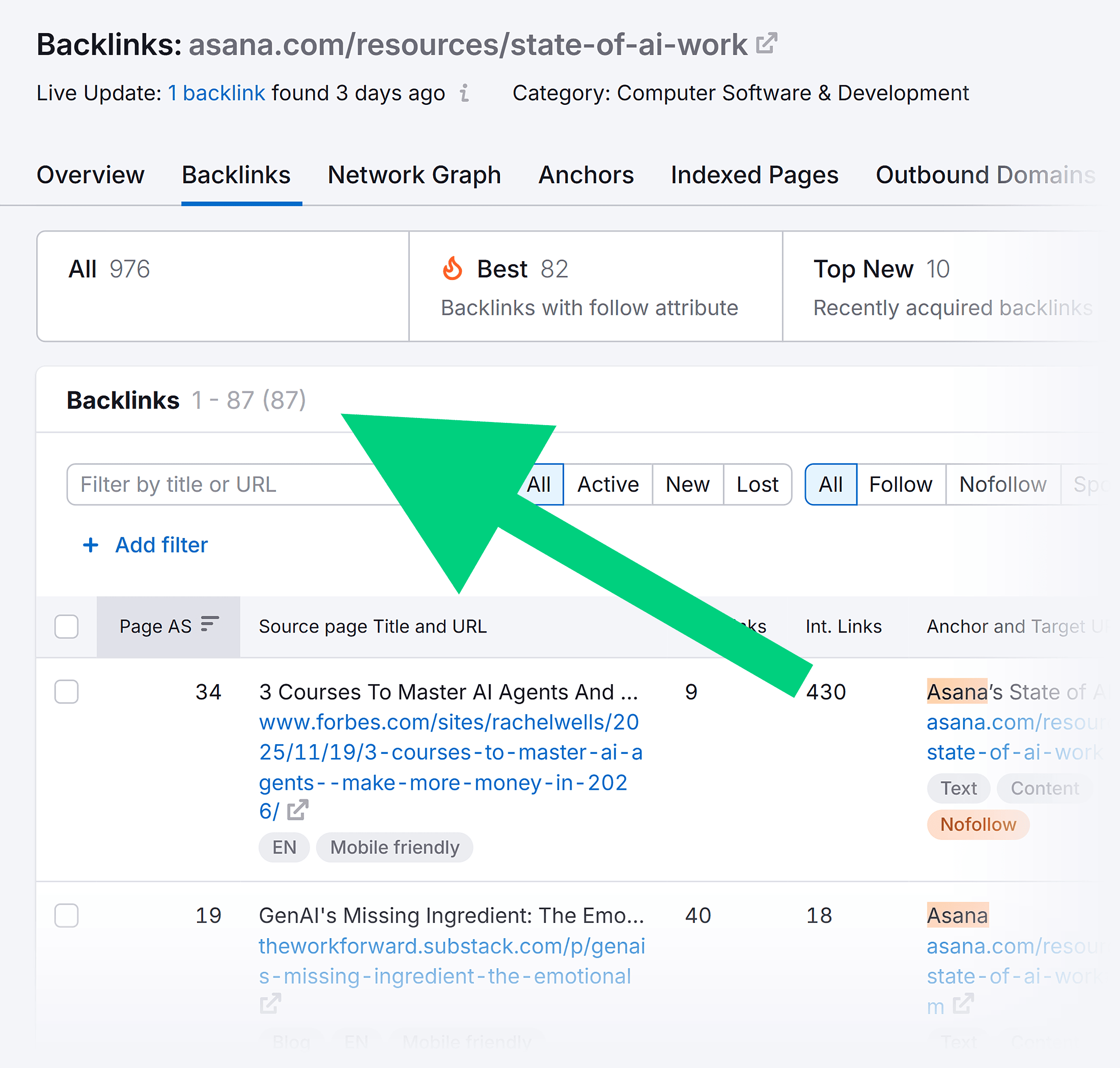
- Backlink Analytics: By using tools to filter backlinks by anchor text, teams can identify which sites are not just mentioning the brand, but linking to it as well, providing a clear bridge between PR activity and traditional SEO metrics.
The final report to leadership should tell a narrative of growth. Instead of focusing solely on the number of mentions, focus on the quality of the sources, the consistency of the sentiment, and the alignment with core business objectives. When leadership sees that brand mentions correlate with increased brand awareness, improved search engine rankings, and a more favorable portrayal in AI responses, the investment in a brand-mention strategy becomes clear and sustainable.
In an era where AI dictates the flow of information, the businesses that thrive will be those that successfully manage their reputation across the vast, interconnected web of digital discourse. By treating every mention as an opportunity to build trust, authority, and relevance, companies can ensure they remain not only visible but essential in the eyes of both humans and machines.