Mastering Instagram Reels: A Comprehensive Strategic Guide for Modern Business Growth and Audience Engagement


In the rapidly evolving landscape of digital marketing, Instagram Reels has emerged as the definitive tool for brands seeking to bridge the gap between static social presence and high-conversion video content. As of 2026, the short-form video format—originally launched in 2020 as a direct response to the burgeoning popularity of TikTok—has matured into the primary engine for organic reach on the Meta-owned platform. With half of all U.S. adults now active on Instagram, businesses that fail to leverage the Reels algorithm risk losing visibility in an increasingly saturated attention economy.

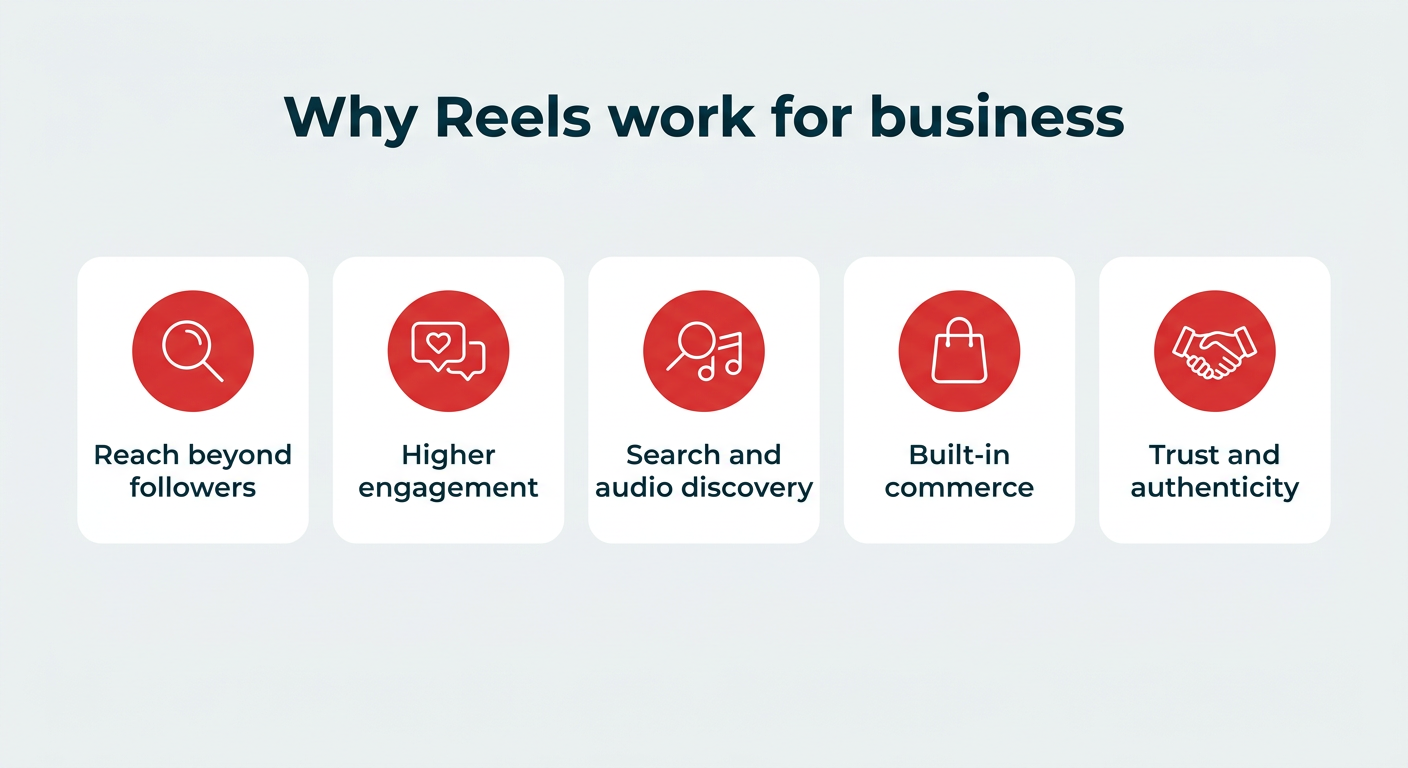
The evolution of Instagram Reels represents a fundamental shift in how Meta handles user discovery. Unlike traditional feed posts that primarily serve existing followers, Reels are distributed by a sophisticated AI recommendation engine designed to showcase content to users based on behavioral interests rather than social graphs. This shift has democratized content distribution, allowing smaller, agile brands to achieve viral growth that was previously reserved for established accounts with large follower bases.
The Strategic Value of Short-Form Video in 2026
The strategic necessity of Reels for business is underscored by recent performance data. Meta’s Q3 2026 earnings report highlighted that AI-driven improvements to the Reels recommendation engine led to a 4% increase in total time spent on the platform. This metric is the "North Star" for the algorithm; the more time a user spends consuming content, the more ad inventory is generated. Consequently, brands that contribute to this dwell time are rewarded with greater organic exposure.

Unlike TikTok, which often favors raw, lo-fi, and experimental content, Instagram’s ecosystem maintains a reputation for a more curated, aesthetic-focused environment. This creates a unique opportunity for brands to maintain high production standards while still engaging in the authentic, human-centric storytelling that defines successful social media marketing today.
Algorithmic Mechanics and Performance Signals
Understanding the Reels algorithm is no longer a matter of guesswork; it is a discipline of data analysis. The algorithm operates by ranking content based on a "likelihood to engage" score. This score is calculated by observing specific user signals:
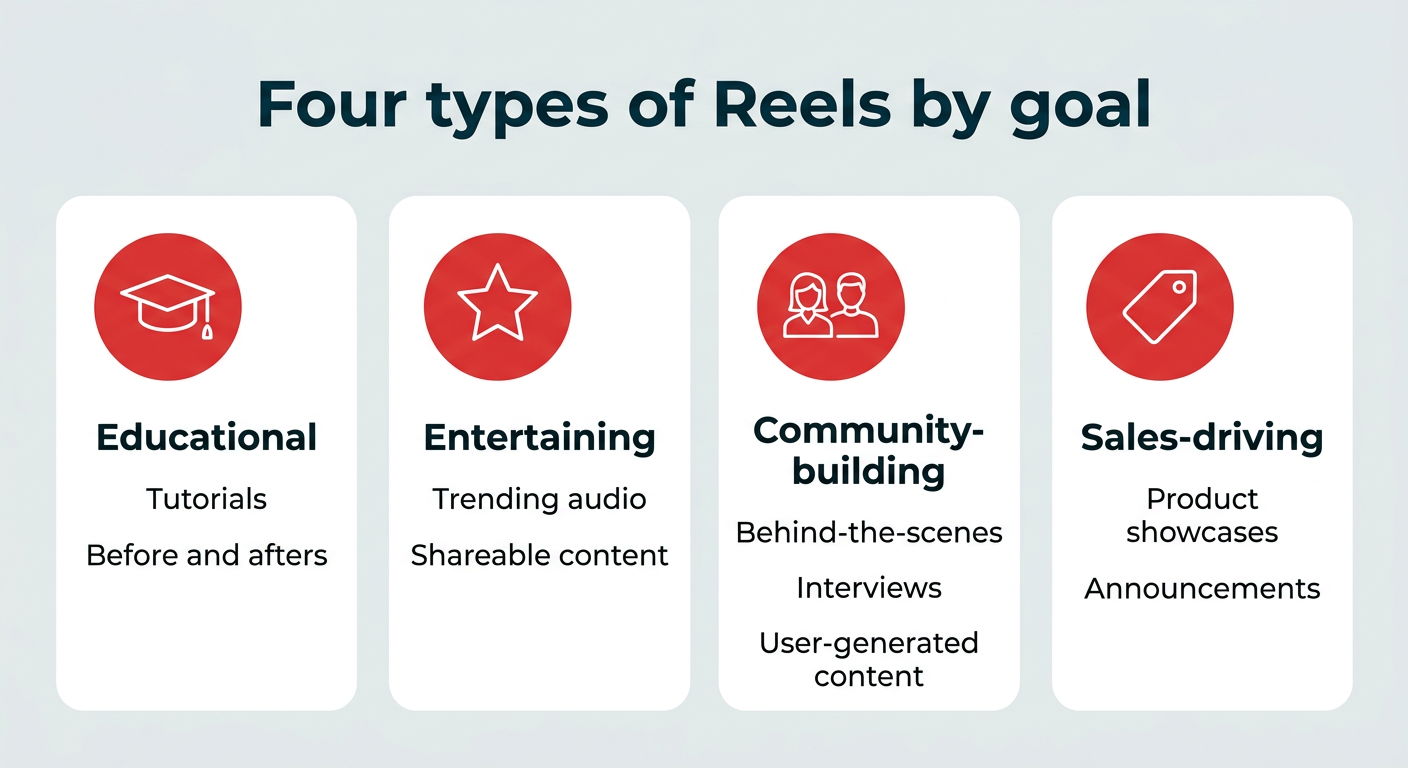
- Watch Time and Completion Rate: The most critical metrics. If a viewer watches the entire video and then rewatches it, the algorithm identifies the content as high-value.
- Reshares: In the current climate, a share is significantly more valuable than a like. It signals to the platform that the content is so relevant it warrants social currency.
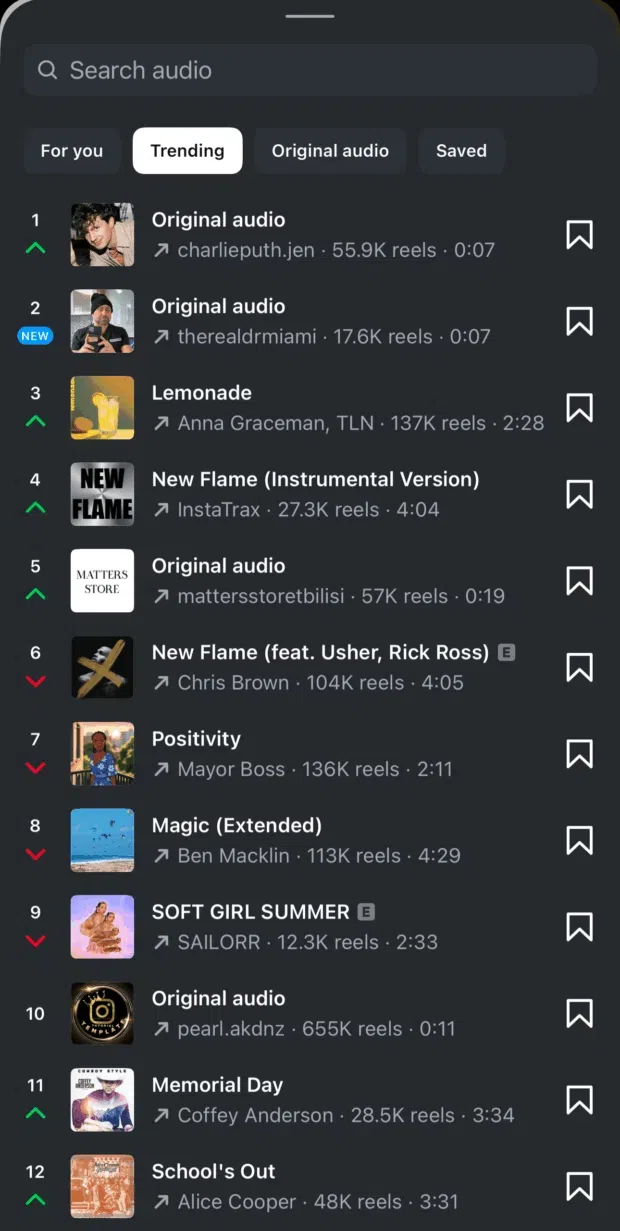
- Audio Association: The use of trending tracks remains a key discovery lever, as the platform aggregates content using specific audio clips, effectively placing the brand into a searchable stream of similar content.
- Interaction Velocity: The speed at which a post gains engagement shortly after being published acts as an initial catalyst for broader distribution.
Evolution of Content Standards: The Three-Minute Threshold
A pivotal moment for content creators arrived in January 2025, when Instagram expanded the maximum duration of Reels from 90 seconds to three minutes. This change was a calculated effort to compete with platforms offering long-form video capabilities. However, data from internal performance audits suggests a nuanced reality: while the capacity for longer content exists, the "hook" remains the most vital element of production.
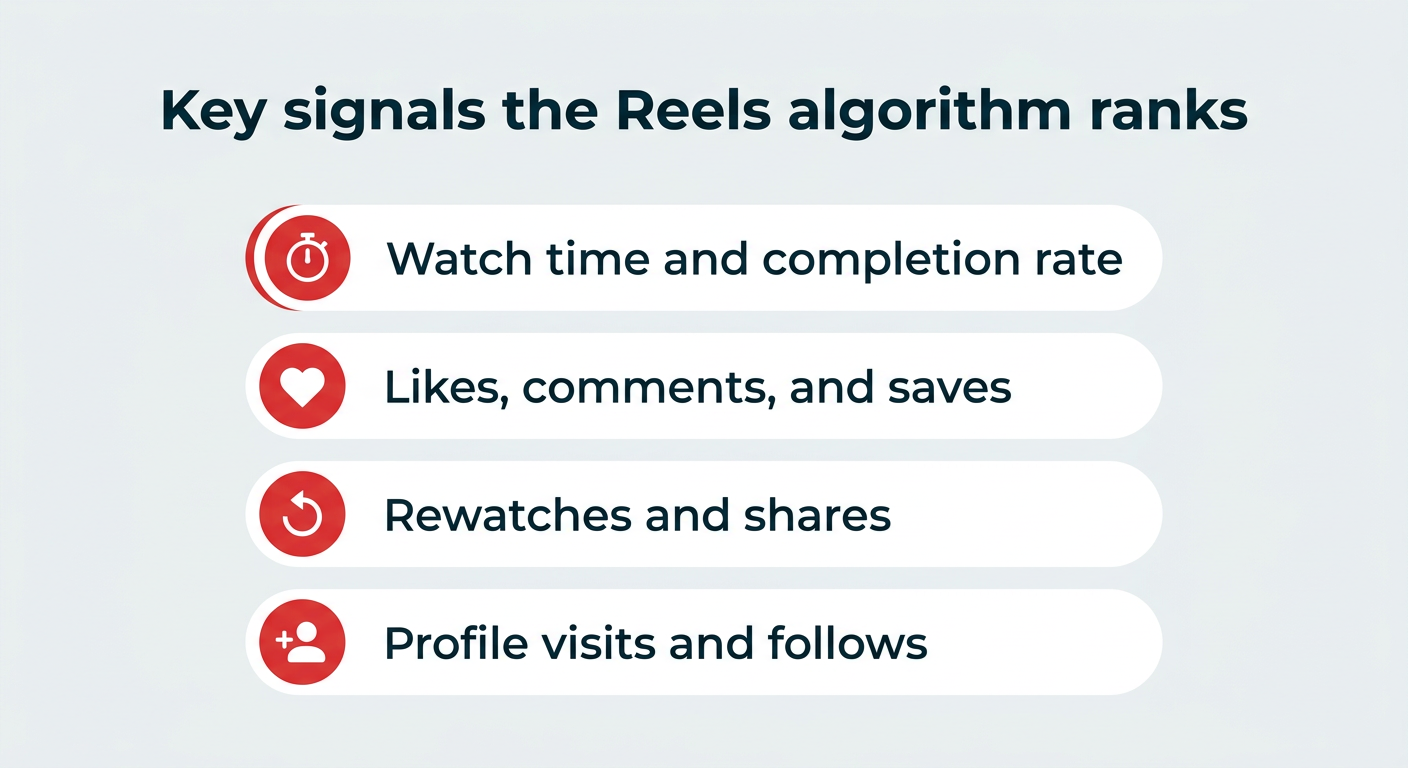
Industry analysts emphasize that the three-minute limit should be viewed as a tool for deepening audience relationships—such as through mini-documentaries or educational series—rather than a mandate to fill time. The most successful brands continue to prioritize brevity, adhering to the principle that if a message can be delivered in 15 seconds, it should not be stretched to 60.

Best Practices for Professional Execution
To maximize performance, marketing teams must move away from "spray and pray" tactics in favor of a structured content strategy. The following protocols are now considered standard for high-performing business accounts:
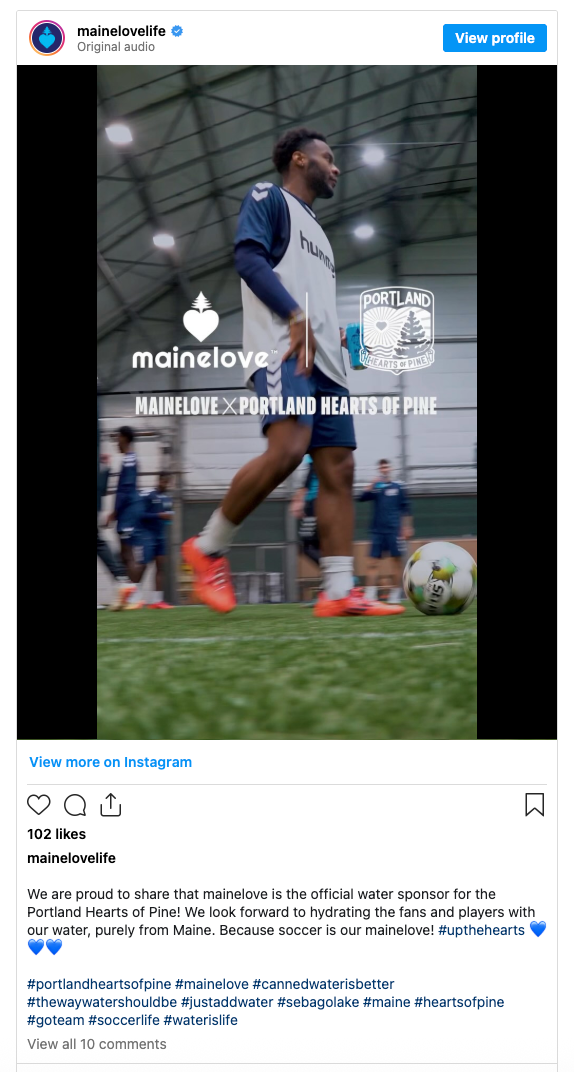
The Two-Second Hook: The introductory frames must immediately provide value, whether through a visual spectacle, a provocative question, or a promise of utility. Title cards and slow, cinematic intros are largely obsolete in the current fast-paced feed environment.
Cross-Industry Relevance: Brands that pivot slightly to address broader, adjacent interests often see higher reach. For instance, a finance firm discussing general workplace productivity or a software company exploring consumer lifestyle trends can reach audiences far outside their core demographic.
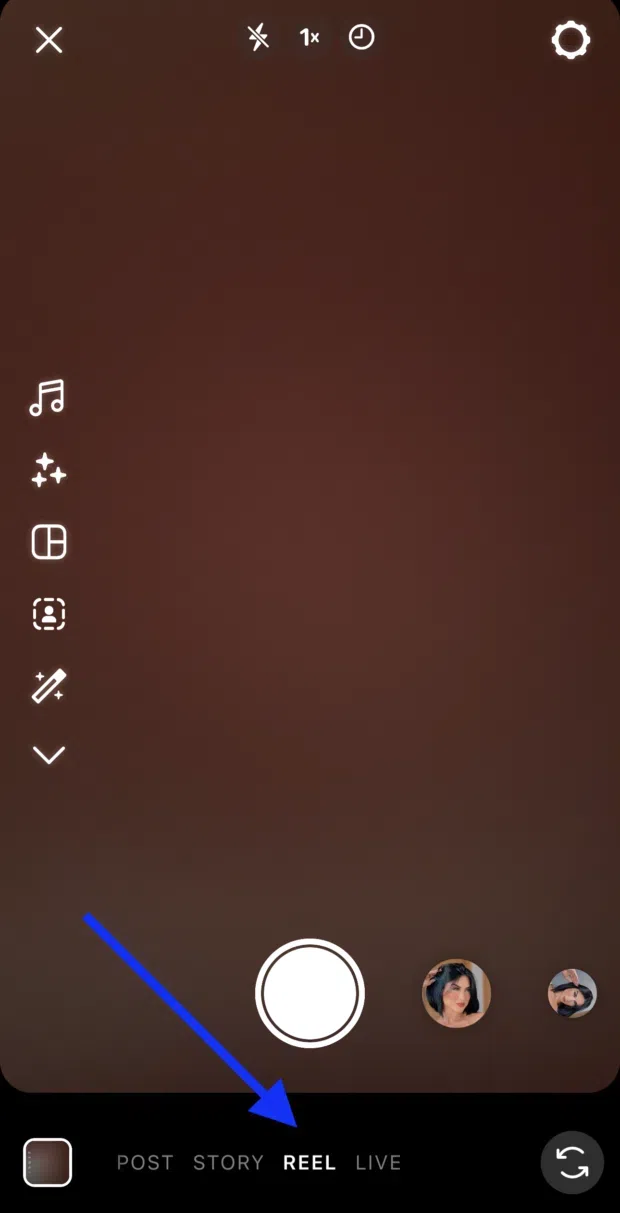
Native Production: The platform penalizes content that displays watermarks from competing apps (such as TikTok). High-resolution, native-exported files are essential. Furthermore, the use of automated, AI-assisted captions is now a requirement for accessibility, as a significant portion of the audience consumes video content with the audio muted.
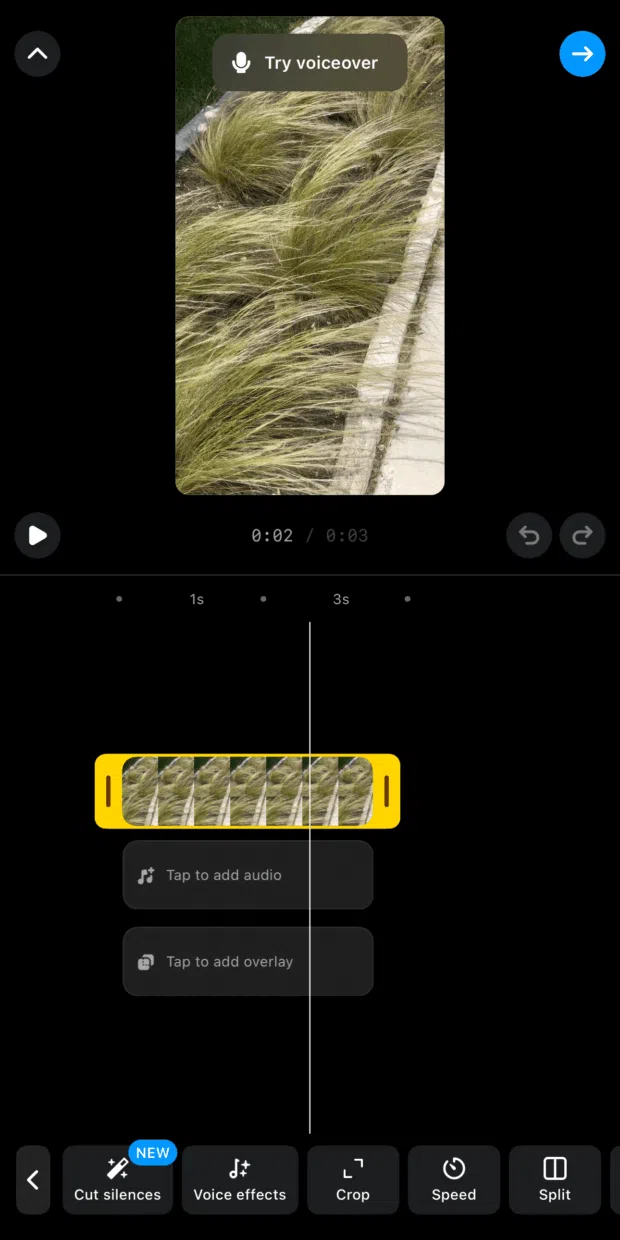
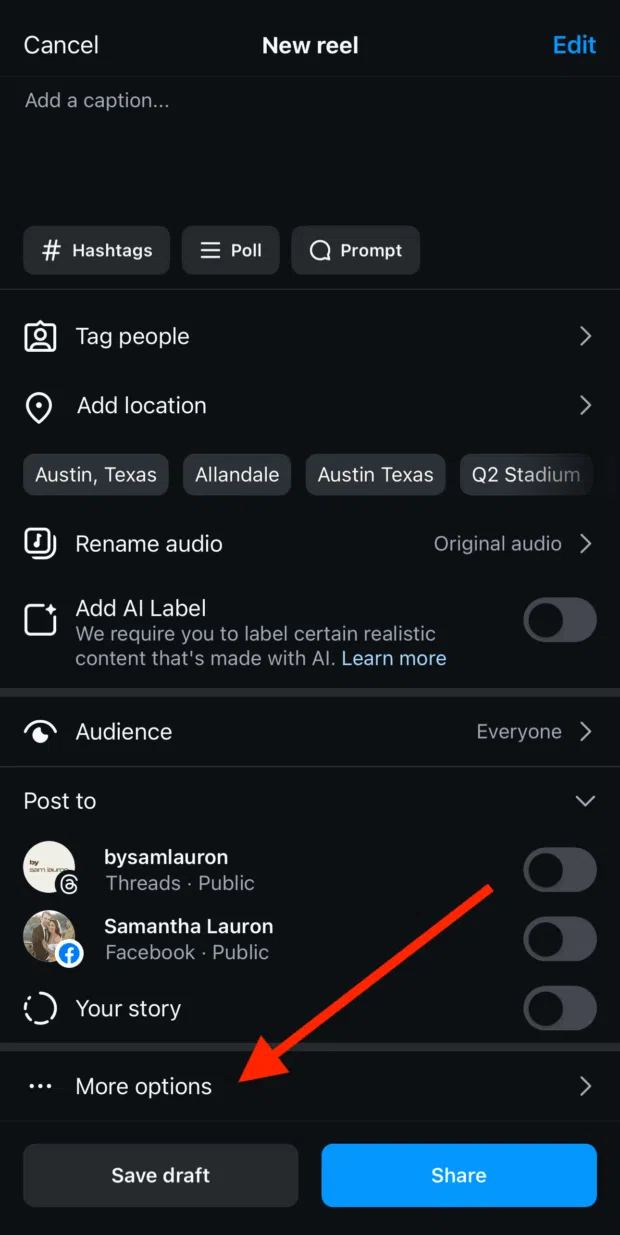
The "Trial Reel" Methodology: Before committing significant resources to a campaign, brands are increasingly using the "Trial Reel" approach—posting content to see how it performs with non-followers before deciding whether to promote it further or integrate it into a larger, long-term brand campaign.
Analytical Frameworks for Success
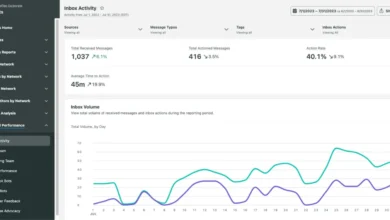
Measuring success on Instagram requires moving beyond vanity metrics like "follower count." Enterprise-level performance is now measured by conversion-focused data points:

- Engagement Rate per Impression: This reveals the effectiveness of the content in compelling action.
- Saves: Often overlooked, this metric is a primary indicator of "evergreen" value. Users save content they intend to return to, which the algorithm interprets as high-quality, long-term utility.
- Profile Visits: This measures the ability of a Reel to convert a casual viewer into a brand follower.
Tools like Perch by Hootsuite allow teams to centralize this data, providing a holistic view of how Reels interact with other content formats. By comparing these metrics against a 3-2-1 or 5-3-1 content cadence—frameworks that balance promotional content with value-driven and behind-the-scenes material—brands can maintain a consistent, healthy feed that avoids audience fatigue.
The Future of Shoppable Media
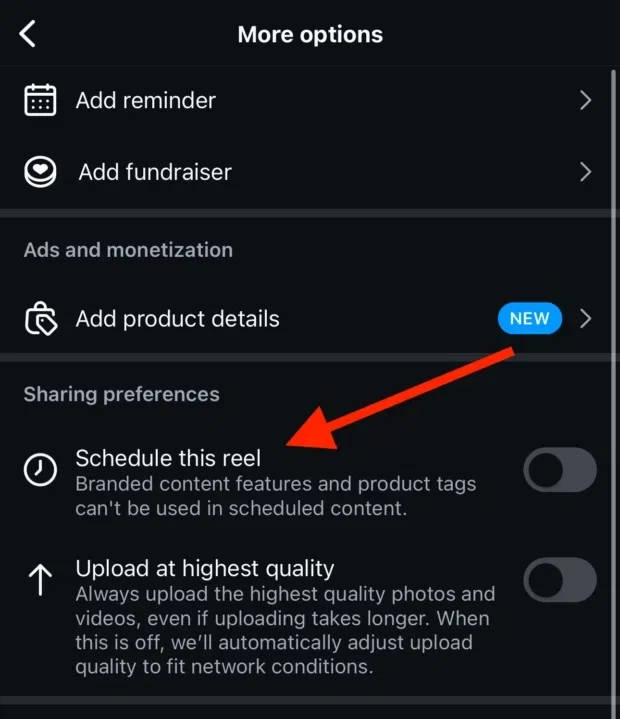
Looking toward the remainder of 2026, the integration of commerce into the Reels experience is expected to accelerate. Product tagging is no longer just a feature; it is a primary revenue driver. By treating Reels as a "sales surface," brands are shortening the distance between product discovery and checkout. This seamless transition is critical for B2C brands, as it allows for the monetization of viral reach in real-time.
Conclusion: The Imperative for Agility
The transition from a photo-sharing app to a video-first platform is complete. For businesses, Instagram Reels represents the most cost-efficient method for acquiring organic attention. While the technical requirements—such as 1080×1920 pixel dimensions and 9:16 aspect ratios—are straightforward, the real competitive advantage lies in the intersection of data-driven strategy and creative execution.
As AI tools continue to simplify the production process, the barrier to entry for high-quality video decreases. Consequently, the differentiating factor for brands in the latter half of the decade will not be the ability to edit a video, but the ability to consistently provide unique, timely, and valuable content that resonates with the shifting preferences of a global, mobile-first audience. Success on the platform is not a static achievement; it is a continuous process of testing, measuring, and refining content in alignment with the platform’s ever-evolving recommendation architecture.
Related posts: