The Strategic Imperative of Social Media for Modern Business Growth and Digital Engagement


As of late 2025, the global social media landscape has evolved into a foundational pillar of commerce, with over 5.66 billion users interacting across digital platforms. For modern enterprises, social media is no longer merely an optional marketing channel; it is a critical infrastructure for customer acquisition, market research, reputation management, and direct sales. With U.S. advertisers projected to spend upwards of $121 billion on social networks in 2026, the shift toward a "social-first" business model is increasingly defining market competitiveness.

The Evolution of the Social Business Model
The transition of social media from a casual communication tool to a sophisticated business engine has been driven by rapid technological integration. In the early 2010s, social platforms were primarily viewed as broadcast channels for brand announcements. Today, they function as dynamic ecosystems. Data from 2025 indicates that 83% of marketing professionals identify increased brand exposure as the primary benefit of social media marketing. This is supported by the fact that social networks have become a primary search engine for consumers, with a significant majority of buyers utilizing platforms to research brands, read peer reviews, and verify brand authenticity before completing a transaction.

Core Objectives: Beyond Vanity Metrics
Effective integration of social media requires moving beyond "vanity metrics"—such as simple follower counts—and focusing on actionable data. A robust business strategy now centers on five critical pillars: brand awareness, community engagement, lead generation, market intelligence, and reputation management.

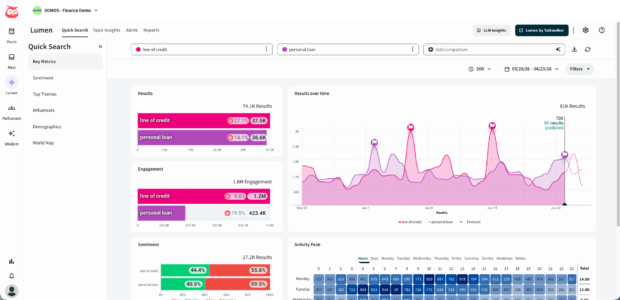
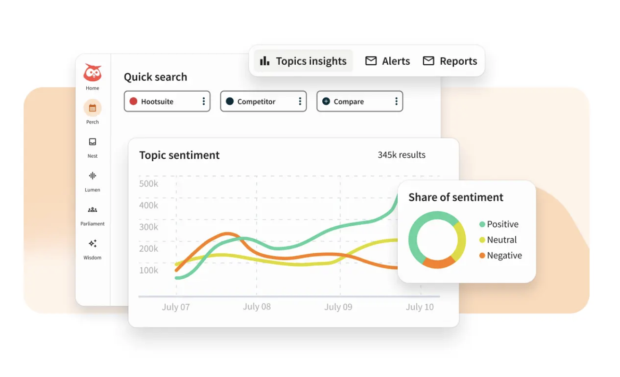
The shift toward data-driven decision-making is underscored by the emergence of sophisticated social listening tools. By monitoring real-time conversations, brands can now conduct instantaneous market research. This capability allows companies to identify consumer pain points, track competitor strategies, and pivot product development based on user feedback. For example, when beauty brand Wonderskin identified negative sentiment regarding product application, the company responded by deploying instructional video content to resolve the issue. This proactive approach to reputation management demonstrates that social media, when utilized effectively, acts as an extension of a company’s R&D and customer service departments.

The Competitive Landscape of Digital Platforms
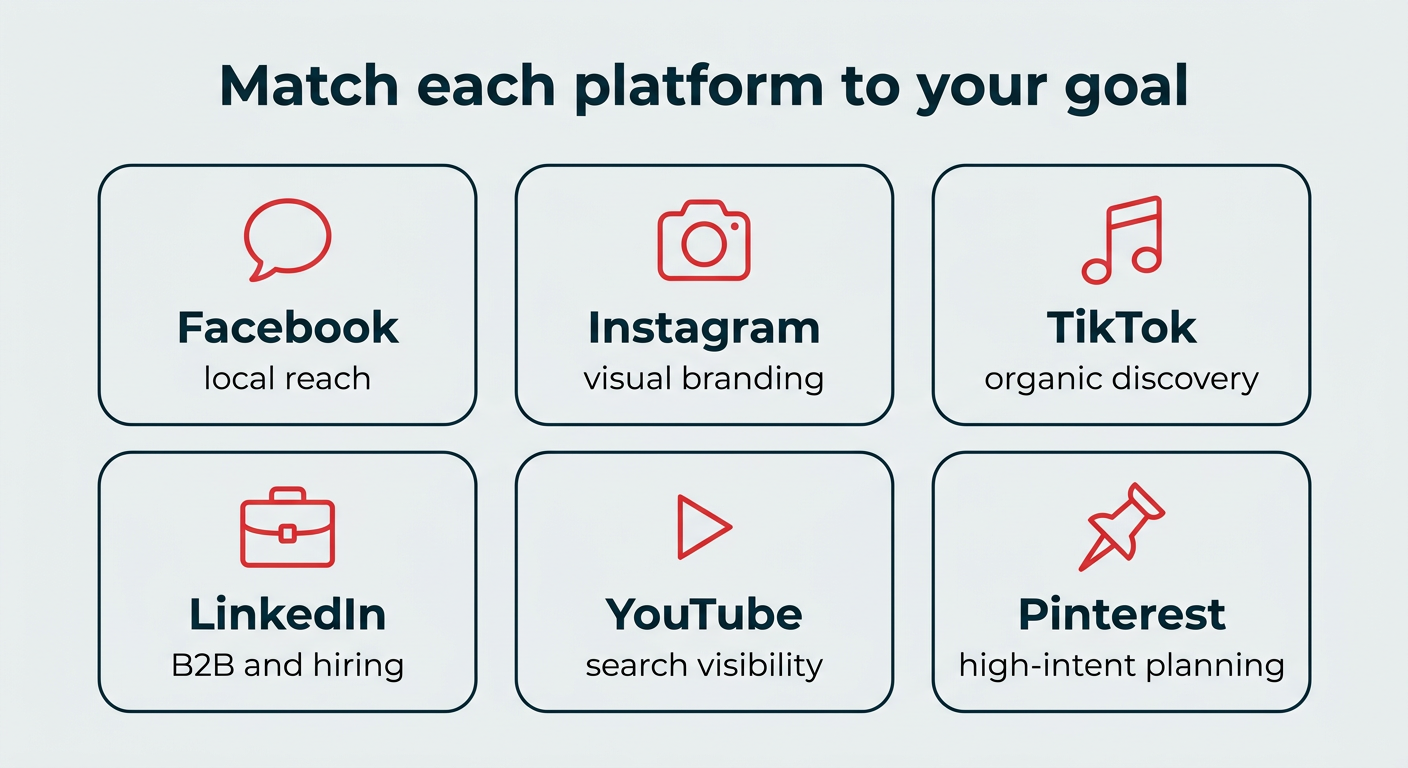
Selecting the appropriate platform is a prerequisite for success. In 2026, the digital ecosystem is segmented by intent and demographic.
- Facebook remains the leader for local reach, community building, and event management, with a broad audience demographic skewing between 25 and 54.
- Instagram is the primary hub for visual branding, product discovery, and social commerce, particularly among the 18 to 34 age bracket.
- TikTok has revolutionized the speed of organic discovery, making it essential for brands focusing on trend-based awareness and creator partnerships.
- LinkedIn remains the gold standard for B2B enterprises, professional recruiting, and thought leadership.
- YouTube continues to dominate as a repository for long-term search visibility, serving as a critical asset for product education and evergreen tutorials.
Data from recent studies indicates that 80% of adults aged 18 to 29 in the United States utilize Instagram, while TikTok shopping statistics show that nearly 81% of TikTok Shop sales in the U.S. are concentrated in the health and beauty sectors. Such granular data points are essential for businesses attempting to allocate limited marketing budgets efficiently.
Implementing a Sustainable Content Strategy
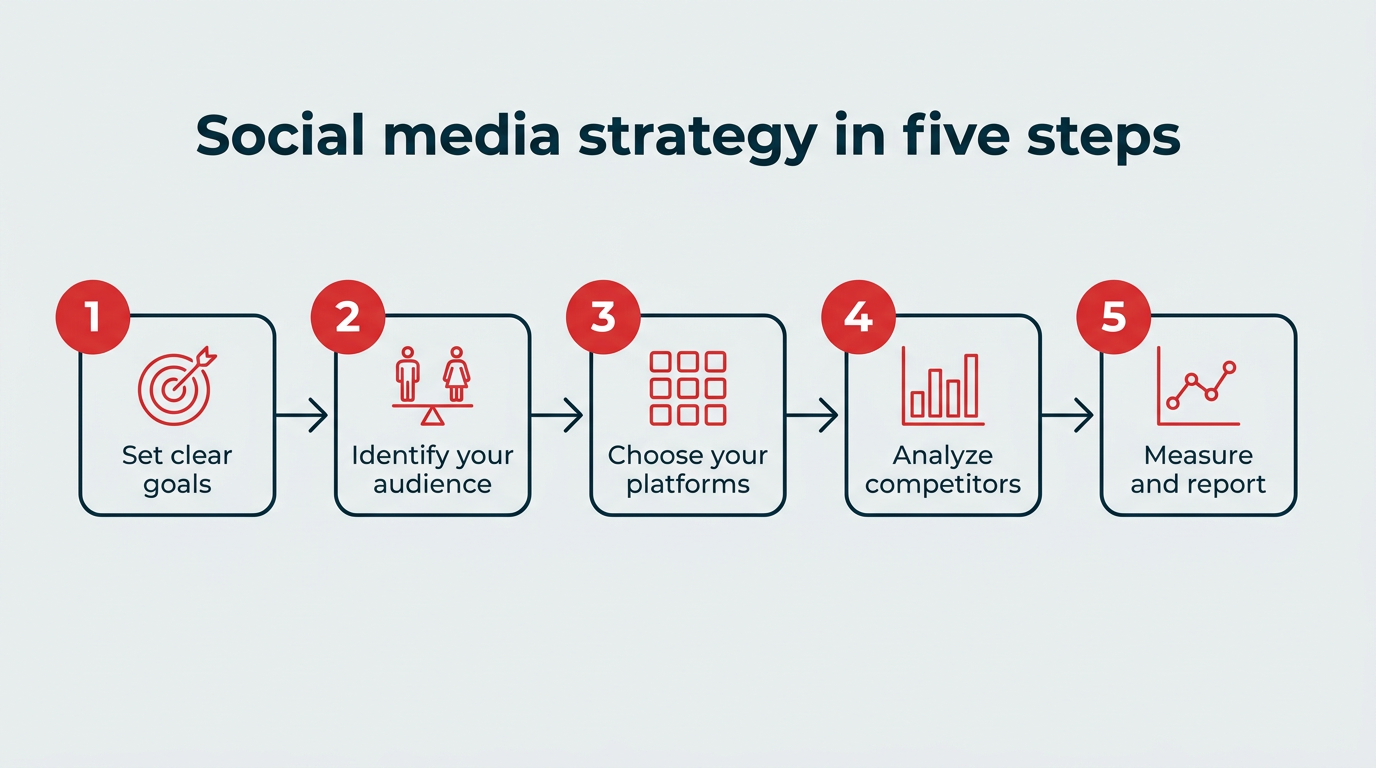
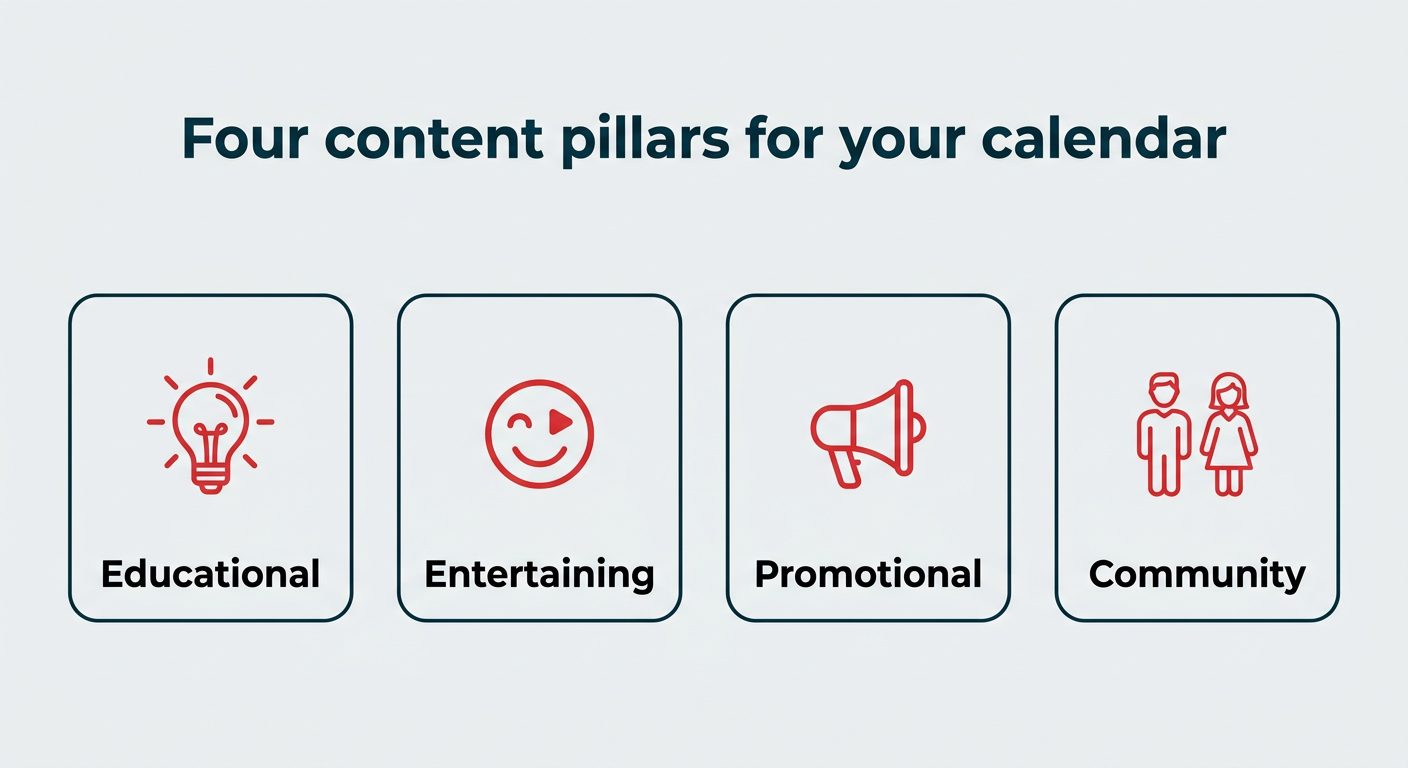
A sustainable content plan is defined by consistency and the diversification of content pillars. Successful brands typically rotate their content between educational material, entertainment, community-focused posts (such as user-generated content), and promotional messaging.

The "5-3-1" rule is often cited as a framework for maintaining this balance: for every nine posts, five should be curated from relevant industry sources, three should be original content created by the brand, and only one should be a direct, sales-oriented promotion. This prevents the "sales fatigue" that often leads to audience attrition. Furthermore, the integration of social SEO—the use of descriptive keywords and relevant hashtags—is now as important as traditional search engine optimization for ensuring content reaches the intended audience.
The Integration of Artificial Intelligence
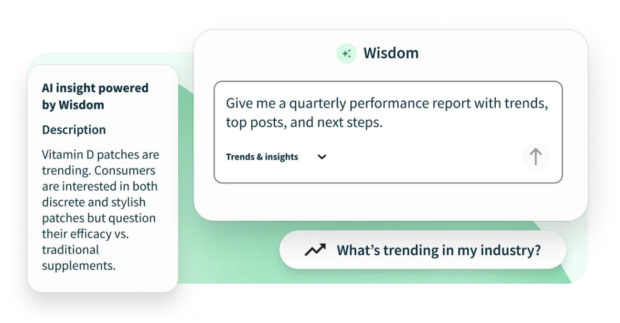
The year 2026 marks the widespread adoption of artificial intelligence as a practical layer in social media workflows. AI is no longer a peripheral novelty; it is an operational necessity. Businesses are leveraging AI for three primary functions: high-volume content drafting, large-scale data synthesis, and automated customer service.

Through the use of "social-first" AI agents, companies can now summarize thousands of mentions in seconds, identify the root cause of a sudden spike in engagement, and suggest immediate strategic pivots. While these tools significantly reduce the manual labor required to manage a global social presence, they do not replace human judgment. Instead, AI facilitates a faster feedback loop, allowing marketing teams to spend less time on data entry and more time on high-level strategic alignment.
Privacy, Governance, and Regulatory Compliance
As businesses scale their social operations, the risks associated with data privacy and brand governance increase. Managing multiple accounts across diverse platforms necessitates a centralized governance framework. This includes defining clear administrative permissions, maintaining a repository of approved brand assets, and ensuring that all social interactions comply with regional data protection regulations, such as the GDPR or the CCPA.

Legal and financial risks are no longer abstract; they are inherent in every post and public comment. Consequently, the adoption of centralized "Social OS" platforms—which offer integrated approval workflows—has become a standard requirement for enterprises looking to protect their brand equity and mitigate the risk of public relations crises.
Measuring Return on Investment (ROI)
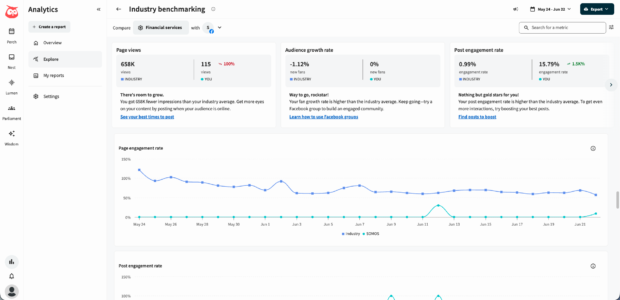
The ability to prove ROI remains the most significant challenge for modern marketing departments. The most effective reporting structures connect platform-specific KPIs directly to top-line business goals. For instance, rather than tracking "likes," teams should measure conversion rates, customer acquisition costs (CAC), and the lifetime value (LTV) of customers originating from specific social campaigns.
By utilizing UTM parameters and integrating social management software with CRM and web analytics tools like Google Analytics (GA4), companies can build a comprehensive view of the customer journey. This visibility allows marketing leaders to justify budget allocations by demonstrating exactly how social engagement contributes to revenue.
Future Outlook and Conclusion
The trajectory of social media for business is clear: the focus is shifting from "broadcast" to "relationship." As platforms continue to evolve into self-contained commercial hubs, the competitive advantage will lie with organizations that prioritize authentic engagement, leverage data for precise targeting, and maintain a disciplined, governance-backed approach to their digital presence.

Businesses that treat social media as an experimental "add-on" will likely struggle to maintain relevance in an increasingly saturated market. Conversely, those that integrate social listening, AI-driven insights, and a consistent, value-led content strategy will be well-positioned to convert passive followers into long-term brand advocates. The objective for the coming years is not merely to increase reach, but to deepen the quality of digital relationships, ensuring that every social interaction serves the broader goals of the business.