7 Social Listening Metrics That Matter Most and How to Use Them to Drive Strategic Growth

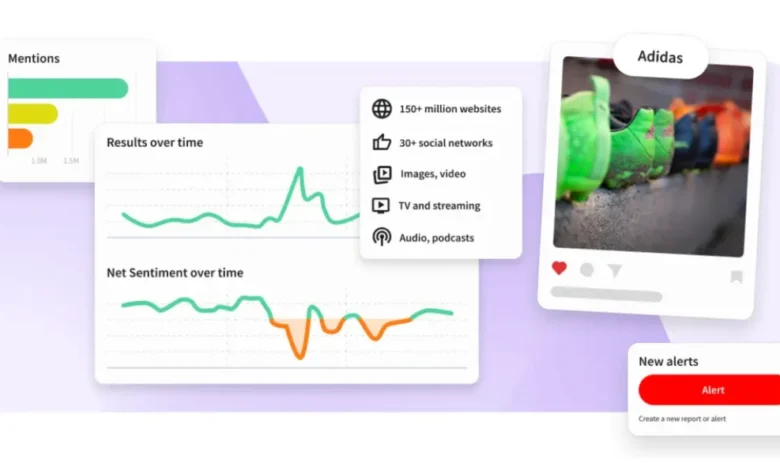
Social listening is the practice of monitoring digital conversations to glean actionable insights about a brand, product, competitor, or broader industry landscape. In an era where consumer sentiment shifts in real-time across decentralized platforms, simply having a presence on social media is insufficient. Organizations must now act as active listeners, decoding the massive volume of online chatter to refine their messaging, protect their reputations, and identify emerging market opportunities before their competitors do.

The utility of social listening lies not in the mere collection of data points, but in the transformation of raw information into strategic intelligence. By focusing on seven core metrics—mention volume, sentiment, share of voice, reach, engagement rate, trend volume, and specific conversation themes—brands can transition from reactive posting to proactive market engagement.
Distinguishing Between Metrics and Key Performance Indicators
A fundamental error in modern digital marketing is the conflation of raw metrics with Key Performance Indicators (KPIs). A metric represents a standalone measurement, such as the total number of brand mentions over a 24-hour period. A KPI, conversely, is a metric that has been contextualized against a specific organizational objective.

For instance, a spike in mention volume is a neutral metric. When linked to a brand awareness campaign, that same volume becomes a KPI that validates whether a message has reached its intended scale. Similarly, sentiment analysis serves as a gauge for brand health. When a company sets a goal to improve public perception following a product recall or a PR crisis, the percentage of positive-to-negative sentiment becomes a critical KPI for measuring recovery.
The Strategic Importance of Real-Time Data
The digital ecosystem functions as a continuous feedback loop. Unlike traditional focus groups or annual surveys, which provide static, historical data, social listening offers a dynamic, real-time pulse of consumer sentiment. This is particularly vital for reputation management. When negative sentiment begins to trend, organizations that employ active listening tools can detect the early warning signs of a potential crisis, allowing for immediate intervention.
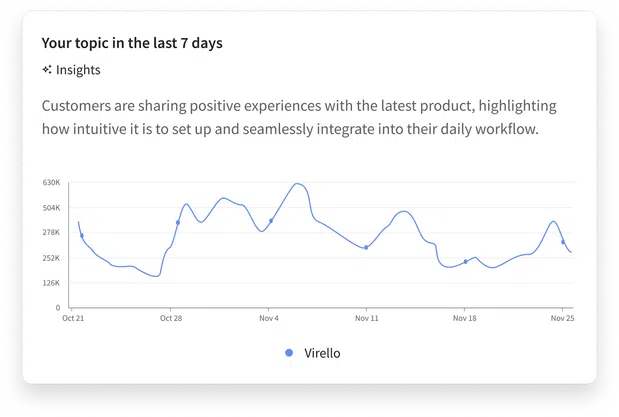
Furthermore, this practice enables brands to identify "language gaps." If a company markets a product as "efficient" but customers consistently describe it in reviews and forum discussions as "durable," the brand is facing a messaging disconnect. Addressing this gap—by aligning marketing copy with the vocabulary of the consumer—can significantly increase conversion rates and customer satisfaction.
The Seven Essential Metrics for Modern Brands
To build a robust listening framework, marketers should prioritize the following seven indicators:
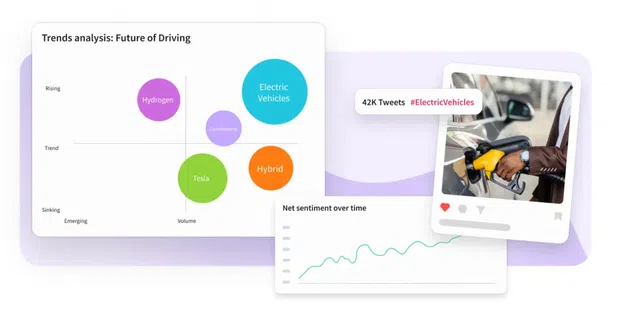
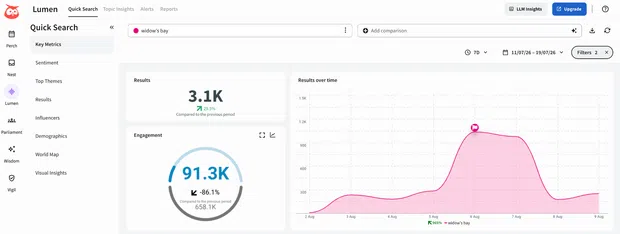
- Mention Volume: This measures the frequency of specific keywords, brand names, or hashtags. It serves as a barometer for current interest. A sudden decline in volume may indicate a loss of relevance, while an unexpected spike necessitates an investigation into whether the cause is a successful viral campaign or a trending controversy.
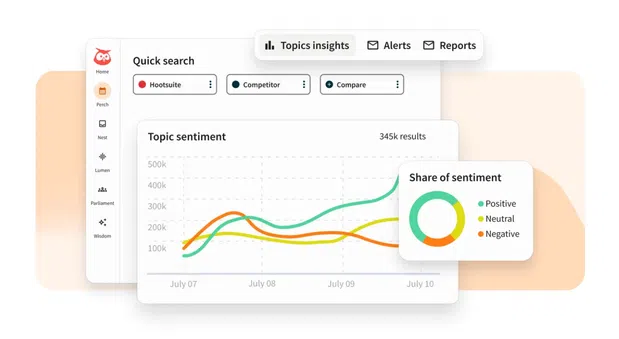
- Sentiment Analysis: This categorizes conversations as positive, neutral, or negative. It provides the "why" behind the volume. A high mention volume accompanied by overwhelmingly negative sentiment signals a brand crisis, whereas high volume with positive sentiment indicates strong organic advocacy.
- Share of Voice (SOV): SOV calculates the percentage of the total industry conversation owned by your brand relative to competitors. It is a vital measure of market authority. If a competitor consistently occupies a larger share of the conversation, it provides a clear mandate to analyze their content strategy and adjust your own positioning.
- Reach: This metric estimates the potential audience size exposed to a brand mention. It distinguishes between a casual post by a consumer and a viral mention by an industry influencer, helping brands understand the potential impact of a specific conversation.
- Engagement Rate: This tracks the depth of interaction—likes, shares, comments, and saves. High engagement rates suggest that the content or topic is hitting a nerve, signaling to the product and content teams that they should double down on these subjects.
- Trend and Topic Volume: This involves tracking the velocity of specific emerging themes. By identifying a topic while it is still in its infancy, a brand can position itself as a thought leader, entering the conversation before it becomes saturated.
- Conversation Themes: This qualitative metric identifies the recurring questions, complaints, or ideas within the data. It is the most actionable metric, as it often highlights specific product flaws or customer service gaps that are not captured in standard satisfaction surveys.
The Role of Artificial Intelligence in Synthesizing Insights
The sheer volume of data generated by global social media users—across platforms like X, Reddit, LinkedIn, and Instagram—makes manual analysis impossible. Consequently, the integration of AI-driven tools, such as Hootsuite’s Lumen, Perch, and Wisdom, has become standard practice for enterprise-level marketing teams.
These tools utilize natural language processing (NLP) to parse millions of data points, sorting sentiment and identifying thematic patterns in real-time. For example, when a company notices a recurring theme regarding product pricing, AI can aggregate these mentions and suggest a strategic response. This transition from manual data collection to AI-enabled analysis allows teams to move quickly from "what is happening" to "what we should do."
Evidence from the Field: The Impact of Message Alignment
Industry experts emphasize that social listening often reveals that the solution to a marketing failure is not a product change, but a communication shift. Tom Bukevicius, CEO of Scube Marketing, notes that in one particular instance, his team identified that customers were not dissatisfied with a product’s features, but were confused about its value proposition compared to lower-cost alternatives.
"We noticed that people weren’t really questioning the product itself—they were confused about what made it different from cheaper alternatives," Bukevicius explained. By shifting the campaign messaging to emphasize clear positioning and value comparison, the team successfully addressed the consumer confusion identified through listening. This case highlights how social data can directly inform business strategy, saving organizations from unnecessary and costly product pivots.

Developing a Proactive Response Workflow
To maximize the value of these metrics, organizations should implement a structured, four-stage workflow:
- Monitoring: Utilize real-time tools to aggregate mentions, hashtags, and industry keywords.
- Analysis: Apply sentiment and theme tagging to categorize the data, identifying both opportunities and threats.
- Reporting: Create dashboards that translate these findings into language that stakeholders across the organization—including product, sales, and executive leadership—can understand.
- Action: Integrate findings into the content calendar and product roadmap. For example, if "conversation themes" consistently point to a request for a specific integration, that data should be prioritized by the product development team.
Broader Implications for Business Intelligence
The evolution of social listening marks a shift in how businesses relate to their customers. Historically, companies spoke at their audience; today, they must participate in a dialogue. By treating social media as a living, breathing focus group, brands can foster deeper loyalty and gain a competitive edge.
The ultimate goal is to reach a state of "anticipatory marketing," where brands use social trends to predict customer needs before they are explicitly voiced. As the landscape continues to fragment, the organizations that will succeed are those that view social listening not as a marketing expense, but as a core business function—a vital, data-driven intelligence network that informs every department from customer support to R&D.
Ultimately, the data is available; the challenge lies in the capacity to listen. Companies that master the art of interpreting these seven key metrics will find themselves better positioned to pivot, innovate, and maintain their share of voice in an increasingly crowded and noisy digital marketplace. By transforming raw chatter into structured, actionable intelligence, brands can ensure that they are not just present in the conversation, but are actively shaping its trajectory.