Elevating AI Code Output: Top Design Skills and Frameworks to Transform Agent-Generated User Interfaces

Artificial intelligence coding agents have fundamentally transformed software engineering by rapidly generating functional, executable code across a multitude of programming languages and frameworks. However, a persistent challenge remains in the aesthetic domain: while these agents excel at logical problem-solving and architectural scaffolding, their default design outputs frequently gravitate toward uninspired aesthetics. Common characteristics of raw AI-generated interfaces include generic purple gradients, uniform rounded corners, ubiquitous use of the Inter font, and structural layouts that meet functional requirements without artistic conviction. This aesthetic limitation is not an indicator of computational failure, but rather a reflection of a core deficit—AI agents inherently lack subjective taste and formal design intuition.
To bridge this gap between raw functionality and professional visual presentation, the developer community has introduced AI design skills. These lightweight markdown files and configuration modules can be integrated directly into advanced coding environments such as Claude Code, Codex, Cursor, and other agentic workflows. Once installed, these specialized skills imbue AI agents with rigorous design systems, ranging from classical Swiss typographic grids to modern OKLCH color science. By providing agents with structured rules rather than vague visual prompts, developers can consistently produce applications that are both structurally sound and visually compelling.
The Evolution of AI-Assisted Design: From Functional Code to Aesthetic Precision
The rapid adoption of AI coding assistants over the past several years has accelerated software development timelines exponentially. Yet, the initial wave of AI-generated web applications and user interfaces suffered from a severe homogenization of style. Without explicit stylistic guidelines, large language models default to training-data averages, which historically leaned toward safe, template-driven minimalism that failed to capture brand identity or sophisticated visual hierarchy.
The introduction of agentic skills represents a paradigm shift in how design knowledge is communicated to machines. Rather than relying on lengthy, repetitive prompt engineering for every new component, developers can now provision their coding agents with persistent contextual libraries. These libraries act as comprehensive style guides, dictating everything from precise animation easing curves to strict mathematical layout grids. Consequently, the industry is witnessing a transition where design expertise is evolving from static Figma files and human-readable style guides into executable rulesets that machines can interpret and execute autonomously.
Comprehensive Directory of Essential AI Design Skills
To assist developers and design engineers in upgrading their agent workflows, several prominent open-source skills, directories, and toolkits have emerged. Each offering addresses specific pain points in the UI/UX development lifecycle, providing specialized vocabularies for AI coding agents.
- OKLCH Color Skill
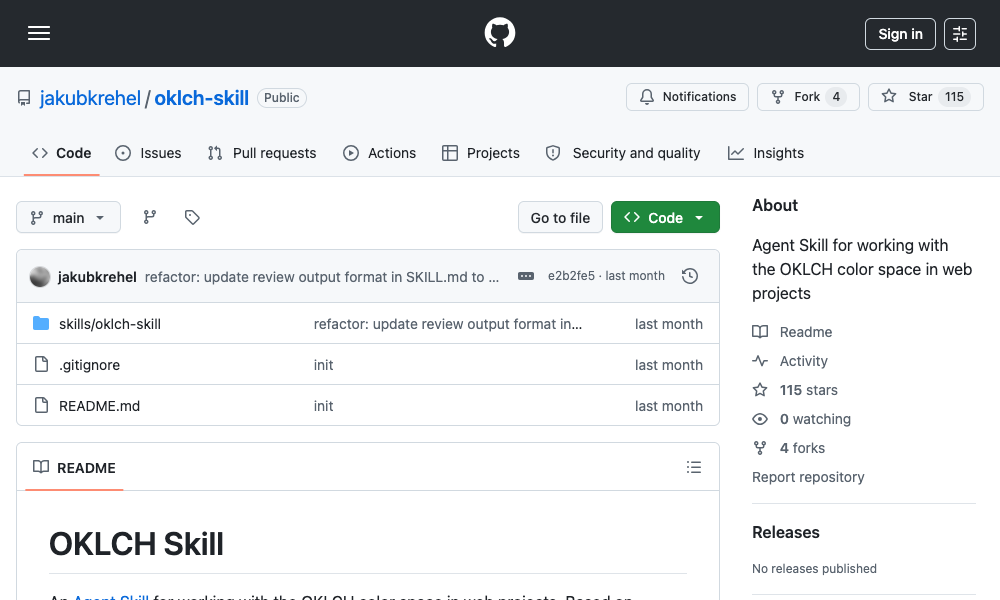
The OKLCH Color Skill addresses one of the most persistent hurdles in digital design: color consistency across different viewing modes. Traditional color models like HSL often suffer from unpredictable hue shifts and poor perceptual uniformity, making automated palette generation unreliable. By installing this skill via the command line (npx skills add jakubkrehel/oklch-skill), developers equip their agents with the OKLCH color space framework.
The agent learns to dynamically convert between color formats, generate mathematically uniform palette scales ranging from 50 to 950, and derive robust dark mode variations through precise lightness manipulation. Furthermore, the skill integrates accessibility compliance checking against WCAG 2 and APCA standards, while natively building Tailwind CSS v4 themes equipped with proper OKLCH tokens. This eliminates the common issue where AI-generated color palettes appear visually acceptable in isolation but fail catastrophically in dark mode implementations.
- Swiss Design System Skill
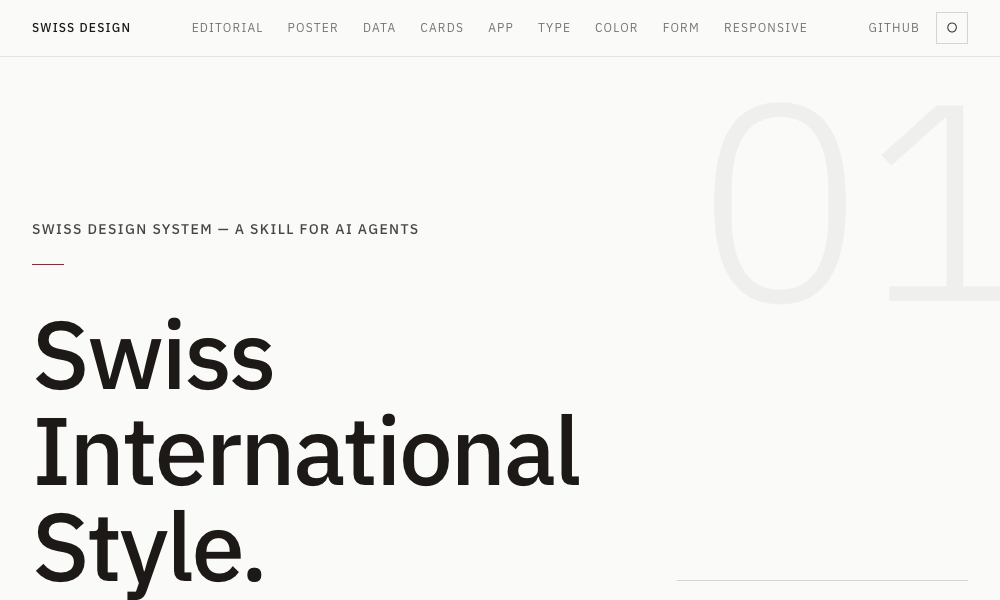
Rooted in the timeless principles of the Swiss International Style—also known as the International Typographic Style—this skill brings strict geometric discipline to AI-generated layouts. Initiated via npx skills add zeke/swiss-design-skill, the framework trains agents to utilize grotesque sans-serif typography such as Helvetica, Univers, and Neue Haas Grotesk.
Rather than relying on decorative flourishes, the agent implements rigid grid systems inspired by the teachings of Josef Müller-Brockmann, maintains generous and intentional whitespace, and employs restrained, purposeful color palettes. Expressed primarily through Tailwind CSS utility classes, the skill includes comprehensive font specimen rankings and references to both the Zurich and Basel schools of design. This makes it an invaluable asset for landing pages, editorial platforms, and enterprise dashboards where clarity, readability, and structural hierarchy are paramount.
- Transitions.dev
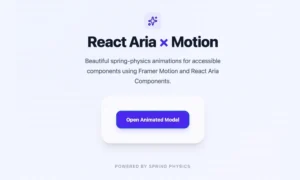
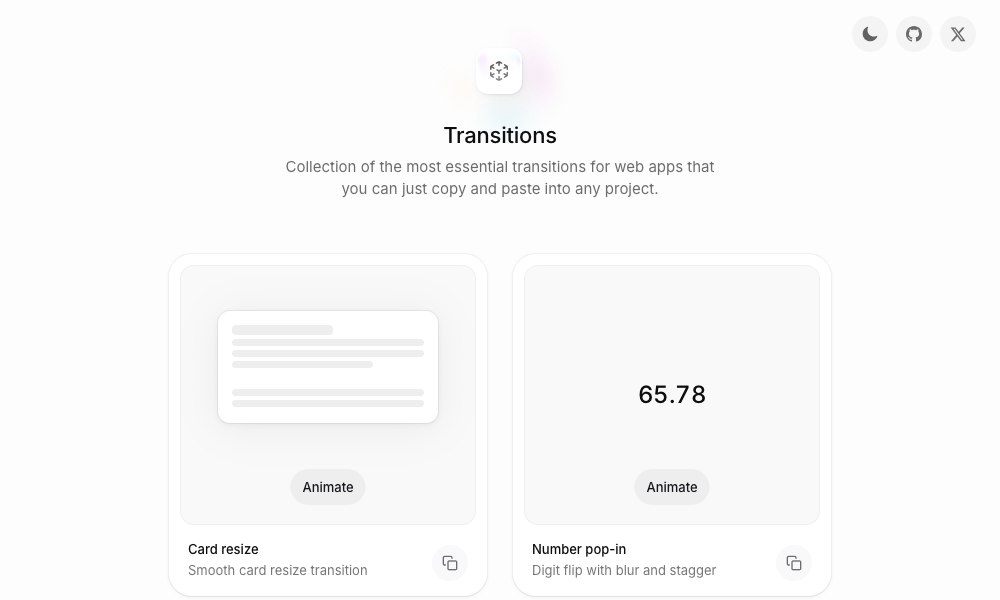
Motion design is frequently neglected by AI coding agents, often resulting in abrupt state changes, jarring modal pop-ups, and static component interactions. Transitions.dev provides a curated collection of nine essential UI transitions, packaged both as a web-based showcase and an installable agent skill available via GitHub.
Covering micro-interactions such as fluid card resizing, number pop-ins with digit flipping and blur effects, and diagonal slide animations for notification badges, the skill supplies pre-optimized CSS snippets. Because the underlying code is directly derived from production-ready web demonstrations, agents can seamlessly integrate these polished transitions into existing codebases without introducing layout thrashing or performance degradation.
- DESIGN.md Directory
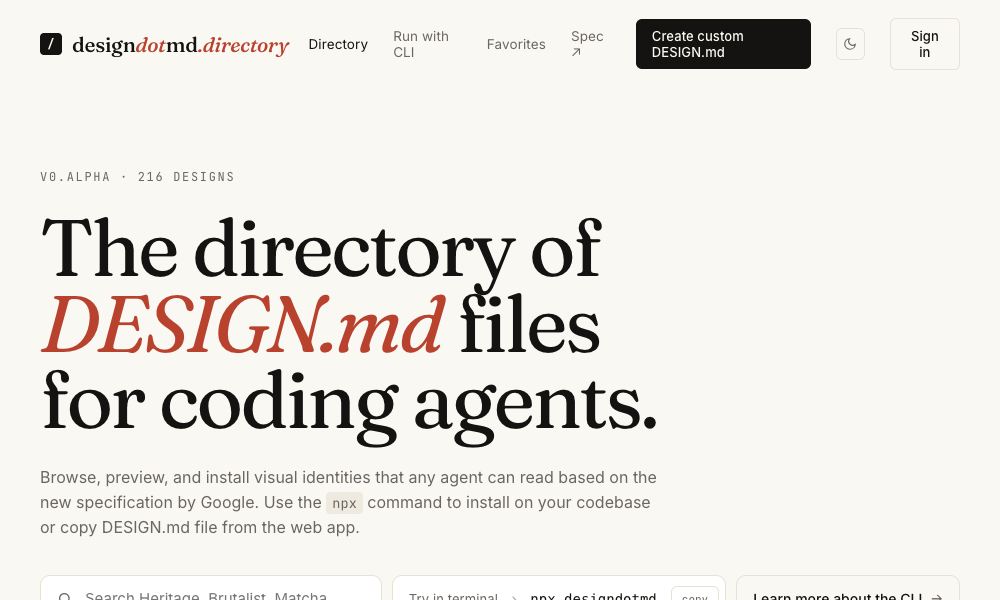
For teams seeking a frictionless integration method without command-line toolchains or package managers, the DESIGN.md directory offers a streamlined solution. This repository consists of standardized markdown files, each detailing a complete design system encompassing color tokens, typography rules, spacing scales, component specifications, and overarching layout principles.
Developers simply browse the directory, select a design language that aligns with their project’s aesthetic goals, and place the corresponding DESIGN.md file into the root directory of their project. AI coding agents automatically parse this file upon initialization, applying the defined stylistic parameters to every subsequent component and page layout they generate.
- Agents with Taste
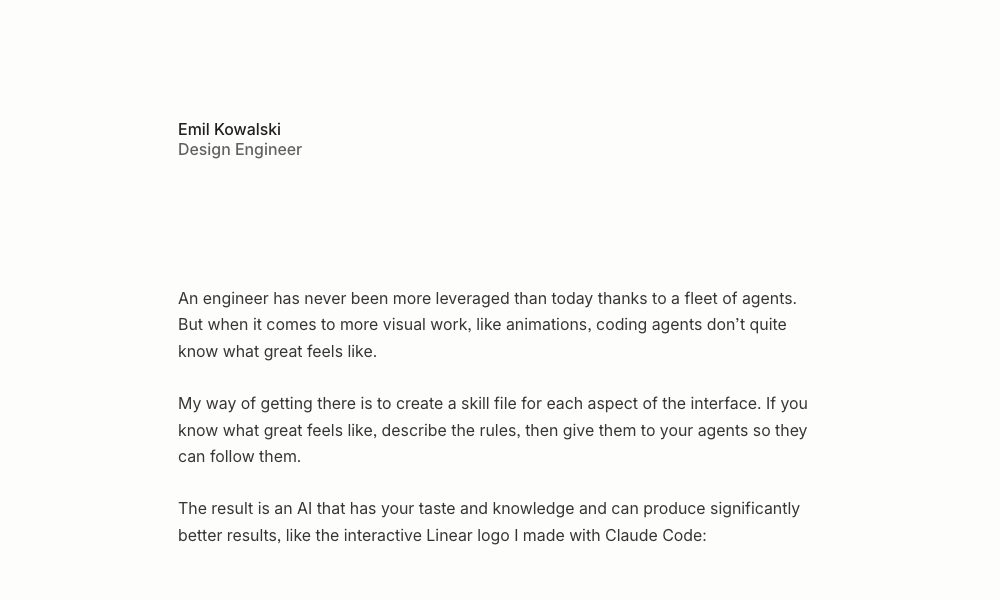
Developed by prominent design engineer Emil Kowalski, Agents with Taste is an advanced skill designed to inject professional-grade nuance into AI-generated user interfaces. Installable via npx skills add emilkowalski/skill, this framework codifies expert-level practices in animation timing, component architecture, and typography.
The skill features a sophisticated easing curve decision flowchart, guiding the agent on precisely which transition curve to apply based on the specific interactive context. It establishes strict duration guidelines—differentiating between rapid micro-interactions (100ms to 150ms) and heavier structural transitions like modals (200ms to 300ms)—and enforces readability standards such as capping body text at 65 characters per line. Developers can also leverage Anthropic’s open-source skill-creator framework to codify their own proprietary design philosophies using this exact methodological structure.
- Hue
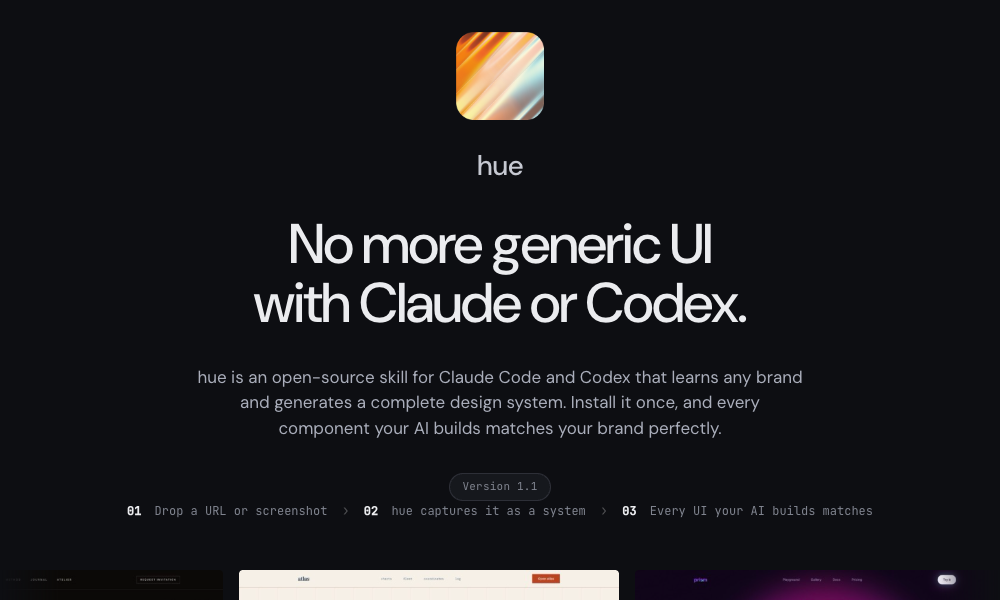
Maintaining brand consistency is a major hurdle when utilizing AI agents for rapid prototyping. The Hue open-source skill, developed by Dominik Martin, solves this by allowing agents to analyze any brand from a URL, company name, or reference screenshot. By cloning the repository into the local environment (git clone https://github.com/dominikmartn/hue ~/.claude/skills/hue), developers can issue natural language commands such as "Create a design language inspired by Raycast" or "Make a design skill from cursor.com."
Hue analyzes the target brand’s digital footprint and compiles a complete design model—complete with color tokens, typography hierarchies, spacing rules, component libraries, dark mode configurations, and icon recommendations. Featuring 17 built-in brand archetypes ranging from classical maritime aesthetics to noir editorial fragrance houses, Hue provides an efficient mechanism for ensuring AI-generated code respects established corporate identities.
- Refero Styles
Refero Styles connects AI coding agents to an extensive visual search engine containing over 150,000 real application screens and 6,000 user flows from industry-leading products such as Stripe, Linear, Notion, and Figma. By analyzing specific brands, moods, or functional workflows, the skill extracts comprehensive style breakdowns covering color usage, typography, and spatial arrangements.
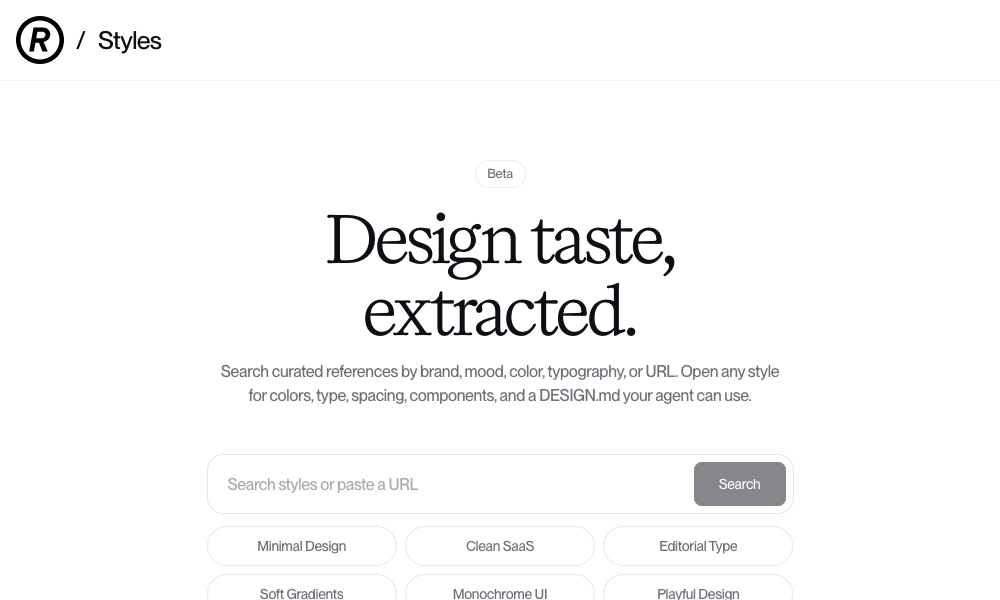
Beyond static DESIGN.md exports, Refero offers a Model Context Protocol (MCP) server that links coding agents directly to its live reference library. This enables agents to query real-world interface patterns dynamically during the development process, ensuring that newly generated components adhere to proven design paradigms observed in top-tier software products.
- TypeUI Design Skills
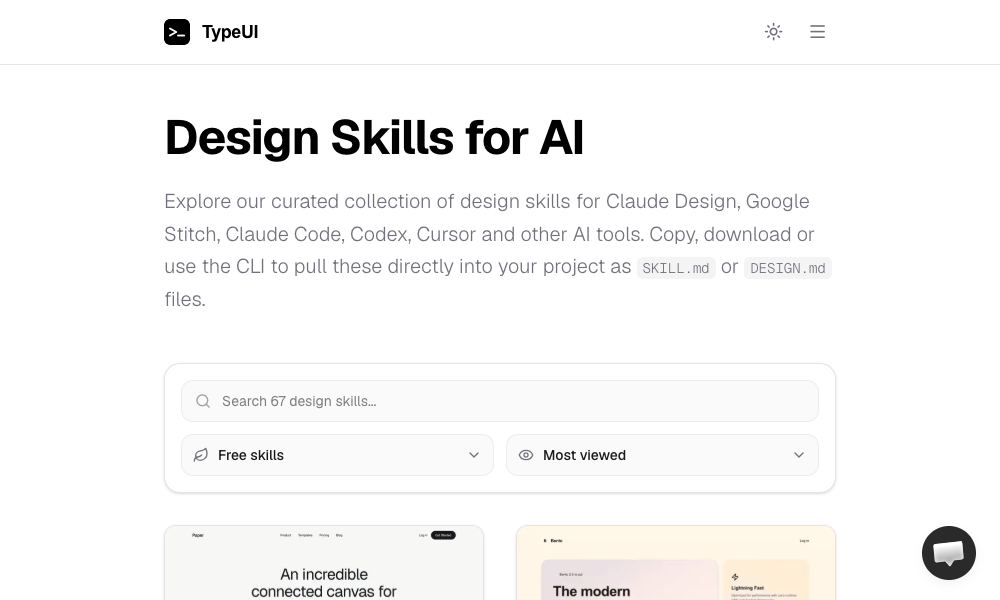
TypeUI Design Skills offers a versatile repository of optimized SKILL.md and DESIGN.md files compatible with a broad spectrum of AI engineering environments, including Claude Code, Codex, Cursor, and local OpenClaw agent setups. Accessible via a dedicated command-line interface (npx typeui.sh pull [name]), developers can quickly integrate curated aesthetic profiles into their projects. This modular approach allows engineering teams to switch between distinct visual languages rapidly depending on the specific requirements of the software being built.
- UI/UX Pro Max Skill
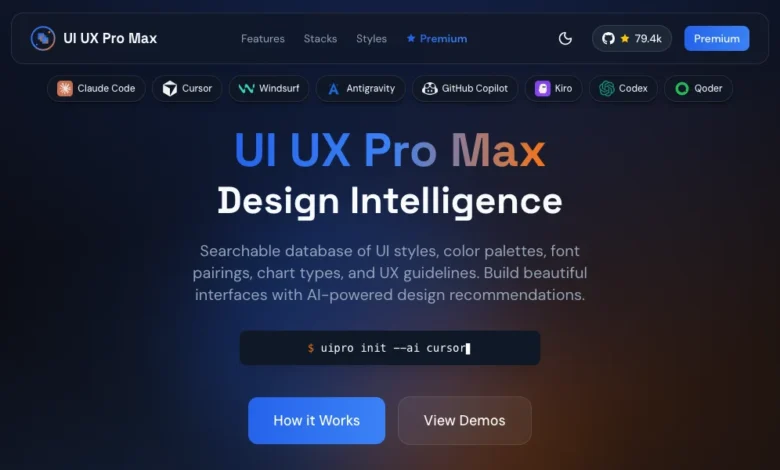
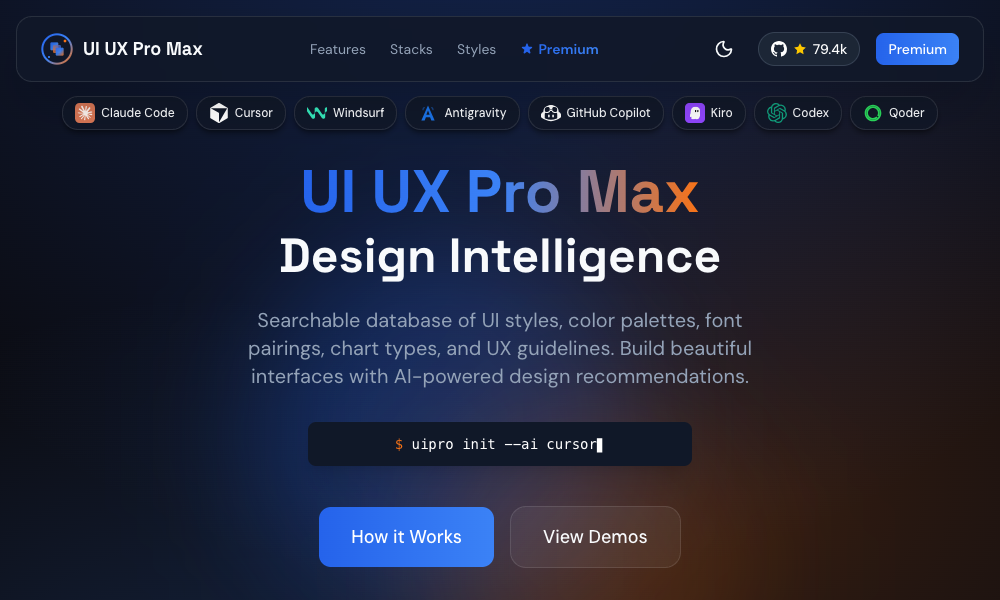
Representing one of the most comprehensive frameworks available, the UI/UX Pro Max skill incorporates 161 logical reasoning rules and 67 distinct UI styles. Its central feature is an automated Design System Generator activated via npx ui-pro init or global npm installation.
When provided with a descriptive project prompt—such as "a premium tour booking application"—the skill formulates a complete design system encompassing layout patterns, color palettes, typography scales, visual effects, and explicit guidelines on design anti-patterns to avoid. Compatible with VS Code extensions, Claude Code, Cursor, Windsurf, and GitHub Copilot across React, Next.js, and Tailwind stacks, UI/UX Pro Max serves as an end-to-end workflow manager from initial requirements analysis to final component rendering.
- AI UX Playground
Shifting focus from purely visual styling to interaction paradigms, the AI UX Playground provides a specialized library of UX patterns tailored specifically for generative AI products like ChatGPT, Claude, Perplexity, and Google Gemini. Each documented pattern includes real-world implementation examples, use-case analyses, and platform-specific instructions, enabling developers to construct intuitive, agent-native user interfaces that account for latency, streaming responses, and conversational state management.
Implications and Future Outlook
The rapid proliferation of executable design skills marks a significant maturation point in AI-assisted software development. As design knowledge transitions from static human-readable documentation to dynamic, machine-executable rulesets, the baseline quality of automated software engineering is rising dramatically.
Industry analysts note that this shift empowers designers to become architectural rule-makers, encoding their aesthetic philosophy and brand standards into reusable packages that scale effortlessly across engineering teams. While the ecosystem remains in its early stages with occasional technical friction, the overarching trajectory is clear: the future of digital product creation lies in the seamless synthesis of rigorous backend logic and exquisite, agent-executed design systems. Developers and design professionals are encouraged to experiment with these integration tools to evaluate how structured aesthetic parameters can fundamentally reshape their development workflows.