Radaris Domain Seizure Marks Significant Escalation in Legal Battle Over Data Broker Privacy Compliance


The consumer data broker Radaris.com has faced a dramatic reversal of fortune as a New Jersey court-ordered transfer of its domain name to Atlas Data Privacy Corp highlights the intensifying conflict between state-level privacy statutes and the opaque business practices of the personal information industry. For years, Radaris operated with a reputation for disregarding removal requests, maintaining a vast repository of sensitive personal data on millions of Americans. That operational model, characterized by aggressive data harvesting and administrative obfuscation, recently collided with the rigorous enforcement mechanisms of New Jersey’s Daniel’s Law. Following a series of procedural maneuvers and failed defense strategies, a judge ordered the transfer of radaris.com and over a dozen associated domains to the plaintiffs, marking a watershed moment in the enforcement of statutes designed to protect law enforcement officials and their families from digital exposure.
A Chronology of Concealment and Litigation
The legal friction began in February 2024, when Atlas Data Privacy Corp initiated litigation against Radaris, alleging systematic violations of Daniel’s Law. The statute, born from the tragic experiences of a federal judge’s family, mandates the removal of personal information for law enforcement, government personnel, and judges from commercial databases. It further establishes a liability framework involving fines of $1,000 per violation for companies that fail to comply with valid removal requests.
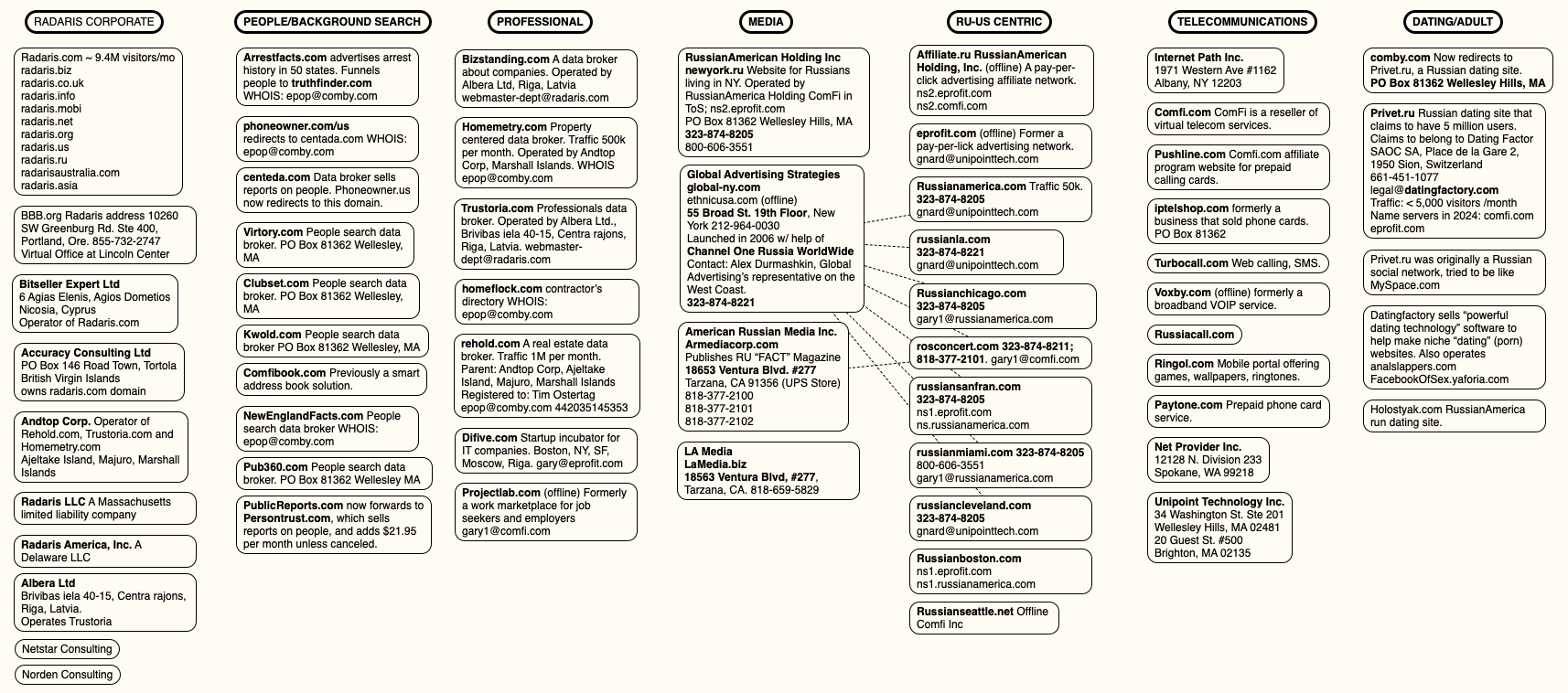
The history of the Radaris organization is marked by a complex web of corporate entities and shifting jurisdictions. Investigative reporting by KrebsOnSecurity identified the co-founders as Igor and Dmitry Lubarsky, brothers based in Massachusetts. Despite the brothers’ attempts to frame the reporting as defamatory and to attribute ownership to Ukrainian entities, further evidence revealed a persistent pattern of misdirection. The company famously utilized a fictitious CEO, “Gary Norden,” to solicit investment and provide a public face for the operation, a ruse later admitted by the company’s legal counsel, Val Gurvits, during proceedings.
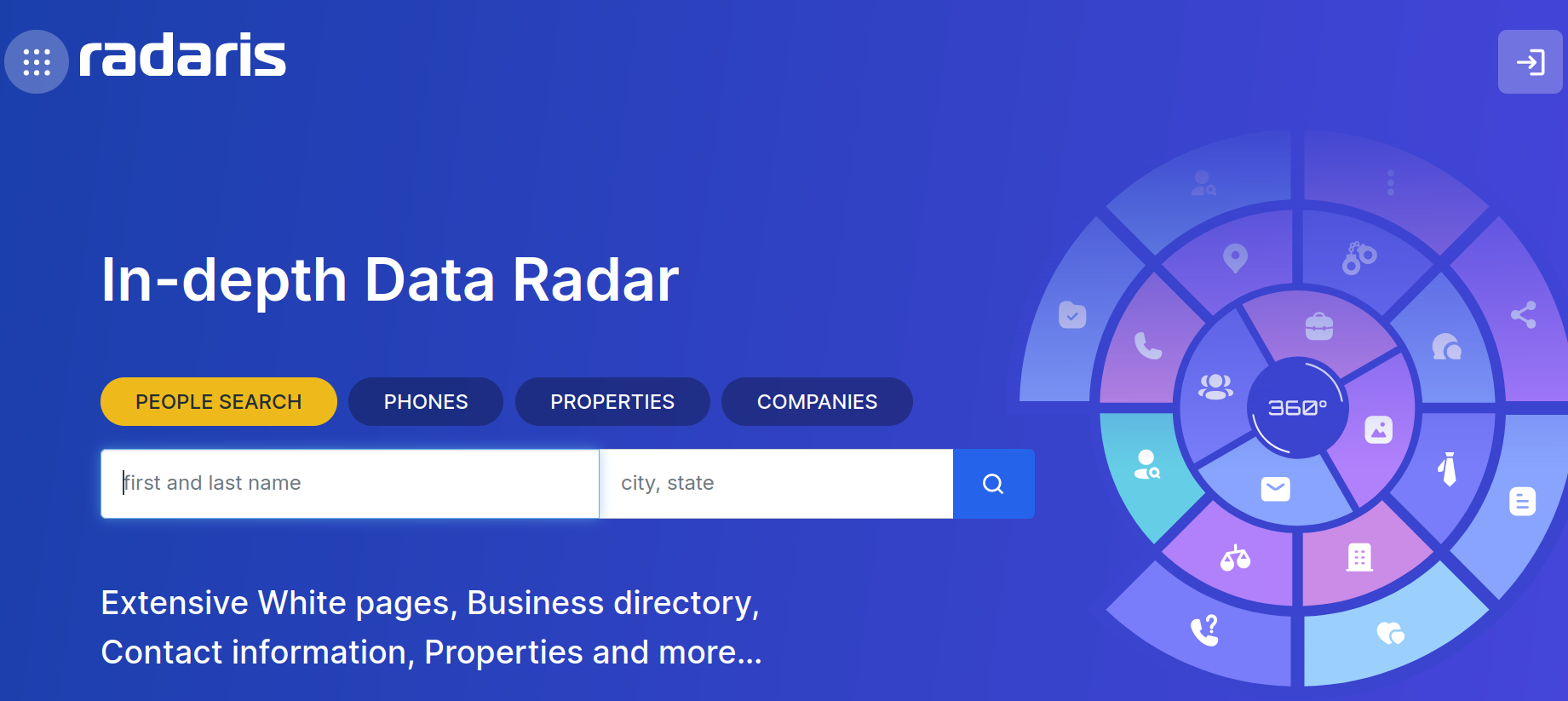
The litigation strategy employed by Radaris has been described by observers as an “island-hopping” game of shell entities. As plaintiffs pressed for compliance, the corporate structure of the organization appeared to undergo constant revisions. Terms of service were updated to point toward entities in the Marshall Islands, the British Virgin Islands, and the Seychelles. In one instance, when plaintiffs identified a Marshall Islands entity as the purported manager of the site, subsequent investigations revealed that the entity had not even been formally registered at the time the claim was made.
Financial Mechanics and the Data Broker Ecosystem
The internal documents obtained by Atlas through the discovery process—totaling more than 10,000 files—provide a rare, granular look into the economics of the people-search industry. These records confirm that despite the proliferation of disparate legal vehicles, such as Bitseller Expert Limited, Digital Orbit Corp, and Virtura Corp, the entire network is managed by a small, centralized team from the Boston area.
Financial data extracted from these records indicates that individual domains like radaris.com generate approximately $42,000 in monthly revenue, while sister sites like Veripages.com contribute an additional $45,000. These revenue streams are bolstered by partnerships with large-scale marketing firms, including the Lifetime Value Company, which manages a portfolio of brands such as PeopleLooker and PeopleSmart. Perhaps most controversially, the emails revealed a lucrative financial relationship with Onerep, a service that purports to help users remove their data from search sites. This discovery underscored a systemic conflict of interest where firms profit from both the aggregation of data and the subsequent sale of “protection” services to the very individuals targeted by their own databases.
The Constitutional Challenge to Privacy Legislation
While the transfer of the radaris.com domain to Atlas is a significant tactical victory for privacy advocates, the broader legal landscape remains volatile. Daniel’s Law is currently undergoing a rigorous constitutional challenge. Approximately 150 data broker firms, including the Radaris family of companies, have sought to move these cases to federal court, arguing that the New Jersey statute constitutes an overreach that violates First Amendment protections regarding the dissemination of publicly available information.
The legal uncertainty is compounded by conflicting rulings across the United States. While 14 states have followed New Jersey’s lead in implementing versions of Daniel’s Law, federal courts in other jurisdictions, such as West Virginia, have struck down similar measures, citing constitutional concerns. The issue is widely expected to reach the U.S. Supreme Court, which will likely be tasked with balancing the right to individual privacy against the commercial interests of the data brokerage industry.
The Structural Deficit in U.S. Privacy Law
Privacy expert Justin Sherman, author of the forthcoming book "The Middlemen," suggests that the current state of affairs is the predictable outcome of a legislative vacuum. Sherman argues that while the public reaction to the practices of firms like Radaris is one of understandable alarm, the current legal framework is structurally incapable of providing comprehensive protection.
"The lack of a comprehensive federal privacy law is not a result of a lack of knowledge," Sherman noted. "We have had countless examples of the risks posed by these data brokers. The issue is the intense lobbying effort by tech, social media, and data-driven firms that frame any restriction on their ability to scrape and sell public records as an existential threat to the digital economy."
The fundamental challenge, as identified by legal scholars, is the broad exemption for “public” records. Under current state privacy laws, the definition of public information—which includes property filings, court documents, marriage certificates, and motor vehicle records—is so expansive that it effectively neuters most consumer protection efforts. Because data brokers can argue that their information is sourced from these public repositories, they remain largely insulated from the reach of privacy mandates that do not specifically account for the aggregation and sale of such data.
Implications for the Future of Data Privacy
The case of Radaris serves as a microcosm for the broader, ongoing conflict over the digital footprint of the American public. The transition of the radaris.com domain from a profit-driven data broker to a notice-bearing portal for privacy rights represents a shift in the power dynamic of this litigation. However, legal experts warn that the removal of one or even dozens of domains is a symptomatic solution rather than a systemic one.
As the industry pivots toward AI-driven data processing and continues to lobby against restrictive legislation, the reliance on judicial intervention and state-level statutes will likely continue to produce inconsistent results. Without a unified, 21st-century federal approach to privacy, the burden of protecting personal information will continue to fall on private entities like Atlas or individual litigants who have the resources to pursue years of complex, high-stakes litigation.
For the public, the Radaris outcome provides a fleeting moment of respite but also a stark reminder of the underlying vulnerabilities. Until federal law bridges the gap between traditional notions of "public record" and the reality of modern, high-speed automated data exploitation, the information of the average citizen remains essentially at the mercy of the most sophisticated player in the data-brokerage market. The judicial order against Radaris is, in the eyes of many legal observers, merely the opening round of a much longer, more fundamental battle over the nature of digital anonymity in the United States.