July Developer Tooling Roundup Highlights Advancements in AI Integration, Native Performance, and Cloud Infrastructure

The technology landscape experienced a significant influx of developer-focused tooling, infrastructure frameworks, and workflow automation utilities throughout July. As software engineering increasingly integrates artificial intelligence into core development lifecycles, this month’s releases reflect a distinct shift toward agentic frameworks, localized optimization, high-performance compilation, and cross-platform utility. Engineering teams are transitioning away from generalized multi-tenant cloud solutions in favor of localized developer environments, self-hosted security, and specialized orchestration tools that streamline operational overhead.

Evolution of AI Agents and Coding Automation
The integration of artificial intelligence into software development has moved past basic text generation and unit-test validation. July’s software releases emphasize rigorous evaluation, constrained output generation, and multi-agent orchestration. Engineering organizations are demanding higher precision and production-ready code from autonomous models, prompting the creation of sophisticated benchmarking tools and specialized rule sets.
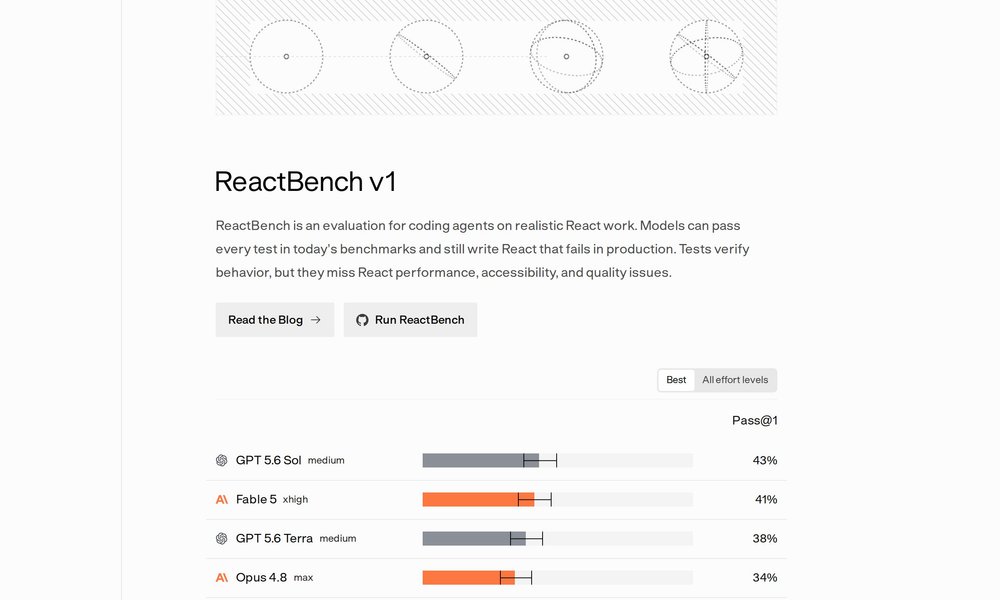
Among the notable AI-focused utility releases is ReactBench, a specialized evaluation framework designed to assess coding agents on real-world React implementations. Rather than relying solely on traditional unit-test pass rates, ReactBench evaluates models based on component performance, web accessibility standards, and overall code quality. This metric-driven approach provides engineering teams with transparent leaderboards to determine optimal models for frontend generation tasks.
Complementing evaluation frameworks are workflow constraints designed to improve the efficiency of AI-generated code. Ponytail introduces a specialized ruleset targeted at reducing code verbosity in autonomous agents. By integrating configuration files into systems like Claude Code, GitHub Copilot, and OpenAI Codex, development teams can enforce tighter code constraints. Benchmark testing indicates that the implementation of Ponytail reduces output verbosity by up to 54 percent without compromising code safety or architectural integrity.
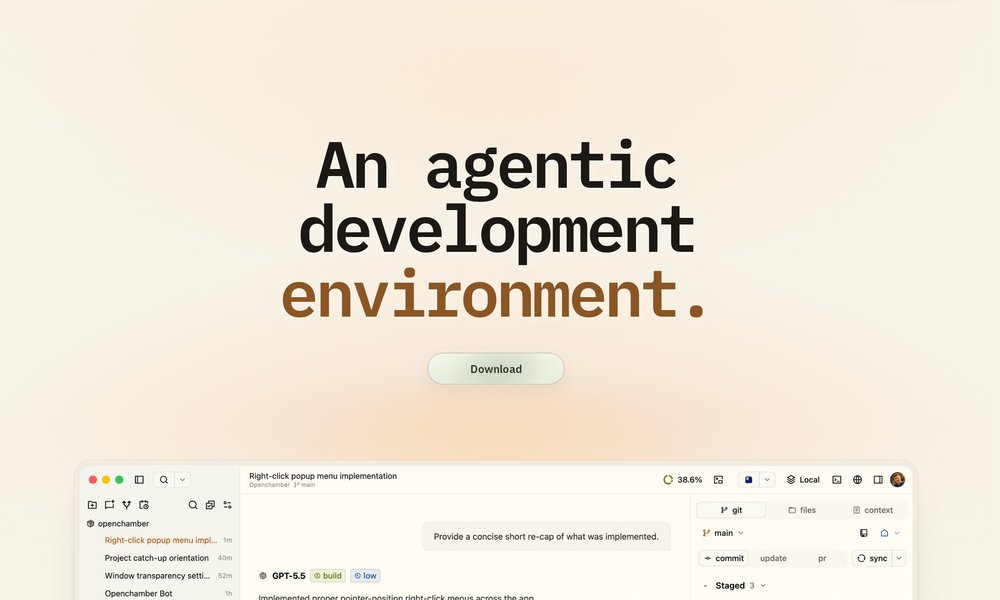
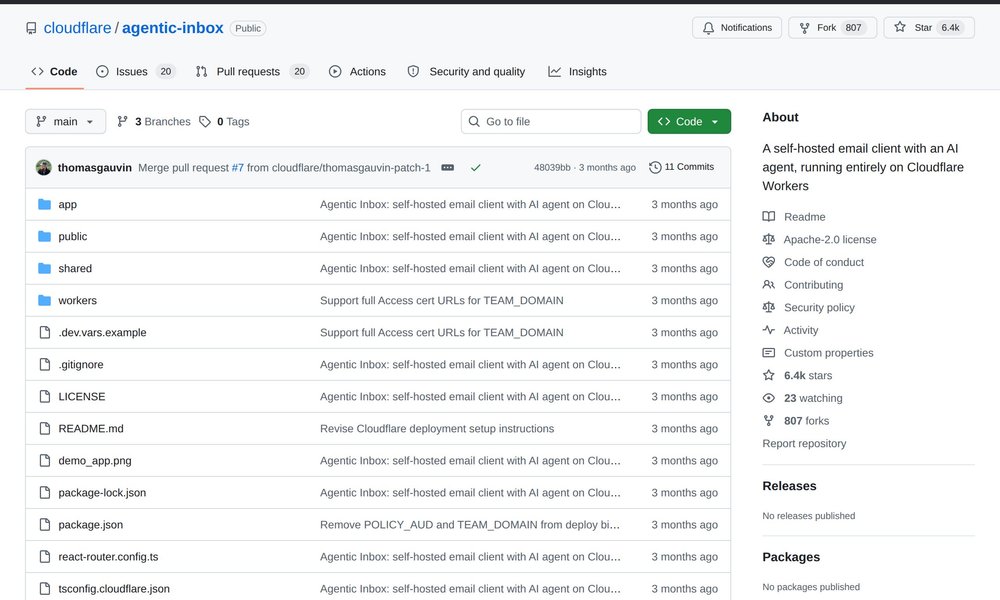
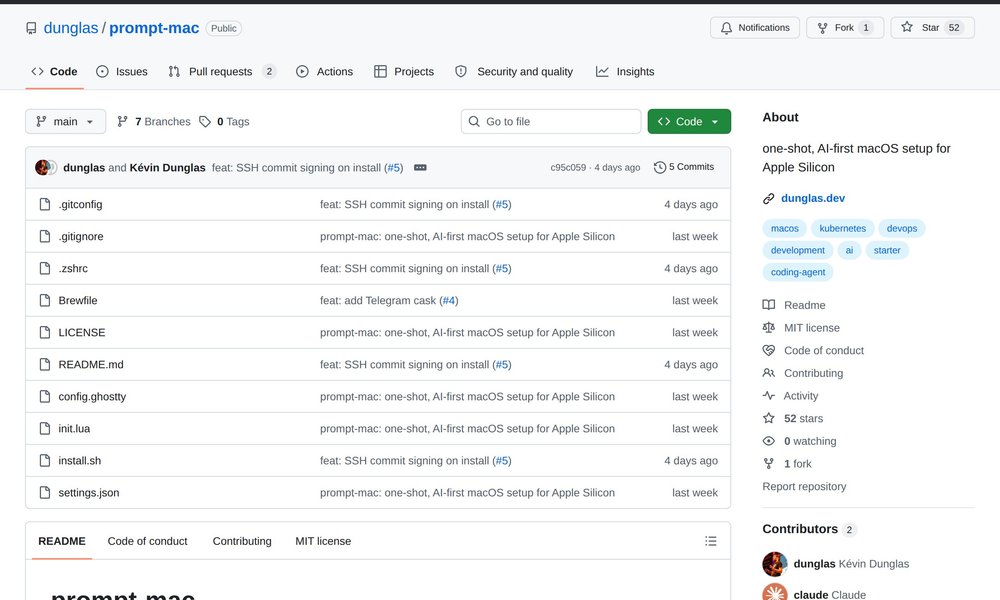
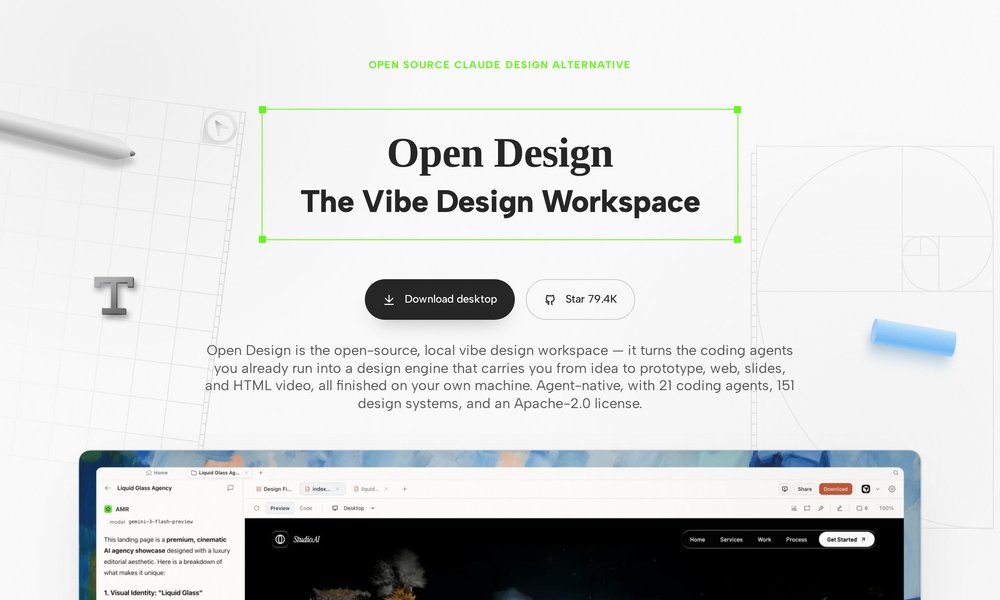
To manage these sophisticated AI agent ecosystems, OpenChamber emerged as an open-source agentic development environment supporting macOS, Windows, and browser-based access. The platform features multi-window workflows, parallel multi-model execution via an Agent Manager, and secure remote tunnel access. For rapid system initialization, the prompt-mac script delivers a one-shot configuration utility designed to establish a lean, agent-first development environment on macOS via a single execution command. Furthermore, Open Design provides an open-source alternative to proprietary AI design engines, transforming local coding agents into comprehensive layout engines capable of exporting artifacts to HTML, PDF, PPTX, and MP4 formats.
Local Development Environments and Performance Optimization
While cloud-native deployments remain dominant, July highlighted a strong resurgence in localized developer performance, static compilation, and reduced dependency architectures. Developers are increasingly seeking lightweight native binaries over resource-intensive virtual machines and interpreted runtimes.
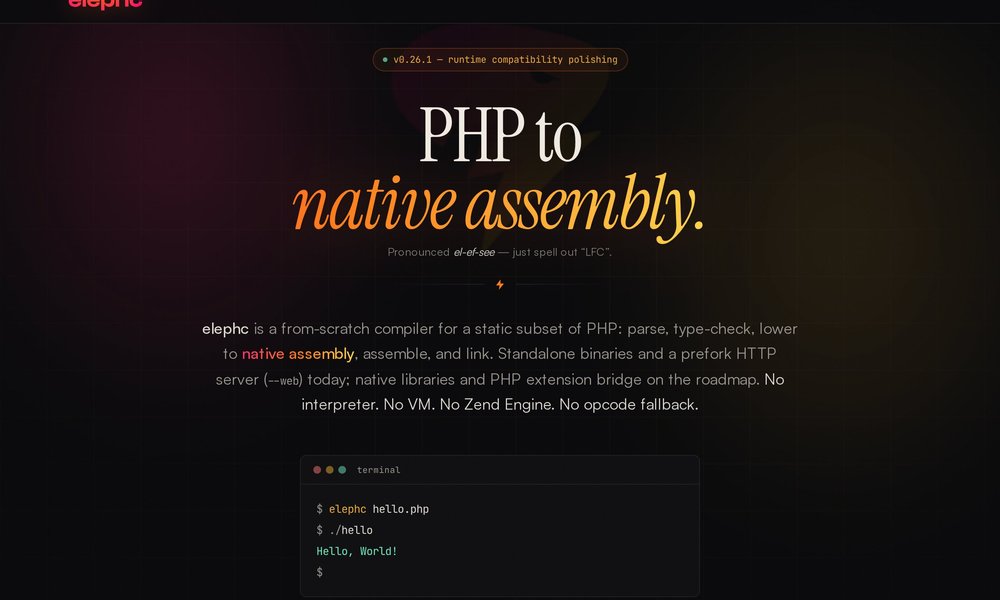
A prominent development in compilation technology is elephc, a static compiler designed to translate a subset of PHP directly into native assembly. Operating without an interpreter, virtual machine, or the traditional Zend Engine, elephc incorporates over 400 built-in functions and robust data type handling to generate standalone binaries accompanied by a prefork HTTP server. This innovation enables developers to ship high-performance PHP applications without requiring a standard runtime environment.
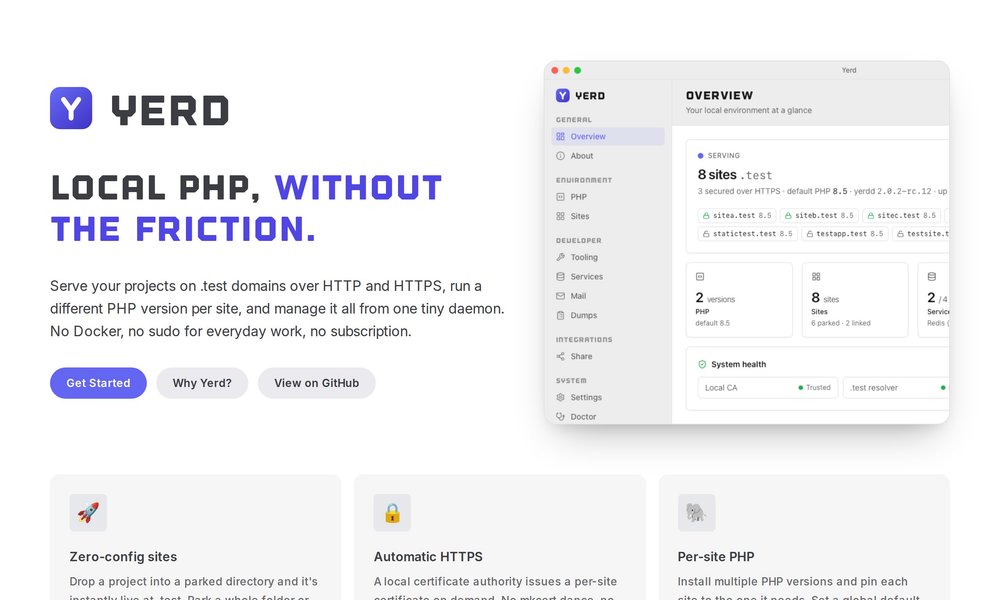
In the realm of local environment management, Yerd offers an 8-megabyte native daemon for macOS and Linux that oversees complete local PHP stacks. Supporting multiple PHP versions, automated .test domains with native HTTPS, and databases such as MySQL, MariaDB, PostgreSQL, and Redis, Yerd functions as a streamlined alternative to heavier ecosystem-specific tools.
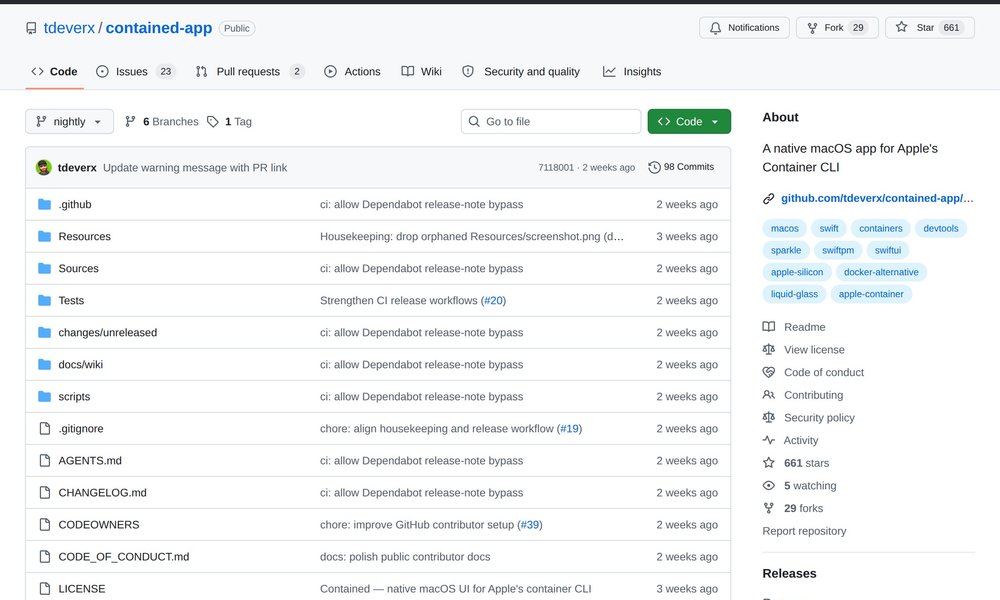
Containerization on Apple Silicon received a substantial boost with Contained, a SwiftUI graphical user interface designed for Apple’s native Container command-line interface. Requiring macOS and Apple Silicon, Contained provides native visual management for containers, volumes, networks, and registries, incorporating modern design paradigms such as Liquid Glass cards and compose file integration.
Database Administration and Infrastructure Management
Database tooling and infrastructure management experienced significant modernization during July, emphasizing unified multi-database clients, secure self-hosted authentication, and serverless communication.
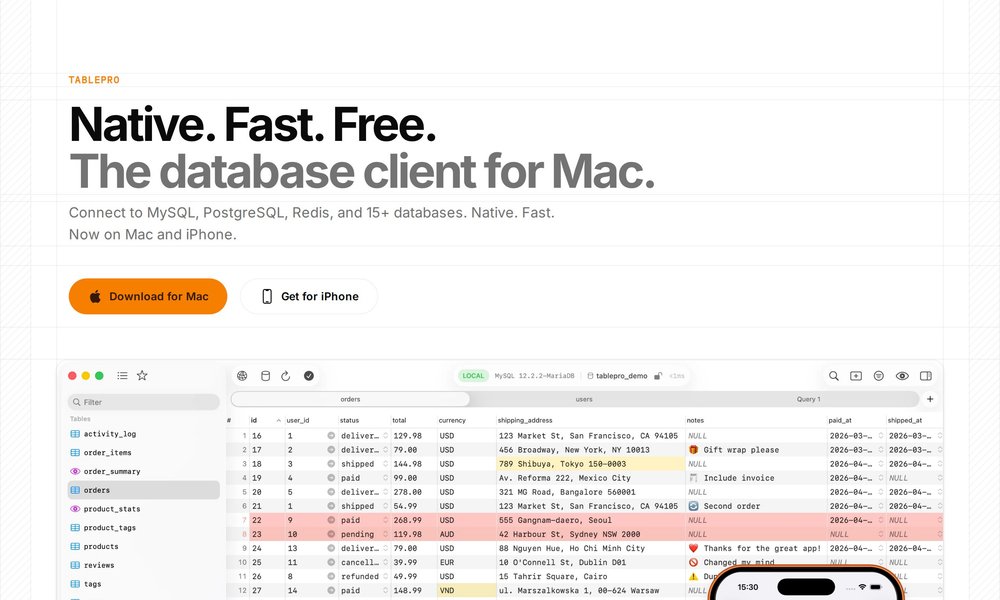
TablePro introduced a high-performance native database client tailored for Apple ecosystems, supporting over 21 distinct database engines including MySQL, PostgreSQL, MongoDB, Redis, and SQLite. The client incorporates an advanced SQL editor featuring Vim mode, autocomplete, integrated artificial intelligence assistance, and automated ER diagram generation.
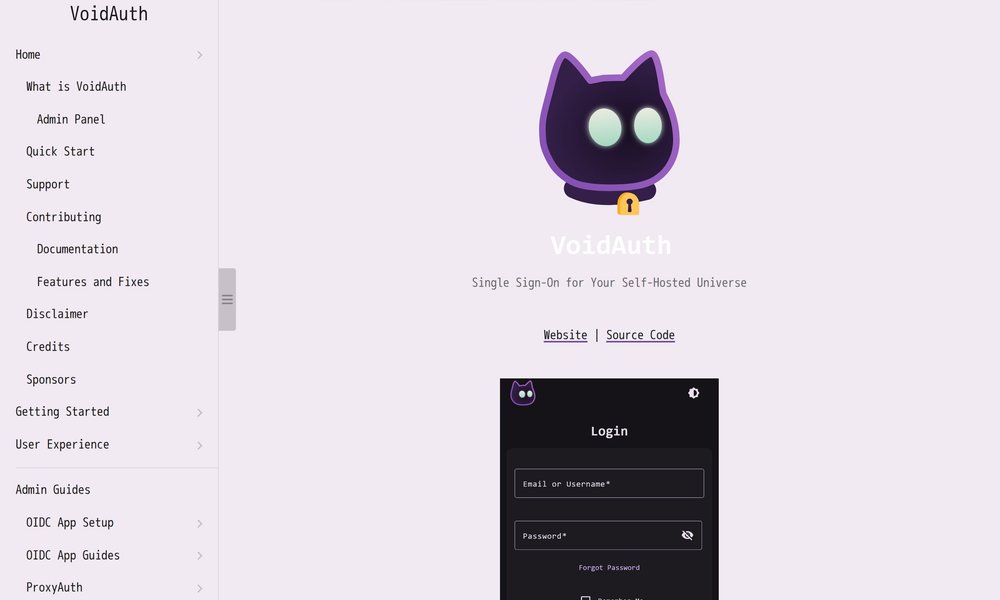
For security and identity access management, VoidAuth addressed the administrative overhead of managing multiple self-hosted services. The open-source single sign-on (SSO) solution supports OpenID Connect, Lightweight Directory Access Protocol (LDAP), cryptographic passkeys, and multi-factor authentication, running securely on PostgreSQL or SQLite backends with end-to-end encryption at rest.
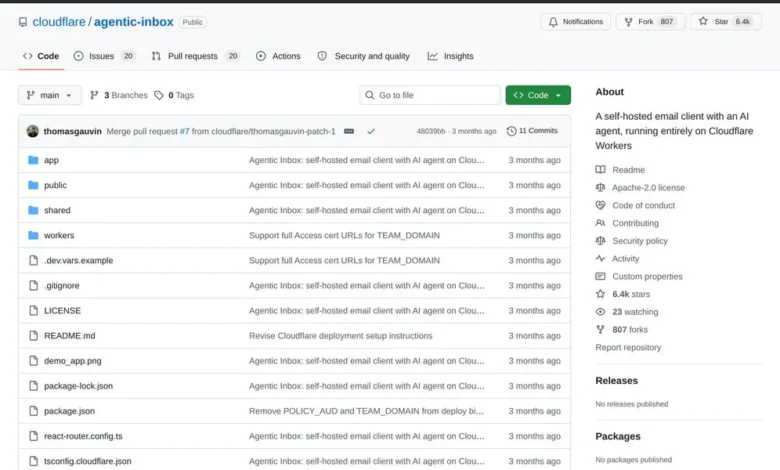
In cloud networking and storage, Cloudflare’s Agentic Inbox demonstrated the viability of serverless email client infrastructure. Operating entirely on Cloudflare Workers, the self-hosted solution routes inbound mail through Cloudflare Email Routing, assigns dedicated Durable Objects with embedded SQLite databases to individual mailboxes, and offloads file attachments to Cloudflare R2 storage, allowing an autonomous agent to process and draft responses without maintaining a traditional mail server.
Cross-Platform Connectivity and Social Distribution
Network administrators and content engineers received robust utilities designed to simplify multi-protocol interactions and cross-platform publishing workflows.
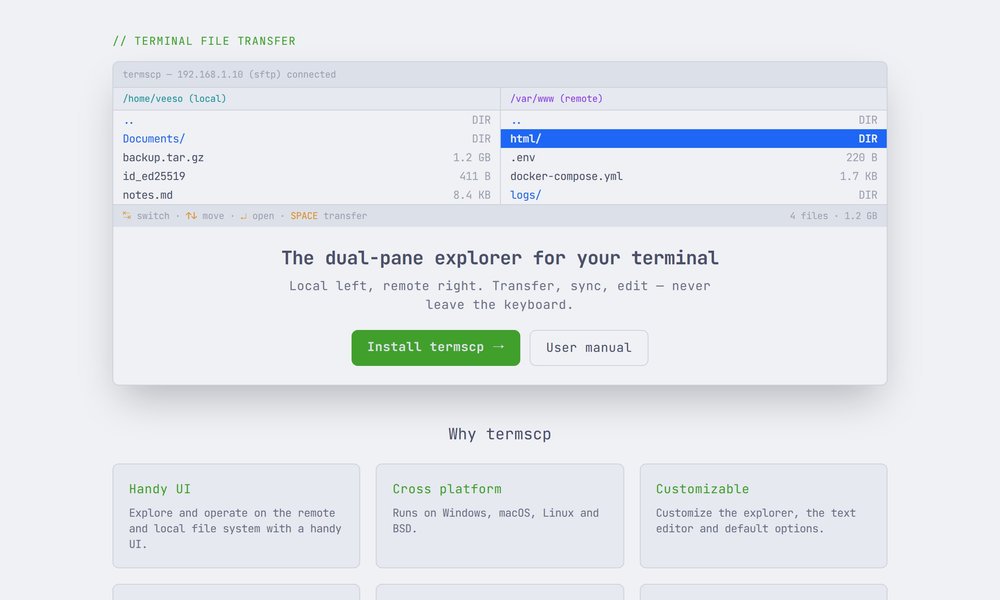
TermSCP delivers a comprehensive terminal-based file transfer explorer written in Rust, supporting secure copy protocol (SCP), SSH File Transfer Protocol (SFTP), File Transfer Protocol (FTP/S), Amazon S3, Kubernetes pods, Server Message Block (SMB), and WebDAV. By centralizing multi-protocol management within an interactive terminal user interface (TUI) and integrating with system keychains, TermSCP optimizes remote server administration across Windows, macOS, Linux, and BSD environments.
For digital communication and marketing operations, Shoutrrr offers an open-source alternative to commercial social media management platforms. The tool enables engineering and marketing teams to draft content once and schedule distribution across X, Bluesky, and LinkedIn from a unified workspace utilizing encrypted credential storage.
Industry Implications and Broader Impact
The collective releases of July indicate a maturing software engineering ecosystem where efficiency, localization, and automated verification are paramount. The shift toward specialized compilation—exemplified by native PHP assembly generation—demonstrates an industry-wide appetite for reduced resource consumption and faster execution speeds. Simultaneously, the proliferation of agentic evaluation frameworks like ReactBench and optimization rule sets like Ponytail highlights the industry’s transition from experimental AI adoption to disciplined, production-grade integration.
As enterprises and independent developers alike continue to adopt self-hosted infrastructure, tools bridging the gap between convenience and security—such as VoidAuth and Cloudflare’s Agentic Inbox—will likely play a foundational role in shaping modern systems architecture. The emphasis on native user interfaces, minimal memory footprints, and cross-platform compatibility ensures that developer productivity tools will remain agile, secure, and tightly aligned with modern hardware capabilities.